Living in San Bernardino, California offers a significantly more affordable entry point into Southern California housing compared to neighboring Los Angeles, Orange, or Riverside counties. You’ll typically pay about $1,301 to $1,488 per month for a one-bedroom apartment, with studio units averaging around $1,174 and two-bedroom apartments running near $1,663. However, securing an apartment is only part of the financial equation: factoring in summer electricity surges from Inland Empire heatwaves, transportation expenses, groceries, and local tenant laws is essential to building an accurate monthly budget. To comfortably afford life in San Bernardino without becoming cost-burdened, single renters should aim for a gross annual income near $52,000 ($4,336/month).
Quick Answer
The estimated cost of living in San Bernardino, CA for a single adult ranges between $2,500 and $2,800 per month including rent, utilities, food, and transportation. Average rent sits at $1,301/month for a 1-bedroom apartment and $1,663/month for a 2-bedroom unit. Under the standard 30% gross income rule, renters need an annual salary of roughly $52,000 to comfortably handle basic expenses.
Key Takeaways
- Rental Baselines: Studios average $1,174/mo, 1-bedrooms run $1,301–$1,488/mo, 2-bedrooms cost ~$1,663–$1,793/mo, and 3-bedroom rentals start around $2,173/mo.
- Income Benchmark: Target a gross monthly earning of $4,336 ($52,000/year) to meet the 30% housing affordability threshold.
- Neighborhood Price Tiers: Del Rosa Heights, Downtown, and Northeast Sterling offer budget-friendly choices, while Kendall, Hudson, and Cajon command higher premiums.
- Utility Reality: Summer temperatures frequently exceed 100°F in the Inland Empire, driving Southern California Edison electric bills to $180–$250+ per month during peak heat.
- Tenant Rights: California state law (AB 1482) caps annual rent increases at 5% plus local CPI for qualifying properties, while AB 12 limits residential security deposits to one month’s rent.
San Bernardino Rental Market Snapshot and Average Rents
While San Bernardino housing costs run significantly lower than coastal California metros like Los Angeles or Anaheim, rent prices remain comparable to national averages. The median rent for a typical 608 sq ft one-bedroom apartment in San Bernardino is roughly $1,301 per month (with certain updated listings showing up to $1,488 depending on complex amenities). Studios average $1,174 per month, two-bedroom units range between $1,663 and $1,793, and three-bedroom single-family rentals start near $2,173.
Across the city, there are generally around 700 to 750 active rental listings at any given time according to market data from HUD Fair Market Rent studies. Supply remains densest along transit corridors and near California State University, San Bernardino (CSUSB). Neighborhoods with the highest concentration of multi-family listings include Northeast Sterling, Kendall, and Hudson.
“Applying the financial 30% rule: To comfortably afford San Bernardino’s median 1-bedroom rent of $1,301 without experiencing financial stress, your gross monthly household income should be at least $4,336 ($52,032 per year).”
To evaluate where your household fits within local affordability standards, compare your projected earnings against the U.S. Census Bureau median household income benchmark for San Bernardino, which sits around $63,988 per year. Renters earning at or above this median can readily secure quality housing in mid-tier or upper-tier neighborhoods across the city.
Monthly Budget Breakdown: Housing, Utilities, and Essentials

Housing represents the largest recurring expense for San Bernardino residents. However, creating a realistic financial plan requires accounting for local utility structures, transportation realities, food costs, and essential insurance coverage.
Warning: San Bernardino sits in the Inland Empire, where summer temperatures regularly exceed 100°F from June through September. Electricity costs via Southern California Edison (SCE) often spike during these months. Budget an extra $100 to $150 per month for central air conditioning during peak summer periods.
Here is a detailed breakdown of realistic monthly costs for a single renter occupying a standard one-bedroom apartment in San Bernardino:
- Rent (1-Bedroom Baseline): $1,301 – $1,488 / month
- Utilities (Electricity, Gas, Water, Trash): $140 – $220 / month average (higher in summer). Electricity is provided by Southern California Edison, natural gas by SoCalGas, and municipal water via the San Bernardino Municipal Water Department.
- High-Speed Internet: $60 – $75 / month (Spectrum or Frontier Fiber options).
- Groceries & Food: $380 – $450 / month according to regional figures from the Bureau of Labor Statistics Consumer Price Index.
- Transportation (Auto Insurance, Gas, Maintenance): $300 – $550 / month. California gas prices and commuter auto insurance rates make vehicle ownership a noticeable line item.
- Renter’s Insurance: $15 – $25 / month (often required by property management groups).
Note: Under California Assembly Bill 12 (effective July 2024), security deposits are legally capped at a maximum of one month’s rent for most residential properties, significantly lowering your upfront move-in cash requirement.
Neighborhoods: Most Affordable, Most Expensive, and Where Rentals Are Concentrated
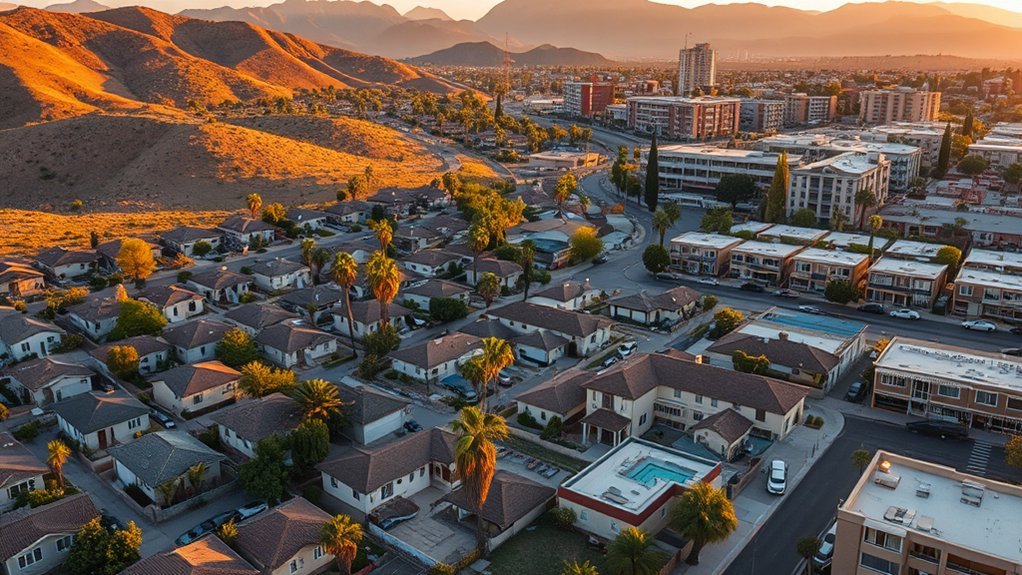
Location within San Bernardino plays a decisive role in rent pricing, safety, access to transit, and overall lifestyle. Rental options range from established suburban tracts near the San Bernardino Mountains to dense urban apartment blocks near Downtown.
| Neighborhood Category | Key Areas | Market Characteristics & Rents |
| Most Affordable | Del Rosa Heights, Downtown San Bernardino, Mount Vernon | Rents range 10–20% below city median ($1,050–$1,250 for 1-beds). Older housing stock; high access to public transit. |
| Mid-Range & High Supply | Northeast Sterling, University District (CSUSB area) | Rents align with city average ($1,300–$1,480 for 1-beds). Popular among university students, healthcare workers, and commuters. |
| Most Premium | Kendall, Hudson, Cajon, Verdemont | Commands premiums ($1,550–$1,850+ for 1-beds). Closer to foothill views, newer gated developments, and suburban master-planned layouts. |
When selecting a neighborhood, weigh local commute dynamics. Living in Verdemont or Kendall puts you closer to the I-15 and I-215 exchange for trips toward Ontario or High Desert employment hubs, whereas Downtown puts you steps from the San Bernardino Transit Center.
Factors That Drive Rent and Living Costs in San Bernardino

Rental rates across the Inland Empire are influenced by macroeconomic indicators, logistics employment growth, and housing inventory shifts:
- Logistics & Industrial Job Growth: San Bernardino serves as a major fulfillment and warehousing hub for North America. Increases in logistics operations attract warehouse workers and logistics management personnel, sustaining constant rental demand.
- Coastal Migration: As housing prices in Los Angeles and Orange County reach historic highs, workers relocate eastward to San Bernardino to capture lower price-per-square-foot ratios while maintaining hybrid work arrangements.
- Proximity to Regional Anchors: Properties located within minutes of California State University, San Bernardino (CSUSB) or major healthcare centers (such as Loma Linda University Medical Center nearby) command consistent pricing premiums.
- Statewide Rent Control Regulations: Under California’s Tenant Protection Act (AB 1482), annual rent increases for non-exempt apartments are capped at 5% plus local CPI (maximum 10%). This limits sudden spike risks for existing tenants while influencing initial pricing strategies for landlords on vacant units.
Tips for Finding Affordable Rentals and Managing Monthly Expenses

Stretching your dollar in the San Bernardino market requires combining smart rental search tactics with disciplined utility and commuting strategies.
Pro Tip: Take advantage of local transit options. The Omnitrans bus network and the Metrolink Arrow train service offer cost-effective options for getting around San Bernardino and connecting to downtown Redlands or downtown Los Angeles without spending money on gas and parking.
- Look for Included Utilities: Seek out older complex listings that cover water, sewer, and trash removal within the base monthly rent, which can save $60 to $90 each month.
- Optimize Off-Peak Electricity Use: Enroll in Southern California Edison’s Time-Of-Use (TOU) rate plans. Running laundry appliances, dishwashers, and cooling systems outside peak hours (4 PM to 9 PM) can noticeably reduce summer utility bills.
- Time Your Leasing Cycle: Move-in specials and price reductions are more common between late November and February when lease demand slows down across Southern California.
- Verify Landlord Licensing & Avoid Scams: Ensure property management companies operate through recognized portals. Never wire security deposits via peer-to-peer cash apps without inspecting the unit in person.
Frequently Asked Questions
How much does it cost to live in San Bernardino?
A single adult typically pays between $2,500 and $2,800 per month in San Bernardino, covering rent ($1,301 average for a 1-bedroom), utilities ($140–$220), food ($400), transit ($300–$500), and insurance. Families generally spend around $5,000 to $5,800 per month depending on housing size and childcare needs.
How much of monthly income should rent cost?
Financial experts recommend capping rent at 30% of your gross monthly income. For San Bernardino’s average 1-bedroom rent of $1,301, aim for a minimum gross monthly income of $4,336 (around $52,000 per year). Lowering your housing ratio to 25% provides an extra financial buffer for savings and emergency funds.
What is the average cost of living expenses in San Bernardino?
Excluding base rent, daily living expenses in San Bernardino average roughly $1,200 to $1,500 per month for an individual. This includes utilities ($180 average), groceries ($400), gas and auto costs ($350), internet/phone ($120), and discretionary spending.
Is San Bernardino low income?
San Bernardino has a median household income of approximately $63,988, which is below the California state median (~$91,000). While parts of the city qualify for federal HUD housing assistance programs, San Bernardino offers a diverse mix of working-class, student, and middle-income neighborhoods.
Conclusion
Navigating the cost of living in San Bernardino comes down to smart regional planning and realistic budgeting. While median rents of $1,301 for a one-bedroom apartment provide significant savings compared to neighboring coastal Southern California cities, factors like summer air conditioning usage, auto commuting, and neighborhood selection require careful attention. By maintaining a target gross income of $52,000, choosing neighborhoods that fit your lifestyle, and taking advantage of California tenant protections, you can comfortably settle in San Bernardino without undue financial strain.
Sources
- U.S. Census Bureau QuickFacts — Official median income, population, and housing data for San Bernardino City, CA.
- U.S. Department of Housing and Urban Development (HUD User) — Fair Market Rent (FMR) benchmarks and multi-family housing metrics.
- Bureau of Labor Statistics (BLS) — Consumer Price Index and regional expenditure averages for Southern California.
- Omnitrans Regional Transit Authority — Public transit routes, fare structures, and commuter programs across San Bernardino County.