The estimated cost of living in Copenhagen for a single person ranges from 18,000 to 24,000 DKK per month (including city-center housing), or roughly 12,000 to 15,000 DKK per month before rent. A single professional needs an after-tax salary of at least 30,000–35,000 DKK to live comfortably, while families typically require 45,000–55,000 DKK combined net income. Housing represents the largest expense, with central 1-bedroom apartments averaging 13,260 DKK monthly compared to 9,200 DKK in surrounding suburbs.
Copenhagen Monthly Cost of Living Overview (2026)
| Expense Category | Single Person (City Center) | Single Person (Suburbs) | Notes & Local Tips |
|---|---|---|---|
| 1-Bed Apartment Rent | 13,260 DKK | 9,220 DKK | Requires 3-month deposit + 1-month upfront rent |
| Utilities (Heating, Water, Electricity) | 1,140 DKK | 1,140 DKK | Billed via advance Aconto payments; winter spikes higher |
| Internet & Mobile Plan | 370 DKK | 370 DKK | 60+ Mbps fiber internet + 10GB+ mobile data |
| Groceries & Household | 2,500 DKK | 2,500 DKK | Shopping at discount tiers (Netto, Rema 1000, Lidl) |
| Public Transit / Cycling | 750 DKK | 750 DKK | Monthly 2-3 zone commuter pass (or ~150 DKK/yr bike upkeep) |
| Dining & Entertainment | 2,500 DKK | 2,000 DKK | Inexpensive restaurant meal ~150 DKK; draft beer ~60 DKK |
| Total Estimated Budget | ~20,520 DKK | ~15,980 DKK | Livable after-tax salary: 30,000+ DKK |
Quick Answer: What Is a Livable Budget in Copenhagen?
Here is the big-picture breakdown for living comfortably in Copenhagen:
- City-center 1-bedroom rent: around 13,260 DKK per month
- Suburban 1-bedroom rent: around 9,220 DKK per month
- Utilities plus internet and mobile: roughly 1,510 DKK monthly
- Groceries (home cooking): 2,000–2,800 DKK per month
- Comfortable monthly budget before rent: 12,000–15,000 DKK
- Livable after-tax salary (single person): 30,000–40,000 DKK
Daily Expenses and Budget Ranges in Copenhagen
Daily expenses in Copenhagen vary with your lifestyle, but a comfortable monthly budget before rent typically sits around 12,000–15,000 DKK. You’ll find clear price ranges across every category so you can plan accurately. A monthly public-transport pass costs about 750 DKK, while single rides run 24–36 DKK using a Rejsekort or contactless payment. Cycling remains the most popular and budget-friendly transit method, with bike maintenance costing only a few hundred kroner annually.
For groceries, expect 500–700 DKK per week if you cook at home and shop at discount grocers like Netto, Rema 1000, or Lidl. Dining out carries a premium—a standard lunch meal starts around 150 DKK, while a mid-range dinner for two reaches 800 DKK. Utilities depend heavily on seasonal heating, making rent and housing location the primary anchors of your total spending.
Monthly Housing Costs: Rent for 1- to 3-Bedroom Apartments
Housing is the single largest expense in Copenhagen. In the city center (Indre By, Vesterbro, Nørrebro, Østerbro), a 1-bedroom apartment averages 13,259 DKK per month, while outside the center it drops to roughly 9,223 DKK. For a family-sized 3-bedroom apartment, expect around 22,413 DKK in the center versus 15,391 DKK in outer districts like Valby or Amager.
Standard Danish lease terms require a security deposit equal to 3 months’ rent plus 1 month’s prepaid rent at signing. For a central 1-bedroom, this creates an initial cash outlay of over 53,000 DKK before moving in. Note that most rentals require a valid housing contract to secure your CPR number (civil registration), which unlocks access to free public health services (*Sundhedskort*).
Utilities and Internet: What to Expect
Basic monthly utilities (heating, water, electricity, and garbage disposal) for an 85 m² apartment average 1,138 DKK. High-speed fiber internet (60+ Mbps unlimited) adds about 278 DKK, while a standard mobile plan with 10 GB+ data costs around 90 DKK, bringing total monthly connectivity and utility costs to roughly 1,506 DKK.
Understanding Aconto Billing and Heating
In Denmark, heating and water are typically paid through an Aconto system—an advance monthly estimate included alongside rent. At the end of the utility year, meters are read; you will either receive a refund or a top-up bill based on actual consumption. Because most buildings rely on municipal district heating (*fjernvarme*), cold winter weather can temporarily increase overall energy costs by up to 70%.
Food and Groceries: Typical Prices and Trends

Grocery prices in Copenhagen remain predictable if you manage store selection wisely. Supermarket chains fall into distinct price tiers: discount stores (Netto, Rema 1000, Lidl) offer affordable everyday staples, whereas premium supermarkets (Føtex, Meny) charge 15–30% more for organic lines and imported goods.
Grocery Staples Price Benchmark
- Milk (1 liter): 14.60 DKK
- Eggs (12 large): 35.00 DKK
- Fresh Bread (500g loaf): 29.00 DKK
- Chicken Fillets (1 kg): 86.00 DKK
- Ground Beef (1 kg): 85.00 DKK
- Tomatoes (1 kg): 38.00 DKK
- White Rice (1 kg): 22.00 DKK
- Local Cheese (1 kg): 105.00 DKK
Dining Out Vs Cooking at Home: Cost Differences
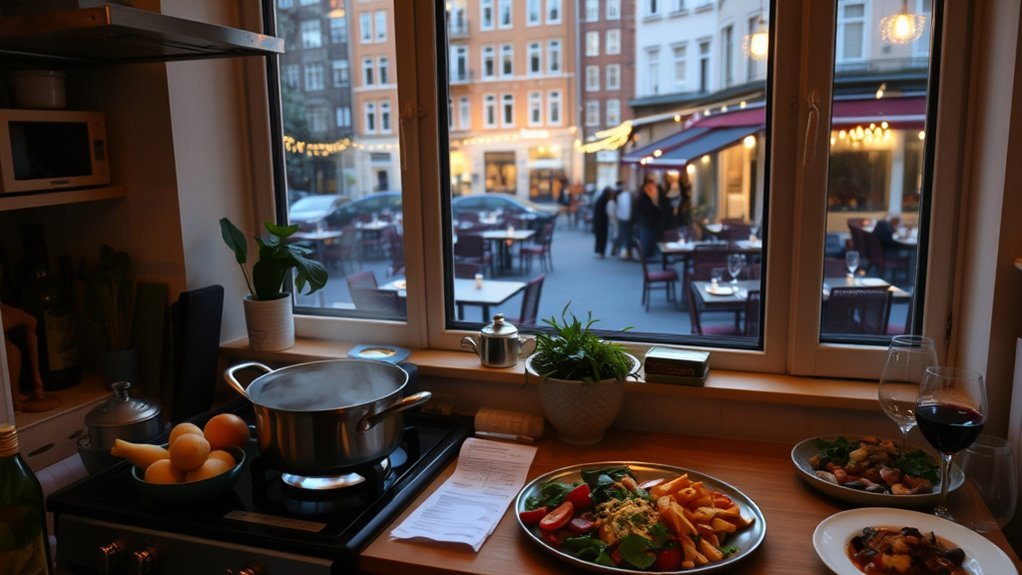
Dining out in Denmark carries substantial service taxes and labor costs. A casual meal at an inexpensive restaurant costs around 150 DKK per person, a fast-food combo meal (McMeal) sits at 100 DKK, and a regular cappuccino averages 45 DKK. A three-course dinner for two at a mid-range restaurant typically totals 800 DKK before drinks.
By contrast, home cooking with groceries purchased at discount markets keeps personal food expenditure between 2,000 and 2,800 DKK monthly per adult, representing savings of over 60% compared to a restaurant-heavy lifestyle.
Transportation Costs: Public Transit and Commute
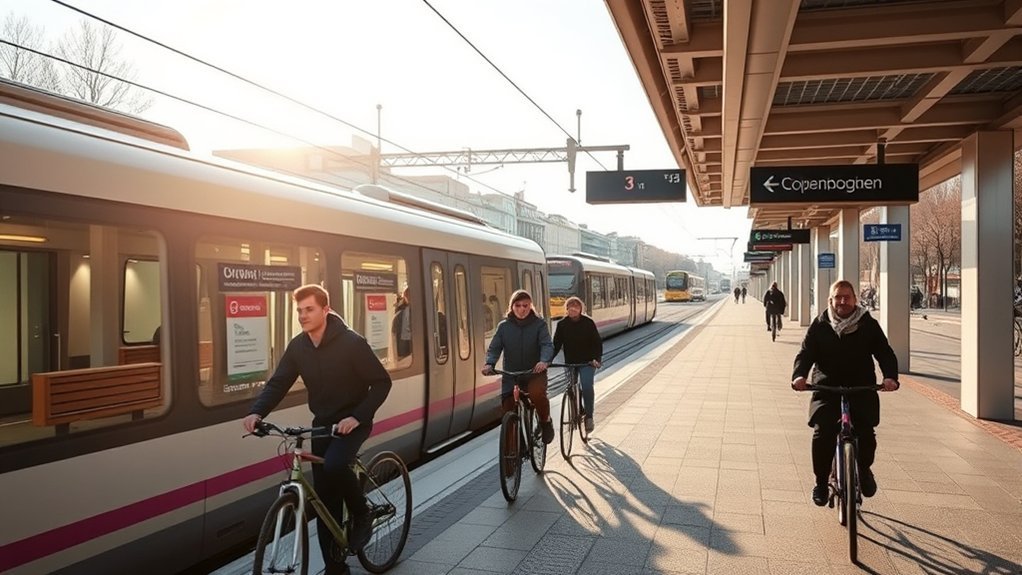
Copenhagen features a world-class, integrated public transit network combining metro, S-trains, and buses. A standard single ride costs 24 DKK, while a monthly commuter pass (*Pendlerkort*) covering central zones runs between 700 and 775 DKK.
Taxis are expensive, starting with a base rate of 50 DKK plus approximately 24 DKK per kilometer. Gasoline prices average 14.43 DKK per liter. Over 62% of Copenhagen residents commute by bicycle; buying a secondhand bicycle for 800–1,500 DKK eliminates daily transit costs almost entirely.
Salary and Tax Considerations for Expats

There is no statutory legal minimum wage in Denmark; pay rates are negotiated via collective bargaining agreements. The average gross salary in Copenhagen is approximately 50,000 DKK per month, resulting in a net take-home pay of roughly 31,241 DKK after income taxes and labor market contributions (*AM-bidrag*).
Expats should account for Denmark’s progressive tax scale (ranging from ~37% to 52%). High earners meeting specific salary thresholds may qualify for the special Expat Tax Scheme (*Forskerordning*), which taxes gross income at a flat rate of 27% plus labor contributions for up to 7 years.
Suburban Living: Costs Outside the City Center
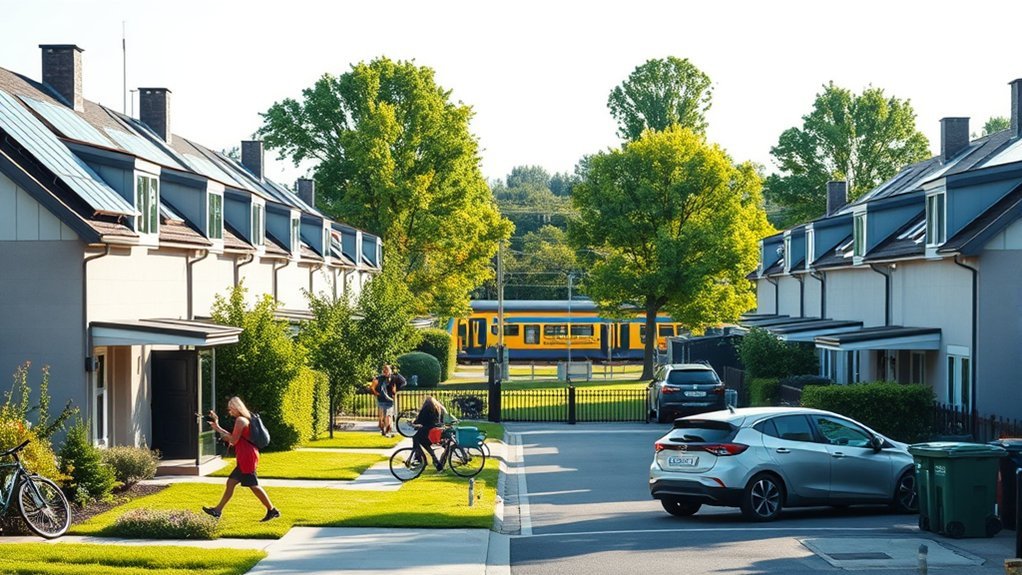
Moving outside central Copenhagen yields substantial housing savings while keeping downtown easily accessible via the S-train network (15–30 minute commutes). A 1-bedroom apartment in suburban municipalities (such as Glostrup, Herlev, or Ballerup) averages 8,500–9,500 DKK per month compared to 13,260 DKK in Indre By. Suburban 3-bedroom family flats cost around 15,391 DKK compared to 22,413 DKK in the city center.
One-Time Move-In Costs and Deposits

When signing a lease in Denmark, upfront costs are significant. Landlords legally require up to 3 months’ rent as a security deposit, plus 1 month’s prepaid rent, and the first month’s initial rent.
| Upfront Cost Component | 1-Bed City Center (13,260 DKK/mo) | 1-Bed Suburbs (9,220 DKK/mo) |
|---|---|---|
| Security Deposit (3 Months) | 39,780 DKK | 27,660 DKK |
| Prepaid Rent (1 Month) | 13,260 DKK | 9,220 DKK |
| First Month’s Rent | 13,260 DKK | 9,220 DKK |
| Total Estimated Signing Capital | 66,300 DKK | 46,100 DKK |
Cost Comparison: Copenhagen Vs Other Danish Cities

Copenhagen is the most expensive city in Denmark, primarily driven by housing premiums. Rent prices in secondary Danish cities like Odense, Aarhus, and Aalborg run 30% to 50% lower for comparable central apartments.
Copenhagen vs. Odense Cost Comparison
While basic groceries and utility tariffs remain uniform across Denmark due to national retail pricing, housing contrasts sharply. A central 1-bedroom flat in Odense averages approximately 6,500 DKK per month—less than half the price of a central Copenhagen unit (13,260 DKK). Net salaries in Copenhagen average 31,200 DKK compared to ~26,000 DKK in Odense.
Frequently Asked Questions
Is rent expensive in Copenhagen?
Yes. Rent in central Copenhagen averages 13,260 DKK for a 1-bedroom apartment and over 22,400 DKK for a 3-bedroom unit. Moving to suburban municipalities like Herlev or Valby lowers rent costs by 30% to 40%.
What is a livable salary in Copenhagen?
A single professional needs a net take-home salary of 30,000 to 35,000 DKK per month (around 48,000–52,000 DKK gross) to cover rent, groceries, public transit, and leisure comfortably.
How much are utilities in Copenhagen?
Standard monthly utilities (heating, electricity, water) for an 85 m² apartment run around 1,140 DKK. Adding high-speed internet (278 DKK) and a mobile subscription (90 DKK) brings the total monthly utility bill to ~1,510 DKK.
Is it cheaper to live in Denmark than the US?
It depends on lifestyle and state comparisons. While income taxes and consumer goods are higher in Denmark, public services—including free healthcare via CPR registration, subsidized childcare, and efficient public transit—offset many high out-of-pocket expenses common in the US.
Conclusion
Living in Copenhagen requires careful budgeting for housing, which often consumes 35% to 50% of monthly net income in the city center. By choosing suburban accommodation, shopping at discount grocery tiers (Netto, Rema 1000), and commuting by bicycle, expats can easily keep their total monthly living expenses under 16,000 DKK while enjoying a high quality of life in Denmark’s capital.