
Hotel costs can take up a large share of an Alaska vacation budget, especially during the busy summer travel season. Using current Alaska summer planning benchmarks, seven nights may cost about $1,225 for economy lodging, $1,925 for a mid-range hotel, or $2,520 and up for premium accommodations before local taxes. These are budgeting figures rather than guaranteed statewide rates, and your exact total depends on destination, dates, room type, occupancy, cancellation terms, and included amenities.
Quick Answer
For seven nights in Alaska, plan on roughly $1,225 for economy lodging, $1,925 for a mid-range hotel, or $2,520 and up for premium lodging before local taxes. A current statewide hotel dataset averages about $1,866 for one week before taxes and fees, showing how widely individual stays can vary.
Key Takeaways
- Alaska.org currently uses summer planning figures of about $175 per night for economy lodging, $275 for mid-range lodging, and $360 or more for premium lodging.
- A separate current hotel dataset reports an Alaska-wide average near $267 per night, or about $1,866 for one week before taxes and fees.
- Hotel prices are normally quoted per room for the listed occupancy, not as a separate charge for each person sharing that room.
- June through August brings the strongest summer demand, while spring and fall shoulder seasons can offer lower prices and fewer crowds.
- Alaska has no statewide sales tax, but cities and boroughs can impose local lodging, room, bed, or sales taxes.
- Compare the complete stay price, cancellation terms, parking, breakfast, transportation, and kitchen access instead of choosing a hotel by nightly rate alone.
Alaska Hotel Costs for One Week in 2026

There is no single fixed statewide Alaska hotel rate. Prices change by community, season, availability, property type, room class, and booking date. As a starting point, Alaska.org’s lodging-planning guidance currently uses summer figures of approximately $175 per room per night for economy lodging, $275 for a mid-range hotel, and $360 or more for premium accommodations.
Current Market Cross-Check: Budget Your Trip’s current Alaska hotel dataset, which says its hotel pricing comes from KAYAK-reported base prices, lists an average of about $267 per night and about $1,866 for one week before taxes and fees. Treat both sets of figures as planning references rather than quotes for specific dates.
| Lodging Level | Nightly Planning Figure | Seven-Night Room Total | What to Expect |
| Economy | About $175 | About $1,225 | Simpler rooms, fewer amenities, or locations outside the busiest tourist centers |
| Mid-Range | About $275 | About $1,925 | More convenient locations and a broader selection of services and room types |
| Premium Starting Benchmark | About $360 and up | About $2,520 and up | Higher-end locations, views, resort facilities, or specialty lodging; true luxury and remote lodges can cost substantially more |
These figures apply to one room and do not automatically include local taxes, parking, meals, transportation, or optional services. They also should not be treated as guaranteed prices for every Alaska destination or month.
If two adults share one mid-range room at the $275 planning figure, the hotel room still costs about $1,925 for seven nights before tax. The two travelers could split that expense between themselves, which would be $962.50 each before tax, but the hotel’s charge remains based on the room and its occupancy terms.
How Room Count Changes a One-Week Alaska Hotel Budget
Room count can make a bigger difference than the number of people in your group. Using the $275 mid-range planning figure:
- One room for seven nights: About $1,925 before local taxes.
- Two rooms for seven nights: About $3,850 before local taxes.
- Three rooms for seven nights: About $5,775 before local taxes.
Properties may also charge more for extra adults, rollaway beds, certain child occupancies, or larger room categories. Always enter the correct number of guests when searching.
At a $275 nightly planning rate, seven nights cost $1,925 for one room before local lodging taxes and optional additions.
Seasonal Price Variations in Alaska Hotel Costs
Season is one of the strongest influences on Alaska hotel prices. According to Travel Alaska’s vacation-planning guidance, June through August is the main summer visitor period and offers the widest selection of tours, cruises, activities, and accommodations. That popularity also increases competition for desirable rooms.
- June through August: Expect the strongest summer demand, fewer last-minute choices, and higher rates in popular destinations.
- April and May: Spring shoulder-season travel can provide better deals, although some seasonal roads, tours, lodges, and visitor services may not be fully operating early in the season.
- September and October: Lower visitor demand can improve value, but seasonal businesses and attractions gradually reduce operations.
- Late fall through early spring: Major-city hotels remain available, while many park-area and remote seasonal properties close or operate on reduced schedules.
Travel Alaska’s budget guide says May prices for flights and accommodations can run about 20% to 40% below peak-summer rates. This is a broad shoulder-season estimate, not a guaranteed discount on every hotel.
Note: A cheaper shoulder-season room does not automatically make the entire trip better value. Check whether cruises, park transportation, restaurants, tours, ferries, and rental services you need will be operating on your dates.
How Location Affects Alaska Hotel Prices
Location influences both the nightly room rate and the rest of your travel budget. A cheaper hotel can become more expensive overall if it requires a rental car, long transfers, paid parking, or an extra night between transportation connections.
| Area Type | Pricing Pressure | Budget Consideration |
| Anchorage | Summer visitors, conventions, flight schedules, and major events can affect availability. | Compare airport, downtown, and midtown areas together with parking and transportation costs. |
| Seward and Denali Gateways | Seasonal room inventory can be limited relative to peak summer demand. | Reserve early and weigh nearby lodging against the time and transportation required to reach attractions. |
| Juneau and Southeast Alaska | Air, ferry, cruise, government, and seasonal visitor demand can affect particular dates. | Consider airport transfers, ferry schedules, walkability, and whether you need a rental car. |
| Fairbanks and Interior Communities | Demand changes between summer touring, winter aurora travel, events, and business stays. | Compare central hotels with airport, university-area, and roadside properties. |
| Remote Wilderness Lodges | Limited inventory plus boat or aircraft access can substantially increase the package price. | Find out whether meals, transfers, guides, equipment, or activities are included before comparing the price with a normal hotel. |
A property outside a busy destination may offer a lower room rate, but confirm transportation before booking. Some Alaska communities require air or marine transportation rather than a normal road connection, so the cheapest room on a map may not produce the cheapest itinerary.
Amenities That Affect Hotel Costs in Alaska
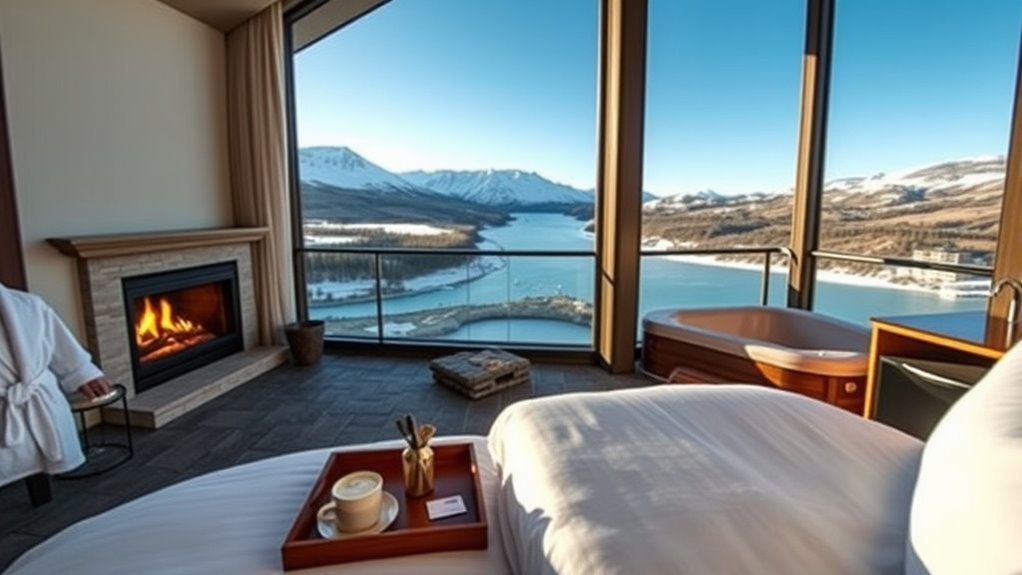
Amenities affect both the room price and what you spend outside the hotel. The lowest advertised room is not always the lowest-cost choice after transportation, meals, parking, and other daily needs are included.
Location and Accessibility
A central hotel may cost more while reducing the need for a rental car, fuel, parking, or paid transfers. Before booking, check the actual walking or driving distance to your tour departure point, train station, ferry terminal, restaurants, or visitor center.
Useful features to compare include:
- Airport, rail, ferry, or cruise-terminal shuttle service
- Free or paid parking
- Distance from tour pickup points
- Elevators and step-free entrances
- Accessible bathrooms and room layouts
- On-site dining when nearby restaurants are limited
- Luggage storage before check-in or after checkout
Travelers who need an accessible room, roll-in shower, mobility-equipment clearance, or accessible transportation should confirm the exact setup with the property before paying. A general accessibility filter on a booking platform may not describe every feature of the assigned room.
Room Size and Features
Larger rooms, suites, cabins, and accommodations with kitchens usually cost more than a basic room. For families or groups, they can still offer better value if they reduce the number of rooms needed or allow some meals to be prepared on-site.
Compare these features before choosing a room:
- Kitchen or kitchenette: Check the refrigerator size, cookware, dishes, and nearby grocery access rather than assuming the unit contains a full kitchen.
- Breakfast: Find out whether it is complimentary, included only with selected rates, or sold separately.
- Laundry: This can be especially useful on longer trips or when traveling with limited luggage.
- Extra beds: Rollaways, sofa beds, and cribs can have fees or occupancy restrictions.
- View and balcony: Scenic views can raise the room rate without changing its practical features.
- Air conditioning: Confirm availability when it matters to you, particularly at older or seasonal properties.
- Wi-Fi: Check whether it is included and whether reliable connectivity is important for your itinerary.
How to Find Affordable Alaska Hotels
Finding a lower-cost Alaska hotel is easier when you compare the entire trip impact instead of sorting only by the smallest nightly number.
Book Early for Better Availability
Travel Alaska recommends planning an Alaska vacation about four to six months ahead. Hotels in popular destinations can fill quickly for June, July, and August, and travelers who need multiple rooms or specific room features may benefit from booking even earlier.
- Test several date combinations: Moving the stay by one or two days can sometimes avoid a weekend, local event, or high-demand arrival date.
- Consider refundable rates: A flexible reservation can secure your room while leaving you free to check rates again later.
- Compare equivalent offers: Do not treat a nonrefundable room-only price as identical to a refundable rate that includes breakfast or parking.
- Review the complete stay price: Check the price for all seven nights instead of multiplying a promotional first-night rate.
Pro Tip: If you reserve a refundable room, check the same hotel and room type again before the cancellation deadline. Rebook only when the new offer genuinely has equal or better occupancy rules, inclusions, and cancellation terms.
Consider Alternative Accommodations
Hotels are only one form of Alaska lodging. Depending on your destination, budget, and group size, also consider:
- Hostels with private rooms or dormitory beds
- Motels and roadside inns
- Bed-and-breakfast accommodations
- Cabins and public-use cabins
- Vacation rentals
- University or seasonal lodging where available
- Developed campgrounds and RV sites
A hostel bed may suit a solo traveler, while a suite or vacation rental can make more sense for a family. Look at cleaning charges, minimum stays, kitchen facilities, parking, bathroom arrangements, cancellation terms, and distance from your planned activities.
Use Travel Rewards Programs Carefully
Hotel loyalty points and travel-card rewards can reduce your cash expense, but redemption value and award-room availability vary. Compare the points requirement with the refundable cash price before assuming an award night is the better deal.
- Check whether taxes or other charges remain payable on an award stay.
- Confirm that the award room can accommodate the correct number of guests.
- Compare member rates with public promotions.
- Review cancellation and points-redeposit rules.
- Avoid transferring points until the desired room is actually available.
Benefits of Booking Alaska Hotels in Advance
The main value of booking ahead in Alaska is protecting your choice of destination, room type, and schedule. Early booking does not guarantee a particular percentage discount.
An advance reservation can help you secure:
- A room near a park entrance, rail stop, airport, ferry terminal, or tour pickup point
- A family room or suite with enough beds
- An accessible room with the features you require
- Parking, breakfast, shuttle service, or kitchen facilities
- Dates that line up with a cruise, train, park bus, ferry, or flight
- A refundable rate before desirable room categories sell out
Read the cancellation deadline carefully and note the property’s local time. Weather and transportation disruptions can affect tightly scheduled Alaska itineraries, so paying slightly more for flexibility may be worthwhile.
Camping and Vacation Rentals as Hotel Alternatives
Camping and vacation rentals can reduce accommodation spending, but neither is automatically cheaper once equipment, cleaning, transportation, parking, and minimum-stay requirements are included.
Cost-Effective Camping Options
Campground prices and facilities vary considerably. The National Park Service’s Denali campground information says developed sites are generally around $25 to $50 per night. Current examples include approximately $25.25 for tent-only sites at Riley Creek, $38.75 for smaller RV sites, and $49.25 for larger RV sites.
By contrast, the Exit Glacier campground at Kenai Fjords National Park has no camping fee. It has 12 walk-in, tent-only sites offered on a first-come, first-served basis and frequently fills during July and August.
2026 Note: As of the National Park Service’s May 20, 2026 update, the water pump at the Exit Glacier campground was out of order. Campers should bring enough water for drinking and other needs and check the NPS page again shortly before arrival.
Include these possible expenses when comparing camping with a hotel:
- Camping equipment or RV rental
- Sleeping bags suited to expected nighttime temperatures
- Campground or reservation charges
- Vehicle, fuel, and parking costs
- Food-storage equipment
- Showers, laundry, firewood, or dump-station charges
- Backup lodging if weather disrupts your camping plans
Warning: Alaska is bear country. Keep a clean camp and secure food, garbage, cookware, toiletries, pet food, and other scented items according to the rules for your campground. Do not keep food in your tent. Review the National Park Service wildlife-safety guidance before camping.
Vacation Rentals and Cabins
Vacation rentals can provide more space, privacy, laundry facilities, and a full kitchen. Cabins, apartments, yurts, and houses may be especially useful for families and groups that would otherwise need two or more hotel rooms.
Do not judge a rental from the nightly rate alone. Review:
- The complete price for the entire stay
- Mandatory cleaning or service charges
- Local taxes
- Minimum-night requirements
- Maximum occupancy
- Parking and road access
- Heating, running water, and bathroom facilities
- Check-in instructions and host availability
- Cancellation and damage policies
Under the FTC’s Rule on Unfair or Deceptive Fees, a mandatory vacation-rental cleaning fee that must be paid as part of the booking must be included in the displayed total price. Government charges and genuinely optional additions can be excluded from the initial total but must be disclosed before payment.
Accessibility and Amenities Comparison
| Option | Main Advantages | Possible Drawbacks |
| Hotel | Front desk, housekeeping, private bathroom, predictable check-in, and often clearer accessibility information | Higher summer prices, smaller rooms, possible parking charges, and limited cooking facilities |
| Hostel | Lower solo-traveler cost, shared kitchens, and a social environment | Shared rooms or bathrooms, less privacy, and variable accessibility |
| Vacation Rental | More space, kitchen, laundry, and potential value for families or groups | Cleaning requirements, limited on-site support, minimum stays, and inconsistent accessibility |
| Camping | Low site fees and direct access to outdoor settings | Equipment needs, weather exposure, wildlife precautions, limited facilities, and variable physical accessibility |
Alaska Hotel Taxes, Fees, and Price-Disclosure Rules
The term “hidden fees” needs context under current federal rules. Since May 12, 2025, the FTC’s Rule on Unfair or Deceptive Fees has required short-term lodging sellers that advertise prices to display the total price including mandatory fees they know about and can calculate upfront.
Government taxes and charges for genuinely optional services may be excluded from the first displayed total. However, excluded amounts must be clearly disclosed before the customer is asked to pay, and the final payment amount must be shown before checkout is completed.
Charges you may still need to budget for include:
- Local room, bed, or sales tax: Alaska has no statewide sales tax, but local jurisdictions can impose their own lodging-related taxes.
- Parking: This can matter at downtown, airport, and resort properties.
- Pet charges: A property may use a nightly fee, one-time charge, or refundable deposit depending on its policy.
- Optional breakfast: Some room rates include breakfast while others charge separately.
- Extra-person or rollaway charges: These depend on room type and occupancy rules.
- Optional trip protection: Read the coverage and exclusions before adding insurance.
- Laundry, equipment rental, or late checkout: These are generally added only when selected or used.
- Cancellation charges: The amount depends on the rate rules and timing of the cancellation.
Warning: A low nightly price can still be nonrefundable, available for only part of the stay, or tied to restrictive occupancy rules. Before paying, review the complete seven-night total, local taxes, cancellation deadline, parking, occupancy, and included services.
How to Budget for a One-Week Alaska Hotel Stay
Build your accommodation budget from the complete stay price rather than relying on one advertised nightly figure.
- Choose a realistic room benchmark: Start with an economy, mid-range, or premium estimate that fits your destination and season.
- Multiply by the number of nights: Seven nights at $275 equals $1,925 for one room.
- Multiply by the number of rooms: Two rooms at that same rate would cost $3,850 before local taxes.
- Add local lodging taxes: The applicable rate depends on the city or borough.
- Add optional hotel expenses: Include parking, pets, breakfast, laundry, or extra beds when relevant.
- Account for transportation: A cheaper or remote property may require a car, fuel, shuttle, train, ferry, boat, or flight.
- Consider meal savings: A kitchen can reduce restaurant spending, but grocery access and food prices also matter.
- Keep a contingency amount: Leave room in the budget for schedule changes, transportation disruptions, or an unexpected extra night.
The State of Alaska does not levy a statewide sales tax, although municipalities can impose local taxes. One useful example is Anchorage, where the hotel occupancy tax is 12%.
| Illustrative Anchorage Hotel Budget | Amount |
| Mid-range room at $275 × 7 nights | $1,925 |
| 12% Anchorage hotel occupancy tax | $231 |
| Illustrative hotel subtotal | $2,156 |
This Anchorage example is a budgeting illustration rather than a quote for a particular property. It does not include parking, meals, transportation, pets, or other optional services, and tax exemptions can apply in certain circumstances.
Tips for an Enjoyable Alaska Hotel Stay
- Confirm the exact location: Check real driving time and walking distance to the places on your itinerary.
- Match lodging to transportation: Verify airport, train, ferry, cruise, and tour-pickup arrangements before paying.
- Check seasonal operations: A hotel can be open even when nearby restaurants, tours, or visitor services are closed.
- Verify late-arrival procedures: This matters when arriving on an evening flight, ferry, train, or long road transfer.
- Read the full room description: Confirm bed type, occupancy, bathroom arrangement, kitchen equipment, air conditioning, and accessibility.
- Ask about luggage storage: Storage can help when transportation schedules do not line up with hotel check-in or checkout.
- Record the cancellation deadline: Pay attention to the property’s local time and any special rules for packages or multiple rooms.
- Save key information offline: Cell service can be limited on remote roads and around some parks.
- Check current conditions shortly before travel: Weather, wildfire smoke, construction, road conditions, and transportation interruptions can affect an Alaska itinerary.
A well-located room that includes breakfast, parking, kitchen facilities, or useful transportation can deliver better overall value than a cheaper room that creates extra daily expenses.
Frequently Asked Questions
How much does an Alaska hotel cost for one week?
Using current summer planning benchmarks, seven nights cost about $1,225 for economy lodging, $1,925 for a mid-range room, or $2,520 and up for premium lodging before local taxes. A separate current statewide hotel dataset reports an average near $1,866 per week before taxes and fees.
Are Alaska hotel prices charged per room or per person?
Normal hotel rates are generally quoted for one room at the stated occupancy. Two travelers can divide that bill between themselves, but the hotel does not automatically cut the room price in half. Extra-person, child, or rollaway charges can apply at some properties.
How much would two Alaska hotel rooms cost for a week?
At the $275 mid-range planning figure, two rooms for seven nights would cost about $3,850 before local taxes and optional services. The exact amount depends on whether both rooms have the same rate and occupancy terms.
When are Alaska hotels most expensive?
Summer demand is generally strongest from June through August, especially in park gateways, cruise communities, and popular road-trip destinations. Major events, weekends, transportation schedules, and limited local room inventory can push prices higher.
How far ahead should I book an Alaska hotel?
Travel Alaska recommends planning about four to six months ahead. Consider booking earlier if you need several rooms, an accessible room, a specific room type, or lodging in a small destination during June, July, or August.
Do Alaska hotels charge state sales tax?
Alaska does not levy a statewide sales tax. Cities and boroughs can impose local sales, room, bed, or hotel taxes, so review the tax shown for the exact property and destination before booking.
Are mandatory hotel fees included in the displayed price?
Under the FTC fee rule effective May 12, 2025, calculable mandatory short-term lodging fees must be included in the upfront displayed total. Government taxes and genuinely optional additions can be excluded initially, but they must be disclosed before payment.
Is camping or a vacation rental cheaper than an Alaska hotel?
It can be, but the full cost matters. Camping may require equipment, transportation, and food-storage supplies, while vacation rentals can have minimum stays and other requirements. Hotels may include services that reduce transportation, meal, or equipment expenses.
What is the easiest way to lower Alaska hotel costs?
Start by checking spring or fall shoulder-season dates, booking several months ahead, comparing refundable rates, and looking at the complete stay price. A hotel with free parking, breakfast, a kitchen, or useful transportation may also lower your total trip cost.
Conclusion
For a one-week Alaska hotel stay, a useful summer planning budget is about $1,225 for economy lodging, $1,925 for a mid-range room, or $2,520 and up for premium accommodations before local taxes. A current statewide hotel dataset averaging about $1,866 for one week provides a useful cross-check, but neither figure should replace a live search for your exact destination and dates.
For the most reliable budget, enter the correct number of guests and rooms, compare the complete seven-night price, add applicable local taxes, and account for parking, transportation, meals, and optional services. Booking several months ahead, considering shoulder-season dates, and choosing amenities that reduce other travel expenses can make a meaningful difference to the total cost.
Sources
- Alaska.org — Places to Stay — current summer economy, mid-range, and premium lodging-planning benchmarks.
- Budget Your Trip — Alaska Hotel Prices — current statewide hotel-price and one-week market cross-check.
- Travel Alaska — Tips for Planning Your Alaska Vacation — seasonality, availability, and four-to-six-month booking guidance.
- Travel Alaska — Alaska on a Budget — shoulder-season savings and travel-cost guidance.
- Federal Trade Commission — Rule on Unfair or Deceptive Fees — mandatory lodging-fee and total-price disclosure requirements.
- State of Alaska — Sales Tax Information — confirms that Alaska has no statewide sales tax and explains the role of local taxation.