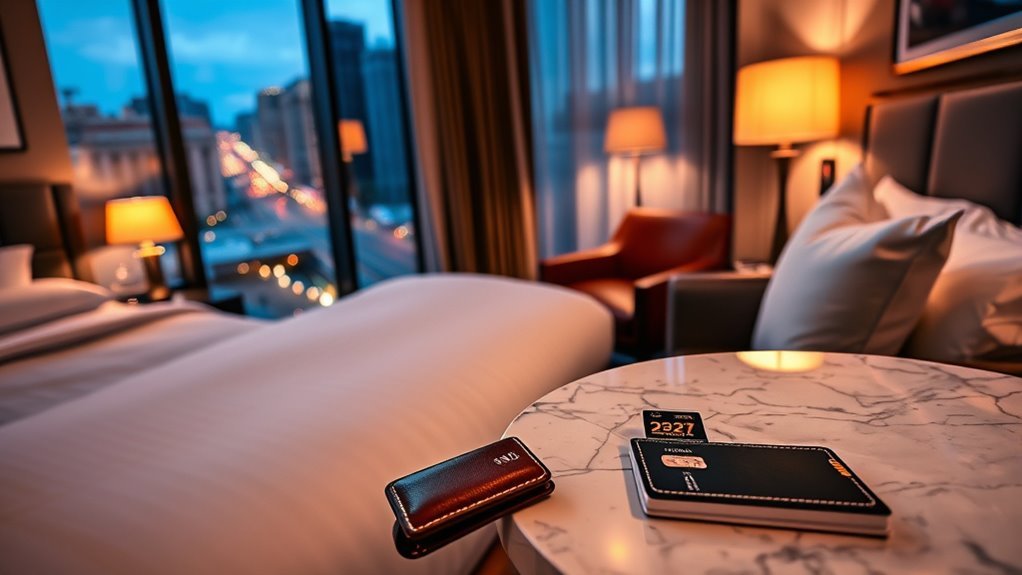
For 2026 trip planning, a practical U.S. boutique-hotel budget is about $200 to $350 per room, per night before government taxes for many upscale and upper-upscale stays. That is a budgeting range, not a national boutique average. U.S. boutique pricing spans much wider: public reporting on The Highland Group’s 2025 boutique-hotel study showed 2024 ADRs from about $141 to $440 across different boutique segments and hotel classes.
Last updated: September 7, 2026 · Updated with CoStar/STR’s August 2026 U.S. hotel forecast and current boutique-hotel market checks.
Quick Answer
Start with about $200 to $350 per night for many U.S. boutique stays, then adjust for your city, dates, room type, and service level. At that planning range, a three-night room budget is roughly $600 to $1,050 before government taxes and optional extras. Luxury boutiques, suites, and high-demand dates can exceed $400 per night, while quieter markets can fall below $200.
Key Takeaways
- There is no single authoritative national average for boutique hotels because the category spans lifestyle, soft-brand, and independent properties across several hotel classes.
- The 2025 ADR across all U.S. hotels was $160.54. CoStar/STR’s August 2026 forecast now calls for 3.1% ADR growth, 63.1% occupancy, and 4.4% RevPAR growth for 2026.
- Published boutique-segment data for 2024 ranged from roughly $141 ADR at the lower end to $440 for luxury independent boutiques, showing why one national boutique price can mislead.
- Compare the total price for the full stay, not only a nightly teaser rate; known mandatory lodging fees must be included in the prominently displayed total under the FTC fee rule.
- Flexible dates, refundable reservations, direct-rate checks, and careful amenity comparisons can reduce your total cost.
How Much Does a Boutique Hotel Cost in 2026?

A boutique hotel is usually a smaller, stylish property that emphasizes distinctive design, personal service, and a local or highly themed guest experience. However, hospitality researchers have found that there is no universally accepted definition of a boutique hotel.
That definition problem matters when discussing price. National hotel reports commonly organize properties by market, chain scale, service level, or brand affiliation. They do not always separate every independent or lifestyle property into a consistent boutique category. As a result, a precise claim such as “the national boutique average is $200” can imply more certainty than the available data supports.
The best approach is to start with the broader U.S. hotel market and then adjust your budget using boutique-specific segment data and live city-level prices.
How this guide was updated: The national benchmark uses CoStar/STR’s 2025 full-year hotel data and August 2026 forecast. Boutique-specific context uses The Highland Group’s Boutique Hotel Report 2025, which reports 2024 performance by boutique segment and class. Current city examples use Booking.com boutique-hotel market pages checked September 7, 2026. Live booking prices can change at any time.
| Benchmark | Current Figure | What It Means |
|---|---|---|
| 2025 U.S. all-hotel ADR | $160.54 | The average room revenue earned per occupied room across the overall hotel market. |
| 2026 U.S. ADR forecast | 3.1% growth | Applied to the 2025 ADR, this implies roughly $165.52 for the 2026 full-year all-hotel ADR if the forecast is realized. |
| 2024 U.S. boutique-segment ADR spread | About $141–$440 | Public reporting on The Highland Group’s report shows a wide spread across boutique segments and classes. |
| Practical boutique planning range | About $200–$350 | A working budget for many upscale and upper-upscale stays, not an official boutique-only national average. |
Note: Average daily rate, or ADR, is an industry performance measure. It is not the same as the final amount a traveler pays after taxes, optional services, parking, or other trip expenses.
CoStar reported that the overall U.S. hotel market finished 2025 with an ADR of $160.54 and occupancy of 62.3%. In its August 2026 forecast update, STR and Tourism Economics raised full-year 2026 ADR growth to 3.1%, demand growth to 1.7%, and RevPAR growth to 4.4%. The accompanying forecast put 2026 occupancy at 63.1%.
Boutique-specific data explains why the broad national ADR is only a starting point. The Highland Group’s Boutique Hotel Report 2025 covers lifestyle hotels, soft-brand collections, and independent boutiques by class. Public reporting on its 2024 results showed ADRs from about $141 for upper-midscale soft-brand hotels to $440 for luxury independent boutiques; upscale independent boutiques were about $193, upper-upscale lifestyle hotels about $227, and upper-upscale soft brands about $253.
Those are 2024 operating benchmarks, not guaranteed 2026 booking prices. They do, however, show why a $200–$350 planning band can be useful for many non-luxury boutique stays while still missing both cheaper and much more expensive properties.
What Drives Boutique Hotel Prices?
The hotel name or design style alone does not determine what you will pay. Boutique rates are shaped by the same demand forces that affect other hotels, plus the value placed on location, design, service, and limited room inventory.
How Does Location Affect the Rate?
Location is usually one of the strongest price drivers. A boutique hotel near a convention center, entertainment district, beach, ski area, university, historic attraction, or major business center can charge more when nearby rooms are limited.
Demand may increase because of:
- Conventions, trade shows, concerts, festivals, and sporting events
- School vacations and holiday weekends
- Wedding seasons and group bookings
- Good weather in seasonal destinations
- Limited hotel supply in a popular neighborhood
- Short-notice disruptions that increase local room demand
There is no reliable nationwide rule that every festival increases rates by the same percentage. The effect depends on event size, room availability, length of stay, competing events, and how close the hotel is to the venue.
When Are Boutique Hotels Cheaper or More Expensive?
Peak and off-peak dates are different in every destination. Beach hotels may be most expensive in summer, desert properties may peak during cooler months, ski hotels usually charge more during strong snow periods, and city hotels may rise during conventions or weekday business travel.
Check at least three date combinations before booking:
- Your preferred dates
- The same number of nights one week earlier
- The same number of nights one week later
Also compare Sunday through Thursday stays with Friday and Saturday stays. A weekday is not automatically cheaper. Business-oriented districts can have higher midweek demand, while leisure neighborhoods may peak on weekends.
Which Amenities Can Raise the Price?
Boutique properties often use amenities and design to separate themselves from standardized hotels. These features can add value, but only when you will actually use them.
Possible price-influencing features include:
- Rooftop dining, cocktail bars, or destination restaurants
- Spa services, pools, saunas, or wellness classes
- Historic architecture or custom interior design
- Premium bedding and branded bath products
- Complimentary breakfast, snacks, drinks, or evening receptions
- Pet-friendly rooms and pet services
- Valet parking or reserved parking
- Concierge service and locally arranged experiences
A lower room rate can become more expensive if breakfast, parking, or destination charges are separate. A higher room rate may offer better value when it includes services you would otherwise buy.
How to Calculate the Total Boutique Hotel Cost
Do not multiply the advertised nightly rate by the number of nights and assume that is your final cost. Use this basic calculation:
Total stay cost = displayed lodging total + taxes and government charges + optional services you select + separate trip expenses such as parking or meals.
For example, a two-night stay displaying a $500 lodging total may still cost more after occupancy taxes, parking, breakfast, pet charges, or optional upgrades. Read the final checkout screen before entering payment details.
| Stay Length | Room Budget at $200–$350/Night | Before You Book |
|---|---|---|
| 2 nights | About $400–$700 | Add government taxes and any optional parking, meals, pet services, or upgrades. |
| 3 nights | About $600–$1,050 | Compare the complete three-night total and cancellation terms. |
| 5 nights | About $1,000–$1,750 | Check whether a longer-stay rate or package lowers the total. |
| 7 nights | About $1,400–$2,450 | A week can justify checking both direct rates and equivalent refundable offers. |
For a broader national benchmark, see our guide to the average hotel cost for three nights in the USA. That page covers the full U.S. hotel market rather than boutique properties specifically.
Under the FTC Rule on Unfair or Deceptive Fees, businesses that display prices for short-term lodging must prominently show the total price including mandatory fees they know and can calculate upfront. Government charges, taxes, and optional extras may be disclosed separately, but the final payment amount must be shown before payment.
Pro Tip: Compare the total cost for the entire stay on each website. A low first-night rate or average nightly rate can hide a more expensive total when dates have different prices.
How Much Do Boutique Hotels Cost in Major U.S. Cities?
Citywide boutique averages should be treated cautiously because hotel rates change daily and boutique properties are not reported as one standardized class. Broader hotel-market data still shows how dramatically location can affect a reasonable budget.
For 2025, CoStar reported these all-hotel market benchmarks:
| Market | 2025 All-Hotel ADR | Boutique Planning Implication |
|---|---|---|
| United States overall | $160.54 | Boutique stays may be above or below this benchmark depending on market and service level. |
| New York City | $333.71 | A central boutique hotel can easily exceed a $350 nightly budget on busy dates. |
| San Francisco | $225.82 | Neighborhood, convention demand, parking, and room type can materially change the final cost. |
These are not boutique-only averages and should not be used as quotes for a specific hotel. They provide context for why a single national figure cannot describe New York, San Francisco, Chicago, Miami, Los Angeles, and smaller U.S. destinations equally well.
For a boutique-specific shopping snapshot, Booking.com’s city pages showed the following average boutique-hotel prices when checked on September 7, 2026. These are dynamic marketplace figures, not annual ADR statistics, and they can change as dates, inventory, and the property mix change.
| Boutique Market | Booking.com Average | Planning Takeaway |
|---|---|---|
| Austin | $140/night | Shows that some citywide boutique averages can fall below the $200 planning band. |
| Las Vegas | $161/night | Base averages can look moderate even when weekend or event pricing is much higher. |
| San Francisco | $254/night | Falls near the middle of the working $200–$350 planning range. |
| Nashville | $300/night | A useful example of an entertainment market where events can quickly move rates. |
| Miami | $328/night | Near the upper end of the planning band before checking the exact neighborhood and dates. |
| New York City | $390/night | Shows why a central boutique stay can exceed a $350 nightly budget even before event surges. |
If Miami is on your shortlist, our Miami Beach hotel price guide breaks down the wider market by hotel tier and neighborhood.
When comparing cities, also consider transportation. A cheaper property outside the center may require daily parking, rideshare trips, or longer travel times. A more expensive central hotel may reduce those costs.
When Is the Cheapest Time to Book a Boutique Hotel?

Boutique hotels frequently have fewer rooms than large convention or chain hotels. When only a few rooms remain, rates can rise quickly. The same property may therefore have a modest rate on one date and a premium rate during a festival, holiday, wedding weekend, or major business event.
Shoulder seasons can offer a useful balance of price, weather, and availability. However, “shoulder season” must be identified locally. Early spring may be quiet in one city and a major event period in another.
Before choosing dates, check:
- The destination’s major event calendar
- School and public holiday weekends
- Convention-center schedules
- Weather patterns and attraction operating dates
- Minimum-stay rules
- Whether the lowest room category is still available
Booking early can improve room choice, but it does not guarantee the lowest rate. A flexible, refundable booking may allow you to recheck the price later without risking a large cancellation penalty.
Are Boutique Hotels More Expensive Than Regular Hotels?
Boutique hotels are not automatically more expensive than traditional hotels. A luxury boutique property can cost far more than a limited-service chain, but a small independent hotel can compete with or undercut an upscale branded property.
An accurate comparison must use the same:
- Dates and number of nights
- Neighborhood or distance from key attractions
- Room size and bed type
- Number of guests
- Refund and cancellation terms
- Breakfast and parking inclusions
- Mandatory total price
- Taxes and optional add-ons
Unique Design Premiums
A boutique property may charge a premium for historic architecture, custom furnishings, curated artwork, distinctive public spaces, or a highly desirable location. These features can make the stay more memorable, but they do not automatically improve sleep quality, room size, accessibility, or service.
Read recent reviews for practical details such as noise, climate control, elevator access, bathroom privacy, mattress comfort, and room maintenance. Strong photography should not replace those checks.
Amenities and Services Comparison
| Feature | Boutique Hotel | Traditional or Branded Hotel |
|---|---|---|
| Design | Usually distinctive and property-specific | Often more standardized across locations |
| Service | May be highly personalized | May offer more standardized procedures and staffing |
| Room consistency | Rooms may vary in size, layout, and features | Room categories are often more predictable |
| Loyalty benefits | May have an independent program or none | Large brands may offer points and status benefits |
| Best value for | Travelers who value local character and distinctive design | Travelers who value consistency, broad facilities, or loyalty rewards |
Market Demand Influences Rates
Demand affects both boutique and traditional hotels. A boutique property does not remain affordable simply because it is independent, and a branded hotel does not remain expensive simply because it belongs to a large company.
On high-demand dates, compare both categories. A full-service chain may have more remaining inventory, while a smaller boutique hotel may have only one premium room left. On quiet dates, the boutique property may offer a package, room upgrade, dining credit, or lower flexible rate.
What Makes a Boutique Hotel Good Value?
A budget-friendly boutique hotel is not necessarily the property with the lowest advertised room rate. It is the hotel that provides the best total value for your dates, location, and needs.
Secondary cities and neighborhoods outside the most expensive central districts often provide more boutique choices below $200. Destinations such as Asheville, Albuquerque, and San Antonio may offer appealing independent properties, but major festivals, conventions, holidays, and premium neighborhoods can still raise rates.
Use this checklist to identify genuine value:
- The total price is within your complete trip budget.
- The location reduces transportation or parking costs.
- The room has the bed, space, and accessibility features you need.
- Breakfast, Wi-Fi, or parking is included when those benefits matter to you.
- The cancellation deadline fits your travel risk.
- Recent reviews confirm that the hotel is clean, quiet, and well maintained.
- The amenities justify any premium over a nearby conventional hotel.
A small room with strong design may be ideal for a solo city trip but poor value for a family carrying several bags. Match the hotel to the trip rather than choosing it only because it is labeled “boutique.”
Which Hotel Amenities Are Worth Paying For?
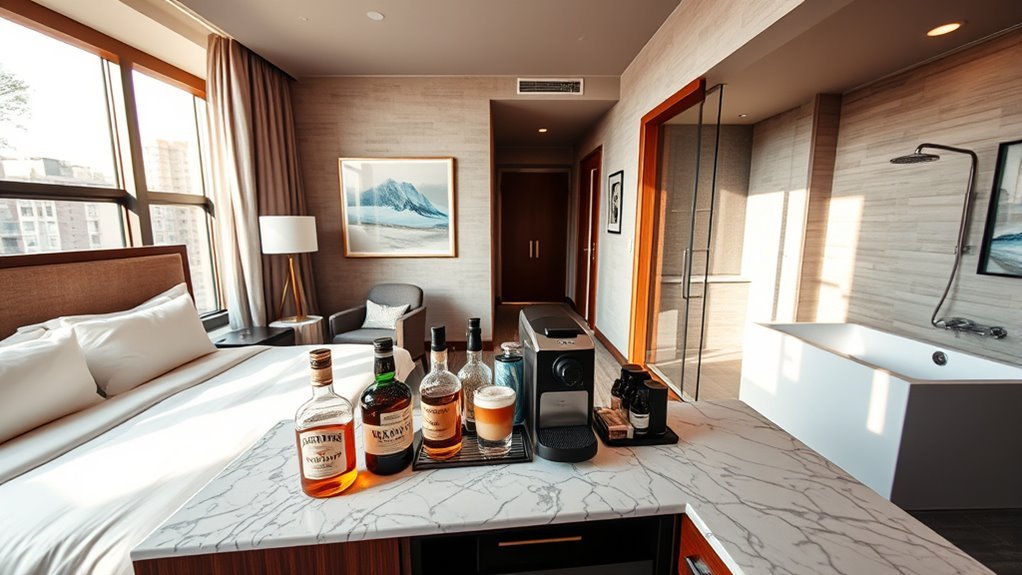
Amenities influence both the room rate and the value you receive. Before paying more, separate included benefits from optional services.
| Amenity | Question to Ask |
|---|---|
| Breakfast | Is it included for every guest, or is it a separate credit with restrictions? |
| Parking | Is self-parking available, and what is the nightly valet or garage cost? |
| Pool or spa | Is access included, and will the facility be open during your stay? |
| Pet-friendly room | What are the pet fee, weight limit, breed rules, and unattended-pet policy? |
| Rooftop or restaurant | Is the venue operated by the hotel, and do guests need reservations? |
| Local experiences | Are tours or classes included, discounted, or charged separately? |
Also check whether the hotel has an elevator, accessible entrance, overnight front desk, luggage storage, climate control, and soundproofing. Historic charm can involve narrow stairs, small elevators, unusual room layouts, or limited accessibility.
What Is the Latest U.S. Hotel Forecast for 2026–2027?
The latest U.S. forecast is stronger than the June outlook. In the August 6, 2026 update, CoStar/STR and Tourism Economics raised 2026 expectations after stronger first-half demand and event-driven pricing. The figures below cover the overall U.S. hotel market, not boutique hotels alone:
| Metric | 2026 Forecast | 2027 Forecast |
|---|---|---|
| Supply growth | 0.4% | 0.6% |
| Demand growth | 1.7% | 1.1% |
| Occupancy | 63.1% | 63.4% |
| ADR growth | 3.1% | 1.6% |
| RevPAR growth | 4.4% | 2.1% |
This does not mean every boutique hotel will raise its rates by 3.1%. The forecast is an all-hotel national average. CoStar’s August analysis expects stronger pricing at the upper end, including full-year ADR growth of about 5.9% for luxury chains, while lower hotel scales face more consumer-price pressure.
Technology, sustainability programs, labor costs, insurance, renovations, energy costs, and changing guest expectations can also affect future rates. Travelers should use national forecasts as context, not as a substitute for checking live prices.
How Can You Find Cheaper Boutique Hotel Rates?
- Search flexible dates. Compare several nearby date combinations and check whether changing the trip by one day lowers the total.
- Compare the complete stay. Use the same room type, guest count, cancellation policy, and included benefits on every website.
- Check the hotel’s official site. The direct rate may include breakfast, parking, a room credit, flexible cancellation, or an upgrade that is not available elsewhere.
- Use comparison platforms for discovery. Search broadly, then verify the final terms with the hotel or the booking platform before paying.
- Review cancellation deadlines. A nonrefundable rate may save money, but it can become expensive if your plans change.
- Set price alerts where available. Alerts can help you notice changes, but confirm that the room and terms are still equivalent.
- Ask about longer-stay offers. Some hotels discount multi-night stays or include extra benefits.
- Check member rates. Independent collections and branded lifestyle hotels may provide free membership pricing or loyalty benefits.
- Calculate transportation costs. A central hotel may be better value if it eliminates parking, rental-car, or rideshare expenses.
- Contact the property for special needs. Confirm accessibility, adjoining rooms, quiet-room requests, pet rules, and late-arrival procedures before booking.
Warning: Watch for copycat hotel websites, misleading paid advertisements, and unexpected calls claiming there is a problem with your reservation. Find the hotel’s official website independently, confirm the address and phone number, and avoid sellers demanding payment by gift card, wire transfer, or cryptocurrency.
The Federal Trade Commission advises travelers to verify travel companies independently and research a hotel, agent, or booking service with terms such as “scam,” “review,” or “complaint” before paying.
Frequently Asked Questions
How much does a boutique hotel cost per night in the USA?
A practical 2026 planning range is about $200 to $350 per room, per night before government taxes for many upscale and upper-upscale stays. Lower-cost markets can fall below $200, while luxury boutiques, suites, major cities, and event dates can exceed $400. It is a budgeting range, not an official national boutique average.
What is the hotel forecast for 2026?
CoStar/STR and Tourism Economics raised the 2026 U.S. hotel outlook on August 6, 2026. The latest forecast calls for 3.1% ADR growth, 63.1% occupancy, 1.7% demand growth, and 4.4% RevPAR growth. These figures cover the overall U.S. hotel market, not boutique hotels alone.
What is the average cost of a hotel per night in the US?
CoStar reported a 2025 average daily rate of $160.54 across the U.S. hotel market. Applying the current 3.1% growth forecast would imply a 2026 full-year ADR of about $165.52 if the forecast is realized. ADR is an industry room-revenue measure and is not the same as a traveler’s final bill after government taxes and optional extras.
Are boutique hotels more expensive than regular hotels?
Sometimes, but not always. Boutique properties may charge more for design, location, personalized service, or limited inventory. An independent boutique hotel can also cost less than an upscale chain. Compare identical dates, room types, cancellation terms, amenities, and total prices.
What extra costs should I check before booking?
Check taxes, parking, breakfast, pet charges, optional upgrades, spa services, additional-guest charges, and transportation expenses. Known mandatory lodging fees must be included in the prominently displayed total price under the FTC rule, but taxes and optional services may still be added separately before payment.
When is the cheapest time to book a boutique hotel?
There is no single cheapest month or booking day for every destination. Search flexible dates, avoid major local events when possible, compare weekends with weekdays, and check the same refundable room periodically before its cancellation deadline.
What is considered a boutique hotel?
There is no universally accepted industry definition. Boutique hotels are generally described as smaller, stylish properties with distinctive design, high-touch service, and a more personalized or local experience. The category can include independent hotels, lifestyle hotels, and soft-brand properties.
How much should I budget for a three-night boutique hotel stay?
Using the $200 to $350 planning range, budget about $600 to $1,050 for three room nights before government taxes and optional extras. Your exact total can be lower or much higher depending on the city, dates, room category, parking, meals, pets, and cancellation terms.
How much does it cost to run a boutique hotel?
There is no useful universal monthly total. Costs depend on room count, location, payroll, ownership or lease expenses, debt, utilities, insurance, maintenance, food service, marketing, booking commissions, and amenities. A small owner-operated property and a full-service urban boutique hotel require completely different financial models.
Conclusion
For 2026 trip planning, $200 to $350 per night remains a useful starting budget for many U.S. boutique stays, but it is not an official national average. The broader U.S. hotel market recorded a $160.54 ADR in 2025, and the latest August 2026 forecast now calls for 3.1% ADR growth for the full year.
Your actual cost will depend far more on the destination, dates, neighborhood, room type, cancellation terms, amenities, taxes, parking, and local demand. Compare the total stay price under equivalent conditions, confirm what is included, and pay extra only for features that improve your trip.
Sources
- CoStar: U.S. Hotels Report 2025 Full-Year Performance — supports the 2025 national, New York City, and San Francisco hotel ADR benchmarks.
- CoStar/STR and Tourism Economics: U.S. Hotel Forecast Assumptions — Q3 2026 — supports the August 2026 ADR, demand, supply, and RevPAR forecast updates.
- The Highland Group: Boutique Hotel Report 2025 — establishes the boutique-segment framework and 2024 performance dataset used for boutique-specific context.
- Asian Hospitality: Boutique Hotel Report 2025 Performance Highlights — provides publicly accessible 2024 ADR figures by boutique segment and class from The Highland Group report.
- Booking.com: Boutique Hotels in the United States — provides current marketplace context; city-level boutique averages in this guide were checked on September 7, 2026.
- Federal Trade Commission: Rule on Unfair or Deceptive Fees FAQs — explains total-price display requirements for short-term lodging.
- Penn State: Emerging Definitions of Boutique and Lifestyle Hotels — supports the explanation that boutique hotels lack one accepted industry definition.
- Federal Trade Commission: How to Avoid a Travel Scam — supports the booking-site and hotel-verification safety guidance.