
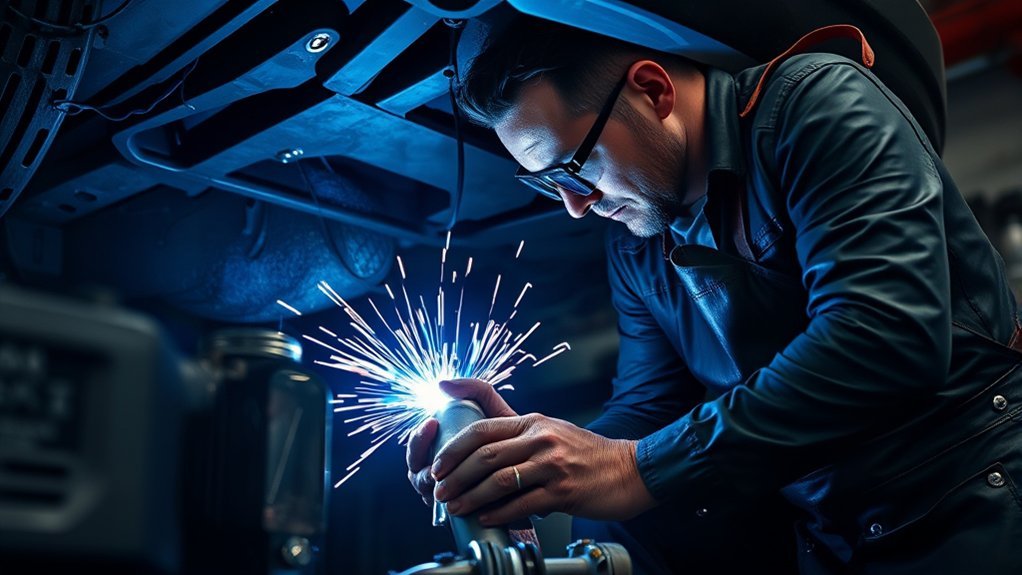
A small exhaust leak does not always require a complete new exhaust system. When the surrounding pipe is still solid, a muffler shop may be able to clean the area and weld the crack, joint, bracket, or replacement section. The final price depends on corrosion, access, material, local labor rates, and how much fabrication is required.
Quick Answer
Most drivers should budget about $80–$200 for a small, accessible exhaust weld. A flex-pipe or cut-and-weld repair often costs $150–$400, while severe rust or component replacement can reach several hundred dollars or more. Shop minimums, local labor rates, pipe material, access, and required parts determine the final quote.
Key Takeaways
- A small weld usually costs less than replacing an entire pipe, muffler, or exhaust assembly.
- Welding works best when the metal around the damage is still thick, clean, and structurally sound.
- Rust, poor access, seized hardware, flex-pipe replacement, stainless steel, and custom fabrication increase the price.
- An independent muffler shop may offer flexible fabrication and lower labor rates, but compare workmanship warranties and written estimates rather than choosing by shop type alone.
- Do not drive with exhaust fumes entering the cabin, and never remove or bypass a catalytic converter or other emissions-control device.
At a Glance
| Time Required | About 30 minutes to 2 hours for a straightforward repair after diagnosis; longer when parts must be removed, fabricated, or replaced |
| Difficulty | Moderate to high; professional repair is recommended for thin, rusty, stainless, or emissions-related components |
| Tools Needed | Suitable MIG or TIG welder, matched filler metal, shielding gas, grinder, safe vehicle lift or stands, welding PPE, ventilation, fire protection, and leak-test equipment |
| Cost | About $80–$200 for a small weld and roughly $150–$400 for common flex-pipe or cut-and-weld work; extensive corrosion or replacement costs more |
Typical Exhaust Welding Costs
There is no fixed national exhaust-welding price. A shop may charge a flat repair price, its minimum labor charge, or labor plus pipe, clamps, flanges, filler metal, and other parts. Current repair-cost guides place a small professional muffler weld near $80–$150 and a flex-pipe repair or replacement near $150–$400. Because auto-repair labor can range from under $100 to over $200 per hour, a local estimate may fall outside those figures.
| Repair Type | Planning Range | What Changes the Price |
|---|---|---|
| Small crack, pinhole, or leaking seam | About $80–$200 | Access, shop minimum, preparation, and whether the surrounding metal is sound |
| Flex-pipe cut-out and replacement | About $150–$400 | Flex-pipe size, replacement part, number of welds, alignment, and access |
| Hanger, bracket, flange, or custom pipe repair | Quote required | Fabrication, seized fasteners, broken studs, alignment, and nearby heat-sensitive parts |
| Rusted pipe, muffler, converter, or larger assembly replacement | Several hundred dollars to $1,000 or more | Vehicle model, part price, emissions certification, sensors, labor, and how much of the system must be replaced |
Note: These figures are budgeting ranges, not binding national prices. Ask whether the estimate includes diagnosis, lifting the vehicle, surface preparation, replacement pipe, welding, leak testing, taxes, and a workmanship warranty.

The Danco Lift and Turn Bathtub Drain Stopper provides an easy replacement for worn or non-functioning tub stoppers while helping keep debris out of your drain. Its lift-and-turn design makes filling and draining the tub simple, and the reversible thread sizes support flexible installation without removing the drain. The chrome finish adds a clean, updated look to your bathtub trim, while the durable metal and plastic construction is built for everyday use.

The ANCEL AD310 is a compact OBD II scanner designed to quickly diagnose check engine light issues by reading and clearing emission-related trouble codes. It also provides live data, freeze frame, I/M readiness, and vehicle information, making it a practical tool for drivers and home mechanics. With broad compatibility across many 1996 and newer OBD2 vehicles, it is a simple, fast, and portable way to check engine problems.

The Veepeak OBDCheck BLE is a Bluetooth OBD-II scanner designed for iOS and Android users who want an easy way to read and clear check engine light codes. It supports generic diagnostics such as freeze frame data, I/M readiness, and live sensor readings through compatible third-party apps. Built for most 1996+ vehicles in the US, it connects over Bluetooth LE and works with popular apps for everyday vehicle troubleshooting and monitoring.
Signs an Exhaust May Need Repair
An exhaust leak may be small, but it should not be ignored. Common warning signs include:
- A hissing, ticking, popping, or rumbling sound that changes with engine speed
- A suddenly louder exhaust note
- Visible soot around a crack, flange, weld, or pipe joint
- A loose pipe, broken hanger, vibration, or metal knocking under the vehicle
- An exhaust or fuel-like odor inside or around the vehicle
- Reduced power, poor fuel economy, or an emissions-test failure
- A check-engine light related to oxygen-sensor or catalyst readings
Warning: Carbon monoxide is colorless and odorless. Do not keep driving when exhaust fumes enter the passenger area or when anyone develops headache, dizziness, weakness, nausea, chest pain, or confusion. Move to fresh air and have the vehicle inspected before further use.
Factors Influencing Welding Costs
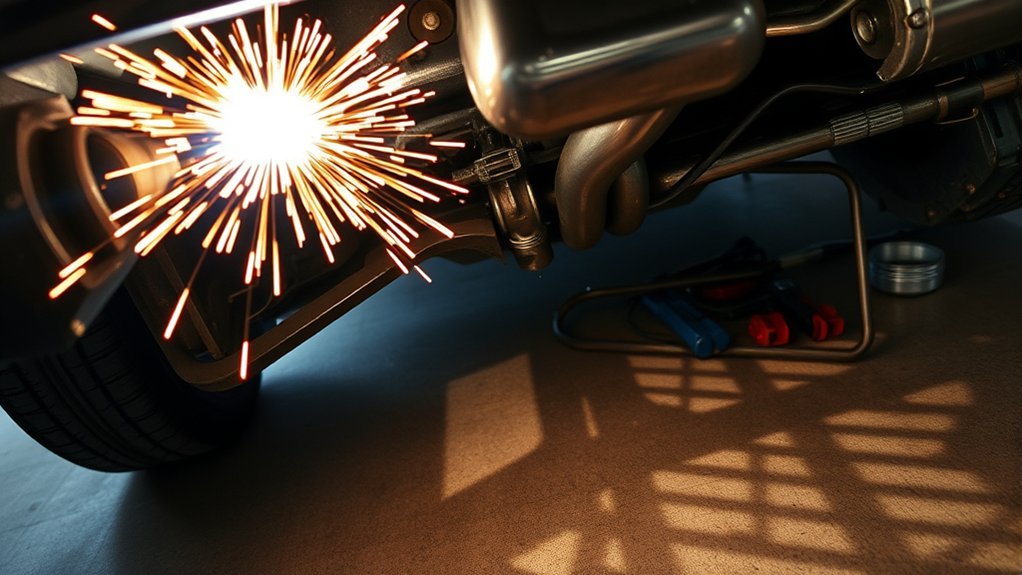
The final bill depends on much more than the length of the visible crack. A technician must first decide whether clean, solid metal remains around the damaged area and whether the repair can be completed safely without harming nearby components.
Size and Location of the Damage
A small crack on an exposed straight pipe is usually easier to repair than damage beside a flange, oxygen sensor, catalytic converter, fuel line, heat shield, suspension part, or body panel. Tight access may require partial exhaust removal before welding can begin.
Condition of the Surrounding Metal
Welding heat must reach sound metal. If a grinder exposes more holes, thin edges, or widespread flaking rust, the shop may need to cut out a larger section or replace the component. Welding one hole in badly weakened pipe can simply move the next failure beside the new bead.
Material and Welding Process
Exhaust components may be made from mild steel, aluminized steel, or stainless steel. The shop must identify the material and choose compatible filler wire, shielding gas, heat settings, and preparation. MIG welding is often efficient for routine steel pipe repair. TIG welding offers precise heat control and clean results but usually takes more time and skill.
Parts Removal and Fabrication
Costs rise when the technician must remove seized clamps, cut away damaged pipe, form a replacement section, align the system, replace a flange or flex joint, repair a hanger, or work around broken hardware.
Diagnosis and Shop Minimums
The visible hole may not be the only leak. A shop may inspect the full system before providing a repair plan. Even when the weld itself takes only a few minutes, the invoice can include diagnosis, vehicle setup, grinding, fitting, cooling, reassembly, and leak testing. Many facilities also have a minimum charge.
The cheapest repair is not always the smallest weld. The best value is the repair that joins sound metal, supports the system correctly, and fixes the full leak without hiding widespread corrosion.
Regional Price Variations
Exhaust welding prices vary by ZIP code because wages, rent, insurance, licensing, competition, and other operating expenses differ. AAA reports that mechanic labor rates can range from below $100 to above $200 per hour, with many shops charging between $120 and $159.
The type of facility also matters. A dealership may have higher overhead and may prefer replacing complete factory assemblies. An independent exhaust or fabrication shop may be more willing to cut out one failed section and weld in new pipe. A specialty performance shop may charge more for stainless fabrication, custom routing, or appearance-quality TIG work.
Pro Tip: Send each shop the same information: vehicle year, make, model, engine, symptoms, damage location, and clear photographs. Ask for separate prices for welding, section replacement, and complete component replacement so the quotes are easier to compare.
When Welding Makes Sense—and When Replacement Is Better
| Welding May Make Sense When | Replacement Is Usually Better When |
|---|---|
| The crack or hole is small and localized. | Rust extends well beyond the visible damage. |
| The surrounding pipe remains thick and solid. | The pipe crumbles, flakes, or burns through during preparation. |
| A sound replacement section can be fitted and supported correctly. | Several seams, hangers, flanges, or adjacent parts have failed. |
| The repair restores the original exhaust and emissions function. | A converter shell, internally failed muffler, restricted component, or emissions device is defective. |
Warning: A repair must not remove, bypass, hollow out, or render a catalytic converter, oxygen-sensor system, diesel aftertreatment component, or other emissions-control device inoperative. Federal law prohibits emissions tampering, and state requirements may be stricter.
Quality of Work and Repair Context
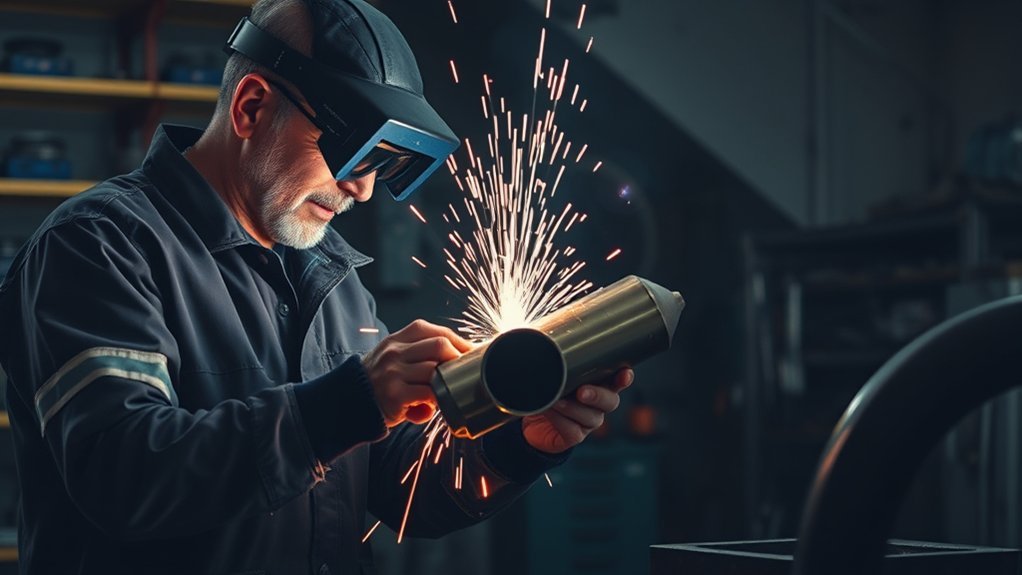
Repair quality depends on preparation, fit-up, material compatibility, heat control, penetration, alignment, and the condition of the surrounding pipe. A smooth-looking weld is not enough if it bridges rust, leaves a pinhole, pulls the exhaust out of alignment, or places stress on a nearby joint.
A complete professional repair should normally include:
- Inspection of the nearby pipe, muffler, flex joint, flanges, hangers, and heat shields
- Removal of rust, dirt, coatings, sealant, and contamination from the weld area
- Replacement or reinforcement of metal that is too thin to weld reliably
- Correct alignment with adequate clearance from the body, wiring, hoses, fuel lines, and suspension
- Secure hangers and isolators so the new weld is not carrying excess vibration
- A final leak, noise, and clearance check after the repair has cooled
No honest shop can promise that a weld will last for a fixed number of years without considering the rest of the system. Ask whether the warranty covers only the new weld or also the replacement pipe and related labor.

Nature Made Burp Less Fish Oil provides omega-3 support for heart health in easy-to-take softgels designed to help reduce fish burps. Each serving delivers concentrated EPA and DHA from purified fish oil sourced from wild-caught ocean fish, with no artificial colors, flavors, or preservatives. This gluten-free, dairy-free supplement is a trusted daily option for adults looking to support overall cardiovascular wellness.

This renter-friendly curtain rod bracket lets you hang curtains over outside-mounted vertical blinds without drilling, screws, or wall damage. It clips directly onto rectangular headrails for a fast, secure installation and fits curtain rods up to 1 inch in diameter. Ideal for apartments, condos, sliding glass doors, and rental homes, it offers a clean, damage-free way to add privacy and style in minutes.

This daily devotional helps parents pray purposefully for their children through a full year of Scripture readings, reflections, and guided prayer prompts. Written to encourage faithful family discipleship, it offers practical, biblically grounded support for parents who want to shape their prayers around God's Word. A foreword by Sinclair B. Ferguson adds trusted theological insight and encouragement.
Customer Experiences and Recommendations
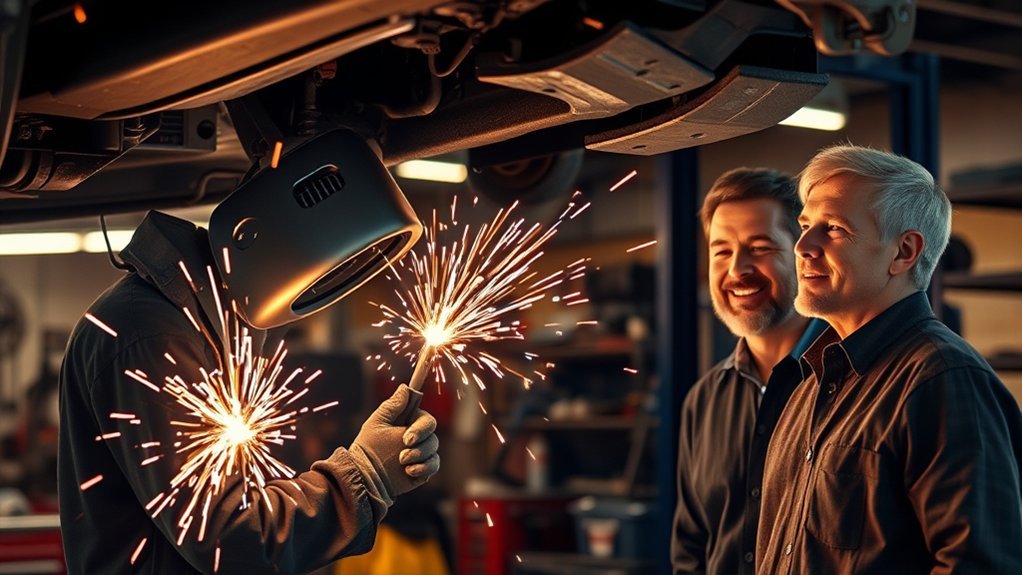
Customer reviews can help you identify shops that communicate clearly, honor estimates, and stand behind their work. However, another driver’s price is useful only when the vehicle, location, damage, materials, and repair scope are similar.
Before approving the job, ask the shop:
- Where is the leak, and are there additional weak areas?
- Is the quote for welding the existing pipe, installing a new section, or replacing a full component?
- Does the price include diagnosis, parts, labor, taxes, and leak testing?
- What material will be installed, and how will it be joined to the original system?
- Will any oxygen sensor, catalytic converter, flange, hanger, or heat shield be disturbed?
- How long is the workmanship warranty?
- Will the shop contact you before exceeding the written estimate?
Independent muffler shops often have useful fabrication equipment and may charge less than dealerships. Larger chains and dealerships may offer standardized procedures, broader hours, or easier warranty administration. Compare the actual repair plan rather than assuming that one shop category always provides better work.
Note: Keep the written estimate, final invoice, photographs, and warranty terms. These records help if the leak returns or a vehicle-warranty question arises later.
DIY vs. Professional Welding Options
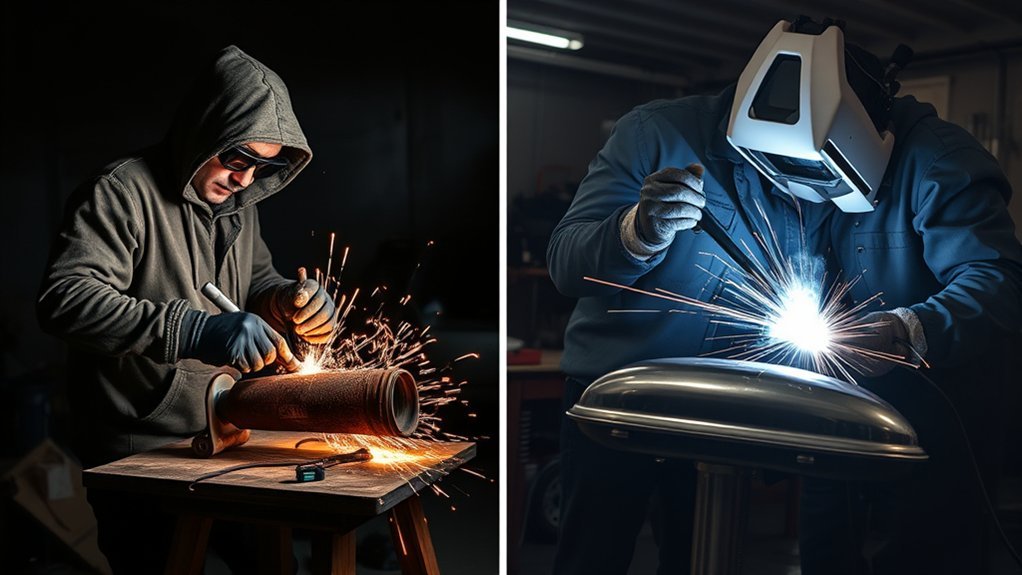
DIY exhaust welding may save labor on repeated fabrication projects, but it is not automatically cheaper for a one-time repair. The real cost can include a welder, shielding gas, wire or filler rod, grinder, clamps, replacement tubing, helmet, gloves, protective clothing, ventilation equipment, fire protection, and safe lifting equipment.
MIG vs. TIG for Exhaust Repair
- MIG welding: Faster and generally easier to learn. It is commonly used for mild-steel and aluminized-steel exhaust repairs when the machine, wire, gas, and settings suit the thin tubing.
- TIG welding: Slower and more skill-intensive, but it gives the operator precise control over heat and filler metal. It is often chosen for stainless systems, custom fabrication, and neat visible joints.
- Flux-cored or stick welding: These processes can create more spatter and heat and are harder to control on thin exhaust tubing. They are usually poor choices for a first-time thin-wall repair.
A DIY repair is reasonable only when you can identify the material, reach sound metal, support the vehicle correctly, protect nearby components, control welding fumes, prevent fire, and verify that the finished system has no leaks.
Warning: Never weld beneath a vehicle supported only by a jack. Inspect the area for fuel, oil, undercoating, wiring, brake lines, fuel lines, heat-sensitive parts, and combustible debris. Use suitable ventilation and PPE, keep a fire extinguisher nearby, and do not weld in a confined garage with the engine running.
Exhaust tape, putty, sleeves, and clamps may temporarily reduce noise or seal a suitable joint, but they are not universal substitutes for welding. They should not be used to conceal widespread corrosion, repair a structural hanger, bypass an emissions component, or postpone a dangerous cabin leak.
Frequently Asked Questions
Can I weld an exhaust without prior experience?
It is possible to learn on clean scrap tubing, but a vehicle exhaust is a poor first live project. Thin, rusty pipe burns through easily, and working under a vehicle adds lifting, fire, ventilation, and access hazards. Practice first and use a professional when the damage is near fuel lines, sensors, a converter, a flex joint, or heavily corroded metal.
What materials are typically used for exhaust welding?
Common exhaust materials include mild steel, aluminized steel, and stainless steel. The technician should identify both the original pipe and the replacement section before choosing the wire or filler rod, shielding gas, and welding settings. Mixed-material joints may need a specific filler and careful corrosion planning.
How long does an exhaust welding repair take?
A straightforward shop visit may take about 30 minutes to two hours after the problem is identified. The welding arc may run for only a short time, but lifting, inspection, grinding, fitting, cooling, reassembly, and leak testing add time. Extensive corrosion, seized hardware, or custom fabrication can turn it into a longer job.
Will welding an exhaust affect my vehicle’s warranty?
Using an independent repair shop or aftermarket part does not automatically void a U.S. vehicle warranty. However, coverage for related damage may be denied if an improper repair or defective part caused that damage. Keep the estimate, invoice, part information, and photographs, and check the written warranty or service-contract terms.
Can I drive my vehicle immediately after welding?
Drive only after the repair has cooled enough to inspect and the technician confirms that the pipe is secure, clear of nearby parts, and leak-free. Stop and arrange another inspection if you hear a new leak, notice a hanging component, smell fumes in the cabin, or see smoke from overheated material.
Is it better to weld an exhaust or replace it?
Welding is usually worthwhile when the damage is localized and solid metal surrounds it. Replacement is normally better when corrosion is widespread, the component is internally damaged, several joints have failed, or preparation reveals metal that is too thin to hold a reliable weld.
Can exhaust putty, tape, or a clamp replace welding?
A correctly sized clamp or sleeve can be a permanent solution at some designed pipe joints. Putty, tape, and bandages are more often temporary measures. None of these products can restore severely rusted metal, repair an unsafe hanger, fix an internally failed component, or legally replace required emissions equipment.
Conclusion
A small, accessible exhaust weld commonly costs about $80–$200, while flex-pipe replacement, fabrication, extensive rust, or component replacement can cost considerably more. The most important question is not whether a shop can place a bead over the visible hole, but whether enough sound metal remains to create a safe, leak-free repair. Compare written estimates, ask what is included, confirm the workmanship warranty, and choose replacement when corrosion extends beyond the damaged spot.
Sources
- AAA Automotive — Average Mechanic Labor Rate in 2026 — supports regional labor-rate variation, shop-type differences, diagnostic charges, and written-estimate advice.
- 2026 Exhaust Leak Repair Cost Guide — provides current market planning ranges for small muffler welds and flex-pipe repairs.
- CDC — Carbon Monoxide Poisoning Basics — supports the warning about cabin exposure, symptoms, and vehicle exhaust leaks.
- OSHA — Controlling Hazardous Fume and Gases During Welding — supports ventilation, surface-cleaning, fume-control, and respiratory-safety guidance.
- U.S. EPA — Transportation Air Pollution Frequently Asked Questions — supports the federal emissions-tampering and catalytic-converter warning.
- Federal Trade Commission — Auto Warranties and Auto Service Contracts — supports the explanation of independent repairs, aftermarket parts, and warranty coverage.

Drop Stop provides complete coverage for the gap around your seat belt catch, helping keep keys, phones, and other small items from slipping into hard-to-reach spaces. Designed to move with your seat, it installs easily and stays in place without constant readjustment. This original, patented seat gap filler comes with bonus accessories for added convenience and a cleaner, safer driving experience.

This versatile Cuisinart cookware set provides essential pots and pans for everyday cooking, from sauces and soups to sautéing, simmering, and frying. The aluminum-encapsulated base promotes fast, even heating, while cool-grip handles and tight-fitting glass lids support comfortable, efficient cooking. Designed for broad compatibility, it is dishwasher safe and oven safe for flexible use across many recipes.

This versatile cookware set equips home cooks with essential pots, pans, and a steamer insert for everyday meals and larger gatherings. The aluminum-encapsulated base promotes quick, even heating, while Cool Grip handles and tight-fitting glass lids support comfortable, controlled cooking. Designed for stovetop, oven, broiler, and dishwasher use, it offers reliable performance across a wide range of recipes.
