
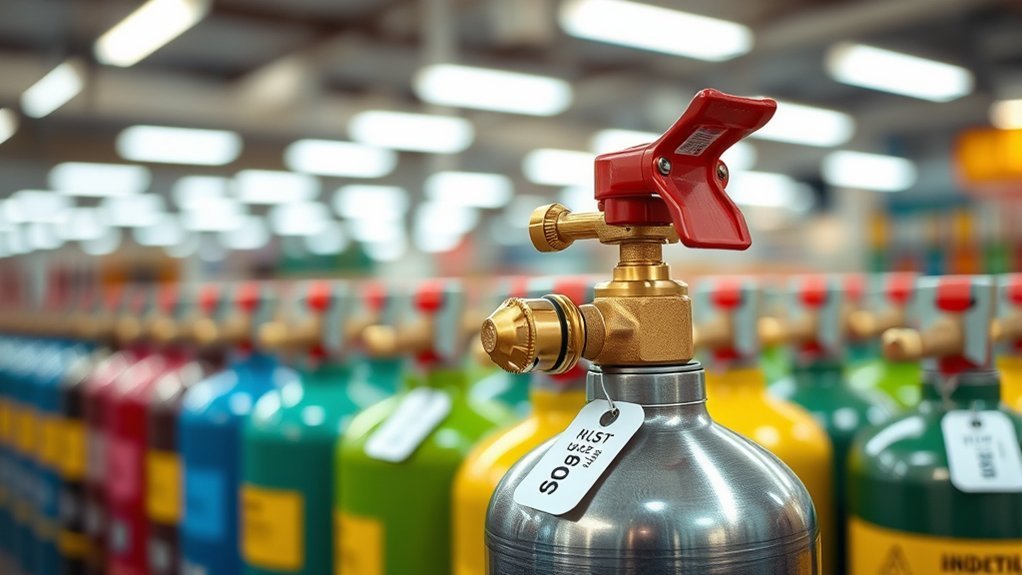
A bottle of welding gas costs between $230 and $400 depending on the tank size. For example, a 40 CF tank ranges from $230 to $260, while an 80 CF costs about $290 to $320. Refill prices average $60 for a 40 CF tank and $70 for larger tanks. Larger tanks require fewer refills, which saves you money over time.
Quick Answer
- A welding gas tank costs $230–$400 depending on size (40 CF to 125 CF).
- Refills run about $60 for a 40 CF tank and $70–$90 for larger tanks, varying by region and gas type.
- Common gases include Argon, CO2, Helium, Oxygen, and Acetylene, each suited to different processes.
- Larger tanks cost more upfront but need fewer refills, making them cheaper in the long run.
- Gasless options like flux-cored wire or stick welding can cut gas costs entirely if your work allows it.
Common Welding Gases

Knowing which gas fits your process makes a real difference in weld quality. Common welding gas types include Argon, Helium, Carbon Dioxide, Oxygen, and Acetylene, each built for specific applications.
Argon is the go-to choice for TIG welding, especially with aluminum. For MIG welding, a 75% Argon and 25% CO2 blend is the most popular mix, and it produces a stable arc. Adding Helium to an Argon mix improves thermal conductivity and gives deeper penetration in TIG work. For a deeper look at how each gas affects your weld, see Lincoln Electric’s shielding gas selection guide.
Argon is essential for TIG welding, particularly with aluminum, while a 75% Argon and 25% CO2 mix excels in MIG applications.
Carbon Dioxide, often mixed with Argon, works well for mild steel. Acetylene is preferred in oxy-fuel welding for its high heat output, making it ideal for cutting and brazing.
Proper gas storage keeps these gases effective and safe to use.
Tank Cost

Tank size drives most of your upfront cost. Initial purchase prices run from about $230 for a 40 CF tank up to $400 for a 125 CF tank. You’ll also need to decide whether buying or renting a tank makes more sense for your budget long-term.
Products Worth Considering

Welding Gas to Your Door - Get PrimeWeld's industrial grade 75 %Argon 25% CO2 gas cylinder delivered right to your door. We offer different mixtures for any application, and you can purchase a tank without worrying about costly rental fees or wasted trips out to your local welding supply shop.
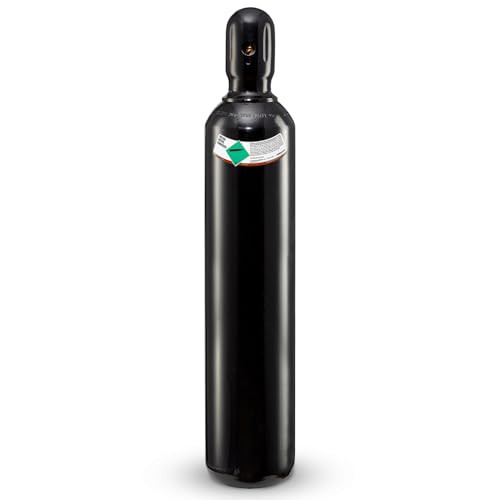
Welding Gas to Your Door - Get PrimeWeld's industrial grade Argon welding gas delivered right to your door. We offer different mixtures for any application, and you can purchase a tank without worrying about costly rental fees or wasted trips out to your local welding supply shop.

Tank Size Matters
The tank size you pick affects both what you pay now and how often you refill. Here’s what to weigh:
- Initial Cost: Smaller tanks (40 CF) are cheaper at $230–$260, while larger tanks (125 CF) run $350–$400.
- Refill Frequency: Larger tanks need fewer refills. A 125 CF tank costs about $70 per refill, but it stretches much longer between trips to the supplier.
- Cost-Effectiveness: Higher upfront cost on a bigger tank often pays off through lower refill frequency over time.
Initial Purchase Prices
A 40 cubic foot (CF) welding gas tank typically costs $230 to $260. An 80 CF tank runs $290 to $320. For larger projects, a 125 CF tank comes in at roughly $350 to $400.
Prices also vary by gas type, particularly for inert gas cylinders filled with argon. The tank material can affect the cost as well.
Buying outright is generally cheaper than renting, since rental fees add up over time. Smaller tanks may seem like an easy starting point, but frequent refills raise your long-term costs fast.
Ownership vs. Rental Costs
Both ownership and rental have clear trade-offs. Here’s a quick breakdown:
- Initial Costs: Buying runs from $230 for a 40 CF cylinder to $400 for a 125 CF tank.
- Refill Savings: An 80 CF tank costs about $70 to refill (varies by region). That’s only slightly more than a 40 CF refill at $60, but the larger tank lasts much longer.
- Rental Downsides: Monthly leasing fees accumulate and can wipe out any short-term savings.
Ownership gives you lower long-term costs and control over your supply. Renting tends to cost more the longer you use it.
Refill Expense

Refill costs are an ongoing expense that can add up quickly if you’re not tracking them. A 40 CF tank typically costs around $60 to refill. How often you refill depends on your flow rate and how much arc time you log.
Larger tanks, like the 80 CF and 125 CF, cost about $70–$90 per refill (varies by region and gas type) but last much longer between fills. Going with a bigger tank reduces your refill frequency and leads to real savings over time.
Products Worth Considering

HIGH QUALITY: Standard Propane with purity > 95%;

ITEMS INCLUDED – Refillable Empty 1LB Propane Tank, Cap, and 2mm (5/64") Allen Key

High-grade steel-welded construction; premium OPD (overfilling protection device) valve assembly
How to Calculate the Real Cost

The real cost of welding gas includes both the initial tank purchase and your ongoing refill expenses. Tank size and gas type both affect your budget, so it’s worth doing the math before committing.
Initial Tank Investment
To get an accurate picture of your investment, factor in these three things:
- Tank Size: An 80 CF tank costs $290–$320 to buy. A 125 CF tank runs $350–$400.
- Tank Maintenance: Regular maintenance keeps your cylinder safe and prevents gas loss, which matters for long-term cost control.
- Refill Frequency: Larger tanks need fewer refills, which reduces your cost per cubic foot over time.
Actual first-year totals depend on your usage and local pricing. Larger cylinders typically offer a lower cost per cubic foot.
Refill Expense Analysis
Start by looking at how often you’ll need to refill. The timing depends on your flow rate (CFH) and total arc-on time, not a set number of months.
Compare price per cubic foot and estimated runtime across tank sizes. A simple estimate: runtime (hours) ≈ 0.9 × tank CF ÷ flow rate (CFH).
Larger tanks deliver more usage per refill, which improves your overall gas efficiency. Tracking both refill frequency and cost per fill gives you the clearest picture of what you’re actually spending.
Long-Term Cost Considerations
Beyond the purchase price, your ongoing refill expenses shape what welding gas really costs you. Three factors matter most:
- Tank Size: A 125 CF tank offers better gas efficiency and fewer trips to the supplier.
- Refill Frequency: Small tanks require more frequent refills, driving up your total cost over time.
- Gas Type: Different gases carry different price tags, so your choice of process directly affects your budget.
How Long Will Welding Gas Last?

To find out how long your gas will last, divide your tank’s volume by your flow rate. Typical flow rates range from 10 CFH to 40 CFH. An 80 CF tank at 10 CFH lasts about 8 hours of continuous welding. A 125 CF tank at the same rate gives you around 12.5 hours.
Typical flow rates of 10 to 40 CFH determine your welding gas duration, with an 80 CF tank lasting 8 hours at 10 CFH.
Keep an eye on your gauges to stay on top of your supply. For argon-based gases, a full cylinder reads about 2000–2200 psi at room temperature (varies by cylinder spec), and pressure drops as the gas is used. For CO2 cylinders, pressure is not a reliable indicator of how much gas remains. Use cylinder weight or tracked runtime instead.
Welding gases don’t expire. Common shielding gas blends stay well-mixed under normal storage conditions. There’s no need to roll cylinders to “re-mix” them. Store cylinders upright and secured at all times.
How Do I Know When I Need Gas?

Check your gas levels regularly to avoid mid-job interruptions. Three signs tell you it’s time to refill:
- Pressure Gauge Reading: For argon-based gases, a full cylinder reads roughly 2000–2200 psi at room temperature (varies by spec), and pressure drops as gas is consumed. For CO2, use cylinder weight or tracked runtime rather than pressure readings.
- Welding Performance: An unstable arc or poor shielding coverage often points to low gas levels.
- Usage Tracking: Keep a simple log of your welding sessions and gas consumption.
Use the formula above to estimate how long your current supply will last: divide your tank volume by your flow rate. An 80 CF tank at 10 CFH gives you about 8 hours.
Where to Buy or Refill Your Gas

You can buy or refill welding gas tanks at local suppliers or through major distributors. Northern Tool and AirGas both offer sales, exchange, and refill services, though availability varies by region. Many providers also offer leasing or tank-exchange programs that can simplify your supply management.
Here’s a quick comparison of options:
| Supplier | Services Offered |
|---|---|
| Northern Tool | Sales, Exchange/Refill, Delivery |
| AirGas | Sales, Exchange/Refill, Delivery |
| Local Dealer 1 | Refilling, Gas Delivery |
| Local Dealer 2 | Sales, Refilling |
| Local Dealer 3 | Refilling |
Compare prices from a few local suppliers before committing. Initial purchase prices and refill rates vary, and many suppliers offer gas delivery that makes things easier for frequent welders.
Products Worth Considering

ITEMS INCLUDED – (2) Refillable Empty 1LB Propane Tanks, (2) Caps, and (2) Allen Keys - 2mm (5/64") in size

Brand new industrial-grade welding cylinder has never been filled

Propane Fuel Cylinders, 4 pk./16 oz.
Alternatives to Shielding Gas

The cost and availability of shielding gas can be a real concern, especially for hobbyists or occasional welders. A few alternatives let you keep working without relying on a gas cylinder:
Explore cost-effective alternatives to shielding gas that keep your welding efficient and budget-friendly.
- Self-shielded wire: Flux-cored wire that needs no external shielding gas. It works well in outdoor or windy conditions where shielding gas would be blown away.
- Gasless MIG welding: Uses flux-cored wire to generate its own shielding gas during the weld. Setup is simpler and there’s no gas cylinder to manage.
- Stick welding (SMAW): Skips shielding gas entirely. It’s portable, affordable, and useful for a wide range of applications.
Frequently Asked Questions
Are There Discounts for Bulk Purchases of Welding Gas?
Yes. Many gas suppliers offer bulk pricing if you’re buying in larger quantities. Ask your local supplier about volume discounts, as the deals vary by provider and region.
Can I Use Expired Welding Gas Cylinders?
The gas itself doesn’t expire, but cylinders must be within their required hydrostatic test date. If your cylinder is out of test, return it to an authorized dealer for inspection and requalification before using it.
What Safety Precautions Should I Take With Welding Gas?
Always store gas cylinders upright and away from heat sources. Make sure your workspace has proper ventilation. Use protective gear and check connections and hoses for leaks regularly. For a full list of standards, refer to the OSHA welding safety guidelines. These basic steps keep your work area safe and reduce the risk of accidents.
How Do I Dispose of Empty Gas Cylinders?
Return empty cylinders to an authorized dealer or recycling center. Follow gas cylinder safety guidelines throughout the process to prevent accidents and support proper recycling.
Is Welding Gas Flammable or Explosive?
It depends on the gas. Argon, helium, and CO2 are non-flammable. Oxygen is not flammable on its own but strongly supports combustion. Acetylene is flammable and chemically unstable, so it requires extra care in handling and storage. Always follow safety protocols and local regulations for the specific gas you’re using.
Conclusion
Managing your welding gas costs comes down to knowing your tank options, tracking refill frequency, and picking the right gas for your process. A larger tank costs more upfront but typically saves you money over time. Whether you’re buying your first tank or comparing refill prices, a little planning goes a long way toward keeping your projects running without surprise expenses.
