
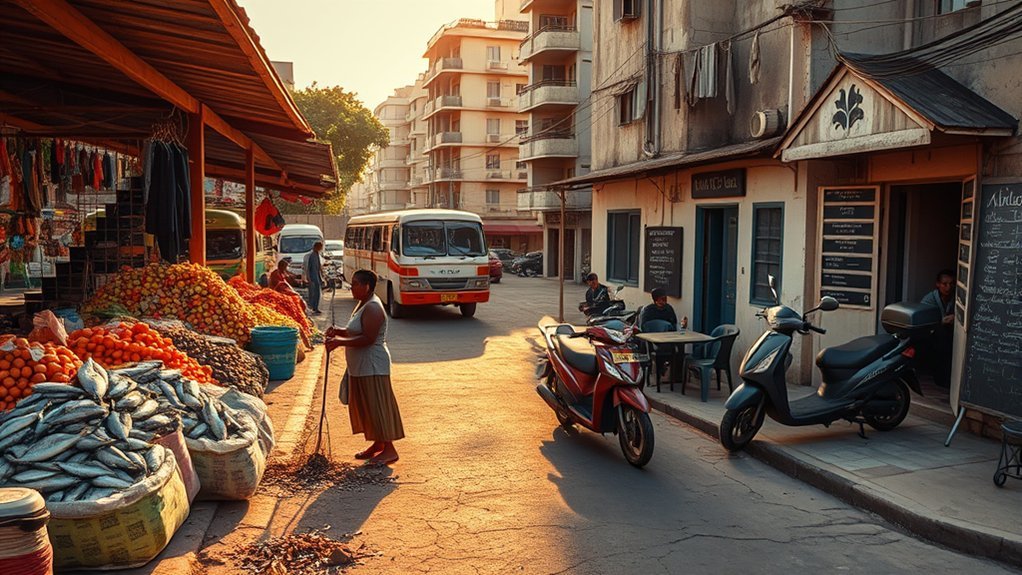
The cost of living in Timor-Leste can look low in country-level models, but a Dili moving budget can be much higher once you use current city rent data. Livingcost’s June 2026 model estimates about $506 per month for one person and $1,227 for a family of four, including rent. Numbeo’s August 2026 Dili data list a one-bedroom around $828.75 in the center and $753.75 outside it, while Expatistan’s September 2026 Dili data put a 45 m² furnished studio in a normal area around $825. Because these sources measure different markets, no single figure should be treated as a guaranteed moving budget. Timor-Leste uses the U.S. dollar (USD), so the figures below require no currency conversion for U.S. readers.
Last updated: September 7, 2026. Cost figures below were checked against Livingcost, Numbeo, Expatistan, the World Health Organization, Government of Timor-Leste sources, and current Australian government travel-health guidance.
Quick Answer
- Livingcost’s June 2026 country model estimates about $506 per month for one person and $1,227 for a family of four, including rent.
- Its population-weighted housing model lists a one-bedroom city-center apartment near $202 and a cheaper one-bedroom near $137.
- Dili housing data are much higher: Numbeo’s August 2026 data list a one-bedroom around $828.75 in the center and $753.75 outside it, while Expatistan lists a 45 m² furnished studio in a normal area around $825.
- WHO describes Timor-Leste as having free public health services, but foreign visitors should not assume treatment will be free. Australian government travel advice says tourists must pay for medical care, including care in public facilities, and serious cases may require medical evacuation.
- Timor-Leste uses the U.S. dollar. Portuguese and Tetum are official languages; English and Bahasa Indonesian are working languages.

Dr. Seuss's beloved classic inspires readers of all ages with an uplifting message about adventure, perseverance, and self-discovery. This hardcover edition is ideal for gifting, classroom libraries, and family story time, offering timeless encouragement in a playful, memorable format.

Die With Zero offers a fresh perspective on personal finance by encouraging readers to use money intentionally to create memorable life experiences instead of simply accumulating wealth. Written by Bill Perkins, this book combines practical guidance with a motivating philosophy to help readers align spending, saving, and life goals for a more fulfilling future.

Dixie disposable 10-inch paper plates are designed for easy everyday serving at home, parties, picnics, and barbecues. They offer dependable strength with cut resistance, microwaveability, and a soak-proof shield to handle messy meals, sauces, and grease. Made for convenient cleanup, these plates also provide compostable performance except in California.
2026 Timor-Leste Cost Snapshot by Source
| Source and Scope | One Person | Family of Four | Housing Reference |
|---|---|---|---|
| Livingcost, Timor-Leste model, June 2026 | $506/month | $1,227/month | 1-bed center $202; cheaper 1-bed $137 |
| Numbeo, Dili, August 2026 | Not provided as a reliable total | Not provided as a reliable total | 1-bed center $828.75; outside $753.75 |
| Expatistan, Dili, September 2026 | $3,333 estimated | $4,952 estimated | 45 m² furnished studio, normal area $825 |
Data warning: Timor-Leste still has relatively thin crowdsourced cost-of-living data. Numbeo’s Timor-Leste country dataset reported 164 entries from 25 contributors at its August 2026 update. Expatistan’s Dili page says its current estimates are based on fewer than 10 prices entered by fewer than five people, with its latest displayed update on September 6, 2026. These figures are planning benchmarks rather than guaranteed market prices. Compare the dwelling type, location, source date, and sample size before using any figure in a moving budget.
Cost of Living in Timor-Leste: 2026 Overview
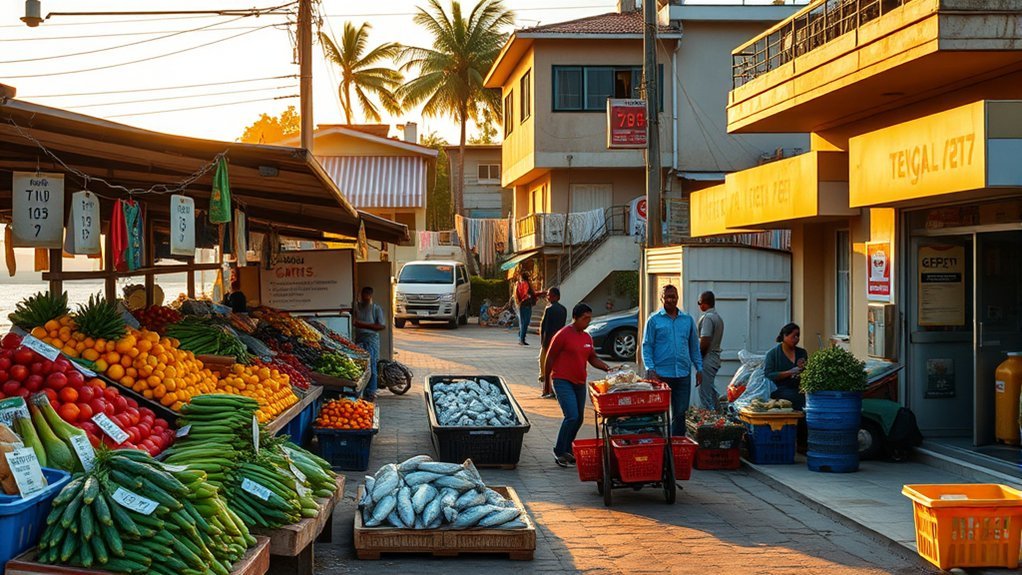
The clearest low-cost benchmark comes from Livingcost’s Timor-Leste data, updated June 21, 2026. It estimates $506 per month for one person and $1,227 for a family of four, including rent. Its modeled monthly categories for one person include about $215 for rent and utilities, $214 for food, and $25.80 for transportation.
Those totals should not be read as a promise that an expatriate can rent a conventional apartment in Dili and live comfortably on $506. Livingcost calculates its Timor-Leste figures as a population-weighted mean of four cities and says its lifestyle reference can make local and expatriate costs differ significantly. Current Dili housing sources report substantially higher rents. For anyone moving to Dili, use the national figure as a low-cost benchmark and obtain current housing quotes for the exact neighborhood and property type.
Why Do Timor-Leste Cost-of-Living Estimates Vary So Much?
The biggest difference is housing. Livingcost’s country model lists a city-center one-bedroom near $202, while Numbeo’s August 2026 Dili data list about $828.75 for a one-bedroom in the center and $753.75 outside it. Expatistan’s September 2026 Dili data list a 45 m² furnished studio in a normal area at about $825 and a similar studio in an expensive area at about $1,982.
These numbers are not directly interchangeable. One source models costs across several Timor-Leste cities, another uses crowdsourced Dili prices, and another focuses heavily on furnished accommodation in Dili. Small contributor counts can also make individual averages unstable. For a realistic relocation budget, compare like-for-like properties and use several fresh rental listings or landlord quotes rather than relying on one database average.
Which Cost-of-Living Number Should You Use?
| Your Situation | Best Starting Point | How to Use It |
|---|---|---|
| Comparing Timor-Leste with other countries | Livingcost country benchmark | Use it as a standardized affordability comparison, not a guaranteed Dili moving budget. |
| Moving to Dili and renting a conventional apartment | Current Dili rental quotes plus Numbeo as a market check | Price the exact neighborhood, dwelling size, furnishing level, and lease terms before adding other expenses. |
| Looking for furnished expat-oriented housing | Current landlord quotes plus Expatistan’s furnished-housing data | Treat the database figure as a comparison point because the current sample is very small. |
| Budgeting for a family | Actual housing, schooling, utilities, food, and transport quotes | Price childcare or schooling separately instead of assuming a general family total includes your preferred option. |
Practical method: start with a verified monthly rent quote. Then add the property’s utilities and internet, your food habits, transport needs, healthcare or insurance costs, schooling or childcare if relevant, and discretionary spending. Use published cost-of-living totals as cross-checks rather than promises.
How Much Is Rent in Timor-Leste and Dili?
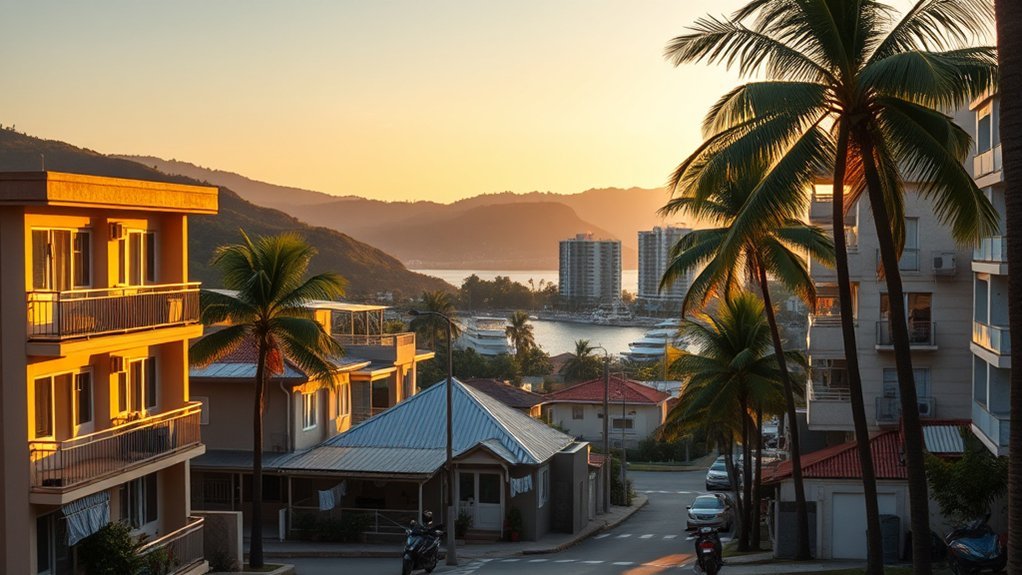
Housing is the category where published estimates disagree most. Livingcost’s June 2026 country model gives the low-end benchmarks shown below. These are population-weighted Timor-Leste estimates, not guaranteed Dili asking rents.
| Item | Livingcost 2026 Benchmark |
|---|---|
| One-bedroom (city center) | $202/month |
| Cheaper one-bedroom | $137/month |
| Three-bedroom (city center) | $447/month |
| Cheaper three-bedroom | $286/month |
Dili data provide a different picture. Numbeo’s August 2026 dataset lists a one-bedroom at about $828.75 in the center and $753.75 outside it. Expatistan’s September 2026 dataset lists a 45 m² furnished studio at about $825 in a normal area. Because these are crowdsourced datasets and Expatistan’s current Dili sample is especially small, use the figures as market checks rather than fixed averages.
Practical budgeting rule: secure current rental quotes before building the rest of your budget. In Timor-Leste, choosing the wrong housing benchmark can change the monthly total far more than modest differences in groceries or public transport.
Food, Groceries, and Dining Out
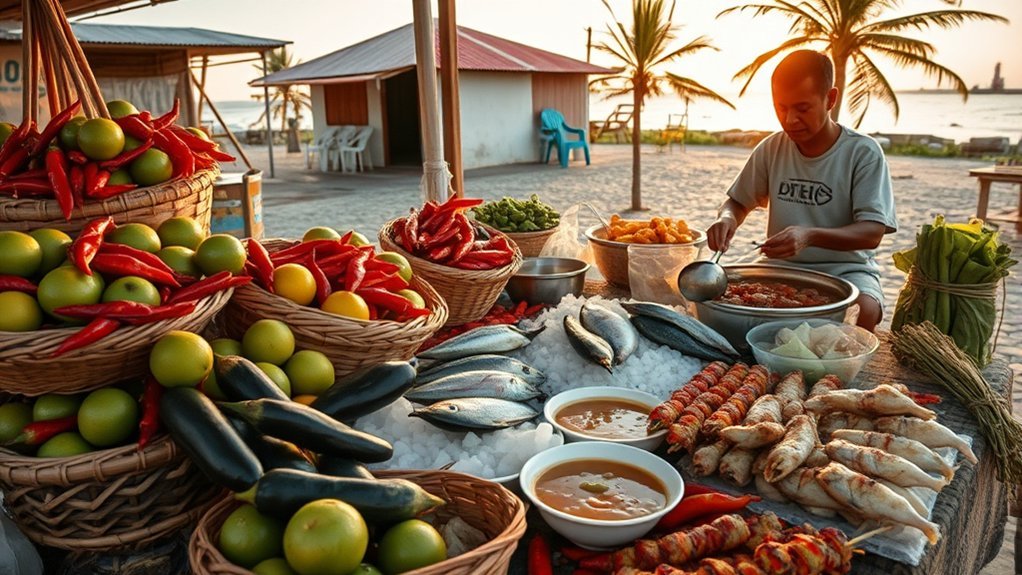
Livingcost’s June 2026 country model estimates food spending at about $214 per month for one person and $558 for a family of four. Its item-level benchmarks include milk at about $1.22 per liter, rice at $1.15 per kilogram, 12 eggs at $1.61, chicken breast at $4.43 per kilogram, tomatoes at $1.07 per kilogram, and a basic lunch menu around $3.42.
Dili spot prices can be higher. Expatistan’s September 2026 data list a basic business-district lunch around $9, a fast-food combo around $8, milk at $2.05 per liter, 12 eggs at $2.61, tomatoes at $2.22 per kilogram, and 500 g of local cheese at $12. The difference shows why a national model and a small Dili sample should not be blended into one universal grocery list.
Utilities, Internet, and Household Expenses
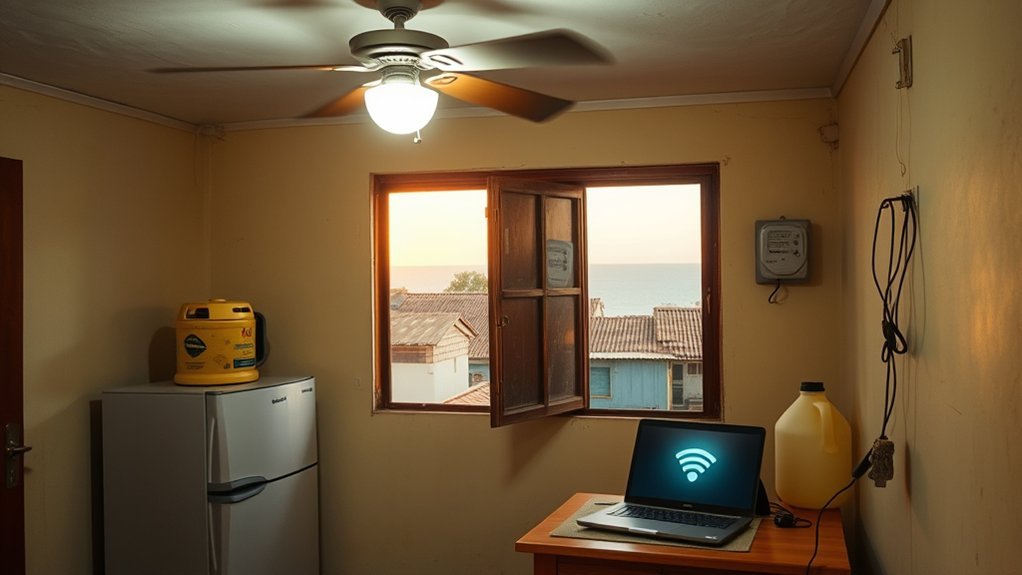
Utility and internet estimates vary by source, dwelling size, and service level. Livingcost’s country model lists basic utilities around $39.10 per month for one person and $60.20 for a family, while its benchmark for a 50 Mbps+ unlimited internet plan is about $25.30. Expatistan’s Dili sample is considerably higher, listing about $102 for one person’s utilities in a 45 m² studio and $72 for an 8 Mbps internet connection.

Q-tips Original Cotton Swabs are a versatile everyday essential for home, beauty, and first aid tasks. Made with 100% cotton and soft tips at both ends, they provide gentle care for sensitive skin while helping with makeup touch-ups, small cleaning jobs, and hard-to-reach spaces. Their trusted quality and recyclable packaging guidance make them a practical choice for daily use.

The LG LT1000P is a genuine replacement refrigerator water filter designed to deliver cleaner, fresher-tasting water and ice for your household. Certified to meet NSF standards, it helps reduce a wide range of contaminants while ensuring a proper fit and reliable performance in compatible LG refrigerators. With a recommended replacement cycle of several months and support for substantial water volume, it offers dependable filtration and peace of mind.

This daily devotional helps parents pray purposefully for their children through a full year of Scripture readings, reflections, and guided prayer prompts. Written to encourage faithful family discipleship, it offers practical, biblically grounded support for parents who want to shape their prayers around God's Word. A foreword by Sinclair B. Ferguson adds trusted theological insight and encouragement.
Monthly Utility Costs
For a starting budget, Livingcost’s $39.10 single-person and $60.20 family utility estimates are useful model figures. Actual electricity and water expenses will depend on property size, equipment, cooling use, occupancy, and the terms of your rental agreement. A Dili furnished property may have a very different cost profile from the national model.
Internet Speeds and Pricing
Do not assume that a price database’s advertised speed category will be available at every address. Livingcost models a 50 Mbps+ unlimited plan at roughly $25.30, while Expatistan’s current Dili sample lists an 8 Mbps service around $72. Because those products are not equivalent, check the provider, speed, data allowance, installation fee, and service availability at the exact property before signing a lease.
Household Essentials Expenses
Household budgeting should separate recurring services from groceries and rent. Start with the actual rent quote, then add the property’s expected electricity and water charges, internet plan, phone service, cleaning supplies, and a reserve for replacement or repair of imported household items. This approach is more reliable than applying one national average to every household.
Transportation and Fuel Costs
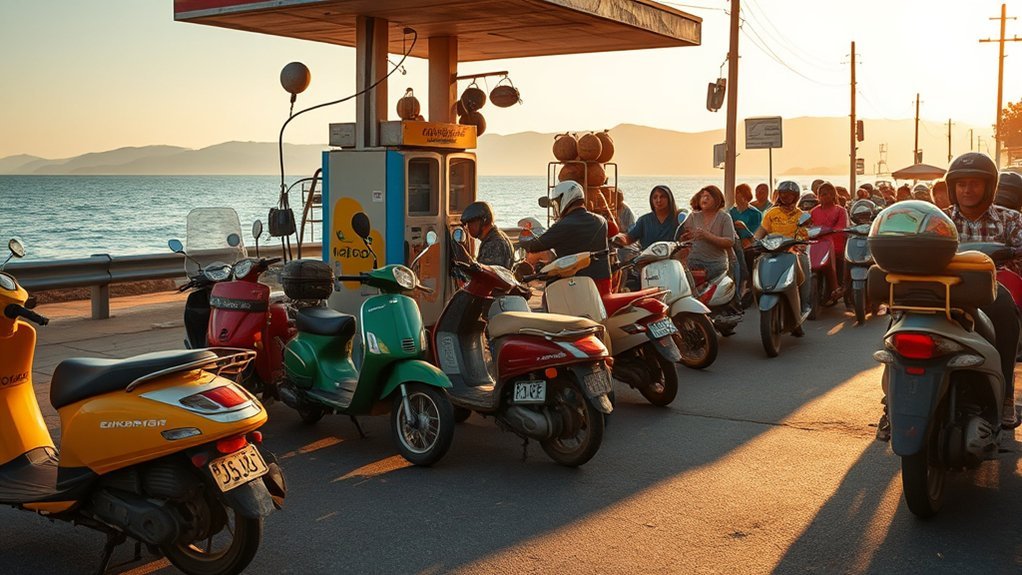
Livingcost’s June 2026 Timor-Leste model puts total transportation spending around $25.80 per month for one person. Its item-level benchmarks are about $0.32 for a local transport ticket, $12.60 for a monthly ticket, $6.66 for an 8 km taxi ride, and $1.01 per liter of petrol.
- Local transport ticket: about $0.32 in the Livingcost country model.
- Monthly transport ticket: about $12.60 in Livingcost versus $22 in Expatistan’s Dili sample.
- Taxi ride of roughly 8 km: about $6.66 in Livingcost versus $9 in Expatistan’s Dili sample.
- Petrol: about $1.01/L in Livingcost versus $1.19/L in Expatistan’s Dili sample.
The differences are another reason to identify the source instead of publishing a single transport price as a national fixed rate.
Healthcare, Personal Care, and Insurance

Timor-Leste’s public-health system is described by WHO as providing free public health services, but foreign visitors should not assume their treatment will be free. The World Health Organization says Timor-Leste starts from a position of free public health services while still facing problems with access, medicines, skilled providers, and travel to care. For foreign visitors, Australia’s Smartraveller guidance says tourists must pay for medical care, including care in public facilities, and that serious illness or injury may require medical evacuation.
Healthcare Access and Costs
The distinction matters when building a relocation or travel budget. WHO’s description of free public health services should not be treated as a guarantee that a foreign visitor will receive every service without charge. Medical facilities are limited, particularly for serious or specialized treatment, and transport to care can create additional costs. Crowdsourced databases also disagree sharply on private consultation prices: Livingcost lists a generic doctor’s visit around $15.90, while Expatistan’s September 2026 Dili sample lists a short private doctor visit around $59.
- Public-health policy: WHO describes Timor-Leste as having free public health services.
- Foreign visitors: Australian government travel advice says tourists must pay for medical care, including treatment in public facilities.
- Indirect costs: transport, time away from work, accommodation, medicines, and referrals can still affect a household budget.
- Private care: prices vary significantly by provider and should be confirmed directly.
- Serious treatment: medical facilities are limited, so check that insurance covers overseas treatment, medical evacuation, and repatriation if those protections matter to you.
Common Medicines Pricing
Medicine and personal-care prices are difficult to generalize because brands, pharmacies, and availability differ. Expatistan’s small September 2026 Dili sample lists six days of cold medicine around $8, while its short private doctor consultation is around $59. Livingcost’s broader country model lists a generic doctor’s visit around $15.90.
| Item | 2026 Reference Price | Source / Limitation |
|---|---|---|
| Doctor’s visit | $15.90 | Livingcost country model |
| Private doctor visit (about 15 minutes) | $59 | Expatistan Dili; very small sample |
| Cold medicine (about 6 days) | $8 | Expatistan Dili; very small sample |
Use these as reference points only. For ongoing prescriptions or specialist treatment, ask the provider or pharmacy for a current quote.
Health Insurance Options
For a foreign resident or visitor, health insurance is most important for costs that cannot safely be assumed to be free: private clinics, overseas referral, emergency evacuation, repatriation, specialist treatment, and treatment outside Timor-Leste. Compare exclusions, evacuation limits, provider networks, deductibles, and preauthorization rules before relying on a policy.
Entertainment, Leisure, and Fitness
Leisure spending varies sharply with venue. Livingcost’s national model lists a gym membership around $23 per month and a cinema ticket around $4.15. Expatistan’s September 2026 Dili sample lists a business-district gym membership around $56, two movie tickets around $14, a basic neighborhood-pub dinner for two around $26, and an Italian dinner for two in an expat area around $44.
If leisure spending matters to your budget, build it from the places you expect to use rather than applying a single citywide average.
Monthly Budget Examples for Different Lifestyles
Because Timor-Leste’s available datasets disagree sharply, a source-based budget is more defensible than invented “frugal,” “average,” and “comfortable” ranges.
- National one-person benchmark: Livingcost estimates about $506 per month including rent using its standardized country model.
- National family benchmark: Livingcost estimates about $1,227 per month for a family of four.
- Dili renter reality check: Numbeo lists a one-bedroom around $828.75 in the center and $753.75 outside it, while Expatistan lists a 45 m² furnished studio in a normal area around $825. Rent alone can therefore exceed Livingcost’s entire national one-person benchmark.
- Families: price childcare or schooling separately and obtain current fees directly from the school or provider rather than assuming the national family total covers your preferred option.
For a move to Dili, get current rent quotes first. Then add your actual utilities and internet plan, food habits, transport needs, healthcare or insurance requirements, schooling if relevant, and discretionary spending. This produces a more defensible budget than multiplying a national average.
Income and Minimum Wage Context
Salary figures are even less consistent than living-cost figures. Livingcost lists about $137 per month after tax, while Numbeo’s August 2026 Timor-Leste country dataset reports $4,942. The difference is too large for either crowdsourced or modeled figure to be treated as a dependable national average salary. Use occupation-specific employer data or an actual job offer when comparing income with living costs.
An official SDI-SECOMS release published May 6, 2026, reporting an April 30 meeting, said the national minimum wage remained $115 per month and that an increase to $154–$160 was under consideration. For this September 7 update, no later official notice confirming that proposed increase was located. A statutory minimum wage and an average salary measure different things, so they should not be used interchangeably.
Frequently Asked Questions
Is Timor-Leste Expensive to Live?
It depends on the lifestyle and housing market you use as the reference. Livingcost’s June 2026 national model estimates about $506 per month for one person, but current Dili housing figures from Numbeo and Expatistan are much higher. Timor-Leste can therefore look inexpensive in a national model while conventional or furnished accommodation in Dili costs substantially more.
How Much Does One Person Need to Live in Dili?
There is no sufficiently reliable single Dili total to use as a guaranteed budget. Livingcost’s Dili model is close to $507 per month including rent, while Expatistan currently estimates $3,333 for one person and Numbeo lists one-bedroom rent alone around $828.75 in the center or $753.75 outside it. The safest method is to secure a current rent quote first and build the rest of the budget from your actual food, utilities, transport, healthcare, and lifestyle needs.
What Is the Average Monthly Income in Timor-Leste?
There is no sufficiently consistent crowdsourced figure to treat as a dependable national average. Livingcost lists about $137 per month after tax, while Numbeo’s August 2026 Timor-Leste dataset reports $4,942. An official SDI-SECOMS release published May 6, 2026 said the minimum wage remained $115 and that an increase to $154–$160 was under consideration. A minimum wage is not an average salary, so use occupation-specific pay data or an actual job offer instead of one generic national salary figure.
Is Healthcare Free in Timor-Leste?
WHO describes Timor-Leste as having free public health services, but foreign visitors should not assume their care will be free. Australian government travel advice says tourists must pay for medical care, including treatment in public facilities. Patients can also face transport, medicine, private-treatment, referral, and medical-evacuation costs.
Do They Speak English in Timor-Leste?
English is a working language in Timor-Leste, but it is not one of the two official languages. The Government of Timor-Leste lists Portuguese and Tetum as the official languages and English and Bahasa Indonesian as working languages. Do not assume English fluency will be universal in every location or service.
What Currency Is Used in Timor-Leste?
Timor-Leste officially uses the U.S. dollar (USD). That means most cost-of-living figures in this guide can be read directly in U.S. dollars without a currency conversion.
How Much Is Rent in Dili?
Published 2026 estimates vary considerably. Numbeo’s August data list a one-bedroom around $828.75 in central Dili and $753.75 outside the center, while Expatistan lists a 45 m² furnished studio in a normal area around $825. Livingcost’s much lower $202 city-center one-bedroom figure is a population-weighted Timor-Leste model rather than a Dili asking-rent survey.
Conclusion
The most important thing to know about the cost of living in Timor-Leste is that current sources do not measure the same market. Livingcost’s June 2026 model estimates roughly $506 per month for one person and $1,227 for a family of four, while current Dili datasets show one-bedroom or studio rents alone around the $800 level. Use national figures as comparison benchmarks, not promises about what a Dili move will cost.
If you are moving to Dili, obtain several current rental quotes for the exact accommodation you want. Then add utilities and internet, food, transport, healthcare or insurance, schooling if relevant, and discretionary spending. Foreign visitors should also confirm medical coverage rather than assuming public treatment will be free.
For official country information, the Government of Timor-Leste confirms that the U.S. dollar is the country’s currency, Portuguese and Tetum are official languages, and English and Bahasa Indonesian are working languages.

This combo kit helps women trying to conceive track fertile days and check for pregnancy with convenient at-home testing. The ovulation strips help monitor LH surge progression and are easy to read, while the pregnancy strips provide quick results with simple line interpretation. Designed for ease of use and dependable family planning support, it offers a practical way to stay on top of your fertility journey.

Maruchan Instant Lunch Chicken Flavor delivers a warm, satisfying cup of Japanese-style ramen with mild chicken seasoning and comforting noodle soup in minutes. It’s an easy pantry staple for busy days, dorm rooms, office lunches, camping trips, or anytime you want a quick meal that’s simple to customize with your favorite add-ins. Just add hot water, wait, stir, and enjoy.

Maruchan Instant Lunch Cheddar Cheese Ramen delivers a creamy, savory Japanese-style noodle soup with wide noodles and a bold cheddar flavor. Ready in just minutes with only hot water, it makes a convenient meal or snack for busy days, dorm rooms, travel, or quick pantry stocking. Easy to customize with your favorite add-ins, it offers comforting, satisfying flavor wherever you need it.
