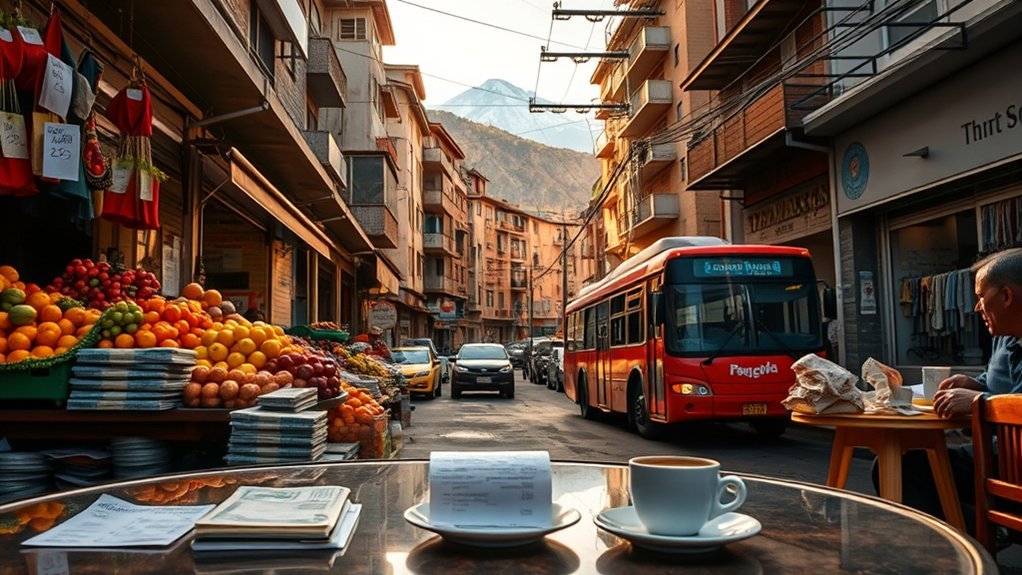
The cost of living in Bolivia in 2026 runs about Bs 4,000–5,800 a month (roughly $330–$485) for a single person living simply, and about Bs 8,000–10,700 ($670–$895) for a comfortable expat lifestyle in La Paz, Santa Cruz, or Cochabamba. A couple should plan on Bs 10,000–13,700 ($840–$1,140). These figures use the Banco Central de Bolivia’s official rate of Bs 12.00 per US dollar (October 3, 2026). Bolivia went through a hard year: the exchange rate was freed, a 53-day wave of roadblocks caused shortages, and prices jumped before easing. Annual inflation was 5.02% in August 2026. Below you’ll find city-by-city rents, grocery and transport prices, healthcare, visas, and sample budgets.
Quick Answer
- Single person, lean: Bs 4,000–5,800 (~$330–$485) a month outside city centers.
- Single person, comfortable: Bs 8,000–10,700 (~$670–$895) with a central apartment, taxis, and private insurance.
- Couple: Bs 10,000–13,700 (~$840–$1,140) a month.
- Family of four: about Bs 17,400–19,100 (~$1,450–$1,590) before international school fees.
- Rent, one-bedroom: Bs 1,200–2,800 (~$100–$230) outside the center; Bs 1,900–3,000 (~$155–$250) in the center, depending on the city.
- Utilities: about Bs 320 (~$27) a month; internet adds about Bs 250 (~$21).
- Exchange rate: Bs 12.00 per US dollar under the new flexible regime.
Exchange Rate and Inflation in 2026
Two changes shape what Bolivia costs you this year.
The exchange rate. For years the boliviano was fixed at about Bs 6.96 per dollar, while a parallel market charged far more. The Banco Central de Bolivia (BCB) unified the markets on December 1, 2025, introduced a daily reference rate in January 2026, and moved to a fully flexible regime by late June 2026. The official rate for October 3–5, 2026, was Bs 12.00 per dollar, up from about Bs 11.54 in late July. Older guides that convert at Bs 6.96 overstate dollar costs by more than 70%.
Inflation. The National Statistics Institute (INE) reported that consumer prices rose 1.10% in August 2026, bringing the year-to-date increase to 3.01% and the 12-month rate to 5.02%. That is down sharply from the 9.23% annual rate reported in June. Prices actually fell 2.79% in July as supplies returned after the roadblocks. Chicken led the August rise, because poultry farms were still restocking after 53 days of blockades.
Budget in bolivianos, not dollars. Rents, wages, and market prices are set in Bs, and the dollar rate is now free to move.
Cost of Living by City
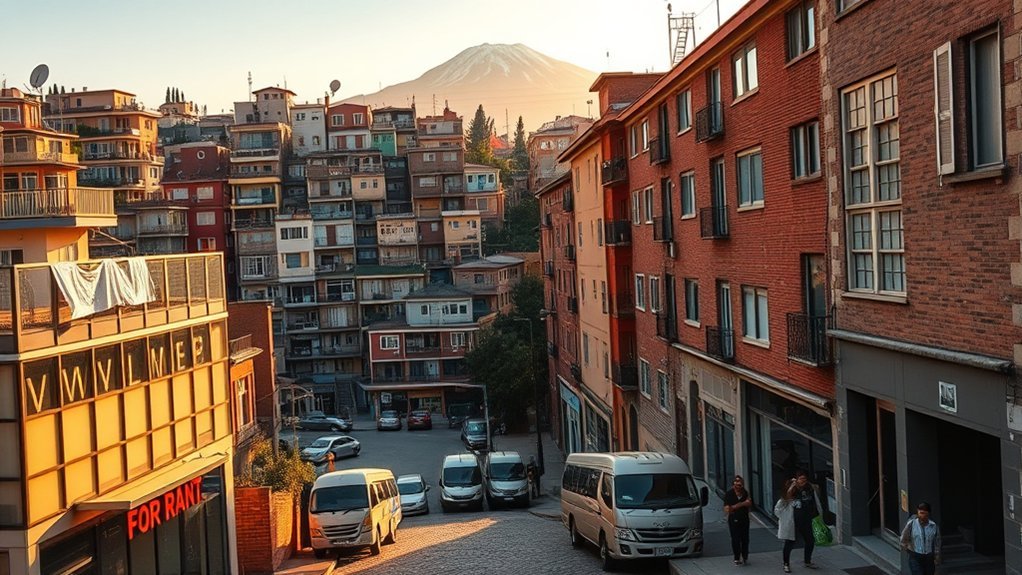
Rent varies more between Bolivian cities than any other cost. The table uses crowd-sourced averages updated in late September and early October 2026. La Paz has about 230 recent price reports and Santa Cruz about 350, so treat smaller samples with care.
| City | 1-Bed, Center | 1-Bed, Outside Center | 3-Bed, Center | Basic Utilities |
|---|---|---|---|---|
| La Paz | Bs 3,006 (~$250) | Bs 2,000 (~$167) | Bs 4,617 (~$385) | Bs 275 (~$23) |
| Santa Cruz | Bs 3,018 (~$252) | Bs 2,782 (~$232) | Bs 10,208 (~$851) | Bs 403 (~$34) |
| Cochabamba | Bs 1,880 (~$157) | Bs 1,200 (~$100) | Bs 3,675 (~$306) | Bs 377 (~$31) |
| Bolivia average | Bs 2,762 (~$230) | Bs 1,921 (~$160) | Bs 5,239 (~$437) | Bs 322 (~$27) |
A few patterns stand out:
- La Paz has the best public transport and the most services, but it sits at about 3,600 meters (11,800 feet). Altitude affects health, and heating matters in winter.
- Santa Cruz is warm, low, and the business capital. One-bedrooms cost about the same as La Paz, but family homes in good areas cost more than twice as much. Air conditioning raises bills.
- Cochabamba has a mild climate and the lowest rents of the three big cities. Local salaries there average higher than in La Paz in the crowd-sourced data.
- Sucre, the constitutional capital, is smaller and quieter. It has very few recent price reports, so get local quotes before you commit.
Housing and Rent
A practical search range for an ordinary one-bedroom is Bs 1,500–3,500 a month. Older buildings and longer leases sit near the bottom; new buildings, furnished units, and short-term rentals near the top. Families should price three-bedroom homes directly, since the gap between cities is much bigger for larger units.
Many Bolivian landlords use an anticrético arrangement, where the tenant lends a large lump sum, often thousands of dollars, in place of monthly rent and gets it back at the end of the contract. It can be cheap, but you risk losing the deposit if the owner defaults. Most newcomers stick to normal monthly leases and use a lawyer before signing any anticrético contract.
Before you sign, confirm:
- The currency of the rent and whether it can change with the exchange rate
- Deposit amount, advance rent, and building fees (expensas)
- Which utilities and internet are included
- A written furniture inventory for furnished units
- Who pays for repairs
Food: Groceries and Dining Out

Local food is one of Bolivia’s biggest advantages. National crowd-sourced averages in October 2026:
| Item | Typical Cost (Bs) | Approx. USD |
|---|---|---|
| Milk (1 liter) | 7.96 | $0.66 |
| Bread (1 lb loaf) | 9.55 | $0.80 |
| Rice (1 lb) | 4.98 | $0.42 |
| Eggs (12) | 13.58 | $1.13 |
| Chicken fillets (1 lb) | 13.39 | $1.12 |
| Beef (1 lb) | 23.96 | $2.00 |
| Potatoes (1 lb) | 3.64 | $0.30 |
| Tomatoes (1 lb) | 4.34 | $0.36 |
| Mid-range bottle of wine | 45 | $3.75 |
A single person who cooks with market produce, rice, potatoes, chicken, and eggs can spend about Bs 1,200–1,600 (~$100–$135) a month on groceries. Imported cheese, cereals, coffee, and brand-name packaged foods push that higher. Neighborhood mercados usually beat supermarkets on fresh food.
Eating out is cheap. The almuerzo, a set lunch with soup and a main plate, is the best value. Typical prices:
- Meal at an inexpensive restaurant: about Bs 20 (~$1.67)
- Three-course dinner for two at a mid-range restaurant: about Bs 145 (~$12)
- Fast-food combo: about Bs 50 (~$4.17)
- Cappuccino: about Bs 20 (~$1.65)
- Domestic draft beer: about Bs 15 (~$1.25)
Transportation and Fuel
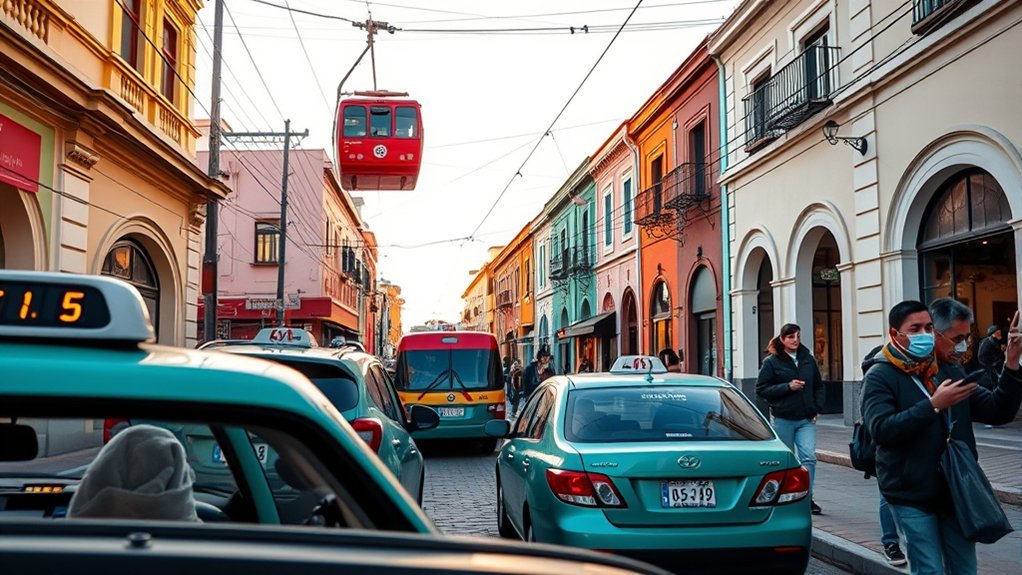
Public transport is very cheap. A one-way minibus or bus ride costs about Bs 2.40–3 (~$0.20–$0.25), and a monthly transit budget averages about Bs 240 (~$20). La Paz and El Alto also have the Mi Teleférico cable car network, which links the two cities above the traffic.
Other costs:
- Taxis: starting fares run about Bs 15 (~$1.25). Ride-hailing apps are common in big cities. Agree on a fare first if the car has no meter.
- Gasoline: crowd-sourced reports range from about Bs 3.74 to Bs 6.96 per liter, averaging around Bs 6.51 (~$0.54). Check current pump prices, since fuel pricing has been changing.
- Cars: a new Toyota Corolla averages about Bs 179,000 (~$14,900). Most newcomers skip owning one.
- Roadblocks: protests that block highways are common and can cut off fuel and food for days or weeks.
Someone using buses and the occasional taxi can spend under Bs 300 a month. Daily taxis or ride-hailing raise that to Bs 600–1,000 or more.
Utilities, Internet, and Phone
Basic utilities (electricity, water, gas, and garbage) for a mid-size apartment average about Bs 322 (~$27) a month. Bills run lower in La Paz and higher in Santa Cruz, where cooling uses more power. Many homes cook with bottled gas (garrafas), which is cheap but can run short during blockades.
- Home internet (60+ Mbps): about Bs 248 (~$21) a month.
- Mobile plan with 10 GB or more: about Bs 198 (~$17) a month.
- Combined total: about Bs 770 (~$64) a month before heavy electricity use.
Healthcare and Insurance

Private clinics in La Paz, Santa Cruz, and Cochabamba offer reasonable care at prices well below US levels, but quality varies. The US State Department’s Bolivia advisory says emergency care outside large cities and in national parks is inadequate, private ambulances are more reliable than public ones, and most providers accept only cash. It strongly recommends insurance that covers medical evacuation.
Plan on:
- Private or international health insurance: priced by age and coverage. The budgets below assume Bs 800–1,200 (~$65–$100) a month for one adult under 60. Replace this with your own quote.
- Cash for visits: keep enough on hand to pay a clinic up front.
- Altitude: La Paz, El Alto, Potosí, Oruro, and Uyuni are very high. Talk to a doctor before moving if you have heart, lung, or blood-pressure concerns.
Schools and Childcare
Education can cost more than rent for expat families:
- Private preschool or kindergarten: about Bs 1,190 (~$99) a month per child.
- International primary school: about Bs 31,360 (~$2,610) a year per child on average, with a range of roughly Bs 20,000–54,000. Registration, books, uniforms, and transport are often extra.
- Public schools: teach in Spanish and are free, but quality varies widely.
Two children in international school add roughly Bs 5,200 (~$435) a month.
Salaries and Taxes
Local pay is low. The crowd-sourced average net salary is about Bs 3,240 (~$270) a month nationally, about Bs 2,975 in La Paz, and about Bs 4,500 in Cochabamba. The national minimum wage was set at Bs 2,500 a month in May 2024; check the Ministry of Labor for any later adjustment. If you earn in dollars, Bolivia is cheap. If you take a local salary, compare it carefully with rent before you move.
Bolivia charges a 13% value-added tax (IVA), usually included in shelf prices. Residents’ income is taxed through the RC-IVA system. The current government has also scrapped several taxes, including the wealth tax and the financial transactions tax. US citizens still file US returns on worldwide income, as the IRS explains for citizens abroad.
Visas and Residency
US citizens do not need a visa for tourism or business stays of under 90 days a year, according to the State Department. A passport valid for at least six months is required, and a yellow fever vaccination is recommended for lowland areas. Travelers must declare more than US$50,000 when entering.
To live in Bolivia longer, you need a residence permit from the Dirección General de Migración. Under Migration Law No. 370, temporary residence comes first, and you can apply for permanent residence after three years. Requirements include a criminal record check, proof of income or employment, and a medical certificate. Fees and documents change, so confirm them with Migración or a local immigration lawyer before you apply.
One-Time Setup Costs
- Flights and temporary lodging while you look for an apartment.
- Deposit and advance rent, usually one to two months.
- Residence permit fees, document legalizations, and translations.
- Furniture and appliances for an unfurnished apartment.
- Heater or air conditioner, depending on the city.
- Emergency fund in cash and dollars for blockades, medical care, or a quick exit.
Sample Monthly Budgets
These budgets combine the averages above. Rent uses La Paz, Santa Cruz, and Cochabamba figures.
| Expense (Bs) | Single, Lean | Single, Comfortable | Couple |
|---|---|---|---|
| Rent (1-bed) | 1,200–2,000 | 2,800–3,500 | 2,800–3,500 |
| Utilities | 280–380 | 350–450 | 400–500 |
| Internet + mobile | 390–450 | 450 | 650 |
| Groceries | 1,200–1,600 | 1,800–2,400 | 2,800–3,600 |
| Eating out + leisure | 400–600 | 1,000–1,500 | 1,200–1,800 |
| Transport | 200–300 | 600–1,000 | 600–1,200 |
| Health coverage | 300–500 | 800–1,200 | 1,600–2,400 |
| Gym | — | 220 | — |
| Total (Bs) | 3,970–5,830 | 8,020–10,720 | 10,050–13,650 |
| Total (USD) | $330–$485 | $670–$895 | $840–$1,140 |
Family of four: crowd-sourced averages put a family’s monthly costs at about Bs 13,860 (~$1,155) before rent. Add a three-bedroom at Bs 3,550–5,240 and the total is about Bs 17,400–19,100 (~$1,450–$1,590). International school for two children adds about Bs 5,200 more. A family in central Santa Cruz should budget higher because of rent.
Add 10–15% to any of these budgets as a buffer for inflation, exchange-rate moves, and supply disruptions.
Money-Saving Tips
- Eat the almuerzo. A set lunch often costs less than cooking the same meal.
- Shop at mercados for produce, meat, and eggs.
- Use minibuses and the teleférico instead of daily taxis.
- Look at Cochabamba if you want lower rent and a mild climate.
- Keep a pantry. Store a week or two of staples, water, and a spare gas cylinder in case of roadblocks.
- Watch the exchange rate. The boliviano now floats, so convert money in stages rather than all at once.
- Rent short term first. Spend a few weeks in a neighborhood before signing a long lease.
Safety and Practical Tips
The State Department rates Bolivia at Level 2, “exercise increased caution,” as of August 2026, because of crime, unrest, and health risks. The Chapare region is Level 4, “do not travel,” because of drug-trafficking violence. Petty theft is common in tourist areas, and demonstrations and roadblocks can start with little warning. In June 2026 the government declared a 90-day state of emergency to clear blockades that had paralyzed the country for more than 50 days. Follow local news, avoid protests, and keep cash and supplies on hand.
How Bolivia Compares With Nearby Countries
Bolivia is one of the cheapest countries in South America for rent and local food, though political and supply disruptions are more frequent. Next door, the cost of living in Peru is a little higher, with a larger expat community and more stable supplies. Our Paraguay living cost guide shows another low-cost option with simple residency rules. For bigger economies, compare Chile’s monthly expenses, the cost of living in Argentina, and our Brazil budget guide.
Frequently Asked Questions
How much money do you need to live in Bolivia per month?
A single person needs about Bs 4,000–5,800 (~$330–$485) a month for a simple life and about Bs 8,000–10,700 (~$670–$895) for a comfortable one. A couple should budget about Bs 10,000–13,700 (~$840–$1,140), and a family of four about Bs 17,400–19,100 (~$1,450–$1,590) before international school.
Is Bolivia a cheap place to live?
Yes. Crowd-sourced comparisons put Bolivia about 72% cheaper than the United States overall and about 84% cheaper for rent. Imported goods, private healthcare, and international schools cost more, and roadblocks can cause short-term shortages.
What is the exchange rate in Bolivia in 2026?
The Banco Central de Bolivia’s official rate was Bs 12.00 per US dollar on October 3, 2026. Bolivia unified its exchange markets in December 2025 and moved to a flexible rate in mid-2026, so the old Bs 6.96 rate no longer applies.
How much is rent in La Paz?
A one-bedroom averages about Bs 3,000 (~$250) a month in central La Paz and about Bs 2,000 (~$167) outside the center. A three-bedroom in the center costs about Bs 4,600 (~$385).
Which Bolivian city is cheapest to live in?
Among the three largest cities, Cochabamba has the lowest rents, with one-bedrooms outside the center averaging about Bs 1,200 (~$100). Santa Cruz is the most expensive for family-sized homes.
Do Americans need a visa for Bolivia?
No, not for tourism or business stays of under 90 days a year. A passport valid for at least six months is required. Living in Bolivia longer requires a residence permit, and permanent residence is available after three years.
Conclusion
Bolivia is still one of the cheapest places to live in South America. A single person can live simply on about $330–$485 a month or comfortably on $670–$895, and rent stays low in every major city. The year brought big changes, though: a floating exchange rate, a long blockade crisis, and swings in prices. Plan your budget in bolivianos, keep a buffer for disruptions, choose your city with altitude and climate in mind, and spend a few weeks there before you sign a lease.
Sources
- Banco Central de Bolivia – official exchange rate and 2026 exchange regime
- Instituto Nacional de Estadística – CPI, August 2026
- Instituto Nacional de Estadística – CPI, July 2026
- US Department of State – Bolivia travel advisory
- Internal Revenue Service – US citizens and residents abroad
- Numbeo – Bolivia, La Paz, Santa Cruz, Cochabamba (crowd-sourced averages, October 2026)