

Rim repair typically costs $75 to $300 per wheel for common U.S. passenger-vehicle repairs. Light scuffs may run about $50 to $125, curb rash often costs $100 to $250, bend straightening commonly costs $100 to $250, and some professionally repairable edge cracks are quoted around $150 to $300. The final price depends on the damage, wheel material and finish, size, tire removal, balancing, TPMS service, and whether the wheel can be safely repaired instead of replaced.
Last updated: August 11, 2026. Pricing, turnaround, safety, and insurance details were rechecked against current U.S. repair guides, published shop menus, and authoritative safety and insurance sources.
Quick Answer
Most U.S. passenger-vehicle rim repairs cost about $75 to $300 per wheel. Light scuffs may cost $50 to $125, curb rash often runs $100 to $250, and bend straightening is commonly $100 to $250. Some shops quote about $150 to $300 for a small edge crack they accept for repair after inspection, but crack location, wheel construction, prior repairs, and manufacturer guidance can make replacement the safer choice. Premium finishes can cost more.
Key Takeaways
- Cosmetic damage is usually cheaper to fix than bends, cracks, corrosion, or damage that causes an air leak.
- Large wheels, machined or diamond-cut faces, chrome plating, custom colors, and complex spoke designs increase the price.
- DIY kits are suitable only for minor cosmetic marks. Bent or cracked wheels need a qualified wheel-repair specialist.
- Ask whether the quote includes tire removal, remounting, balancing, TPMS service, taxes, and a warranty.
- Replace the wheel when the damage is in a critical structural area, the wheel will not hold air or balance correctly, or the repair cost approaches the price of a safe replacement.
At a Glance
| Typical Turnaround | About 1–2 hours for a small cosmetic repair; often 24–48 hours for straightening or full refinishing |
| Difficulty | Easy to advanced for cosmetic work; professional-only for structural damage |
| Tools Needed | Cosmetic kit for light scuffs; specialized straightening, welding, balancing, and refinishing equipment for structural repairs |
| Typical Cost | About $75–$300 per wheel for common repairs; premium finishes and severe damage can cost more |
Note: Drivers often use rim and wheel interchangeably. Technically, the rim is the wheel’s outer edge, but repair shops commonly advertise the service as rim repair.
Factors That Affect Rim Repair Cost

Two wheels with similar-looking damage can receive very different quotes. The shop must consider the wheel’s construction, finish, diameter, damage location, and whether the tire still seals against the rim.
Wheel Material and Construction
The base material affects which repairs are possible and how much labor is required.
- Steel wheels: Often less expensive to repair or replace. Some bends can be straightened, but severe deformation, corrosion, or cracking may still require replacement.
- Cast or flow-formed aluminum-alloy wheels: Common on passenger vehicles. They may require controlled straightening, welding, machining, paint matching, and clear coat.
- Forged wheels: Strong and lightweight, but expensive. A specialist should evaluate any structural damage because replacement costs and repair limits can be high.
- Chrome, machined, or diamond-cut finishes: These are finishes rather than separate wheel materials. Replating or CNC refinishing usually costs more than a standard painted finish.
- Multi-piece wheels: May need disassembly, new seals or hardware, and leak testing, which adds labor.
Extent and Location of the Damage
Light scratches are mainly cosmetic. Deep gouges, a bent bead seat, a crack, a damaged spoke, or distortion near the hub can affect air retention and wheel strength. Damage on the inner barrel may be harder to see but can still cause vibration or a slow leak.
Repair cost also rises when the damage covers a large area, the wheel has been repaired before, or the finish must be blended across the full face instead of spot-repaired.
Wheel Size, Design, and Finish
Larger wheels need more material and may require larger equipment. Intricate spokes, two-tone finishes, custom paint, polished surfaces, and diamond-cut faces take more preparation and finish-matching time.
Location and Shop Labor
Prices vary by city, shop experience, turnaround time, and whether the service is mobile or performed in a dedicated wheel-repair facility. A same-day or mobile appointment may cost more than dropping off a bare wheel.
Types of Rim Damage
Knowing whether the damage is cosmetic or structural helps you understand the likely cost and urgency.
Bent Rims

Bent wheels commonly result from potholes, curbs, road debris, or hard impacts. Warning signs include new vibration, a steering-wheel shake, a slow air leak, or a wheel that will not balance. Professional straightening commonly costs $100 to $250 per wheel, although severe bends and premium finishes can cost more.
For a deeper breakdown of bend severity, straightening, welding, and replacement decisions, see our bent rim repair cost guide. This page stays focused on the broader cost of all common rim-repair types.
Cracked Rims

A crack is structural damage, not just a cosmetic flaw. Some wheel-repair businesses offer welding for small edge cracks, but repairability depends on the crack location, wheel construction, prior repairs, and manufacturer guidance. NHTSA has warned that a previously damaged refurbished rim may not be capable of performing safely in service. For cracks near spokes, the center hub, bolt holes, the bead seat, or other high-stress areas—or whenever a specialist cannot document a safe repair path—replacement is the safer choice. When a qualified specialist accepts a small edge crack for repair, published U.S. guides commonly quote about $150 to $300 for welding and refinishing. See the NHTSA rim-refurbishing interpretation.
Curb Rash and Surface Damage
Curb rash includes scratches, scuffs, chipped paint, and shallow gouges caused by scraping a curb or another hard surface. Professional repair commonly costs $100 to $250 per wheel. Light marks may cost less, while deep gouges, corrosion, and difficult finishes cost more.
Superficial curb rash usually affects appearance rather than performance. However, a hard curb impact can also bend or crack the wheel, so check for air loss, vibration, or visible distortion before treating the problem as cosmetic.
Warning: Do not keep driving on a wheel that is visibly cracked, loses air, wobbles, or causes severe vibration or handling changes. Move the vehicle to a safe place and arrange an inspection or tow.
How Much Does Rim Repair Cost by Damage Type?
Current U.S. price guides place many common repairs between about $50 and $300 per wheel, with premium finishes and severe damage costing more. Use these ranges for budgeting, not as a guaranteed quote.
| Damage or Service | Typical Cost per Wheel | What the Service May Include |
|---|---|---|
| Light scratches or scuffs | $50–$125 | Cleaning, sanding, touch-up, polishing, or local clear coat |
| Curb rash | $100–$250 | Sanding, filler, primer, color matching, and clear coat |
| Bent wheel straightening | $100–$250 | Runout check, controlled straightening, leak check, and balance verification |
| Small edge crack accepted for repair after inspection | $150–$300 | Inspection, welding, leak test, refinishing, and balance check |
| Chrome or specialty refinishing | $150–$500+ | Stripping, plating or specialty finish work, polishing, and sealing |
How These Cost Ranges Were Checked
These budgeting ranges were rechecked against current U.S. sources rather than carried forward from older estimates. AutoZone lists curb-rash repair at about $100 to $250 per wheel. A June 2026 BRS price guide places common rim repairs around $50 to $300 per wheel, while Discount Tire says most repairs and refinishes at participating locations are completed in 24 to 48 hours. Current published shop menus also show that tire service, welding, wheel size, and specialty refinishing can change the final bill.
For a current local estimate, send the shop clear photos of the wheel face, inner barrel, and damaged area. Include the vehicle year, make, model, wheel size, finish, and whether the tire holds air. Structural repair still requires an in-person inspection; photos are useful for estimating cosmetic work but cannot confirm that a wheel is safe to repair.
A low repair price is not a bargain unless the wheel can still hold air, run true, balance correctly, and pass a structural inspection.
Should You Repair or Replace a Damaged Rim?
Repair is often reasonable for light cosmetic damage or a minor bend that a specialist confirms can be straightened and balanced. Cracks need a separate safety evaluation because location, wheel construction, prior repairs, and manufacturer guidance can change whether repair should even be considered. Replacement is usually the better choice when the wheel is structurally compromised or cannot be restored to safe operating condition.
Products Worth Considering

Return to Like New - Restores Damaged Metal Wheel Surfaces to a LIKE NEW Appearance

WHEEL SCRATCH AND CURB RASH REPAIR: Restore scuffs, scratches and chipped paint on compatible light silver alloy wheels and metal rims with a DIY rim scratch repair kit made for cosmetic damage
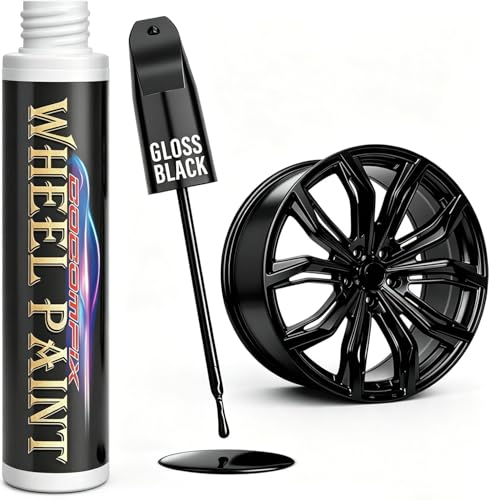
Instantly Restores Black Wheels' Mirror Shine: Quickly repairs car curb rash, scratches, scuffs, dings & even corrosion marks, easily hiding any wheel damage with strong coverage; our wheel paint for rims restores natural black luster of any glossy black alloy wheels
Repair May Make Sense When
- The damage is limited to paint, clear coat, shallow curb rash, or a small gouge.
- A specialist confirms that a bend can be corrected and the wheel can be balanced.
- A qualified specialist, after an in-person inspection and a check of applicable manufacturer guidance, accepts a small edge crack for repair and can verify afterward that the wheel is true, leak-free, and balanceable.
- The repair quote is well below the price of a correctly fitting replacement.
- The shop provides a written warranty and performs leak and balance checks.
Replace the Wheel When
- A crack reaches a spoke, hub, bolt hole, valve area, or another critical load-bearing zone.
- The wheel has multiple cracks, missing material, severe corrosion, or a major deformation.
- The bead seat is damaged and the tire will not hold pressure.
- The wheel has been repaired repeatedly or will not run true after straightening.
- The repair cost is close to the price of a safe OEM, remanufactured, or correctly specified aftermarket wheel.
- The vehicle or wheel manufacturer prohibits the proposed repair.
Quick Repair-vs.-Replace Decision Table
| Situation | Best Next Step | Why |
|---|---|---|
| Light curb rash or paint damage; no vibration or air loss | Price cosmetic repair or refinishing | The problem is mainly appearance-related if inspection finds no structural damage. |
| Minor bend; no visible crack | Get a wheel-specialist inspection and compare straightening plus balancing with replacement | Runout, air retention, and balanceability determine whether repair is practical. |
| Crack, slow leak, or hard-impact damage | Prioritize an in-person safety inspection before approving repair | The visible damage may not show the full structural condition of the wheel. |
| Multiple cracks, severe deformation, repeated prior repair, or critical-area damage | Replace the wheel unless the manufacturer and a qualified specialist support a documented repair | Structural uncertainty outweighs the cosmetic savings. |
| Chrome, machined, diamond-cut, forged, or multi-piece wheel | Compare the full repair-and-refinish price with a correctly specified replacement | Specialty finishing and disassembly can make repair much more expensive. |
Pro Tip: Compare the complete installed cost. A replacement quote may include a new wheel but not tire mounting, balancing, TPMS transfer, shipping, or alignment. A repair quote may exclude the same services.
DIY Rim Repair vs. Professional Service
DIY repair can save money when the problem is purely cosmetic. Structural wheel repair requires equipment and judgment that home repair kits cannot provide.
Products Worth Considering

Fast Repairs Wheel Scratches & Curb Rash at Home: All-in-one kit; specially designed for repairing scratches, curb rash on alloy, steel wheels with OEM Car Wheel Curb Rash Repair kit, instantly restoring black gloss original wheel appearance at home

Restores Mirror-Like Black Finish of Rim in Minutes: For rim curb rash, scratches, scuffs, dings & corrosion; instantly conver any damaged surface of wheel with strong coverage by high concentration to restore black gloss original wheel appearance seamlessly and easily
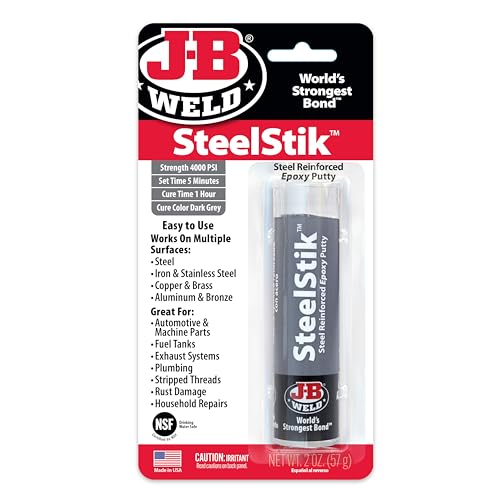
J-B Weld Steelstik: A Hand Mixable Two Part Epoxy Putty Stick That Is Steel Reinforced & Non-Rusting To Quickly Repair Or Rebuild Anything Made Of Metal! J-B Weld Steelstik Is Certified By The Nsf And Is Safe For Contact With Potable Water
Pros and Cons of DIY Cosmetic Repair
A DIY kit may work for a small scratch or light curb rash on a painted wheel. Common supplies include cleaner, masking materials, sandpaper, filler, primer, matching paint, and clear coat.
- Pros: Lower material cost, flexible timing, and acceptable results for small marks when the color is easy to match.
- Cons: Uneven sanding, poor color matching, paint runs, visible edges, and reduced corrosion protection if bare metal is not sealed correctly.
Do not attempt to straighten a wheel, weld a crack, repair a damaged bead seat, or remove a tire without the correct professional equipment. A cosmetic touch-up also cannot confirm that the wheel is structurally sound.
Benefits of Professional Rim Repair
A qualified wheel-repair shop can measure runout, inspect the inner barrel, check for cracks, straighten only bends it accepts as repairable, follow its documented limits for any welding, match the finish, pressure-test the wheel, and verify that it balances correctly. Ask the shop to explain its repair limits and warranty in writing rather than assuming every bend or crack can be restored safely.
Additional Fees and Hidden Costs
The first quote may cover only the wheel repair itself. Ask for an itemized estimate so you know the full installed price.
- Tire removal and remounting: The tire may need to come off for crack inspection, welding, machining, or full refinishing.
- Balancing: The wheel and tire should be balanced after structural repair or remounting.
- TPMS service: A damaged valve stem or sensor seal may need replacement.
- Alignment and suspension inspection: A hard pothole or curb strike can affect alignment, steering, or suspension parts.
- Finish matching: Custom paint, two-tone faces, polished lips, chrome, and diamond-cut finishes add labor.
- Corrosion repair: Oxidation around the bead seat may require stripping and refinishing before the tire can seal.
- Rush, mobile, pickup, or delivery fees: Convenience services can increase the total.
- Taxes and disposal fees: These may not appear in the advertised base price.
Products Worth Considering

EASY 3-STEP CURB RASH REPAIR KIT: Sand, clean and apply. This wheel scratch repair kit includes the prep tools and gloss black rim touch up paint needed to cover scratches, scuffs and chips at home without removing the wheel
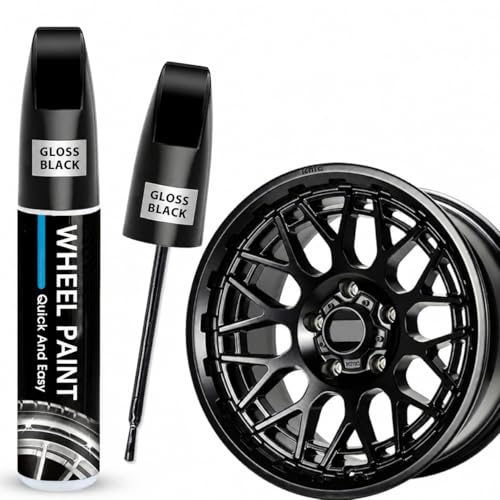
Gloss Black Rim Touch Up Paint – Curb Rash Repair Kit: Quickly fix curb rash and scratches with a rim scratch repair kit. Rim repair kit curb rash restores your wheels' mirror shine and makes them look brand new
What to Check After Hitting a Pothole or Curb
Inspect more than the visible wheel face. A hard impact can also damage the tire, knock off a wheel weight, alter alignment, or affect suspension components. AAA advises checking for new pulling, vibration, noise, tire or wheel damage, and suspension problems after a hard pothole impact. See AAA’s pothole-damage guidance.
- Check the tire pressure and watch for a TPMS warning or slow leak.
- Look for a tire sidewall cut, bulge, bubble, or exposed cords.
- Check the outer and inner wheel lip for bends or cracks.
- Notice any new steering pull, vibration, shaking, noise, or change in handling.
- Have the alignment and suspension checked if the vehicle pulls or the impact was severe.
Does Insurance Cover Rim Repair?
Coverage depends on the cause of damage and the policy. The Insurance Information Institute says pothole damage is usually covered when you carry collision coverage, subject to the deductible. Comprehensive coverage is different and commonly addresses causes such as theft, vandalism, flooding, and falling objects. Wear and tear from poor road conditions is generally not covered.
Custom or aftermarket wheels may not be fully covered under a standard policy. Some insurers offer optional custom-parts-and-equipment coverage for custom wheels; limits and terms vary by insurer. Progressive, for example, says custom wheels may need CPE coverage. Before filing a claim, compare the repair cost with your deductible, photograph the damage, keep estimates, and ask your insurer how the claim would be handled under your policy.
Note: Insurance terms, deductibles, claim deadlines, and custom-parts limits vary. Your policy documents and insurer control the actual coverage.
Ways to Save on Rim Repair
Compare Complete Quotes
Get written estimates from at least three reputable repairers. Compare the repair method, included services, turnaround time, warranty, and final price rather than choosing the lowest number alone.
Bring the Bare Wheel When Practical
Some shops charge less when you bring in a wheel with the tire already removed, but only use a tire shop with proper equipment for removal and remounting. Do not damage the tire bead or TPMS sensor by attempting removal with improvised tools.
Ask About Multi-Wheel and Seasonal Discounts
A shop may discount a set of two or four wheels, off-season refinishing, or a non-rush drop-off. Holiday promotions and email offers can also reduce cosmetic repair costs.
Compare Repair With Replacement
Check prices for a matching new OEM wheel, a reputable remanufactured OEM wheel, and a correctly fitting aftermarket wheel. Confirm diameter, width, bolt pattern, hub bore, offset, load rating, brake clearance, and tire compatibility before buying.
Choosing a Rim Repair Service

A capable shop should explain whether the damage is cosmetic or structural and why it recommends repair or replacement.
Reputation and Experience
Read recent reviews, look for before-and-after examples, and ask how often the shop repairs your wheel material and finish. Experience with painted alloy wheels does not automatically mean the shop can reproduce chrome, polished, multi-piece, or diamond-cut finishes.
Inspection and Testing
Ask whether the shop checks runout, inspects the inner barrel, pressure-tests for leaks, verifies the bead seat, and confirms that the repaired wheel can be balanced. Structural repairs should not be based on a photo alone.
Warranty and Guarantees
Get the workmanship and finish warranty in writing. Ask what is covered, how long coverage lasts, and whether the warranty excludes pothole impacts, corrosion, prior repairs, track use, or commercial use.
Questions to Ask Before Approving the Work
- Is the damage cosmetic, structural, or both?
- Where is the bend or crack, and is that location safe to repair?
- Will you remove the tire and inspect the inner barrel?
- Does the quote include mounting, balancing, TPMS service, taxes, and finish matching?
- How will you confirm the wheel is true, leak-free, and balanceable?
- What warranty do you provide?
- When would you recommend replacement instead?
Preventing Future Rim Damage
Use Safer Driving Habits
Scan the road ahead, slow down safely before rough pavement, and avoid swerving into another lane. If a pothole cannot be avoided, reduce speed without locking the brakes as the wheel reaches the hole. Leave extra space from curbs when parking and take speed bumps slowly.
Maintain Correct Tire Pressure
Underinflated tires provide less protection between the road and wheel. Check pressure when the tires are cold and use the vehicle manufacturer’s specification on the driver-door placard or in the owner’s manual, not the maximum pressure molded into the tire sidewall.
Inspect and Clean the Wheels
Wash off road salt, grime, and brake dust with products suitable for the wheel finish. During cleaning, look for peeling clear coat, corrosion, cracks, bends, and slow leaks. Early inspection can prevent a cosmetic problem from becoming a larger repair.
Frequently Asked Questions
How much does rim repair cost?
Most common U.S. passenger-vehicle rim repairs cost about $75 to $300 per wheel. Light scuffs may cost $50 to $125, curb rash often costs $100 to $250, bend straightening commonly costs $100 to $250, and some small edge cracks accepted for professional repair may be quoted around $150 to $300.
Is rim repair worth it?
It is often worth repairing cosmetic damage or a minor bend when a qualified shop confirms the wheel is safe and the repair costs much less than a correctly specified replacement. Replace the wheel when structural damage is severe, repairability is uncertain, or the complete repair cost approaches the installed replacement cost.
Can a bent rim be repaired?
Some bent wheels can be straightened with specialized equipment. The shop must inspect the damage location, measure runout, check for cracks, and confirm that the wheel can hold air and balance correctly.
Can a cracked rim be repaired safely?
Some wheel-repair specialists may accept a small edge crack after an in-person inspection, but repairability depends on crack location, wheel construction, prior repairs, and manufacturer guidance. Cracks near spokes, the hub, bolt holes, the bead seat, or other critical areas usually favor replacement. Never attempt structural crack repair at home.
How long does rim repair take?
A small cosmetic repair may take one or two hours. Straightening, welding, full refinishing, or outsourced specialty work often takes 24 to 48 hours or longer, depending on damage and shop workload.
Does rim repair include tire balancing?
Not always. Ask whether the price includes tire removal, remounting, balancing, valve or TPMS service, leak testing, and taxes. These items may be billed separately.
Does car insurance pay for damaged rims?
Collision coverage may pay for pothole or curb-impact damage after the deductible. Comprehensive coverage may apply to theft, vandalism, flooding, or falling objects. Wear and gradual deterioration are generally not covered. Custom wheels may need optional custom-parts coverage, depending on the policy.
Is it safe to drive on a bent rim?
Do not treat a bent rim as harmless if it causes vibration, air loss, visible wobble, steering changes, or poor balancing. Reduce driving and arrange a professional inspection. If the tire is losing pressure quickly, the wheel is visibly cracked, or handling has changed sharply, stop driving and arrange roadside help or a tow.
Conclusion
Rim repair commonly costs $75 to $300 per wheel, but the final price depends on the damage, wheel construction, finish, size, location, and included services. Cosmetic scuffs are usually the least expensive, while bends, cracks, chrome, diamond-cut finishes, and multi-piece wheels require more specialized work.
Put safety ahead of appearance. Have any wheel with a crack, air leak, vibration, steering change, or hard-impact damage inspected by a qualified wheel or tire professional. Compare an itemized repair quote with the complete installed cost of a correctly specified replacement, and do not approve a structural repair unless the shop can explain why the damage location and wheel construction are suitable for its repair process.
Sources
- BRS: How Much Does a Rim Cost to Repair? — current U.S. repair ranges by damage and wheel type.
- AutoZone: What Does It Cost to Fix Curb Rash? — curb-rash pricing and cost factors.
- Discount Tire: Rim Repair and Refinishing — repair scope, inspection, refinishing, and typical turnaround.
- NHTSA Interpretation 8326 — safety concerns involving previously damaged and refurbished rims.
- AAA: How to Avoid Pothole Damage — tire pressure, driving precautions, and post-impact inspection.
- Insurance Information Institute: Pothole Damage Coverage — collision, comprehensive, deductible, and wear exclusions.
- Progressive: Tire, Wheel, and Custom-Rim Insurance Coverage — custom wheel and optional custom-parts coverage considerations.
- Prince Wheel Services: Published Wheel Repair Pricing — current U.S. shop-menu examples for bent-wheel repair, crack welding, refinishing, and tire service.
