
Best Bed Liner Paints: Quick Picks
Last Updated: September 9, 2026
As an Amazon Associate we earn from qualifying purchases. This post may contain affiliate links, at no extra cost to you.
You rely on your truck to work hard and resist the wear that comes with hauling equipment, tools, and cargo. Choosing the right bed liner paint helps protect your investment by reducing rust risk, abrasion, slipping, and daily bed wear.
This guide focuses on bed liner paints that balance durability, adhesion, application method, and usable coverage. Whether you want a quick aerosol touch-up or a more serious spray-on kit, the best choice depends on your tools, prep time, and how hard your truck bed works.
Top Pick
The Raptor 8Qt kit is the best overall fit for a large full-bed spray project when you want a 2-part urethane system, an included application gun, and more material than a standard 1-gallon kit.
Key Takeaways
- Raptor 8Qt is the top overall choice here for large full-bed spray projects when you are comfortable mixing and spraying a 2-part urethane system.
- Herculiner Kit is the easiest brush-and-roll option for hands-on DIY bed protection.
- Krylon Aerosol, Custom Shop, and Seymour Can make the most sense for touch-ups, steps, bumpers, and accessories.
- RAPTOR Kit and Al’s Liner are better choices when you want tinting, custom texture, or color-matching flexibility.
- Surface prep matters more than brand choice. Sand, degrease, mask, dry, and follow the cure instructions before loading cargo.
Top Picks
|
Category |
Product |
Why It Stands Out |
|---|---|---|
|
🏆 Best Brush-On Kit |
Complete roll-and-brush DIY format |
|
|
💰 Best Rattle-Can Value |
Simple aerosol for small repairs |
|
|
🎯 Best Overall for Large Spray Projects |
Large-capacity 2-part urethane spray system |
|
|
⭐ Best Entry-Level Quart |
Simple quart for recoating and maintenance |
|
|
🔧 Best Touch-Up Spray |
Convenient aerosol for targeted repairs |
|
|
🔰 Best Customizable DIY |
Customizable polyurethane system |
|
|
🚀 Best Tintable Kit |
Tintable professional-style coating system |
|
|
⚡ Best Versatile Gallon |
Versatile gallon format |
|
|
🛠️ Best Roll-On |
No-spray application option |
|
|
📦 Best Budget Small Can |
Compact aerosol for spot work |
Quick Comparison
| Product | Best For | Key Feature |
|---|---|---|
| Herculiner Kit | Beginner brush-on projects | Roll-and-brush application |
| Krylon Aerosol | Small touch-ups | Simple rattle-can format |
| Raptor 8Qt | Professional-style spray finish | 2K urethane kit |
| Rust-Oleum Quart | Entry-level maintenance | Brush or roller use |
| Custom Shop | Targeted spray repairs | Portable aerosol coating |
| Al’s Liner | Custom DIY texture | Batch-mix flexibility |
| RAPTOR Kit | Tinted finishes | Tintable urethane system |
| Dupli-Color Gallon | Larger maintenance jobs | Gallon coverage format |
| Raptor Roll-On | No-spray durability | Roll-on bed-liner format |
| Seymour Can | Budget small repairs | Compact aerosol can |
Fast Decision Guide
- Choose Raptor 8Qt if you are coating a large bed and already have the space, PPE, and confidence for a 2-part spray job.
- Choose Herculiner if you want a complete roll-and-brush kit with manufacturer-stated coverage for one 6-ft truck bed.
- Choose Rust-Oleum Quart or Dupli-Color Gallon when you prefer a simpler single-container coating for maintenance, recoating, or utility surfaces.
- Choose Krylon, Custom Shop, or Seymour for touch-ups and small areas where aerosol convenience matters more than full-bed coverage.
- Choose RAPTOR Tintable or Al’s Liner when color or texture customization is a main goal and you are comfortable following mix instructions closely.
How We Chose
You need a bed liner that balances protection, ease of application, and value. We prioritized products with manufacturer-documented truck-bed or protective-coating use, practical application methods for DIYers, realistic package sizes, and clear tradeoffs between aerosol, roll-on, and multi-part systems. We also checked current manufacturer pages for key details such as coverage, container size, application method, and intended use where those details were available.
Tool requirements, surface preparation, application complexity, and whether a kit includes useful hardware informed picks for different skill levels. Aerosols ranked higher for small-project convenience, while multi-part and tintable systems were favored for larger or more customized jobs. This is an editorial comparison based on current manufacturer information, product listings, and application requirements; it is not a claim that every product was hands-on tested.
Safety Note: Two-part polyurethane coatings and aerosol bed liner paints can expose you to hazardous vapors, aerosols, and overspray. Work only where the product instructions allow, use gloves and eye protection, and follow the current label and safety data sheet for ventilation and respiratory protection. Do not rely on a generic dust mask for coating fumes.
Pro Tip: Buy extra masking tape, gloves, rollers, mixing cups, and rags before you start. Bed liner jobs often fail because the prep was rushed or the supplies ran out halfway through the coating window.
A bed liner coating is only as strong as the surface under it. Sand, degrease, dry, mask, and follow the cure time before loading cargo.
How to Choose Bed Liner Paint
Pick the Right Application Method
Aerosol cans are best for touch-ups, step areas, bumpers, and small accessories. Brush-on and roll-on kits make sense when you want DIY bed protection without spray gear. Spray kits are better when you want a cleaner, more even texture and can handle masking, mixing, and equipment setup.
Match Durability to Your Truck Use
Light hauling and weekend projects can work well with a quart, aerosol, or simple roll-on coating. Work trucks that carry tools, gravel, lumber, or metal parts need thicker coverage, stronger prep, and usually a more durable urethane system.
Check Coverage Before You Buy
Coverage depends on bed size, coat thickness, texture, surface condition, and application waste. A small aerosol can is not a full-bed solution. For a complete bed, choose a gallon, multi-bottle kit, or roll-on system and plan extra material if the bed is rough or already worn.
Respect Cure Time
Touch-dry does not always mean cargo-ready. Let the coating cure according to the label before sliding boxes, tools, furniture, or gravel across the bed. Cold, heat, and humidity can change how long the coating takes to harden.
Note: If your truck bed has active rust, treat the rust first. Bed liner paint can protect a prepared surface, but it should not be used as a shortcut over loose scale, oil, or moisture.
Before You Buy
- Confirm the coating is intended for your surface material and project size.
- Check whether you need a roller, brush, spray gun, compressor, hardener, reducer, tint, or other accessories.
- Read the current technical data sheet for prep, temperature, recoat, cure, and PPE requirements.
- Do not assume a small aerosol can will provide economical full-bed coverage.
Herculiner Kit

If you want a hands-on, cost-conscious way to protect a truck bed, this kit is built for DIYers who prefer rolling and brushing over hiring a shop. You get a textured, skid-resistant finish, plus basic application tools so you can reach corners and flat areas without buying specialized spray equipment.
Prep matters more than anything. When you sand, degrease, clean, and mask carefully, the coating can give your bed a tough, practical surface for daily hauling and light impact.
✔ Pros
- Beginner-friendly brush-and-roll format
- Includes basic tools for detail work
- Good choice for truck beds, trailers, and utility surfaces
✘ Cons
- Can be messy during application
- Texture depends heavily on prep and roller technique
- You may still want extra rollers, gloves, and masking supplies
Buyer Feedback Check
Retailer feedback can change over time. Before buying, scan the newest reviews for comments about surface prep, adhesion, texture, cure time, packaging, and application issues that match your project.
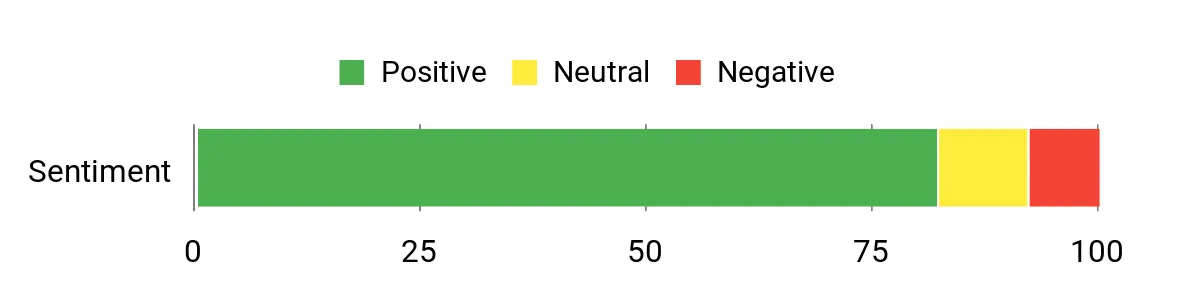
The sentiment chart above is a historical snapshot; current retailer feedback may differ.
When To Use
|
Situation |
How It Helps |
|---|---|
|
Replacing a Drop-In Liner |
You can create a permanent, textured surface that reduces cargo movement and restores a cohesive look without installing a heavy plastic liner. |
|
Protecting Trailers and Toolboxes |
It forms a moisture-resistant barrier that helps guard against abrasion and minor impacts in work environments. |
|
Small DIY Projects |
The included brushes and rollers let you coat tight spots, steps, and trim without specialized spray equipment. |
|
Budget Restoration |
You can refresh worn surfaces at a lower cost than a shop-applied liner when you invest time in prep. |
Versatility
This product is unusually versatile for a roll-on kit. Use it on a truck bed, trailer, bumper, step, toolbox, or outdoor workbench when the surface is compatible and properly prepared.
Key Benefits
- Durable skid-resistant finish
- Includes brush and rollers for detail work
- Bonds to many prepared surfaces
- Simple application format for DIYers
Krylon Aerosol

This aerosol is one of the easiest ways to add a protective textured finish without renting gear or mixing compounds. You can use it for quick bed touch-ups, trailer spots, step areas, and small accessories where a roll kit or spray gun would be overkill.
It is best for targeted jobs instead of full-bed resurfacing. Spray in light, steady passes, let each coat flash according to the label, and give the finish enough time to cure before heavy use.
✔ Pros
- Very easy to use
- No mixing or special tools needed
- Good for tight spaces and small repairs
✘ Cons
- Not practical for full-bed coverage
- Several cans may be needed for larger areas
- Nozzle control affects finish quality
Buyer Feedback Check
Retailer feedback can change over time. Before buying, scan the newest reviews for comments about surface prep, adhesion, texture, cure time, packaging, and application issues that match your project.
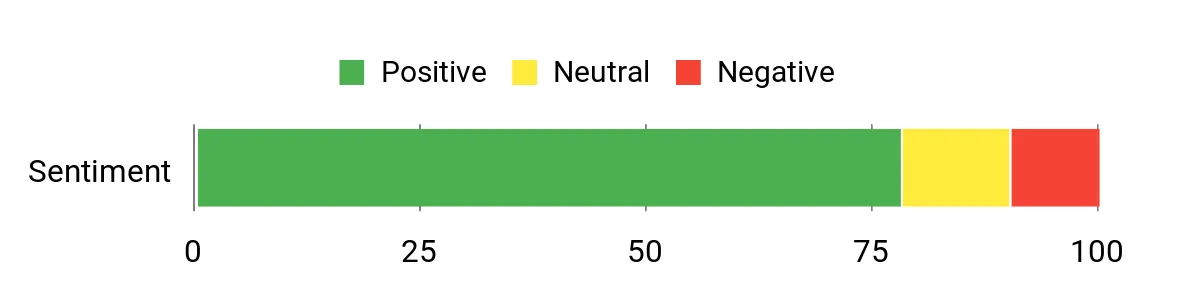
The sentiment chart above is a historical snapshot; current retailer feedback may differ.
When To Use
|
Situation |
How It Helps |
|---|---|
|
Small Touch-Ups |
Sprays quickly into nicks and scratches so you can blend repairs without removing larger panels. |
|
Trailer Maintenance |
Provides a protective textured coat for smaller trailer sections where a full kit would be impractical. |
|
Accessory Coating |
Good for bumpers, toolboxes, and step areas where you want a matching textured finish with minimal setup. |
|
Fast Recoats |
Works well for simple weekend jobs when you need quick setup and light coats. |
Versatility
Designed primarily for spot work, this can handles small metal, fiberglass, wood, and compatible prepped surfaces well. It is not a full-bed replacement for heavy-duty use, but it is highly useful for targeted protection and cosmetic repair.
Key Benefits
- Convenient aerosol application for tight jobs
- Fast setup for small repairs
- Works on small prepared surfaces
- Produces a uniform texture with steady spray technique
Raptor 8Qt
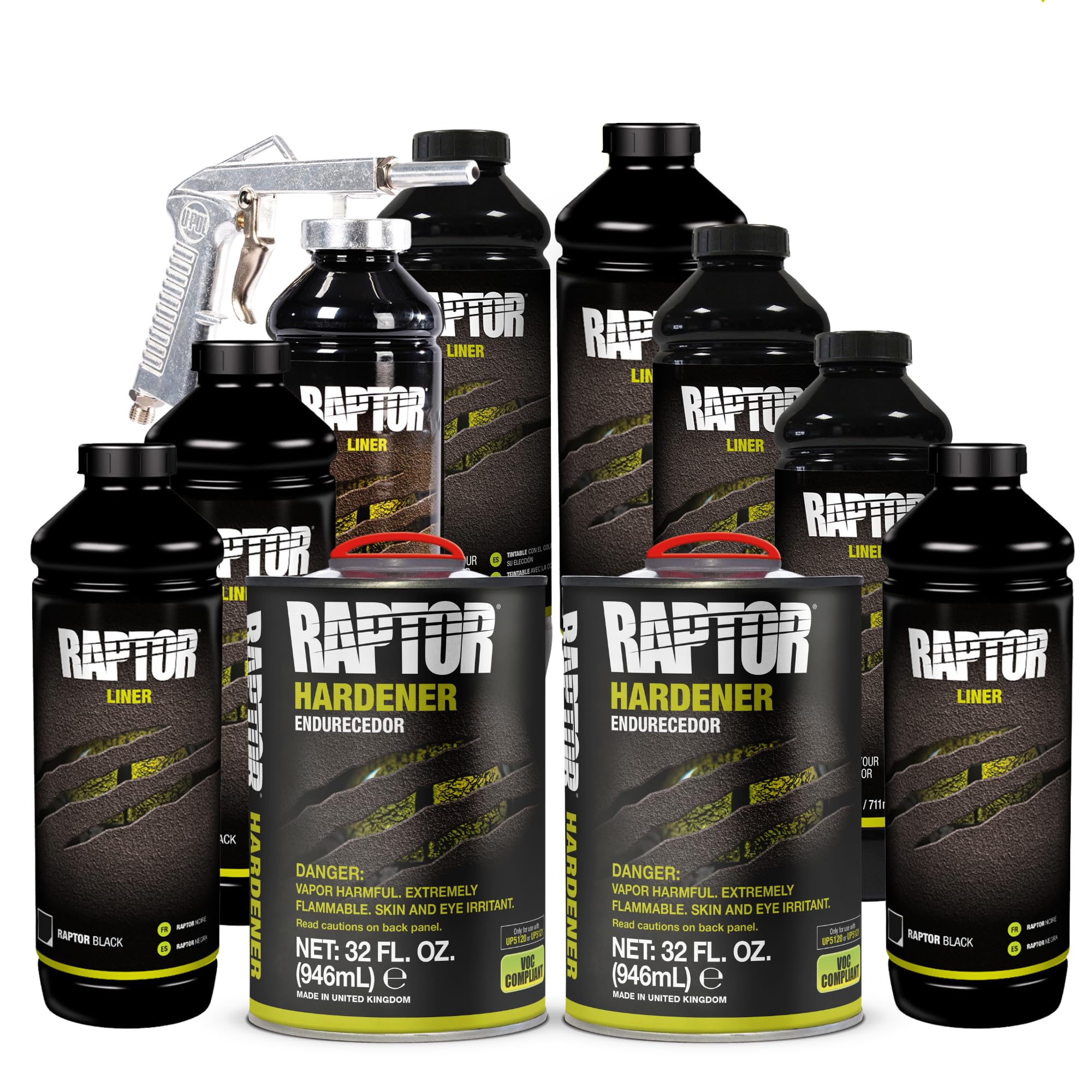
If you want a professional-style spray finish without paying a shop, this large-capacity kit gives you the materials to take on a serious spray-on project yourself. The listed 8-quart package includes multiple liner bottles, hardener, and an application gun, so it makes the most sense for larger truck-bed or multi-surface jobs.
Expect to spend time on prep, masking, mixing, ventilation, and cleanup. If you want a larger multi-bottle system and are comfortable using spray equipment, this is the best overall fit in this roundup for a large full-bed spray project.
✔ Pros
- Large-capacity system suited to bigger projects
- Professional-style spray texture
- Strong choice for larger truck-bed projects
✘ Cons
- Requires careful mixing and masking
- Needs better ventilation and PPE planning
- Less forgiving than basic roll-on kits
Buyer Feedback Check
Retailer feedback can change over time. Before buying, scan the newest reviews for comments about surface prep, adhesion, texture, cure time, packaging, and application issues that match your project.
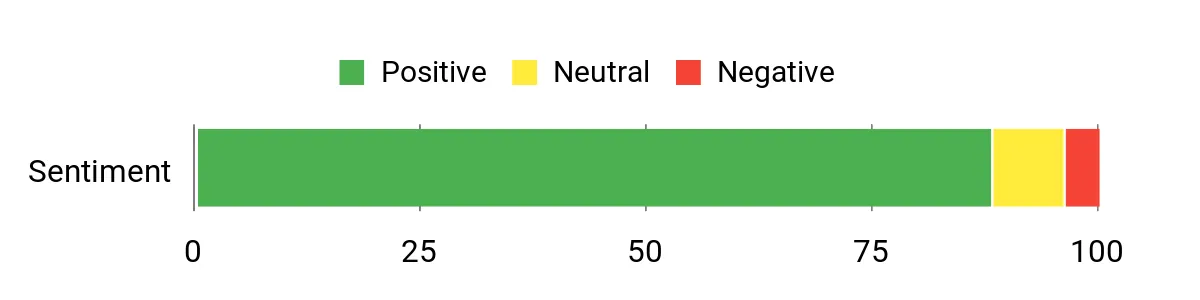
The sentiment chart above is a historical snapshot; current retailer feedback may differ.
When To Use
|
Situation |
How It Helps |
|---|---|
|
Full Bed Restoration |
Covers large areas uniformly and replaces worn liners with a durable, textured surface. |
|
Heavy-Duty Use |
Builds a tough protective layer for work trucks and repeated loading when the surface is prepared and the coating is applied to specification. |
|
Large or Multi-Surface Projects |
The larger kit format is useful when you need enough material for a truck bed plus related utility surfaces. |
|
Marine or Trailer Applications |
Works for trailers, undercoatings, and exposed utility surfaces when applied as directed. |
Versatility
This kit is highly versatile because RAPTOR can be applied with a compatible spray gun and, depending on the product instructions and desired texture, may also be rolled or brushed. It is a solid choice if you need a large-capacity coating system for truck beds and other compatible prepared surfaces.
Key Benefits
- 2-part urethane coating system
- Multi-bottle format for larger projects
- Includes spray gun for large-area application
- Strong fit for large full-bed and multi-surface projects
Rust-Oleum Quart
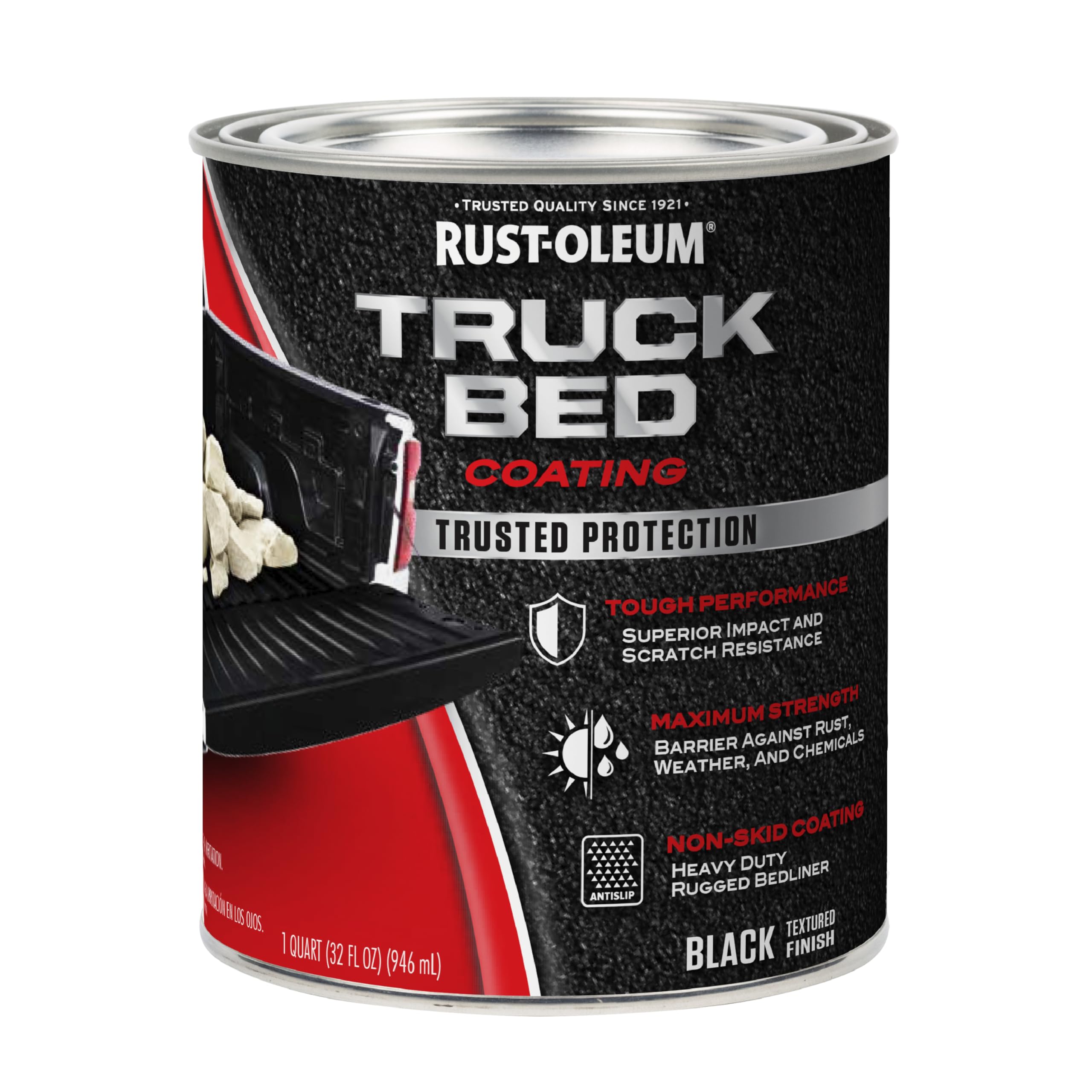
You get a straightforward coating that can be applied by brush, roller, or a compatible spray setup. It is intended for recoating or restoring prepared metal truck beds and adds a textured protective surface for daily hauling and general utility use.
Beyond truck beds, the manufacturer positions this coating for prepared automotive and utility surfaces such as fenders, step areas, and trailer floors.
✔ Pros
- Simple brush or roller application
- Good for small restorations
- No special spray equipment needed
✘ Cons
- Not the strongest choice for heavy commercial abuse
- May need multiple coats on worn surfaces
- Coverage depends on coat thickness
Buyer Feedback Check
Retailer feedback can change over time. Before buying, scan the newest reviews for comments about surface prep, adhesion, texture, cure time, packaging, and application issues that match your project.
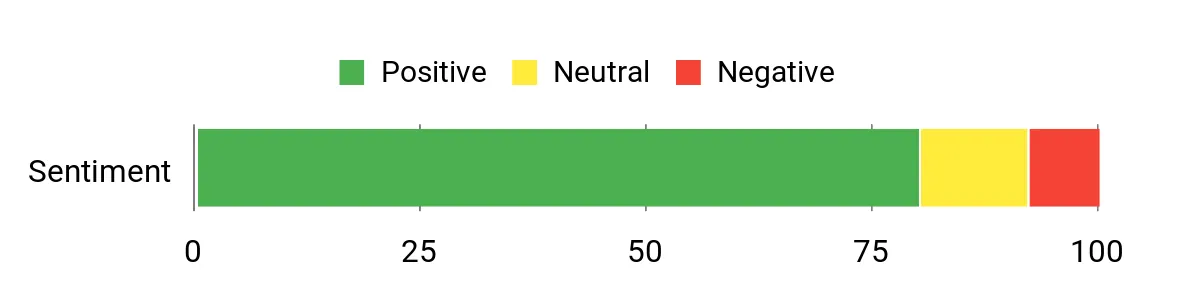
The sentiment chart above is a historical snapshot; current retailer feedback may differ.
When To Use
|
Situation |
How It Helps |
|---|---|
|
Recoating a Worn Bed |
Restores appearance and adds a textured barrier that helps reduce future corrosion risk. |
|
Trailer and Running Gear |
Provides a weather-resistant surface on metal trailer floors and running boards. |
|
Fenders and Step Areas |
Adds a textured protective coating to prepared automotive surfaces that see routine abrasion and weather exposure. |
|
Quick Touch-Ups |
Brush or roll small areas to patch chips or worn spots without needing a full kit. |
Versatility
This quart is a versatile option for prepared metal truck beds and related automotive surfaces. It is best suited to recoating, maintenance, and smaller projects when you do not need the capacity or mixing steps of a larger multi-part kit.
Key Benefits
- Thick, durable matte finish
- Non-slip texture for cargo grip
- Brush or roller application with no special gear
- Useful for prepared truck beds and related metal automotive surfaces
Custom Shop
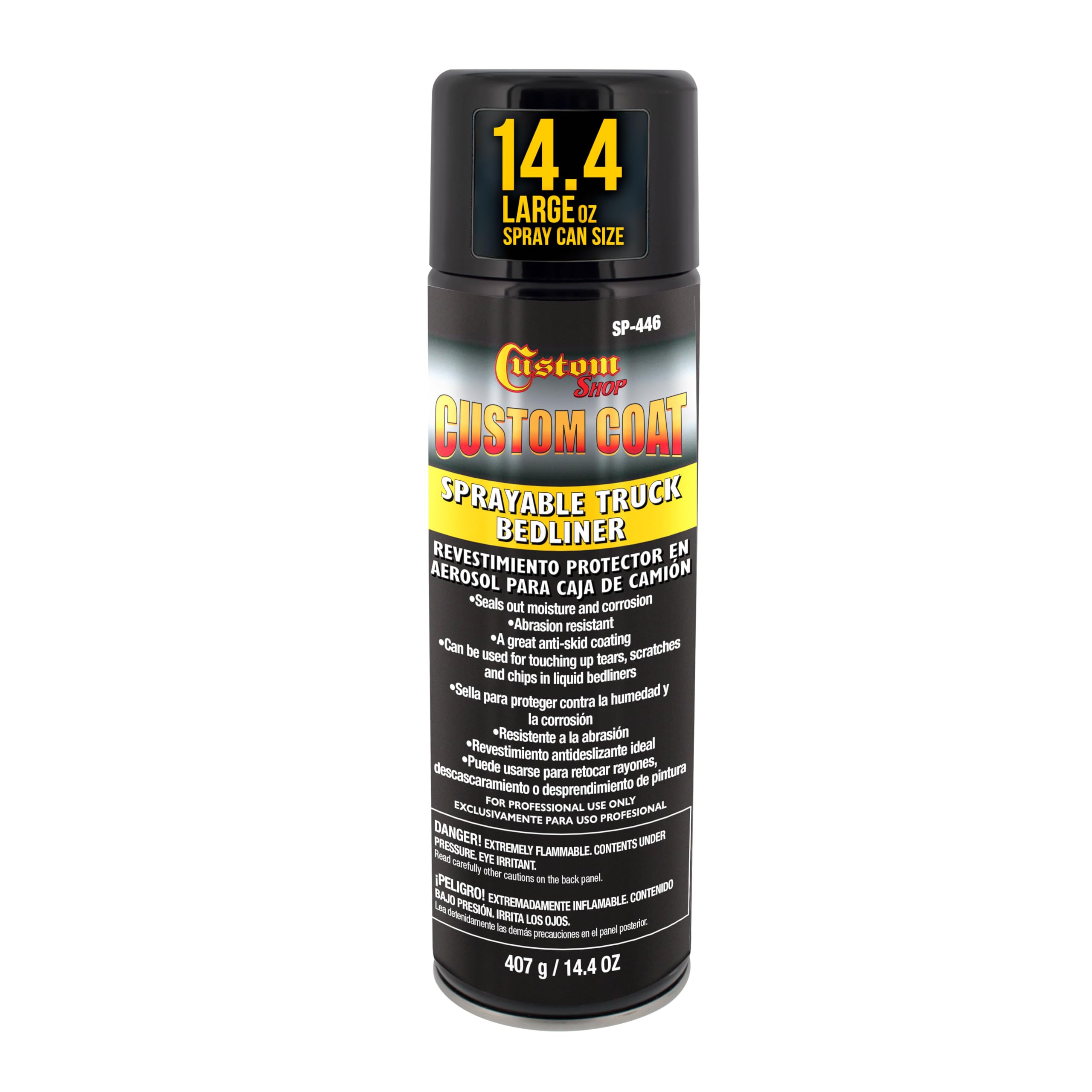
This aerosol gives you a convenient way to add a textured protective coat without hauling out a spray gun or mixing compounds. You can use it for spot repairs, accessory parts, trailer patches, and small bed areas where a full kit would be too much work.
It sprays on most evenly when you maintain a steady motion and build coverage in light coats. For upkeep and light customization, it is an easy option, but it is not the best choice for a complete truck-bed resurface.
✔ Pros
- Portable and easy to apply
- Good for accessories and patch work
- Useful for textured cosmetic repairs
✘ Cons
- Limited capacity for full-bed projects
- Spray technique affects consistency
- May need extra cans for broader coverage
Buyer Feedback Check
Retailer feedback can change over time. Before buying, scan the newest reviews for comments about surface prep, adhesion, texture, cure time, packaging, and application issues that match your project.
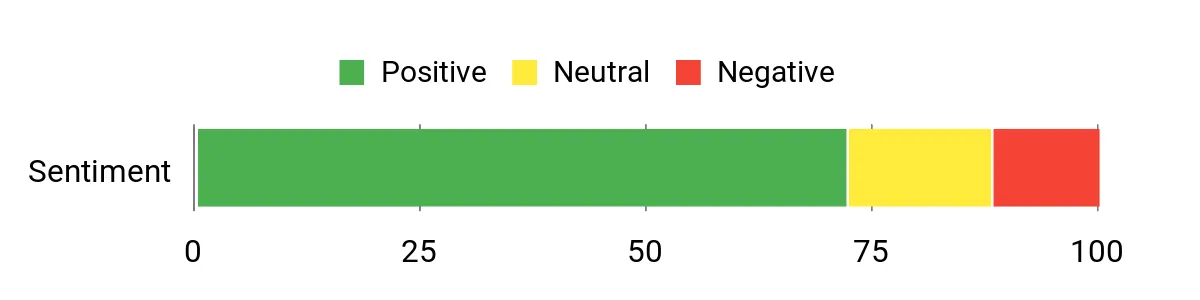
The sentiment chart above is a historical snapshot; current retailer feedback may differ.
When To Use
|
Situation |
How It Helps |
|---|---|
|
Spot Repairs |
Covers chips and scratches quickly so you can blend repairs without pulling a full kit out of storage. |
|
Accessory Coating |
Good for bumpers, toolboxes, and step plates where you want a matching textured look with minimal prep. |
|
Trailer Maintenance |
Provides a protective, textured layer that helps resist moisture and abrasion on small trailer surfaces. |
|
Quick Customization |
Lets you add texture to panels or accents without complex equipment. |
Versatility
This 14.4-oz aerosol is best for targeted work rather than full-bed applications, but it is useful for touch-ups, tailgates, bed rails, running boards, and other compatible prepared surfaces.
Key Benefits
- Aerosol convenience for small jobs
- Even textured finish when sprayed consistently
- Useful for metal and compatible prepared surfaces
- Good for upkeep and light customization
Al’s Liner

You get a professional-style batch-mix system that lets you tailor texture, tint, and application feel for different projects. Because it’s mixed in smaller batches, you can control the workflow better on rocker panels, bed rails, accessories, or a full truck bed.
This kit rewards planning. Prep, masking, mixing accuracy, and smaller batches tend to produce the best result. It is a solid choice if you want custom protection and do not mind extra setup.
✔ Pros
- Customizable texture and tint options
- Good for specialty DIY projects
- Batch mixing gives more control
✘ Cons
- More setup than basic roll-on kits
- Mixing technique affects results
- May require better equipment for the best finish
Buyer Feedback Check
Retailer feedback can change over time. Before buying, scan the newest reviews for comments about surface prep, adhesion, texture, cure time, packaging, and application issues that match your project.
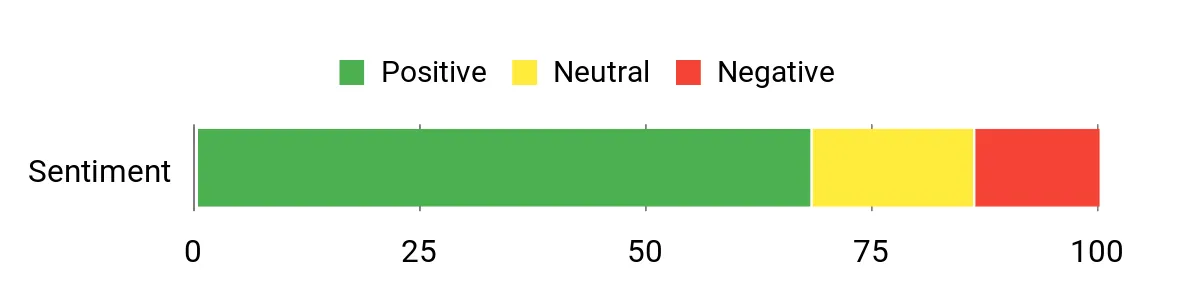
The sentiment chart above is a historical snapshot; current retailer feedback may differ.
When To Use
|
Situation |
How It Helps |
|---|---|
|
Full Bed Projects |
Provides a uniform, impact-resistant surface when mixed and applied correctly. |
|
Custom Color Matches |
Tintable base lets you match factory shades or create accents while keeping a durable finish. |
|
Rocker Panels and Bumpers |
Batch control lets you dial in texture for tight areas where a smooth or aggressive finish is needed. |
|
Small Repairs and Accessories |
Mix only what you need to touch up panels, toolboxes, or trailer parts without wasting product. |
Versatility
Al’s Liner is flexible across application methods and project types. You can adapt the texture and tint, but it performs best when you follow the recommended prep and mixing guidelines.
Key Benefits
- Tintable for color matching
- Batch mixing lets you control texture
- Useful for custom DIY protection
- Works across several prepared surfaces
RAPTOR Kit

If you want a near-professional finish you can do at home, this tintable kit is designed for larger projects and custom looks. The tintable base and hardener produce a flexible textured finish for truck beds, bumpers, trailers, and utility surfaces.
Prepare to spend time on masking, surface prep, mixing, and cure conditions. Once applied correctly, it gives you a shop-style look with more customization than a basic black coating.
✔ Pros
- Tintable for custom finishes
- Strong choice for full-bed projects
- Professional-style texture
✘ Cons
- Requires careful color and mix planning
- More involved than aerosol or quart coatings
- Temperature and cure conditions matter
Buyer Feedback Check
Retailer feedback can change over time. Before buying, scan the newest reviews for comments about surface prep, adhesion, texture, cure time, packaging, and application issues that match your project.
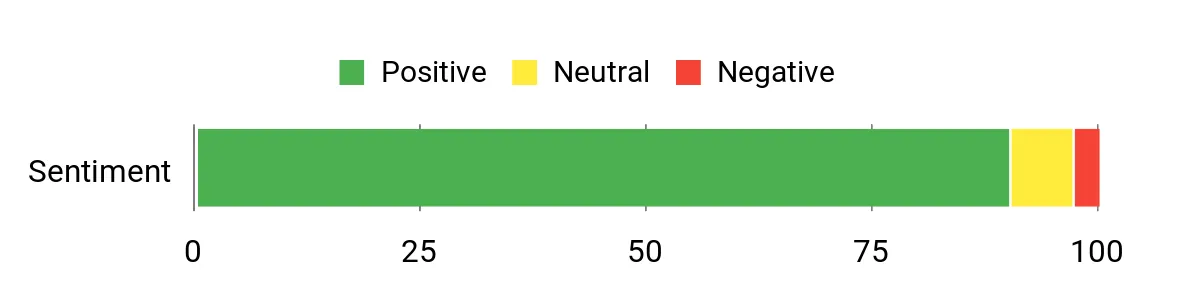
The sentiment chart above is a historical snapshot; current retailer feedback may differ.
When To Use
|
Situation |
How It Helps |
|---|---|
|
Full Bed Resurfacing |
Covers large areas evenly and replaces worn liner surfaces with a durable textured shell. |
|
Custom Color Matching |
Tintable base lets you match factory shades or create custom accents. |
|
Heavy-Duty Use |
Flexible and impact-resistant finish helps protect work vehicles from repeated cargo wear. |
|
Trailers and Marine Gear |
Useful for exposed metal parts when applied according to the manufacturer’s directions. |
Versatility
This kit adapts to metal, plastic, wood, concrete, and other compatible prepared surfaces. Its tintable nature and broad project range make it a strong option if you want one solution for beds, bumpers, trailers, and some marine-style applications.
Key Benefits
- 2K urethane coating system for larger projects
- Tintable base with UV-resistant positioning
- Coverage format suited to larger truck-bed projects
- Flexible protective finish
Dupli-Color Gallon
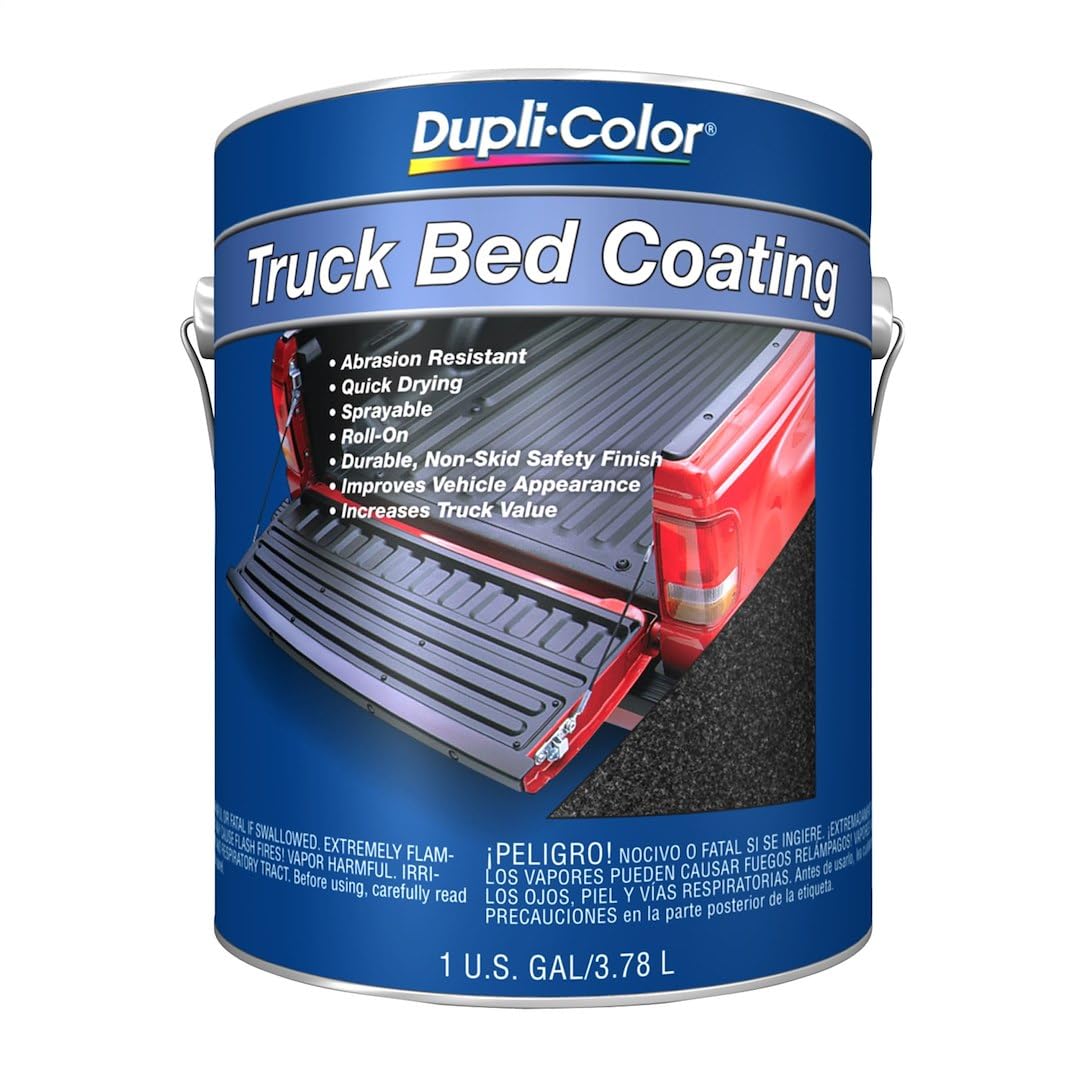
If you want a flexible option that covers larger maintenance projects and works with different application setups, this gallon is a sensible choice. You can use it for regular bed upkeep, trailer floors, and areas that need a weather-resistant shell without the complexity of a full 2K spray system.
For heavier commercial abuse, plan on careful prep and enough coats to build film thickness. Check the label for application method, recoat timing, and handling time before you start.
✔ Pros
- Useful gallon size for larger areas
- Good value for maintenance work
- Flexible for beds, trailers, and utility surfaces
✘ Cons
- May need extra coats in high-wear areas
- Less specialized than 2K urethane kits
- Finish depends on applicator choice and prep
Buyer Feedback Check
Retailer feedback can change over time. Before buying, scan the newest reviews for comments about surface prep, adhesion, texture, cure time, packaging, and application issues that match your project.
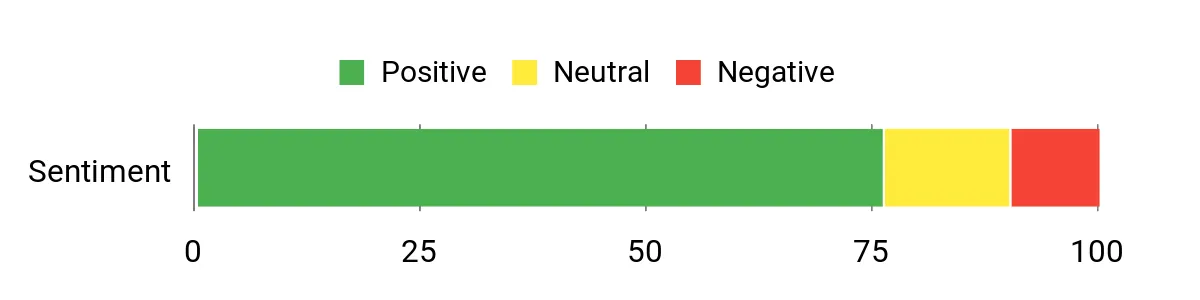
The sentiment chart above is a historical snapshot; current retailer feedback may differ.
When To Use
|
Situation |
How It Helps |
|---|---|
|
Full Bed Resurfacing |
Covers larger areas and creates a protective shell that helps restore worn beds. |
|
Undercoating and Frame Work |
Provides a protective layer on prepared frames and undercarriage components. |
|
Trailer and Camper Tops |
Offers weather-resistant coverage for fiberglass and metal surfaces exposed to the elements. |
|
Frequent Touch-Ups |
Gallon quantity helps when you expect ongoing repair or recoating work. |
Versatility
This gallon is built for do-it-yourselfers who need one coating for truck beds, inner fenders, tailgates, bed rails, cargo areas, steps, and running boards. The current product line supports roller, spray-gun, and aerosol application formats, so match the tool to the container and instructions you buy.
Key Benefits
- Durable protective coating format
- Multiple application possibilities depending on setup
- Useful quantity for larger maintenance jobs
- Good coverage potential for full-bed and accessory work
Raptor Roll-On
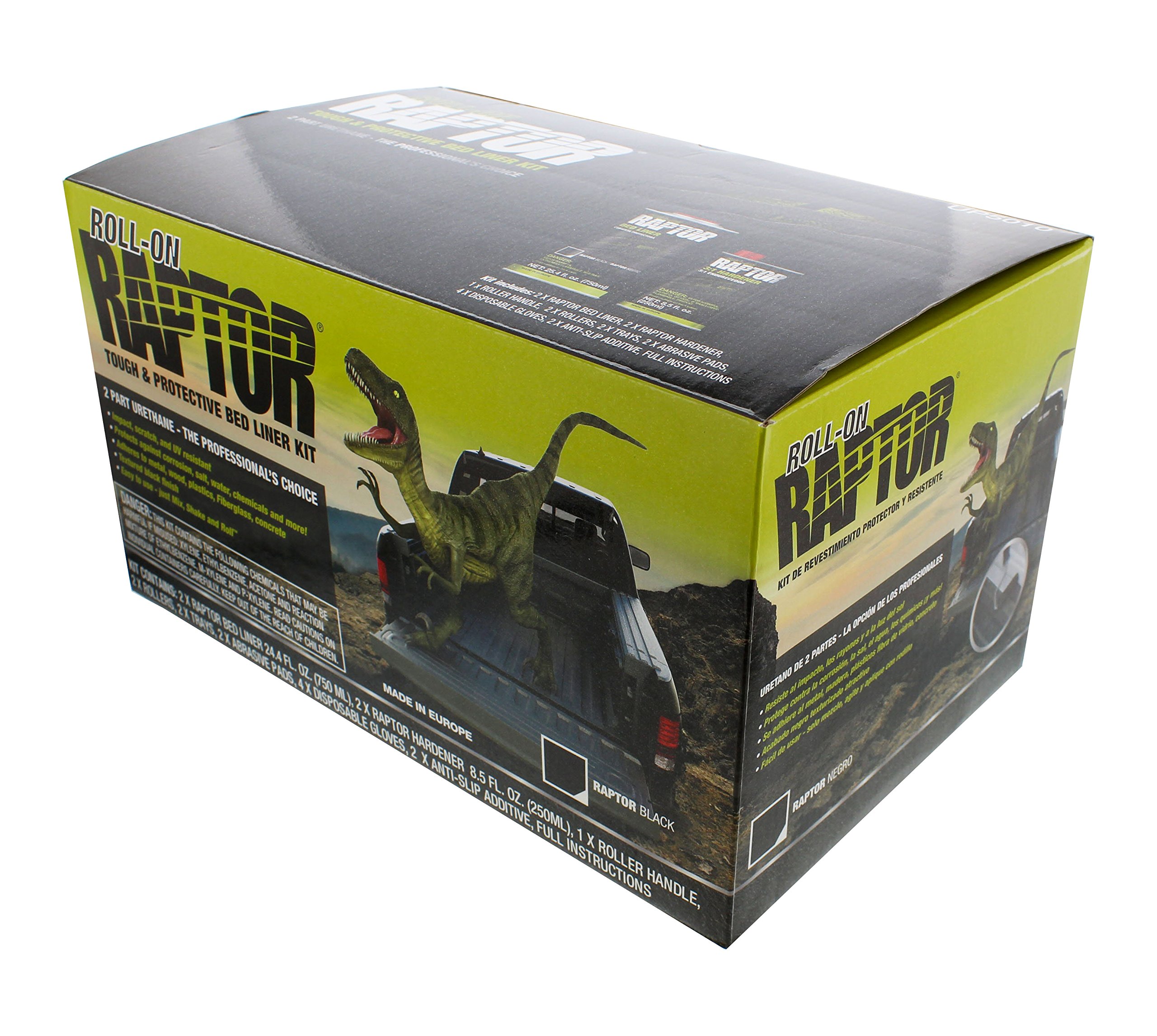
If you want a tough bed-liner coating without spraying, this roll-on option is designed for hands-on DIY work. Roll broad areas and brush into tight spots to build a textured protective finish.
It’s useful for truck beds, rocker panels, trailers, and other compatible prepared surfaces where a textured coating helps resist abrasion and weather exposure. The Amazon-listed 2 L roll-on kit and RAPTOR’s current U.S. roll-on product family may not use identical formulas, package sizes, or included tools, so check the exact listing, label, and instructions for the kit you receive before mixing or application.
✔ Pros
- Durable no-spray application
- Good for seams and complex shapes
- No spray gun required for application
✘ Cons
- Messier than aerosols
- Exact formula and kit contents can vary by version and market
- Supplied tools may not be enough for every job
Buyer Feedback Check
Retailer feedback can change over time. Before buying, scan the newest reviews for comments about surface prep, adhesion, texture, cure time, packaging, and application issues that match your project.
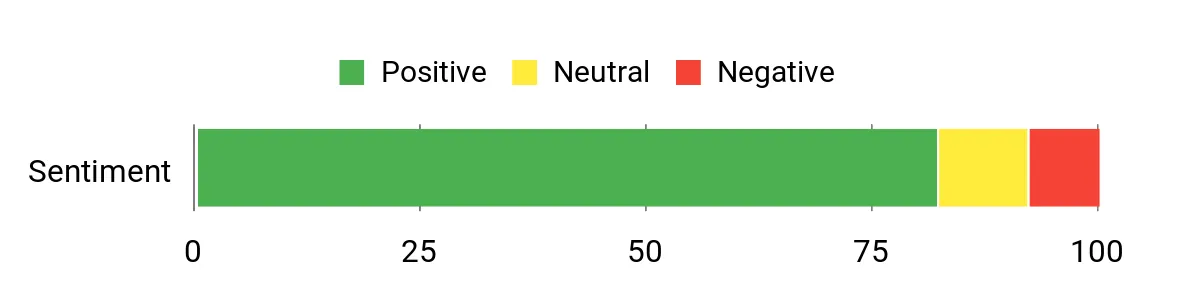
The sentiment chart above is a historical snapshot; current retailer feedback may differ.
When To Use
|
Situation |
How It Helps |
|---|---|
|
Short Bed Full Coverage |
Gives a uniform, impact-resistant shell without needing spray equipment. |
|
Tight or Complex Areas |
Rolling and brushing lets you reach drop-down sides, wheel wells, and seams that are harder to spray effectively. |
|
Workshop and Deck Surfaces |
Creates a skid-resistant work surface on trailers, steps, and benches. |
|
DIY Restoration |
Replaces worn liners and helps protect against corrosion and abrasion when you sand and degrease first. |
Versatility
This kit is versatile for vehicles and general-purpose projects. It is best when you need a durable, non-spray solution across beds, bumpers, trailers, and work surfaces.
Key Benefits
- Durable textured bed-liner finish
- Water and corrosion resistance
- Textured, anti-slip surface
- Roll-on application for DIY projects
Seymour Can

If you want a compact, easy-to-use coating for accessories and small areas, this can is a practical choice. You can spray running boards, trailer panels, fenders, and workshop surfaces and get a consistent textured finish for routine wear.
For full-bed heavy-duty service, plan on a larger kit or extra coats. For targeted repairs and utility work, it earns its keep as a small-project option.
✔ Pros
- Compact and affordable format
- Good for steps and small panels
- Useful for quick textured repairs
✘ Cons
- Not sized for full-bed jobs
- Can performance may vary with spray technique
- Heavy abrasion may require future touch-ups
Buyer Feedback Check
Retailer feedback can change over time. Before buying, scan the newest reviews for comments about surface prep, adhesion, texture, cure time, packaging, and application issues that match your project.
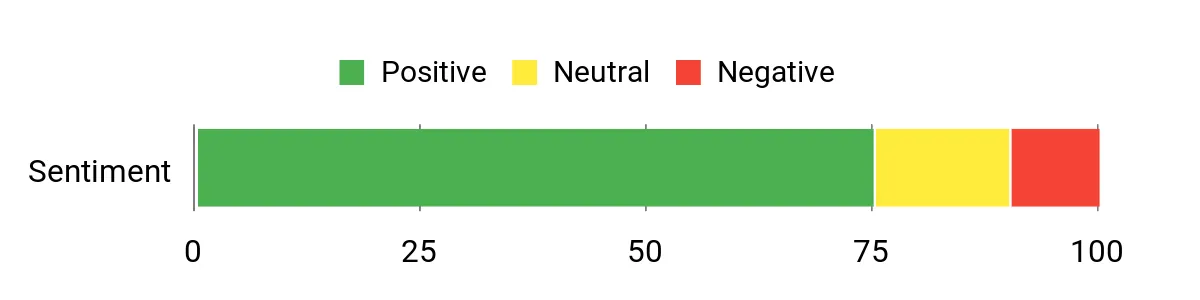
The sentiment chart above is a historical snapshot; current retailer feedback may differ.
When To Use
|
Situation |
How It Helps |
|---|---|
|
Running Boards & Steps |
Adds a grippy, weather-resistant surface that reduces slips and protects against road wear. |
|
Trailer Panels |
Seals and protects smaller metal and fiberglass trailer areas from moisture and abrasion. |
|
Fenders and Step Areas |
Adds a textured protective coating to smaller vehicle areas that face routine road wear and abrasion. |
|
Spot Repairs |
Lets you patch chips and worn areas without needing a full-bed kit. |
Versatility
This 15-oz net-fill aerosol works well for targeted jobs and maintenance tasks rather than full-bed resurfacing. It is a practical option for truck-bed liner repairs, trailer floors, fenders, wheel wells, and other small compatible areas.
Key Benefits
- Thick, protective flexible coating
- Good adhesion to prepared utility surfaces
- Fast format for quicker repairs
- Textured finish improves traction
Bed Liner Paint Prep Checklist
- Wash the bed first: Remove dirt, wax, grease, road film, and cargo residue.
- Sand or scuff glossy areas: A roughened surface gives the coating more bite.
- Remove loose rust: Treat rust before coating instead of sealing over flakes or scale.
- Mask carefully: Cover trim, drain holes, latch hardware, lights, and exterior paint.
- Check temperature and humidity: Cure time can change in cold, hot, or damp conditions.
- Wait before hauling: Do not load tools, gravel, furniture, or heavy cargo until the coating reaches the label’s cure window.
Frequently Asked Questions
How durable are bed liner paints?
Durability varies by formulation, film thickness, surface prep, cure conditions, and how the truck is used. Multi-part urethane systems are commonly chosen for demanding full-bed projects, while aerosols are usually more practical for touch-ups and smaller areas.
Can you apply bed liner paint yourself?
Yes. Aerosols and brush-on kits are the most forgiving for beginners. Spray kits and 2K systems can deliver stronger results, but they require better masking, mixing, ventilation, and PPE.
Which type of bed liner paint should you choose?
Use aerosols for touch-ups, roll-on kits for simple DIY bed protection, and 2K spray systems for stronger full-bed jobs. Choose tintable kits when color matching matters.
How many coats of bed liner paint do you need?
Coat count depends on the specific product, bed condition, desired texture, and target film thickness. Many systems use multiple coats, but the product label or technical data sheet should control the final coat count and recoat timing.
Can bed liner paint stop rust?
It can help protect a prepared surface from future moisture and abrasion, but it should not be applied over loose rust. Remove scale, treat rust, clean the surface, and let it dry before coating.
Is spray-on or roll-on bed liner better?
Spray-on systems can make it easier to create an even texture over a large area, but they require more masking, ventilation, and equipment. Roll-on kits reduce equipment needs and can work well for DIY projects when surface prep is thorough.
How to Match the Product to Your Project
Start with your application method and project size. Choose Herculiner when you want a complete roll-and-brush DIY kit, Krylon or another aerosol when portability and small touch-ups matter most, and a larger RAPTOR spray kit when you are prepared for more masking, mixing, ventilation, and spray-equipment setup. Tintable systems such as the RAPTOR tintable kit or Al’s Liner make more sense when color customization is part of the project.
Wrapping Up
Pick a product that matches how you work and what you need it to protect. If you want a straightforward brush-and-roll kit that bonds to many prepared surfaces and delivers a textured, skid-resistant finish, Herculiner is a solid DIY choice.
For a more involved full-bed spray project, a RAPTOR multi-bottle system is the leading fit in this roundup; choose the tintable RAPTOR kit or Al’s Liner when color customization matters. Use small aerosols from Krylon, Custom Shop, or Seymour for touch-ups and tight spots where convenience matters more than large-area coverage. Whatever you choose, invest time in prep, follow the current product instructions, and match the coating to your tools and surface.
| Product Name | Image | Best For | Application Method | Coverage / Spec Note |
|---|---|---|---|---|
| HERCULINER HCL1B8 Roll-On Bed Liner Kit |
|
Complete DIY roll-on jobs | Brush and Roll-On | 1 gallon; manufacturer says one kit covers a 6-ft truck bed with two coats |
| Krylon Automotive Truck Bed Coating |
|
Touch-ups and small areas | Aerosol Spray | 16-18 sq. ft. per can per current manufacturer page |
| Raptor Black Urethane Spray-On Truck Bed Liner Kit |
|
Large full-bed spray projects | Spray Gun | Check the current 8-quart kit instructions for coverage and film build |
| Rust-Oleum Stops Rust Truck Bed Coating |
|
Small recoating and maintenance | Brush, Roll, or Compatible Spray Setup | 1 quart; verify current label for coverage |
| Custom Shop Sprayable Bedliner |
|
Targeted textured repairs | Aerosol Spray | 14.4 oz aerosol format |
| AL’s Liner Premium DIY Polyurethane Spray-On Kit |
|
Custom texture and color projects | Mix and Spray; other techniques depend on instructions | Coverage varies with target film thickness |
| RAPTOR Tintable Truck Bed Liner Kit |
|
Tintable full-bed projects | Spray; other application methods depend on kit instructions | Current 1-gallon RAPTOR kits list approximately 125 sq. ft. of coverage |
| Dupli-Color Truck Bed Coating Gallon |
|
Versatile gallon-size maintenance | Roll, Brush, or Spray Gun | 1 gallon; current product line supports roller or spray-gun application |
| Raptor Roll-On Bed Liner |
|
No-spray DIY bed-liner work | Roll-On | Amazon-listed 2 L kit; exact formula, contents, and coverage can vary by version/market |
| Seymour Truck Bed Coating |
|
Spot repairs, steps, bumpers, and fenders | Aerosol Spray | 15 oz net-fill aerosol (20 oz container) |
Final Recommendation
Choose Herculiner for a complete roll-and-brush kit, Raptor 8Qt when you need more material for a large spray project, and Krylon, Custom Shop, or Seymour when you only need an aerosol for small repairs. Choose the RAPTOR Tintable Kit or Al’s Liner when custom color or texture matters and you are ready to follow the mixing and application instructions closely.
Specification Note: Bed-liner formulas, package sizes, kit contents, and coverage claims can change. Use the exact product label, technical data sheet, and safety data sheet for the container or kit you receive as the final authority.
Sources
- Herculiner Original Truck Bed Liner Kit – kit contents, gallon size, surfaces, and truck-bed coverage guidance.
- Krylon Automotive Truck Bed Coating – aerosol use, coverage, compatible surfaces, and application conditions.
- RAPTOR Liner Kit – current multi-bottle bed-liner system, tintable option, and coverage guidance.
- RAPTOR Roll-On Bed Liner Kit – current U.S. roll-on product family; exact formula and kit contents may differ from the Amazon-listed 2 L version.
- Dupli-Color Truck Bed Coating – gallon, quart, aerosol, and application-method information.
- Al’s Liner – DIY polyurethane truck-bed liner system and customization guidance.
- Seymour Truck Bed Liner Coating Spray – 20-41 aerosol use and current technical details.
- Custom Shop Sprayable Bedliner – current 14.4 oz aerosol product format and use cases.
- Rust-Oleum Truck Bed Coating – current product positioning, application methods, and intended uses for the quart coating.
- OSHA Isocyanates – safety context for polyurethane coating exposure.
- U.S. EPA VOC guidance – ventilation context for paints, solvents, and aerosols.