

Affiliate disclosure: As an Amazon Associate I earn from qualifying purchases. Amazon links in this article are paid affiliate links, at no extra cost to you.
Last updated: August 10, 2026. Product specifications and compliance notes were checked against current manufacturer information. Amazon pricing, ratings, review counts, and availability can change, so use the buttons below for current details.
A dirty throttle body can contribute to rough idle, hesitation, stalling, or sluggish throttle response. The right cleaner helps remove carbon, gum, varnish, and fuel residue from the throttle plate and bore, but the best choice depends on your engine, the surface you are cleaning, and local VOC rules.
This guide compares three relevant throttle-body cleaners: a focused cleaner for fuel-injected gasoline engines, a strong carb-and-throttle solvent, and a versatile 50-state VOC-compliant option. Because similar drivability symptoms can also come from vacuum leaks, ignition faults, a dirty mass-airflow sensor, or other problems, cleaning should be part of proper diagnosis rather than treated as a guaranteed fix.
Quick Verdict
Best Overall: CRC Throttle Body & Air-Intake Cleaner is the most focused choice here for cleaning throttle-body buildup on fuel-injected gasoline engines.
Best for Stubborn Deposits: Berryman B-12 Chemtool 0117 uses a strong solvent formula for gum, varnish, fuel residue, and other deposits, but the standard 0117 version is not VOC compliant in some jurisdictions.
Most Versatile: WD-40 Specialist Carb/Throttle Body & Parts Cleaner works on carburetors, throttle bodies, and most unpainted metal parts, dries without residue, and is listed by the manufacturer as 50-state VOC compliant.
Top Picks
|
Category |
Product |
Best For |
|---|---|---|
|
🏆 Best Overall |
Focused throttle-body cleaning on fuel-injected gasoline engines |
|
|
🎯 Best for Stubborn Deposits |
Heavy gum, varnish, and fuel-residue cleanup |
|
|
🔰 Most Versatile |
Carburetors, throttle bodies, and unpainted metal parts |
Selection Criteria
We prioritized direct relevance to throttle-body cleaning, verified manufacturer-described uses, solvent strength, surface cautions, can size, VOC information, and practical application. We also favored products that make it easy to understand what they are intended to clean and where extra caution is required.
We did not use unverified Amazon star ratings, review counts, live prices, or unexplained numerical scores in the ranking because those figures can change. The labels above are editorial use-case recommendations based on the verified product positioning described in this article.
Before You Buy
- Confirm the engine and component: A throttle-body cleaner is not automatically a mass-airflow-sensor cleaner. Keep solvent away from the MAF sensor unless the product specifically allows that use.
- Check electronic-throttle procedures: On drive-by-wire vehicles, follow the service manual before moving the throttle plate or disconnecting components. Some vehicles may require a relearn procedure after cleaning.
- Protect coatings and non-metal parts: Do not aggressively scrub a coated throttle bore, and keep strong solvents away from paint or materials the label does not list as compatible.
- Check VOC rules: Aerosol-cleaner regulations vary by product and jurisdiction. Berryman part number matters in particular.
- Work safely: Use good ventilation, eye protection, chemical-resistant gloves, and keep these flammable solvents away from sparks, flames, and hot engine parts.
CRC Throttle
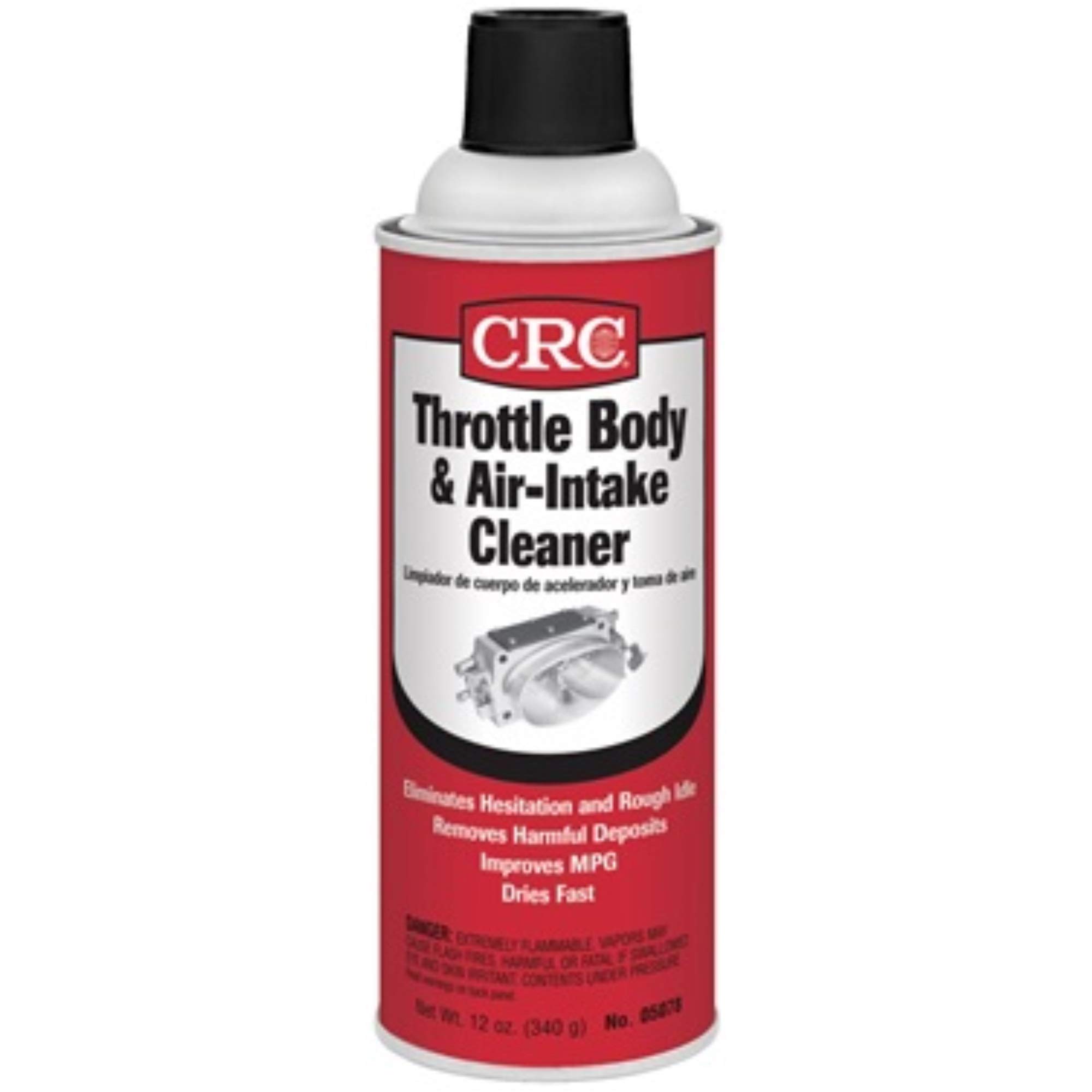
CRC 05078 Throttle Body & Air-Intake Cleaner is the most purpose-built option in this comparison. CRC lists it for fuel-injected gasoline engines and describes it as a fast-evaporating cleaner for carbon, varnish, and gum buildup in throttle bodies and throttle-body bores. The current manufacturer specification lists a 12 wt oz net fill and marks the formula as not plastic-safe.
Why you’ll like it: It keeps the job focused. If your goal is cleaning a gasoline-engine throttle body rather than finding one spray for many unrelated parts, CRC gives you a clear application and straightforward process.
What People Say
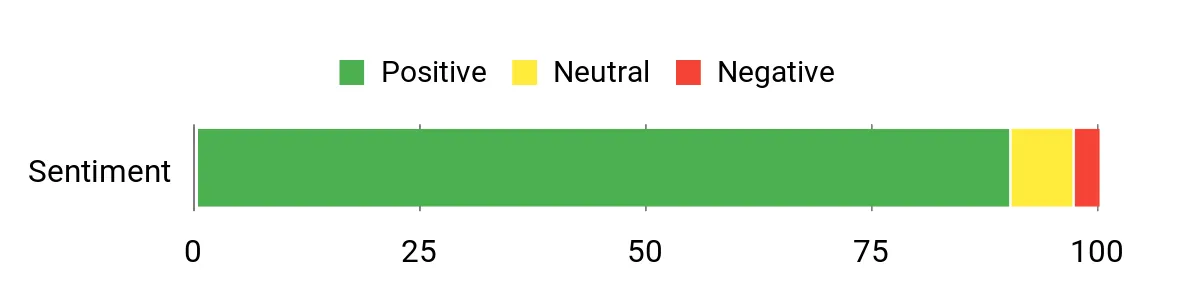
The source article included a positive customer-sentiment summary for this product. Because the chart’s sample size, collection date, and analysis method are not provided in the source, treat it as a directional snapshot rather than a current or independently verified review metric.
Overall Sentiment: Positive in the source article; methodology not provided.
|
Pros |
Cons |
|---|---|
|
✅ Purpose-built for throttle-body and air-intake cleaning |
❌ Manufacturer marks the formula as not plastic-safe |
|
✅ Fast-evaporating formula for carbon, varnish, and gum |
❌ Not a substitute for dedicated MAF-sensor cleaner |
|
✅ Listed for fuel-injected gasoline engines |
❌ Coated throttle bores should not be aggressively scrubbed |
DIY Guide
With the engine off and cool, follow your vehicle’s service guidance and remove the intake duct as needed to access the throttle body. Keep cleaner away from the MAF sensor. Place a rag where it can catch runoff, apply cleaner to the dirty throttle-body surfaces as directed, allow it to work briefly, and wipe loosened deposits with a clean lint-free cloth.
Use only gentle cleaning on any visible anti-friction coating. On electronic throttle bodies, do not force the throttle plate; follow the vehicle-specific procedure for opening or moving it. Let the solvent evaporate before reassembly and starting the engine.
Versatility
This product is best treated as a focused fuel-injection air-intake and throttle-body cleaner. CRC lists it for fuel-injected gasoline engines, including throttle-body, multi-port, and GDI applications. Do not expand its use to sensitive plastics, the MAF sensor, or unrelated surfaces simply because another solvent cleaner can handle them.
Who Should Buy This
Choose CRC if you want a straightforward cleaner specifically for throttle-body buildup on a fuel-injected gasoline engine and you prefer a narrowly defined application over a general-purpose parts cleaner.
Who Should Avoid This
Skip it if your main job is cleaning a MAF sensor, painted part, or plastic component, or if your vehicle’s service information calls for a different cleaning procedure.
Key Benefits
- Specifically formulated for carbon, varnish, and gum buildup in throttle bodies
- Fast evaporation supports a simple clean-and-reassemble workflow
- 12 wt oz net fill
- Clear fit for fuel-injected gasoline-engine throttle-body maintenance
B-12 Chemtool

Berryman B-12 Chemtool Carburetor, Choke & Throttle Body Cleaner is the strongest fit here for buyers who want one solvent for heavy gum, varnish, fuel residue, and similar deposits on carburetor and throttle-body components. Berryman lists standard part #0117 as a 16 oz aerosol with an extension tube and describes the formula as catalytic-converter and oxygen-sensor safe.
Important VOC note: Standard part #0117 is not compliant in several jurisdictions. Berryman offers alternate formulas, including #0117C, for areas with stricter VOC rules. Check the exact part number on the can and your local requirements before buying or using it.
What People Say
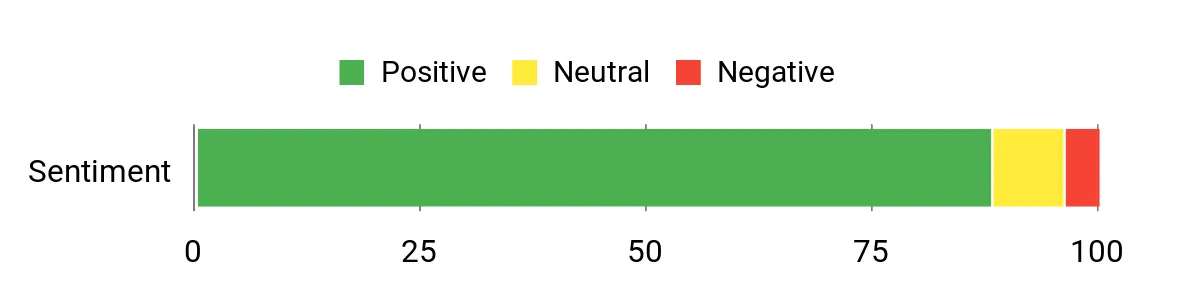
The source article included a positive customer-sentiment summary for this product. Because the chart’s sample size, collection date, and analysis method are not provided in the source, treat it as a directional snapshot rather than a current or independently verified review metric.
Overall Sentiment: Positive in the source article; methodology not provided.
|
Pros |
Cons |
|---|---|
|
✅ Strong H.E.S.T. solvent formula for gum, varnish, and fuel residue |
❌ Standard #0117 is not VOC compliant in several jurisdictions |
|
✅ 16 oz aerosol provides more product per can than the other two picks |
❌ Strong solvent can damage paint and may be aggressive toward some plastics or rubber compounds |
|
✅ Manufacturer lists use on throttle bodies, carburetors, chokes, PCV valves, linkages, and distributor shafts |
❌ Part-number and local-rule checks add an extra buying step |
DIY Guide
Work with the engine cool in a well-ventilated area away from ignition sources. Wear gloves and eye protection. Access the component according to the vehicle or equipment service instructions, apply the cleaner only to intended surfaces, let the solvent work briefly, and wipe or brush away loosened deposits as appropriate.
Protect paint from overspray and be cautious around plastics and rubber. Allow the component to dry fully before reassembly. If you are cleaning an electronic throttle body, follow the vehicle-specific procedure instead of forcing the plate by hand.
Versatility
Berryman lists this aerosol for carburetors, PCV valves, automatic chokes, carburetor linkages, throttle bodies, and distributor shafts. That makes it broader than a throttle-body-only product, while still keeping the use centered on fuel-system and metal-component cleaning.
Who Should Buy This
Choose B-12 Chemtool if you regularly deal with stubborn varnish or fuel residue, want a 16 oz aerosol, or need one cleaner for both carburetor and throttle-body work.
Who Should Avoid This
Choose a compliant Berryman variant or another product if standard #0117 is restricted where you live. It is also a poor choice for casual spraying around paint, sensitive plastics, or surfaces not listed for the product.
Key Benefits
- Strong-solvent formulation for stubborn gum, varnish, and fuel residue
- 16 oz aerosol with extension tube
- Broad use across carburetor and throttle-body components
- Manufacturer describes the formula as catalytic-converter and oxygen-sensor safe
WD-40 Cleaner

WD-40 Specialist Carb/Throttle Body & Parts Cleaner is the most versatile choice of the three. The manufacturer describes a dual-action system in which solvents loosen baked-on carbon while a high-pressure spray removes the loosened material. It is intended for carburetors, throttle bodies, and most unpainted metal parts, and the 13.5 oz formula dries quickly without leaving residue.
Why you’ll like it: WD-40 states that the product is 50-state VOC compliant and that incidental contact will not affect oxygen sensors or catalytic converters. The attachable precision straw also helps when you need targeted application.
What People Say
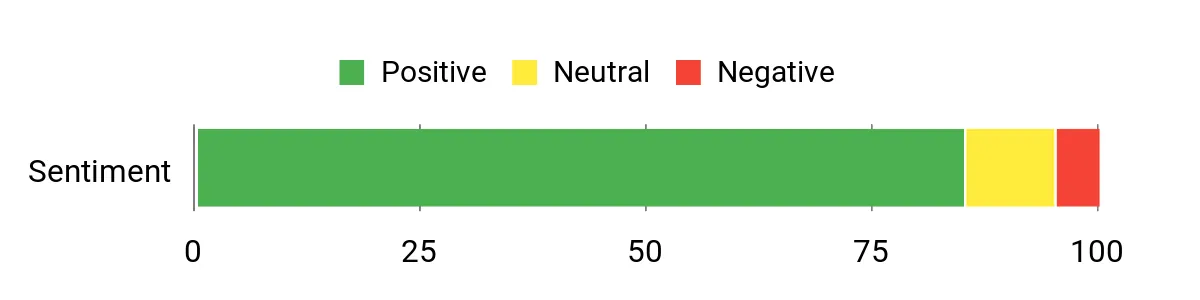
The source article included a positive customer-sentiment summary for this product. Because the chart’s sample size, collection date, and analysis method are not provided in the source, treat it as a directional snapshot rather than a current or independently verified review metric.
Overall Sentiment: Positive in the source article; methodology not provided.
|
Pros |
Cons |
|---|---|
|
✅ Dual-action solvent and high-pressure spray for tough deposits |
❌ Forceful aerosol makes overspray control important |
|
✅ Dries quickly without leaving residue |
❌ Intended mainly for carburetors, throttle bodies, and unpainted metal parts—not every nearby material |
|
✅ Precision straw improves control in tight areas |
❌ Still requires ventilation and normal solvent-handling precautions |
|
✅ Manufacturer lists 50-state VOC compliance |
DIY Guide
With the engine cool and ignition off, work in a well-ventilated area and protect yourself from splash and fumes. Expose the intended component, use the straw for controlled application where useful, allow the cleaner to loosen deposits, then wipe away residue and grime as directed.
Keep overspray off painted or sensitive surrounding materials and do not spray a MAF sensor with carb/throttle-body cleaner. Allow cleaned parts to dry before reassembly and follow vehicle-specific instructions for electronic throttle bodies.
Versatility
WD-40 lists cars, trucks, tractors, motorcycles, boats, lawn mowers, weed trimmers, and other gasoline-powered equipment among its applications. The formula is intended for carburetors, throttle bodies, and most unpainted metal parts, making it the broadest general-use pick in this comparison.
Who Should Buy This
Choose WD-40 Specialist if you want one can for both throttle-body and carburetor work, value a precision straw, or need a product the manufacturer lists as 50-state VOC compliant.
Who Should Avoid This
Skip it if your main task involves a MAF sensor or a surface not covered by the product instructions. Use a component-specific cleaner when the vehicle manufacturer calls for one.
Key Benefits
- Dual-action cleaning for baked-on carbon and grime
- Dries quickly without leaving residue
- Attachable precision straw for targeted spraying
- 50-state VOC compliant according to the manufacturer
FAQ
How Do I Choose The Right Cleaner?
Start with the component you are actually cleaning. CRC is the focused choice for a fuel-injected gasoline-engine throttle body. Berryman B-12 is better suited when you also need strong carburetor and fuel-residue cleaning. WD-40 Specialist is the broadest all-round option for carburetors, throttle bodies, and most unpainted metal parts.
Then check surface compatibility, electronic-throttle instructions, can size, and VOC rules. Never assume a throttle-body cleaner is safe for a MAF sensor, paint, plastic, or every rubber component.
How Do I Use A Throttle Body Cleaner Safely?
Work on a cool engine with the ignition off, in good ventilation and away from flames or sparks. Wear eye protection and chemical-resistant gloves. Follow the product label and your vehicle’s service procedure, keep solvent away from the MAF sensor, and avoid aggressive scrubbing of coated throttle bores.
On electronic throttle bodies, do not force the butterfly plate. Use the vehicle-specific method for opening or moving it, and allow solvent to evaporate before reassembly and startup.
When Should I Clean The Throttle Body?
There is no single mileage interval that fits every vehicle. Inspect or clean the throttle body when your manufacturer’s maintenance information calls for it, when inspection shows meaningful buildup, or when diagnosis points to a dirty throttle body as a likely contributor to rough idle, hesitation, or stalling.
If symptoms persist after cleaning, continue diagnosis rather than repeatedly applying solvent; intake leaks, sensor problems, ignition faults, and other issues can produce similar symptoms.
Can I Use Throttle Body Cleaner On A MAF Sensor?
No. Use a cleaner specifically labeled for mass-airflow sensors. MAF elements are delicate, and carburetor or throttle-body solvents can damage them.
Can I Force Open An Electronic Throttle Plate?
Do not assume it is safe. Drive-by-wire throttle bodies vary by vehicle, so follow the factory service procedure. Forcing the plate can risk damaging the mechanism or creating a relearn issue on some vehicles.
Customer Preferences
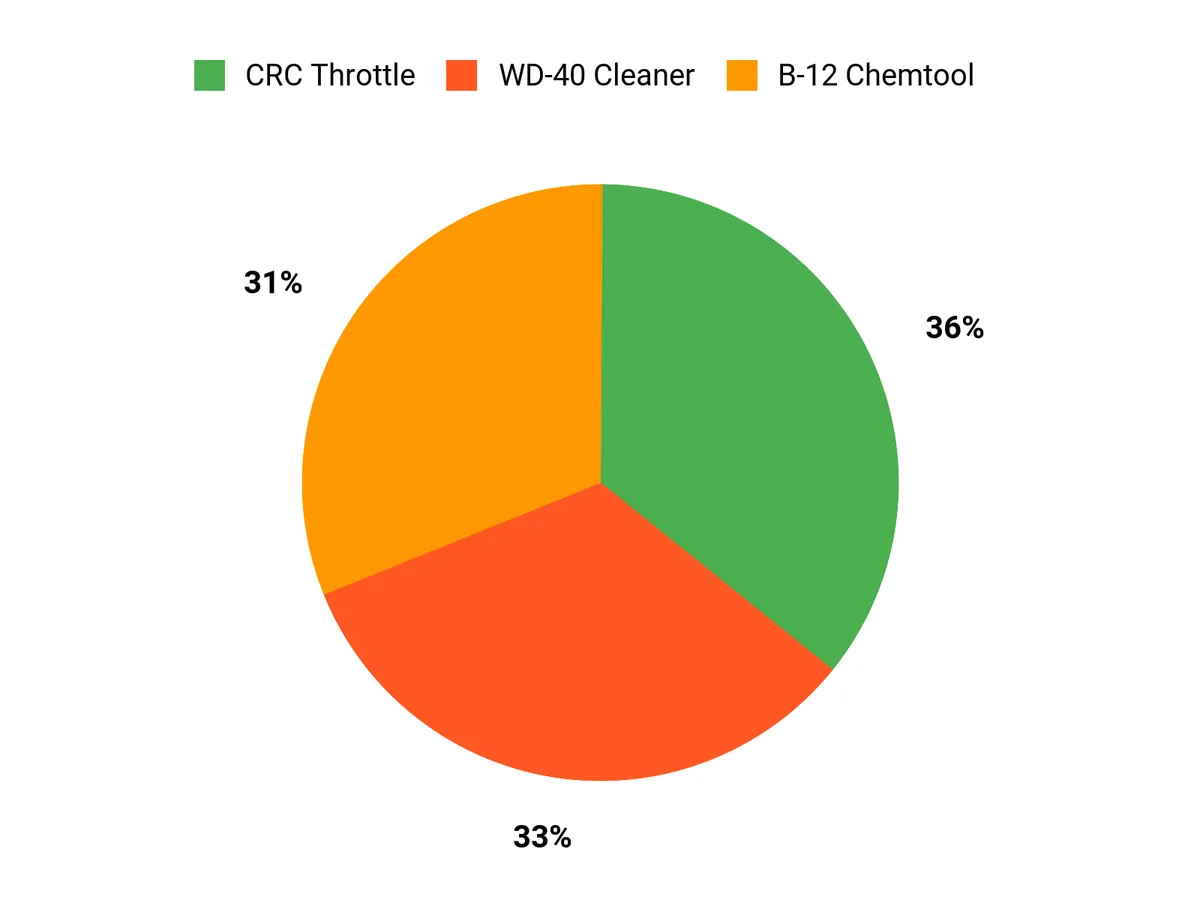
If you want the simplest product-to-job match, choose CRC for focused throttle-body cleaning, B-12 for strong carburetor/throttle solvent action, and WD-40 Specialist for broader unpainted-metal use plus 50-state VOC compliance. The existing chart below is retained from the source article, but its underlying methodology and date were not provided, so use the written comparison above as the primary decision guide.
Wrapping Up
CRC 05078 is the best overall match if your job is specifically cleaning a fuel-injected gasoline-engine throttle body. Berryman B-12 Chemtool #0117 is the stronger multi-component solvent option for carburetor and throttle-body deposits, but you must verify VOC compliance for your location or choose the appropriate Berryman variant. WD-40 Specialist is the easiest all-round choice when you want fast drying, a precision straw, broad unpainted-metal use, and manufacturer-listed 50-state VOC compliance.
Whichever you choose, match the cleaner to the component, protect sensors and coatings, follow the vehicle’s throttle-body procedure, and use the product label as the final authority for safe application.
| CRC 05078 Throttle Body and Air-Intake Cleaner – 12 Wt Oz. | Berryman Products 0117 B-12 Chemtool Carburetor Cleaner, 16-Ounce | WD-40 Specialist Carb/Throttle Body & Parts Cleaner, 13.5 OZ | |
|---|---|---|---|
|
|
|
|
|
| Best For | Focused throttle-body cleaning on fuel-injected gasoline engines | Strong carburetor and throttle-body deposit removal | Versatile carb, throttle-body, and unpainted-metal cleaning |
| Can Size | 12 wt oz net fill | 16 oz aerosol | 13.5 oz |
| Specific Uses | Throttle body and air-intake cleaning on fuel-injected gasoline engines | Carburetors, throttle bodies, PCV valves, chokes, linkages, distributor shafts | Carburetors, throttle bodies, and most unpainted metal parts |
| Safety / Compatibility | Not plastic-safe; keep away from MAF sensor and avoid aggressive scrubbing of coated bores | Catalytic-converter and O2-sensor safe; protect paint and use caution around some plastics/rubber | Incidental contact will not affect O2 sensors or catalytic converters; intended for most unpainted metals |
| VOC Note | Check label and local aerosol-cleaner requirements | Standard #0117 is not compliant in several jurisdictions; verify exact part number | Manufacturer lists 50-state VOC compliance |
| Check Price on Amazon | Check Price on Amazon | Check Price on Amazon |
Product Verification Notes
Core product-use and specification claims in this article were checked against current manufacturer pages on August 10, 2026: CRC Industries, Berryman Products, and WD-40. Always check the current label and your vehicle’s service information before use.
This roundup is reader-supported. Amazon links are paid affiliate links, and I may earn a commission from qualifying purchases at no extra cost to you.
