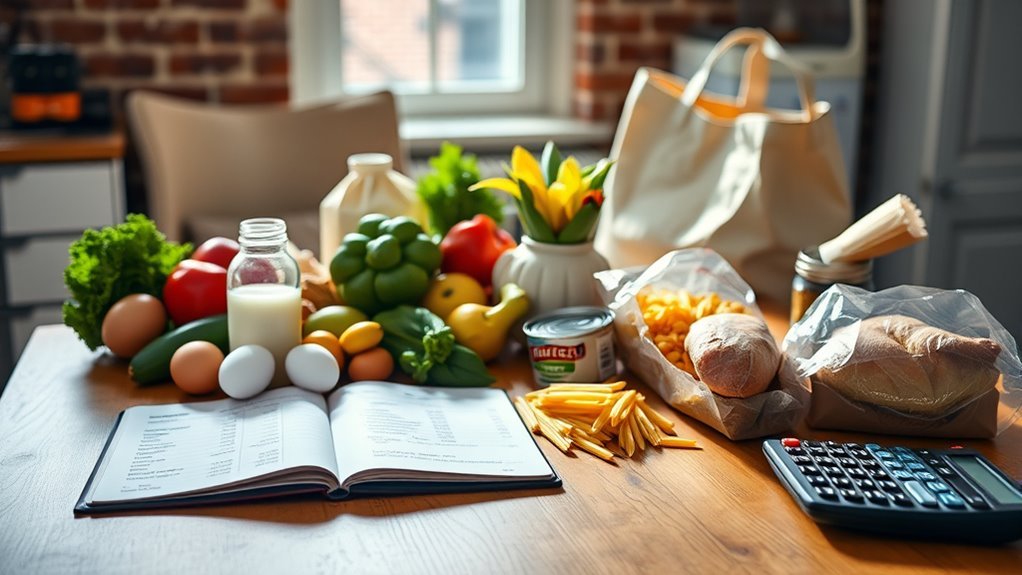
Boston grocery bills can vary a lot by household size, diet, neighborhood, and store choice. As of 2026, a single adult should usually plan around $400 to $480 a month for groceries, while a family of four often lands near $1,200 to $1,400 when most meals are cooked at home. Use those numbers as planning ranges, not guarantees, because organic foods, specialty diets, delivery fees, and frequent dining out can push your total higher.
Last updated: July 7, 2026.
Quick Answer
A realistic Boston grocery budget is about $400 to $480 per month for one adult, around $765 to $810 for two adults, and roughly $1,200 to $1,400 for a family of four. Lower-cost shoppers can spend less, but only with careful meal planning, basic staples, and limited convenience foods.
Key Takeaways
- MIT’s 2026 Boston-Cambridge-Newton basic-needs estimate puts one adult’s food cost near $418 per month.
- USDA’s May 2026 moderate-cost food plan puts one adult near $403 to $476 per month after the one-person household adjustment.
- A family of four should usually plan around $1,200 to $1,400 per month for groceries if most meals are prepared at home.
- Boston-area grocery prices are still rising, with BLS reporting food-at-home prices up 4.0% year over year in May 2026.
- Meal planning, store comparison, seasonal produce, bulk staples, and roommate or family bulk-sharing can lower your monthly total.
How Much Do Groceries Cost in Boston?
For a basic local benchmark, the MIT Living Wage Calculator for Boston-Cambridge-Newton estimates annual food costs at $5,016 for one adult. That works out to about $418 per month.
For a more flexible national benchmark, the USDA May 2026 Food Plans list moderate-cost food budgets of $335.60 per month for women ages 20 to 50 and $397.00 per month for men ages 20 to 50, before household-size adjustment. USDA also says one-person households should add 20%, which brings the range to about $403 to $476 per month.
That is why a practical Boston grocery budget for one adult usually starts around $400 and moves closer to $480 or more if you buy convenience foods, organic products, premium proteins, or prepared meals.
Note: Grocery budgets are not the same as total food budgets. Coffee shops, takeout, campus dining, meal delivery, restaurant meals, tips, and delivery fees belong in a separate dining-out category.
Boston Grocery Costs by Household Size
Boston grocery costs rise with household size, but the cost does not double perfectly with every extra person. Larger households can share staples, buy larger packages, and use leftovers more efficiently.
| Household | Practical Monthly Grocery Range | Best Use |
| One adult | $400 to $480 | Basic to moderate grocery-only budget |
| Two adults | $765 to $810 | Couples, roommates who share staples, or two-person households |
| Two adults and two children | $1,200 to $1,400 | Family grocery planning with mostly home-cooked meals |
| Student or young professional | $400 to $550 groceries only, or $550 to $750 with some dining out | Campus, roommate, and busy-work schedules |
Use the lower end if you cook often, shop sales, buy store brands, and waste very little. Use the higher end if you buy prepared foods, specialty items, protein-heavy meals, or organic produce.
A one-person Boston grocery budget around $400 can work, but it leaves little room for frequent prepared foods, delivery, organic-only shopping, or specialty diets.
Boston Grocery Prices for Staples and Produce
Boston store prices change by neighborhood and retailer, so national retail averages work best as a reference point, not a promise. In May 2026, BLS average retail food price data showed fresh whole milk near $4.22 per gallon, white bread near $1.83 per pound, large eggs near $2.19 per dozen, and iceberg lettuce near $1.96 per pound.
Produce can swing more sharply than shelf-stable staples. BLS reported romaine lettuce near $3.62 per pound nationally in May 2026, while bananas were much cheaper at about $0.65 per pound. If you buy berries, greens, pre-cut fruit, or organic produce, your cart can climb quickly.
Protein choices also matter. Ground beef and other beef cuts were under pressure in 2026, while eggs fell from earlier highs. The USDA Economic Research Service predicted food-at-home prices would rise 2.8% in 2026, with fresh vegetables, beef, fruit, and nonalcoholic beverages among the categories facing stronger pressure.
Ways to Cut Grocery Costs in Boston
You can cut grocery costs in Boston by matching your shopping habits to your kitchen, storage space, commute, and schedule. The best plan is not always the cheapest cart. It is the cart you will actually cook before the food spoils.
Bulk Buying Basics
Bulk buying works best for foods you use every week. Rice, oats, beans, pasta, canned tomatoes, frozen vegetables, peanut butter, flour, coffee, and household staples often make sense in larger packages.
Do not bulk-buy fresh produce, dairy, meat, or snacks unless you already know your household will finish them. A cheap oversized package becomes expensive when half of it goes bad.
Pro Tip: Track the unit price, not the package price. A larger package only saves money when the price per ounce, pound, or serving is lower and you can use the full amount.
Meal Planning Tips
Meal planning helps you turn a Boston grocery trip into a focused list instead of a string of impulse buys. Start with three dinners, two breakfast options, and one flexible lunch base, such as rice bowls, pasta, soup, or sandwiches.
Build your plan around sale proteins, seasonal produce, and pantry staples. Then cook once and use the same ingredient in several ways. Roasted chicken can become dinner, sandwiches, soup, and rice bowls. A pot of beans can become tacos, salads, bowls, and freezer portions.
Check your pantry before you leave, write the list before you shop, and plan at least one leftover meal. That one habit can cut waste and reduce last-minute takeout.
Smart Store Choices
Compare prices across stores that fit your routine. Trader Joe’s can be useful for private-label frozen meals, snacks, and pantry basics. ALDI may help if you can reach a nearby Massachusetts location. Market Basket is often worth comparing if you shop in nearby communities such as Chelsea, Revere, or Somerville.
Traditional supermarkets like Stop & Shop and Star Market can still make sense when you use weekly sales, loyalty deals, and pickup options that help you avoid impulse purchases.
Local produce markets, ethnic grocers, and neighborhood shops can also beat big-chain prices on rice, spices, beans, herbs, vegetables, and specialty ingredients. Check unit prices before assuming one store is always cheaper.
Cooking at Home vs. Eating Out Costs
Cooking at home is usually cheaper than eating out in Boston, especially when you repeat ingredients across several meals. Dining out adds labor, rent, service, tips, delivery fees, and convenience costs to the food itself.
The BLS Boston-area report for May 2026 showed food-at-home prices up 4.0% year over year, while food-away-from-home prices rose 2.9%. The USDA ERS also predicted food-away-from-home prices would rise 3.6% in 2026. Both categories are rising, but restaurant meals still tend to cost more per serving than home-cooked staple meals.
- Use groceries for most breakfasts and lunches, because those meals are easy to repeat.
- Reserve dining out for planned social meals instead of emergency meals.
- Batch-cook one protein, one grain, and one vegetable each week.
- Keep two fast backup meals at home so takeout is not your only option after work or class.
Best Budget Grocery Stores in Boston
The best budget grocery store in Boston depends on where you live and how you travel. A store with lower prices may not save money if it costs extra transit time, rideshare fees, parking, or delivery charges.
Start with stores near your home, school, or workplace. Then compare five repeat items: milk or nondairy milk, eggs, rice or pasta, a protein, and one produce item. This gives you a real personal price comparison instead of relying on store reputation alone.
- Trader Joe’s: Useful for private-label frozen foods, snacks, pantry staples, and quick meals.
- ALDI: Worth checking if you can reach a nearby location and prefer store-brand basics.
- Market Basket: Strong option for larger stock-up trips if a nearby location fits your route.
- Stop & Shop and Star Market: Better when weekly sales, coupons, loyalty deals, and pickup planning reduce your total.
- Local and ethnic markets: Often strong for produce, rice, beans, spices, herbs, tortillas, noodles, and specialty staples.
Boston Grocery Costs for Students and Young Professionals
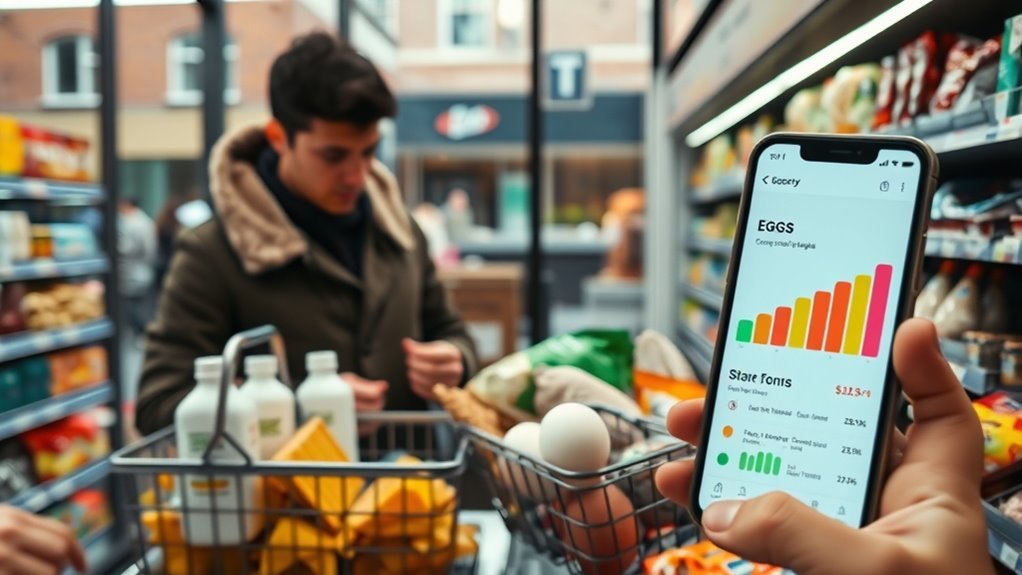
Students and young professionals often spend more than expected because their food budget mixes groceries, coffee, campus meals, late-night food, and takeout. If you separate groceries from dining out, you can see where the money goes.
For groceries only, plan around $400 to $550 per month if you live alone and cook part of the week. If you include dining out, coffee, snacks, and delivery, a total food budget of $550 to $750 can feel more realistic in Boston.
- Share bulk pantry items with roommates so food does not expire.
- Use grocery pickup when it helps you avoid impulse purchases.
- Pack two repeat lunches each week to reduce campus or office spending.
- Keep cheap backup meals at home, such as eggs, rice, beans, pasta, frozen vegetables, and soup.
Boston Grocery Budget Tips for Families
Families feel grocery price changes quickly because snacks, school lunches, breakfasts, and weeknight dinners all hit the same cart. A practical Boston family budget often falls near $1,200 to $1,400 per month for two adults and two children, depending on ages and diet.
For families, the biggest savings usually come from repeatable meal systems, not one-time coupons.
Build a weekly plan around meals your family already eats. Choose two proteins, two vegetables, one grain, and one low-effort backup dinner. Use leftovers for lunches or freeze them before they get pushed to the back of the fridge.
Buy larger packages only for foods your family uses often. Cereal, oatmeal, rice, pasta, beans, frozen fruit, frozen vegetables, yogurt, and lunchbox staples can work well. Large packs of unfamiliar snacks, delicate produce, or specialty foods can waste money.
If someone in your home needs gluten-free, allergen-free, diabetic-friendly, low-sodium, vegetarian, halal, kosher, or other specialty foods, add that cost to the budget early. Specialty items can change the monthly total more than general averages suggest.
Boston Grocery Costs vs. National Costs
Boston is a high-cost city, but be careful with exact “above national average” grocery claims. Local CPI reports show how prices change over time in one area. They do not directly measure whether Boston groceries cost a specific percentage more than groceries in another city.
The better approach is to use several benchmarks. MIT gives a local basic-needs estimate for the Boston-Cambridge-Newton area. USDA gives national food-plan budgets by age and sex. BLS shows Boston-area grocery inflation. Together, those sources give you a more reliable planning range.
As of May 2026, BLS reported Boston-area grocery store purchases, also called food at home, rose 4.0% over the year. That means even careful shoppers should review their grocery budget a few times per year instead of treating last year’s number as fixed.
Frequently Asked Questions
How much do people spend on groceries a month in Boston?
One adult in Boston should usually plan around $400 to $480 per month for groceries. Two adults often need around $765 to $810, while a family of four commonly needs about $1,200 to $1,400 when most meals are prepared at home.
Can you live on $200 a month for food in Boston?
Most adults cannot rely on $200 per month for groceries in Boston without serious limits. It is below USDA’s current thrifty one-person budget for most adults after household-size adjustment. You may only reach it with food assistance, shared meals, pantry support, very basic staples, and almost no dining out.
What is a realistic cheapest budget for monthly groceries?
A realistic low-end grocery budget for one adult is about $300 to $380 per month if you cook from scratch, buy mostly staple foods, shop sales, avoid waste, and skip most prepared foods. Many Boston adults will feel more comfortable closer to $400 to $480.
Is $400 a month enough for groceries in Boston?
Yes, $400 can be enough for one careful adult who cooks often, shops sales, buys store brands, and limits snacks, prepared foods, and waste. It is usually not enough for two adults, a family, heavy organic shopping, or a grocery budget that also includes takeout and coffee.
Conclusion
Boston grocery prices can feel tight, but a clear plan makes them easier to manage. Start with a realistic monthly target: about $400 to $480 for one adult, $765 to $810 for two adults, or $1,200 to $1,400 for a family of four.
Then build your routine around the habits that work every week: compare unit prices, cook repeatable meals, use leftovers, shop sales, and choose stores that fit your route. Even trimming $25 a week from wasted food, impulse buys, or emergency takeout can save about $100 a month.
Sources
- MIT Living Wage Calculator: Boston-Cambridge-Newton, MA — local 2026 basic-needs food-cost estimates.
- U.S. Bureau of Labor Statistics: Boston-Cambridge-Newton CPI, May 2026 — Boston-area food-at-home and food-away-from-home inflation.
- USDA Food Plans: Monthly Cost of Food Reports — May 2026 grocery budget tiers by age and sex.
- USDA Economic Research Service Food Price Outlook — 2026 food-price forecasts and category trends.
- BLS Average Retail Food and Energy Prices — national average retail prices for selected grocery staples.