

Boston Cost of Living in 2026: Monthly Budget Guide
Boston can feel expensive fast, especially if rent takes the largest share of your income. In 2026, a renter should plan for a high monthly budget, with housing, utilities, food, transit, healthcare, and savings all working together. This guide breaks down the main costs so you can plan your move, compare neighborhoods, and avoid budget shock.
Quick Answer
In 2026, many Boston renters should budget several thousand dollars per month for basic living costs, with rent often taking the biggest share. A one-person budget can rise quickly once you add utilities, groceries, transit, healthcare, insurance, and savings. Your exact total depends on your neighborhood, household size, commute, and lifestyle.
Key Takeaways
- Housing drives most of Boston’s cost of living, so rent should be your first budget line.
- Utilities, groceries, healthcare, and transit can add hundreds of dollars each month.
- Public transit usually costs less than driving, especially when you include parking and insurance.
- Roommates, smaller units, and transit-friendly neighborhoods can lower your monthly costs.
- A comfortable Boston salary needs room for bills, taxes, savings, and emergency costs.
Boston Cost of Living Overview

Boston’s cost of living should stay well above the national average in 2026. If you plan to move there, expect rent to shape most of your monthly spending.
Some budget estimates place total renter costs near $8,748 per month, but that figure depends on household size, rent level, debt, savings goals, and lifestyle. A single renter with roommates may spend far less, while a family or downtown renter may spend much more.
Housing often creates the biggest pressure, with average rents around $3,836 in some market estimates. Utilities, groceries, transportation, healthcare, and personal spending can push your total higher.
To stay financially steady, track every category before you sign a lease. Boston rewards careful planning, not impulse spending.
Boston Housing Costs: Rent vs. Buy
When you compare Boston housing costs, renting often gives you more flexibility, while buying demands a larger income and more cash upfront. Both options can stretch your budget.
Renting may cost about $3,836 per month in some citywide estimates. Studios and one-bedroom units in high-demand areas can top $4,000.
Buying also looks steep. A starter home in Greater Boston can cost well over $500,000, and higher mortgage rates can raise your monthly payment fast.
Products Worth Considering

MOVING SUPPLIES FOR HOME OR BUSINESS – Moving boxes for apartment and house moves, classrooms, offices, and small business relocations. Ideal for packing books, clothing, linens, office supplies, and household goods for moving, storage, or shipping.

Assorted Box Sizes: Cardboard boxes (15-pack) in Small 16 x 10 x 10-inch Qty 5 and Medium 18 x 14 x 12-inch Qty 10
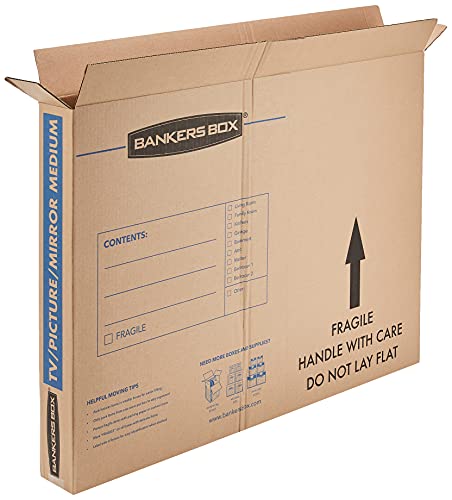
SPECIALTY MOVING: Ideal for up to 40” TVs, framed pictures and artwork, mirrors and other wall-hangings
Rent Prices in Boston
Rent in Boston can reshape your housing budget quickly. Many studios and one-bedroom units run from about $2,900 to $3,500, while popular neighborhoods can cost more.
If you want more breathing room, consider renting with roommates. In student-friendly or outer neighborhoods, your share may fall to about $1,800 to $2,400.
Use public transit access as a key filter, not a bonus feature. A cheaper apartment far from transit can cost more once you add rideshare, parking, or car costs.
Pro tip: Compare total housing cost, not just rent, before you choose a neighborhood.
Buying a Home in Boston
Buying a home in Boston can build equity, but it also adds taxes, insurance, repairs, closing costs, and maintenance. Those costs can surprise first-time buyers.
A home can support long-term stability when the numbers work. It can also reduce your freedom if your mortgage leaves no room for savings.
Compare your full monthly ownership cost with rent before you decide. Include property taxes, insurance, maintenance, utilities, and commuting costs.
Boston Utilities and Monthly Bills
When you budget for Boston utilities, include electricity, heat, water, internet, and phone service. Renters may spend about $557 per month, while homeowners may spend more.
Energy bills can rise in winter because Boston homes need steady heat. Summer cooling can also raise your bill during hot weeks.
You can lower costs by comparing providers, using less energy, and checking whether your rent includes heat or water.
Products Worth Considering

An Alexa thermostat - Amazon Smart Thermostat is an easy way to switch from a traditional thermostats for homes and help reduce energy usage.

Save up to 23% every year on heating and cooling costs, adjusts to your set schedule to save energy when you’re gone and optimize comfort when you’re home. Compared to a hold of 72
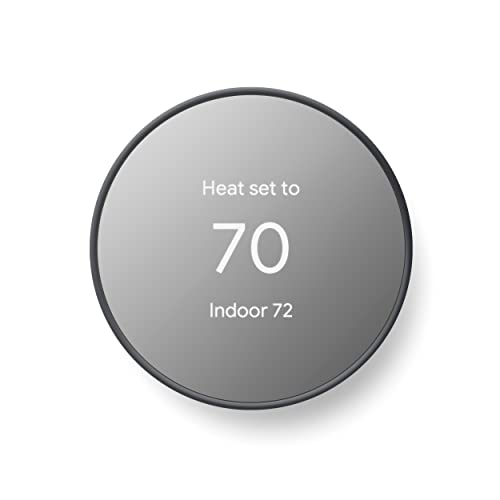
ENERGY STAR certified smart thermostat for home that helps you save energy and stay comfortable.Connectivity : Wi-Fi - 802.11b/g/n 2.4 GHz, 802.11a/n 5 GHz Wi-Fi., Wireless interconnect : Bluetooth Low Energy Please refer to the product description section below for all applicable legal disclaimers.Product note: You can also check your system’s compatibility before purchasing a Nest thermostat with our online Nest Compatibility Checker on the Google Nest support page
Utility Bill Breakdown
Boston’s utility costs can take a meaningful bite out of your budget. Your bill may include electricity, heating, cooling, water, sewer, internet, and phone service.
Seasonal weather can push energy costs higher in winter and summer. Older buildings may also use more energy than newer or updated units.
Ask landlords which utilities you must pay before you apply. That one question can change your real monthly cost.
Ways To Cut Utility Costs
If you want to control monthly bills, start with heating, cooling, electricity, and internet. Those categories often give you the most room to save.
- Seal drafts around windows and doors.
- Use a smart thermostat when your lease allows it.
- Compare internet plans before you renew.
- Unplug devices that drain power when idle.
- Choose housing with included heat when the total rent still makes sense.
Small cuts across several bills can free up real cash. Treat each bill as a cost you can review, not a fixed number forever.
Boston Food and Grocery Budget
Grocery costs in Boston can take a clear bite out of your monthly budget. A single adult may spend about $400 per month on groceries, depending on diet and shopping habits.
You’ll feel the city’s high cost of living in everyday items like milk, eggs, bread, meat, and fresh produce. Prices also change by store and neighborhood.
To stay in control, treat food like a planned line item, not a surprise.
Treat food like a planned expense, not an unexpected hit.
- Track your average monthly grocery cost.
- Plan meals before you shop.
- Buy staples in bulk when the unit price is lower.
- Compare weekly sales across nearby stores.
Cooking at home usually costs less than eating out. Mid-range restaurant meals can run about $20 to $35 per person, so plan dining out before it drains your budget.
Boston Healthcare Costs to Expect
Healthcare in Boston can strain your budget, so plan for medical costs as carefully as rent or food. Routine visits, dental care, vision care, prescriptions, and insurance can add up.
A doctor visit may cost around $242.75 before insurance adjustments, while an optometry check-up may run near $218.23. Dental appointments may average around $149.08, depending on the provider and service.
Your actual cost depends on your insurance plan, deductible, copays, network, and medical needs. Set aside a dedicated health fund for copays, exams, prescriptions, and urgent care.
Note: Healthcare estimates can vary widely because insurance plans change what you pay out of pocket.
Boston Transportation Costs in 2026

After medical bills, transportation can shape your Boston budget in a major way. Your cost depends on whether you use public transit, drive, bike, or mix several options.
A monthly Massachusetts Bay Transportation Authority (MBTA) pass can cost about $90 for local subway and bus travel. Commuter rail passes can cost much more because pricing depends on your zone.
Driving brings extra pressure. Car insurance, gas, maintenance, tolls, and downtown parking can raise your monthly cost quickly.
- Monthly MBTA pass: about $90 for many local riders
- Commuter rail pass: about $90 to $426, based on zone
- Downtown parking: often over $300 per month
- Average transportation budget: about $220 per month for some renters
Public transportation often gives you more freedom for less money. It can also help you avoid parking stress and higher car ownership costs.
How Much Do You Need to Earn in Boston?
To live comfortably in Boston in 2026, many single adults may need an income near $140,000 per year before taxes. Families may need much more, especially with childcare, healthcare, and larger housing needs.
That salary target can sound high, but Boston’s rent, taxes, insurance, transportation, and savings needs add up. A budget that only covers bills may still leave you exposed to emergencies.
If your income falls short, focus on the biggest levers first. Roommates, smaller apartments, transit-friendly areas, and fewer car expenses can reduce your monthly pressure.
Sample Monthly Budget for a Boston Renter
A sample Boston budget helps you see how fast normal expenses can stack up. Use these numbers as planning ranges, not fixed rules.
| Category | Estimated Monthly Cost | Budget Note |
|---|---|---|
| Rent | $2,400 to $3,836+ | Roommates can lower your share. |
| Utilities and internet | $250 to $557 | Older units may cost more to heat. |
| Groceries | About $400+ | Diet and store choice matter. |
| Transportation | $90 to $426+ | Driving can cost much more. |
| Healthcare and personal costs | Varies widely | Insurance changes your out-of-pocket cost. |
Add savings, debt payments, subscriptions, clothing, and entertainment after you cover essentials. That gives you a more honest view of your real monthly needs.
Best Ways to Lower Your Boston Cost of Living
You can’t control every Boston price, but you can control several major choices. Start with the costs that repeat every month.
- Live with roommates if you want to cut rent fast.
- Choose a smaller unit near reliable transit.
- Compare total commute costs before choosing a cheaper suburb.
- Cook most meals at home and limit unplanned dining out.
- Review utilities, insurance, and subscriptions every few months.
The goal isn’t to cut every comfort. The goal is to spend on purpose, so Boston doesn’t control your money.
Frequently Asked Questions
Is $50,000 Enough to Live in Boston?
A $50,000 salary can feel tight in Boston, especially if you rent alone. You may need roommates, a lower-cost neighborhood, careful grocery planning, and limited car use to make it work.
What Is the Cost of Living in Massachusetts in 2026?
Massachusetts has a high cost of living compared with many U.S. states. Housing, childcare, healthcare, utilities, taxes, and transportation can all raise your monthly budget.
What Is the Budget for the City of Boston in 2026?
A personal Boston budget should start with rent, then add utilities, food, transit, healthcare, insurance, savings, and debt payments. A city government budget is different and covers public services, schools, infrastructure, and city operations.
What Salary Do You Need to Live Comfortably in Boston, MA?
A single adult may need about $140,000 per year before taxes to live comfortably in Boston, depending on rent and lifestyle. Families often need much more because childcare, larger housing, healthcare, and transportation raise costs.
Is It Cheaper to Live Outside Boston and Commute?
Living outside Boston can lower rent, but your commute may add train fares, gas, parking, tolls, and time costs. Compare the full monthly total before you choose a lower-rent area.
Financial Disclaimer: This article is for informational purposes only and does not constitute professional financial advice. Always consult a qualified financial advisor before making major housing, income, or budgeting decisions.
Conclusion
Boston in 2026 requires careful planning because housing, utilities, food, healthcare, and transit can add up fast. Start with rent, then build a full monthly budget before you commit to a lease or mortgage.
If the numbers feel too high, adjust the biggest costs first, such as neighborhood, roommates, commute, and car use. With realistic planning and steady tracking, you can manage Boston’s costs without losing control of your finances.
References
- Living Wage Calculator — Massachusetts Institute of Technology
- MBTA Fares — Massachusetts Bay Transportation Authority
- City of Boston Budget — City of Boston
- American Community Survey — U.S. Census Bureau
