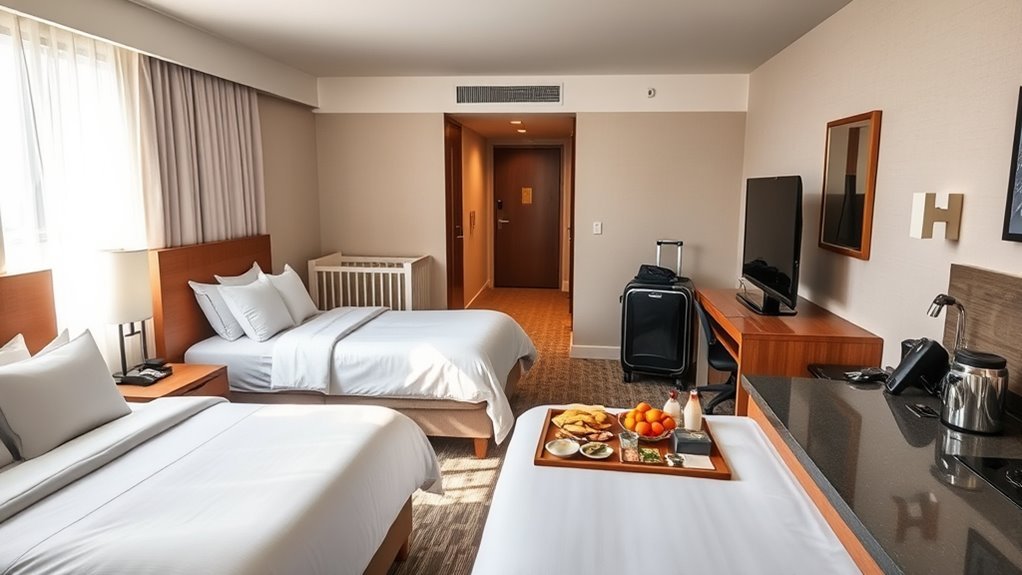
The hotel cost for a family of six depends on the sleeping arrangement, not just the average nightly room rate. You might book one approved family suite or need two rooms. Your destination, travel dates, children’s ages, and extra expenses will determine the real price.
Quick Answer
For U.S. travel in 2026, use $300 to $500 per night before taxes and optional extras as a starting budget for six guests, not a national average. One room approved for six may cost less than two rooms. Popular destinations, holiday dates, and resorts can cost much more.
Last checked: October 31, 2026. Hotel benchmarks and pricing rules were checked against published sources.
Key Takeaways
- No nationwide hotel-room average measures what a family of six pays for an occupancy-approved stay.
- Published U.S. average daily rates (ADR) describe sold rooms, not rooms guaranteed to sleep six.
- Enter all six travelers and the correct child ages before comparing room prices.
- Compare one six-guest suite with two rooms, including required fees and guest-specific extras.
- An interior connecting door is not assured unless the booking explicitly confirms it.
How Much Does a Hotel Cost for a Family of Six in 2026?
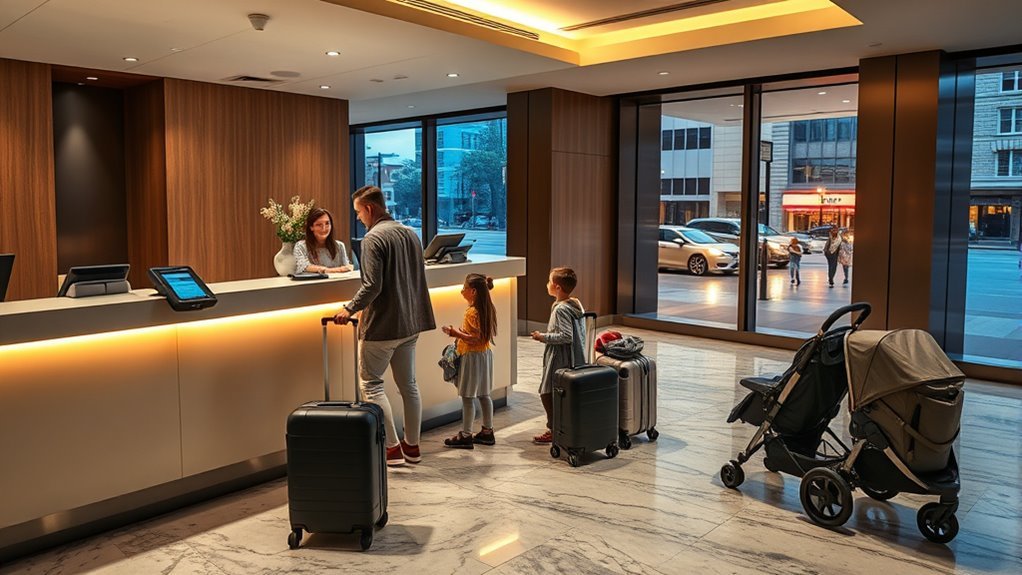
There is no authoritative U.S. average room price specifically for two adults and four children or six adults. Industry average daily rate (ADR) tracks revenue per room sold. It does not tell you whether that room has six beds, allows six guests, or includes a second room.
CoStar reported a U.S. ADR of $174.49 for July 12–18, 2026. More recently, CoStar data published by LODGING put ADR at $179.55 for October 18–24, 2026. These are sold-room averages, not guaranteed six-person rates.
At the October 18–24, 2026 national ADR of $179.55, two rooms would cost $359.10 per night, or $1,077.30 for three nights, as an illustrative calculation only.
For early planning, allow about $300 to $500 per night for six guests before taxes and optional extras. This is a suggested allowance, not a rate survey or quote. You may pay less for a six-guest suite in a lower-cost town. Two rooms in an expensive city or resort can reach $500 to $900 or more, especially around major events.
Note: The $300 to $500 figure is a budgeting allowance, not an official U.S. family-hotel average. For a firm price, use quotes that include all six guests, their ages, the stay dates, and the approved room layout.
Sample Family Hotel Budgets
These hypothetical examples show how one room compares with two rooms over three nights. Every scenario assumes the chosen layout is approved for all six guests. None is an advertised hotel rate.
| Booking setup | Nightly room subtotal | Three-night subtotal |
|---|---|---|
| One suite listed at $329 | $329 | $987 |
| Two rooms at $175 each | $350 | $1,050 |
| Two rooms at $425 each | $850 | $2,550 |
These are room subtotals, not final bills. The suite priced at $329 saves $63 across three nights compared with two $175 rooms, but the two-room option might offer an extra bathroom. Add taxes, food, parking, and other extras before deciding. A refundable deposit or card hold may also affect the cash or credit you can use during the trip.
What Changes Hotel Prices for Six Guests?
The biggest price change is often whether six people fit in one approved room or require two. Demand, room type, bedding, travel dates, cancellation terms, and the ages of children also affect what you pay.
Guest Count and Occupancy
A four-person limit is common in standard rooms, but there is no single U.S. hotel occupancy limit for every room. Some fit two or three; certain family rooms and suites allow six or more. Maximum occupancy and the number of actual sleeping places are separate checks.
Marriott says guest counts help match room size and bedding, and its definition of a child varies by region. A family with four young children may have more one-room options than six adults. Do not assume a baby is excluded from occupancy: follow the property’s booking rules.
Warning: Do not omit guests from the reservation to make an unsuitable room appear cheaper. The hotel may charge more, require another room, or refuse a booking that exceeds the permitted occupancy.
Destination and Demand
Demand raises rates in popular city centers, beach resorts, park gateways, ski towns, and theme-park areas. A convention, concert, or sporting event can lift prices even outside the usual peak season.
For July 12–18, 2026, CoStar reported a New York City ADR of $425.03. Two rooms at that market average would cost $850.06 per night before taxes. That week included unusually strong World Cup demand, so it is an example of a costly week, not a typical New York family-room quote.
Room and Rate Type
A prepaid, nonrefundable rate can be less expensive than a cancellable rate. But a cheaper rate may cost you more if you need to cancel. Breakfast, parking, and booking flexibility can be worth paying for when they match your plans.
Look at the sleeping setup before the headline price. A studio, one-bedroom suite, two-bedroom suite, and pair of standard rooms offer different amounts of privacy, bathroom access, and kitchen space.
Types of Accommodations: What’s Available?
A six-person family can often choose an approved family room, a larger extended-stay suite, or two ordinary rooms. The best fit depends on who needs separate beds, how much privacy you want, and whether you need two bathrooms.
| Accommodation | Advantages | What to verify |
|---|---|---|
| Family room or large studio | One booking and often the lowest room subtotal | Maximum occupancy, actual beds, sofa-bed size, and bathroom count |
| One-bedroom suite | Separate living area and possible kitchen | Whether the living-room sleeper and bedroom legally hold all six guests |
| Two-bedroom suite | More privacy, more beds, and sometimes two bathrooms | Price compared with two ordinary rooms and any minimum-stay rule |
| Two connecting rooms | Two bathrooms and more sleeping space | Whether the connection is confirmed rather than merely requested |
| Two nearby rooms | Widely available when suites are sold out | Adult supervision, room location, and whether “adjoining” means only nearby |
Connecting rooms have an interior door between them. “Adjoining” may mean next door without a connecting door. If young children must sleep close to adults, confirm the specific room arrangement rather than relying on these labels.
Marriott has a process for requesting connecting or adjoining rooms, but an ordinary request may not be guaranteed. Hilton also has a general stay-booking page and a separate Confirmed Connecting Rooms option at participating properties. Hilton says you can select connecting rooms during booking and receive written confirmation; these rooms may carry a higher rate.
How to Find Budget Hotels for Families of Six
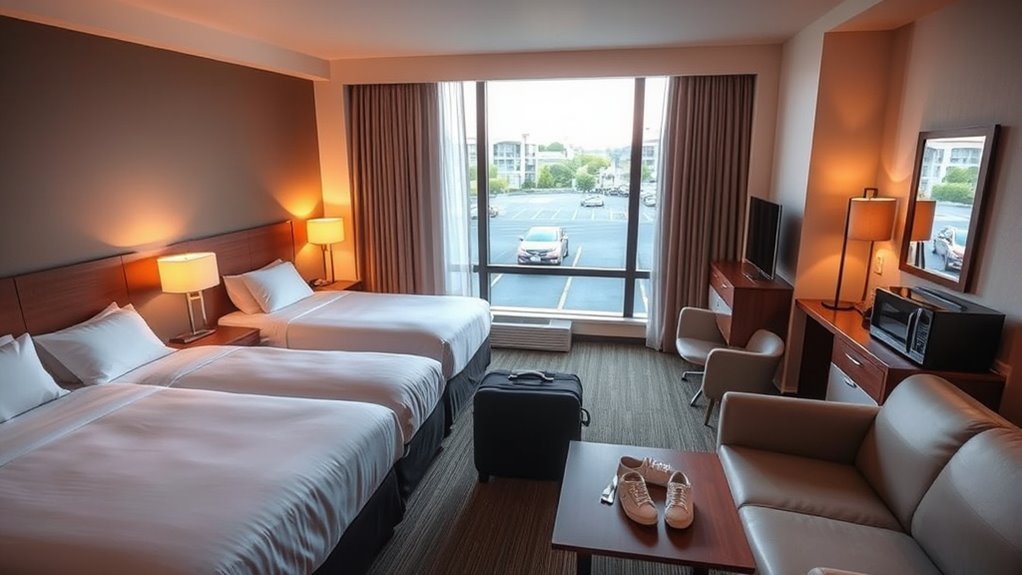
A budget hotel is a good deal only if it fits all six guests and meets your basic needs. One family suite may cost less than two rooms after you count the included breakfast, parking, and cooking facilities.
Affordable Family Suites
Extended-stay brands are worth checking first because they often offer separate living space and kitchens. However, not every studio or one-bedroom suite sleeps six, even within the same brand.
As an example, Residence Inn Salisbury advertises full kitchens and free breakfast. Homewood Suites describes studio, one-bedroom, and two-bedroom suites with kitchens and free hot breakfast. A two-bedroom suite may have two bedrooms and a sofa bed, but you must still verify its exact six-guest limit before booking.
Before booking, confirm:
- The number and size of permanent beds
- Whether a sofa bed is included
- Whether a crib or rollaway is permitted
- The maximum number of adults and children
- Whether the kitchen has a stovetop or only a microwave and refrigerator
- Whether the suite has one or two bathrooms
Free Breakfast Options
Free breakfast may be worth more to six travelers than to a couple, but its actual value depends on what everyone eats. Check whether the rate covers every registered guest and whether the meal meets dietary needs.
For a practical comparison, add up what your group would otherwise spend on breakfast each morning. Then check hot-food options, fruit, allergies, and whether serving hours suit early departures.
For example, Drury Hotels advertises free hot breakfast and its 5:30 Kickback evening food and drinks. These can trim your food bill, but evening snacks may not replace a full meal for everyone.
Kid-Friendly Amenities
Useful family amenities may include:
- A pool with suitable operating hours
- Cribs or pack-and-plays
- Guest laundry
- A refrigerator, microwave, or full kitchen
- Free or lower-cost parking
- Connecting-room booking
- On-site food or nearby grocery stores
- Elevators, ramps, and accessible bathrooms when needed
Make sure the amenities you care about will actually be available. Pools may close for repairs, and breakfast or shuttle hours may not fit your trip.
Are Mid-Range Family Hotels Better Value?
Mid-range properties can balance comfort, location, and useful extras. Yet a mid-range room is not automatically large enough for six guests. Start with room capacity, then decide whether its facilities justify the cost.
How to Compare One Suite With Two Rooms
To compare real options, make two searches for the same destination and stay dates:
- Search for one room with all six guests and their correct ages.
- Search for two rooms with the guests divided correctly between them.
Compare the complete totals for the same dates. Include the room subtotal, mandatory lodging fees, taxes, parking, breakfast, and any extra-person or rollaway charge.
Use this simple room-cost calculation:
Trip budget = lodging total with mandatory fees + taxes and government charges + chosen extras + transportation costs.
If the site shows a nightly rather than stay total, multiply the nightly amount by the number of nights first. Count parking once per vehicle, not once per room, unless the property charges differently.
Family Amenities Offered
Breakfast, a mini-fridge, microwave, laundry, pool, or parking can make a mid-range stay worth more. Their value depends on whether your six travelers will actually use them.
For example, free parking has no cash benefit if you are not driving. A full kitchen may pay off over a week but make little difference on a one-night stop. Judge amenities by the costs they would replace.
Is a Luxury Hotel Worth It for Six People?
A luxury stay may be worth paying for when it gives six travelers more space or replaces other costs. An expensive suite adds less value if you will spend most of your time outside the hotel.
Compare these points:
- Room layout: A large suite with two bedrooms and two bathrooms may reduce stress and improve sleep.
- Included services: Kids’ activities, breakfast, transportation, or lounge access can add value.
- Optional expenses: Valet parking, paid activities, spa services, premium meals, and babysitting can increase the bill.
- Location: A higher room rate may be worthwhile if it reduces rental-car, parking, or transportation costs.
- Time at the property: Resort amenities have less value when most of the trip will be spent elsewhere.
For a fair choice, compare a luxury suite with two suitable mid-range rooms, not with a cheap standard room that cannot house six people.
When Are Hotels Cheaper for a Family of Six?
The cheapest time depends on where you go. January may be quiet in one city but busy in a ski or warm-weather resort. Families who need scarce suites or connecting rooms also have fewer options when dates sell out.
Peak Travel Seasons
Rates often rise when demand increases because of:
- School vacations
- National holidays
- Concerts and sporting events
- Conventions and trade shows
- Graduations and college events
- Beach, ski, fall-color, or festival seasons
- Friday and Saturday demand in leisure markets
Event dates can matter more than hotel brand. A one-day change in arrival or a nearby town with easy transportation may lower the complete trip cost.
Off-Peak Savings Opportunities
Off-peak and shoulder-season dates may lower the price, but there is no dependable nationwide dollar saving. A scarce suite can remain expensive even when ordinary rooms are discounted.
Compare several date options using the same hotel, room type, guest count, and cancellation rules. The difference between those quotes is your actual potential saving.
Holiday Price Fluctuations
Holiday prices can move in opposite directions. Leisure resorts may get more expensive while some business districts become cheaper. New Year’s Eve, sports finals, and city festivals may still create a sudden rate spike during an otherwise quiet month.
Pro Tip: Try shifting arrival and departure by one day before paying. A Thursday-to-Sunday stay may have a very different total from Friday-to-Monday even though both cover three nights.
Common Hidden Costs in Family Hotel Stays
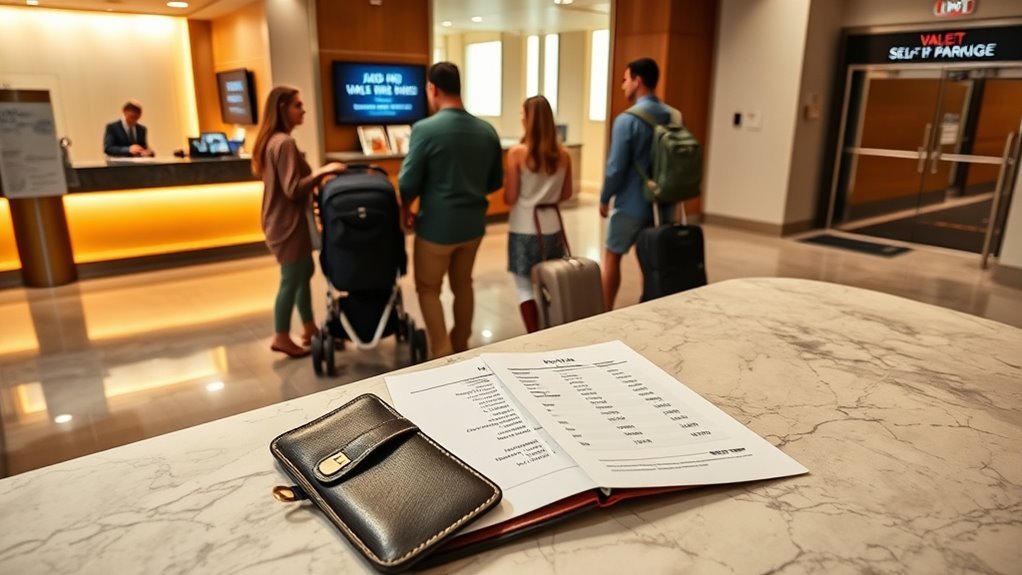
Mandatory resort or destination fees should be included in the advertised total, not revealed only at checkout. Under the FTC’s Rule on Unfair or Deceptive Fees, effective May 12, 2025, covered short-term lodging sellers must prominently show the total price including required fees known and calculable upfront.
Taxes, government charges, and optional add-ons can be shown separately before payment. Read the final price breakdown for these items:
- Taxes and government charges: These vary by state, city, county, and tourism district.
- Parking: Self-parking and valet rates can differ, and oversized vehicles may cost more.
- Pet charges: A property may charge per stay, per night, or per pet.
- Extra-person charges: Some rates change with the number or ages of guests.
- Rollaway or crib charges: Availability may be limited even when the item can be requested.
- Breakfast exclusions: A rate may include breakfast for only a limited number of registered guests.
- Destination or facility charges: Mandatory calculable charges should appear in the displayed lodging total, but read the itemization.
- Optional activities: Kids’ clubs, water sports, transportation, or resort programs may cost extra.
- Cancellation penalties: A prepaid rate can result in the loss of the full booking amount.
- Early check-in or late checkout: These may be unavailable or subject to a charge.
Deposits and Incidental Holds
A hotel can temporarily authorize money on your card to cover incidentals. This hold is not always a final charge, but it may lower your available balance until the hotel and card issuer release it.
Ask whether the hold is per room, per night, or per stay, and when the funds typically become available again. A two-room booking may involve two authorizations, especially when using a debit card.
10 Ways to Save on a Hotel for Six People
- Enter every guest: Include all adults, children, and child ages from the beginning of the search.
- Compare one room with two: Do not assume a suite is cheaper or that two rooms are more comfortable.
- Use the final total: Compare identical stay totals after mandatory fees, not partial nightly prices.
- Check direct and third-party rates: Compare cancellation rules, breakfast, loyalty benefits, and payment timing.
- Search flexible dates: Try nearby weekdays, weekends, and alternative arrival dates.
- Consider nearby areas: A suburb may offer more space and parking, but calculate transportation costs.
- Value kitchens realistically: A kitchen saves money only when your family plans to use it.
- Join free loyalty programs: Member rates, points, Wi-Fi, or other benefits may improve the offer.
- Read recent family reviews: Look for comments about sofa beds, noise, breakfast crowds, elevators, and room layout.
- Verify the booking source: Use the hotel’s official website or a recognized platform and check the web address carefully.
The FTC warns about fake hotel websites and paid search ads that imitate well-known brands. Type the hotel address directly when possible, and do not trust a phone number just because it appears in an ad.
How to Book a Hotel for Six People
- List the travelers. Record the number of adults, each child’s age at check-in, and any crib or accessible-room needs.
- Set the real budget. Decide on a nightly target and a maximum complete-stay amount.
- Search for one room first. Enter all six guests and review only options that the booking system approves for the full party.
- Search for two rooms. Divide the guests accurately and look for confirmed connecting rooms when needed.
- Compare layouts. Check beds, sofa beds, bedrooms, bathrooms, floor plans, and kitchen equipment.
- Review the total. Add taxes, optional parking, pet charges, meals, and transportation.
- Check the rules. Read cancellation deadlines, deposit requirements, payment timing, and age restrictions.
- Confirm important features. Contact the hotel when occupancy, accessibility, crib availability, or room connection is unclear.
- Save the evidence. Keep the confirmation email and screenshots showing the guest count, room type, included benefits, and cancellation terms.
- Recheck before travel. Confirm the reservation and any essential room request several days before arrival.
Warning: A request for connecting rooms, a crib, a rollaway, or early check-in does not guarantee it. If one is essential for safety or access, get written confirmation before your trip.
Family Hotel Safety and Accessibility Checks
Confirm accessibility needs before paying. The U.S. Department of State’s lodging-safety guidance recommends asking about ramps, elevators, and carbon-monoxide detectors. It also advises checking alarms, locks, and emergency routes once you arrive.
At check-in, identify the nearest exit and test the door locks. Tell the front desk if safety equipment is missing or damaged, and ask for another room if a serious problem cannot be fixed.
Frequently Asked Questions
What is the average hotel price in the United States?
CoStar reported a 2025 annual U.S. hotel ADR of $160.54. For October 18–24, 2026, its weekly U.S. ADR was $179.55. These are averages for rooms sold, not prices for rooms guaranteed to accommodate six guests.
Can a family of six stay in one hotel room?
Yes, if the specific room has a stated six-person capacity. Some family rooms and multi-bedroom suites allow six guests, but many standard rooms do not. Enter all travelers and verify the bedding and maximum occupancy.
Is one suite cheaper than two hotel rooms?
Sometimes. In the sample three-night comparison, a $329 suite costs $987, versus $1,050 for two rooms at $175 each. Real prices differ by destination, stay dates, and what is included, so compare final totals and sleeping arrangements.
What U.S. city has the cheapest hotels?
No U.S. city is the cheapest for every family or date. Room rates change by neighborhood, weekday, events, and demand. Compare approved six-person lodging options for your exact itinerary rather than relying on a city-wide average.
Do displayed hotel prices include resort fees?
In the United States, mandatory hotel fees that a seller can calculate in advance must be included in the prominently displayed total under the FTC rule effective May 12, 2025. Taxes, government charges, and optional services may appear separately before payment.
How far ahead should a family of six book?
Book early when you need a hard-to-find six-person suite, accessible features, or confirmed connecting rooms during a busy period. There is no guaranteed cheapest booking window. Flexible travelers can compare refundable rates and different dates before committing.
Conclusion
Start with $300 to $500 per night as a rough budget, not a guaranteed U.S. family rate. Your best choice is the lowest complete-stay price for a room setup approved for six travelers.
Compare a six-guest suite with two rooms, then confirm beds, fees, and any essential connecting-room or accessibility request in writing. This gives you a useful price for your family instead of relying on a room average that may not fit your group.
Sources
- CoStar: U.S. Hotel Results for the Week Ending July 18, 2026 — current weekly U.S. and major-market ADR data.
- CoStar: 2025 U.S. Hotel Year-End Results — annual U.S. occupancy, ADR, and RevPAR.
- Federal Trade Commission: Rule on Unfair or Deceptive Fees — upfront hotel-price and mandatory-fee requirements.
- Marriott Help: Why Hotels Ask for Adult and Child Counts — room size, bedding, and guest-age guidance.
- Homewood Suites by Hilton — official information about kitchens and breakfast.
- U.S. Department of State: Lodging Safety — safety and accessibility checks.
- LODGING: October 18–24, 2026 CoStar Hotel Figures — the $179.55 national ADR.
- Hilton: Confirmed Connecting Rooms — eligibility, booking, and confirmation procedure.
- FTC: How to Avoid a Travel Scam — misleading booking ads and copied websites.
- Marriott: Connecting and Adjoining Room Requests — ordinary requests and room availability.
- Hilton: For the Stay — general booking and property features.
- Residence Inn Salisbury — full kitchens and breakfast example.
- Drury Hotels: Travel Happy — included breakfast and Kickback amenities.