
Hotel occupancy tax can turn a room that looks affordable into a higher bill at checkout. These taxes vary by state, city, county, and tourism district, so the final rate can change even within the same state. Use this guide to understand how hotel occupancy taxes work, what fees may apply, and how to check the real cost before you book.
Quick Answer
Hotel occupancy tax is a lodging tax added to short hotel stays, vacation rentals, and other paid accommodations. State and local governments set these rates, and some cities add flat nightly fees or tourism district charges. Before you book, check the itemized total so you can compare the true cost, not just the nightly room rate.
Key Takeaways
- Hotel occupancy tax applies to short-term lodging and can raise your final bill.
- State rates matter, but city, county, and tourism district fees often add more cost.
- Some places charge a percentage, while others add a flat fee per room night.
- You should review the itemized booking total before you confirm a stay.
- Tax rules can change, so verify rates with the hotel or local tax authority.
What Is Hotel Occupancy Tax and Why Does It Matter?
Hotel occupancy tax, also called transient occupancy tax in many places, applies to short-term lodging. You may see it on hotel rooms, motels, vacation rentals, and other paid stays. The tax usually applies when you rent a room for fewer than 30 days, but each state or city can set its own rule.
These taxes help fund local services tied to tourism and public use. A city may use the money for visitor promotion, convention centers, transportation, public safety, parks, or tourism-related infrastructure. That means your lodging bill can support the same destination you visit.
Hotel operators usually collect the tax when you pay. They then send it to the state, city, county, or tourism district that requires it. Your booking receipt should show the tax as part of the itemized price.

This hardcover cookbook offers fast, approachable recipes designed for busy days and low-energy nights. Caroline Chambers focuses on simple, flavorful meals that help you get dinner on the table without overthinking it. It's a practical pick for home cooks who want quick weeknight inspiration and minimal-fuss cooking.

This hardcover edition by Eric Metaxas offers a compelling look at the origins of the United States during the Colonial Period. It blends historical narrative with engaging storytelling, making it appealing for readers interested in American history, early nation-building, and the ideas that shaped the country. A strong choice for history enthusiasts, students, and anyone exploring the foundations of the nation.

This daily devotional helps parents pray purposefully for their children through a full year of Scripture readings, reflections, and guided prayer prompts. Written to encourage faithful family discipleship, it offers practical, biblically grounded support for parents who want to shape their prayers around God's Word. A foreword by Sinclair B. Ferguson adds trusted theological insight and encouragement.
State-Specific Hotel Tax Rates in 2026
Hotel tax rates can differ widely across the United States. Some states set a statewide lodging tax, while others rely more on local taxes. A few states have no statewide lodging tax, but cities or boroughs may still add their own charges.
The state rate rarely tells the whole story. Counties, cities, and tourism districts can add separate fees that raise your final cost. Before you book, review the full tax line instead of relying only on the state rate.
Tax Rates Overview
Some states charge a clear statewide lodging tax. Others combine hotel taxes with general sales tax, local occupancy tax, convention fees, or tourism assessments. That mix can make one city much more expensive than another city in the same state.
For example, a hotel in one California city may charge a different transient occupancy tax than a hotel in another California city. Florida also uses a state sales tax base, while counties may add tourist development taxes. These local layers can move your final rate above the number you first expect.
How Local Hotel Tax Variations Work
Local tax rules explain why two hotel stays with the same nightly rate can cost different amounts. A city may add a percentage-based room tax, a flat nightly surcharge, or a tourism district fee. Some places also apply more than one local charge to the same stay.
Newark, New Jersey, has used a local surcharge model that adds a flat charge to occupied room days. Some California cities use transient occupancy tax rates that can change after local votes. In Idaho and other states, local lodging taxes may apply on top of sales tax or other required charges.
Pro tip: Compare the final booking total, not the advertised nightly rate, because local tax layers can change the true price.
How Local Taxes Affect Your Hotel Bill
Local taxes can raise your hotel bill in ways that feel small at first. A few percentage points may not seem like much on one night. On a longer stay, those costs add up fast.
Flat fees can also surprise you. A $3 daily surcharge adds $21 to a seven-night stay before you count percentage-based taxes. Tourism district assessments can add even more, especially in cities that rely heavily on visitor spending.
Local Tax Variations
Local tax rates can change by city, county, district, and lodging type. A downtown hotel may fall inside a tourism improvement district, while a nearby hotel may not. Short-term rentals may also follow different collection rules than traditional hotels.
California cities often set their own transient occupancy tax rates. Florida counties may add tourist development taxes to the state sales tax. Alaska has no statewide lodging tax, but local governments may still impose lodging taxes in specific areas.
Additional Hotel Fees to Watch For
Your hotel bill may include more than the room rate and occupancy tax. Common extra costs include destination fees, resort fees, parking, tourism assessments, and state or local sales tax. These charges can appear in separate lines on your booking receipt.
- Percentage-based room taxes raise the cost as the room rate rises.
- Flat nightly fees add the same amount each night, no matter the room price.
- Tourism district assessments may support local marketing or visitor services.
Always open the full price breakdown before you confirm the booking. The cheapest nightly rate may not offer the lowest total cost.
Significant Changes in State Hotel Taxes for 2026
Several local hotel tax changes can affect travel costs in 2026. Some cities have approved higher transient occupancy tax rates. Others have added new surcharges or tourism district charges to support visitor programs.
Newark, New Jersey, has been associated with a flat occupied-room surcharge on top of lodging taxes. Hanford, California, has been reported as moving its transient occupancy tax from 8% to 12%. Ponderay, Idaho, has been described as adding a local room occupancy tax.
These examples show why you need current local rate details before you book. Hotel tax changes often begin on a specific date, and older travel guides may not reflect them. Check the hotel’s checkout page or the city tax office for the final rule.
Warning: Hotel tax rates can change after local votes or budget updates, so verify the final total before you rely on a quote.
Understanding the Purpose of Hotel Occupancy Taxes
Hotel occupancy taxes help destinations fund costs tied to visitors. Tourists use roads, public spaces, emergency services, transit, and local attractions. Local governments often use lodging tax revenue to offset those added costs.
- Infrastructure support: Cities may use funds for public spaces, roads, venues, and visitor facilities.
- Tourism promotion: Tourism boards may use revenue to market the destination and support events.
- Public services: Local governments may fund parks, transit, safety, and cultural programs.
The best use of hotel tax revenue depends on local law. Some states restrict how cities can spend the money. Others give local governments more flexibility.
Key City-Specific Hotel Taxes Travelers Should Know

City-specific taxes can matter as much as state-level rules. Large travel markets often add occupancy taxes, tourism district fees, convention center assessments, or flat nightly charges. Smaller cities can also use local hotel taxes to fund public projects or tourism promotion.
New York City, Chicago, Honolulu, Newark, Santa Monica, and many California cities use local lodging-related charges in different ways. Some apply a percentage to the room rate. Others add fixed daily fees or district-based assessments.
If you travel for work, check whether your employer reimburses hotel taxes and mandatory fees. If you travel for leisure, compare nearby cities when possible. A hotel just outside a high-tax district may offer a lower total cost.
Calculating Your Total Hotel Costs: Including Taxes
You can estimate your hotel cost with a simple formula. Start with the nightly room rate, multiply it by the number of nights, then add percentage-based taxes and flat nightly fees. Use the booking page’s itemized total as the final check.
For example, a $200 room with a 10% occupancy tax adds $20 per night. A separate $3 nightly surcharge would raise that night’s pre-fee total to $223. Resort fees, parking, and sales tax may still add more.
- Multiply the room rate by the number of nights.
- Add percentage-based hotel and sales taxes.
- Add flat nightly fees and tourism district charges.
- Review resort, destination, parking, and service fees.
Note: Online travel agencies may show taxes and fees late in checkout, so open the full price details before you compare hotels.

These colorful answer buzzers turn lessons, review games, and family activities into lively game-show style challenges that boost participation and make learning more interactive. Each buzzer has a distinct sound to clearly identify who buzzed in first, while the durable, palm-sized design makes them easy for kids and adults to use in classrooms, homeschools, and group settings.

The U.S. Polo Assn. Women's Analog Watch blends classic style with everyday versatility, featuring a gold-tone dial, Roman numeral markers, and a crystal-embellished bezel for a polished look. Its stainless steel bracelet adds durability and comfort, while the adjustable fit makes it suitable for wrists from 5.5" to 8". Designed to elevate both formal and casual outfits, this timepiece offers an elegant finishing touch for any occasion.

This heartfelt memoir blends laugh-out-loud honesty with tender reflections on love, loneliness, and the unexpected healing power of rescue dogs. Isabel Klee shares her journey fostering pups in the city while navigating dating and self-discovery, offering an intimate, relatable story for readers who enjoy emotional, character-driven narratives. It is a warm, engaging read about opening your heart and finding connection in surprising places.
How Hotel Taxes Impact Travelers’ Budgets
Hotel taxes can make a major difference in your travel budget. A room that fits your nightly target may exceed your budget after taxes and required fees. This matters most for family trips, longer stays, and high-rate destinations.
Budget for hotel tax before you decide how much room rate you can afford. If your total lodging budget is $1,000, do not spend the full amount on the base rate. Leave room for taxes, fees, deposits, and parking.
Business travelers should also check company policy. Some employers reimburse taxes but not optional fees. Others require an itemized hotel folio before they approve repayment.
Comparing Hotel Tax Rates in Popular Travel Destinations
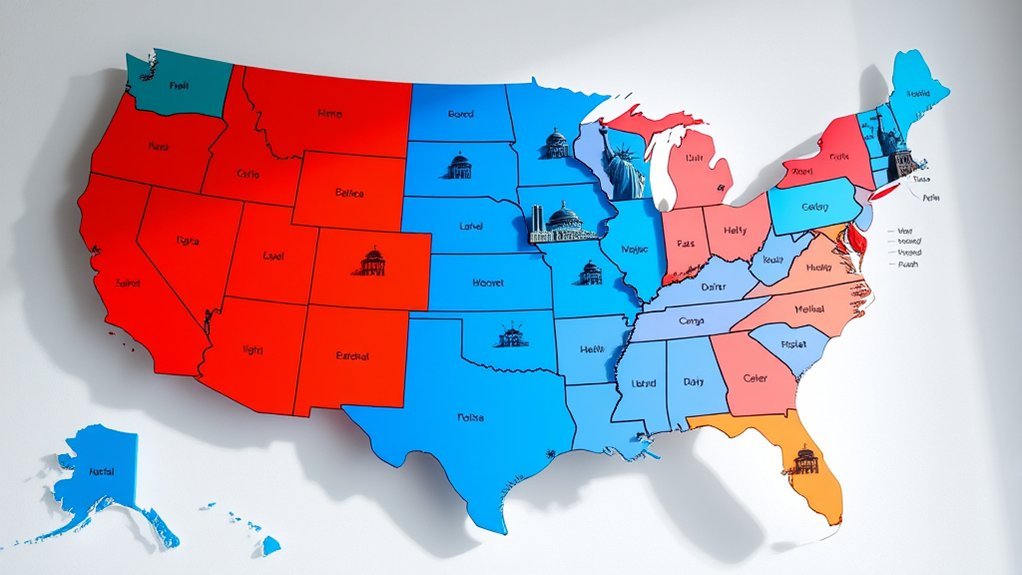
Popular destinations often carry higher lodging-related charges because they host more visitors. Beach towns, convention cities, resort areas, and major urban centers may use hotel taxes to fund tourism services. Rates can also shift after local elections or budget changes.
When you compare destinations, focus on the total tax and fee burden. A city with a lower room rate may cost more after local charges. A nearby town with fewer add-ons may save money without changing your trip much.
Key Tax Rate Variations
Hotel tax differences can come from state, county, city, and district rules. California cities may set different transient occupancy tax rates. Florida counties may add tourist taxes to the state sales tax.
Hawaii has a notable statewide lodging tax structure because tourism plays a large role in the economy. New Jersey lodging can include both state-level and local charges. Alaska does not impose a statewide lodging tax, but local governments can still charge lodging taxes.
Local Tax Impacts
Local hotel taxes affect more than the final price. They can influence where travelers stay, how long they visit, and which hotels look competitive. A small fee may push a traveler toward another city when prices already run high.
Hotels also need to track tax rules carefully. A property may need to collect different taxes for rooms, meeting space, parking, or resort fees. That complexity can affect how the final bill appears to guests.
Notable State Comparisons
State comparisons help you understand why rates can feel inconsistent. California relies heavily on local transient occupancy tax decisions. Florida combines state sales tax with county-level tourism taxes.
New Jersey lodging taxes can include state and local charges, depending on the city. Hawaii applies lodging taxes that reflect its large tourism economy. Alaska leaves lodging tax decisions largely to local governments.
Hotel Tax Checklist Before You Book
A short checklist can help you avoid a surprise total. Use it before you compare hotels, especially in high-demand cities or resort areas. It also helps when you book through third-party travel sites.
- Check the total cost for all nights, not just the first night.
- Open the itemized taxes and fees section before payment.
- Look for resort fees, destination fees, and parking charges.
- Ask the hotel whether local taxes changed for your travel dates.
- Save the final receipt if you need reimbursement or records.
Where to Find Updates on Hotel Tax Changes
You can find the most reliable hotel tax updates from official sources. Start with the state tax department, city finance office, county tax collector, or tourism district website. These sources usually explain rates, start dates, exemptions, and collection rules.
Hotel booking pages can also help because they show the amount charged for your specific stay. If the number looks unclear, call the hotel and ask for an itemized estimate. Ask whether the quote includes occupancy tax, sales tax, tourism assessments, and required fees.
Industry groups and local news can help you spot proposed changes, but official tax offices should guide final decisions. Rules can vary by address, lodging type, stay length, and booking date.
Frequently Asked Questions
Is Occupancy Tax the Same as State Tax?
No, occupancy tax is not always the same as state tax. State tax may apply broadly to goods and services, while occupancy tax targets short-term lodging. Some hotel bills include both.
How Much Is Hotel Tax in the US?
Hotel tax in the United States varies by state, county, city, and tourism district. Some places charge only a few percent, while major destinations can charge much more after local add-ons. Always check the itemized total for your exact hotel and travel dates.
What Is the 3 Hotel Tax?
A 3% hotel tax means the lodging provider adds 3% of the taxable room charge to your bill. Some cities or counties use this type of local tax to fund tourism, public services, or visitor infrastructure. Other taxes or fees may still apply.
Do Hotel Taxes Apply to Vacation Rentals?
Many states and cities apply lodging or occupancy taxes to vacation rentals. The rules depend on the location, platform, stay length, and property type. Check the tax details on the rental listing before you book.
Can You Avoid Hotel Occupancy Tax?
You usually cannot avoid hotel occupancy tax on a taxable short-term stay. Some locations offer exemptions for government travel, long-term stays, or certain nonprofit uses. Ask the hotel or local tax office if you think an exemption applies.
Financial Disclaimer: This article is for informational purposes only and does not constitute professional financial or tax advice. Always consult a qualified tax professional or local tax authority before making decisions based on this information.
Conclusion
Hotel occupancy tax can change the real cost of your trip, even when the room rate looks simple. Before you book, review the full itemized total and check whether local charges apply to your stay. A few minutes of research can help you compare hotels with confidence. Your best travel budget starts with the full price, not the headline rate.
References
- Internal Revenue Service — U.S. tax information and general tax guidance
- State Tax Websites — USA.gov, directory of state tax agencies
- Public Sector Taxes — U.S. Census Bureau, tax data resources

Die With Zero offers a fresh perspective on personal finance by encouraging readers to use money intentionally to create memorable life experiences instead of simply accumulating wealth. Written by Bill Perkins, this book combines practical guidance with a motivating philosophy to help readers align spending, saving, and life goals for a more fulfilling future.

This bestselling Christian devotional by Rick Warren helps readers explore life’s meaning through practical, faith-centered guidance. With thoughtful daily reflections and scripture-based insights, it encourages spiritual growth, purpose, and a deeper relationship with God. Its approachable format makes it a trusted choice for personal devotion or group study.

The Manbook offers a blunt, practical approach to mental toughness, responsibility, and professional growth. Written by Nick Freitas, it is designed to help readers push through excuses, build discipline, and get the job done with focus and confidence. This hardcover edition is a useful pick for anyone looking for straightforward guidance on self-improvement and resilient living.
