
California doesn’t offer a 7-day “weekly” fishing pass, so you’ll pick from short-term or annual options: one-day $20.52, two-day $31.58, ten-day nonresident $62.90, or a resident 365-day at $62.90. One- and two-day licenses skip the Ocean Enhancement Validation; a $7.05 validation applies when required. Most anglers 16+ need a license, with pier and under-16 exceptions, and some species need report cards — keep permits handy to comply and support conservation if you want more details.
Who Needs a 7-Day Fishing License in California
Wondering whether you need a 7‑day fishing license in California? You don’t — California doesn’t offer a 7‑day option.
For short trips, the state provides two-day and ten-day nonresident fishing permits, which align with fishing license requirements for anglers 16 and older. If you’re a resident, you can choose a 365-day sport fishing license ($62.90) for year-round coverage instead of repeatedly buying short-term permits.
You must carry a valid license when taking fish or other aquatic life except in specific cases: ocean pier fishing from public piers is license-free, and designated annual free fishing days let anyone fish without a license.
You must carry a valid license to take fish, except for public ocean pier fishing and annual free fishing days.
From a conservation standpoint, these policies balance access and resource protection by requiring broader participation in licensing for most take activities while allowing limited no-license opportunities.
Before you fish, verify which short-term nonresident fishing option fits your trip and confirm dates for free fishing days to stay compliant with current regulations.
7-Day and Other Short-Term License Options
If your trip is brief, California offers precise short-term sport fishing options so you pay only for the days you fish: a one-day license costs $20.52, a two-day license is $31.58 (valid for two consecutive days), and nonresidents can buy a ten-day license for $62.90 (valid for ten consecutive days). You’ll choose short term licenses when you need targeted access without long-term commitment; they’re specific to the duration and don’t permit fishing beyond the issued timeframe. Data-driven planning helps you comply with fishing regulations and support conservation goals.
| License Type | Cost (USD) | Validity |
|---|---|---|
| One-day | 20.52 | Single calendar day |
| Two-day | 31.58 | Two consecutive days |
| Ten-day (nonresident) | 62.90 | Ten consecutive days |
Note: one- and two-day licenses are exempt from the Ocean Enhancement Validation; verify local regulations before you fish to avoid penalties and protect fisheries.
Products Worth Considering

FISHING LICENSE HOLDER W/ZIP CLOSURE
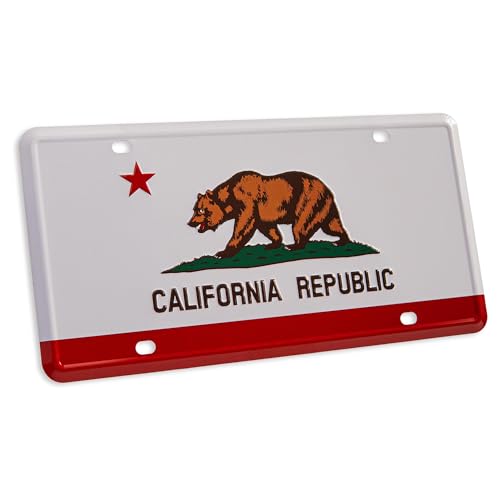
CALIFORNIA STATE FLAG DESIGN: Features a textured, raised California flag design for an authentic, high-end look and feel.

Product Material:made of Stainless steel. Personalized Car Frame Can Perfect to Put on Your Front of Car,Decorate your car to make it look more beautiful and unique,just wipe with a damp cloth
Cost Comparison: One-Day, Two-Day, Ten-Day and Weekly Passes
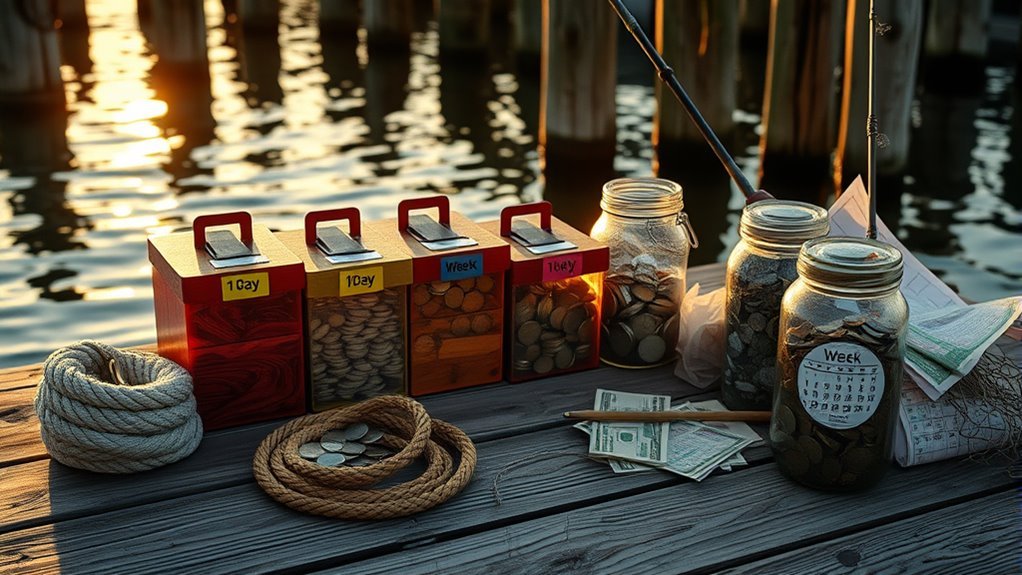
You’ll want to compare the $20.52 one-day sport fishing license against longer options to see which fits your trip and conservation goals.
For short nonresident stays, the $62.90 ten-day license often beats buying multiple one- or two-day permits, while residents may find the $31.58 two-day rate economical for consecutive days.
Also check short-term exemptions that could alter your cost calculus before you buy.
Products Worth Considering

PREMIUM QUALITY: Crafted from high-grade materials, our License Plate is built to withstand the elements and maintain its vibrant appearance over time. It is resistant to fading, cracking, and peeling, ensuring long-lasting performance.
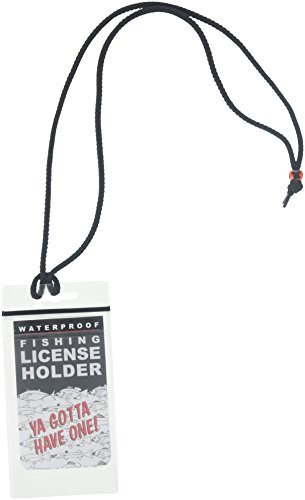
Never misplace your fishing license again

【MATERIAL】: oFloral License plate frame is made from premium quality aluminum, which can provide long-lasting protection from corroding, rusting and aging, durability for long lasting usage.Personalized Car Frame Can Perfect to Put on Your Front of Car or for Decorative Purposes Around the House Like in Your Bedroom, Garage, Basement, Ect.
One-Day Vs Weekly
When planning a short trip, compare per-day cost and regulatory fit: a one-day sport fishing license costs $20.52, a consecutive two-day license is $31.58 (about $15.79/day), and a ten-day nonresident license runs $62.90 (roughly $6.29/day), while California doesn’t issue a seven-day pass—though a one-day plus a two-day covers three consecutive days—so frequent anglers usually save money with the $62.90 annual resident license.
You’ll weigh fishing benefits and license types: one-day is flexible for single outings; two-day lowers per-day cost for short stays; annual suits recurring effort and conservation support. Choose based on trip length, species regulations, and habitat protection goals. The table summarizes cost and typical use.
| License | Typical use |
|---|---|
| One-day | Single outing |
| Two-day | Short trip |
| Annual | Frequent angler |
Ten-Day Nonresident
Having compared one- and two-day options, consider the ten-day nonresident license: at $62.90 it covers ten consecutive days, which beats buying three one-day licenses ($61.56) only marginally but far outperforms repeated two-day purchases (three two-day licenses = $94.74).
It matches the resident annual fee while offering short-term visitors extended access without undermining local conservation funding. You’ll appreciate the clear nonresident benefits: $62.90 secures ten days of fishing duration, making it the economical choice if you plan multiple outings over a short trip.
Data show it’s cheaper than stacking shorter passes and avoids the administrative burden of frequent renewals. Choose it when your itinerary includes sustained angling without needing a full annual commitment.
Short-Term Exemptions
Curious which short-term option fits your trip and supports conservation goals? You’ll weigh cost against duration and regulatory impact.
A one-day sport fishing license costs $20.52 and covers a single specified day; a two-day license is $31.58 for two consecutive days. Both short-term options are exempt from the Ocean Enhancement Validation, reducing extra fees while preserving targeted funding streams.
Nonresidents lacking a seven-day pass can buy a ten-day license for $62.90, valid ten consecutive days; it’s the closest multi-day alternative.
Short term benefits include lower upfront cost and minimal administrative requirements, offering fishing flexibility for casual anglers.
Choose based on trip length: one- or two-day for brief outings, ten-day when you need extended access without an annual commitment.
Validations and Report Cards Required for Weekly Fishing
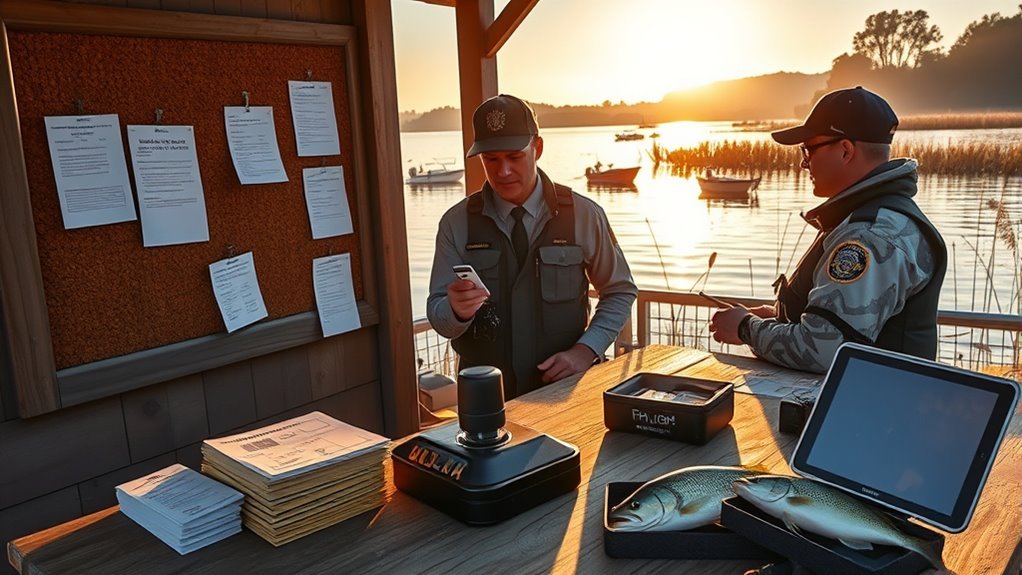
If you plan to fish for a week, you’ll need to assemble the correct short-term licenses, validations, and report cards so your trip stays legal and data contributes to conservation. In this validations overview, you’ll combine one-day licenses (each $20.52) across days to cover a week, then add any required validations — for example the Ocean Enhancement Validation ($7.05) if you fish south of Point Arguello. The report cards explanation: carry mandatory report cards for species like spiny lobster and North Coast salmon to guarantee catch data accuracy and compliance.
| Item | When Required | Cost/Note |
|---|---|---|
| One-day license | Any short-term trip | $20.52/day |
| Ocean Enhancement Validation | South of Point Arguello | $7.05 |
| Spiny Lobster Report Card | If harvesting lobster | Mandatory |
| North Coast Salmon Report Card | If landing NC salmon | Mandatory |
Check regulations before you go, keep cards on hand while fishing, and record catches promptly to support sustainable management.
Reduced-Fee and Free Short-Term Licenses
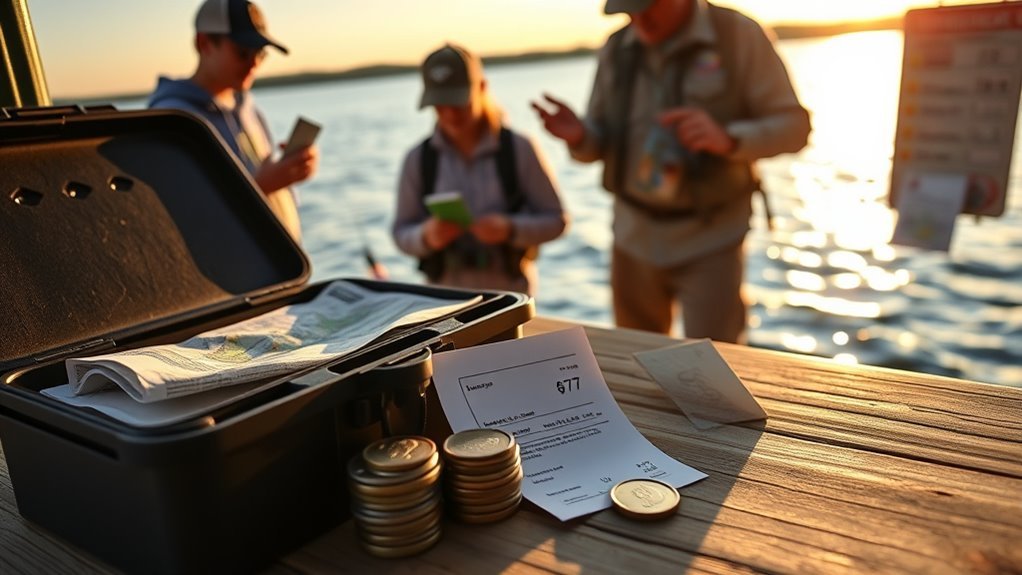
Anyone eligible for reduced-fee or free short-term licenses can save substantially while still complying with conservation reporting—disabled veterans and recovering service members can buy a reduced-fee license for $9.79 directly from CDFW ($10.29 from agents).
Low-income Native Americans and people with qualifying disabilities may receive free licenses, and children under 16 fish license-free (though they still need report cards for certain species).
You’ll find short-term fee structure includes one-day ($20.52) and two-day ($31.58) licenses for residents and nonresidents; nonresidents also have a 10-day option ($62.90).
Check reduced fee eligibility before purchase to verify you get the lower rate or free license options; eligibility typically requires documentation of veteran status, income, tribal enrollment, or disability.
You must still carry any required report cards or validations for regulated species.
These targeted fee adjustments limit economic barriers while maintaining harvest reporting and conservation goals, so use them to comply affordably and support sustainable fisheries.
Where and How to Buy a 7-Day Fishing License
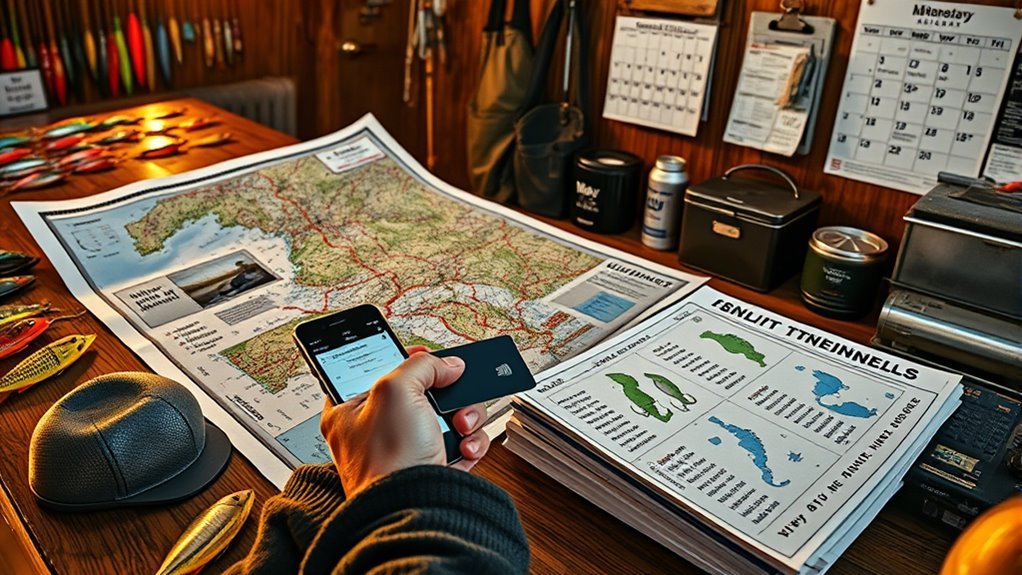
You can buy short-term licenses online at the California Department of Fish and Wildlife (CDFW) website or from licensed agents across the state; note a true 7-day option isn’t offered, so you’ll combine two-day permits ($31.58 each) or opt for a non-resident ten-day license ($62.90).
Complete purchases on the CDFW site with Visa/Mastercard, debit, check, or money order, and remember CDFW offices don’t accept cash.
Carry the license while fishing if you’re 16 or older, or confirm pier-specific exceptions before you go.
Products Worth Considering

USA, License, plate, Vintage, tag, lot, set, plates, number, wall, decor, art, bar, restaurant, design, gift, cool, nice, american, america, hawaii, alaska, california, texas

Bone fish license plate featuring a fish skeleton in silver accents across the center.

Material :High-Quality Metal Aluminum With High Gloss Stamped Metal License Plate.Lightweight, Waterproof,Anti-Rust And Very Durable.
Where to Purchase
One practical step is to buy your short-term license through the California Department of Fish and Wildlife (CDFW) website, which sells two-day nonresident licenses for $31.58 and ten-day nonresident licenses for $62.90—CDFW doesn’t offer a specific seven-day product.
You can complete online purchases anytime for convenience and to reduce paper waste. If you prefer in-person service, licensed agents—sporting goods stores, tackle shops—and CDFW sales offices sell the same short-term options.
At CDFW offices you can pay by check, money order, or debit/credit card; agents typically accept cards and cash. If your license is lost or destroyed, request a duplicate online or at a CDFW office.
Choose the channel that minimizes travel and supports local conservation funding.
How to Complete Purchase
After choosing where to buy, complete the purchase by selecting the 10-day nonresident sport fishing license—CDFW doesn’t offer a specific 7-day product—priced at $62.90, or, if eligible, a reduced-fee option for disabled veterans and recovering service members at about $9.79.
You can make an online purchase via the California Department of Fish and Wildlife portal or visit CDFW license sales offices and independent agents statewide.
Choose the appropriate license types (nonresident, resident, or reduced-fee) before payment. CDFW accepts checks, money orders, and debit/credit cards (Visa/Mastercard); offices don’t accept cash.
After payment, print or download the license and carry it while fishing. Retain transaction receipts to support compliance and conservation reporting.
Rules, Restrictions and Special Pier Exemptions
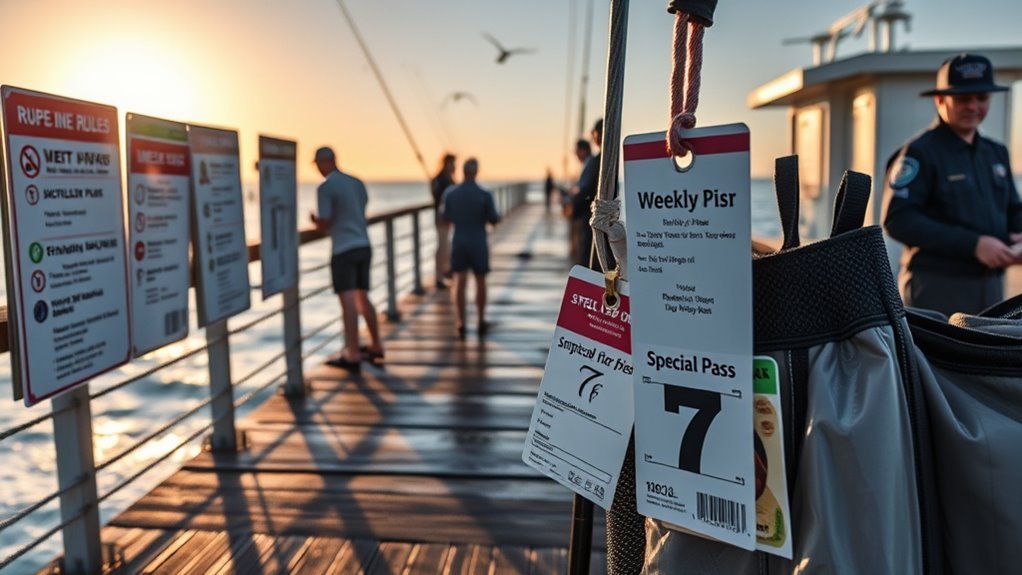
While most anglers aged 16 and older must hold a valid fishing license, fishing from public ocean piers is exempt from the license requirement—pier access must be unrestricted for fishing to qualify—so you can fish there without buying a license but must still follow all bag, size, gear, and seasonal regulations; note that a 7‑day sport license isn’t sold directly (anglers can combine a two‑day license with an additional five‑day validated period), and designated free fishing days also let unlicensed individuals fish legally on specified dates.
You should treat pier fishing as conditional access: public piers are defined by unrestricted fishing access, and private or permit-only structures don’t qualify.
Even on exempt piers you must comply with fishing regulations covering species limits, minimum sizes, seasonal closures, gear restrictions, and reporting where required.
Combining short-term validations offers a legal, flexible alternative to a weekly pass. Use legal limits to guide effort, and prioritize selective gear and immediate release of protected or overlimit catches to support conservation goals.
Frequently Asked Questions
Can I Buy a 7-Day License as a Gift for Someone Else?
Yes — you can usually buy a 7-day license as a gift, but check gift card options and transferability rules: many agencies allow purchaser gifting or electronic transfer, require recipient ID, and restrict refunds to protect conservation funding.
Are There Senior Discounts for Weekly Fishing Licenses?
Yes — but check eligibility first: you’ll meet senior eligibility requirements only if your state’s age threshold and residency match, and discount availability options vary by agency, so confirm rates and documentation to secure reduced fees.
Does a 7-Day License Cover Both Freshwater and Saltwater?
Yes — your 7-day license typically covers both freshwater and saltwater, but you’ll need to follow freshwater regulations and saltwater species limits, seasons, and areas; verify local agency rules to guarantee compliance and conservation-minded harvesting.
Can I Get a Refund if Plans Change During the Week?
No, you typically won’t get a refund if plans change during the week; refund policies rarely allow it. You can check for exceptions, but license transfer options are limited, so plan purchases to minimize wasted conservation funding.
Is Online Proof of a Weekly License Accepted at Checkpoints?
Yes — you can usually show online verification at checkpoints; you’ll need a readable screen or printout, comply with checkpoint policies, and guarantee the digital receipt displays permit number, dates, and your name for conservation enforcement and data accuracy.
Conclusion
You can pick a 7‑day fishing license when you need short-term access without committing to a yearly pass; compare one‑, two‑, ten‑day and weekly rates to get the best value. Remember to validate required report cards and consider reduced‑fee or free options if you qualify. Buy licenses online, at dealers, or at CDFW offices, and follow rules and pier exemptions — measure twice, cut once: responsible fishing protects fish populations and future access for all.
