
If you plan to fish in Illinois and you live in another state, choosing the right non-resident fishing license depends on how long you will fish and what species you want to target. Illinois offers 24-hour, 3-day, and annual options, but trout and salmon may require an extra stamp. The rules and prices below reflect the 2026 license year.
Quick Answer
In 2026, an Illinois non-resident fishing license costs $10.50 for 24 hours, $15.50 for up to three consecutive days, or $31.50 annually. Non-residents age 16 or older generally need one before fishing. Trout or salmon fishing may also require a $6.50 stamp, and annual licenses expire March 31, 2027.
Last Updated: July 28, 2026
Key Takeaways
- Non-residents age 16 or older generally need an Illinois sport fishing license.
- The 2026 prices are $10.50 for 24 hours, $15.50 for up to three consecutive days, and $31.50 for an annual license.
- An Inland Trout Stamp or Lake Michigan Salmon Stamp costs $6.50 for licensed anglers who target covered species.
- Carry your license while fishing; Illinois accepts an electronic copy.
- Boundary-river reciprocity, qualifying disabled-veteran status, licensed daily-fee fishing areas, and other narrow exceptions may apply.
Who Needs an Illinois Non-Resident Fishing License?
Under the Illinois Fish and Aquatic Life Code, a non-resident who is 16 or older generally must obtain a non-resident sport fishing license before taking or attempting to take protected aquatic life in Illinois.
Non-residents under age 16 may fish without a license. Adults who are only watching a child do not need a license, but casting, baiting a hook, setting a line, or helping reel in a fish counts as participating in fishing.
Warning: A child’s license exemption does not cover an adult who helps fish. An unlicensed adult should not cast, bait, set the hook, or reel in the fish.
A few exceptions may apply, including qualifying disabled veterans, certain boundary-river situations, licensed daily-fee fishing areas, and narrow private-property exemptions. Each exception has specific conditions, so do not assume that visiting, military service, disability, or owning land automatically removes the license requirement.
Products Worth Considering

Decorative Item Only: This product is a vintage-style decorative license plate, crafted as a replica/artifact. It is NOT a real license plate and cannot be used as such. Please comply with all applicable laws—it must NOT be mounted on any vehicle to replace, cover, or imitate an official license plate. Use only for indoor or outdoor decoration where legally permitted.


Team colored license plate measures 6-inches by 11.5-inches
Illinois Non-Resident Fishing License Costs for 2026
The Illinois Department of Natural Resources license fee page lists three non-resident sport fishing options for 2026. Fees may be subject to change, and an additional transaction fee may apply.
| License | 2026 Fee | Validity | Best For |
|---|---|---|---|
| 24-hour sport fishing | $10.50 | 24 hours from the effective date and time shown on the license | A single day or overnight trip |
| 3-day sport fishing | $15.50 | Up to three consecutive fishing days | A weekend or short vacation |
| Annual non-resident sport fishing | $31.50 | Until March 31 following the license year | Several trips or a longer stay |
An annual 2026 Illinois fishing license bought on or after March 1, 2026, expires March 31, 2027—not one year from the purchase date.
Products Worth Considering

Perfect Dimensions: This decorative license plate measures 6 inches by 12 inches, designed specifically to fit the front of your vehicle as a vanity plate that adds personality and style to your car's appearance

Magnet measures 3.50 inches wide by 1.75 tall
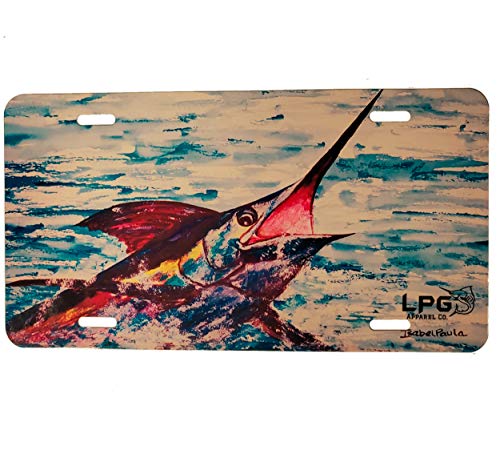
LPG Apparel Co. Big Game Sport Fishing Vanity Front License Plate Tag | Made in the USA. Our plates feature famous marine artists sublimated on premium metal plates! to last years in front of your vehicle
Trout and Salmon Stamp Costs
A standard fishing license does not cover every trout or salmon situation. Licensed resident and non-resident anglers generally need:
- Inland Trout Stamp: $6.50 to take or attempt to take trout in Illinois waters other than Lake Michigan.
- Lake Michigan Salmon Stamp: $6.50 to take or attempt to take salmon or trout in Lake Michigan.
People who are legally exempt from the sport fishing license requirement are also exempt from these trout and salmon stamp requirements. Always check the current season, stocked-site rules, harvest limits, and closures before fishing.
How to Purchase Your Non-Resident Fishing License
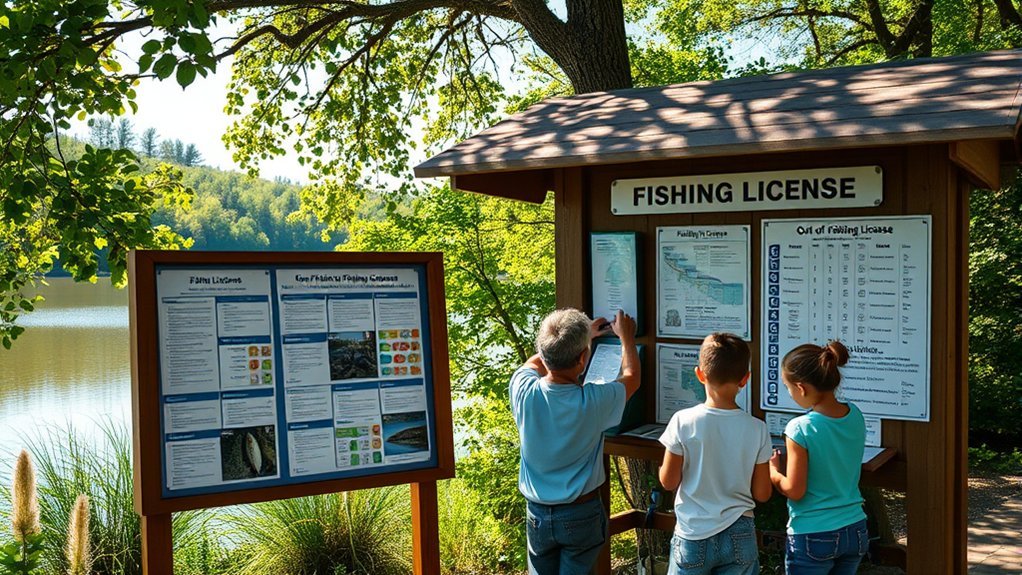
You can buy an Illinois non-resident fishing license online or from an authorized vendor.
- Choose the license period. Pick the 24-hour, 3-day, or annual option based on your fishing dates.
- Buy online. Use the official ExploreMoreIL licensing system.
- Or find a vendor. Use the official IDNR vendor locator for nearby agents.
- Add required stamps. Select the Inland Trout Stamp or Lake Michigan Salmon Stamp if your plans require one.
- Save the license. Keep the electronic PDF on your phone or print a copy before heading to the water.
IDNR states that a valid Social Security number is required for a license purchase. The licensing system may also request identifying details such as your date of birth and an ID or customer number.
Pro Tip: For a 24-hour license, confirm the effective date and time before paying. For a 3-day license, match the selected period to the exact days you expect to fish.
What Must You Carry While Fishing?
Illinois anglers should have their sport fishing license in their possession while fishing. The official iFish Illinois FAQ says an electronic copy is acceptable, so you may show the license on your phone instead of carrying only a paper copy.
The current fishing guide does not state that every licensed angler must also carry a separate photo ID while fishing. However, proof of identity and legal residence is required when a license is issued, and carrying a government-issued photo ID can help if an officer needs to confirm your information.
Non-residents under 16 do not need a fishing license. The fishing rules do not create a general requirement that every exempt child carry separate identification, although an ID or proof of age may help resolve questions in the field.
Note: Save the license PDF to your phone before leaving home. Remote fishing areas may have weak cellular service, and a screenshot or downloaded file is easier to display offline.
Exemptions and Special Situations
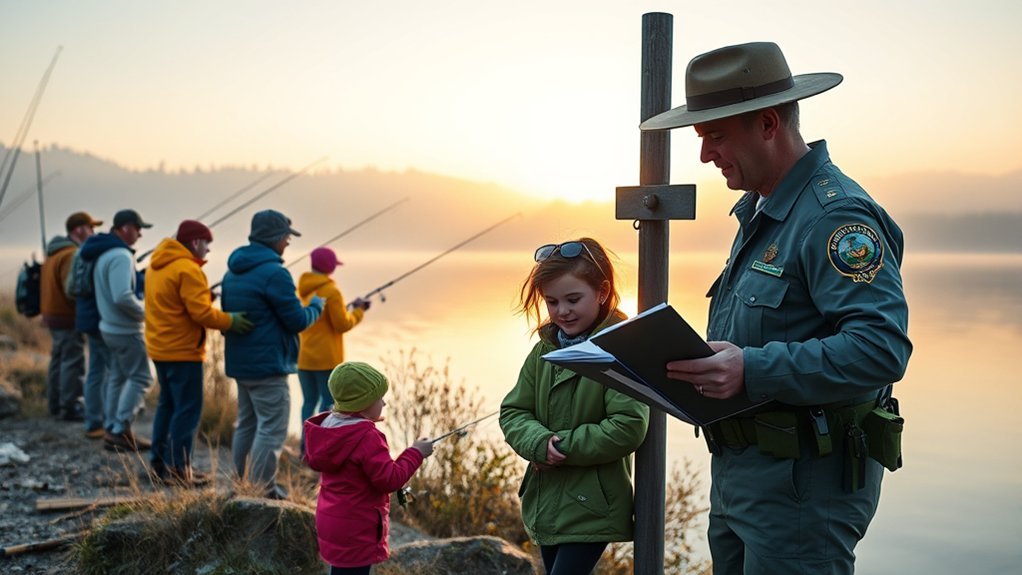
The most relevant Illinois fishing license exemptions and special situations include:
- Anglers under 16: Resident and non-resident anglers under age 16 may fish without a sport fishing license.
- Qualifying disabled veterans: Resident or non-resident veterans certified as at least 10% disabled by a service-connected condition, or receiving a total disability pension, may fish without a license if they can fish safely and carry acceptable proof.
- Boundary rivers: Illinois may recognize a valid license from an adjoining state on designated boundary waters. The exact bank, tributary, backwater, and equipment rules differ by river.
- Licensed daily-fee fishing areas: Resident and non-resident anglers fishing at an IDNR-licensed daily-fee fishing area do not need a sport fishing license or Inland Trout Stamp.
- Private-property exemption: An owner or bona fide tenant who actually resides on the land, plus certain close relatives who permanently reside there, may fish waters lying on or flowing over that land without a license. This does not apply to club lakes, organizational lakes, or lake developments.
- Free Fishing Days: Illinois waived license, salmon stamp, and inland trout stamp requirements from June 19 through June 22, 2026. These dates change each year.
A general non-resident disability does not create a license exemption unless the person qualifies under the disabled-veteran rule. Likewise, the military leave exemption applies to a person who entered the Armed Forces from Illinois, remains an Illinois resident, and is on ordinary or emergency leave; it is not a blanket exemption for every active-duty visitor.
Warning: Boundary-water and private-property exemptions are narrow. Check the 2026 Illinois fishing guide and the exact waterbody rules before relying on one.
Renewal and Replacement of Non-Resident Fishing Licenses
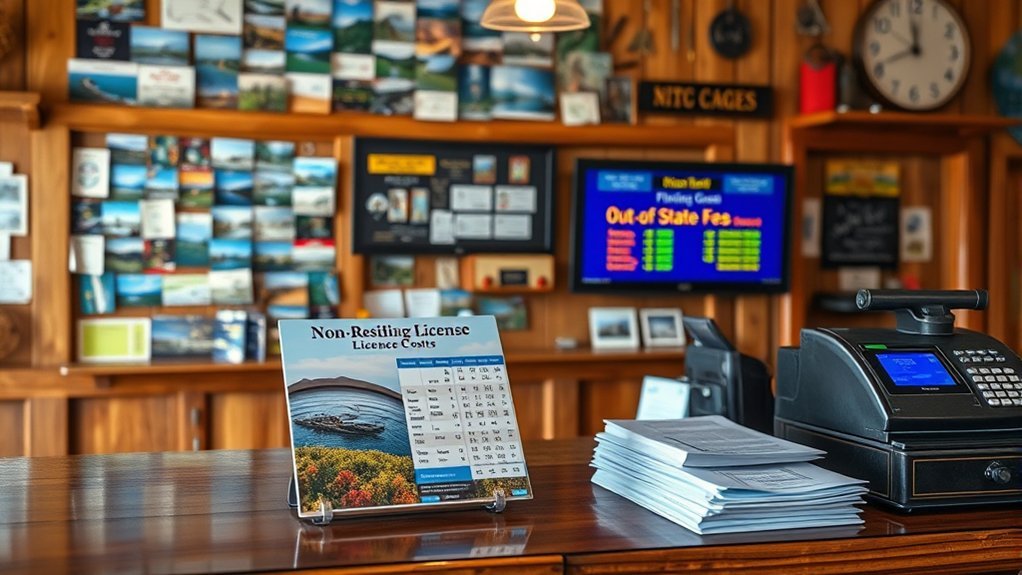
Annual Illinois fishing licenses expire on March 31. The 2026 license year began March 1, 2026, and an annual license purchased on or after that date expires March 31, 2027. A 24-hour license expires 24 hours after the effective date and time printed on it, while the 3-day option covers no more than three consecutive fishing days.
To continue fishing after an annual license expires, purchase the new license-year product through ExploreMoreIL or an authorized vendor. Check the year carefully before paying: IDNR warns that a license bought before the new license year begins may still be for the prior year, and refunds may not be issued.
If you lose a license purchased online, the IDNR reprint instructions say you can reprint it online at no charge. A vendor can also replace an over-the-counter license, but a replacement or transaction fee may apply.
Check Fishing Regulations Before You Go
A non-resident fishing license gives you the right to fish only within Illinois law. It does not override seasons, daily harvest limits, possession limits, minimum or protected-slot length limits, legal-method rules, closed areas, or site-specific restrictions.
Use the official 2026 Illinois Fishing Information guide and the iFish Illinois waterbody pages to check:
- Statewide and site-specific harvest limits
- Minimum lengths and protected-slot limits
- Trout and salmon seasons and stamp requirements
- Number of poles, hooks, and unattended-device rules
- Boundary-river reciprocity and bank restrictions
- Temporary closures or emergency rule changes
Illinois is a freshwater state, so the original idea that an Illinois license covers saltwater species such as flounder or snapper is incorrect. The license covers lawful fishing for species found in Illinois waters, subject to all current species and site rules.
Frequently Asked Questions
Can I fish without a license if I’m just visiting Illinois?
Usually not. A non-resident age 16 or older generally needs an Illinois sport fishing license before fishing. Exceptions may apply for qualifying disabled veterans, certain boundary waters, licensed daily-fee fishing areas, and designated Free Fishing Days.
Are there additional fees for certain fishing areas or species?
Possibly. Licensed anglers targeting inland trout or Lake Michigan salmon and trout generally need a $6.50 stamp. A transaction fee may apply when buying a license, and some access points or privately operated fishing areas may charge separate site fees.
At what age does a non-resident need an Illinois fishing license?
A non-resident generally needs a license at age 16. Anglers under 16 may fish without an Illinois sport fishing license.
What fish can I catch with a non-resident license?
You may fish for species that can be legally taken in Illinois waters, subject to seasons, methods, size limits, harvest limits, and site rules. Trout and salmon may require an additional stamp. An Illinois license does not cover saltwater fishing because Illinois has no saltwater fishery.
How long is an Illinois non-resident fishing license valid?
The 24-hour license lasts 24 hours from the effective date and time shown on it. The 3-day license covers up to three consecutive fishing days. An annual license expires March 31 following its license year; a 2026 annual license bought on or after March 1, 2026, expires March 31, 2027.
Do I need a paper license while fishing?
No. Illinois accepts an electronic copy of the fishing license. Save the PDF or a clear offline copy on your phone before traveling to an area with limited service.
Can I use a neighboring state’s license on an Illinois boundary river?
Sometimes. Illinois has reciprocal arrangements on certain boundary rivers, but the recognized water, bank, tributary, backwater, and equipment rules differ. Read the boundary-river section of the current Illinois fishing guide before fishing.
Conclusion
For most out-of-state anglers age 16 or older, fishing legally in Illinois starts with a $10.50 24-hour license, a $15.50 3-day license, or a $31.50 annual license. Add the correct trout or salmon stamp when needed, keep an electronic or paper copy of your license with you, and review the rules for the exact lake, river, or stream before casting.
Sources
- 2026 Illinois Fishing Information — license ages, fees, validity, stamps, exemptions, replacements, and boundary-river rules
- Illinois Department of Natural Resources Fishing Licenses — current 2026 license and stamp prices
- Illinois Fish and Aquatic Life Code — statutory license requirements, exemptions, and license duration
- IDNR License Sales, Vendors, and Information — purchase requirements and official sales links
- iFish Illinois Fishing FAQ — electronic license copies, age rules, and common exemptions
- IDNR Reprint an Online License — online and vendor replacement guidance
