
In Idaho you don’t need to buy a fishing license for kids under 14, but anyone 14 or older must carry one; an annual youth license is about $23.75. Nonresident kids under 14 must fish with a licensed adult unless they purchase their own license to have independent daily and possession limits. Special permits (salmon, steelhead, two poles) still apply to youth. Follow size and bag limits for conservation, and keep reading for details on permits and purchase steps.
Who Needs a Fishing License in Idaho

Who needs a fishing license in Idaho? You do if you’re 14 or older: Idaho’s fishing license requirements mandate a valid license for anyone 14+.
Youth under 14 don’t need a license, but their catch counts toward the limit of the licensed adult they’re with, so you’ll need to monitor combined totals to stay within possession and daily limits.
If you’re a nonresident youth under 14, you must be accompanied by a licensed adult, though you can choose to buy your own license to claim an independent limit—plan accordingly.
Special permits may still apply for specific species like salmon or steelhead, so you shouldn’t assume youth exemptions cover all situations.
You should check current youth fishing regulations before each trip, confirm required permits, and record catches accurately.
Following these data-driven rules helps protect fish populations, guarantees legal compliance, and keeps youth angling sustainable for future seasons.
Age-Based License Rules for Kids and Teens
Because Idaho treats anglers under 14 differently, you don’t need a general fishing license if you’re 13 or younger, but those youth still count toward separate resident limits and must be supervised if they’re nonresidents.
Anglers 13 and under don’t need a general license, but they follow youth limits and nonresidents require adult supervision.
Nonresident kids under 14 can fish only with a licensed adult unless they buy their own license to claim an independent limit, and everyone—regardless of age—may need special permits for species like salmon or steelhead.
You should know these age-based rules to stay compliant and support conservation. Youth fishing education and fishing safety practices are essential components of responsible participation.
- If you’re a resident under 14, you fish license-free but follow distinct youth limits; learn those limits via official guidance.
- If you’re a nonresident under 14, you must fish with a licensed adult unless you purchase a license to use your own limit.
- Special permits (salmon/steelhead) apply to all ages; obtain permits and follow reporting to protect stocks.
Resident Youth Fishing Limits and Costs

Several clear rules govern resident youth fishing limits and the minimal costs tied to them: residents under 14 don’t need a general fishing license but each youth has an independent catch limit set by the state, and you should know those numeric limits and any season or size restrictions before you fish.
You’ll find resident youth regulations emphasize per-child limits (for example, specific daily bag and possession counts) so each youth’s catch is tracked separately.
There’s typically no fee for general angling under 14, but special permits (salmon, steelhead) may carry small costs and specific quotas.
The policy balances participation and conservation: fishing limit benefits include reduced pressure on stocks, measurable harvest data, and clearer enforcement.
Before you go, check current numeric limits, seasonal closures, size minimums, and permit requirements online or from the local agency.
Following those rules keeps fishing sustainable and protects future opportunities for other youth anglers.
Products Worth Considering

The Best Glide ASE Survival Fishing Kit, Basic Version is assembled in the U.S.A. in a durable Made in the U.S.A. horizontal hinged-lid plastic container, which includes a Silica Gel Desiccant inside and is shrink wrapped outside to help you keep your Basic Emergency Fishing Kit moisture free.

【Premium Fishing Tackle Kit】- TCMBY high-quality freshwater fishing tackle kit gives kids, boys, beginner or starter plenty of options to catch most of fish, like Trout, walleye, smallmouth Bass, Panfish, ect.

Handy Fishing Tackle Box: Perfect for beginner and intermediate anglers, variety of 80 fishing gear enclosed in a 13.7x6.7x2.6cm plastic box with 8 grids, keeps tools organized; Lightweight and portable to enjoy fishing in fresh and salt water
Nonresident Youth Options and Pricing
If a nonresident youth under 14 wants to fish in Idaho, they must either be accompanied by a licensed adult or buy their own $23.75 annual youth license to have an independent daily and possession limit.
You’ll choose based on how you want catches counted and the activities you plan. Data: the $23.75 license is valid one year and confers adult-equivalent privileges; without it, the youth’s catch applies to the accompanying adult’s limit.
Special permits (e.g., salmon, steelhead) may still be required for nonresident youth fishing.
- Buy the $23.75 nonresident youth fishing license to secure independent fishing limits and full-year privileges.
- Fish while accompanied by a licensed adult if you prefer shared limits or don’t need permit-restricted species.
- Confirm if additional permits apply for target species—those requirements also cover nonresident youth.
This approach keeps harvest accountable, aligns with conservation goals, and clarifies legal responsibility for catch limits.
Products Worth Considering

Add a touch of humor and flair to your car with this funny "Weekend Hooker" front license plate. Perfect for the bass fishing enthusiast, this custom car tag is a great gift for men, especially for dads, husbands, or any fishing fanatic. Whether you're an outdoorsman or just enjoy a good laugh, this novelty license plate is sure to bring a smile to your face and enhance your fishing-themed car decor. Let your personality shine on the road with this fun and unique accessory.

Material :High-Quality Metal Aluminum With High Gloss Stamped Metal License Plate.Lightweight, Waterproof,Anti-Rust And Very Durable.

Premium Metal Plate Construction - Crafted with high-quality metal license plate materials for durability. Perfect as a Metal Plate Motorized Vehicle tag, vehicle plate, or custom metal plate that lasts in all weather conditions. This is a novelty/decorative plate and not a government-issued license plate.
How to Buy a Youth Fishing License
Now that you’ve weighed whether a nonresident youth should fish under an adult’s license or hold their own $23.75 annual permit, here’s how to buy that youth license.
You can complete online purchasing through Go Outdoors Idaho for immediate delivery; expect a modest processing fee for phone or web orders. If you prefer in-person, purchase at authorized vendor locations—Walmart and other retailers routinely issue youth licenses, which helps families plan trips without delay.
You’ll also buy by calling 1-800-554-8685; agents process the same $23.75 permit and add the applicable service charge. Because youth under 14 can fish license-free only when accompanied by a licensed adult, confirm residency rules before you buy.
Keep the printed or digital license accessible while fishing to support enforcement and conservation goals. Track expiration dates annually and renew via the same online purchasing portal or at vendor locations to maintain compliance and minimize impact on Idaho’s fisheries.
Products Worth Considering

UNIQUE DESIGN: Display your license plate with a frame as unique as you are. Designed to show off your one-of-a-kind style, our metal and durable frames are made to withstand all driving conditions.

Whether you like bass fishing, trout fishing, ice fishing or catfish fishing this shirt makes a great fishing gift idea.
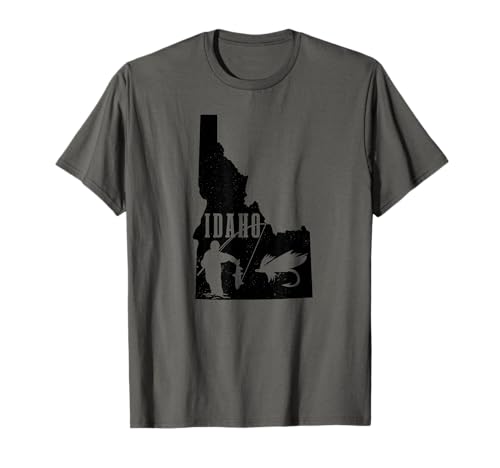
Idaho Fly Fishing design. This cool vintage flyfish design from Idaho is the perfect gift for Alaskan fishermen who love fishing for trout and salmon.
Special Permits and When Kids Need Them
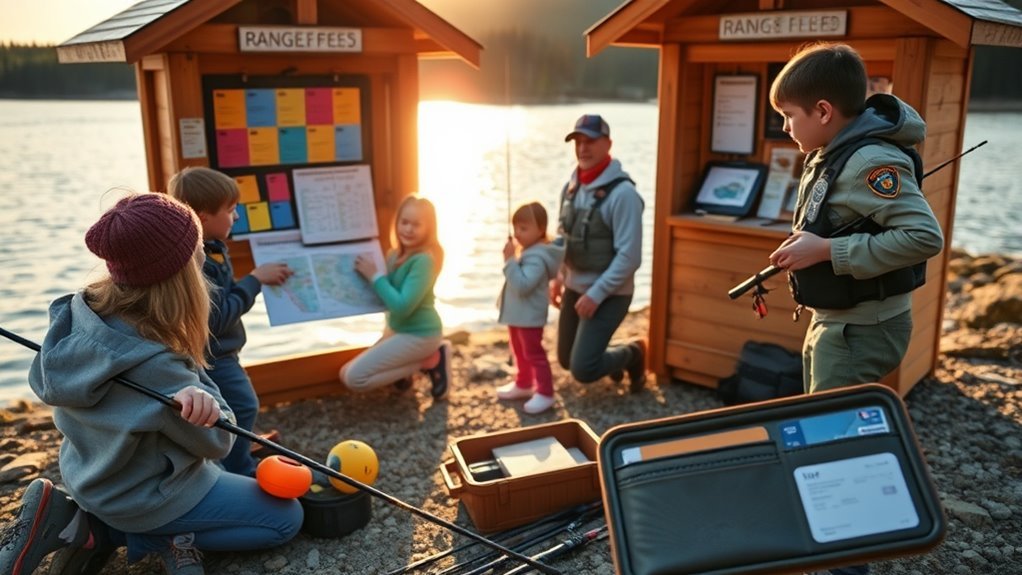
When you fish in Idaho, remember that some activities require extra permits beyond the basic youth rules: targeting salmon or steelhead and using two poles both trigger permit requirements for residents and nonresidents.
If a nonresident youth wants independent catch limits they can buy a one‑year junior license for $23.75; otherwise their catches count against the accompanying licensed adult.
These permits protect runs and manage effort, so check species- and gear-specific regulations before you fish.
When Extra Permits Apply
Because certain species and methods carry extra conservation concerns, special permits kick in beyond a basic youth exemption: both resident and nonresident anglers of any age need salmon and steelhead permits, and activities like using two poles require an additional permit that applies to youth as well.
You should track permit types and local fishing regulations before you fish. Nonresident youth under 14 must fish with a licensed adult or buy their own license to have an independent limit; otherwise their catch counts against the adult’s limit.
Resident youth under 14 are license-exempt but still subject to separate limits and any special permit requirements.
- Verify species-specific permits (salmon/steelhead) for all anglers.
- Confirm method permits (e.g., two poles) for youth.
- Check accompaniment and limit rules for nonresident minors.
Two-Pole and Salmon
If you’re planning to fish with two poles or target salmon and steelhead, plan for two additional permits: a $17 two-pole permit and a $28.25 salmon/steelhead permit, both required of residents and nonresidents and enforceable even for youth. You should know: resident youth under 14 don’t need a general license but their catch counts toward the accompanying adult unless they buy their own permit; nonresident youth under 14 must be with a licensed adult but may purchase individual licenses.
| Permit type | Cost |
|---|---|
| Two-pole permit | $17.00 |
| Salmon/steelhead permit | $28.25 |
| Note | Applies to residents and nonresidents, including youth |
Follow rules for two pole fishing and obtain salmon permits to avoid penalties and support conservation.
Tips for Teaching Responsible Youth Anglers

Although teaching starts with basic casting and knot-tying, you should immediately introduce legal and conservation responsibilities: in Idaho, anglers 14 and older must carry a license while those under 14 can fish license-free but count toward an adult’s limits unless they hold their own permit.
Emphasize fishing etiquette and conservation education from the first outing. Explain size and bag limits, how each child’s catch may affect overall quotas, and why follow-through (measuring, recording) matters for stock sustainability.
- Teach precise handling: use barbless hooks, wet hands, quick unhooking, measure fish accurately, and release promptly to reduce mortality rates.
- Model regulation compliance: check local rules before each trip, verify permit status for teens, and demonstrate reporting or log-keeping to track impacts on bag limits.
- Instill stewardship: carry out trash, avoid habitat disturbance, and discuss population data so kids link behavior to long-term fishery health.
Frequently Asked Questions
Can Children Fish From a Boat Without an Adult Present?
It depends on local fishing regulations: you usually need adult supervision for minors, so check rules. Follow safety guidelines, use life jackets, carry permits if required, and prioritize conservation-minded practices like catch limits and habitat protection.
Are There Discounts for Siblings or Family Fishing Passes?
Yes — many agencies offer family fishing discounts and sibling fishing rates: you’ll often save by buying a household or family pass, typically reducing per-person fees by 20–50%, supporting efficient administration and conservation funding.
Do Youth Need Separate Trout Stamp or Tags?
Yes — in many states you’ll need a separate trout stamp or tag even as a youth; check local trout stamp requirements and youth fishing regulations so you comply, record harvests, and support conservation funding.
What Equipment Sizes Are Recommended for Different Youth Ages?
About 70% of kids keep fishing after a great first catch, so you’ll choose youth fishing gear by age: 3–6 use 24–36″ kid rods, 7–10 use 36–40″ light rods, teens use 40–60″ age appropriate rods, conserve lines.
Are There Seasonal Closures Affecting Youth Fishing Access?
Yes — you’ll face seasonal regulations that close specific waters or species to protect spawning; check local dates and maps so you can plan fishing opportunities responsibly, minimize impact, and follow quotas, size limits, and gear restrictions.
Conclusion
You’ll want to get the right youth fishing license so you’re following Idaho law and protecting fish populations for future anglers. Data show age-based rules and resident vs. nonresident rates change who needs a permit; check current fees before you go. Think of your license as a reef of rules that sustains habitat—buying the correct permit is a small, precise step that yields measurable conservation benefits and keeps your outings legal and responsibly managed.
