
California makes it inexpensive for children to try fishing because anglers age 15 and younger do not need a state sport fishing license. However, families still need to check for species report cards, local lake permits, fishing limits, and access fees. Lake Cuyamaca, for example, charges its own daily fishing permit and is changing its youth rates on August 1, 2026.
Quick Answer
California does not sell a separate statewide youth fishing license. Anglers age 15 and younger may fish without a state sport fishing license, but they still need required species report cards. At 16, anglers need a regular license. Some waters, including Lake Cuyamaca, also charge local fishing permits.
Key Takeaways
- Children age 15 and younger do not need a California sport fishing license.
- Residents and nonresidents need a regular sport fishing license beginning at age 16.
- The 2026 annual fee is $64.54 for residents and $174.14 for nonresidents.
- Species report cards may be required even when the angler is exempt from buying a license.
- Lake Cuyamaca has a separate daily permit, with new fees and age brackets taking effect August 1, 2026.
At a Glance
| Time Required | About 5–10 minutes for an online state-license purchase; Lake Cuyamaca permits are purchased during check-in. |
| Difficulty | Easy, provided you verify the fishing location, target species, and current regulations first. |
| Tools Needed | CDFW customer information, payment method for paid products, and the correct report card or local permit when applicable. |
| Cost | $0 for the state license when the angler is 15 or younger. At age 16, the 2026 annual license is $64.54 for residents or $174.14 for nonresidents. Local permits and report cards cost extra. |
California Youth Fishing License Rules
The phrase “California youth fishing license” can be confusing because the state does not offer or require a separate youth license. Under California rules, children age 15 and younger may fish without buying a state sport fishing license.
Once an angler turns 16, a regular sport fishing license is required when attempting to take fish, shellfish, amphibians, reptiles, mollusks, crustaceans, or other covered species in California waters. The rule applies to both residents and nonresidents.
The official California Department of Fish and Wildlife licensing page lists current fees, report cards, validations, exemptions, and purchase options.
| Age | California State License Rule | Possible Extra Requirements |
|---|---|---|
| 15 and younger | No state sport fishing license required | Species report card, local fishing permit, parking fee, or facility access fee |
| 16 and older | Regular state sport fishing license required unless a specific exemption applies | Validations, report cards, and local permits may also be required |
Note: A local permit is not a substitute for a California sport fishing license. At locations that charge a fishing-access permit, an angler age 16 or older may need both products.
California Fishing License Costs in 2026
Because anglers age 15 and younger are exempt, their statewide sport fishing license cost is $0. This does not make every fishing trip free, since local permits, report cards, parking, boat rentals, and equipment may still add to the total.
Products Worth Considering

ARIZONA STATE FLAG DESIGN: Features the bold red, yellow, and blue of the Arizona state flag with full embossed detail.

DECORATIVE LICENSE PLATE – Signs 4 Fun License Plates give personality to any vehicle. These license plates do not intend to cover or block any existing license plate on a vehicle. Our decorative license plates can be hung on walls as well as decoration in man caves, garages, or other displays.

FISHING LICENSE HOLDER W/ZIP CLOSURE
2026 State Sport Fishing License Fees
| Product | 2026 Fee | Who Can Use It |
|---|---|---|
| Resident 365-day sport fishing license | $64.54 | California residents age 16 or older |
| Nonresident 365-day sport fishing license | $174.14 | Nonresidents age 16 or older |
| One-day sport fishing license | $21.09 | Residents or nonresidents fishing on one specified day |
| Two-day sport fishing license | $32.40 | Residents or nonresidents fishing on two consecutive days |
| Ten-day nonresident license | $64.54 | Nonresidents fishing for ten consecutive days |
The resident and nonresident annual products are valid for 365 days from the date of purchase. They do not expire automatically at the end of the calendar year.
Lake Cuyamaca Youth Permit Fees
Lake Cuyamaca requires its own fishing permit. This local charge applies separately from California’s state-license rules.
| Angler Group | Through July 31, 2026 | Effective August 1, 2026 |
|---|---|---|
| Adult | Age 16 or older: $10 | Age 16 or older: $12 |
| Youth | Ages 8–15: $5 | Ages 6–15: $7 |
| Child | Age 7 or younger: free with a paying adult | Age 5 or younger: free with a paying adult |
| Military youth | No separately listed category | Ages 6–15: $3 |
Check the district’s current hours and fees and its August 2026 price-change notice before visiting.
Eligibility and Additional Requirements
A child qualifies for California’s age-based license exemption through age 15. The exemption ends on the child’s 16th birthday, when a regular state sport fishing license becomes necessary unless another exemption applies.
Products Worth Considering

STARTER FISHING GEAR KIT includes: 65 inch camo green telescopic fishing rod, spinning reel, minnow net, beginner’s guide, fishing lures, carry case and tackle box stocked with gear.

Enough to Use: you will receive 6 pieces of fishing license holders, and 6 pieces of safety pins, abundant in quantity, enough for you to choose and replace, can meet your different needs; You can also share them with your friends

Premium Quality: Our durable license holder is crafted from water-resistant synthetic leather, designed to withstand the toughest hunting and fishing conditions. Soft to the touch and far more comfortable to wear than typical hard plastic options. Built to last with superior craftsmanship, ensuring reliable, long-term use.
Report Cards for Young Anglers
A child who does not need a sport fishing license may still need an official report card when fishing for:
- Steelhead in inland waters
- Sturgeon in California waters
- Spiny lobster in California ocean waters
- Salmon in the Smith, Klamath, and Trinity river systems
Report-card requirements also remain in effect for anglers using a public-ocean-pier exemption or fishing on a state Free Fishing Day. Anglers must carry the correct card and complete any required reporting.
Warning: “No license required” does not mean “no rules apply.” Size limits, bag limits, seasons, closures, gear restrictions, report cards, and local access permits can apply to anglers of every age.
Public Piers and Other Exceptions
California generally does not require a sport fishing license when a person fishes from a qualifying public pier in ocean waters. The structure must meet the state definition of a public fishing pier; not every dock, seawall, marina, jetty, or waterfront platform qualifies.
All other rules remain in effect, including seasons, size and bag limits, and applicable report cards.
How to Get the Required License or Permit
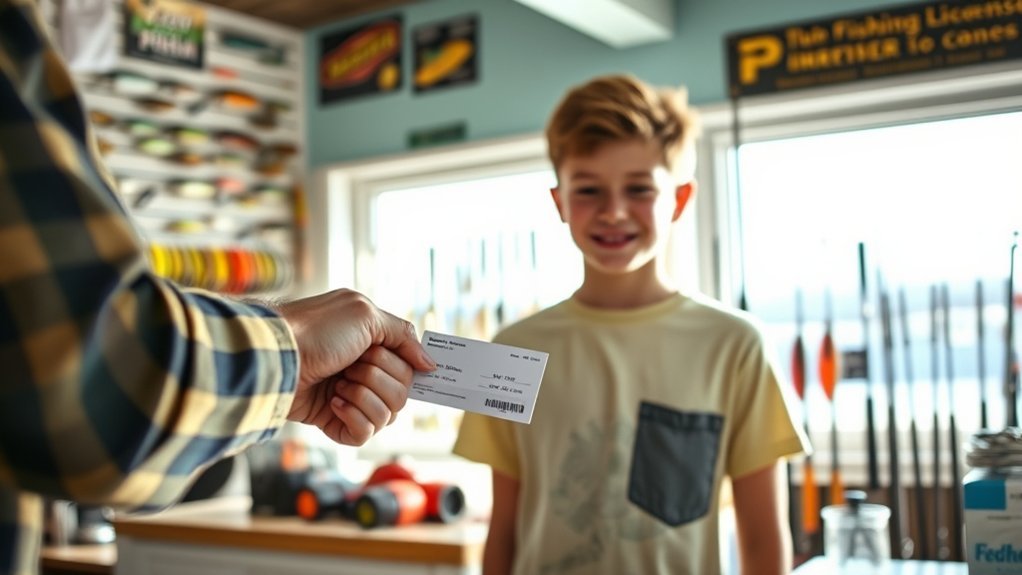
A child age 15 or younger does not need to purchase a state sport fishing license. Families should instead determine whether the child needs a species report card or a local fishing permit.
For an angler age 16 or older, use these steps:
- Identify the fishing location. Determine whether the trip involves inland water, ocean water, a public pier, a managed lake, or another special area.
- Check the target species. Confirm whether a report card or validation is required.
- Choose the license duration. Compare a one-day, two-day, ten-day nonresident, or 365-day product.
- Purchase through an authorized channel. California licenses are available through CDFW Online License Sales, authorized license agents, select CDFW offices, or the authorized telephone sales service.
- Carry proof while fishing. A required license, report card, and local permit must be in the angler’s immediate possession.
At Lake Cuyamaca, visitors must check in at the tackle shop to show any required California license and purchase the local fishing permit.
Pro Tip: Buy the state license and required report card before traveling, then confirm the destination’s local permit and check-in process. This reduces delays and prevents confusion between state and facility fees.
California sport fishing licenses, validations, and report cards are generally nonrefundable once purchased, even when they are not used.
Benefits of Youth Fishing Access
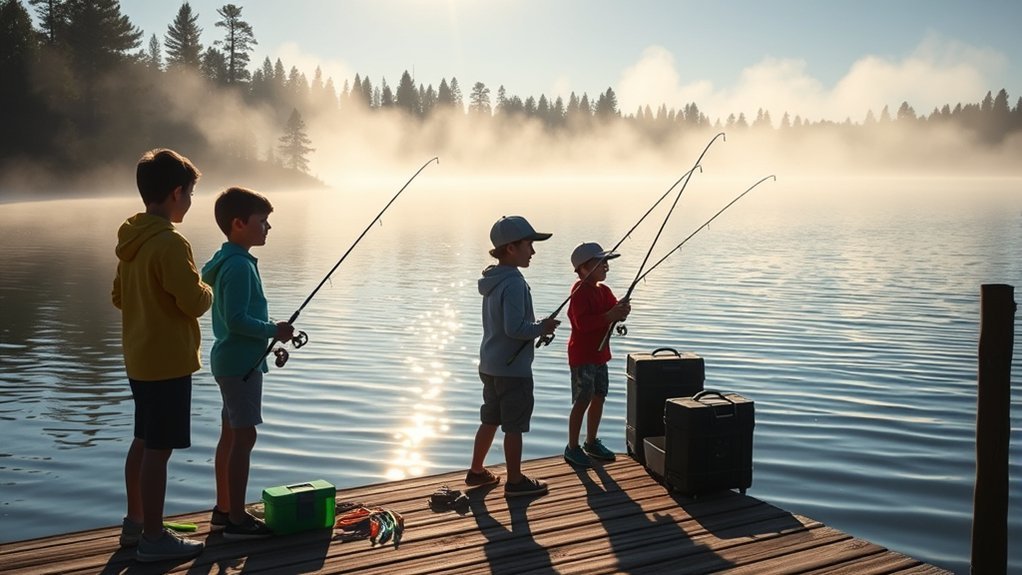
California’s license exemption removes a major cost barrier for families introducing children to fishing. Local youth permits can also keep managed-lake access less expensive than adult access.
Products Worth Considering

Comes with pre-drilled holes for easy installation

[Compliance] This license plate is a decorative craft item, not a real license plate. It is for interior decoration only and is prohibited from being installed on vehicles. Please comply with US laws and state regulations.
Decorative Item Only: This product is a vintage-style decorative license plate, crafted as a replica/artifact. It is NOT a real license plate and cannot be used as such. Please comply with all applicable laws—it must NOT be mounted on any vehicle to replace, cover, or imitate an official license plate. Use only for indoor or outdoor decoration where legally permitted.
Promotes Outdoor Activity
Fishing gives children a reason to spend time outside while practicing patience, coordination, observation, and basic outdoor safety. A short trip to a nearby pond or lake can be easier for a beginner than an all-day outing.
Family fishing trips may also help children:
- Learn how to cast, tie a basic knot, and handle fishing equipment
- Identify common fish and aquatic wildlife
- Practice teamwork and communication
- Develop respect for shared public spaces
- Build confidence through a new skill
Teaches Conservation Practices
Young anglers learn that fishing access comes with responsibilities. These include checking regulations, keeping only legal fish, reporting required catches, disposing of fishing line safely, and avoiding damage to shorelines and habitat.
California lets children age 15 and younger fish without a state license, but the same conservation rules and species-reporting duties can still apply.
CDFW’s guide to teaching children to fish recommends keeping early trips simple, focusing on the child, choosing easy-to-catch species, and modeling ethical angling.
Fishing Regulations for Youth Anglers
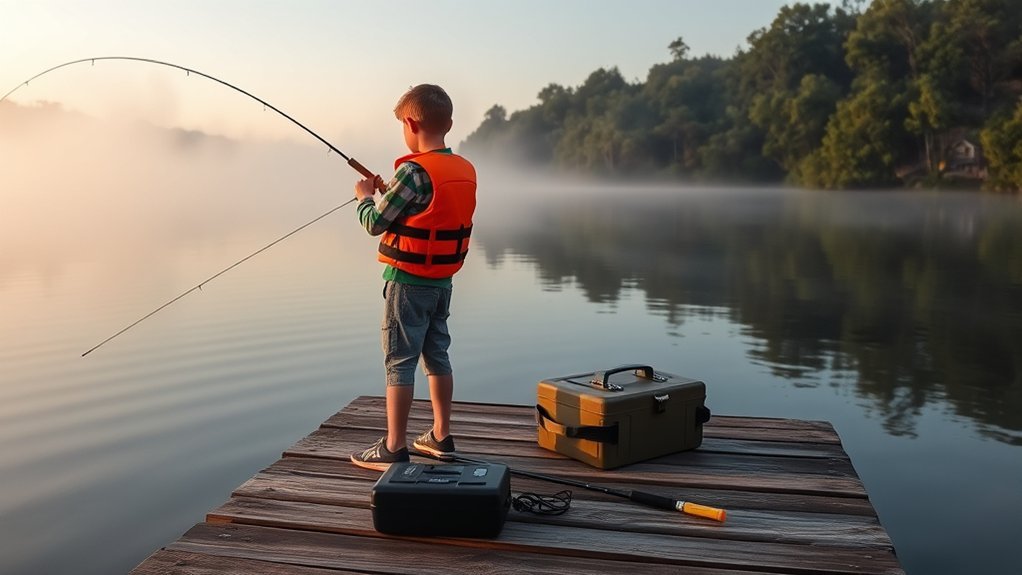
Youth anglers must follow the same applicable seasons, size limits, daily bag limits, possession limits, closures, and gear restrictions as adults. Rules vary by species and water, so families should check the current inland or ocean regulations for the planned destination.
Lake Cuyamaca Fishing Rules
Lake Cuyamaca allows fishing from one hour before sunrise until one hour after sunset. Night fishing is prohibited. The district currently lists these local catch rules:
- Trout: Limit 5; trout must be kept and may not be released.
- Channel catfish: Limit 5; anglers may keep or release them.
- Crappie, bluegill, and other panfish: Combined limit 25.
- Largemouth bass: Limit 5; anglers may keep or release them.
- Smallmouth bass: Must be released.
- Bullhead catfish: No local limit listed.
- Sturgeon: Immediate release is required under current state rules; do not remove the fish from the water.
Review the lake’s current fishing fees and catch limits before the trip because stocking, species rules, and operating policies may change.
Warning: Supervise children around hooks, steep banks, docks, and boats. Use a properly fitted life jacket where conditions or facility rules call for one, and never leave loose fishing line behind.
Free Fishing Days and Youth Programs
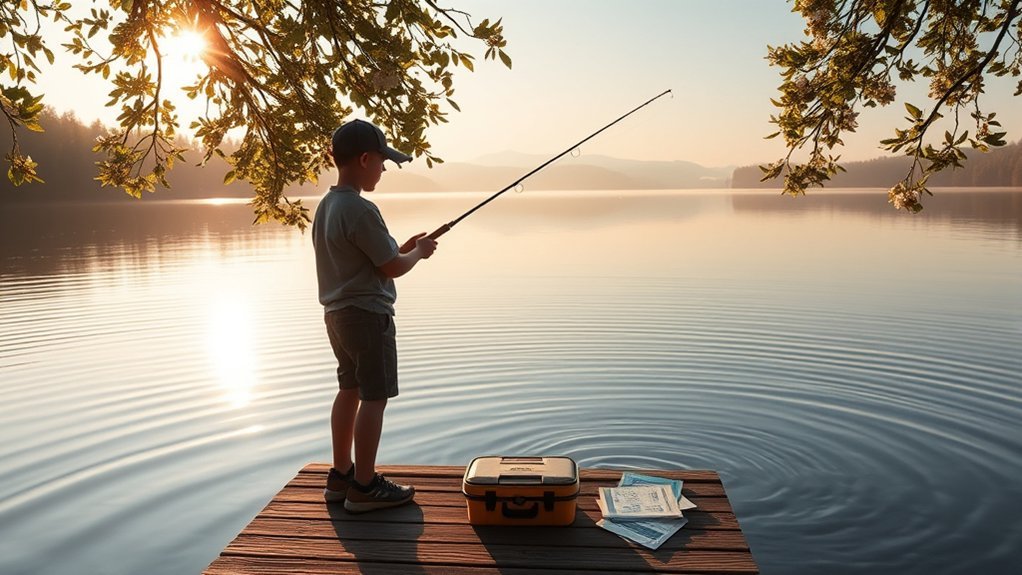
California offers two Free Fishing Days each year. The dates for 2026 are:
- Saturday, July 4, 2026
- Saturday, September 5, 2026
On these dates, people of any age may fish without purchasing a state sport fishing license. Children age 15 and younger already have a year-round license exemption, so Free Fishing Days are especially helpful when an adult family member wants to fish with them.
Free Fishing Days do not suspend bag limits, size limits, closures, fishing hours, gear rules, local permit requirements, or applicable report cards. Check the official California Free Fishing Days page before attending.
CDFW and partner organizations also offer Fishing in the City events, beginner clinics, and other educational activities. Availability and registration requirements vary by region.
Resources for Parents and Guardians
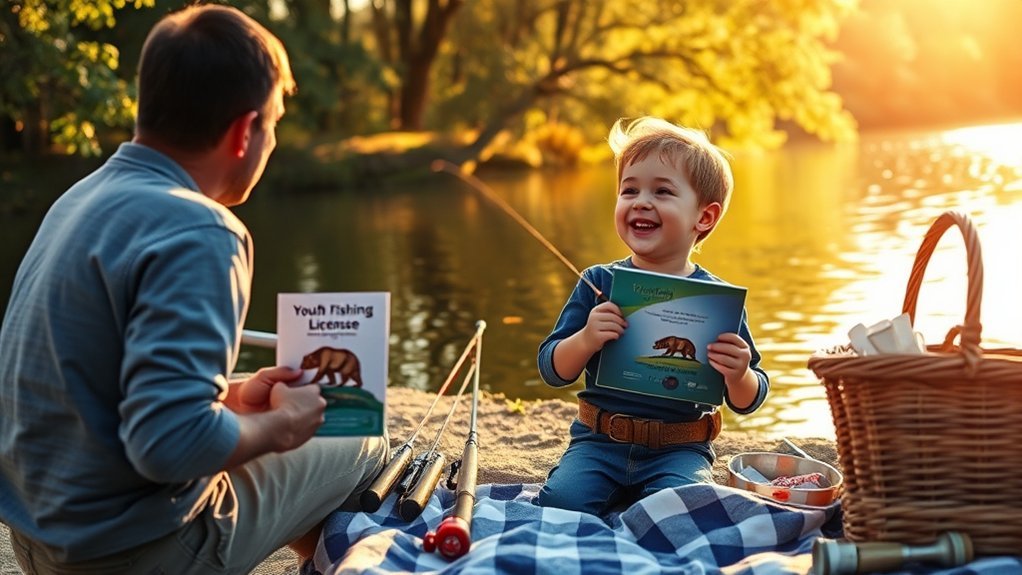
Use official sources when planning a youth fishing trip, especially when the article or social-media post you found does not show an effective date.
- CDFW fishing license page: Current state fees, age requirements, report cards, validations, exemptions, and FAQs.
- CDFW online sales: State licenses, report cards, validations, and duplicate products.
- CDFW regulations: Current inland and ocean seasons, limits, closures, and gear restrictions.
- Lake or park operator: Local fishing permits, parking fees, operating hours, check-in rules, and facility-specific limits.
- Youth fishing programs: Beginner clinics, equipment rules, registration requirements, and supervised instruction.
An adult who only accompanies and supervises a child does not need a sport fishing license merely to stand beside the child. The adult does need the appropriate license when the adult is attempting to catch fish.
Note: Verify the rules shortly before every trip. California adjusts many fees annually, and local lakes may change permit prices, age brackets, stocking schedules, hours, or catch policies during the year.
Frequently Asked Questions
Does California have a statewide youth fishing license?
No. Anglers age 15 and younger are exempt from buying a California sport fishing license. Beginning at age 16, they need a regular resident or nonresident license unless a specific exemption applies.
Can an unused California fishing license be refunded?
Generally, no. CDFW states that fishing licenses, validations, and report cards are considered valid from purchase and are nonrefundable.
Are there additional fishing fees at state parks or local lakes?
There can be. Parks, recreation districts, and managed lakes may charge fishing-access permits, parking fees, day-use fees, boat-launch charges, or other local costs. These charges are separate from the California sport fishing license.
Do youth need a fishing license for a private pond?
An angler age 15 or younger has the same statewide age exemption, but private-property status does not automatically cancel every fishing rule. Ask the owner for permission and verify whether the pond, fish species, water connection, or local rules create additional requirements.
Can a parent fish without a license while accompanying a child?
A parent may supervise without a fishing license, but the parent needs a valid license when attempting to catch fish. Handling the child’s equipment may also appear to be active fishing, so keep the roles clear.
What fish may a young angler catch in California?
A child’s age exemption does not grant unrestricted access to every species. The legal species, season, size, bag limit, gear, and reporting rules depend on the water and the fish being targeted.
How much is the Lake Cuyamaca youth fishing permit?
Through July 31, 2026, the permit is $5 for ages 8–15, and children 7 and younger are free with a paying adult. Effective August 1, 2026, the youth permit is $7 for ages 6–15, while children 5 and younger remain free with a paying adult.
Conclusion
California children age 15 and younger can fish without buying a state sport fishing license, making the activity easier for families to try. The exemption does not remove report-card requirements, catch limits, local permits, or safety responsibilities. At age 16, the angler needs a regular license. Before leaving home, confirm the destination, target species, current CDFW rules, and any facility-specific fees.
Sources
- California Department of Fish and Wildlife — Sport Fishing Licenses and Report Cards — backs age requirements, 2026 fees, report cards, exemptions, validity, and refund rules.
- California Department of Fish and Wildlife — Free Fishing Days — backs the 2026 dates and rules that remain in effect.
- California Department of Fish and Wildlife — Teach Your Child to Fish — backs parent licensing guidance and beginner-trip recommendations.
- Lake Cuyamaca Recreation and Park District — Hours and Fees — backs current local permits, age brackets, access hours, and check-in requirements.
- Lake Cuyamaca Recreation and Park District — 2026 Price Changes — backs the permit rates effective August 1, 2026.
- Lake Cuyamaca Recreation and Park District — Fishing Fees and Catch Limits — backs lake-specific catch and release rules.
