
You’ll need a $14.97 Trout Permit to fish for trout in Pennsylvania if you’re 16 or older. The Lake Erie Permit is $9.97, or you can buy the Trout/Lake Erie Combination for $15.97 to cover both at a lower combined cost. Permits are annual and valid through December 31. Purchase online or from agents, and carry your proof while fishing. Exemptions and discounts apply for youths, seniors, veterans, and disabled anglers. More details follow.
Quick Answer
- The Pennsylvania Trout Permit costs $14.97 and is required for anyone 16 or older who fishes for trout.
- The Lake Erie Permit costs $9.97. A combination permit covering both is $15.97.
- Permits are valid through December 31 of the purchase year and must be renewed annually.
- Youth under 16, disabled anglers, and 1-Day Tourist license holders are exempt from the trout permit requirement.
- Buy permits online through the official PA Fish and Boat Commission portal, at authorized agents, or at sporting goods stores.
What the Trout Stamp Covers and Who Needs It
If you plan to fish for trout in Pennsylvania, you must carry a Trout Permit printed on your fishing license. It costs $14.97 for anglers aged 16 and older. Persons under 16, disabled individuals, and holders of a 1-Day Tourist license do not need it.
The permit covers trout angling statewide and helps you comply with regulations governing possession limits, season dates, and authorized waters.
Residents and nonresidents who are 16 and older must both obtain the permit. Minors under 16, certified disabled anglers, and 1-Day Tourist license holders are exempt.
Lake Erie waters require a separate Lake Erie Permit ($9.97) unless you purchase the Combination Trout/Lake Erie Permit ($15.97), which covers both.
Fishing Lake Erie? You’ll need its own Lake Erie Permit ($9.97), or get the $15.97 Combination Trout/Lake Erie Permit to cover both.
Make sure you carry the correct permit combination to stay compliant with state fishing rules.
Products Worth Considering

DEADLY BAIT FOR ALL SPECIES: Designed not just for trout but other species like them too


Cost Breakdown for Residents and Non-Residents
Residents and non-residents both need the Trout Stamp to legally take trout in Pennsylvania. The fee structure is simple: the Trout Stamp is $14.97 for anglers 16 and older, the Lake Erie Permit is $9.97, and the Combination Trout/Lake Erie Permit costs $15.97. All fees fund fisheries conservation and management.
There is no separate pricing for in-state versus out-of-state anglers. Both pay the same base Trout Stamp fee, and both need it in addition to a regular fishing license.
For Lake Erie access, add the $9.97 permit, or choose the $15.97 combination for both trout and Lake Erie privileges at a lower total cost than buying separate stamps.
Choose your permits based on where you plan to fish. Carry them while on the water and follow area-specific rules to avoid violations.
Products Worth Considering

EDUCATIONAL: Ideal for STEAM curriculum, this fish can be used to introduce students or an entire classroom to a traditional Japanese fish printing technique. Learn how to make gyotaku (that's Japanese for 'fish print') by using a realistic fish replica made of rubber. It is an excellent interdisciplinary project that will stimulate discussion about Japanese culture, different species of fish, other types of nature printing, fish anatomy, and more.

Impression Size: 8mm

Fishing Silicone Stamps: Our fishing silicone stamps are designed with 16 patterns, including 6 different species of fishes, a fishing rod, several different fishing equipment and 3 greeting words and phrases. These patterns are perfect for making cards to record your fishing memories or adding to your stamps collection.
How to Purchase the Trout Stamp and Lake Erie Permit
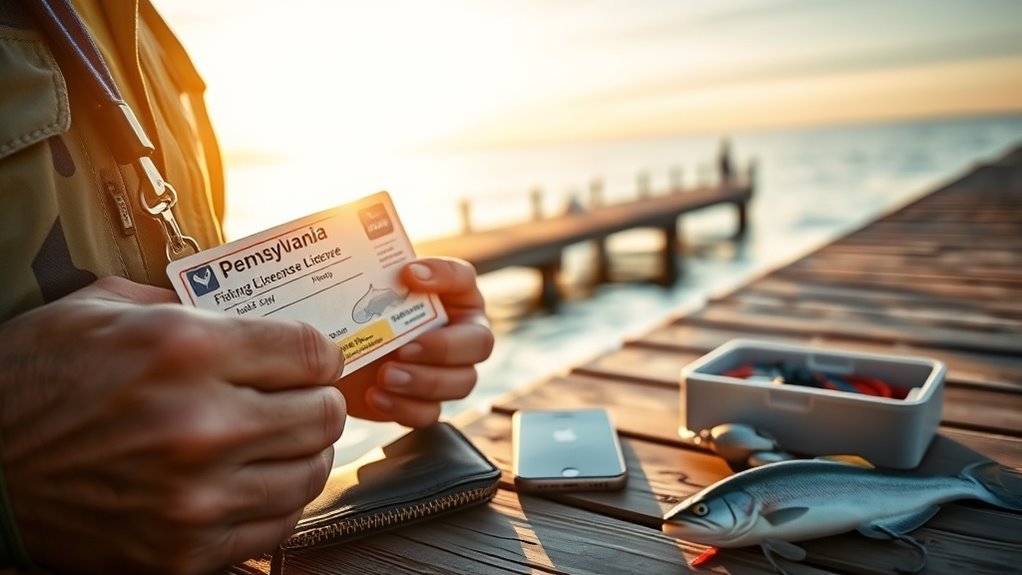
You can get the Trout Stamp and Lake Erie Permit through a few easy channels. Buy online through the Pennsylvania Fish and Boat Commission portal, then print or save your permit digitally. Authorized agents and local sporting goods stores sell physical copies. Always carry proof while fishing.
| Channel | Format | Typical Time |
|---|---|---|
| Official website | Digital/print | Minutes |
| Authorized agents | Physical receipt | Immediate |
| Sporting goods stores | Physical/assisted | Immediate |
To purchase, select your permit type, supply ID or age confirmation (16+), pay the fee, and choose your delivery format (print or digital). Keep the permit accessible while fishing. If checked by an officer, present your digital file or printed receipt. For combination purchases, select the $15.97 option to cover both trout and Lake Erie access.
Products Worth Considering

deep etched and wood mounted.
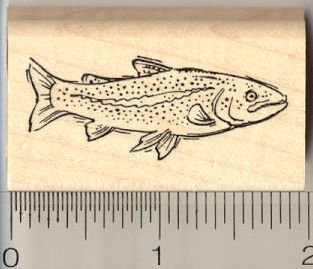
Approximate Size: 3/4" x 2"
Validity Periods and Multi-Year Options
Trout and Lake Erie permits follow the calendar year. Each Trout Permit ($14.97) and Lake Erie Permit ($9.97), or the $15.97 combination, is valid only through December 31 of the purchase year. Multi-year options are not available.
You must purchase permits each year to stay compliant. Plan your renewals before January 1 to avoid a gap in coverage.
Renewal works the same as the initial purchase: select the Trout, Lake Erie, or combination product and complete payment. Records do not carry over from year to year.
Refunds and automatic multi-year billing are not offered. Keep your digital receipt or printed license as proof of current-year coverage. Tracking the expiration date in a calendar or license app makes annual compliance easy.
Products Worth Considering

Sticker Size: 1.25 by 0.53 inches.

DEADLY BAIT FOR ALL SPECIES: This trout fishing lure is designed not just for trout but other species like them too, it is a must when talking about fishing lures for freshwater

Who doesn't love wading in freezing cold waters searching for an elusive trophy trout! Whether its brown, rainbow, cutthroat, brook or other native fish this comical pun is sure to be an outdoor family adventure favorite! Original StrikeAChordClothing Co.
Exemptions, Discounts, and Special Eligibility
Several groups qualify for fee waivers or reduced rates on Trout and Lake Erie Permits.
Veterans and active military may qualify for free or discounted permits depending on status and residency. Seniors and youth have defined reduced or free options, including Mentored Youth permits for those under 16. Disabled anglers and qualifying landowners may also be exempt.
Fees and eligibility rules differ by permit type, so confirm documentation requirements and program limits before you buy.
Products Worth Considering
Size: 5.94 by 2.34 inches High Quality Durable Vinyl Sticker With Uv Coating Easy Peel & Stick Application To Any Clean, Smooth Surface With proper care these will last for...
Veteran and Military Exemptions
Pennsylvania offers targeted exemptions and reduced rates for eligible veterans and military members:
Disabled veterans may receive free or reduced fishing licenses, including trout stamps and Lake Erie permits.
Pennsylvania residents on authorized military leave who are stationed outside the state can fish without a license while home on leave.
National Guard and Armed Forces Reserve members qualify for a discounted $2.97 fishing license. Active duty personnel stationed in Pennsylvania for six months under PCS orders qualify for resident fishing licenses.
Exemptions also cover anyone under 16, disabled persons, and holders of 1-Day Tourist licenses for trout and Lake Erie fishing. Documentation requirements and application procedures vary by exemption category.
Senior and Youth Discounts
Age-based discounts and exemptions are available for both seniors and youth.
If you are 65 or older, a Senior Resident Annual License costs $14.47. The Trout Stamp at $14.97 is still required as an add-on. Alternatively, a Senior Resident Lifetime License is available for $86.97 and includes a Trout/Saltwater Stamp valid for life.
Youth under 16 fish license-free. For trout, they must obtain a free Mentored Youth Permit and fish under adult supervision.
Disabled veterans may receive a no-cost Resident Annual License along with related permit eligibility.
All anglers still need special trout and Lake Erie permits unless exempted by age, disability, or a 1-Day Tourist license.
Disability and Landowner Waivers
Check your eligibility for disabled-veteran waivers and landowner permits before buying any trout or Lake Erie stamps.
Disabled veterans may receive free or reduced fishing licenses. Waivers can cover trout stamps or Lake Erie permits depending on documented disability benefits and state criteria.
As a landowner, you can apply for a landowner fishing license that permits fishing on your own property without a standard license. Youth under 16 and persons with disabilities may also be exempt from stamp requirements.
Confirm specific qualification rules, required documentation, and application procedures through the current trout season dates and regulations page on the Pennsylvania Fish and Boat Commission website.
Where Funds Go: Conservation and Programs Supported
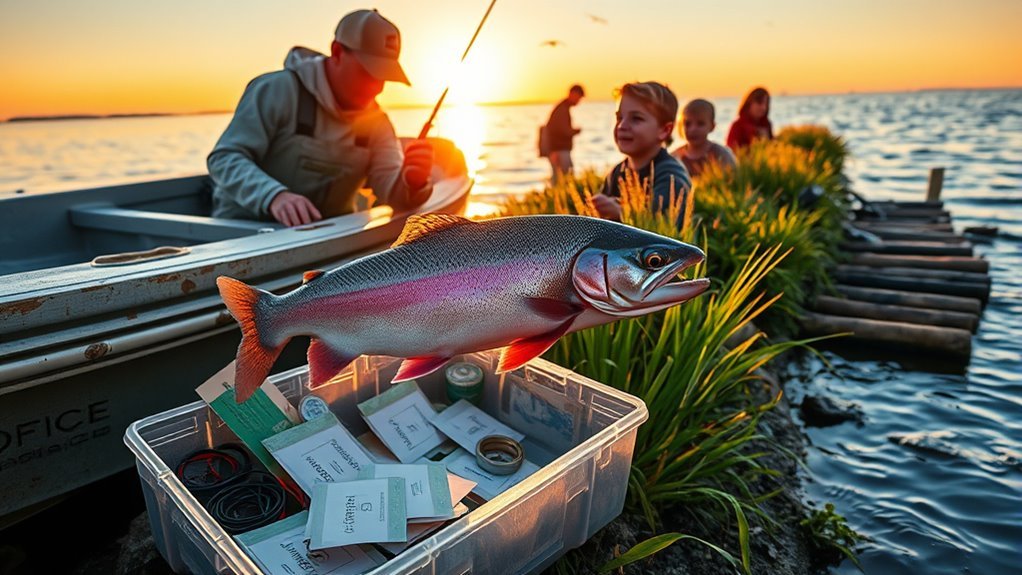
Trout stamp and Lake Erie permit revenue goes to targeted habitat restoration projects that restore stream structure, riparian buffers, and spawning substrates.
The funds also support fisheries research, including population surveys, tagging studies, and water-quality analyses that inform stocking and management decisions.
A portion is dedicated to youth conservation education programs that train future anglers in best practices and track program outcomes.
Habitat Restoration Projects
Revenues are directed to targeted interventions: stream bank stabilization, in-stream structure installation, riparian reforestation, and coldwater recharge measures. These projects measurably improve trout populations and aquatic ecosystem health.
The Pennsylvania Fish and Boat Commission directs funds to scalable, monitored projects that reduce sediment, lower peak water temperatures, and increase coldwater refugia. Local partners receive grants, and educational outreach supports long-term angler stewardship.
- Stabilized stream banks with engineered log jams
- Planted riparian buffers for shade and filtration
- Rock cross-vanes to form pools
- Coldwater recharge via spring protection
- Community-led restoration grant sites
Fisheries Research Funding
Revenues from trout stamps and Lake Erie permits fund fisheries research that guides management decisions. Dollars go to habitat restoration, targeted fish stocking, and ecosystem management.
The Pennsylvania Fish and Boat Commission conducts population surveys, telemetry studies, and ecosystem modeling. Annual reports present metrics: acres restored, stocking numbers, population trends, and project results for recreational fishing.
Educational resources, funded by license sales, reinforce best practices among anglers and support long-term program effectiveness.
Youth Conservation Education
Stamp and permit revenues fund the Youth Conservation Education program, which trains young anglers in fisheries science, ethical angling, and habitat stewardship.
Funds cover curricula, field training, and monitoring equipment. Grants support community outreach that scales conservation messaging and recruits volunteers for habitat restoration.
Outcomes are measured by participation rates, post-training assessments, and ecological indicators tied to restored habitats and fish population trends.
- Wetland restoration site visits
- Stream electrofishing demonstrations
- Water-quality sampling stations
- Youth-led riparian planting crews
- Classroom modules with lab kits
Rules and Restrictions for Trout and Lake Erie Fishing
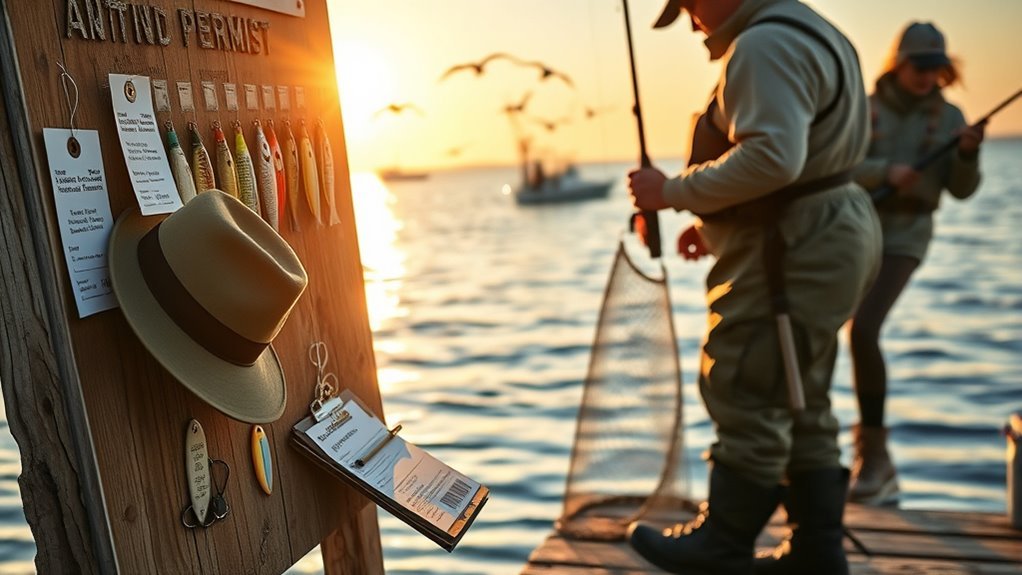
To fish for trout or in Lake Erie waters, you need the right permit printed on your fishing license. That means a Trout Permit ($14.97) for trout statewide, a Lake Erie Permit ($9.97) for Lake Erie and its tributaries, or the Combination Trout and Lake Erie Permit ($15.97) for both. Exemptions apply to anglers under 16, disabled persons, and 1-Day Tourist license holders.
Carry your license with the permit printed on it while fishing. Trout fishing regulations cover season dates, creel limits, size limits, and gear restrictions. Check current season notices before each trip.
For Lake Erie, species-specific limits, tributary boundaries, and commercial exclusion zones affect what you can legally keep. Combination permit holders must follow both rule sets.
Officers issue citations for missing permits or violations. Keep documentation of any exemptions (age ID, disability credentials, or tourist license) on your person. Check the official agency site for updates before every trip.
Frequently Asked Questions
Can I Get a Refund if I Change My Fishing Plans?
Generally, no. Refund policies vary by vendor and permit type. Check specific terms, cancellation windows, and documentation requirements before changing your plans.
Does the Trout Stamp Apply to Charter Boat Anglers?
Yes, in most cases. You’ll likely need the trout stamp unless charter regulations specifically exempt clients. Check whether the vessel permit covers each angler’s requirement before booking.
Are Digital Copies of the Stamp Accepted During Patrol Checks?
Yes. Officers typically accept electronic stamps if they display the date and ID clearly and come from the official issuing system. Keep in mind that offline access issues can sometimes complicate on-the-water verification.
Is the Stamp Transferable Between Family Members?
No. Each angler needs their own stamp. Officers cite individuals who lack their own, so buy one per person in your group.
Can I Buy the Stamp as a Gift for Someone Else?
Yes. You can buy the stamp as a gift, as long as you follow the issuing agency’s procedures for purchaser records and residency or licensing requirements.
Conclusion
You need the trout stamp and Lake Erie permit to legally fish for trout or use Lake Erie waters in Pennsylvania. Fees fund hatcheries, habitat restoration, and enforcement. Costs are the same for residents and non-residents, with exemptions available for certain groups. Buy online, at license vendors, or through authorized agents, and check validity dates each year. Follow limits, seasons, and gear rules to stay compliant and help support sustainable fisheries for future anglers.
