
A Florida saltwater fishing license costs $17 per year for residents and $47 per year for nonresidents in 2026. Visitors can also buy a three-day license for $17 or a seven-day license for $30. Your final cost may be higher if you need a snook permit, lobster permit, tarpon tag, or purchase-processing fees.
Quick Answer
In 2026, a Florida resident saltwater fishing license costs $17 annually, while a nonresident license costs $47 annually. Nonresidents can choose a $17 three-day or $30 seven-day license. Florida residents who fish only from shore may obtain a no-cost shoreline license, but additional species permits may still apply.
Key Takeaways
- Florida’s standard annual saltwater license is $17 for residents and $47 for nonresidents.
- The free shoreline license is available only to qualifying Florida residents and does not cover fishing from a vessel.
- Snook, lobster, tarpon, reef fish, shore-based shark fishing, and crab traps can require extra permits, tags, registrations, or courses.
- Children under 16 and Florida residents age 65 or older are generally exempt, but proof of age or residency may be required.
- License-free days waive the license requirement, not seasons, size limits, bag limits, gear rules, or closed-area restrictions.
Who Needs a Florida Saltwater Fishing License?
Florida residents and visitors generally need a recreational saltwater fishing license when they take or attempt to take saltwater fish, crabs, clams, lobster, marine plants, or other saltwater organisms.
The requirement applies even when you plan to release every fish. The Florida Fish and Wildlife Conservation Commission, or FWC, states that casting a line or assisting with the take can require a license. Baiting hooks, netting fish, removing fish from hooks, or otherwise helping an angler may count as participation.
A Florida license is also required when you land a saltwater species in Florida, even if the fish was caught outside state waters.
Warning: A basic saltwater license does not replace species permits, federal vessel permits, seasonal rules, bag limits, size limits, gear restrictions, or closed-area rules. Check the current regulations for your target species and exact fishing location before leaving the dock.

This daily devotional helps parents pray purposefully for their children through a full year of Scripture readings, reflections, and guided prayer prompts. Written to encourage faithful family discipleship, it offers practical, biblically grounded support for parents who want to shape their prayers around God's Word. A foreword by Sinclair B. Ferguson adds trusted theological insight and encouragement.

These colorful answer buzzers turn lessons, review games, and family activities into lively game-show style challenges that boost participation and make learning more interactive. Each buzzer has a distinct sound to clearly identify who buzzed in first, while the durable, palm-sized design makes them easy for kids and adults to use in classrooms, homeschools, and group settings.

This kid-friendly cookbook helps young chefs build confidence in the kitchen with more than 100 recipes designed for fun, learning, and delicious results. Created by America's Test Kitchen Kids, it offers approachable instructions, helpful guidance, and a wide range of dishes that make cooking and eating an engaging family activity.
Florida Saltwater Fishing License Costs
Florida’s current public prices depend mainly on residency and license duration. The standard prices below are published by the Florida Fish and Wildlife Conservation Commission.
2026 Costs at a Glance
| License Type | Base Price |
| Resident annual saltwater license | $17 |
| Resident five-year saltwater license | $79 |
| Nonresident three-day saltwater license | $17 |
| Nonresident seven-day saltwater license | $30 |
| Nonresident annual saltwater license | $47 |
| Resident shoreline-only license | No cost |
| Resident freshwater and saltwater combination | $32.50 annually |
| Resident hunting, freshwater, and saltwater combination | $48 annually |
Note: The listed license price may not equal your final checkout total. FWC currently adds either a $2.25 online handling fee or a $1.75 fee plus 2.95% of the sale. Telephone purchases add $6.25 plus 2.95% per person. Vendor or agent charges may also apply, and license sales are final and nonrefundable.
Resident vs. Nonresident Florida License Options
Florida residents receive lower annual and multi-year prices. To qualify as a resident for licensing purposes, you generally need a Florida driver license or identification card showing a Florida address and residency verification. Active-duty U.S. military personnel stationed in Florida, along with qualifying spouses and dependent children in the household, can also qualify.
The FWC lists other accepted residency documents for residents who do not have a Florida driver license or ID, including a current voter registration card, declaration of domicile, or Florida homestead exemption. Review the complete Florida residency requirements before selecting a resident license.
Nonresidents do not qualify for Florida’s no-cost shoreline license. A nonresident fishing from a beach, bridge, pier without a blanket license, private boat, or other saltwater location must generally buy the three-day, seven-day, or annual nonresident license unless another exemption covers the activity.
Pro Tip: A nonresident who will fish for more than seven days—or make two separate weeklong trips—may save money with the $47 annual license instead of buying multiple short-term licenses. Check any added species permits before comparing totals.
How the Free Resident Shoreline License Works
The no-cost shoreline license is available only to Florida residents fishing from land or a structure fixed to land. It covers common locations such as beaches, seawalls, docks, and bridges when the site is reached from land.
It does not cover:
- Fishing from a vessel.
- Fishing from an island or shoreline reached by vessel.
- Taking marine life while swimming or diving.
- Nonresident anglers.
Wading can remain covered when the angler entered from shore, can stand on the bottom, and did not reach the location by boat. The FWC’s shoreline license guide explains these boundaries in more detail.
Short-Term, Annual, Five-Year, and Lifetime License Choices
Your best option depends on residency, age, trip length, and the species you plan to target.
- Resident annual license: The standard $17 choice for a Florida resident who fishes from shore and boats.
- Resident five-year license: Costs $79, saving $6 compared with buying five separate $17 annual licenses at current prices.
- Nonresident three-day license: Costs $17 and suits a short weekend trip.
- Nonresident seven-day license: Costs $30 for a longer vacation.
- Nonresident annual license: Costs $47 and may be the better value for repeat visits.
- Resident freshwater/saltwater combination: Costs $32.50 annually for anglers who use both types of water.
- Resident Gold Sportsman’s License: Costs $100 annually and includes hunting, freshwater fishing, saltwater fishing, snook, lobster, and several hunting permits.
Optional Florida Youth License
Children under age 16 are generally exempt from Florida’s regular recreational fishing-license requirement. Florida nevertheless offers an optional $17 resident youth saltwater fishing license for ages 8–15. It remains valid through the holder’s 17th birthday.
The optional license can support conservation funding and may provide convenient proof of licensing privileges, but it is not required simply because a child is fishing.
Florida Lifetime Saltwater License Prices
Florida residents can purchase a lifetime saltwater license that includes saltwater fishing plus snook and spiny lobster permits. Current prices are:
- Age 4 or younger: $126.50.
- Ages 5–12: $226.50.
- Ages 13 and older: $301.50.
Residents age 16 or older with a Florida driver license or ID that verifies residency can purchase a lifetime license online or through a county tax collector. Additional identity and residency documents are required for younger children. See the official Florida lifetime-license instructions before applying.
Required Florida Saltwater Permits and Registrations
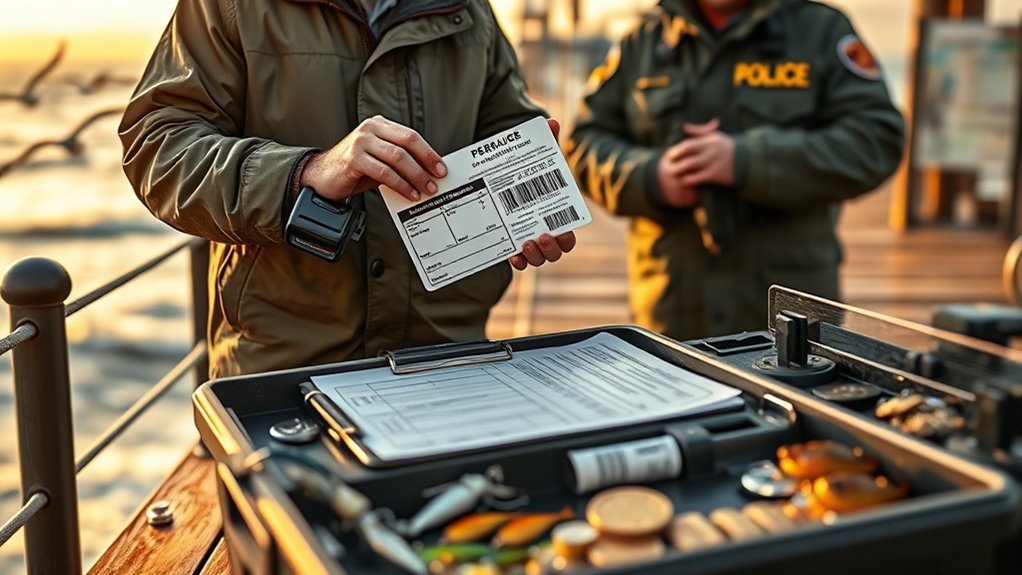
Florida does not use California’s Ocean Enhancement Validation, Second Rod Validation, North Coast Salmon Report Card, or Sturgeon Report Card. Florida has its own species permits, tags, designations, and registrations.
Snook Permit
A snook permit is required in addition to the saltwater license when taking or attempting to take snook, including from shore.
- Annual permit: $10.
- Resident five-year permit: $50.
Check whether snook harvest is open in your region before buying because permits are nonrefundable.
Spiny Lobster Permit
A spiny lobster permit is required when taking or attempting to take lobster.
- Annual permit: $5.
- Resident five-year permit: $25.
Tarpon Tag
A tarpon tag is required when legally landing a tarpon. The current annual tag costs $51.50 and is available through Florida tax collector offices. Catch-and-release anglers should review current tarpon handling and possession rules before fishing.
State Reef Fish Angler Designation
Anglers age 16 or older fishing from a private vessel for specified reef fish must add the State Reef Fish Angler designation to their FWC account. The designation costs $0, and the FWC states that no license exemptions remove this registration requirement.
Shore-Based Shark Fishing Permit
Anglers age 16 or older who take or attempt to take sharks from shore, bridges, jetties, or piers need a free shore-based shark fishing permit. Before obtaining it, the angler must complete the FWC educational course. The permit remains necessary even for many people who are otherwise exempt from the standard license requirement.
Blue and Stone Crab Trap Registration
Recreational harvesters age 16 or older who use blue crab traps or stone crab traps must obtain the appropriate annual registration through Go Outdoors Florida.
- Blue crab trap registration: $0.
- Stone crab trap registration: $0.
These registrations apply specifically to trap use. Other gear, trap-marking, seasonal, and harvest rules still apply.
Florida’s standard saltwater license may cost only $17 for a resident, but the correct legal setup depends on where you fish, how you fish, and which species you target.
Note: A Florida license does not replace a federal permit. A vessel fishing recreationally for Atlantic tunas, sharks, swordfish, or billfish may need an Atlantic Highly Migratory Species permit. Shark fishing under that federal permit also requires the applicable shark endorsement.
Free, Reduced-Fee, and Military Programs
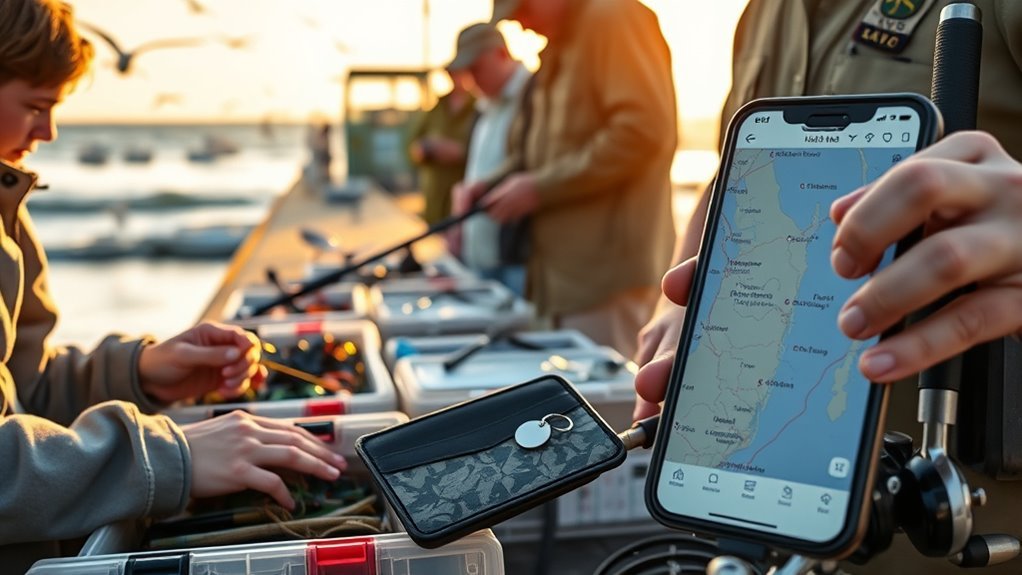
Florida offers several exemptions and no-cost or reduced-cost programs. Eligibility and documentation rules differ, so review the official FWC exemption page before relying on one.

Stay organized with a durable 1-subject notebook set designed for school, note-taking, and digital study support. The college ruled pages resist ink bleed, tear out cleanly, and work with the Five Star Study App to create flashcards and sync notes to Google Drive. Tough pockets, a water-resistant cover, and Spiral Lock wire help protect your work throughout the year.

These Rawlings practice baseballs are built for young players ages 8 and under, offering an easy grip and consistent feel for recreational play. Each ball features a synthetic leather cover with a solid cork and rubber center, plus official size and weight for reliable training. The set includes a durable bucket for convenient storage and transport, making it a smart choice for coaches, parents, and teams.

This heartfelt memoir blends laugh-out-loud honesty with tender reflections on love, loneliness, and the unexpected healing power of rescue dogs. Isabel Klee shares her journey fostering pups in the city while navigating dating and self-discovery, offering an intimate, relatable story for readers who enjoy emotional, character-driven narratives. It is a warm, engaging read about opening your heart and finding connection in surprising places.
Children and Resident Seniors
- Children under 16: Generally exempt from recreational fishing-license requirements, although all fishing regulations still apply.
- Florida residents age 65 or older: Generally exempt when carrying proof of age and Florida residency. A no-cost Resident 65+ Hunt/Fish Certificate is optional.
The senior exemption does not remove every possible tag or federal requirement. For example, a tarpon tag can still be required when landing a tarpon.
Florida Resident Disability License
Qualifying Florida residents who are certified as totally and permanently disabled may apply for a no-cost Florida Resident Disabled Person’s Hunting and Fishing License. Depending on the qualifying documentation, the license may be issued for two or five years.
Applicants must submit acceptable residency and disability documentation. A disability by itself does not automatically create an exemption unless the person qualifies under Florida’s program and possesses the required proof or license.
Military Options
Florida offers two important military provisions:
- Military Gold Sportsman’s License: Eligible Florida residents who are active-duty or retired military members can purchase this annual license for $20. It includes hunting, freshwater fishing, saltwater fishing, snook, lobster, and several hunting permits.
- Home-on-leave exemption: A Florida resident serving in the U.S. Armed Forces who is stationed outside Florida and home on leave for 30 days or less may qualify for an exemption while carrying the required orders.
The Military Gold license does not automatically extend to family members unless they separately meet the eligibility requirements.
Other Limited Exemptions
Other Florida provisions can cover specific situations, including:
- Passengers fishing from a properly licensed charter, headboat, or for-hire guide vessel.
- Anglers fishing from a pier that holds a valid saltwater pier license.
- People fishing from a private vessel covered by the operator’s valid recreational saltwater vessel license.
- Certain Florida residents fishing from land or a fixed structure who carry qualifying food-assistance, temporary cash-assistance, or Medicaid proof.
- Certain Florida residents using natural bait and a pole or line without a reel in their home county.
- Participants covered by an approved military or disabled-veteran recreational event permit.
These exemptions are narrow. They may not cover every species permit, trap registration, federal permit, or fishing method.
2026 Florida License-Free Saltwater Fishing Days
Florida waives the recreational saltwater license requirement for residents and nonresidents on designated dates. The 2026 saltwater dates are:
- June 6–7, 2026.
- September 5, 2026.
- November 28, 2026.
The waiver covers recreational activities that normally require a saltwater license, including fishing, crabbing, lobstering, and scalloping. The snook and lobster permit requirements are also waived on those days.
All other rules remain in force, including seasons, bag limits, size limits, gear restrictions, closed areas, trap registrations that state no exemptions, and applicable federal rules. Confirm the dates and conditions on the FWC license-free fishing page.
How to Buy a Florida Saltwater Fishing License
You can purchase or store a Florida fishing license through several official channels:
- Online: Use Go Outdoors Florida, the state-authorized online provider.
- Mobile app: Use the FWC Fish|Hunt FL app to buy, renew, and display licenses and permits.
- In person: Visit a participating license agent or county tax collector office.
- By telephone: Call 888-FISH-FLORIDA at 888-347-4356.
Before buying, gather your identification, residency proof if claiming a resident rate, desired start date, and information about the species and fishing method you plan to use.
After purchase, keep the license or a valid digital record available while fishing. The FWC may verify the license through your customer account, identification, or the Fish|Hunt FL app.
Check Fishing Rules Beyond the License
A fishing license gives you permission to participate, but it does not guarantee that a species is open for harvest. Florida’s rules can differ by coast, management zone, county, season, water type, vessel type, and species.
Before each trip, check the current Florida saltwater recreational regulations for:
- Open and closed seasons.
- Minimum and maximum sizes.
- Daily bag and vessel limits.
- Possession limits.
- Allowed and prohibited gear.
- Reef-fish descending-device and hook rules.
- Regional or county restrictions.
- State-water and federal-water differences.
Rules can change during the year. Checking the official regulations shortly before your trip is safer than relying on an old screenshot, printed blog post, or previous season’s limits.
Frequently Asked Questions
Do I need a license to fish from a private boat in Florida state waters?
Usually, yes. Each person who fishes or assists with the take generally needs a Florida saltwater license unless an exemption applies. A less-common exception covers people fishing from a private vessel whose operator holds a valid recreational saltwater vessel license.
Are charter or party-boat captains required to hold a license?
Yes. A Florida saltwater charter, headboat, or guide operation carrying paying customers must hold the appropriate FWC charter captain or vessel license, along with applicable U.S. Coast Guard credentials. Authorized customers fishing under that vessel license do not need separate recreational saltwater licenses, although species-specific and federal rules may still apply.
Can a Florida resident fish from shore for free?
A Florida resident can obtain a no-cost shoreline saltwater license for fishing from land or a structure fixed to land. The license does not cover fishing from a vessel, swimming or diving, or fishing from a shoreline reached by boat. Nonresidents do not qualify for the free shoreline license.
Do I need a license for catch-and-release saltwater fishing?
Yes, unless you qualify for an exemption. Florida requires a license when you take or attempt to take saltwater fish, so casting a line still counts even when every fish will be released.
How are fines enforced for fishing without a Florida license?
An officer can issue a citation for failing to obtain or produce a required license. Under Florida’s Level One penalty provisions, a qualifying first license violation can carry a $50 civil penalty after the person obtains and proves the required license or permit. A repeat qualifying violation within 36 months can carry a $250 civil penalty plus the license or permit cost. Court proceedings, repeated violations, or additional fishing offenses can increase the consequences.
Can I transfer my Florida fishing license to another person?
No. Florida recreational licenses and permits are issued to a specific person. State law prohibits lending or transferring a license and also prohibits using a borrowed or transferred license. Each angler must obtain the correct license or qualify independently for an exemption.
Do Florida fishing-license fees fund conservation projects?
Yes. Except for certain agent charges and processing fees, license revenue goes to the FWC to support fish and wildlife management. License purchases also help Florida qualify for federal Sport Fish Restoration funds supported by excise taxes on fishing equipment, boats, and motorboat fuel.
Does a Florida license cover fishing in federal waters?
A Florida saltwater license is required when you land saltwater species in Florida, even when they were caught in federal waters. However, some federal fisheries—especially Atlantic tunas, sharks, swordfish, and billfish—require an additional federal vessel permit.
Conclusion
Most Florida residents will pay $17 for an annual saltwater fishing license, while nonresidents can choose a $17 three-day, $30 seven-day, or $47 annual license. Residents who fish only from eligible shoreline locations can obtain a no-cost shoreline license.
Before buying, confirm whether you need a snook or lobster permit, tarpon tag, reef-fish designation, shark permit, crab-trap registration, or federal vessel permit. Then check current seasons, size limits, bag limits, and local restrictions. Choosing the correct license for your residency, trip length, fishing location, and target species keeps your costs predictable and your trip legal.
Sources
- Florida Fish and Wildlife Conservation Commission: Recreational Saltwater Licenses and Permits — base license prices, combination licenses, species permits, designations, and trap registrations.
- Florida Fish and Wildlife Conservation Commission: License Exemptions — age, disability, military, charter, pier, vessel, and other exemptions.
- Florida Fish and Wildlife Conservation Commission: Shoreline Fishing Information — resident shoreline-license eligibility and restrictions.
- Florida Fish and Wildlife Conservation Commission: Lifetime Licenses — lifetime saltwater prices and application requirements.
- Florida Fish and Wildlife Conservation Commission: Saltwater Charter Licenses — captain, vessel, guide, and passenger coverage.
- Florida Fish and Wildlife Conservation Commission: Saltwater Recreational Regulations — current species, season, bag, size, gear, and federal-rule resources.

Die With Zero offers a fresh perspective on personal finance by encouraging readers to use money intentionally to create memorable life experiences instead of simply accumulating wealth. Written by Bill Perkins, this book combines practical guidance with a motivating philosophy to help readers align spending, saving, and life goals for a more fulfilling future.

The Eastpak Tranverz S is a compact wheeled suitcase designed to keep short trips and weekend travel organized with two main compartments and a convenient front pocket. Its dual-wheel system and telescopic handle make rolling smooth and stable, while the TSA-approved lock and compression straps help keep your belongings secure and in place. Built from a durable, water-resistant fabric blend, it offers dependable protection for travel on the go.

This colorful toy boat fleet gives toddlers fun, screen-free water play during bath time, pool days, beach trips, and water table adventures. Designed for little hands, the boats are easy to grip and float well while encouraging imaginative storytelling, pretend ocean journeys, and sensory play.
