

You’ll pay $62.90 for a 365‑day California resident sport fishing license, valid one year from purchase; one‑day and two‑day resident/nonresident options cost $20.52 and $31.58. Reduced‑fee and free licenses exist for eligible low‑income seniors, disabled veterans, Native Americans, and people with specified disabilities; special validations or report cards add fees for certain fisheries. Buy or renew online, at authorized agents, or CDFW offices, and keep the license on you — keep going to see specifics and exceptions.
Who Needs a California Resident Sport Fishing License
Who needs a California resident sport fishing license? You do if you’re a California resident aged 16 or older and you plan to take fish or other aquatic life; state policy defines a resident as someone who’s lived in California at least six months or is on active military duty.
These license requirements are explicit: purchase and carry a valid 365-day resident sport fishing license—currently $62.90—valid one year from purchase, unless you qualify for specific exemptions.
You don’t need a license when fishing from public ocean piers or during designated free fishing days, but you must still comply with all fishing regulations, including bag limits and season dates.
Note children under 16 are exempt from the general license requirement but may still need species-specific report cards.
Enforcement focuses on possession and taking of aquatic life, so you’ll be subject to citations if you fish without meeting license requirements or violating fishing regulations.
Products Worth Considering

LPG Apparel Co. A Lobo Lures Company . Big Game Sport Fishing Vanity Front License Plate Tag | Made in the USA. Our plates feature famous marine artists sublimated on premium metal plates! to last years in front of your vehicle

EASY & FUN TO CUSTOMIZE: Click "Customize Now" to add your personalization to your mini Calfironia state plate!

[Compliance] This license plate is a decorative craft item, not a real license plate. It is for interior decoration only and is prohibited from being installed on vehicles. Please comply with US laws and state regulations.
Annual Resident License Fees and What They Cover
When you buy a 365‑day California resident sport fishing license for $62.90, you’re funding more than your legal ability to take fish, mollusks, and crustaceans—you’re directly supporting fisheries management, habitat conservation, research, and enforcement programs run by state agencies. You get 365 days of authorized take, but more importantly your fee becomes conservation funding and underpins measurable fishing license benefits across the state.
| Program Area | Purpose |
|---|---|
| Fisheries Management | Stock assessments, quotas |
| Habitat Conservation | Restoration, protection |
| Research | Surveys, tagging, data analysis |
| Enforcement | Patrols, compliance actions |
Policy note: the base $62.90 funds core programs; additional validations or report cards may be required for specific fisheries and cost extra. You should view the license as a targeted user fee that finances science-based regulation, habitat projects, and enforcement capacity—clear returns that sustain angler access and long-term resource productivity.
Products Worth Considering

Add a touch of humor and flair to your car with this funny "Weekend Hooker" front license plate. Perfect for the bass fishing enthusiast, this custom car tag is a great gift for men, especially for dads, husbands, or any fishing fanatic. Whether you're an outdoorsman or just enjoy a good laugh, this novelty license plate is sure to bring a smile to your face and enhance your fishing-themed car decor. Let your personality shine on the road with this fun and unique accessory.
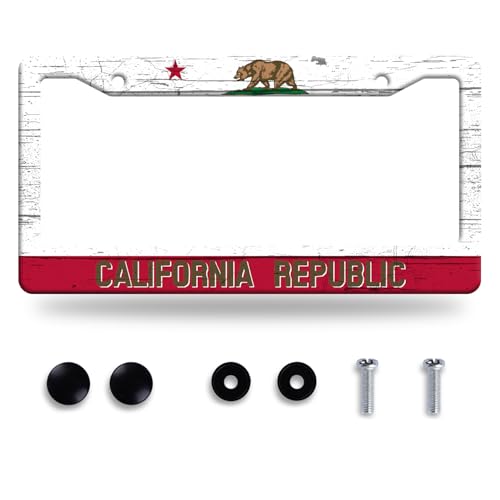
Product Material:made of Stainless steel. Personalized Car Frame Can Perfect to Put on Your Front of Car,Decorate your car to make it look more beautiful and unique,just wipe with a damp cloth

Made of high-grade durable, rust-free plastic frame. Use your existing screws from your plates. License plate is secured in the frame with its all-around groove that fits over your plate.
Short-Term Licenses and When to Choose Them
Because short-term licenses provide defined, limited coverage, they’re the cost-efficient choice for casual anglers and visitors: you can buy a one-day license for $20.52 or a two-day license for $31.58 (both residents and non-residents), or, if you’re nonresident and staying longer, a ten-day license for $62.90.
From a policy and cost perspective, short term benefits include lower upfront cost, no Ocean Enhancement Validation requirement for one- and two-day permits, and fixed-duration legal coverage without annual commitment.
Short-term licenses offer lower upfront cost, no ocean enhancement validation for 1–2 day permits, and fixed-duration coverage.
You should choose a short-term permit when your fishing frequency is low, when you’re visiting temporarily, or when you want targeted, short-duration access to ocean or inland waters without additional endorsements.
These licenses remain valid only for their specified period and generally don’t require extra report cards unless you’re targeting species that mandate them.
Use the short-term option to align permit cost with actual use and avoid paying for an annual license you won’t fully utilize.
Products Worth Considering


Product Material: Our license plate frame is made of premium quality aluminum, which ensures that the plate frame will never wear out. Corrosion resistant, Personalized Car Frame Can Perfect to Put on Your Front of Car,Decorate your car to make it look more beautiful and unique.

FISHING LICENSE HOLDER W/ZIP CLOSURE
Reduced and Free License Programs for Eligible Anglers
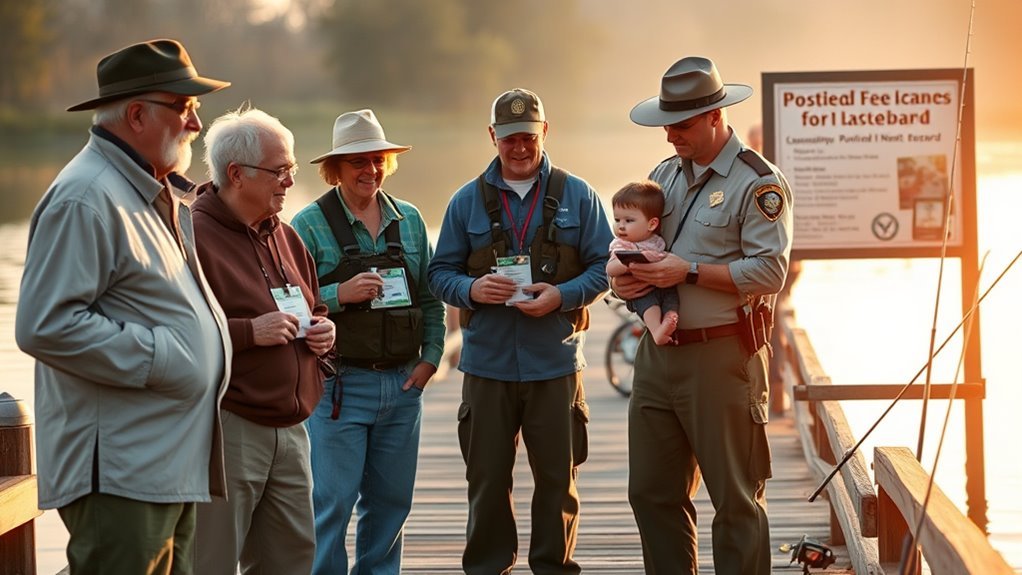
Although most anglers buy standard annual or short-term permits, several reduced-fee and no-cost programs make fishing accessible to eligible groups:
disabled veterans and low-income seniors can get reduced-fee sport fishing licenses (about $10.29), while low-income Native Americans and people with specified disabilities may qualify for free licenses with proper certification.
You’ll find discounted licenses targeted by policy to reduce financial barriers: disabled veterans need a Veterans Administration letter; recovering service members require verification from a commanding officer or treating physician.
Applications are provided as PDFs and must be reviewed against explicit eligibility criteria before issuance. Expect up to 15 business days for processing.
You should prepare supporting documents to avoid delays and confirm income or disability status where required.
The program’s data-driven intent is clear: allocate limited fee waivers to verified, high-need populations while maintaining administrative accountability.
Check the issuing agency’s instructions to guarantee your application meets all eligibility criteria and documentation standards.
Required Validations and Report Cards for Residents
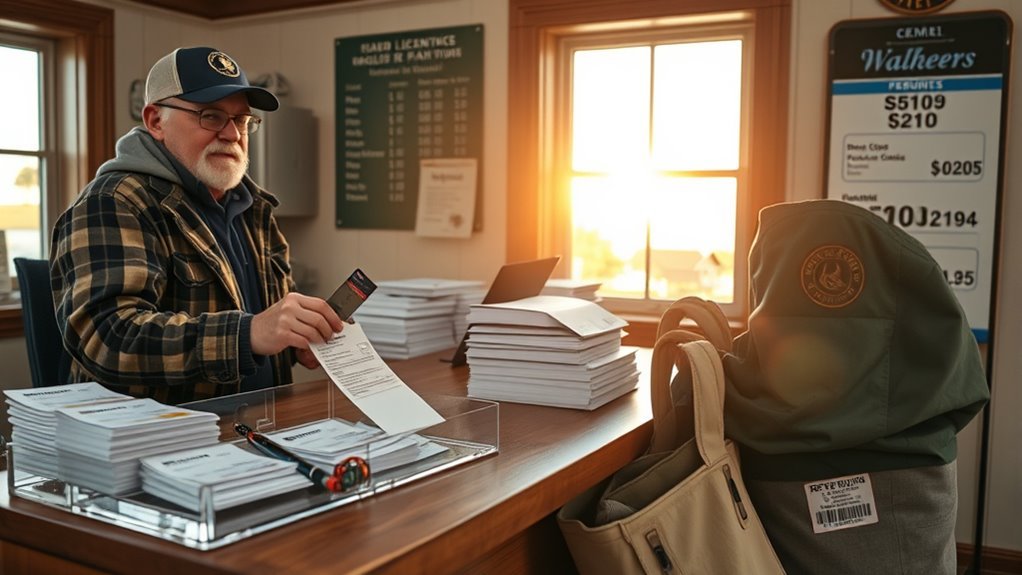
If you plan to target regulated species or use additional gear, expect to purchase specific validations and report cards that legally authorize those activities and guarantee harvest data is collected. Fees include an Ocean Enhancement Validation ($7.05) for ocean waters south of Point Arguello, a Second Rod Validation ($19.70) for two-rod inland fishing, and species-specific report cards such as the North Coast Salmon Report Card ($8.90).
You’ll face clear validation fees and report card requirements tied to management objectives. Residents targeting sturgeon, salmon, or spiny lobster must obtain the appropriate report card; some report cards apply even when a license isn’t required.
The Sturgeon Fishing Report Card mandates harvest reporting and timely return; non-return triggers a penalty fee. These instruments fund monitoring and enforce regulations by linking legal take to data collection.
Budget for upfront validation fees and card costs, and calendar-return deadlines to avoid fines. Consult species-specific rules for reporting frequency, required details, and compliance processes to ascertain your harvest is lawful and accounted for.
How and Where to Purchase or Renew Your License
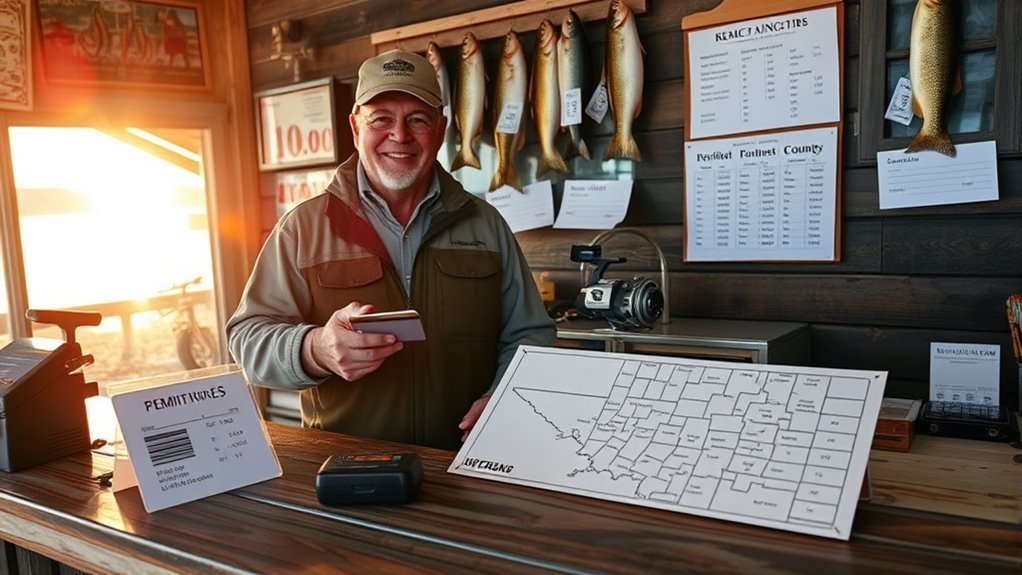
After securing any required validations and report cards, you can buy or renew your resident fishing license through several channels to meet compliance and record-keeping requirements.
You can complete an online purchase via the California Department of Fish and Wildlife (CDFW) website and print your license immediately; duplicate licenses are also available online for a small fee.
You may visit CDFW license sales offices for in-person service, noting cash isn’t accepted—use check, money order, or debit/credit card.
Licenses are sold at numerous authorized agents, including sporting goods stores, bait shops, and grocery stores across California, providing distributed access and point-of-sale record updates.
Available at many authorized agents — sporting goods stores, bait shops, and grocery stores statewide for convenient point-of-sale licensing.
If you apply for reduced-fee status (low-income, disabled veterans, other qualifying groups), bring required proof of eligibility at purchase.
Policy compliance requires retention of your printed license or electronic proof during enforcement.
Choose the channel that meets your timing and documentation needs while ensuring payment method and eligibility documentation align with CDFW requirements.
Products Worth Considering

CUSTOMIZE NOW – Select te finish, choose the size and add your personalized text. NOT embossed
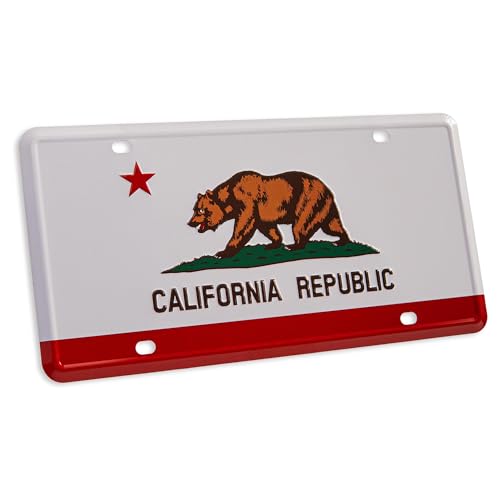
CALIFORNIA STATE FLAG DESIGN: Features a textured, raised California flag design for an authentic, high-end look and feel.

Bone fish license plate featuring a fish skeleton in silver accents across the center.
Lifetime Fishing Licenses: Costs and Eligibility
You’ll see lifetime fishing license fees are tiered by age:
$579.25 for ages 0–9 and 62+,
$946.75 for ages 10–39,
and $853 for ages 40–61.
Eligibility is limited to California residents and the license removes the need for annual renewals.
Collected fees fund fish and wildlife management and conservation programs.
Products Worth Considering

PREMIUM QUALITY: Crafted from high-grade materials, our License Plate is built to withstand the elements and maintain its vibrant appearance over time. It is resistant to fading, cracking, and peeling, ensuring long-lasting performance.

USA, License, plate, Vintage, tag, lot, set, plates, number, wall, decor, art, bar, restaurant, design, gift, cool, nice, american, america, hawaii, alaska, california, texas

DESIGN: Military-style camouflage pattern license plate featuring rugged outdoor aesthetics perfect for vehicle customization
Lifetime Price Tiers
Because lifetime fishing licenses are tiered by age, you can quickly determine long-term cost-effectiveness by matching your age group to the set prices: $691.75 for ages 0–9 and 62+, $1,131.75 for ages 10–39, and $1,019.50 for ages 40–61.
You’ll weigh upfront cost against lifetime license benefits and alignment with fishing sustainability initiatives; licenses are non-refundable and valid for life, reducing annual administrative load.
- Ages 0–9 & 62+: $691.75 — lowest upfront cost.
- Ages 10–39: $1,131.75 — highest tier, reflects longer expected use.
- Ages 40–61: $1,019.50 — mid-tier balance of cost and remaining years.
- Optional Fishing Privilege Package: $467.25 — adds validations/report cards.
Compare expected annual license savings to choose the efficient tier.
Eligibility and Benefits
While residency and proof of age determine your eligibility, California’s lifetime fishing licenses also vary by age-based pricing—$579.25 for ages 0–9 and 62+, $946.75 for ages 10–39, and $853 for ages 40–61—so you can confirm qualification and fee tier before applying; purchasing a lifetime license grants unlimited, non-expiring fishing privileges and directs funds to state fish and wildlife conservation and management programs.
You must be a California resident and provide documented proof of age to qualify; agencies verify records during application. The policy delivers clear lifetime benefits: one-time fee, perpetual access, and administrative simplicity.
Fiscal reporting links license sales to measurable conservation impact, funding habitat restoration, stocking, research, and enforcement priorities that sustain aquatic resources.
License Possession, Replacement, and Reporting Requirements
If you’re 16 or older and fishing in California, carry your $62.90 resident sport fishing license on you at all times and make sure any required report cards for species like sturgeon and salmon are also on hand; lost or damaged licenses can be replaced online or at authorized agents for a small fee, but don’t heat-laminate a license since that can render it unreadable even though discolored licenses remain valid so long as text and signature are legible.
You must follow license retention and meet reporting deadlines. Harvest reporting is mandatory for listed species; you report via the Online License Service by the specified deadline. Children under 16 still need report cards for sturgeon and salmon.
- Carry license and required report cards while fishing.
- Replace lost/damaged licenses online or at agents (small fee).
- Use Online License Service for timely harvest reports.
- Avoid heat-lamination; discolored but legible licenses are valid.
Noncompliance risks citations and administrative action; document submissions timestamp compliance.
Frequently Asked Questions
Do Nonresident Family Members Need a Separate License When Visiting?
Yes — you’ll need separate licenses unless family fishing permits explicitly cover nonresident fishing regulations for guests; check state policy details, fee schedules, residency definitions, and permit durations to verify compliance before fishing together.
Are Special Permits Required for Fishing From Private Docks?
Yes — coincidentally, because rules overlap, you’ll often need special permits for dock fishing regulations; check private property permissions, local ordinances, and species or gear restrictions, and document approvals to avoid fines or enforcement actions.
Does the License Cover Spearfishing and Commercial Gear Use?
Yes — your license may allow spearfishing if regulations permit it, but commercial gear use is typically excluded. Check spearfishing regulations and commercial gear restrictions in state policy; permit endorsements or separate commercial licenses might be required.
Are Penalties Different for First-Time Versus Repeat Offenders?
Yes — often different: first time penalties are usually lighter, with warnings, reduced fines or mandatory education, while repeat offender fines escalate, including higher fines, license suspensions, and possible criminal charges depending on severity and jurisdiction.
Is a License Required When Fishing From a Boat in Federal Waters?
Yes — you’ll usually need a license when boat fishing in federal waters; federal regulations often require permits or recreational licenses, and exceptions vary by region and species, so check specific agency rules and documented exemptions.
Conclusion
You now know the resident sport fishing license structure, fees, short-term options, validations, discounts, and lifetime terms—so you can comply and optimize cost. If you’re worried the rules are confusing, note: California Fish and Wildlife publishes clear fee tables, eligibility criteria, and online purchase/renewal steps to remove ambiguity. Use the state portal or licensed vendors, keep required validations with you, and report takes as required to avoid fines and preserve access for all anglers.
