
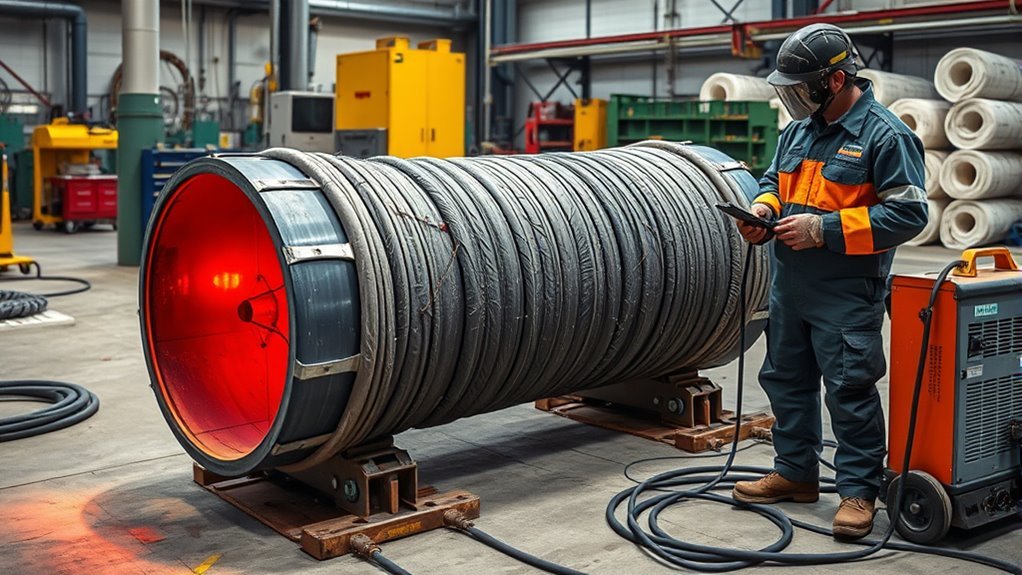
PWHT cost for pipe welding usually depends on your pipe diameter, wall thickness, material, heat method, and code demands. Larger or thicker pipe needs more heating power, longer soak time, and tighter temperature control, so your energy and labor costs rise fast. Induction, resistance, or flame heating each change setup time and efficiency. If you need ASME compliance, documentation and skilled technicians add more cost. The right estimate starts with the actual heat treatment demand, and more details follow.
What Drives PWHT Pipe Welding Costs?
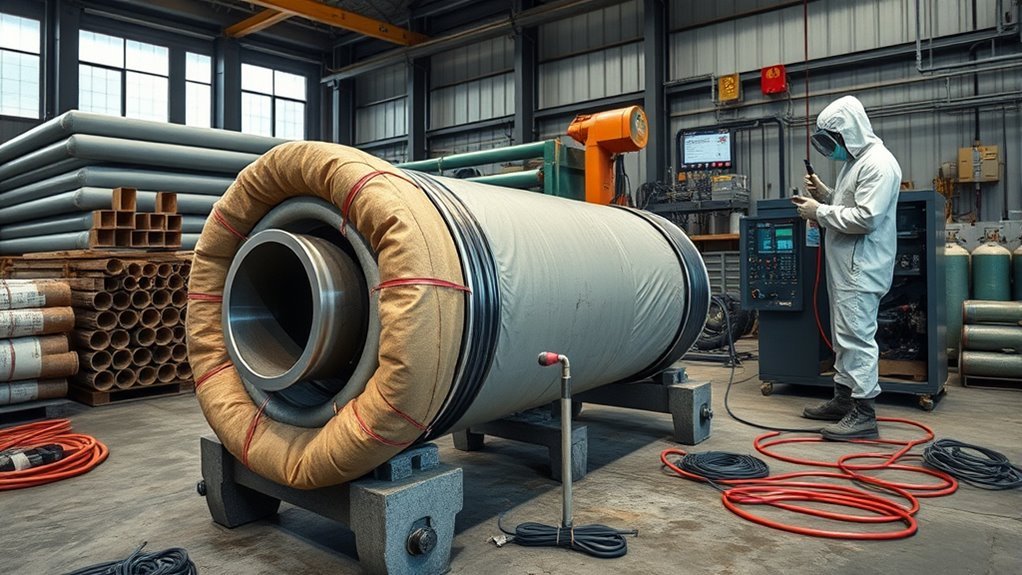
PWHT pipe welding costs are driven primarily by pipe diameter, wall thickness, and material type, since thicker sections generally require higher heat input and longer soak times.
You should treat cost estimation as a function of heat treatment demand, not guesswork. Your equipment selection matters because induction heating and resistance heating differ in efficiency, setup time, and energy consumption.
Material considerations also shape the thermal cycle: alloy content, weldability, and required soak parameters change the burden on your crew. If you subcontract the work, labor efficiency can drop in predictability, so your estimates need wider margins.
Material properties and subcontracting both affect the thermal cycle, demanding wider cost margins and careful planning.
In-house execution may give you tighter control, faster adjustments, and better project timelines. You also have to account for industry standards, because precise temperature control and documentation add administrative and technical cost.
Regular maintenance and calibration keep your system reliable, reduce breakdown risk, and protect your schedule.
How Pipe Size Changes PWHT Cost
As pipe diameter increases, your PWHT cost rises because you need more heating capacity, longer soak times, and tighter temperature control to achieve uniform results.
Larger pipe diameter brings clear cost implications: you’ll deploy more heating zones, and for diameters above 24 inches, multi-zone control often becomes necessary. That adds equipment expenses and increases setup complexity.
You’ll also see higher energy consumption because the system must hold temperature over a larger surface area for a longer period.
Wall thickness matters just as much; thicker sections usually require about 1 hour per 25 mm, so your soak times extend and your schedule tightens.
As the pipe grows, you may need specialized fixtures, restricted workspace coordination, and sharper logistical planning to keep the job efficient.
In practice, size and thickness don’t just raise direct operating costs—they also expand labor, time, and compliance demands across the entire PWHT cycle.
Which Heating Method Fits Your Job?
You’ll usually choose induction for magnetic pipe because it heats quickly and holds tighter temperature control.
For complex shapes, resistance heating can fit the geometry more easily and often lowers setup cost.
If you’re working at a remote site, flame heating may be the practical option, but you’ll need close monitoring to keep the heat uniform.
Induction For Magnetic Pipe
Induction heating is a strong fit for magnetic pipe because it drives heat from within the material, producing fast, uniform temperature distribution with less energy loss than conventional methods.
You gain high induction efficiency, since magnetic heating concentrates energy where you need it and reduces wasted input. That shorter cycle can lift productivity on PWHT jobs and help you control costs.
You can also tune the system tightly to meet ASME code limits, so your welds stay within required thermal ranges.
Because induction minimizes heat loss, you may cut power consumption and energy bills by up to 50%.
For reliable results, place thermocouples carefully; accurate feedback lets you verify temperature, protect metallurgical properties, and keep your process disciplined, compliant, and free.
Resistance For Complex Shapes
When your PWHT job involves elbows, branches, nozzles, or other irregular geometries, resistance heating can be the better fit. You get heating element flexibility that wraps tight contours and keeps heat uniform across complex shape applications. That precision helps you avoid hot spots, limit thermal distortion, and stay in control of sensitive materials.
For smaller jobs, you can set up fast, adapt quickly, and cut idle time and cost.
- You gain freedom from bulky modifications.
- You keep your weld zone calmer and more predictable.
- You protect your schedule from avoidable rework.
Use regular calibration and maintenance to keep performance stable and compliant.
With the right setup, you choose a method that serves the part, not the other way around.
Flame For Remote Sites
Flame heating is often the practical choice for PWHT on remote sites and large structures because it’s mobile, fast to deploy, and doesn’t depend on extensive support infrastructure.
You gain remote accessibility without hauling heavy equipment or building complex power systems. For onsite work, that flexibility cuts setup time and lowers labor demand, improving cost control.
When you need high PWHT temperatures on thick wall pipe, flame heating can meet ASME code targets if you manage flame efficiency and temperature uniformity.
You should still match the method to the alloy, since high hardenability metals may need tighter control.
With proper training, you avoid hot spots, residual stress, and weld failure, so your job stays compliant and your crew stays free to move.
How Code Compliance Affects PWHT Cost
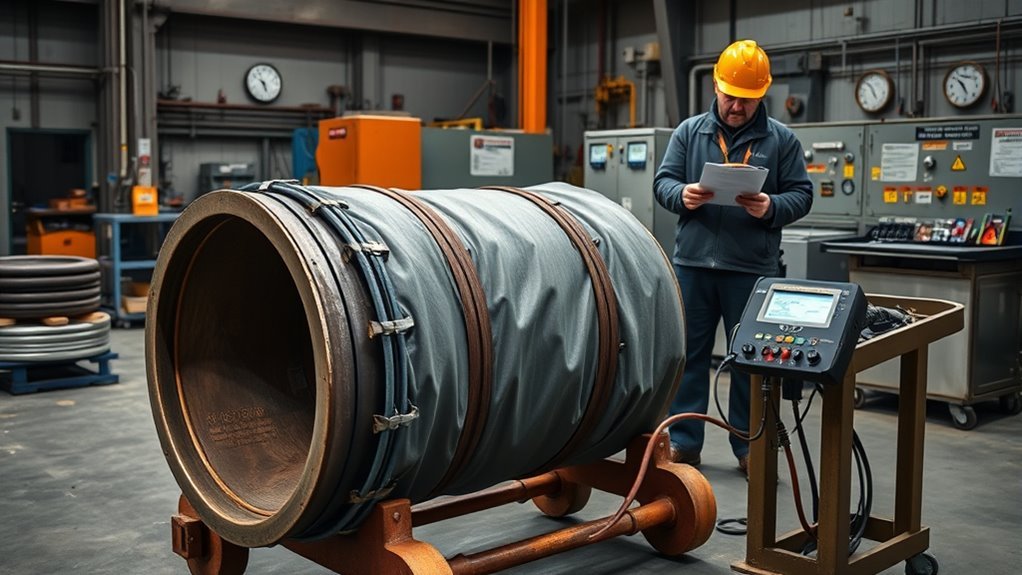
Code compliance can materially increase PWHT cost because standards such as ASME Section VIII and ASME B31.3 define exact heating, holding, cooling, and documentation requirements that you must meet.
Under strict code enforcement, you face compliance challenges that shape every weld cycle, and the cost implications can be immediate. Regulatory standards may require tight temperature bands, controlled ramp rates, and verified records, so you often need specialized technicians and meticulous traceability.
Miss a requirement, and you risk inspection failure, rework, schedule slips, and penalties that erode your margin.
Miss one requirement, and you risk inspection failure, rework, schedule delays, and penalties that cut into your margin.
- You gain less freedom when every parameter is audited.
- You absorb pressure when delays threaten contract terms.
- You pay more when non-compliance turns into rework.
If you plan carefully, you can control these burdens, but code-driven PWHT rarely stays cheap or simple.
How Temperature Control Equipment Affects Cost
You’ll cut rework when you use precision temperature controls that hold the PWHT cycle within tight ASME limits, but that accuracy increases equipment and calibration costs.
For larger pipe sections, multi-zone controllers help you maintain uniform heating and reduce metallurgical risk, though they add to the system price.
Smart monitoring and automatic documentation can lower labor by streamlining setup, tracking, and compliance checks, even if the upfront investment is higher.
Precision Controls Cut Rework
Precision temperature controls can materially lower PWHT cost by reducing rework, because uniform heating helps you avoid the uneven thermal profiles that can trigger noncompliance with ASME requirements and damage weld integrity.
You gain precision accuracy, and even a 50°F deviation can alter metallurgical properties enough to raise defect risk. That means fewer repairs, less downtime, and better thermal efficiency across each cycle.
Automatic logging also cuts administrative burden, so your team can verify compliance without chasing paper trails.
- Fewer rejected welds
- Less stress on your crew
- More control over your budget
When you hold temperature tightly, you protect quality and reclaim freedom from preventable cost overruns.
Multi-Zone Systems Improve Uniformity
When tighter temperature control keeps rework down, the next cost lever is how evenly heat reaches the full weld zone. Multi-zone controllers let you distribute heat precisely across larger pipe assemblies, so you hold temperature consistency and stay within tight ASME bands, often within ±50°F.
That uniformity reduces thermal shock, cracking risk, and the expensive delays that follow failed inspections. You can also improve thermal efficiency because these systems may cut daily energy use by as much as 50%.
Proper thermocouple placement matters, and using extra sensors gives you a clearer control picture across the full circumference. For you, the payoff is straightforward: steadier quality, fewer interruptions, and a stronger case for the upfront investment.
Smart Monitoring Lowers Labor
Smart monitoring systems cut PWHT labor costs by giving you real-time temperature data, so you spend less time on manual checks and reduce the chance of operator error.
You gain labor efficiency because automated control holds precise ramp rates and soak times without constant intervention. That means fewer technicians tied to the furnace and fewer corrections when code limits shift.
Smart diagnostics can flag thermocouple failures before they stop the job, helping you avoid downtime and costly delays. Wireless tracking also streamlines documentation, freeing you from paperwork that eats field hours.
These automation benefits let you work with more control and less dependence on repetitive oversight.
- Relief when alarms catch faults early
- Confidence when code compliance stays tight
- Freedom when technicians reclaim their time
How Labor, Setup Time, and Cycle Length Add Cost
Labor, setup time, and cycle length are major drivers of PWHT cost in pipe welding, because each one directly affects the number of hours, personnel, and equipment you’ll need on the job.
You cut costs when you improve labor efficiency and setup optimization, since better planning reduces idle time and unnecessary handling. If your preparation is poor, heating cycles run inefficiently, crews stay on site longer, and labor charges climb.
Pipe thickness also matters: a common rule of thumb is one hour of heating for every 25 mm, so thicker pipe extends the cycle and raises cost through longer operation. Technician experience can shift labor rates, and complex setups usually demand more skilled work.
Thicker pipe means longer heating cycles, and skilled technicians are often needed for complex PWHT setups.
You also need accurate documentation to satisfy code requirements; otherwise, rework can add more labor and material expense.
Faster methods like induction can shorten cycles on larger components and help you reclaim time without sacrificing control.
When Rental PWHT Equipment Saves Money
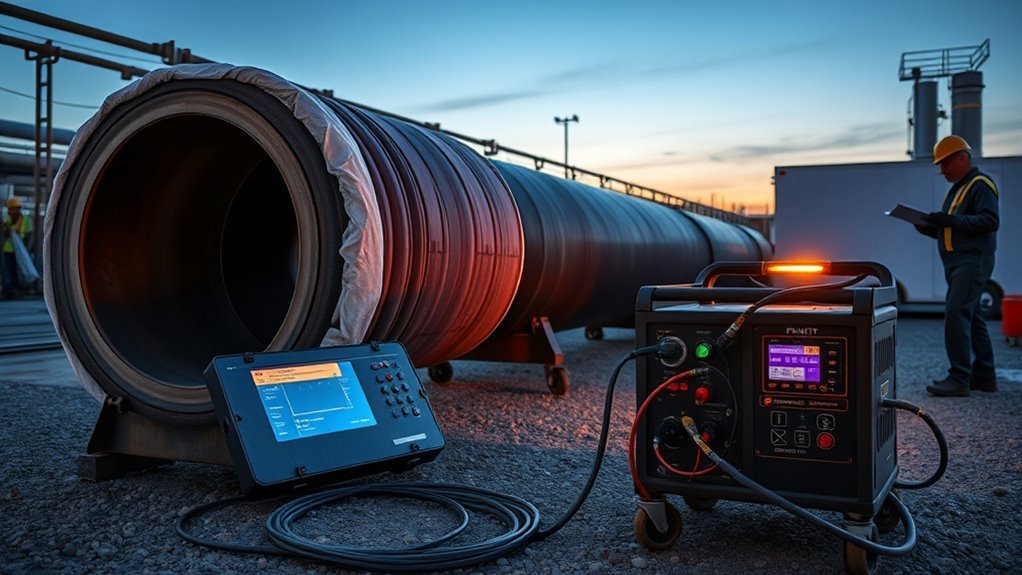
Renting PWHT equipment can cut your costs sharply on short-term or intermittent jobs because you avoid a large capital purchase for machinery you may not use often.
You gain rental benefits that preserve cash flow and improve cost efficiency on tight bids. With equipment flexibility, you can match furnace size, controls, and power needs to each weld scope, then scale up or down as demand shifts.
That project scalability keeps you agile during peak periods and helps you avoid schedule slips that can cost contracts. Rental services also give you technology access to current systems that support code compliance and tighter temperature control.
You can test models before committing, which reduces decision risk and keeps your operation free from lock-in.
- Relief from upfront financial strain
- Confidence when deadlines stack up
- Freedom from maintenance headaches and downtime
Why Better PWHT Equipment Lowers Long-Term Cost
When you move beyond short-term rentals and start looking at the full lifecycle of PWHT operations, better equipment can lower your total cost of ownership.
Advanced units cut energy use by as much as 50%, and high-density insulation reduces heat loss, so you pay less to hold target temperatures.
Advanced units can cut energy use by up to 50%, while insulation helps hold temperatures with less wasted power.
Technology advancements also improve temperature control, which protects material properties and reduces rework. With stable performance, you avoid scrap, repeat cycles, and the delays that drain margin.
Regular calibration and maintenance keep the system accurate, extend equipment lifespan, and prevent breakdowns that can halt a job.
Automated documentation features trim technician hours, letting you free labor for higher-value tasks instead of manual paperwork.
Over time, those efficiencies compound. You’re not just buying equipment; you’re buying lower operating expense, fewer interruptions, and more control over project economics.
That’s how better PWHT systems create long-term savings.
How to Estimate PWHT Cost
To estimate PWHT cost accurately, start by matching the treatment method to the material, weld procedure, and job requirements, since preheat and post-weld heat treatment choices can shift the total cost considerably.
Then build a cost breakdown for labor, equipment, fuel, monitoring, and documentation. Your labor estimates should account for subcontracted preheating, setup, and inspection, because rates can swing sharply between vendors.
Size and geometry matter too: larger or more complex components usually need longer soak times and more advanced gear, which raises expense.
If demand spikes, equipment rental can protect cash flow and keep you agile without buying machines you won’t fully use.
Factor in continuous monitoring and records, since compliance adds cost but cuts rework and frees you from hidden failures.
- You gain control.
- You avoid surprise bills.
- You protect quality and freedom.
Frequently Asked Questions
How Long Does Post-Weld Heat Treatment Take?
You’ll usually need 1 hour per 25 mm thickness, plus heating and cooling; minimum soak time’s 30 minutes. Your temperature control and cooling rate matter, and thicker, alloyed welds can take several hours.
How Much Does It Cost to Get a Pipe Welded?
You’ll usually pay $50–$200 per linear foot; larger jobs can exceed $10,000. Your welding techniques and material selection drive cost, and you’ll reduce dependence on overpriced labor by choosing simpler specs and efficient preheating.
What Is the PWHT Process for Piping?
You heat the welded pipe to a controlled temperature, soak it, then cool it gradually. This heat treatment relieves stress, improves ductility, and complements welding techniques while thermocouples and loggers verify compliance.
How to Calculate Heating Rate for PWHT?
Use the required temperature rise, divide by total heating time, and you’ll get your PWHT heating rate. For heat treatment, match welding techniques to material thickness; typically, you’ll target 100–300°F/hour while holding code limits.
Conclusion
In the end, you don’t pay for PWHT because the universe enjoys drama; you pay for heat, control, compliance, and the people who must keep your pipe from turning into an expensive cautionary tale. Bigger diameters, tighter codes, and fussy temperature ramps all push the bill up. If you want fewer surprises, you’ll need better equipment, cleaner planning, and less optimism. Estimate it well, or let the invoice do the teaching for you.
