

You’ll pay $76 for an annual all‑species non‑resident fishing license (includes a $1 surcharge) or $10 for a 24‑hour daily license to fish in Michigan’s Great Lakes and inland waters. Licenses run March 1 through March 31 of the next year; daily licenses are valid 24 hours from purchase. Buy online, via the DNR app, or at authorized vendors and carry ID. Follow bag, size, and season limits; more specifics follow below.
How Much Does a Non-Resident Fishing License Cost?
How much will you pay for a non‑resident fishing license in Michigan?
You’ll see a clear cost breakdown across license types: an annual all‑species non‑resident license is $76, which includes a $1 surcharge; a daily all‑species non‑resident license is $10 and lasts 24 hours.
Licenses are valid from March 1 through March 31 of the following year, so your annual purchase covers the full advertised period regardless of purchase date within that window.
Note that designated free fishing weekends, typically in June, can create temporary exemptions for non‑residents, but those are limited events and don’t alter standard pricing or validity terms.
When budgeting, account for the $1 surcharge as part of the listed $76 annual fee rather than an extra cost.
This data‑driven summary gives you the precise figures and temporal scope you need to decide between daily and annual options without ambiguity.
Products Worth Considering

Material :High-Quality Metal Aluminum With High Gloss Stamped Metal License Plate.Lightweight, Waterproof,Anti-Rust And Very Durable.

Classic retro design: This metal sign adopts classic retro design, which is very suitable for consumers who love nostalgic style and adds a unique style to any space.

This Largemouth Bass fishing license plate features a black background with silver design elements. Choose with our without the American flag faded into the background!
What the Non-Resident License Covers
Now that you know the cost and validity period, let’s clarify what that $76 non‑resident fishing license actually authorizes you to do.
The license grants you legal take of all fishing species allowed under Michigan regulations, covering fish, amphibians, crustaceans, and reptiles without separate permits for standard recreational activity. It applies statewide — in all Great Lakes and thousands of inland waters within Michigan boundaries.
Covers legal take of Michigan fish, amphibians, crustaceans, and reptiles statewide — Great Lakes and inland waters included.
As a non‑resident, you’ll receive the license benefits of single authorization for multiple taxa and broad geographic coverage, reducing paperwork and permitting complexity. You won’t need additional daily permits for routine angling, though a $10 daily license is available if you only fish for 24 hours.
The license obligates you to follow state bag, size, and season limits for each species; enforcement and species‑specific restrictions still apply. Carry proof of purchase while fishing and consult current regulation tables for species‑specific rules before you harvest.
License Validity Period and When to Buy

Because Michigan’s non‑resident fishing license runs on a fixed cycle, you should buy it before the season opens: the $76 annual license is valid from March 1 of one year through March 31 of the next, so purchasing before April 1 guarantees you’re covered for the entire open-water season and compliant with regulations.
You’ll also see a $10 daily option valid 24 hours if you need short-term coverage.
Note the free fishing weekend (June 7–8) allows fishing without a license, but all bag, size, and method rules still apply.
- Annual license: $76, valid March 1–March 31 next year
- Daily license: $10, 24‑hour validity from purchase
- Recommended action: complete license purchase prior to April 1
- Free fishing weekend: June 7–8 — license not required, regulations still enforceable
- Compliance risk: fishing without a valid license outside exemptions can result in citations
Plan your license purchase around the fishing season to avoid gaps and enforcement issues.
Products Worth Considering

Customizable new green Michigan "Water Wonderland" license plate. This is a NOVELTY license plate and is to be used for novelty display only.

MEASUREMENTS: Eye-catching metal license tag measures 6 x 11.5-inches. Fits most standard license plates

Add a touch of humor and flair to your car with this funny "Weekend Hooker" front license plate. Perfect for the bass fishing enthusiast, this custom car tag is a great gift for men, especially for dads, husbands, or any fishing fanatic. Whether you're an outdoorsman or just enjoy a good laugh, this novelty license plate is sure to bring a smile to your face and enhance your fishing-themed car decor. Let your personality shine on the road with this fun and unique accessory.
Where and How to Purchase the License
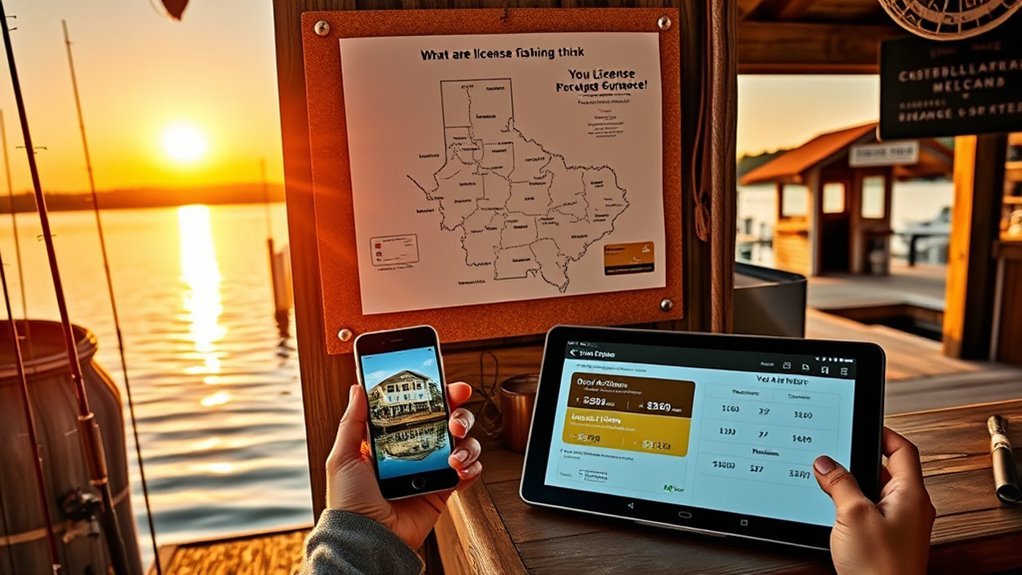
After you’ve decided when to buy, pick where and how to complete the purchase to confirm your coverage starts on time.
You can use online purchasing via Michigan.gov/DNRLicenses or the Michigan DNR Hunt Fish mobile app to buy the $76 non-resident license (includes $1 surcharge) or a $10 daily license valid 24 hours.
Online purchases require you to have ID details ready—state ID or driver’s license—to complete the transaction and confirm digital proof of purchase.
If you prefer in person options, visit DNR Customer Service Centers or authorized retail outlets.
Present identification at the point of sale; staff will issue a physical license or receipt.
Choose online purchasing for speed and immediate proof, or in person options if you need assistance or lack mobile access.
Keep your ID with you while fishing and retain the license or electronic confirmation as required by enforcement.
Products Worth Considering

Michigan Wolverines Fans! A Fan Favorite 12" x 6" Car/Truck Frame - This auto accessory is perfect for the casual and everyday fan. The antique pewter finish gives it an old-fashioned feel. Whether it is game day at the stadium or a home game with friends, this license plate frame will be the highlight of the drive.

Item Package Dimension: 12.24L x 6.18W x 0.39H inches

Rules, Limits, and Reporting Requirements for Out‑of‑State Anglers
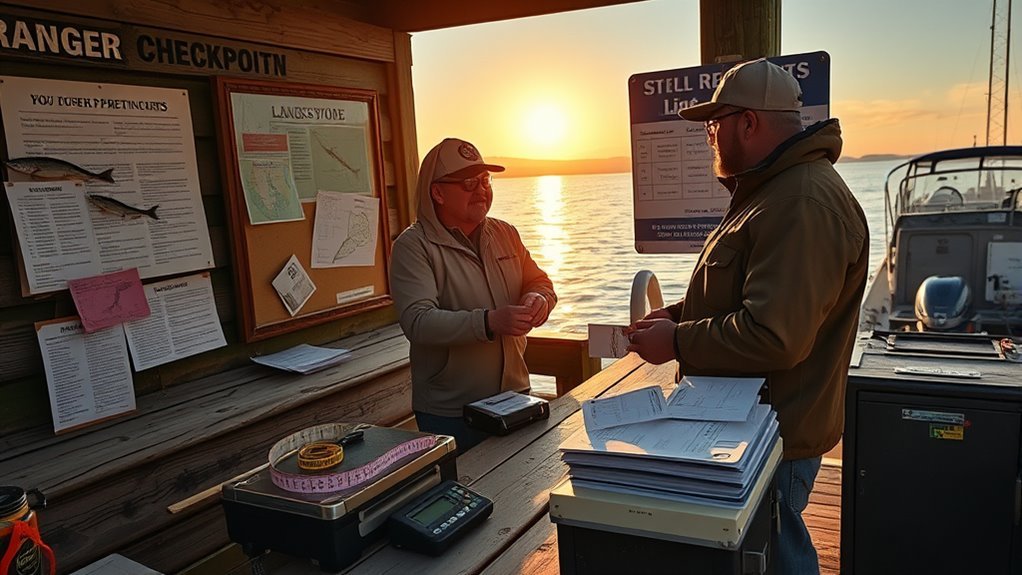
When fishing in Michigan as a nonresident, you must hold the $76 annual license (valid March 1–March 31 of the following year), carry an acceptable photo ID, and be ready to present both to law enforcement on request.
You’ll follow all state regulations: species-specific size limits and creel limits apply and can differ by waterbody. You’re responsible for knowing published restrictions before you fish.
Follow all state regulations: size and creel limits vary by waterbody—know published restrictions before you fish.
Certain species trigger reporting obligations or mandatory log entries; check the Michigan Fishing Guide for species, locations, and timelines. Failure to comply can result in fines, license suspension, or seizure of gear and catch.
- Verify size limits and creel limits for target species at your fishing site.
- Keep your license and photo ID on your person while fishing.
- Confirm species-specific reporting obligations before harvesting.
- Use official channels to submit any required catch reports promptly.
- Consult the current Michigan Fishing Guide for location-based rules and updates.
Reduced‑Fee and Special Exemptions for Non‑Residents
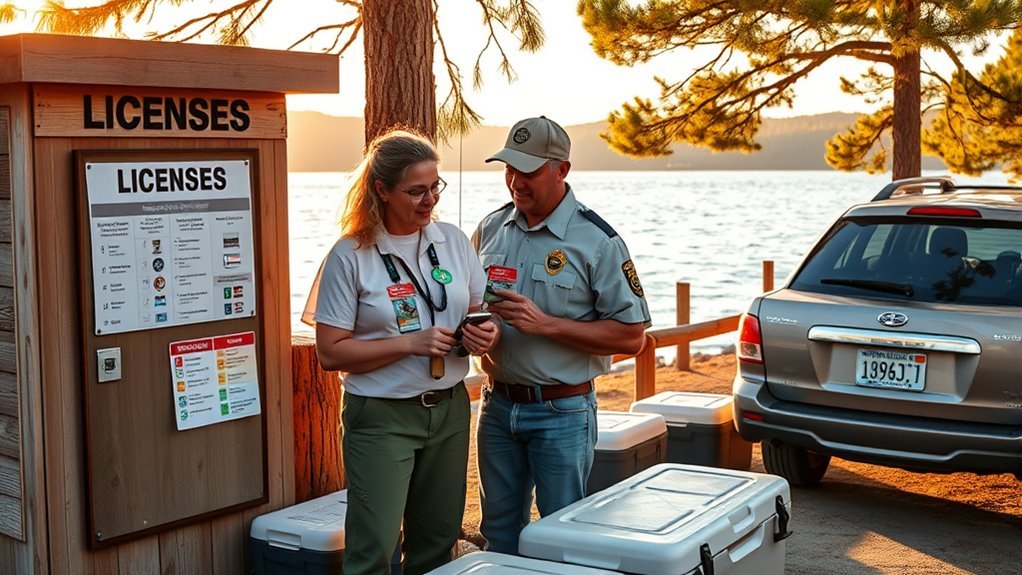
You’ll need to know which reduced‑fee and exemption categories might apply before buying a non‑resident license.
State policy generally restricts fee reductions to specific groups—military and veteran waivers (often for 100% disabled veterans), youth or mentored exemptions, and disability or medical exceptions—and eligibility and documentation requirements vary.
Check the Michigan DNR for exact criteria, required proof, and any free fishing weekend dates when licenses are waived.
Products Worth Considering

The size of the license plate frame is: 12.3" x 6.3" , it fits all standard size US and Canada vehicle license plates.the stylish design frame fits ly on your car license plate.

Comes with pre-drilled holes for easy installation

The size of the license plate frame is: 12.3" x 6.3" , it fits all standard size US and Canada vehicle license plates.the stylish design frame fits ly on your car license plate.
Military and Veteran Waivers
Although non‑resident anglers generally pay $76 for an annual all‑species license (including a $1 surcharge), full‑time active‑duty military personnel and veterans with a 100% VA disability rating qualify for free fishing licenses regardless of residency when they verify status.
Special exemptions may also permit military members and veterans to fish without a license during designated periods or events, but all persons remain subject to Michigan DNR regulations and bag/size limits.
You should verify eligibility through official military or VA documentation and apply via the DNR process to receive waivers tied to military benefits and veteran privileges.
Waivers reduce cost barriers while preserving regulatory compliance. Keep proof with you while fishing and confirm event‑specific exemptions in advance.
- Verify eligibility with proper military/VA ID
- Apply to Michigan DNR for waiver
- Keep documentation on person while fishing
- Confirm dates and scope of special exemptions
- Abide by all bag, size, and season rules
Youth and Mentored Exemptions
Because Michigan prioritizes youth access, non‑resident anglers under 17 can fish without a license so long as they follow all state regulations.
A reduced‑fee youth license costing $2 is available for anglers age 16 and younger (residents and non‑residents). You’ll find this policy supports youth fishing participation and lowers financial barriers.
If you’re mentoring a minor, you must hold a valid Michigan fishing license when you physically assist with fishing activities; mentored fishing isn’t a license-free exception for adult helpers.
Free fishing weekends provide temporary, statewide license waivers for residents and visitors, but you should verify dates annually.
Outside those exemptions, non‑resident anglers targeting fish, amphibians, crustaceans, or reptiles must buy the standard $76 annual license.
Disability and Medical Exceptions
After covering youth and mentored exemptions, it’s important to outline how disability and medical exceptions affect non‑resident anglers.
You pay $76 for an annual non‑resident all‑species fishing license in Michigan, but disability benefits and service status can change license eligibility. Full‑time active‑duty military get free licenses; non‑resident veterans with documented disabilities may qualify for reduced fees depending on evidence and specific program rules.
Procedures vary: you’ll need documentation and to confirm eligibility criteria with Michigan DNR. Check updates frequently, since policy and fee waivers can change.
- Confirm documentation required for disability benefits verification
- Ask DNR about non‑resident reduced‑fee categories
- Verify if veteran status alters fee structure
- Request written eligibility criteria
- Note potential annual renewal rules
Frequently Asked Questions
Do Non-Resident Youth Get Discounted Fishing Licenses?
Yes — you’ll often get youth discounts for non-resident fishing licenses, though availability, age brackets, and fees vary by state; check fishing regulations and official agency fee tables to confirm eligibility and required documentation.
Can Non-Residents Purchase Lifetime or Multi-Year Licenses?
Yes — 62% of states offer lifetime license options; you’ll often find multi year license benefits like cost savings and administrative simplicity, so check specific state wildlife agency policies for eligibility, fees, and transfer or residency rules.
Are Boat Launch or Parking Fees Included With the License?
No, they’re not included: you’ll still pay separate boat launch fees and parking permit costs. Check the agency’s fee schedule for exact amounts; some ramps offer day passes or seasonal permits that you can purchase independently.
Can Non-Residents Fish on Private Lakes With This License?
Yes, you can’t fish private lakes unless you’ve secured landowner permission; the non-resident license doesn’t alter private lake regulations, and fishing access rights remain governed by property rules and applicable state statutes and access agreements.
Is a Separate Trout Stamp Required for Out-Of-State Anglers?
Yes — you’ll need a separate trout stamp; trout regulations require it. Check state agency fees and validity periods, because stamp requirements vary by residency and water type, and noncompliance can trigger fines or license suspension.
Conclusion
Think of the non‑resident fishing license as a toll bridge: you pay a clear, published fee to cross into another state’s waters, and the rules posted at the bridge—season dates, bag limits, reporting—govern your passage. Buy at the official counter or online before you arrive, note validity periods and exemptions, and keep receipts. Following regulations keeps the bridge open for everyone and minimizes fines, so treat compliance as the cost of admission, not an optional add‑on.
