
A lifetime fishing license in Ohio is a one-time investment: it costs $599.04 for most residents (seniors 66+ pay $84.24) and provides permanent legal access to state waters without annual renewals or future fee exposure. You’ll get immediate temporary proof, a plastic Conservation Card later, and the license stays valid if your residency changes. Break-even is roughly 24 years versus typical annual fees, so keep going if you want details on payments, multiyear options, and value analysis.
What a Lifetime Fishing License Covers
Because a lifetime fishing license in Ohio removes annual renewals, you get permanent, cost-stable access to state waters and avoid future fee hikes that would otherwise raise your recurring expenses.
You obtain uninterrupted legal authorization to fish under Ohio fishing regulations without tracking renewal dates, and the license stays valid even if you move out of state. That permanence simplifies compliance checks and reduces administrative friction for frequent anglers.
From a cost-analysis perspective, the license locks in one-time payment terms that hedge against inflationary or policy-driven fee increases in yearly permitting.
A one-time payment that locks in rates, protecting you from future fee hikes and inflation.
On the policy side, revenue from lifetime sales flows into conservation benefits and funds fish and wildlife programs that maintain habitat, stocking, and enforcement resources you rely on. The reduced-rate senior option further targets affordability for older anglers, improving access while preserving funding continuity.
In short, you gain regulatory certainty, long-term budget predictability, and direct support for conservation objectives tied to state fisheries management.
How Much Lifetime Licenses Cost and Payment Options

Having a lifetime license removes annual renewals and their uncertainty, but the decision usually comes down to upfront cost versus long-term savings. In Ohio, you’ll pay $599.04 for a resident lifetime fishing license; seniors 66+ pay $84.24. That one-time payment eliminates future exposure to fee increases and ongoing license renewal transactions.
You can also choose multiyear options (3, 5, 10 years) if you want to avoid annual renewals without committing to permanent status. From a policy and budgeting perspective, the lifetime option converts variable annual costs into a single capital outlay; for frequent anglers this stabilizes long-term spending.
When weighing options, compare expected years fishing against current annual fees and factor in discount eligibility like the senior rate.
Payment methods follow Ohio Fish & Wildlife rules: you’ll typically pay by card or check through official channels; verify accepted payment methods on the state site before purchase to guarantee smooth processing.
Products Worth Considering

【PREMIUM QUALITY】-The black license plate frame was Crafted with high quality aluminum prevent Corrosion And Rust

Black LASER cut tag

Financial Break‑Even: When a Lifetime License Pays Off
When you compare the $599.04 one‑time cost of an Ohio resident lifetime fishing license to the current $25 annual fee, the math shows the break‑even point lands around 24 years (since 24 × $25 = $600), with many analyses extending that range to 24–28 years to account for fee increases and time value of money. You should treat this as a straightforward investment analysis and cost comparison: upfront cash vs. recurring expense and policy risk from future fee hikes.
| Scenario | Total cost |
|---|---|
| 24 years (annual) | $600 |
| Lifetime license | $599.04 |
Use a discounted cash flow if you want precision — even modest discount rates push the break‑even slightly higher. Policy changes and inflation increase the expected value of the lifetime option, so your decision hinges on expected fishing years, tolerance for upfront capital outlay, and risk of higher future fees.
Products Worth Considering


[IDEAL FOR OHIO STATE BUCKEYES FANS] - This Ohio State University license plate frame is the perfect sports memorabilia for supporters and fans of the Ohio State Buckeyes. It is a stylish yet elegant way of showing your support, without being too flashy.

Who Should Buy One and Who Should Wait
If you plan to fish regularly for the next two-plus decades, buying a lifetime license usually makes sense: at $599.04 it pays off versus a $25 annual tag in roughly 24–28 years, protects you from future fee hikes, and removes renewal hassle.
You should buy one if you fish frequently, value predictable costs, and want protection from policy-driven price increases. Young anglers can receive a lifetime license as a gift, locking in long-term access and eliminating administrative burden.
Buy one if you fish often, want predictable costs, and want long-term protection from future fee increases.
Seniors benefit from strong discounts: at $84 for those 66+, the break-even is immediate and the value is clear.
- Relief from annual payments and renewal stress
- Confidence against unexpected fee hikes
- Pride in a one-time policy-aware investment
If you fish only occasionally or can’t commit long-term, wait and choose annual or 10-year options.
Compare your expected fishing days, budget horizon, and policy changes before deciding.
Products Worth Considering

Add a touch of humor and flair to your car with this funny "Weekend Hooker" front license plate. Perfect for the bass fishing enthusiast, this custom car tag is a great gift for men, especially for dads, husbands, or any fishing fanatic. Whether you're an outdoorsman or just enjoy a good laugh, this novelty license plate is sure to bring a smile to your face and enhance your fishing-themed car decor. Let your personality shine on the road with this fun and unique accessory.

Enough to Use: you will receive 6 pieces of fishing license holders, and 6 pieces of safety pins, abundant in quantity, enough for you to choose and replace, can meet your different needs; You can also share them with your friends

Enough to Use: you will receive 6 pieces of fishing license holders, and 6 pieces of safety pins, abundant in quantity, enough for you to choose and replace, can meet your different needs; You can also share them with your friends
How to Purchase and Manage Your Lifetime License
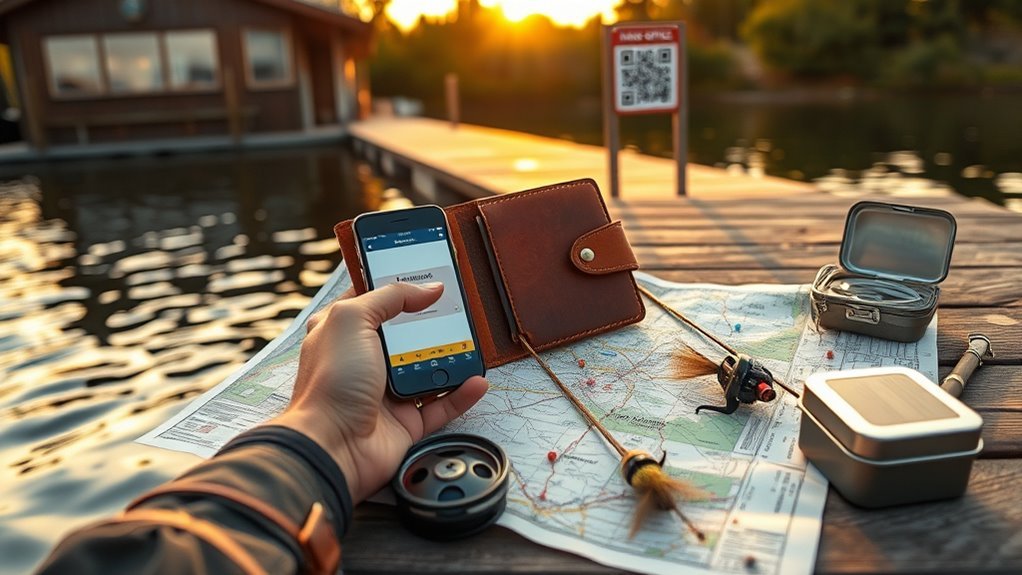
After you decide a lifetime license fits your plans, purchase and management are straightforward but worth planning for:
Ohio residents can buy online via the Ohio Wildlife Licensing System or at any registered vendor, pay $599.04 (or $84.24 for residents 66+), and receive a temporary paper license immediately while the plastic Conservation Card arrives in about four weeks.
For an efficient online purchase, create an account, verify identity and residency, and complete payment to generate the temporary license instantly. Keep login credentials secure because license management — including printing duplicates and accessing purchase history — happens through that account.
Note policy: lifetime licenses remain valid even if you change residency, so that $599.04 (or $84.24) continues to protect fishing access without annual renewals.
Track the estimated four-week delivery and print the temporary paper card for immediate use. If you lose the card, use online management tools to reprint proof instead of reapplying, minimizing cost and administrative hassle.
Frequently Asked Questions
Are Lifetime Licenses Transferable to Family Members After Death?
Generally no, you can’t transfer lifetime licenses to family; inheritance rules usually prohibit reassignment, and license restrictions tie privileges to the original holder. Check specific state policies and potential probate cost implications before assuming transferability.
Do Lifetime Licenses Include Saltwater Fishing Endorsement?
Often, no: specifics vary. Saltwater endorsement inclusion depends on state policy and prevailing fishing regulations; you’ll want to verify fees, forecasts, and fine-print to assess cost-effectiveness, potential savings, and regulatory scope before purchasing.
Are Refunds Available if I Move Out of State?
Generally no, you won’t get refunds if you move; refund policies vary by state regulations, and most view lifetime purchases as nonrefundable. Check specific state regulations and cost-recovery clauses before buying to confirm exceptions.
Does the License Cover Commercial or Charter Fishing Activities?
No — it generally won’t cover charter fishing or commercial activities; you’ll need specific commercial permits or vessel licenses. Check state policies and fee schedules to budget additional costs and confirm regulatory requirements before operating commercially.
Are Lifetime Licenses Valid for Nonresident Anglers Temporarily in NC?
No — you can’t use a North Carolina lifetime license as a temporary nonresident; nonresident regulations require specific fishing permit requirements and temporary licenses, so you’ll evaluate cost, compliance, and policy before angling to avoid fines.
Conclusion
Think of a lifetime fishing license as an anchored investment: you pay once to moor future outings against rising fees, season limits and policy shifts. If you fish frequently, the upfront cost often eclipses annual fees within a decade, improving your per-trip economics and shielding you from incremental price hikes. If you seldom fish or expect policy changes, hold off. Review state rules, run break‑even numbers, and buy only when the math and your habits line up.
