

Updated on 2025-11-23
You’ll typically pay about $4,350–$6,900 in tuition for a full welding program in Ohio, plus an admission fee and roughly $1,500–$3,500 for books, supplies, tools, and testing. With smart use of VA, WIOA, and workforce grants, you can cut that out-of-pocket cost and start training on a realistic budget.
As of 2025, most full welding programs in Ohio charge about $4,350–$6,900 in tuition, plus $1,500–$3,500 for books, tools, and testing. Plan for a $7,000–$13,000 total start-up budget, then use grants, VA or WIOA funding, and short payment plans to shrink your out-of-pocket cost.
Key takeaways
- Tuition for 300–500 hour welding programs in Ohio typically runs $4,350–$6,900. Add tools and fees and your total start-up cost often lands between $7,000 and $13,000.
- Books, supplies, and tools can add $1,500–$3,500 up front, plus ongoing costs for safety gear, maintenance, and periodic recertification after you finish.
- Workforce grants, VA and WIOA funding, employer help, and 7–10 week payment plans can all reduce what you pay out of pocket while you train.
Typical tuition ranges for welding programs in Ohio
Tuition for Ohio welding programs typically runs from about $4,350 for a 300-hour structural course to roughly $6,900 for a 500-hour structural and pipe program. These figures reflect common ranges for focused, hands-on training.
Tuition for Ohio welding programs typically ranges from about $4,350 (300-hour structural) to $6,900 (500-hour structural + pipe).
When you compare programs, look closely at total hours, scope (structural only vs. structural + pipe), and what’s bundled into tuition. Some schools fold testing or basic supplies into tuition; others bill them separately. An admission fee of about $100 is typical and usually stays fixed once you enroll.
Many schools offer payment plans that split tuition into manageable chunks over 7 or 10 weeks. You can typically pay by cash, check, or card (often via PayPal, with a small processing fee). As of 2024, the average tuition and fees for welding vocational programs at Ohio colleges is around $8,465, slightly lower than the national average.
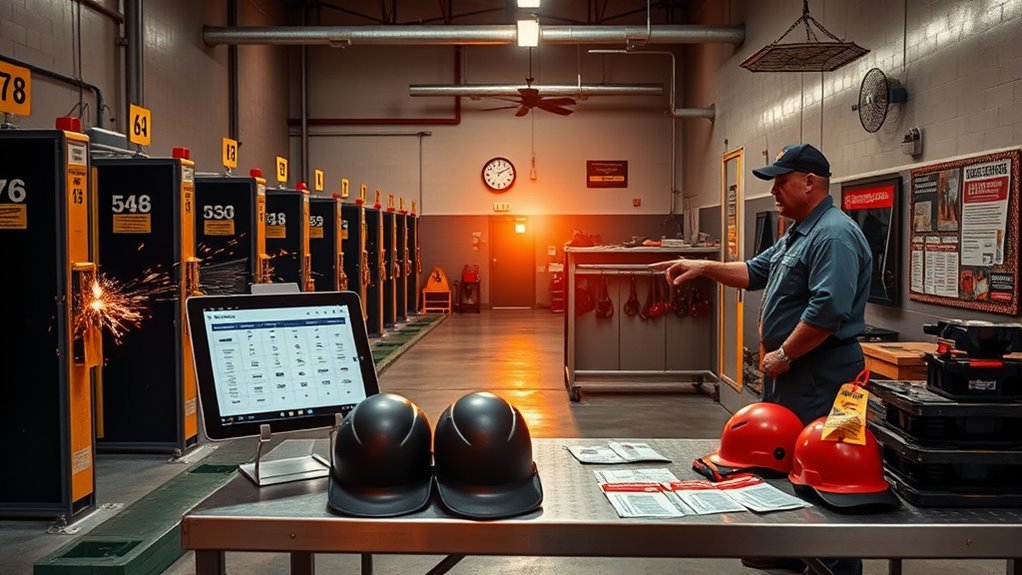
Look into tuition assistance options early. Many Ohio welding programs accept VA and WIOA funding, along with workforce development grants that can cover a big portion of tuition and required fees.
Breakdown of additional fees: books, supplies, and tools
Tuition doesn’t cover everything. Budget separately for books, supplies, and tools when planning for welding school in Ohio. These are real, one-time startup costs that can surprise students who only look at tuition.

Books vary by program, so check course lists early and factor in occasional replacements. For a Structural Welding Program, expect supplies around $1,138.11 per term. That’s a reasonable baseline for welding supplies pricing in many Ohio labs.
Tools run about $1,106.91 and are essential for hands-on practice. Prioritize quality over rock-bottom bargains that wear out quickly.
- Compare tool options: buy new from trade suppliers, look for used student kits, or rent during your first term if the school allows it.
- Verify required textbooks and shop for used or digital editions to lower book costs without sacrificing content.
- Confirm the program’s admission fee and total term estimate (often up to about $12,706.00) so you can build a realistic, all-in budget.
Certification and testing costs (AWS and other exams)

Beyond tuition, plan for certification and testing costs. Expect to pay extra for American Welding Society (AWS) D1 structural tests and other qualification exams administered at the end of many Ohio programs. Program packages themselves can range from about $1,610 for basic courses to well over $10,000 for extensive structural and pipe training.
You’ll face separate fees for AWS tests and additional certification types (pipe, structural, special processes). Programs often schedule exams at on-campus testing locations or partner facilities. Confirm testing locations and dates early so you can plan for travel and retests if needed.
After passing, you get a certificate of completion from your school and can pursue employer-recognized credentials through bodies such as the
American Welding Society.
Factor in testing fees, potential retest costs, and any extra materials the examiner requires.
Ask schools about bundled exam pricing, nearby testing sites, and help with scheduling so you don’t get hit with surprise costs right before graduation.
Products Worth Considering

🧲 Sticks to Toolboxes & Welders – Heavy-duty magnetic welding chart adheres to metal surfaces like your welding table, toolbox, or wall for instant reference while working.

Richard Finch, Welder's Handbook: A Complete Guide to MIG, TIG, Arc & Oxyacetylene Welding, "Completely Revised and Updated Edition!" paperback
Financial aid, grants, and payment plan options
You can stretch your welding-school budget by exploring workforce development grants that many Ohio programs accept to help cover tuition and reduce out-of-pocket costs. These may come from federal, state, or local sources and often pair well with VA and WIOA funding.
If grants don’t cover everything, ask schools about payment plans that let you spread tuition across 7 or 10 weeks. Short-term plans can make a $4,000–$7,000 tuition bill feel more manageable against your monthly cash flow.
Also confirm whether other aid (VA, WIOA, Title IV) applies so you can combine options and lower total expenses as much as possible.
Workforce development grants
Many Ohio welding students qualify for workforce development grants that cover tuition and required fees. These programs are designed to help fill in-demand trades like welding.
Check grant eligibility early. Programs such as WIOA (Workforce Innovation and Opportunity Act), VA education benefits, and state workforce grants are common funding sources that can reduce or even eliminate tuition and admission fees for qualifying students.
Staff at schools or local workforce boards can help you apply, verify documentation, and coordinate approvals before classes begin.
- Confirm eligibility criteria and application deadlines with your school’s financial aid or workforce development office.
- Ask about combining workforce grants with other aid to help cover supplies and the $100 admission fee.
- Use VA or WIOA counselors to streamline approvals so funding is in place when your program starts.
Payment plans available
The total cost for programs like a Structural Welding Program can run roughly $12,706, including a $100 admission fee. Flexible payment plans let you spread that cost over 7- or 10-week increments instead of paying everything up front.
Payment flexibility makes enrollment realistic. Pick a schedule that matches your cash flow, then layer in grants and aid so your monthly obligations stay affordable.
Explore VA benefits, WIOA, and Title IV funding if you’re eligible, and ask about workforce development grants. Staff can guide you through applications so nothing falls through the cracks. You can often pay by money order or through processors like PayPal (note that processor fees usually go to the payment provider, not the school).
When in doubt, talk with the financial aid office for personalized options, timelines, and help building a payment plan that fits your finances.
Short-term certificates vs. full-time programs: cost comparison
Short-term welding certificates typically come with much lower upfront tuition (often around $1,610 plus fees) compared to several thousand dollars for full-time tracks. Certificates are a good starting point if you’re testing the waters or adding a specific process like TIG.
But you should also weigh long-term total costs. Full-time programs can exceed $10,000 once supplies, tools, and extended instruction are included. They can deliver deeper preparation and broader credentials that help with pay and career flexibility.
Check payment plans, financial aid, and workforce grants for each option so you’re comparing out-of-pocket cost, not just sticker price.
Upfront tuition costs
You’ll usually pay far less up front for a short-term welding certificate. A focused course can run about $275, while full-time programs typically range from roughly $4,350 to about $10,456 depending on duration and curriculum.
Many programs roll admission fees (around $100) into posted totals. If cash is tight, look for payment plans to spread tuition across weeks or terms and search for welding scholarships to reduce out-of-pocket costs before you borrow.
- Short-term: low upfront cost, quick entry to work, minimal supplies required.
- Full-time: higher upfront tuition, more hands-on hours, more equipment and supply fees.
- Program specifics: structural + pipe tracks cost more overall, so confirm exactly what’s included before you enroll.
Long-term total costs
Compare total costs carefully so you know what you’re getting for your money. Short-term certificates can run as low as $275 for focused courses (often around 18 hours of TIG instruction). Full-time tracks can total much more: $4,350 in tuition for a 300-hour structural program with supplies pushing the overall cost near $12,706, and extensive structural and pipe programs reaching roughly $21,103 when you add multiple terms, tools, and testing.
Balance program duration, supplies, tools, and admission fees against the credential’s value for your welding career. Short certificates cut upfront expense and let you test specialties quickly. Full-time programs cost more but deliver deeper training and widely recognized credentials that can raise starting pay.
Either way, look into financial aid, payment plans, and workforce grants to bridge any gaps and choose the option that fits your timeline and goals.
Products Worth Considering

Comprehensive Welding Protection Package: this welding protection gear set, with a color of yellow, is a handy kit that includes a welding apron, a pair of welding gloves, a pair of welding sleeves, a welding hood and boot covers; This all encompassing package is designed to meet your safety needs and provide full coverage, safeguarding you from welding splashes and intense heat

Multi-functional welding goggles:The goggles can be selected in different modes for grinding, cutting and welding operations; adjusted to the appropriate shade according to different work modes

REPLACEMENT WELDING HELMET HEADGEAR - Jackson Safety's Premium 370 Speed Dial Replacement Headgear offers a perfect fit and secure hold for your welding hood
Career outcomes and expected earnings after certification
Many graduates find that welding certification opens doors to steady work in fabrication shops, construction, manufacturing, and repair. Employers across Ohio need certified welders to replace retirees and support ongoing infrastructure and industrial projects.
As of May 2023, welders, cutters, solderers, and brazers in Ohio earn a median wage of about $22.93 per hour, with an annual mean wage of $49,510. Nationally, the median annual wage for welders was about $51,000 in May 2024, and long-term job growth is projected to be modest but steady.
Local snapshots and college workforce data show realistic entry wages around $21–$25 per hour for new welders in Ohio, especially for grads who complete structural or combination welding programs and hold process-specific certifications.
For a deeper dive into national pay and job outlook, see the
latest BLS outlook for welders
and the
BLS wage estimates for Ohio welders.
| Experience level | Typical role | Estimated pay |
|---|---|---|
| Entry | Junior welder / fitter | ~$21–$25/hr (about $44,000–$52,000/yr) |
| Median | Fabricator / production welder | ~$49,000/yr in Ohio |
| Experienced | Pipe/specialist or lead welder | $55,000+ with strong AWS certifications |
Your salary expectations should factor in experience, industry (construction, manufacturing, energy), overtime, and advanced credentials. Strong AWS or NCCER qualifications and proven, clean weld tests can move you into higher-paying roles faster.
How to budget and reduce costs when enrolling in welding school
When planning for welding school costs, start by mapping out all expenses: tuition, supplies, tools, safety gear, and testing. This helps you see whether specific Ohio programs and schedules fit your budget. From there, look into 7- or 10-week payment plans, workforce development grants, and VA or WIOA funding to reduce what you pay out of pocket.
Use simple budgeting strategies: list your income, fixed bills, and expected school costs, then set a realistic monthly target for tuition and tools. Stack short-term certificates when it makes sense so you can enter the workforce sooner and spread education costs over time.
Apply early for grants and aid, and compare program lengths and schedules. Evening and hybrid options can let you keep working while you train, which helps cover living expenses and reduces reliance on loans. Ohio Means Jobs is a free state resource that can connect you with local workforce funding, job listings, and training assistance.
- Choose a payment plan that fits your cash flow instead of stretching your budget too thin.
- Prioritize grants, VA, WIOA, and DOE funding before taking on private loans.
- Consider stackable programs and employer partnerships for cost-saving and faster entry into paid welding work.
Products Worth Considering

Brand new and unique design!

FLAME RESISTANT COTTON: Made entirely from durable 9 oz. flame-resistant cotton, this welding jacket offers protection against sparks and light spatter - perfect for light-duty MIG and TIG welding where moderate protection is needed.

Function: Genuine leather welding hoods are heat and fire resistant and protect your head, face and neck from shooting sparks, debris, sawdust and welding slag.
Conclusion
You’ve got this. Welding school in Ohio can cost anywhere from a few hundred dollars for short certificates to several thousand for full programs, but smart planning cuts the sticker shock. Think scholarships, grants, employer tuition assistance, and buying only essential tools to keep expenses under control.
Budget for ongoing costs like safety gear and recertification. With the right mix of financial aid and careful choices, you’ll be ready to work and earning a solid wage sooner than you’d expect.
Glossary
- AWS (American Welding Society)
- A professional organization that sets welding standards and offers widely recognized certifications such as structural and pipe qualifications.
- WIOA
- The Workforce Innovation and Opportunity Act, a federal program that funds training for in-demand careers, including welding, through local workforce boards.
- VA education benefits
- Tuition and training support for eligible veterans, service members, and some family members, often usable at approved welding schools and career centers.
FAQs
How much does welding school cost in Ohio?
Most Ohio welding programs charge about $4,350–$6,900 in tuition for 300–500 hours of training. Once you add books, tools, safety gear, and testing, a realistic total start-up budget is usually $7,000–$13,000 before grants or financial aid.
Can employers reimburse tuition for welding training in Ohio?
Yes. Some Ohio employers, unions, and apprenticeship sponsors reimburse welding tuition or pay directly for training. Ask for written terms, keep receipts, and clarify whether you must stay a set time after training to keep the benefit.
Are online or hybrid welding classes accepted by employers?
Employers usually want proof of hands-on skill, so fully online welding programs are less common. Hybrid programs that combine online theory with in-person labs and clear practical assessments tend to be more accepted by hiring managers.
What are typical class sizes and instructor-to-student ratios?
Many welding labs in Ohio run small groups of about 8–20 students, with instructor-to-student ratios around 1:6 to 1:10. Smaller ratios mean more hood time, quicker feedback, and better safety oversight while you learn.
Do welding schools assist with job placement and internships?
Yes. Many welding schools and career centers offer job placement help, resume support, and connections to local employers or internships. Ask about placement rates, employer partners, and whether they host hiring events or job fairs.
Are there state-specific licensing requirements for welders in Ohio?
Ohio does not require a single statewide welder license, but employers and local jurisdictions may require specific certifications or permits. Focus on earning recognized credentials like AWS structural or pipe certifications that align with your target jobs.
