For a 2026 Italy trip, plan about €70–€100 per person per day on a budget, €150–€220 for a mid-range trip, or €300+ for luxury, before international flights. For 10 days, that is roughly €700–€1,000, €1,500–€2,200, or €3,000+ on the ground.
Those ranges work best as planning targets rather than fixed prices. Budget Your Trip currently reports average traveler spending of about €202 per person per day, while Lonely Planet uses roughly €130 per day as a practical budget benchmark. Your actual cost changes most with the cities you visit, season, accommodation level, dining habits, and how often you move between destinations.
Last updated: August 10, 2026. Prices and local visitor rules can change, so major transport, attraction, and accommodation costs should be checked again for your exact travel dates before booking.
This guide separates international airfare from your on-the-ground Italy budget and covers accommodation, trains and local transport, food, attractions, local visitor charges, shopping, insurance, and contingency costs.
How Much Does It Cost to Travel to Italy in 2026?
There is no single Italy trip price because a hostel-based trip through smaller cities and a luxury stay in Venice, Florence, and Rome are different purchases. A useful method is to choose a realistic daily spending target first, multiply it by your trip length, and then add international flights and any expensive one-off tours or transfers.
What Changes Your Italy Trip Cost Most?
Accommodation, season, destination, and itinerary pace usually create the largest differences. A traveler who stays several nights in each city can often control transport costs more easily than someone changing hotels every day.
- Destination: Major tourist centers such as Rome, Florence, Venice, and Milan can command higher lodging and dining prices than smaller towns.
- Season: Summer and major holidays or festivals can raise airfare and hotel demand.
- Travel style: Private transfers, premium hotels, fine dining, and guided tours can raise the daily total quickly.
What Is Included in an Italy Travel Budget?
A realistic trip budget should account for more than the hotel and flight. Include the following categories before deciding how much money you need:
- Accommodation, including any local tourist or accommodation tax.
- Intercity trains, buses, local transit, airport transfers, or rental-car costs.
- Meals, coffee, snacks, and drinks.
- Attraction tickets, tours, city passes, shopping, insurance, and a contingency reserve.
The easiest formula is: daily destination budget × number of days + international airfare + major one-off expenses.
Italy Travel Costs Breakdown
Build the trip from its largest expenses downward. Airfare and accommodation usually need the most advance planning, while food, local transit, and attractions are easier to adjust once you know your route.
How Much Are Flights to Italy?
International airfare should be budgeted separately because departure city and travel dates matter so much. As one current U.S. benchmark, Google Flights shows typical round-trip economy fares between New York and Rome around $365–$560 in November and $730–$960 in June. Treat those figures as a route example, not a nationwide U.S. average.
- Use flexible dates and fare alerts when your schedule allows.
- Compare the complete itinerary, not only the airfare. A cheaper arrival airport may require an additional train, hotel night, or transfer.
Rome and Milan are major gateways, but Venice, Naples, Bologna, and other airports may work better for certain routes. Compare the flight price together with the cost and time required to reach your first destination.
How Much Does Accommodation Cost in Italy?

Accommodation prices vary too much by city and date for one hotel average to fit every itinerary. For a useful low-cost benchmark, Lonely Planet currently places a hostel dorm bed at about €25–€50.
| Accommodation Type | How to Budget It |
|---|---|
| Hostel dorm | About €25–€50 per bed as a current planning benchmark |
| Guesthouse or budget hotel | Price your exact dates and compare the final total after taxes and fees |
| Mid-range hotel or apartment | Compare per-room cost rather than assuming a fixed per-person rate |
| Luxury hotel | Expect the widest variation by city, season, room type, and property |
Location matters. Historic centers can save commuting time but often cost more than outer neighborhoods. Before booking a cheaper property farther away, compare the savings against the extra transit time and fares.
Off-season and shoulder-season dates can reduce accommodation pressure. Couples and families should also compare the cost of one larger room or apartment with multiple rooms, and check whether local visitor taxes are included in the displayed total.
Transportation Inside Italy
For itineraries centered on major cities, trains and public transport can be easier than driving. High-speed rail links many major destinations, while regional trains and buses cover shorter routes.
A rental car becomes more useful when the itinerary focuses on rural areas, small towns, countryside stays, or places with limited public transport. The tradeoff is additional spending on fuel, tolls, parking, and potentially restricted-traffic-zone penalties.
Your itinerary pace also matters. Moving between cities every day creates more ticket costs and consumes more sightseeing time than staying several nights in each destination.
Public Versus Private Transport
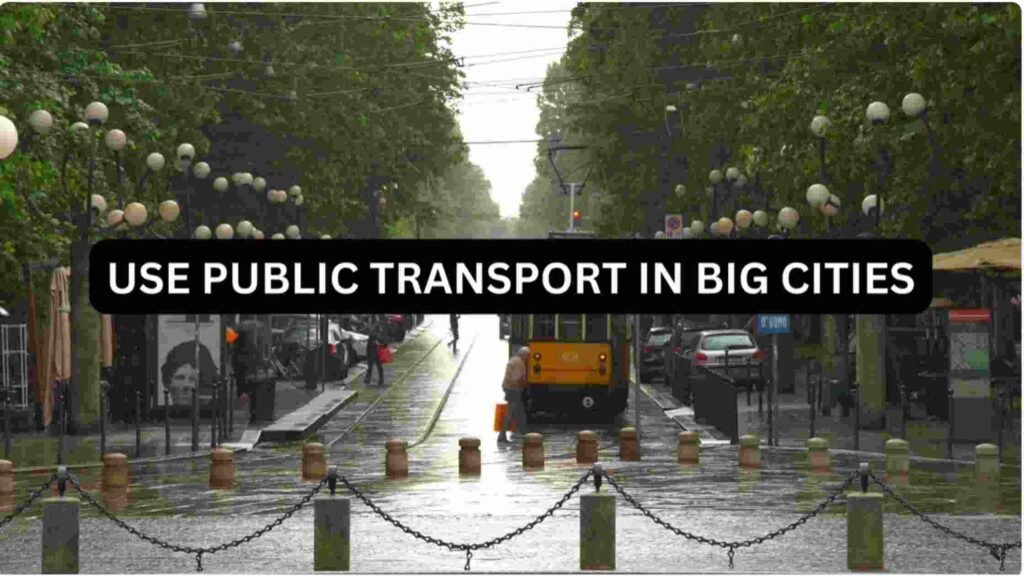
The right choice depends on where you are going. Public transport usually suits city-to-city itineraries, while a private vehicle can provide more flexibility in rural areas.
- Public Transport: Italy’s network includes trains, buses, trams, metros, and water transport.
- Trenitalia and Italo operate important intercity rail services, with high-speed options between many major cities.
- Regional trains and buses are useful for shorter journeys and places outside the high-speed network.
- Rome, Milan, Naples, and several other cities have urban rail or metro services alongside buses and trams.
- Private Transport: Renting a car or booking private transfers provides more route flexibility at a higher potential cost.
- Rental prices change with vehicle type, pickup location, dates, insurance, and demand.
- Drivers should budget for fuel, tolls, parking, and the risk of fines if they enter restricted ZTL areas without authorization.
For a first trip built around Rome, Florence, Venice, or Milan, rail plus local public transport often avoids the parking and ZTL complications associated with a rental car.
How Much Does Local Transport Cost?
Local fares differ sharply by city. Rome’s official ATAC network currently lists its BIT ticket at €1.50 for 100 minutes, while Venice’s water-based system costs considerably more: a standard 75-minute ACTV ticket is €9.50 and a 24-hour pass is €25. Check the current operator price for every city rather than applying one national transit estimate.
- Ticketing: Buy through the local operator’s approved ticket channels and follow its validation rules for the ticket type you use.
- City Passes: Compare the pass price with the transport and attractions you will actually use instead of assuming every pass saves money.
- Know ZTLs: Many historic centers restrict unauthorized vehicle traffic, making a rental car inconvenient for some city stays.
Official examples: Rome ATAC BIT and Venezia Unica public transport fares. Always recheck prices for your travel date.
Dining and Food Costs in Italy
Food spending is one of the easiest parts of an Italy budget to adjust. A traveler mixing bakeries, markets, pizza, and casual restaurants can spend far less than someone booking several destination restaurants or multi-course dinners.
How Much Does Food Cost in Italy?
Instead of relying on one national “meal price,” use real menu-style benchmarks. Lonely Planet’s current Italy budget guide gives examples including about €1.20 for an espresso, €5 for a sandwich, €6–€8 for a pizza, and dinner for two starting around €50.
To keep the food budget under control:
- Mix restaurants with bakeries, markets, and simple takeaway meals.
- Check displayed menu prices before sitting down in heavily visited tourist areas.
- Compare nearby streets rather than assuming the restaurant beside a landmark offers the same value as one a few blocks away.
- Use accommodation with a kitchen when cooking some meals fits your travel style.
Current price examples make a more reliable planning reference than one fixed national daily figure:
| Food or Meal | Current Planning Example | Source |
|---|---|---|
| Espresso | About €1.20 | Lonely Planet |
| Sandwich | About €5 | Lonely Planet |
| Pizza | About €6–€8 | Lonely Planet |
| Dinner for two | From about €50 | Lonely Planet |
Can Local Markets Save Money?
Local markets can be useful for assembling a picnic or buying ingredients, especially when a restaurant meal is not important for every lunch. Compare posted prices rather than assuming every market stall is automatically cheaper than a supermarket or cafe.
- Look for bread, cheese, cured meats, and other easy picnic foods.
- Choose seasonal fruit and vegetables when they fit your meal plan.
- Use markets as part of the food experience, not only as a cost-cutting tactic.
Simple market-based meal ideas include:
- Sandwiches assembled with fresh bread and local ingredients.
- Seasonal salads with cheese, bread, or other ready-to-eat items.
- A picnic that replaces one restaurant lunch on a sightseeing day.
How Much Do Attractions Cost in Italy?
Attraction spending depends on how many paid museums, archaeological sites, guided tours, and city passes you add. A trip built around free piazzas and neighborhoods can have a much smaller sightseeing budget than one with several guided visits each day.
Current Museum, Attraction, and City-Pass Examples
Use official ticket prices whenever possible because admission and pass rules change. Current 2026 examples include the standard Colosseum ticket at €18, the Roma Pass at €32 for 48 hours or €52 for 72 hours, and Firenzecard at €85 for 72 hours.
- Buy a city pass only after checking your itinerary. Its value depends on how many included attractions and transport services you will actually use.
- Check official booking rules. Reservation requirements and timed-entry systems can matter as much as the ticket price.
- Separate transport passes from museum passes unless the official product clearly combines both.
- Recheck prices shortly before booking because local authorities can update fees.
| Ticket or Pass | What It Covers | Current Price Example |
|---|---|---|
| Colosseum standard ticket | Colosseum, Roman Forum, and Palatine-area access under the standard ticket conditions | €18 |
| Roma Pass | Participating attractions plus included public-transport benefits under the pass rules | €32 for 48 hours / €52 for 72 hours |
| Firenzecard | 72-hour museum card covering more than 60 participating museums | €85 |
| Venice ACTV transport | 75-minute ticket / 24-hour ticket | €9.50 / €25 |
Which Attractions Are Free in Italy?
Italy still offers plenty to see without an admission ticket. Free activities are especially useful for balancing days with expensive museums or tours.
- St. Mark’s Square in Venice can be explored without a square admission ticket, although individual attractions and other local charges may apply.
- Florence’s Piazzale Michelangelo offers a panoramic city viewpoint.
- Historic streets, piazzas, neighborhoods, and public viewpoints can fill part of a sightseeing day without an entrance fee.
- Some churches remain free to enter, while others charge for museums, special areas, or visitor access.
The Pantheon should no longer be placed on a general “free attractions” list. From July 1, 2026, the official standard full ticket is €7, with specific exemptions and free-admission conditions listed by the museum authority. See the official Pantheon information.
Shopping and Souvenirs
Souvenir spending is optional, so it is easier to control than accommodation or transport. Set a fixed shopping allowance before the trip if you know fashion, leather goods, food products, or crafts will be part of the experience.
A fixed allowance works better than relying on national “average souvenir prices.” Craft quality, authenticity, designer brand, store location, and material can create very large price differences.
Local Crafts and Fashion
Florence is known for leather goods, Venice for glasswork, and Milan for fashion, but a category name alone does not guarantee quality or authenticity. Compare workmanship, seller information, and the final price before treating an item as a meaningful purchase.
Designer shopping can easily exceed a normal daily sightseeing budget. Travelers planning major fashion purchases should keep that money separate from the core trip budget.
- Handmade leather goods: compare materials, construction, and seller reputation.
- Glass and craft items: check origin and authenticity information when it matters to you.
- Designer clothing: budget separately from ordinary daily expenses.
Budget-Friendly Keepsakes
You do not need an expensive purchase to bring home a reminder of Italy. Small items and edible gifts can fit a modest shopping allowance, but compare prices in tourist-heavy areas before buying.
| Item | Budgeting Tip |
|---|---|
| Keychains | Compare several nearby shops before buying |
| Postcards | Easy to include within a small fixed souvenir allowance |
| Magnets | Check quality and price rather than buying at the first landmark kiosk |
Edible gifts such as packaged pasta, sweets, coffee, or olive oil can also work, but check airline baggage rules and destination-country customs restrictions before packing food or liquids.
Seasonal Price Variations
Italy’s travel costs change with demand. Summer, major holidays, school-break periods, and large local events can affect both accommodation and airfare.
Compare the same itinerary across several date ranges before assuming one season is automatically cheapest.
When Is Italy Most Expensive?
June through August is a high-demand period for many Italian destinations, especially famous cities and coastal areas. Shoulder periods can offer a different balance of weather, crowds, availability, and price.
Winter can be less expensive in many places, but major holidays, ski destinations, Carnevale, and other events can create local exceptions. Always compare your actual destinations rather than using one national seasonal rule.
| Travel Period | Typical Demand Pattern | Budget Consideration |
|---|---|---|
| Summer | High in many major destinations | Book accommodation and popular transport early when dates are fixed |
| Spring / Fall shoulder periods | Varies by city and event calendar | Compare with summer dates for potential value |
| Winter | Often lower outside holidays and event periods | Check weather, opening schedules, holidays, and local events |
- Airfare varies by route. As one example, Google Flights currently shows New York–Rome typical fares around $365–$560 in November versus $730–$960 in June. If November fits your dates, this guide to what to see, do, and expect in Italy in November can help you plan around the weather and crowds.
- Hotel demand is highly local. Venice during a major event can behave very differently from a smaller inland town on the same dates.
How Do Festivals and Events Affect the Budget?
Large festivals and holidays can create sharp local demand even outside summer. Venice’s Carnevale and Easter-period travel are examples of dates worth checking before booking. If your dates overlap a major event, compare accommodation and transport earlier than you normally would.
- Events can raise demand in one city even when the rest of Italy is relatively quiet.
- Early booking can improve availability when your itinerary is fixed.
- Travel-insurance coverage varies by policy. Do not assume an event-related cancellation is covered unless the policy wording says so.
- Check major event and holiday dates for every overnight stop.
- Compare the same room and transport route across nearby dates.
- Book high-demand dates once the itinerary and cancellation terms make sense.
Tips for Saving Money in Italy
A lower Italy budget does not require skipping the country’s main experiences. The largest savings usually come from itinerary design, accommodation choice, transport timing, and deciding which paid attractions matter most.
Travel Discounts and Deals
Use the following tactics before cutting experiences you actually care about:
- Compare high-speed train fares early when your travel dates are fixed.
- Compare shoulder or off-peak dates with peak-season dates before booking.
- Compare the final price rather than an advertised base rate that excludes baggage, taxes, or fees.
- Use fare alerts for international flights when your schedule is flexible.
- Calculate city-pass value from attractions you genuinely plan to visit.
- Do not rely on last-minute deals for high-demand cities or event dates.
Also check legitimate age-based, student, family, or other eligibility discounts directly with the attraction or transport operator when they apply to your group.
Alternative Accommodations
Where you stay can change both the room cost and your daily food and transport spending. Consider:
- Hostels – Useful for solo travelers comfortable with dorm or simple private-room accommodation.
- Apartment rentals – A kitchen can reduce restaurant spending for longer stays.
- Agriturismo – A rural option that may suit countryside itineraries.
- Monastery or religious guesthouse stays – Availability, rules, and pricing vary by property.
- Camping – Can suit travelers whose route and equipment make it practical.
Compare the complete stay cost. A property with breakfast, a kitchen, or a location near the sights may be better value than a cheaper room that requires extra meals or daily transport.
Sample 10-Day Italy Budgets
The following estimates cover typical on-the-ground spending targets rather than international airfare. They are planning ranges, not promises: Venice, Rome, premium coastal destinations, major events, private tours, and higher-end hotels can move the total upward.
Use the range that best matches your travel style, then price your actual accommodation and intercity tickets before committing to the final budget.
The Budget Traveler
A budget-oriented traveler can target about €70–€100 per day, or roughly €700–€1,000 for 10 days, before international airfare.
- Accommodation: Hostels, simple guesthouses, or shared rooms.
- Food: Bakeries, pizza, markets, simple cafes, and selective restaurant meals.
- Transportation: Public transport and carefully planned intercity rail or buses.
- Attractions: A mix of free sights and a limited number of priority paid attractions.
The Luxury Seeker
A useful comparison includes the mid-range traveler as well as the two extremes. These totals make the tradeoff easier to see:
| Travel Style | Daily On-the-Ground Target | 10-Day Target Before International Airfare |
|---|---|---|
| Budget | €70–€100 | €700–€1,000 |
| Mid-range | €150–€220 | €1,500–€2,200 |
| Luxury | €300+ | €3,000+ |
Additional and Hidden Italy Trip Costs
Do not stop budgeting at flights, hotels, meals, and museum tickets. Local accommodation taxes, airport transfers, baggage charges, insurance, parking, tolls, and itinerary changes can all affect the final total.
Travel Insurance Necessities
Travel-insurance prices depend on factors such as trip cost, traveler age, destination, benefits, deductibles, and optional coverage. Compare the policy wording and exclusions rather than relying on one universal percentage of trip cost.
- Medical Coverage: Check emergency medical limits, exclusions, and deductibles.
- Trip Cancellation or Interruption: Confirm which reasons are actually covered.
- Baggage Coverage: Check limits for lost, delayed, stolen, or high-value items.
Get quotes for your exact travelers and itinerary. A cheaper policy is not automatically better if its exclusions remove the protection you expected.
Emergency Funds and Local Visitor Charges
Keep a separate contingency reserve instead of assuming one percentage fits every trip. A traveler with prepaid flexible hotels has different exposure from someone driving, taking multiple flights, or booking nonrefundable accommodation.
- Unexpected Transport: A replacement train, taxi, new flight, or transfer can become necessary after a disruption.
- Extra Accommodation: Delays or itinerary changes can create an additional hotel night.
- Local Charges: Municipalities can impose accommodation or tourist taxes, so check the rules for every city where you sleep.
Rome and Venice both maintain official visitor-tax systems, but the amount and conditions can depend on accommodation type and local rules. Venice also operated a day-visitor Access Fee on selected 2026 dates through July 26; that 2026 trial period has now ended. Check the current rule again if you are planning a future visit.
| Possible Extra Cost | What to Check Before Travel |
|---|---|
| Accommodation tax | Municipality, property category, nights charged, exemptions, and payment method |
| Extra hotel night | Cancellation terms and the cost of extending the stay |
| Replacement transport | Flexible fares, insurance terms, and available alternatives |
Final Thoughts on Planning an Italy Budget
The most useful Italy budget is not a single national average. It is a total built from your exact route, dates, accommodation, transportation, meals, and priority experiences. Start with a daily target, then replace estimates with actual prices as you book.
Spend More on the Experiences You Value
A controlled budget does not mean making every day as cheap as possible. Decide which experiences matter most, then offset expensive days with free or lower-cost activities.
- Attend a local festival when it fits your dates and budget.
- Choose museums and archaeological sites you genuinely want to see.
- Try regional dishes while balancing restaurant meals with simpler options.
- Spend time walking neighborhoods, piazzas, parks, and viewpoints.
The goal is to move money toward memorable priorities instead of spending automatically in every category.
Create Your Personalized Italy Budget
Build the budget in the same order you will spend it:
| Expense Category | What to Include |
|---|---|
| International airfare | Fare, checked baggage, seat fees, and airport transfers |
| Accommodation | Room total, booking fees, and local visitor or accommodation taxes |
| Food | Breakfast, lunch, dinner, coffee, drinks, snacks, and market purchases |
| Transportation | Intercity trains, buses, local transit, rental car, parking, fuel, or tolls |
| Attractions | Museum tickets, tours, reservations, and city passes |
| Contingency | Unexpected transport, an extra night, medical deductibles, or itinerary changes |
Start with your daily on-the-ground target, multiply it by the number of travel days, and then add international airfare and expensive one-off bookings. Replace each estimate with a real booking price as your itinerary becomes final.
Frequently Asked Questions About Italy Trip Costs
How Much Does a Trip to Italy Cost Per Day?
For 2026, a practical on-the-ground target is about €70–€100 per person per day for a budget trip, €150–€220 for mid-range travel, and €300+ for luxury, before international flights.
How Much Does a Week in Italy Cost?
Using those daily planning ranges, seven days is roughly €490–€700 for a budget traveler, €1,050–€1,540 for mid-range travel, or €2,100+ for luxury before international airfare.
Is Italy Expensive for Tourists?
Italy can be expensive in high-demand cities, coastal destinations, peak periods, and luxury travel categories, but the country also supports lower-cost trips using hostels or simple rooms, public transport, casual food, and free attractions. Your city mix and travel style matter more than a single national label.
How Much Does Food Cost in Italy?
Food costs depend on how often you eat in restaurants. Current Lonely Planet examples include about €1.20 for an espresso, €5 for a sandwich, €6–€8 for a pizza, and dinner for two starting around €50. Mixing simple meals with restaurants gives you more control over the daily total.
How Much Money Should I Budget for 10 Days in Italy?
A useful 10-day planning target is about €700–€1,000 for a budget trip, €1,500–€2,200 for a mid-range trip, or €3,000+ for luxury on the ground. Add international airfare separately, plus any unusually expensive tours, private transfers, or shopping.
What Is the Cheapest Time to Visit Italy?
Lower-demand periods outside major holidays and events can offer better prices than peak summer in many destinations, but there is no cheapest month for every Italian city and flight route. Compare the same itinerary across several dates, including shoulder-season and winter options.
Conclusion
An Italy trip can fit very different budgets. Start with about €70–€100 per day for budget travel, €150–€220 for mid-range travel, or €300+ for luxury, then add international airfare and major one-off expenses. Price your exact cities and dates before booking, because accommodation, transport, local charges, and attraction costs can differ substantially across the country.
Once the major bookings are priced, keep a separate contingency reserve and update your budget with the real totals. That approach gives you a more useful answer than relying on one nationwide “average trip cost.”