How Much Does It Cost to Start a Bank?

How Much Does It Cost to Start a Bank
Facebook
Twitter
LinkedIn
Pinterest
Telegram

Quick Answer: How Much Does It Cost to Start a Bank?

As of August 2026, a U.S. de novo bank should generally plan on raising about $20 million or more in initial capital, but there is no single universal federal dollar minimum. Recent U.S. approvals have included capital requirements below $20 million as well as requirements of $40 million or more, depending on the market, business model, growth plan, and risk profile. Regulatory capital is only one part of the budget; organizers also need money for legal and application work, technology, cybersecurity, staffing, premises, compliance, insurance, and pre-opening operations.

Last updated: August 11, 2026. This guide focuses on starting a new FDIC-insured bank in the United States. The FDIC does not publish a one-size-fits-all startup-capital figure; it evaluates whether the proposed capital is adequate for the specific institution. Its organizer resources also explain the deposit-insurance application process for de novo banks.

How Much Does It Cost to Start a Bank

The most important budgeting distinction is regulatory capital versus startup expenses. Capital supports the bank’s balance sheet and absorbs losses; startup expenses pay for the work needed to organize, approve, build, staff, and launch the institution. Treating those two buckets as the same number can leave an organizing group underfunded before opening day.

The sections below explain the cost drivers, charter and deposit-insurance process, funding approach, technology and staffing needs, and the questions organizers should answer before committing capital.

The Banking Industry Landscape

Starting a bank requires more than estimating a buildout budget. The organizing group must show that the proposed institution can operate safely, serve a defined market, remain adequately capitalized, and execute a credible business plan. Economic conditions affect deposit pricing, loan demand, credit quality, staffing costs, and the amount of capital a regulator may consider appropriate.

Current Economic Factors

Several economic factors affect the cost of starting a bank:

  • Interest rates influence borrowing costs.
  • Market liquidity dictates available capital.
  • Inflation impacts operational expenses.
  • Economic growth forecasts affect planning.

These conditions belong in the bank’s financial projections and stress scenarios because they affect both the amount of capital needed and the time required to reach sustainable earnings.

Regulatory Environment

In the United States, organizers generally need a federal or state charter and approval for federal deposit insurance. A national bank charter is issued by the OCC; a state charter comes from the relevant state authority. The FDIC separately reviews applications for deposit insurance, and Federal Reserve approvals may also apply depending on the ownership structure and charter.

Regulation Type Cost Implication
Charter and application process Legal, consulting, filing, organization, and pre-opening expenses
Initial capital Set case by case based on the proposed bank’s business plan and risk profile
Compliance and risk management BSA/AML, consumer compliance, audit, cybersecurity, reporting, and internal controls

For a U.S. startup bank, the most useful starting points are the FDIC’s deposit-insurance application resources and the chartering authority’s current guidance. Requirements can differ by charter, ownership structure, state, and business model.

Initial Steps To Opening A Bank

The startup process begins before money is raised from investors. Organizers first define the market, charter path, ownership structure, leadership team, products, risk appetite, and financial model. The FDIC organizer resources describe three broad phases: pre-filing, the application process, and pre-opening activities.

Products Worth Considering

Developing A Business Plan

A regulator-ready business plan is the foundation of the application. It should connect the proposed market and products to realistic growth, earnings, capital, liquidity, staffing, compliance, and risk-management assumptions. Core components include:

  • Executive Summary: An overview of the bank’s mission and vision.
  • Market Analysis: Research on the banking industry and target market.
  • Organizational Structure: Details on management and employee roles.
  • Product Line: Information about banking products and services offered.
  • Marketing Strategy: Plans for attracting and retaining customers.
  • Financial Projections: Estimates of profit, loss, and cash flow.

The plan is not only an investor document. Regulators use it to judge whether the bank has a reasonable chance of success, adequate capital, qualified management, and controls that match the risks of the proposed business.

Choosing A Bank Type And Location

Choosing A Bank Type And Location

Deciding on the charter, business model, and customer segment determines many later costs. A community retail bank, commercial lender, specialty institution, or digital-first bank can have very different capital needs, vendor stacks, staffing plans, compliance obligations, and physical-location requirements.

Next, selecting a location is pivotal. It must align with your market analysis and the needs of your target customers. Consider these factors:

Location Factor Reasoning
Market Demand Ensure a customer base exists.
Accessibility Customers should access the bank easily.
Competition Analyze local banking competition.
Regulatory Environment Understand state and federal bank laws.

A carefully chosen location can significantly affect the bank’s ability to thrive and impact start-up costs.

Financial Requirements

Capital Needs

Bank organizers should separate the financial plan into three buckets: initial regulatory capital, pre-opening/organizational expenses, and post-opening operating runway. The amount needed in each bucket depends on the proposed bank’s size, growth, products, geography, technology model, and risk profile.

Products Worth Considering

Capital Needs

There is no single universal federal dollar minimum for a U.S. de novo bank. The required amount is driven by the institution’s proposed size, growth, market, business model, risk profile, and projected losses. Current 2026 industry reporting shows that regulators often require around $20 million or more for new community banks, while recent approvals have ranged from $15 million to $40 million in cited examples. Those figures are benchmarks, not a rule.

The FDIC states that it expects a de novo institution’s initial capital to be sufficient to maintain a Tier 1 capital-to-assets leverage ratio of at least 8% throughout the first three years of operation. Organizers should therefore size capital from the business plan and stress case, not from a generic headline number.

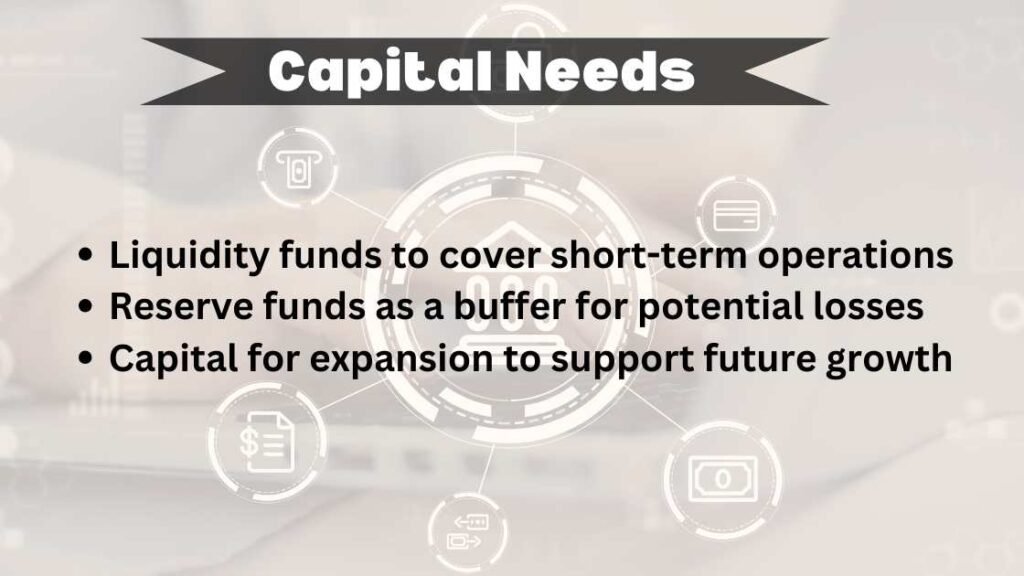
  • Liquidity funds to cover short-term operations
  • Reserve funds as a buffer for potential losses
  • Capital for expansion to support future growth

For current application guidance, see the FDIC’s Applications for Deposit Insurance. For recent U.S. capital benchmarks, see S&P Global Market Intelligence’s 2026 de novo-bank report.

Projected Operational Costs

Operating costs vary too widely for a single reliable monthly figure. A realistic budget should be built from vendor quotes, compensation plans, lease terms, insurance proposals, audit scope, cybersecurity needs, and the staffing model used in the regulatory business plan. The largest recurring categories usually include people, technology, compliance, occupancy, professional services, insurance, and customer acquisition.

Type of Expense Budget Treatment
Employee Salaries Build from approved headcount and compensation plan
Rent/Lease Use actual lease, buildout, utilities, and security quotes
Technology Use core, cloud, cybersecurity, data, and vendor proposals
Compliance and Legal Budget legal, audit, BSA/AML, consumer compliance, and reporting
Marketing Tie spend to the customer-acquisition plan and growth assumptions

Do not rely on generic internet cost ranges for these line items. Regulators will expect projections that are consistent with the proposed bank’s actual operating model and growth assumptions.

Securing Funding

Securing Funding

Once the organizers have a credible business plan and preliminary regulatory strategy, they must secure enough capital to meet the approval conditions and support the planned opening. The source, structure, and adequacy of that capital are part of the regulatory review.

Investor Relations

Most de novo banks depend on paid-in equity from an organizing group and outside investors. The investment case should explain the market need, leadership experience, capital plan, expected losses during the startup period, and the path to sustainable earnings.

  • Create a detailed business plan.
  • Showcase market analysis and projected growth.
  • Highlight the experience of your management team.
  • Set up meetings with potential investors.

Investor materials should stay consistent with the regulatory business plan. Aggressive growth, earnings, or exit assumptions that conflict with the application can undermine credibility with both investors and regulators.

Applying For Loans And Grants

Do not assume a normal business loan or grant can replace the equity capital regulators expect a new bank to have. The FDIC and the chartering authority evaluate the source and adequacy of proposed capital, and the organizing group must fully disclose its financing structure.

Funding Source Best Use Key Caution
Paid-in equity from investors Primary capitalization of the proposed bank Must fit the ownership, control, and regulatory approval structure
Organizer-level financing Potentially certain pre-opening or holding-company needs Structure and repayment obligations can affect regulatory review; obtain banking counsel

Before accepting financing, organizers should coordinate with experienced banking counsel and the relevant regulators so the funding structure does not conflict with charter, capital, control, or source-of-strength requirements.

The safer planning assumption is that regulatory capital must be supported by a transparent, regulator-acceptable capital-raising plan rather than by a generic small-business financing strategy.

Navigating Legal Hurdles

Starting a bank is a chartering and regulatory project, not a standard business-license filing. Organizers must coordinate the charter application, federal deposit insurance, ownership approvals where applicable, management vetting, capital raising, policies, vendor readiness, and a pre-opening examination.

Products Worth Considering

Obtaining Licenses And Permits

The first legal decision is the charter path. A proposed U.S. bank may pursue a national charter through the OCC or a state charter through the appropriate state authority. In either case, an insured depository institution also needs FDIC deposit-insurance approval. Applicants should:

  • Research the specific licenses needed for the bank’s operations.
  • Prepare detailed documentation, including a solid business plan.
  • Engage with legal experts well-versed in banking law.
  • Submit applications to the relevant regulatory bodies.

The Federal Reserve notes that organizing a bank can take a year or more and can require approval from at least two regulatory authorities. Actual timing depends on the proposal, application completeness, regulator questions, capital raising, management hiring, technology readiness, and completion of pre-opening conditions. See the Federal Reserve’s overview of starting a bank.

Meeting Compliance And Reporting Standards

Meeting Compliance

Banks must build compliance, risk-management, and reporting systems before opening. For a startup institution, these systems should be designed around the actual products, customers, delivery channels, vendors, and geographic markets in the business plan.

  1. Developing robust internal policies and procedures.
  2. Training staff to understand and implement compliance measures.
  3. Regularly reviewing and updating compliance protocols.
  4. Submitting accurate reports to regulatory agencies.

Compliance can represent a significant ongoing cost, factoring in staff training, system upgrades, and regular auditing.

Cost Breakdown For A Startup Bank

The total startup budget is not just the capital requirement. Organizers also need to fund technology, cybersecurity, professional services, staffing, premises, insurance, compliance systems, testing, and pre-opening losses. The categories below are useful for building a bottom-up budget from actual quotes.

Technology And Infrastructure Expenses

Core banking and digital infrastructure are central to deposits, lending, accounting, reporting, security, customer service, and regulatory compliance. The technology plan should also address vendor management, business continuity, cybersecurity, data governance, and integration testing.

  • Core banking system: Essential for daily banking activities.
  • Security measures: Includes firewalls, encryption, and anti-fraud systems.
  • Data storage solutions: For secure customer and transaction records.
  • User interface: Customer-facing applications and online banking portals.

Physical infrastructure costs can include branch setup, ATMs, and office hardware. These are critical for on-the-ground services and operations.

Expense Category Budget Basis
Core banking software Vendor proposal, implementation scope, integrations, conversion, and support
Cybersecurity Risk assessment, tooling, monitoring, testing, incident response, and staffing
Physical Branch Lease or purchase, buildout, vault/security needs, furniture, and local market costs
ATM Network Purchase/lease, installation, cash handling, network, security, and maintenance

Staffing And Training Investments

Regulators evaluate whether the proposed directors and senior managers have the experience needed for the bank’s business model. The staffing budget therefore has to cover both ordinary operations and specialist functions such as compliance, BSA/AML, risk, finance, information security, internal audit, and vendor oversight.

  • Executive recruitment: Building a top-tier leadership team.
  • Operational personnel: Day-to-day functional staff members.
  • Specialist roles: Such as compliance officers and risk analysts.

Training ensures your team is primed for delivering exceptional banking services. Initial and ongoing education is a must.

Staffing Needs Budget Basis
Executive Team Use signed/expected compensation packages for proposed executives
Branch Staff Use local market compensation by role, benefits, payroll taxes, and staffing level
Training Programs Budget role-specific compliance, systems, security, and operational training


Additional Considerations For Success

Starting a bank requires more than meeting an opening-day capital condition. The business plan also needs a believable deposit strategy, customer-acquisition plan, credit discipline, liquidity plan, cybersecurity program, insurance coverage, and risk-management framework that can scale with growth.

Marketing Strategy And Costs

Marketing Strategy

A customer-acquisition strategy should explain how the bank will attract deposits and qualified borrowers without relying on unrealistic growth assumptions. Budget categories may include:

  • Branding services
  • Website development
  • Social media campaigns
  • Print and digital advertising

Marketing spend should match the deposit and loan-growth assumptions in the financial model. If the plan requires rapid growth, organizers should also model the additional staffing, liquidity, compliance, technology, and capital needed to support that growth safely.

Risk Management And Insurance

Risk management should cover credit, liquidity, interest-rate, operational, compliance, cyber, third-party, fraud, and strategic risks. Insurance can transfer some losses, but it does not replace internal controls. Coverage commonly considered by organizers may include:

  1. Professional liability insurance
  2. Property and casualty insurance
  3. Cyber liability insurance
  4. Directors and officers’ insurance

Coverage limits, exclusions, deductibles, and required policies should be based on the bank’s actual risk profile and professional insurance advice. Use carrier quotes rather than generic cost estimates in the startup budget.


Frequently Asked Questions For How Much Does It Cost To Start A Bank

How Much Money Is Required To Start A Bank?

There is no universal U.S. dollar minimum that applies to every de novo bank. In 2026, industry reporting shows that regulators commonly require around $20 million or more for many new community banks, while recent approvals have ranged from $15 million to $40 million in cited examples. The FDIC also expects initial capital sufficient to maintain a Tier 1 leverage ratio of at least 8% during the first three years.

Is It Profitable To Start A Bank?

Yes, a new bank can become profitable, but profitability is not automatic. Early years often include startup losses while the institution builds deposits, loans, fee income, and operating scale. The business plan should show realistic earnings, credit losses, funding costs, staffing, and capital needs under both base and stress scenarios.

How Much Does Owning A Bank Cost?

For a new U.S. bank, ownership cost includes the equity capital committed to the institution plus organizational and operating expenses. The required capital can be tens of millions of dollars, while the ongoing cost depends on staffing, technology, compliance, premises, funding strategy, growth, and the bank’s risk profile.

Can Anyone Start A Bank?

An individual or organizing group can propose a bank, but approval is not automatic. Regulators review the organizers, directors, senior management, business plan, capital, risk-management systems, community needs, and other statutory factors. A qualified banking leadership team and transparent source of capital are central to the application.

How Long Does It Take To Start A Bank?

The Federal Reserve says the organization process can take a year or more. The actual timeline can be longer if the application is incomplete, the business model is complex, regulators request changes, capital raising takes longer than expected, or pre-opening technology, staffing, and compliance conditions are not ready.

Conclusion

Starting a U.S. bank is a capital-intensive, regulator-led project. A practical 2026 planning assumption is that many de novo community-bank proposals will need roughly $20 million or more in initial capital, but the actual requirement is case specific and can be lower or much higher. Build the budget from three separate buckets: regulatory capital, pre-opening costs, and post-opening runway. Before raising money or signing major vendor contracts, align the business plan with the chartering authority and the FDIC so the capital, staffing, technology, compliance, and growth assumptions all support the same strategy.

Related Post

How Much Does It Cost to Start a Publishing Company?

Starting a publishing company can cost anywhere from a few thousand dollars to over $30,000. The variance hinges on factors...

How Much Does It Cost to Start a Jewelry Business?

Starting a jewelry business can cost a few hundred dollars for a very lean home-based test launch, roughly $3,000–$15,000 for...

How Much Does a Salsa Buisness Cost to Start Up

For planning purposes, a small U.S. salsa business may require roughly $5,000 to $50,000 or more to launch. That is...

How Much Does It Cost to Start an Indoor Playground in 2026

Starting an indoor playground typically costs between $50,000 and $500,000. This depends on size, equipment, and location; many full-scale...

Leave a Comment

Your email address will not be published. Required fields are marked *

Hello there! I’m Weston Harrison, the mind behind “getcostidea.” As a passionate advocate for financial awareness and cost management, I created this platform to share valuable insights and ideas on navigating the intricacies of costs in various aspects of life.

Recent Post

Best Steering Wheel Covers for Your Car

DIY Wheel Alignment Tools: 4 Best Picks for 2026

Best Action Camera Bundles: GoPro vs Insta360 2026

Best Garage Storage 2026: Overhead & Tool Racks

Craftsman 256-Piece Tool Set Deal: $99 at Amazon

Best Gerber Tool Picks: 4 EDC Knives & Multitools

Best Black Friday Car Accessories: 4 Driver Picks

Best Wheel Cleaners for Brake Dust: 4 Picks for 2026

Best Dash Cams, GPS Trackers & Action Cameras 2026

Scroll to Top