
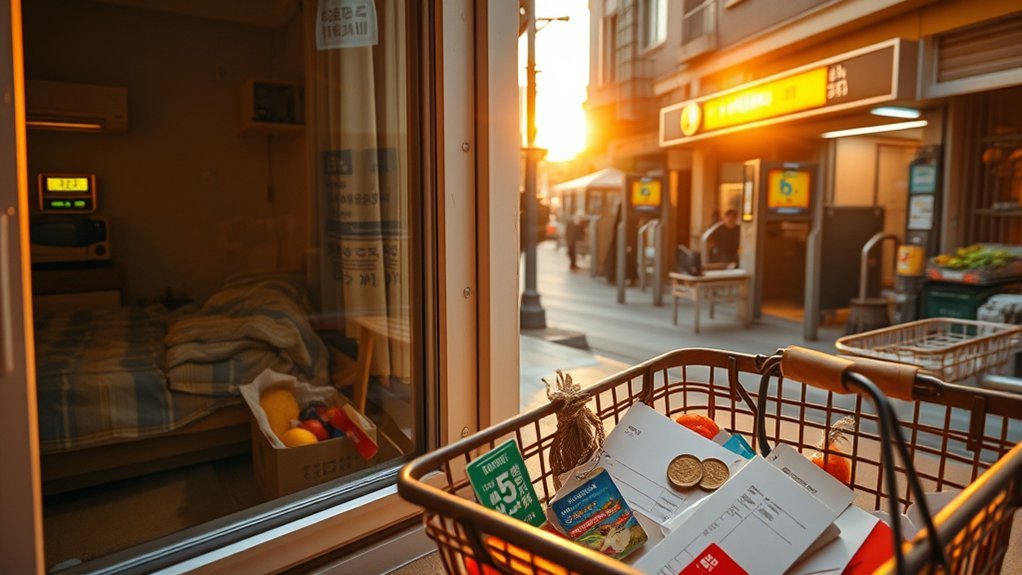
Basic monthly living costs in South Korea range from about ₩652,000 for a single person to ₩2,300,000 for a family of four. Rent is the biggest variable: small rooms cost $400–$600/month and officetels run $600–$1,500, with utilities and internet adding around ₩100,000. Transport and food are affordable. Subway rides cost roughly ₩1,250 and a casual meal runs ₩4,000–₩8,000. Healthcare is partly covered by the National Health Insurance system. Read on for a full breakdown of each cost.
Quick Answer
- A single person needs roughly ₩652,000/month (about $470) for non-rent expenses.
- Rent in Seoul ranges from $400–$600 for small rooms to $600–$1,500 for officetels.
- Food, transport, and utilities are affordable compared to most Western countries.
- National Health Insurance (NHI) covers 50–80% of medical costs; premiums average about ₩120,000/month.
- A comfortable budget for one person runs roughly ₩2.5M–₩3.5M/month, rent included.
Living Expenses and Monthly Budget Breakdown

A single person’s non-rent living costs in South Korea run about ₩652,000 (USD $470) per month. For a family of four, that figure rises to roughly ₩2,300,000 (USD $1,650). Utilities average ₩100,000, with electricity typically ₩10,000–₩30,000. Groceries are reasonable: milk costs about ₩2,875 and chicken fillets around ₩12,075 per kilogram. Dining out adds up quickly, though a cheap dinner for two is around ₩20,000. Transport is inexpensive, with subway fares at roughly ₩1,250 and a taxi base fare of ₩3,500. Healthcare costs are low compared to many Western countries. Housing typically takes 30–40% of a person’s salary, so these non-rent figures give a clearer picture of actual day-to-day spending. According to Numbeo, South Korea ranks as one of the more affordable developed countries for daily expenses.
Housing Options and Rental Costs
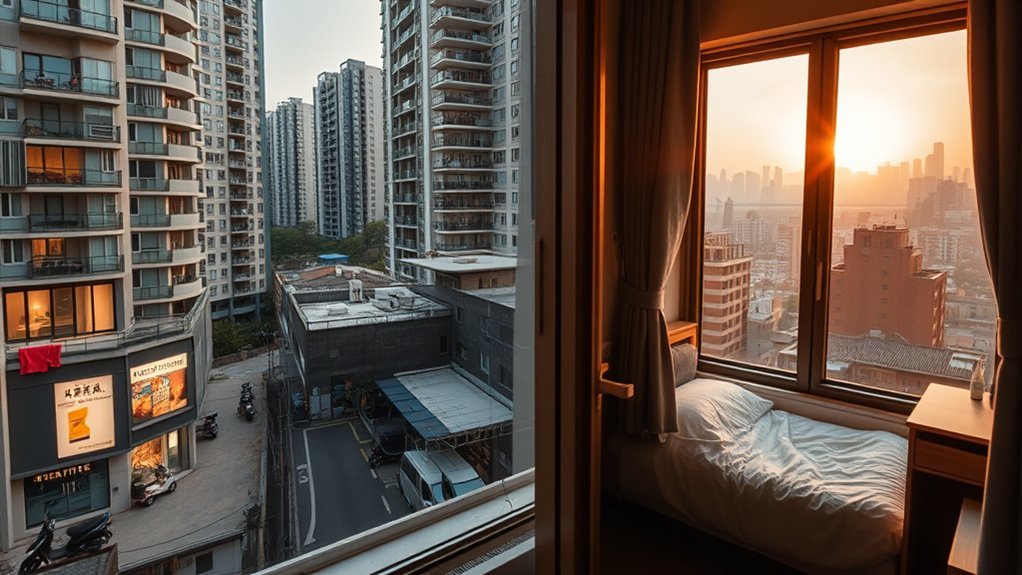
Rent in Seoul typically runs $400–$600/month for a small room and $600–$1,500 for a modern officetel. Add about $100/month for utilities and internet. South Korea also uses two unique lease models: jeonse (a large upfront deposit with little or no monthly rent) and wolse (a smaller deposit plus monthly rent). These structures can affect your cash flow more than the headline monthly rate suggests. Prices climb near subway stations and popular areas like Hongdae, while quieter neighborhoods like Sango or Noan are noticeably cheaper.
Monthly Rent Ranges
Rent for a small room in Seoul runs $400–$600/month, while officetels go for $600–$1,500. Actual costs depend heavily on the neighborhood and proximity to public transit. Hongdae tends to be pricier, while Sango and Noan are more affordable. When deciding where to rent, weigh subway access against unit size and what is included in the price. Keep in mind that the deposit structure can lower monthly rent but requires a larger upfront commitment. Factor in price per square meter and commute time before signing.
Deposit (Jeonse/Wolse)
Rental costs in South Korea depend heavily on the contract type. With jeonse, you pay a large lump-sum deposit equal to 50–80% of the property’s value, with little or no monthly rent on top. In Seoul, jeonse deposits typically run ₩100M–₩300M ($75,000–$225,000). With wolse, you pay a smaller deposit of roughly ₩1M–₩10M ($750–$7,500) plus monthly rent. Jeonse reduces monthly expenses but ties up a lot of capital. Wolse keeps more cash available but means ongoing rent payments. Proximity to subway stations also affects what landlords can charge.
| Option | Character |
|---|---|
| Jeonse | Large deposit, low monthly rent |
| Wolse | Small deposit, ongoing monthly rent |
| Transit | Close = higher cost, better living experience |
Studio vs. Officetel
Studios typically run $400–$600/month, sometimes with utilities included. Officetels start at $600 and can reach $1,500, particularly near busy areas like Hongdae. The price difference reflects the amenities: officetels combine residential and commercial use, and often include better security and on-site facilities. Studios are simpler and cheaper but offer less flexibility. Either way, budget around $100/month for utilities. Factor in how important subway access and long-term cash flow are before deciding.
Utilities, Internet, and Mobile Expenses
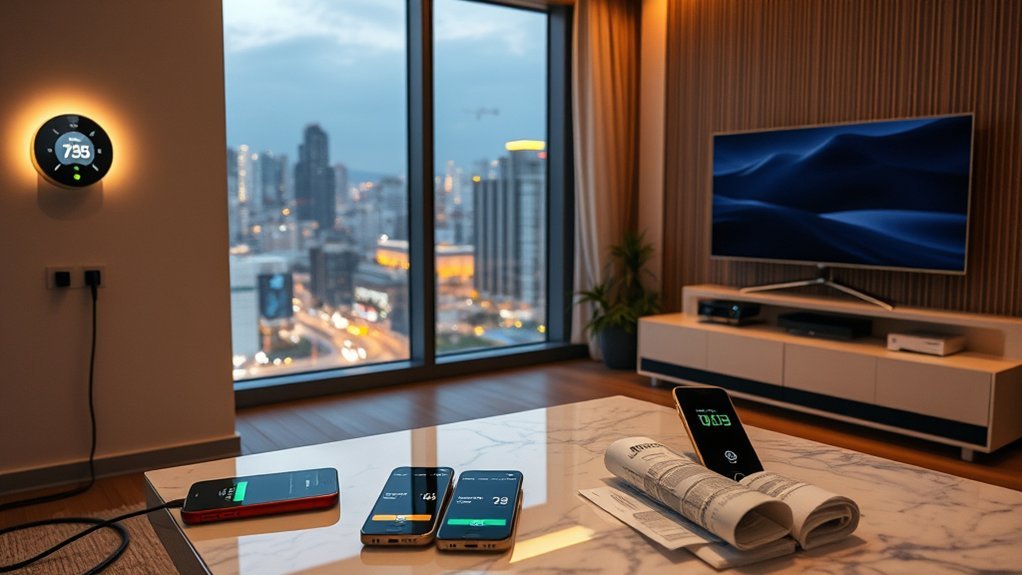
Monthly utilities in South Korea add up to roughly ₩100,000 (~$84) for most households. Electricity runs ₩10,000–₩30,000, gas ₩10,000–₩100,000 (which swings significantly in winter), and water about ₩10,000, which is sometimes included in rent. Internet and TV cost ₩30,000–₩50,000/month, and a mobile plan with unlimited data starts around ₩30,000. Electricity and gas bills vary by season, so expect higher costs in colder months. Internet is fast and competitively priced, which makes South Korea a practical option for remote workers and students.
Products Worth Considering

HIGH SPEED 5G/4G DATA: Enjoy up to 3GB of high-speed 5G/4G internet. Hotspot tethering is supported.


Phone Model:Please check that your phone supports eSIM function before use.
Food, Groceries, and Dining Out
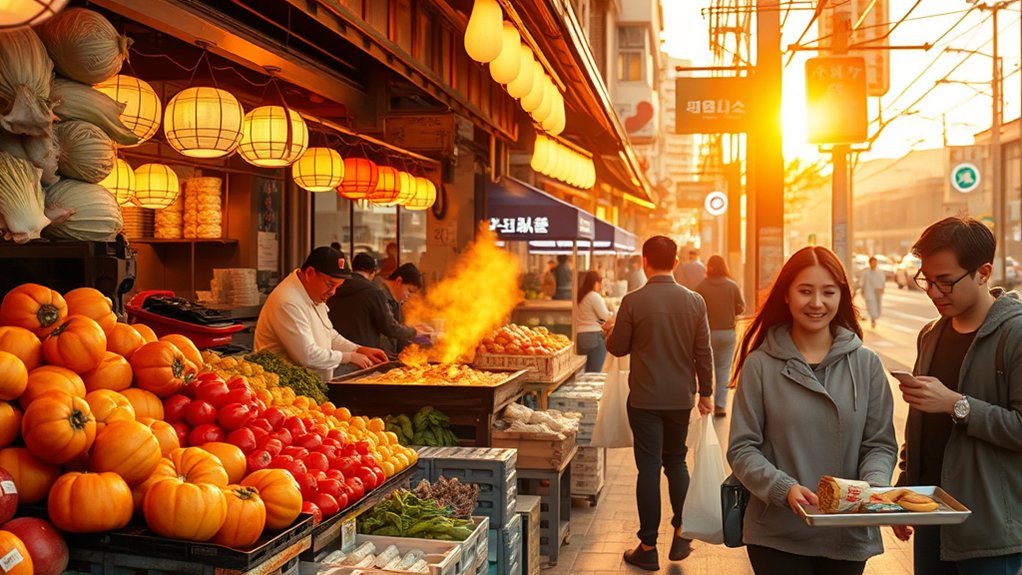
Food costs can swing a lot depending on your habits. Street food runs ₩1,000–₩3,000 ($1–$3) per item and is a genuinely cheap way to eat well. Casual restaurants serving gimbap or bibimbap cost about ₩4,000–₩8,000 ($4–$7). Korean barbecue is pricier at ₩15,000–₩30,000 ($12–$25) per person, though some unlimited plans start around ₩20,000 ($17). Grocery shopping is reasonable: milk costs about ₩2,875 ($2.50) and chicken fillets around ₩12,075/kg ($10.50). Convenience store meals range ₩1,000–₩7,000 ($1–$6). Western food tends to cost more, typically ₩12,000–₩35,000 ($10–$30). Cooking at home is the easiest way to keep food costs in check.
Products Worth Considering

Includes one 12 oz can of KBBQ Flavored SPAM

VARIETY OF FLAVORS: Discover a world of unique and delicious flavors with our Oligo Syrup, Apple Oligo Syrup, Rice Oligo Syrup, and Rice Malt Syrup - perfect for adding depth and complexity to your favorite dishes!

RED CHILI PEPPER FOR KIMCHI - Coarse gochugaru flakes used for making kimchi and cooking Korean dishes such as Spicy stir-fried pork, BBQ, etc. Contains 454 gram or 1 pound (pack of 1).
Transportation, Driving, and Commuting Costs
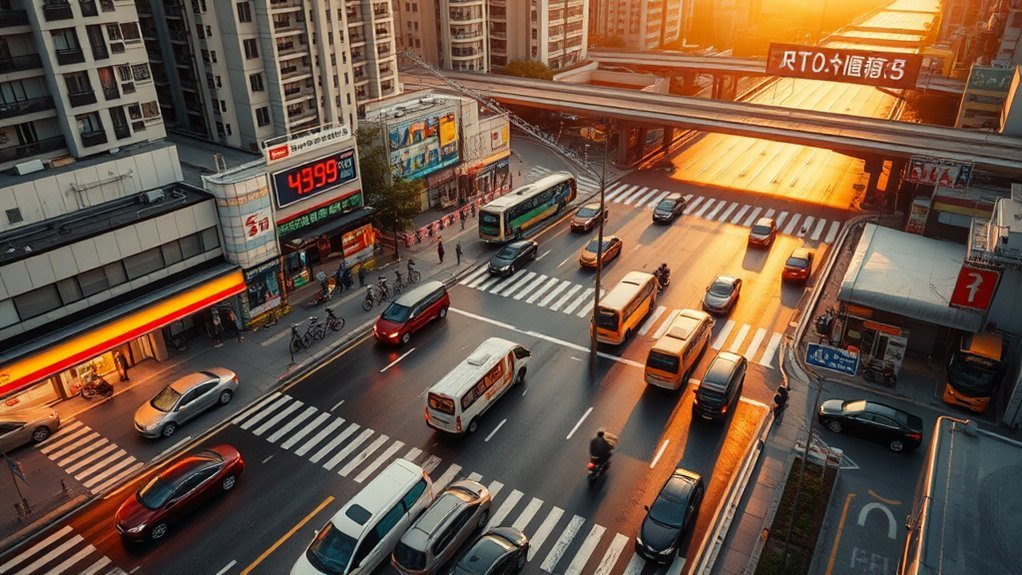
Public transit in South Korea is inexpensive. Subway trips average around ₩2,300 (about $2) and buses run ₩1,000–₩2,400 ($0.85–$2). A T-money card makes transfers easy and can also be used for small purchases at convenience stores. If you plan to drive, car rentals require a minimum age of 21, an international driver’s license, and compliance with South Korea’s strict 0.03% BAC limit. Taxis start at ₩3,500 ($3) but can reach ₩24,000 ($20) for longer trips, so it is worth comparing with intercity trains and buses when traveling farther.
Products Worth Considering

▶ 3 in 1 sim card fits for most phones - plug and use, no registration is required- unlimited data service, after the usage reaches 3GB, service continues at a throttled speed of 128kbps- the service 5 days starts from the date of activation.

▶ Please make sure your device is eSIM compatible and unlocked before you buy. If your device does not support eSIM function, please buy the physical version instead.

Valid for 6 days from the date of activation, non-rechargeable
Public Transit Fares
Subway rides cost about ₩1,250 (~$1) per trip at the base fare, while buses range from ₩1,000 to ₩2,400 ($0.85–$2), with night buses at the higher end. Taxis start at ₩3,500 ($3) by day and ₩4,600 ($4) at night, plus a distance charge. A T-money card (about ₩4,000) covers buses, subways, and some trains, and makes transfers slightly cheaper. Taxis are convenient late at night but cost considerably more than buses over time. For intercity travel, long-distance buses run ₩17,860–₩60,000 one way. The KTX high-speed train from Seoul to Busan costs around ₩50,000.
Driving and Licensing
Traffic in South Korea moves on the right. The minimum age to drive is 18. International driving permits are valid for one year and must be carried alongside your original license. To rent a car, you need to be at least 21 and hold a valid international permit or a Korean license. Public transit is generally cheaper and easier for daily commuting, but driving is useful for trips to areas not well served by trains or buses. Taxis are a practical middle ground for late-night or short-notice travel.
| Option | Cost (approx) | Freedom |
|---|---|---|
| Subway | ₩1,250 | Low |
| Taxi | ₩3,500–4,600 | Medium |
| Renting | Variable | High |
Long-Distance Travel Costs
Long-distance travel options vary by speed and cost. One-way intercity fares range roughly ₩17,860–₩60,000 ($15–$50) depending on distance and mode. City subway rides average about ₩2,300 ($2) per trip, and taxis start at ₩3,500–₩4,600 ($3–$4) but can climb to ₩24,000 ($20) for longer rides. Renting a car requires a minimum age of 21, a valid license, and an international driving permit, plus insurance and fuel costs, which typically makes it pricier than public transit. A ₩4,000 ($3.50) T-money card covers buses, subways, and some trains, making it the most cost-effective option for regular commuting.
Healthcare, Education, and Insurance
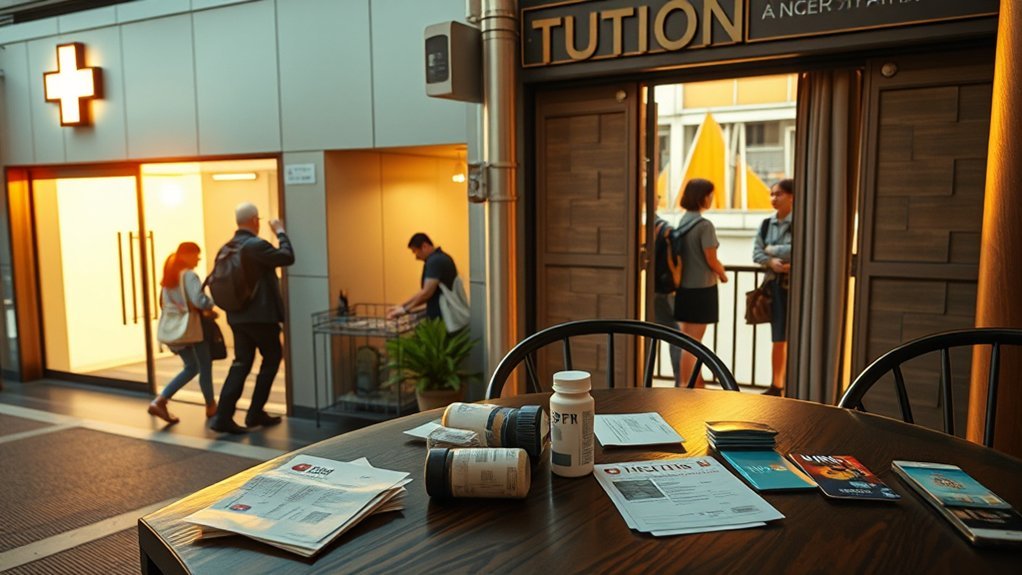
South Korea’s National Health Insurance (NHI) covers 50–80% of medical costs. Monthly premiums average around ₩120,000 ($100). Outpatient visits typically cost ₩10,000–₩30,000 ($7–$21), keeping routine healthcare affordable. Some expats add private health insurance at around ₩114,000/month to reduce out-of-pocket risk on larger procedures. Public schools are free, but language barriers lead many expat families to choose international schools instead. International school tuition averages ₩24,000,000/year (about $20,100), which is a significant budget item to plan for. Both choices involve real trade-offs: public is cheaper and stable, while private offers language access and quicker service.
| Cost item | Emotional weight |
|---|---|
| NHI premiums | Relief |
| Private insurance | Security |
| Public school | Stability |
| International schools | Aspiration |
Practical Tips to Lower Your Monthly Costs
Most of the savings in South Korea come from a few consistent choices rather than any single big decision.
Renting a wolse apartment in a neighborhood one or two subway stops from a popular area can cut rent by $200–$400/month compared to prime Seoul locations. Using a T-money card for all transit keeps fares low and transfers simple. Eating at local Korean restaurants or cooking at home keeps food costs well under ₩300,000/month. Signing up for NHI as soon as you arrive gives immediate access to affordable outpatient care. If you have children, researching public school options thoroughly first can prevent a large unplanned expense, since international school fees are the single biggest variable in an expat family budget.
Products Worth Considering

FESTIVE TOUCH: Elevate your New Year's wishes with our Happy New Year Gold Foil Cards! Made from quality cardstock, these 4.5 x 6.25” cards feature a subtle gold foil print, adding a touch of class and festivity to each new year greeting you send.

Features: These money envelopes measure 3.2 x 6.6 inches, making them the ideal small envelope for cash, budgeting, coins, jewelry, medications, resistors, capacitors, seeds, credit cards, SD memory cards, or any other small items. The 8.1 x 16.8 + 2.2 cm sealable envelopes cater to all your home and office needs. Use these cash envelopes to store or organize various small accessories, keeping things tidy and saving time.

Sleek and Stylish: Our 8 PCS Money Clips are the perfect combination of durability and fashion. Made of high-quality stainless steel, these clips are built to last and will keep your cash and cards secure in style
Frequently Asked Questions
How Much Money Do You Need to Live Comfortably in South Korea?
A comfortable monthly budget in South Korea runs about ₩2.5M–₩3.5M. The exact amount depends on your lifestyle: food choices, transport habits, entertainment, and healthcare all affect how much you save. Costs also vary significantly between Seoul and smaller cities.
How Much Is the Average House Rent in South Korea?
Average monthly rent runs ₩400,000–₩600,000, but Seoul is considerably higher. Costs vary by city, neighborhood, housing type, and contract. Suburbs and smaller cities offer more affordable options. Check whether utilities are included before signing a lease.
Can I Live Permanently in South Korea?
Yes, permanent residency is possible in South Korea. Various visa pathways exist depending on your work situation and length of stay. Be prepared for language barriers and lifestyle adjustments. Connecting with expat communities can help with the transition.
Is It Cheaper to Live in South Korea or the USA?
Generally, yes. South Korea is cheaper than most U.S. cities when it comes to housing, food, transport, and healthcare. Quality of life is high, though lifestyle differences are real. The cost gap narrows depending on which U.S. city you compare to.
Conclusion
South Korea can work for a range of budgets, but the gap between Seoul and smaller cities is real. One-bedroom rentals in Seoul average $900–$1,200/month, while cities like Busan or Daegu run $400–$700. Add $300–$500/month for utilities, transit, and groceries. Private health insurance and international school tuition vary widely and can change the overall picture considerably. As a practical example: an English teacher in Busan earning $2,200/month can save around 30% by renting a studio and cooking at home most days. Small, consistent choices add up.
