

You can live comfortably in Paraguay on roughly €700 a month as a single person and about €1,800 for a family of four. City-center one-bedroom rent runs around €390, and utilities stay low at about €43 per month. Groceries and dining are far cheaper than in Europe or the U.S., transport is inexpensive, and USD is widely accepted despite a volatile guarani. Keep reading for detailed breakdowns of housing, food, transport, and healthcare.
Quick Answer
- A single person needs roughly €700 per month for a comfortable life; a family of four needs about €1,800.
- City-center one-bedroom rent averages €390; outside the center it drops to around €310.
- Food takes about 28% of your budget; staples are much cheaper than in Western Europe.
- Overall living costs run about 64.6% below U.S. levels.
- The average local salary is only around €370 per month, so expats and retirees on foreign income benefit most.
Overview of the Average Cost of Living in Paraguay

Paraguay’s living costs are among the lowest in South America, but you still need to budget carefully. A single person spends about €700 per month; a family of four averages €1,800.
Paraguay is very affordable, but plan carefully — singles spend about €700 monthly, families around €1,800.
The average cost of living is kept down by affordable housing and cheap transport. A one-bedroom city-center flat averages 3,350,000 PYG (€390) per month. Buses cost about PYG 2,400 (€0.26), and taxis start at PYG 8,600 (€1).
Food takes about 28% of your budget. Staples like bread cost €0.65 and chicken fillets run €5.15 per kg.
The average monthly salary is around €370, which covers roughly 0.7 months of typical expenses. Many locals supplement income through informal work or remittances to close that gap. If you rely on local wages alone, you will likely need savings or extra income to stay comfortable.
Currency, Exchange Rates, and Inflation Trends

The official currency is the Paraguayan Guarani (PYG). High-denomination notes like PYG 20,000 and PYG 100,000 reflect years of inflationary pressure.
As of November 2025, rates sit at approximately 7,040 PYG to 1 USD and 7,750 PYG to 1 EUR. Exchange rates fluctuate daily, so always check current figures before making financial decisions. USD is widely accepted; euros appear mainly in tourist-facing venues. You can verify real-time rates at the Banco Central del Paraguay.
With an average monthly salary of about €370, even modest price shifts hit local residents harder than they hit dollar-paid expats.
Official Currency and Symbols
The Guarani (PYG, symbol ₲) is used for most daily transactions. You will typically handle high-denomination notes — 2,000; 20,000; 50,000; and 100,000 PYG — because of cumulative inflationary pressure.
For quick conversions: 1 USD is roughly 7,040 PYG and 1 EUR is roughly 7,750 PYG (November 2025 rates). Many businesses also accept USD, which makes short visits easier to budget.
Keep an eye on price levels, not just nominal salaries, when deciding whether Paraguay is affordable for you.
Recent Exchange Rate Trends
The Guaraní has held relatively steady against major currencies, but measurable fluctuations do occur. As of November 2025, the rate sits at about 7,040 PYG per USD and 7,750 PYG per EUR, reflecting ongoing inflationary pressure and periodic wage adjustments.
Dual-currency acceptance helps: USD is commonly taken alongside PYG, which cushions costs for visitors and remittance recipients. Higher-denomination notes (₲20,000; ₲100,000) ease everyday transactions.
Note: Exchange rates fluctuate constantly. Verify current rates before any financial decisions.
| Metric | Value (Nov 2025) |
|---|---|
| USD rate | ~7,040 PYG |
| EUR rate | ~7,750 PYG |
| Avg salary | €370 |
Inflation Impact on Prices
Inflation has pushed prices up, but Paraguay still offers goods about 30% cheaper than many neighboring countries. The squeeze shows up in wages: average monthly pay of about €370 lags behind rising costs.
At roughly 7,040 PYG/USD and 7,750 PYG/EUR (November 2025), currency fluctuations and high-denomination notes like the ₲100,000 signal persistent inflationary pressures. These affect purchasing power for both locals and expatriates.
Compare core expenses — rent, groceries, utilities — against your income when evaluating a move. If you are relocating, build exchange-rate volatility into your budget and any contracts.
Note: Prices for food, utilities, and essentials may have changed since publication. Verify current costs before planning your move.
Housing and Rental Markets in Paraguayan Cities

Paraguay’s rental and purchase prices stand out for their affordability. A one-bedroom downtown rents for about 3,350,000 PYG (roughly €390), versus 2,660,000 PYG (roughly €310) outside the center. Purchase prices run about 10,000,000 PYG per m² (roughly €1,160) downtown and 4,850,000 PYG per m² (roughly €565) in peripheral areas. Prices vary by region; Asunción typically costs 40 to 60% more than interior cities.
Monthly utilities and common fees average about 375,100 PYG (roughly €43) for a single person.
Compared with Western markets, rent in Paraguay is about 79.1% cheaper than in the United States. Still, the average monthly salary of roughly €370 covers only about 0.7 months of typical expenses, so affordability depends heavily on your income source.
If you’re buying, lower per-m² prices outside city centers offer good value for larger units. If you’re renting, central one-bedrooms cost more but remain inexpensive by international standards.
Products Worth Considering

Ultimate Rental Home or Apartment Property Inspection Checklist - Reusable & Laminated for Easy Cleaning - Double Sided! A MUST FOR EVERY Real Estate Agent, Home or Apartment...
Typical Grocery and Dining Prices
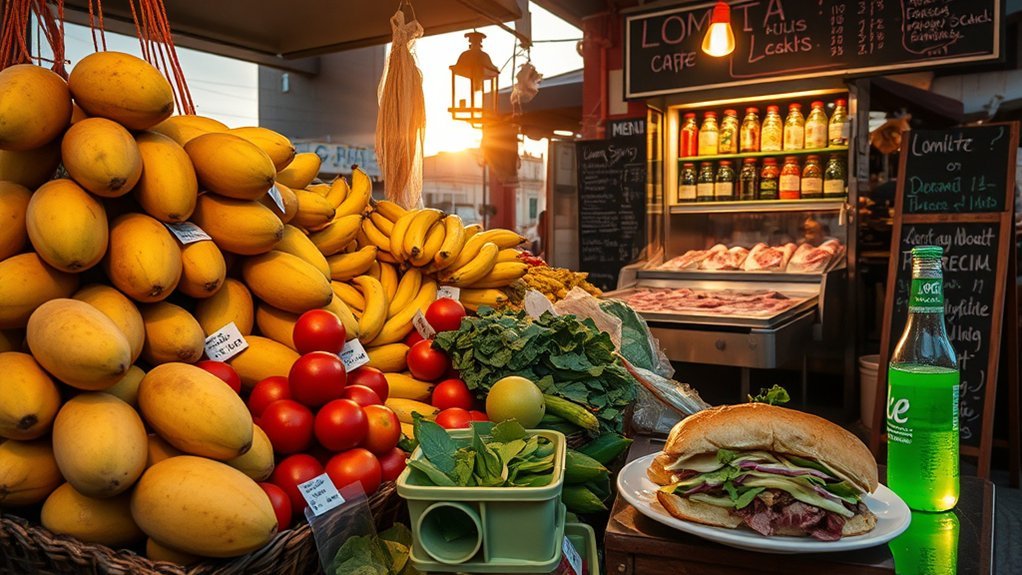
About 28% of your monthly budget goes to food in Paraguay. Groceries are noticeably cheaper than in Western Europe. A 500 g loaf of bread costs €0.65, a dozen eggs €1.60, 1 kg of local cheese €2.85, milk €0.75 per litre, and bottled water €0.45 for 1.5 litres. Common proteins like chicken and red meat run about €5.15 per kg. See Numbeo’s Paraguay cost-of-living data for regularly updated price comparisons.
Eating out stays affordable too. A typical lunch menu costs about $4.64, and a dinner for two averages $23.50.
Note: Food prices may have increased due to inflation. Verify current costs at local markets before budgeting.
| Item | Price | Category |
|---|---|---|
| Bread (500 g) | €0.65 | Staple |
| Eggs (12) | €1.60 | Staple |
| Cheese (1 kg) | €2.85 | Dairy |
| Chicken / Red meat (1 kg) | €5.15 | Protein |
| Lunch menu | $4.64 | Dining |
Transportation and Utilities Expenses
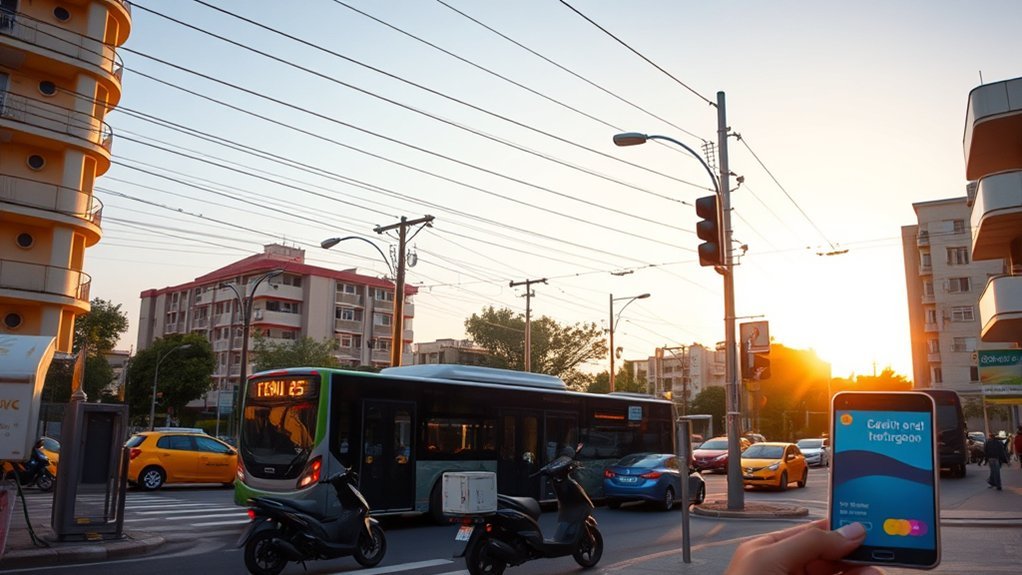
Public transport in Paraguay is very cheap. Standard buses cost PYG 2,400 (about €0.26) and air-conditioned ones cost PYG 3,600 (about €0.42). A monthly pass runs about $33.90.
Taxis start at PYG 8,600 (about €1), with an average 8 km ride costing around €8.16. Petrol is low at PYG 7,700 per litre (roughly €0.90), so driving can also be economical.
Basic utilities for one person average $23.70 monthly. Internet costs depend on speed and provider.
Public Transport Costs
Public transport is particularly affordable. Standard urban bus fares run about PYG 2,400 (roughly €0.26) and air-conditioned buses cost PYG 3,600 (roughly €0.42). Single local tickets average $0.58, and monthly passes cost $33.90.
Buses cost a fraction of taxi or car expenses, so commuting by public transport cuts your monthly spending considerably.
| Mode | Typical Fare | Monthly Equivalent |
|---|---|---|
| Standard bus | PYG 2,400 (~€0.26) | — |
| AC bus | PYG 3,600 (~€0.42) | — |
| Local ticket / pass | $0.58 / $33.90 | $33.90 |
Taxi and Fuel
Buses keep daily commuting cheap, but taxis and fuel come with different trade-offs. An 8 km taxi ride runs about $8.16, which is roughly the equivalent of two weeks of bus fares in a single trip. Petrol at about $0.95 per liter keeps driving costs low compared with many countries.
For occasional trips, taxis offer speed and convenience but cost many times the $0.58 single ticket and can cancel out savings from a $33.90 monthly pass.
If you drive, cheap fuel makes car ownership and ride-sharing competitive. Keep in mind that vehicle purchase costs matter too; mortgage-linked interest rates (20-year average of about 9.88%) can affect broader affordability.
Utilities and Internet
Utilities in Paraguay are cheap by regional standards. Expect about $23.70 for electricity, water, and gas combined, plus roughly $16.80 for a 50+ Mbps internet plan. That makes internet connectivity affordable for remote work or streaming.
For commuters, single public transport tickets cost about $0.58 and a monthly pass is roughly $33.90. If you drive, fuel at about $0.95 per liter keeps costs reasonable. Monthly passes are the best deal for frequent riders; driving becomes competitive only if your fuel use stays low.
| Item | Typical Cost (USD) |
|---|---|
| Utilities (elec/water/gas) | 23.70 |
| Internet (50+ Mbps) | 16.80 |
| Single transport ticket | 0.58 |
| Monthly transport pass | 33.90 |
Healthcare, Insurance, and Medical Costs

Paraguay’s healthcare costs are substantially lower than in most Western countries. Average annual healthcare spending per person is about €445 in the public system. General practitioner visits run near 300,000 PYG (roughly €35), and specialist consultations cost around 470,000 PYG (roughly €55).
Public healthcare is available at low direct cost, but quality and wait times vary. Many residents and expats choose private clinics for faster, higher-quality care.
If you want broader coverage, expatriates often purchase international health insurance. Premiums typically range from $50 to $150 or more per month, depending on age, health status, and coverage level. This gives access to private hospitals and overseas treatment.
Expats often buy international health insurance for private-hospital access and overseas care; premiums vary with age and health.
When budgeting, compare private clinic fees, prescription costs, and insurance premiums. Decide whether local public care with occasional private visits, or full international coverage, better fits your situation and risk tolerance.
Education, Childcare, and Schooling Expenses

Schooling costs matter as much as healthcare for family budgets. Public schooling is free and covers basic needs, so your schooling costs can be minimal if you choose that route.
Private schools range from €1,500 to €5,000 annually. Compare prices and curricula if you want specific facilities or bilingual instruction. Bilingual programs (Spanish and Guarani) and specialized language courses may carry extra fees.
Daycare and childcare average €100 to €300 per month, translating to €1,200 to €3,600 per child per year. Extracurricular activities like sports or music add €20 to €50 monthly each, or €240 to €600 annually per activity. University for locals costs about €1,000 to €3,000 per year; international students may pay more.
How Paraguay’s Costs Compare Regionally and to Europe

Paraguay’s costs stand out sharply when you compare them to the region and to Europe. Overall living expenses run about 64.6% below U.S. levels. Basic provisions are roughly 30% cheaper than in neighboring countries, and rent is about 79.1% less than in the U.S. A typical monthly budget is roughly €700 for one person and €1,800 for a family of four.
If you relocate from Europe, grocery bills and staple items will be noticeably cheaper. Bread, chicken, and local cheese cost considerably less, so your purchasing power rises meaningfully.
Compared to nearby capitals, Paraguay’s lower rent and reduced service costs cut housing and utility spending significantly. For digital nomads or retirees, the savings on accommodation and daily expenses often outweigh the lower local wages.
Use the country’s price differentials to build realistic budgets. You will likely need a fraction of typical European income to maintain a similar lifestyle, especially on housing and food.
Frequently Asked Questions
How Much Money Do I Need to Move to Paraguay?
You’ll need roughly €700 monthly for solo comfortable living, or about €1,800 for a family of four. Budget initial relocation savings for deposits, visa fees, and flights. Aim for at least three to six months of living expenses upfront to cover setup costs.
How Far Does the US Dollar Go in Paraguay?
The US dollar stretches far. Monthly living costs average about $647, which is 1.77 times cheaper than the world average. Your dollar buys more housing, meals, groceries, and transport compared with most countries.
What Is the Average Salary in Paraguay in Dollars?
The average salary in Paraguay is about €370 per month (approximately $400 to $410 USD depending on current exchange rates). That is roughly 1.77 times lower than the global average, placing Paraguay near the bottom worldwide despite its low living costs.
Is Paraguay a Good Place for Americans to Live?
Yes, for many Americans it makes strong financial sense. Living costs are about 64.6% lower than in the U.S. Rents are cheaper, there is no tax on foreign income, and daily expenses stay affordable. That combination makes Paraguay attractive for Americans seeking value.
Conclusion
Paraguay is highly affordable. Average monthly living costs for a single person run about $400 to $600, while a comfortable expat couple can live on $1,200 to $1,800. The guaraní maintains relative stability with manageable inflation. Housing is especially cheap — rents in Asunción run roughly 40 to 60% lower than in major South American capitals, though costs rise in central business districts. With rent at half or less of regional peers, you can plan realistically and stretch your budget further. Always verify current prices and exchange rates before making financial decisions, as costs shift over time.
