
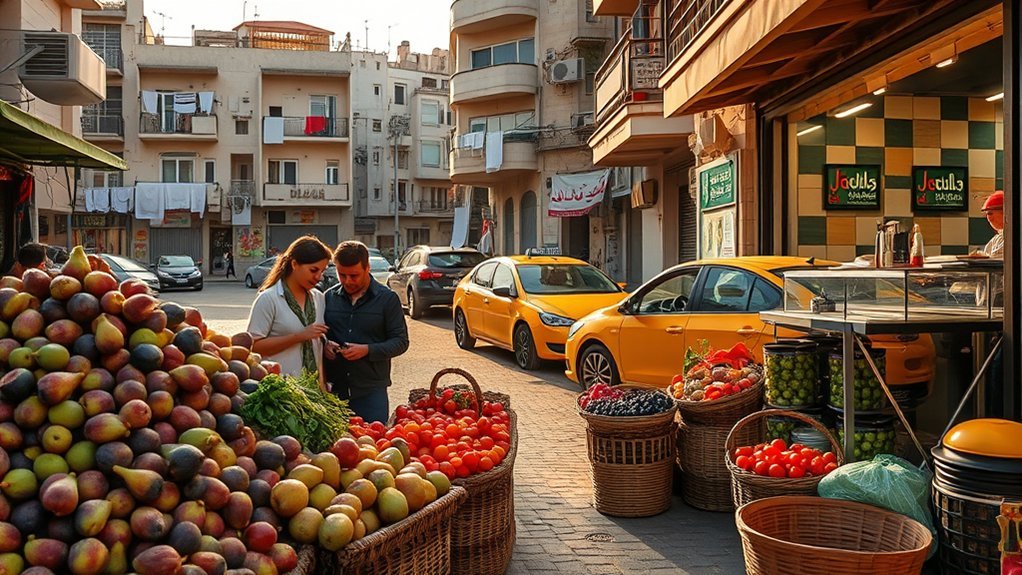
You’ll find costs vary by city and lifestyle, but you can live very frugally for about 500 shekels/month (~$150) or more comfortably for 1,500–2,500 shekels ($450–$750). Food runs 30–80 shekels weekly; one-bedroom rent averages ~$443 in urban centers; utilities near $71; transport and internet add modest monthly fees. Gaza is generally costlier and less accessible. Policy choices on movement, housing and subsidies shape affordability, and the rest of this guide explains how.
Meal and Grocery Prices Across Regions
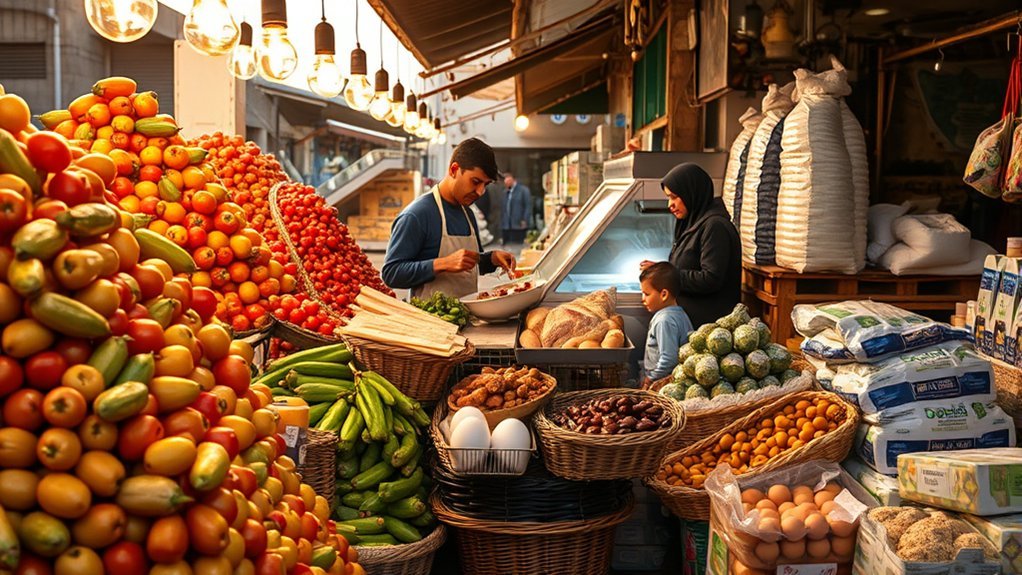
Although regional differences are modest, food costs in Palestine can vary noticeably by city and retailer: in Hebron you’ll typically spend 30–80 shekels weekly on basic groceries, find falafel lunches for 3–5 shekels, and pay about 30–40 shekels for a restaurant meal or roughly 8 shekels for coffee and cake, while supermarkets often charge more for branded or higher-quality items—so budget planning should assume a minimum monthly baseline near 500 shekels ($150), with further savings possible through host-family arrangements and by bringing toiletries and preferred brands from home. You’ll use these figures to shape living expenses projections and advocacy for equitable access to affordable food. Compare grocery prices across markets and supermarkets, prioritize local produce, and factor in transport or permit-related barriers that influence effective cost of living. Policy measures should target subsidies, fair pricing, and supply-chain support so you can secure nutritious food without compromising dignity.
Housing and Accommodation Costs
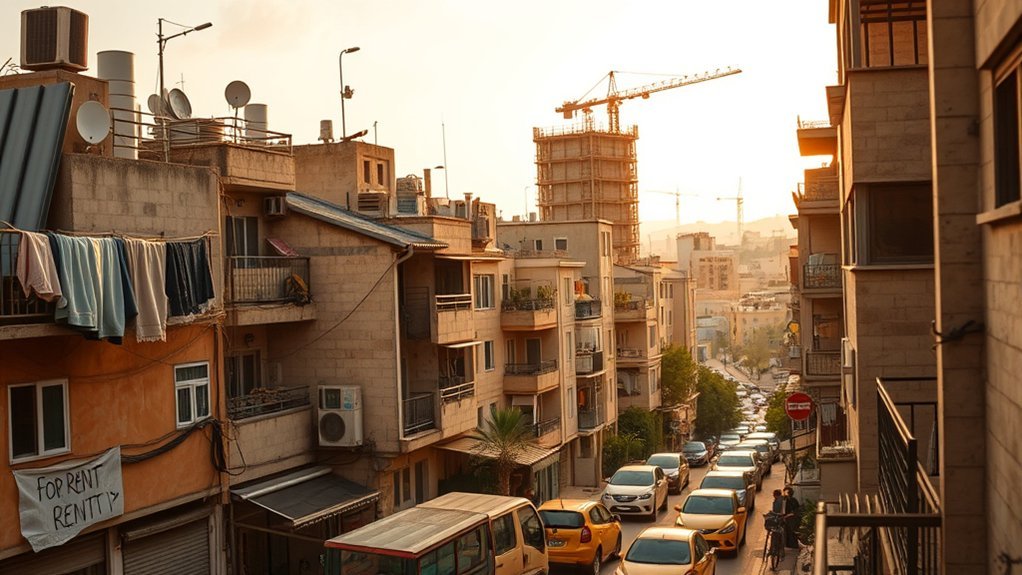
Because housing dominates monthly budgets, you should expect to pay roughly $443 for a one-bedroom and about $697 for a three-bedroom in city centers, with rents falling substantially outside urban cores; utilities for a single person add about $70.90 per month. You’ll find housing costs vary across the West Bank: urban centers push up market rates, while rural areas offer lower rents that can improve your standard of living if you can access jobs and services. Policy choices on zoning, subsidies, and public housing determine whether affordable options scale. Aim to assess trade-offs between proximity and cost, and advocate for transparent rent controls and investment in peripheral infrastructure so liberated communities can choose where to live without economic coercion.
| Item | Example monthly cost |
|---|---|
| 1‑bed (city center) | $443 |
| 3‑bed (city center) | $697 |
| Utilities (single) | $70.90 |
Transportation and Getting Around
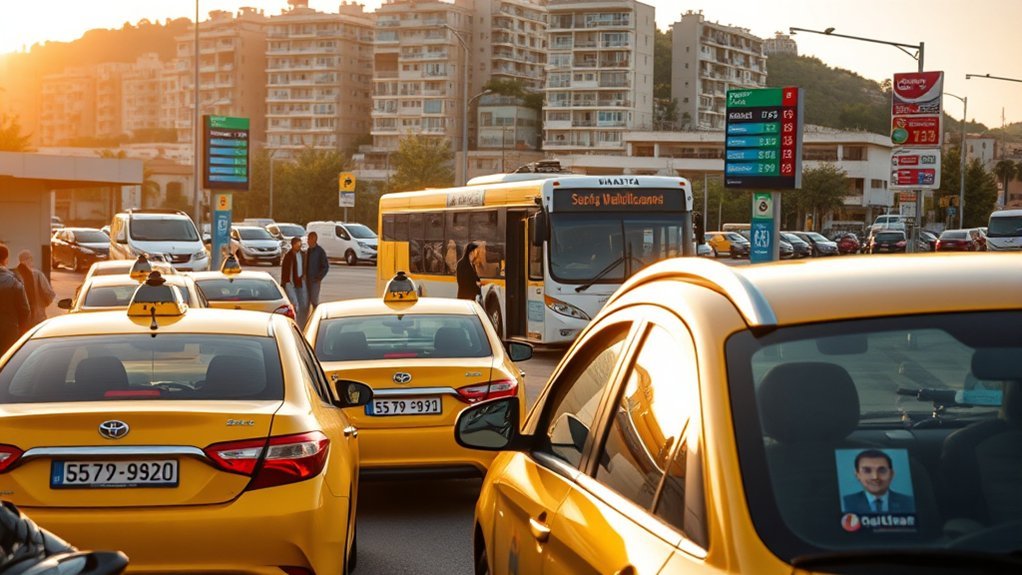
When evaluating transportation, you should compare public options and shared taxis (sherut) by cost and frequency to inform budgeting and policy choices. Shared taxis typically cost about 14–28 ILS weekly when you use them regularly and run once full, while single local tickets cost roughly $1.40 and monthly passes about $59.30, making shared options far more price‑efficient for short urban trips. Prioritize routes within walking distance and coordinated scheduling to reduce fares and improve access in dense city centers.
Public Transport Options
Shared taxis (servis) and buses form the backbone of public transport in Palestine, and you can expect weekly travel costs of roughly 14–28 shekels if you rely on servis vehicles that seat up to seven passengers and charge fixed fares by destination. You’ll find local single tickets near 1.4 USD and a monthly pass around 59.3 USD, so living with regular commutes is affordable compared with taxi dependence. Longer taxi trips — an 8 km ride at about 14.1 USD — show how distance raises costs, often making private hire more expensive than living near work or markets. Policy should prioritize reliable routes, subsidized monthly fares, and infrastructure so communities producing olive oil and other goods can move freely toward economic autonomy.
Shared Taxis (Sherut)
One practical option for getting around Palestinian cities is the sherut: 7-passenger shared taxis that run fixed routes and fares, which typically keep weekly travel costs down to about 14–28 shekels. You’ll find sheruts combine affordability and convenience for daily commuting and leisure, but shared taxi regulations matter: departures wait until full, so fewer passengers can raise your cost. Walkable centers cut expenses further. Use passenger experiences to assess reliability and safety; community feedback shapes informal accountability. For policy advocates, improving route coverage and transparent fare comparison helps mobility justice and economic freedom.
| Feature | Impact | Policy Note |
|---|---|---|
| Capacity (7) | Lowers per-person fare | Regulate occupancy standards |
| Fixed fares | Predictable cost | Publish standard fare lists |
Utilities, Internet, and Mobile Expenses
When budgeting in Palestine, you should expect average monthly utility bills of about $70.90 per person for electricity, water, and heating, with reliability and billing practices varying between urban and rural areas. Home internet plans typically run $30–$40 per month depending on speed and provider, while mobile plans cost roughly $10–$30, and many residents use prepaid options to control spending. Understanding these price ranges and regional infrastructure differences helps you evaluate service choices and advocate for policy improvements in access and affordability.
Electricity and Billing
A typical single-person utility package in Palestine runs about $70.90 per month, covering electricity, water and heating, but electricity costs vary and are shaped by import dependence and intermittent supply. You should track electricity availability and billing discrepancies closely; meters, irregular supply, and import price shifts drive monthly volatility. Policy reforms that expand renewable energy and transparent billing could reduce costs and empower communities. Expect to pay roughly $10–$30 extra if outages force backup generators or private solar investment. Mobile and internet costs exist but aren’t detailed here.
| Item | Typical Monthly Cost | Policy Note |
|---|---|---|
| Utilities (incl. electricity) | $70.90 | Subsidies and imports affect price |
| Backup/solar investment | $10–$30 | Renewable energy reduces reliance |
Home Internet Plans
Although speeds and prices vary by location, home internet plans in Palestine typically cost $30–$50 per month and deliver average download rates around 10–20 Mbps, with rural areas often seeing lower performance and limited availability. You’ll weigh internet speed comparison data against service provider options to choose a plan that fits work, education, and civic needs. Policy constraints and infrastructure gaps mean rural accessibility challenges persist, so you should expect slower or no DSL/fiber beyond urban centers. Budgeting-wise, internet often contributes to a combined utilities bill (around $70.90 monthly for one person). Advocate for equitable investment in broadband expansion and transparent regulation so your access becomes reliable, affordable, and empowering for collective liberation.
Mobile Data and Calls
Most people spend $10–$30 monthly on mobile data plans in Palestine, with prepaid options dominating and local calls costing about $0.15 per minute. You’ll find mobile networks comparison matters: prices differ by allowance and reliability. Prepaid plans advantages include flexibility, no contracts, and control under unpredictable conditions. Urban coverage challenges persist—cities see good service while rural areas may be limited.
| Plan type | Typical monthly cost | Notes |
|---|---|---|
| Basic data | $10–$15 | Short bundles, prepaid |
| Standard | $15–$25 | Balanced data and calls |
| Heavy use | $25–$30 | Larger allowances |
Policy attention to equitable coverage and affordable broadband (usually $30–$50/month) supports mobility and collective liberation.
Health Care, Insurance, and Personal Care
When you evaluate health care costs in Palestine, note that public services—led by the Ministry of Health—offer low-cost or free hospital care while private clinics and specialists typically charge more, with a routine doctor’s visit averaging about $15–$30 depending on location and specialty. You should assess health care accessibility across regions: public hospitals and clinics provide baseline coverage, but service quality and waiting times vary. Insurance options include public schemes and private plans; many people combine them to fill benefit gaps, so scrutinize exclusions and copays. Medication policy keeps essential drugs subsidized, though brand and import differences change price points. For personal care affordability, local markets and pharmacies supply toiletries and cosmetics at a range of prices—choosing generics usually lowers costs. From a policy perspective, push for stronger public funding and transparent insurance regulation to expand equitable access and reduce out-of-pocket burdens as part of broader liberation-focused social planning.
Entertainment, Leisure, and Sightseeing

After accounting for health and personal-care expenses, you should budget separately for entertainment and sightseeing since recreational spending follows different patterns and policy implications. You’ll find low-cost options: Hebron University gym or pool sessions at ~50 shekels and men’s haircuts near 20 shekels, which keep routine leisure affordable. Excursions, however, can raise monthly outlays, so plan for occasional higher-ticket activities.
Budget for entertainment separately: affordable routine leisure (gym, haircuts) keeps costs low, while occasional excursions require planning.
- Prioritize community-based cultural events and local festivals to stretch your budget while supporting local economies.
- Use public transport for access to regional sites — coach fares (e.g., Tel-Aviv to Haifa ~30 shekels) show how mobility policy affects leisure access.
- Allocate a souvenirs line for Hebron markets (dates, pottery, keffiyehs) to capture cultural value without overspending.
This data-driven, context-aware approach helps you balance everyday outdoor activities and larger excursions, advancing both personal freedom and collective cultural resilience through targeted spending decisions.
Typical Monthly Budgets for Different Lifestyles

Although your exact needs will shape the total, you can plan around clear budget tiers: a bare-minimum monthly baseline sits near 500 shekels (~$150) — reducible further if you stay with a host family — while a comfortable lifestyle usually ranges from 1,500 to 2,500 shekels ($450–$750) depending on dining, transport, and leisure choices; factor in weekly food costs of roughly 30–80 shekels, transport of 14–28 shekels (shared taxis), and routine leisure/ personal-care items of 20–50 shekels to translate policy-relevant price signals into actionable household budgets. You’ll map three practical profiles: subsistence (≈500 shekels) assumes minimal cultural expenses and strict food budgeting with meals as low as 3–10 shekels; modest comfort (≈1,500 shekels) allows varied dining preferences and occasional leisure; and comfortable (≈2,500 shekels) covers regular gym, cultural expenses, and diverse dining choices. Use these tiers to advocate for targeted support, monitor inflation impact on food and transport, and align personal lifestyle choices with broader socioeconomic goals for freedom and dignity.
Regional Price Differences: West Bank Vs Gaza
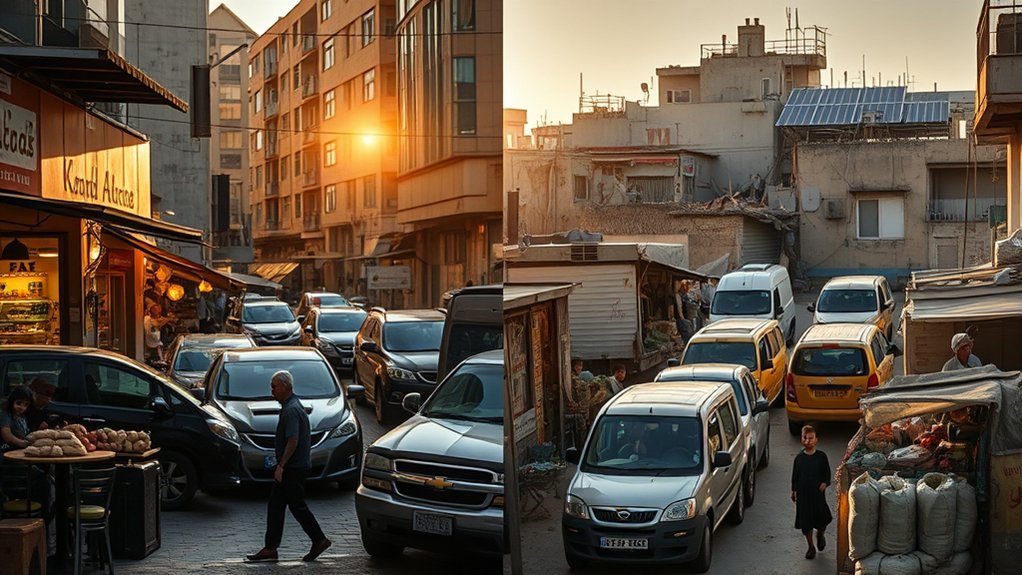
Because economic access and scarcity shape day-to-day costs, you’ll find living expenses particularly higher in Gaza than in the West Bank: data show GDP per capita of $1,924 in the West Bank versus $876 in Gaza, reflecting structural economic disparities that lower living standards and constrain employment opportunities. You should expect higher prices for essentials and housing in Gaza because restricted access and damaged infrastructure push up costs and reduce supply.
- Food & transport: More costly in Gaza due to import limits and agricultural disruption, worsening basic living standards.
- Housing: Average one-bedroom rent ~ $443 in the West Bank; Gaza rents are often higher because of scarcity and reconstruction needs.
- Labor market: West Bank unemployment ~34.9% vs Gaza projected 79.7% in 2024, limiting employment opportunities and household purchasing power.
Policy interventions must target freer movement, investment in agriculture, and job creation to narrow economic disparities and restore dignified living standards.
Frequently Asked Questions
What Is the Average Income in Palestine?
The average income in Palestine is about $642 monthly after tax; you’ll see average salary trends showing low wages, severe economic challenges, and a cost of living gap that demands policy reforms and liberation-focused economic support.
Are There Any Wealthy People in Palestine?
Yes — you’ll find wealthy Palestinians, though wealth distribution is skewed; they’re insulated from economic challenges, often fueled by local investments, diaspora ties, and policy gaps, which complicate equitable liberation and inclusive economic reform.
What Do People in Palestine Do for a Living?
You work across services, agricultural practices, tourism industry and tech — many in services, some on farms or in tourism, and growing technology startups; policy should boost jobs, remittances, and equitable access to markets and capital for liberation.
What Is the Most Expensive City in Palestine?
Ramallah is the most expensive city in Palestine; you’ll see cost factors like higher housing, dining, and services driving living expenses. Your city comparison shows policy needs for affordable housing, equitable investment, and liberation-focused economic reforms.
Conclusion
You’ll find costs in the State of Palestine vary widely by region and lifestyle, so plan budgets with granular data rather than broad guesses. Housing and transport dominate spending; groceries and utilities are smaller but volatile. Gaza’s prices and access constraints differ sharply from the West Bank, so tailor policy or household plans accordingly. Expect surprising swings—like rents that feel astronomically different between cities—and prioritize targeted subsidies, market monitoring, and improved infrastructure.
