
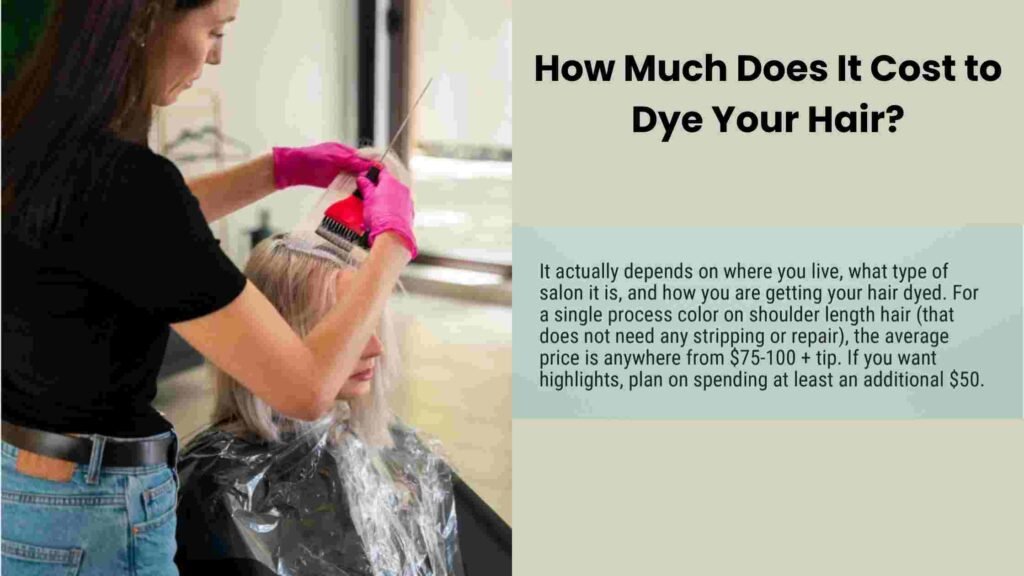
Hair coloring can cost anywhere from a few dollars for a basic at-home kit to several hundred dollars for a major salon transformation. The final price depends on the service, your starting color, hair length and density, the colorist’s experience, your location, and whether lightening or color correction is required.
Published: May 6, 2024 · Updated: August 11, 2026
Quick Answer
In the U.S., a professional single-process hair color commonly runs about $60 to $250 across salon tiers. A root touch-up is often around $75 to $140, while full highlights, balayage, blonding, and vivid color can run from roughly $100 to $600+. Complex color correction is commonly quoted by time, often around $150 to $250+ per hour. At-home dye kits are usually about $5 to $30, before tools and aftercare.
Key Takeaways
- A simple root touch-up or one-color service costs less than highlights, balayage, blonding, or corrective color.
- Long, dense hair and dramatic color changes usually require more product, time, toner, and sometimes several appointments.
- Ask whether the quote includes toner, extra color bowls, blow-drying, styling, treatments, and gratuity; these extras can materially change the checkout total.
- Patch-test home dye every time, follow the package directions, and do not use scalp hair dye on eyebrows or eyelashes.
How Much Does It Cost to Dye Your Hair?
Current U.S. pricing varies widely. StyleSeat’s appointment data places many salon color services around $75 to $200+, while 2026 salon benchmarks show a much wider spread by service type, market, and stylist tier. Use the ranges below as planning estimates, not guaranteed quotes.
How these estimates were built: This guide compares StyleSeat appointment-price data with 2026 U.S. salon benchmarks from BeautyPlaybook, then cross-checks service definitions against The Salon at Ulta Beauty. Safety guidance is sourced separately from the FDA and American Academy of Dermatology.
| Hair-Color Service | Typical U.S. Price Range | What Usually Affects the Price |
|---|---|---|
| At-home box dye | $5–$30 | Brand, formula, hair length, and whether you need more than one box |
| Salon root touch-up | $75–$140 | Regrowth amount, gray coverage, blow-dry, and salon tier |
| Single-process all-over color | $60–$250 | Hair length, density, extra product, stylist level, and location |
| Gloss or toner | $40–$100+ | Standalone service versus an add-on, product used, and styling |
| Partial highlights | $120–$210+ | Number of foils or sections, toner, and placement |
| Full highlights | $100–$450+ | Hair density, lightening level, toner, and stylist experience |
| Balayage or ombré | $120–$600+ | Hand-painting time, lightener, toner, blending, and finish work |
| Double-process or bleach-and-tone | $120–$400+ | Starting shade, lift required, toner, treatments, and number of sessions |
| Vivid or fashion color | $200–$500+ | Pre-lightening, multiple formulas, vivid pigment, toner, and maintenance |
| Color correction | Consultation-based; often $150–$250+ per hour | Color removal, banding, uneven results, multiple formulas, and repeat visits |
These estimates align with StyleSeat’s U.S. appointment pricing data and 2026 salon pricing benchmarks. Local menus can still differ sharply, so request a personalized quote before booking.

This purple shampoo and conditioner set helps neutralize brassy yellow and orange tones to keep blonde, gray, silver, and highlighted hair looking cool and vibrant. Enriched with coconut oil and hydrolyzed keratin, it helps nourish strands, smooth the hair shaft, and reduce breakage and split ends. The sulfate-free, paraben-free formula gently cleanses and conditions color-treated hair for soft, glossy, salon-quality results.

This nourishing hair mask is designed to help revive dry, frizzy, and damaged hair with a salon-ready finish. Formulated with collagen, coconut oil, argan oil, avocado oil, and shea butter, it supports smoother-feeling strands while fitting both at-home routines and salon use. It is suitable for all hair types, including color treated and chemically processed hair, and is intended for use on mid-lengths and ends away from the scalp.

This deep repairing hair treatment is designed to help restore damaged, over-processed hair with a quick in-home care routine. Formulated with ceramide and collagen ingredients, it works in minutes to support smoother, healthier-looking hair and is suitable for all hair types. It is especially recommended for hair stressed by heat styling or sun exposure.
How Much Does Hair Color Cost by U.S. Region in 2026?
Location can change the quote even when the service name is the same. The 2026 regional benchmarks below are useful for planning because they compare similar services across several U.S. markets.
| Region | Single-Process Color | Full Highlights | Balayage |
|---|---|---|---|
| Northeast | About $165 | About $295 | About $385 |
| West Coast | About $175 | About $310 | About $425 |
| Southeast | About $125 | About $215 | About $285 |
| Midwest | About $120 | About $200 | About $265 |
| Rural or small markets | About $85 | About $140 | About $185 |
These are broad regional benchmarks from BeautyPlaybook’s 2026 salon-price guide, not quotes for a specific salon. Major metros, senior colorists, and complex transformations can cost substantially more.
Note: A listed “starting price” may assume short or average-density hair. Extra color bowls, toner, a bond-building treatment, a haircut, or a polished blowout may be charged separately.
Cost Factors in Hair Dyeing
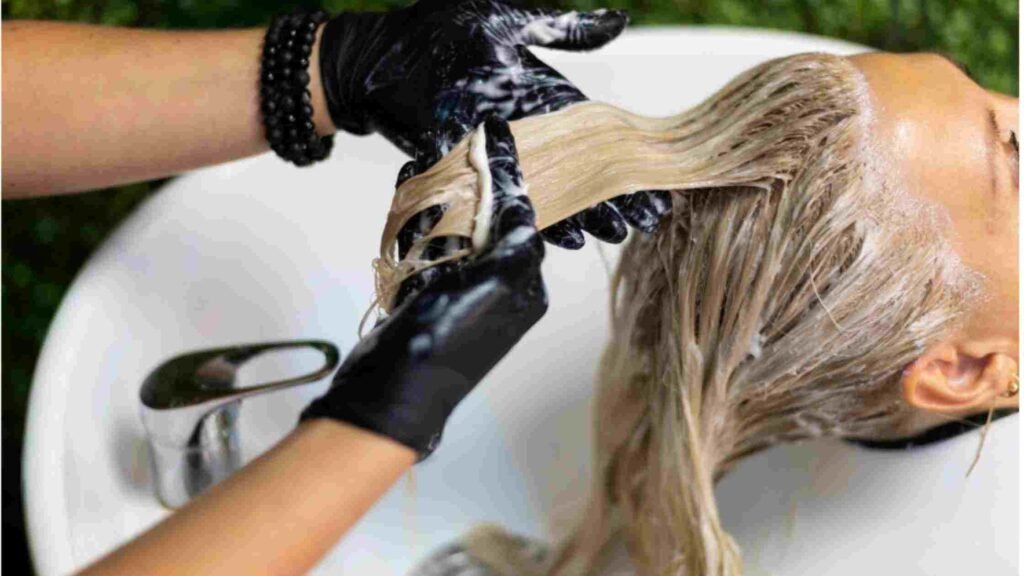
Deciding to dye your hair can be exciting, but the same inspiration photo can produce very different quotes at different salons. The largest price drivers are the service type, the amount of labor and product required, your color history, and the salon’s local market.
Salon Reputation and Location
The salon’s location and the colorist’s experience affect the labor rate. A busy color specialist in a high-cost city may charge far more than a newer stylist or a salon in a smaller market. Premium salons may also include longer consultations, customized formulas, higher service overhead, and more detailed finishing.
- Major cities and upscale districts: Higher rent, wages, and demand can raise prices.
- Senior or specialty colorists: Advanced training and a strong portfolio often command higher rates.
- Independent studios: Pricing may be hourly, package-based, or customized to each client.
- Training salons and beauty schools: Supervised student services may cost less, but appointments can take longer.
Dye Type and Color Complexity
A one-step color deposit is generally less expensive than a service that requires lifting, toning, blending, or correcting previous color. The formula itself matters less than the total amount of product, processing steps, and stylist time.
| Color Service | Typical Complexity | Why the Cost Changes |
|---|---|---|
| Single-process color | Lower | One main formula applied to roots, lengths, or the entire head |
| Gray coverage or root retouch | Low to moderate | Precise regrowth application and possible resistant-gray processing |
| Highlights or balayage | Moderate to high | Sectioning, placement, lightener, toner, and detailed blending |
| Bleach-and-tone | High | Controlled lightening followed by a customized toner |
| Color correction | Very high | Testing, removal, filling, multiple formulas, and possible repeat sessions |
Starting Color and Desired Result
Moving one or two shades darker is usually simpler than taking very dark hair to pale blonde. Large changes may need a strand test and several sessions to reduce breakage and uneven lift. Previously dyed hair can also behave differently from untreated hair because artificial pigment must be considered.
Hair Length, Density, and Condition
Salons often charge for extra time or product when hair is long or dense. Texture alone does not determine price. Two people with curly and straight hair may pay the same if the product use and appointment time are similar. Damage, porosity, previous bleach, henna, metallic-salt color, relaxers, or keratin treatments may require extra testing or a modified plan.
Pro Tip: Send the salon clear photos of your current hair in natural light, your full length from the back, and your goal color. Include your color and chemical-treatment history so the quote is more realistic.
DIY Hair Dyeing vs. Professional Services
Choosing between home dye and salon color usually comes down to budget, risk, and complexity. A home kit may work for a straightforward color refresh, but major lightening, vivid transformations, uneven previous color, and corrections are safer to plan with an experienced colorist.
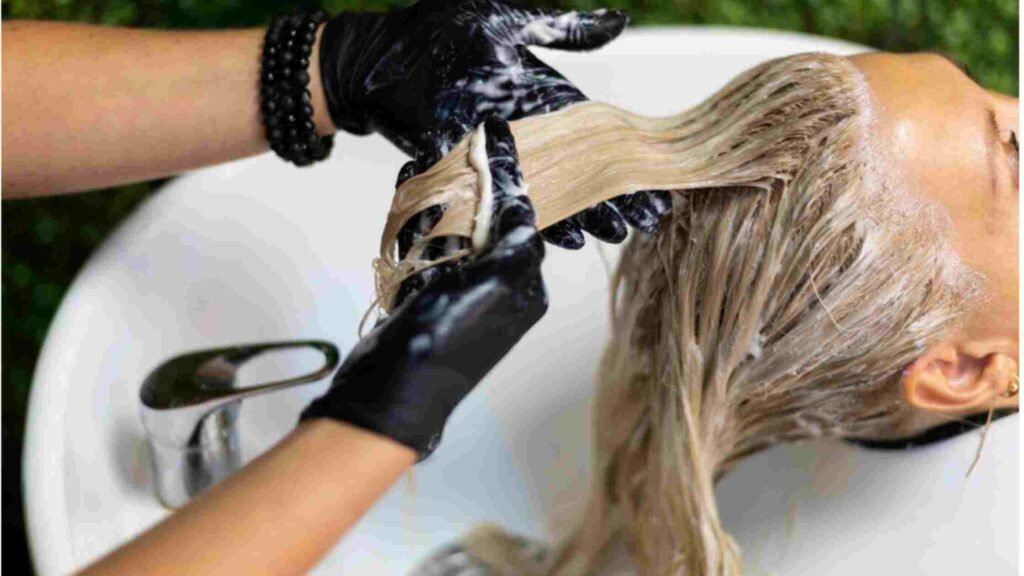
Cost Comparison
| Expense | DIY Hair Dye | Professional Dyeing |
|---|---|---|
| Base service or product | Usually $5–$30 per kit | Often $60–$600+, depending on service |
| Tools | Gloves may be included; bowl, brush, clips, cape, and extra product may add $10–$40 | Professional tools and application are included |
| Customization | Limited to the formula and shades purchased | Formula, placement, lift, tone, and timing are customized |
| Correction risk | Mistakes can create an additional salon expense | Lower when handled by a qualified colorist, but results are never guaranteed |
| Gratuity | Not applicable | Often separate from the listed service price |
Pros and Cons
DIY Hair Dyeing
- Pros:
- Lower upfront cost
- Convenient for simple color maintenance
- Can be done on your schedule
- Cons:
- Higher chance of uneven application, staining, or an unexpected shade
- Limited ability to customize developer strength, placement, and tone
- Overlapping permanent color or misusing lightener can increase dryness and breakage
- Correcting a poor result may cost more than the original salon service
Professional Services
- Pros:
- Consultation and assessment of hair history
- Customized color formulas and placement
- Professional control over lightening, timing, and toning
- Better suited to major transformations and correction work
- Cons:
- Higher cost
- Appointments can take one to several hours
- Some services require repeat visits
- Add-ons and gratuity may increase the final bill
Warning: Follow the product label exactly and perform the skin patch test every time; FDA consumer guidance says to observe the test area for two days before dyeing. The FDA also advises wearing gloves, keeping dye away from the eyes, never mixing different dye products, and never using scalp hair dye on eyebrows or eyelashes.
Price Range for Professional Hair Coloring
Professional color prices are easiest to understand when the service is separated by technique. The salon should explain what is included and whether your goal can be completed in one appointment.
Basic Single-Process Color
A single-process color uses one main color step to refresh roots, cover gray, darken hair, or change the overall shade without a separate full lightening process.
- Root retouch: Commonly about $75–$140 in current 2026 benchmarks
- Short or low-density hair: Often near the lower end of the salon’s all-over-color range
- Medium or long hair: Often requires more product and may trigger an extra-color charge
- Premium salon or senior colorist: Can reach $150–$250 for a single-process service
Ask whether shampooing, a basic blow-dry, styling, and a gloss are included. Large salon systems such as The Salon at Ulta Beauty separate all-over color, root services, glosses, highlights, balayage, total blonde, and consultation-based color transformation because each requires different time and work.
Advanced Techniques: Highlights and Balayage
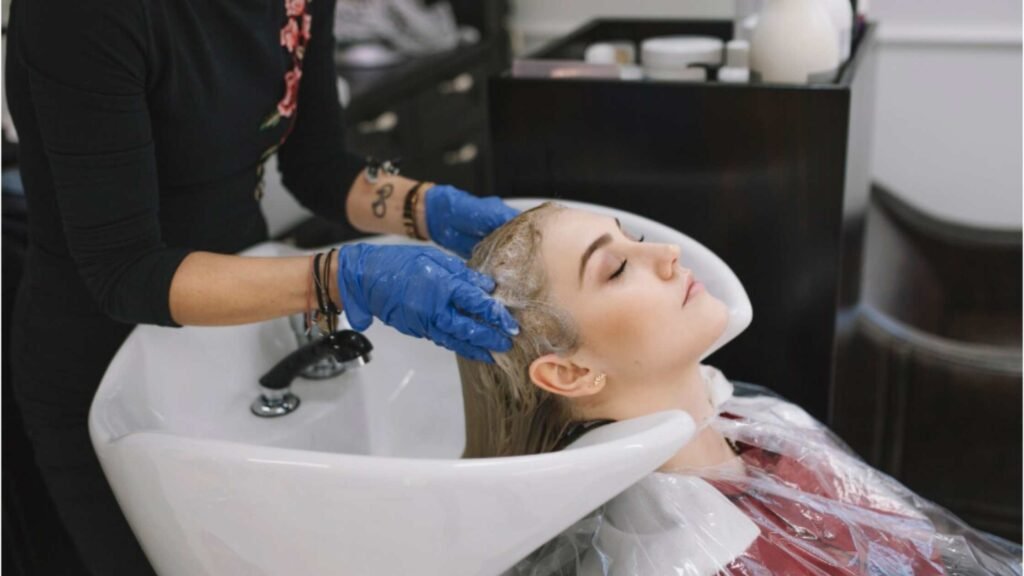
Highlights use selected sections to add lighter or darker dimension. Balayage usually involves hand-painted placement for a softer blend. Both can require lightener, toner, extra product, and detailed sectioning.
| Service | Common Starting Range | Higher-End or Complex Range |
|---|---|---|
| Face-framing or accent highlights | $50–$120 | $150+ |
| Partial highlights | $75–$150 | $250+ |
| Full highlights | $100–$225 | $250–$450+ |
| Balayage or ombré | $120–$300 | $325–$600+ |
A partial service covers selected areas, while a full service places color throughout more of the head. Very dense hair, corrective work, very light blonde goals, or vivid shades can push the price beyond these ranges.
Double-Process, Blonding, and Vivid Color
A double-process service lightens the hair and then applies a toner or color. Going from dark hair to blonde or a bright fashion shade may take several sessions. The first appointment can cost $150 to $400 or more, with later toner, root, or color-refresh appointments adding to the annual total.
Color Correction
Color correction may involve removing unwanted pigment, evening out bands, filling overly light areas, neutralizing brassiness, or rebuilding a shade over several steps. Many salons price it by time or provide a consultation-based quote. Current 2026 benchmarks commonly place correction work around $150–$250+ per hour, so a multi-hour correction can exceed $300 and may require more than one visit.
Additional Costs in Hair Coloring Services
The advertised starting price may not be the amount you pay at checkout. Ask about every add-on before the service begins.
Length and Thickness Surcharge
Longer or denser hair often needs more color and more application time. Some salons charge by the extra bowl, while others use a flat surcharge or a higher service tier.
| Possible Add-On | Typical Extra Cost | When It May Apply |
|---|---|---|
| Extra color or lightener | $15–$50+ per additional bowl or surcharge | Long, dense, or highly absorbent hair |
| Toner or gloss | $45–$95+ | After lightening or as a separate color refresh |
| Bond-building or conditioning treatment | $30–$65+ | Bleached, dry, fragile, or previously processed hair |
| Haircut or detailed styling | Varies by salon | When not included in the color package |
| Color correction time | Often billed hourly | Uneven, unwanted, or layered artificial pigment |
A Simple Hair-Color Budget Formula
To compare quotes fairly, calculate the full visit cost, not just the menu’s starting price:
Estimated visit total = base color service + extra product + toner or gloss + treatment + haircut or styling + gratuity, if applicable.
For yearly planning, multiply the expected visit total by the number of appointments you realistically need, then add optional home-care products. This makes a low-maintenance technique easier to compare with a cheaper service that needs more frequent touch-ups.
Maintenance and Touch-Ups
Maintenance depends on the contrast between your natural roots and the new color, how quickly your hair grows, and how the technique fades.
- Gray coverage and permanent root color: Often refreshed about every 4–6 weeks
- Gloss or toner: Commonly refreshed every 4–8 weeks, depending on the formula and washing routine
- Traditional highlights: Often refreshed every 6–12 weeks
- Balayage: May allow 8–16 weeks or longer between major lightening sessions, with gloss appointments in between
- Vivid shades: Can fade faster and may need frequent at-home maintenance or salon refreshes
Permanent color remains in the treated hair but can fade and show regrowth. Semi-permanent and demi-permanent formulas gradually wash out. Manufacturer guidance varies by formula; for example, Wella Professionals explains that semi-permanent shades generally wear for fewer washes than demi-permanent color.
Sample Annual Budgets
| Color Plan | Example Schedule | Estimated Annual Service Cost |
|---|---|---|
| DIY all-over color | $10 kit every 6 weeks | About $90, before tools and aftercare |
| Salon root coverage | $80 every 6 weeks | About $690, before gratuity and add-ons |
| Full highlights | $225 four times per year | About $900, before toners, treatments, and gratuity |
| Balayage plus glosses | Two $300 balayage visits and three $75 glosses | About $825, before gratuity and add-ons |
These examples show how maintenance frequency can matter as much as the first appointment. Your actual schedule may be shorter or longer.
Saving on Hair Dye Costs Without Sacrificing Quality
You can lower your yearly cost without chasing the cheapest service. The best savings usually come from choosing a realistic color plan, clarifying the quote, and selecting a technique that grows out well.
Finding Deals and Promotions
- Ask about new-client offers: Confirm whether the discount applies to color, add-ons, or only haircuts.
- Compare complete packages: A lower base price may cost more after toner, blow-dry, and extra product are added.
- Check beauty schools: Supervised student services can reduce the price, although the appointment may take longer.
- Use loyalty programs carefully: Compare the final cost rather than booking only to earn points.
- Book maintenance instead of a full redo: A gloss, face frame, or root retouch may be enough between larger services.
| Saving Strategy | Best Use | What to Confirm |
|---|---|---|
| New-client promotion | First salon visit | Eligible services and expiration date |
| Beauty-school service | Simple color or routine maintenance | Supervision, timing, and correction policy |
| Partial instead of full highlights | Face-framing brightness | Coverage area and toner inclusion |
| Low-maintenance color placement | Longer gaps between major visits | Recommended gloss and refresh schedule |
Quality Home Dye Kits
Home color is most predictable when the goal is close to your current shade and the hair is in reasonably good condition. Buy enough product for full saturation, read every warning, protect clothing and surfaces, and perform both the required allergy test and a hidden strand test. FDA consumer guidance says the skin patch test should be done each time and observed for two days before use.
- Choose the correct color category: Temporary, semi-permanent, demi-permanent, and permanent formulas behave differently.
- Buy enough product: Long or dense hair may require two boxes.
- Avoid repeated overlap: Apply permanent color only where the instructions direct, especially during root maintenance.
- Skip major DIY lightening when unsure: Bleach and corrections are less forgiving than depositing a similar shade.
- Keep the box and instructions: Record the shade, lot information, and processing time in case you need help later.
Note: “Natural,” “clean,” or “ammonia-free” marketing does not guarantee that a product cannot irritate the skin or trigger an allergy. Follow the label and patch-test every time.
The Impact of Hair Health on Dye Costs
The condition of your hair can change both the service plan and the price. Hair that is very porous, brittle, unevenly colored, or heavily processed may need a strand test, conditioning service, haircut, gentler goal, or multiple appointments.

BioSilk Hydrating Therapy Pure Moisture Leave-In Spray helps replenish moisture in dry, coarse hair for a softer, smoother feel. This daily styling spray also helps control frizz, boost shine, and improve manageability while supporting hair against environmental stressors. Formulated with silk and maracuja oil, it is suitable for all hair types, including color-treated hair.

OGX Extra Strength Damage Remedy + Coconut Miracle Hair Oil helps hydrate dry, coarse hair while smoothing frizz and flyaways for a silky finish. This nourishing leave-in treatment blends coconut oil, vanilla bean extract, and tiare essence to add softness, shine, and a pleasant scent. It is paraben-free and designed to support a restorative hair care routine for medium to coarse hair types.

Fino Premium Touch Penetrating Beauty Liquid Hair Mask helps nourish and smooth hair for a softer, more manageable feel. This two-piece set provides convenient, salon-inspired care for dry or damaged hair, making it a great choice for regular hair treatment routines. Each mask is designed to deeply condition strands and support a healthy-looking finish.
Pre-Dye Hair Preparation
- Consultation: Share every color, bleach, relaxer, perm, henna, and smoothing treatment used on your hair.
- Strand test: A colorist may test a hidden section to check lift, tone, and strength.
- Haircut or trim: Removing badly split ends can improve the finished appearance, although it does not repair damaged hair.
- Scalp check: Do not apply dye to an irritated, sunburned, or damaged scalp, and avoid scratching or brushing the scalp for three days before dyeing.
- Timing after chemical services: The FDA advises waiting at least 14 days after bleaching, relaxing, or perming before using hair dye.
- Skin patch test: Follow the product’s instructions before every application, even if you have used the shade before; FDA consumer guidance says to observe the test area for two days.
The FDA’s hair-dye safety guidance also recommends gloves, careful timing, thorough rinsing, and checking the ingredient list for substances that caused a previous reaction.
Post-Dye Hair Care
- Use gentle, color-safe cleansing: Frequent washing and hot water can speed visible fading.
- Condition regularly: Lightened hair may need more moisture and reduced heat styling.
- Protect hair from sun and heat: Both can contribute to dryness and fading.
- Schedule maintenance strategically: Refresh the tone or roots instead of repeating color through the full length when it is not needed.
- Stop if symptoms appear: Seek medical help for a serious reaction, breathing difficulty, severe swelling, blistering, or eye exposure.
The American Academy of Dermatology notes that coloring and lightening can leave hair dry and brittle, especially when lightening more than a few shades.
How Different Hair Types Affect Dyeing Costs
Hair type can influence the method, sectioning, product amount, and appointment time, but broad rules such as “curly always costs more” are unreliable. Salons are more likely to price by length, density, service complexity, and time.
Curly vs. Straight Hair
Curly hair may benefit from curl-by-curl placement, such as pintura-style highlights, while straight hair may make certain foil patterns easier to see. Neither texture automatically requires more dye. A dense head of straight hair may use more product than fine curly hair, and vice versa.
| Pricing Factor | Why It Matters |
|---|---|
| Density | More strands usually require more sections and product |
| Length | Longer hair may increase application and saturation time |
| Texture and curl pattern | May change placement, sectioning, and finishing technique |
| Porosity | Can affect how quickly hair absorbs and releases pigment |
| Shrinkage | The stylist may assess the hair in its natural and stretched states |
Natural vs. Chemically Processed Hair
- Untreated hair: Often has a more predictable starting point, although natural pigment still affects lift.
- Previously colored hair: Artificial pigment may limit what can be achieved in one visit.
- Bleached or fragile hair: May need a gentler plan, treatments, or delayed processing.
- Hair treated with henna or metallic-salt products: Requires full disclosure and professional assessment because results can be unpredictable.
- Relaxed, permed, or chemically straightened hair: Needs careful timing and condition assessment before additional processing.
Ask for an estimate based on your actual hair rather than a generic “short, medium, or long” menu category.
Long-Term Considerations of Hair Dyeing
Hair color is an ongoing expense. The most affordable first appointment is not always the lowest-cost plan over a year.
Cumulative Cost Over Time
- Salon visits: Root coverage can require frequent appointments, while blended highlights may grow out more softly.
- Home dye kits: Low per-use cost can add up, especially when two boxes are needed.
- Toners and glosses: These refresh tone between major color services.
- Specialized shampoo and conditioner: Optional products add to the maintenance budget.
- Corrective services: Fixing overlapping, banding, or uneven DIY color can become the largest expense.
Hair Health Over the Long Haul
Repeated chemical processing can increase dryness, roughness, fading, and breakage. Risk varies with the formula, developer, starting condition, processing time, and how much the hair is lightened.
- Avoid unnecessary overlap: Do not repeatedly pull permanent dye or lightener through already processed lengths unless the plan requires it.
- Use realistic lightening goals: A staged transformation may protect hair better than forcing a dramatic result in one day.
- Reduce high heat: Frequent hot-tool use can worsen dryness.
- Take symptoms seriously: Burning, swelling, blistering, or breathing problems are not normal processing sensations.
The best color budget includes the first appointment, maintenance visits, optional add-ons, aftercare, and the possibility that a major transformation will take more than one session.
Questions to Ask Before Booking
- Is the quote a fixed total, a starting price, or an hourly rate?
- Does it include toner, gloss, extra product, shampoo, blow-dry, and styling?
- Will my goal require more than one appointment?
- How often will the roots or tone need refreshing?
- What will the maintenance appointments cost?
- Do you require a consultation, strand test, or allergy alert test?
- What is the salon’s adjustment or correction policy?
- How should I prepare my hair before the appointment?
Frequently Asked Questions
How much does it cost to professionally dye your hair?
A basic single-process salon color commonly costs about $60 to $250 across salon tiers. Root touch-ups are often around $75 to $140, while full highlights, balayage, blonding, and vivid color can reach $100 to $600+. Complex color correction is commonly quoted around $150 to $250+ per hour.
Is it worth dyeing hair at a salon?
A salon is often worth the cost for major lightening, highlights, corrective color, vivid shades, or hair with a complicated chemical history. Home dye may be reasonable for a simple shade refresh when you follow the instructions carefully.
How long does hair dye last?
Temporary color may wash out after one shampoo. Wella Professionals says semi-permanent color generally lasts about 10–20 washes and demi-permanent color around 24 washes, though formula, shade, porosity, and washing routine can change the result. Permanent color remains in the treated hair but can fade as new roots grow in.
Why is dyeing hair so expensive?
You are paying for consultation, formulation, professional products, sectioning, application, processing supervision, rinsing, toning, and finishing. Complex services may occupy several hours and require more than one formula or appointment.
How much does it cost to go from dark hair to blonde?
A bleach-and-tone or major blonding appointment often starts around $150 and can exceed $400. Very dark, long, previously dyed, or fragile hair may need several appointments, increasing the total cost and making a strand test and consultation especially important.
Do salons charge more for long or thick hair?
Many do. Long or dense hair can require extra color, lightener, toner, sectioning, and appointment time. Ask whether the salon charges by length, extra bowl, or hourly time.
How often should you budget for hair-color touch-ups?
It depends on the service and how much regrowth or fading you are comfortable with. Root coverage is often refreshed about every 4–6 weeks, traditional highlights every 6–12 weeks, and balayage may allow roughly 8–16 weeks or longer between major lightening visits. These are maintenance ranges, not a safety rule; your hair condition and colorist’s plan should guide timing.
Conclusion
The cost to dye your hair ranges from about $5 to $30 for a basic home kit to $600 or more for premium balayage, blonding, or vivid color. Single-process salon color commonly spans about $60 to $250, while complex color correction is often billed by time at roughly $150 to $250+ per hour. For the most accurate budget, compare the full service rather than the starting price and include future touch-ups, toner, aftercare, and gratuity.
A simple, low-maintenance plan may save more over time than a dramatic color that needs frequent correction. Whatever option you choose, protect your scalp and hair by following product directions, patch-testing, and using a qualified professional for complicated work.
Sources
- U.S. Food and Drug Administration: Hair Dyes — patch testing, application precautions, chemical-service timing, and reaction reporting
- FDA Cosmetics Safety Q&A: Hair Dyes — consumer safety steps and eye-area warning
- American Academy of Dermatology: Coloring and Perming Tips — dermatologist guidance on reducing dryness and damage
- StyleSeat: Hair-Color Cost Data — U.S. service ranges and major cost factors
- The Salon at Ulta Beauty: Hair Color Services — current service definitions and approximate appointment times
- Wella Professionals: Semi- vs. Demi-Permanent Color — differences in longevity and color behavior
- BeautyPlaybook: Hair Salon Prices in 2026 — current U.S. pricing benchmarks for color, highlights, balayage, correction, and common add-ons
- BeautyPlaybook: Average Salon Prices in 2026 — regional U.S. pricing benchmarks used for location comparisons

This long barrel curling iron is designed to create soft curls and waves while helping hair stay smooth, hydrated, and shiny. Its moisture-focused heat technology and NanoIonic MX help lock in moisture, seal the cuticle, and support long-lasting styles with less frizz. The extended barrel and adjustable heat settings make it easy to style long hair or hard-to-reach sections with comfort and control.

This leave-in conditioner helps detangle, soften, and smooth hair while adding a boost of strength and manageability. Formulated with keratin amino acids, sunflower seed extract, and silk amino acids, it supports healthier-looking hair and helps reduce frizz for a polished finish. Ideal for daily hair care routines, it leaves hair feeling nourished, silky, and easier to style.

OGX Renewing + Argan Oil of Morocco is a lightweight penetrating hair treatment designed to nourish, soften, and help strengthen hair while restoring radiant shine. Its non-greasy formula helps tame frizz, improve manageability, and support smoother, healthier-looking hair for daily use on all hair types, including curly, dry, damaged, and color-treated hair.

1 thought on “How Much Does It Cost to Dye Your Hair?”
Pingback: Cost Of Living In Boston : Complete Monthly Budget Guide