
Gym equipment cost runs from about $5 for a resistance band to several thousand dollars for a single premium cardio machine. A basic home gym costs about $800 to $5,000 on average, according to HomeGuide, while commercial-grade machines cost more per unit and are priced by duty tier.
Last updated: October 25, 2026. Prices change with brand, specifications, sales, delivery, and equipment condition, so use the ranges below as budgeting guides rather than fixed quotes.
The biggest cost difference is not simply “cheap versus expensive.” Home and commercial equipment are built for different levels of use, warranty coverage, serviceability, and durability. A home exerciser may only need dumbbells, a bench, resistance bands, and a mat, while a commercial facility may need dozens of cardio and strength stations.
Home prices come from HomeGuide’s home-gym cost data. Commercial tiers come from a Core Health & Fitness pricing guide. These are general market estimates, not quotes.
Gym Equipment Cost At A Glance
| Budget Level | Typical Equipment | Approximate Cost |
|---|---|---|
| Basic accessories | Resistance bands, jump rope, mat, light free weights | About $5 to $150+ per item or small kit |
| Starter home gym | Adjustable dumbbells or weights, bench, bands, mat | About $200 to $1,000+ |
| More complete home gym | Rack, barbell, plates, bench, flooring, optional cardio | About $1,500 to $5,000+ |
| Commercial equipment package | Multiple cardio, strength, free-weight, and functional stations | Priced per machine; a full package depends on facility size and mix |
The ranges overlap because equipment quality varies widely. For example, general-market home treadmills may cost hundreds to a few thousand dollars, while premium and commercial-grade treadmills cost considerably more. Commercial facilities also buy equipment in multiples, so package cost matters as much as the price of one machine.
The Cost Spectrum Of Gym Equipment
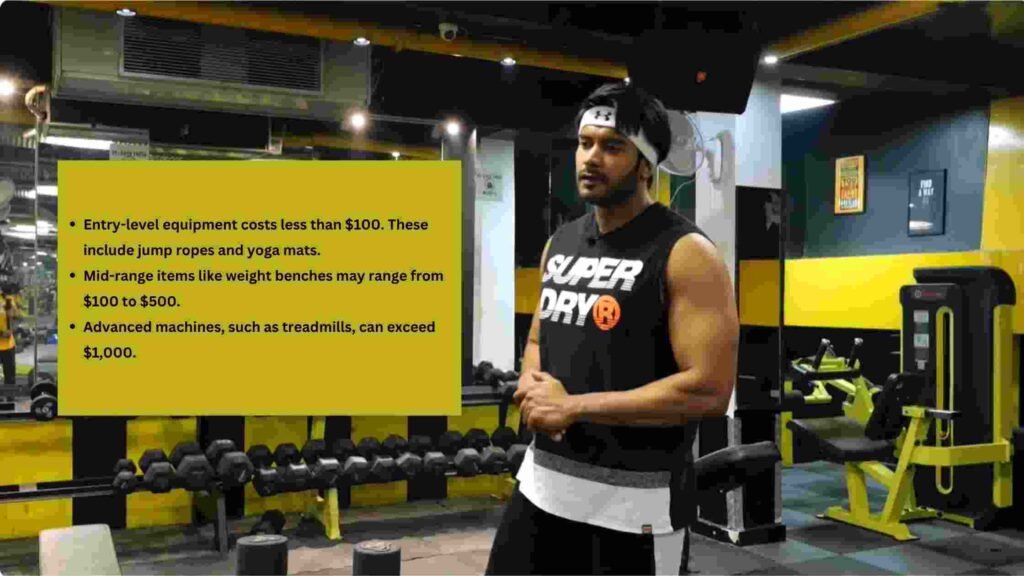
Gym equipment prices rise with weight capacity, frame construction, adjustment range, electronics, motor systems, warranty coverage, and intended duty cycle. Before comparing prices, make sure you are comparing the same type of product: one dumbbell is not the same purchase as a complete dumbbell set, and a home treadmill is not necessarily approved for paid commercial use.
From Affordable To Premium Ranges
Basic workout equipment can start in the single digits or tens of dollars, while large connected cardio machines can cost thousands or tens of thousands.
- Entry-level accessories: Jump ropes, resistance bands, mats, and similar items can start below $50.
- Free weights and benches: Price depends heavily on total weight, adjustability, materials, and whether you are buying one item or a complete set.
- Cardio machines: Treadmills, bikes, rowers, and ellipticals commonly move the budget into the hundreds or thousands of dollars.
- Premium equipment: High-end connected or club-style home machines can exceed $5,000.
Current market examples illustrate the spread. HomeGuide’s U.S. home-gym cost data places many common accessories and strength products below major cardio machines, while Life Fitness’s current treadmill collection shows how far premium home cardio can extend beyond mainstream ranges.
Pricing Variations By Equipment Type
The most useful way to compare gym equipment cost is by category and intended use. The figures below are broad U.S. budgeting ranges, not guaranteed selling prices.
| Equipment Type | Typical Home-Use Range | Budget Note |
|---|---|---|
| Resistance bands | About $5 – $30+ per band | Sets cost more but can replace several fixed-resistance items. |
| Dumbbells | About $100 – $300+ per set; individual weights vary | Total weight and fixed versus adjustable design drive cost. |
| Weight bench | About $50 – $500+ | Adjustable benches generally cost more than simple flat benches. |
| Exercise bike | About $300 – $2,000+ in the general market | Premium connected or club-style models can cost substantially more. |
| Rowing machine | About $500 – $1,500+ | Resistance system, frame, console, and brand affect cost. |
| Treadmill | About $500 – $3,500+ in the general market | Premium current home models can extend far beyond this range. |
| Elliptical trainer | About $1,000 – $5,000+ | Commercial-style construction and premium consoles raise the price. |
These ranges are most useful for planning. Before buying, compare the actual model’s warranty, dimensions, user-weight limit, power needs, delivery terms, and service support instead of assuming a higher price automatically means a better fit.
Home Vs. Commercial Gym Equipment
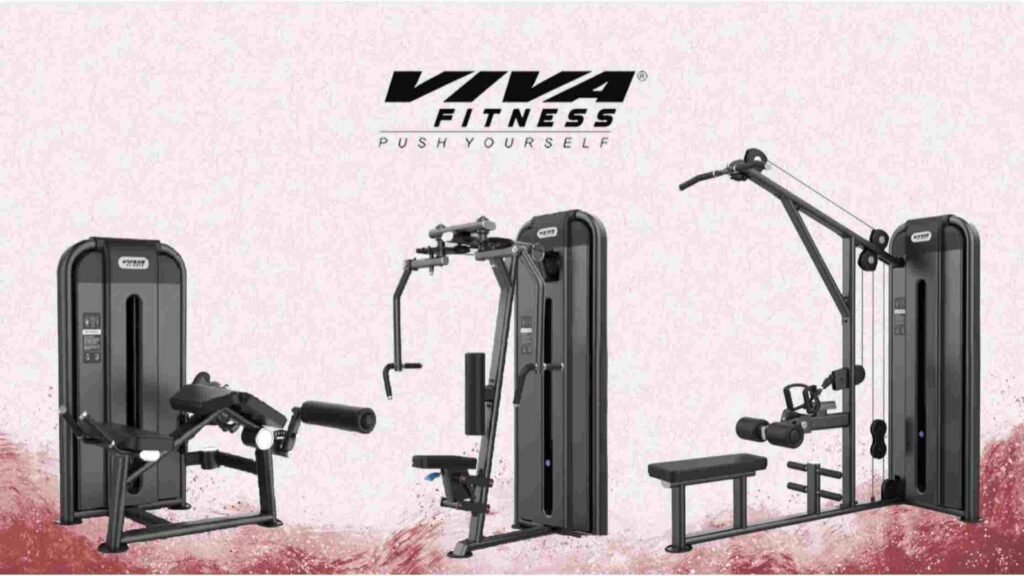
Home and commercial equipment should not be compared by sticker price alone. Commercial machines are designed for repeated use by many people, while home equipment is typically designed around one household. The intended-use classification can also affect warranty eligibility.
Investment Differences
For home use, start with equipment that covers the exercises you perform most often. A simple strength-focused setup may cost much less than a cardio-heavy room.
- Accessories and floor-exercise gear: Often tens of dollars per item.
- Free-weight setup: Usually rises with the amount of weight, rack quality, bench design, and flooring.
- Cardio-focused setup: Often costs more because one treadmill, elliptical, rower, or bike can account for a large part of the total budget.
Commercial operators usually budget at the package level because they need multiple stations. Commercial pricing guides separate light-commercial and full-commercial tiers, and a full package depends on how many stations the facility needs.
| Commercial Equipment Type | Approximate Planning Range |
|---|---|
| Commercial treadmill | About $2,500 – $12,000+ each |
| Elliptical trainer | About $2,000 – $10,000+ each |
| Stationary bike | About $1,500 – $7,000+ each |
| Weight machine | About $2,000 – $6,000 per selectorized station |
| Complete equipment package | Varies widely with facility size and mix; get a quote |
Those figures describe equipment rather than the total cost of opening or constructing a gym. Rent, build-out, flooring, permits, staffing, utilities, software, insurance, and marketing belong in a separate business budget. For the broader project, see How Much Does It Cost to Build a Gym?
Durability And Warranty Considerations
Do not judge a warranty by one headline number. Compare frame, motor or mechanical components, electronics, parts, and labor separately. Coverage can differ substantially even between products from the same manufacturer.
Intended use matters too. Some manufacturers distinguish consumer, light-commercial, and full-commercial environments. Life Fitness, for example, states that installing certain consumer products in a commercial facility can void their warranty. Check the warranty for the exact model and intended location before purchasing.
Calculating Your Fitness Goals And Budget
Start with the workouts you will actually perform, then buy equipment around those movements. This prevents a large machine from consuming most of your budget or floor space while receiving little use.
Aligning Your Investment With Objectives
Match the first purchases to your primary training goal:
- Strength Goals: Prioritize dumbbells or a barbell, plates, a stable bench, and a suitable rack before buying specialized machines.
- Flexibility And Mobility: A mat, bands, stability tools, and open floor space may cover most needs at relatively low cost.
- Endurance Goals: A treadmill, bike, rower, or elliptical may deserve more of the budget, but choose the machine you will use consistently.
- Mixed Training: Favor equipment that supports several movements before adding single-purpose machines.
A useful value test is cost per workout: add purchase price, delivery, and expected maintenance; subtract any expected resale value; then divide by the number of workouts you realistically expect. For example, a $1,500 setup used three times per week for five years costs about $1.92 per workout before maintenance or resale value.
Budget Allocation Strategies
Build the budget from essentials outward rather than starting with a wishlist.
| Steps | Action |
|---|---|
| 1 | Set the maximum all-in budget, including delivery and flooring |
| 2 | List the exercises and equipment you will use every week |
| 3 | Measure the room, doorways, ceiling height, and equipment clearances |
| 4 | Compare new, used, and refurbished options |
| 5 | Reserve money for maintenance, accessories, and future expansion |
This order prevents common budget mistakes. A machine that technically fits the purchase budget can still become too expensive once freight, assembly, flooring, electrical work, or a required subscription is added.
Essential Equipment For A Basic Home Gym
A basic home gym does not need a treadmill, full rack, and several machines on day one. For many people, a small group of versatile tools can support strength, cardio, mobility, and floor exercises while keeping the initial cost low.
Cost-effective Must-haves
Start with equipment that supports several exercises and takes little space.
- Dumbbells: Useful for presses, rows, squats, lunges, carries, curls, and many accessory exercises.
- Jump Rope: A low-cost cardio tool if your joints, ceiling height, and floor surface make jumping appropriate.
- Yoga Or Exercise Mat: Useful for mobility, stretching, core work, and floor exercises.
- Resistance Bands: Compact resistance for pulling, pressing, mobility, assistance, and warm-ups.
- Bench: Worth adding when your strength routine needs stable seated, flat, or incline support.
Price Breakdown For Starter Kits
Instead of assuming every beginner needs the same kit, choose a budget tier that matches the workouts you plan to do.
| Starter Level | Possible Equipment Mix | Approximate Budget |
|---|---|---|
| Minimal setup | Mat, bands, jump rope, light free weights | About $50 – $250 |
| Strength starter | Dumbbells or adjustable weights, bench, bands, mat | About $200 – $1,000+ |
| Rack-based setup | Rack or stand, barbell, plates, bench, flooring | About $1,000 – $3,000+ |
| Strength plus cardio | Strength setup plus treadmill, bike, rower, or elliptical | About $1,500 – $5,000+ |
For a more complete room-level budget that includes space and setup considerations, see How Much Does It Cost to Build a Home Gym?
Navigating High-ticket Items
High-ticket gym equipment makes sense when its durability, performance, service support, or frequency of use justifies the extra cost. It does not make sense simply because it has the largest screen or the most features.
When To Splurge On Premium Machines
Consider paying more when one or more of these conditions applies:
- High weekly use: Equipment used almost every day benefits more from stronger components and easier service.
- Multiple users: A household or facility with several exercisers puts more cycles on moving parts.
- Specific training needs: Serious running, heavy strength work, rehabilitation, or sport-specific training may justify specialized equipment.
- Better fit: Frame geometry, adjustment range, running surface, resistance range, or user capacity may make a premium machine materially better for the intended user.
- Service and parts support: Long-term parts availability can matter more than extra entertainment features.
- Warranty class: The equipment must be covered for the environment in which it will actually be used.
Paying more upfront only saves money when the more expensive option actually reduces replacement, downtime, or repair risk for your use case.
Long-term Cost Benefits Analysis
Compare ownership cost instead of purchase price alone.
| Cost Factor | What To Check | Possible Long-Term Effect |
|---|---|---|
| Upfront Investment | Purchase price, tax, freight, assembly | Determines initial cash requirement |
| Construction Quality | Frame, bearings, cables, upholstery, motor and moving parts | Can affect durability and repair frequency |
| Operating Costs | Electricity, subscriptions, cleaning, lubrication and service | Adds to lifetime ownership cost |
| Warranty | Frame, mechanical, electronics, parts and labor terms | Can reduce covered repair expense |
| Resale Value | Brand demand, condition, parts support and transport difficulty | Can offset part of the original purchase cost |
The best value is therefore not automatically the cheapest product or the most expensive one. It is the option with an acceptable all-in cost for the amount and intensity of use you expect.
Money-saving Tips When Purchasing Gym Equipment

You can reduce gym-equipment cost without automatically choosing the lowest-quality option. The strongest savings usually come from buying only what you will use, comparing all-in delivered prices, timing non-urgent purchases, and considering safe used or refurbished equipment.
Seasonal Sales And Discounts
Price-check equipment before a major sale starts so you can tell whether a promotion is a genuine discount. Common shopping periods include:
- New Year fitness promotions: A common period for fitness marketing and equipment discounts.
- Black Friday and Cyber Monday: Often useful for comparing online promotions on cardio, connected equipment, and accessories.
- Inventory or model clearances: Older versions may become cheaper when retailers make room for replacement models.
- Open-box or showroom inventory: Can reduce cost if warranty coverage and condition are clearly documented.
Compare the final delivered price rather than the discount percentage. Freight and assembly on a heavy machine can matter more than a small difference in sticker price.
Buying Secondhand: Dos And Don’ts
Used gym equipment can be a strong value, but savings depend on condition, parts availability, transportation, and whether the warranty transfers.
Do:
- Identify the exact brand and model so you can check manuals, parts, dimensions, and known service requirements.
- Inspect the frame and moving components for cracks, bent parts, damaged welds, worn cables, bearings, belts, pulleys, adjustment pins, or missing safety hardware.
- Test powered equipment through its normal speed, resistance, incline, and console functions before paying.
- Check upholstery and grips for damage that may require immediate replacement.
- Research the delivered cost, including disassembly, stairs, freight, moving labor, and reassembly.
- Check warranty transferability and safety notices for the exact model.
Don’t:
- Assume a famous brand makes every used unit safe: Condition matters more than the logo.
- Ignore replacement parts: A cheap machine can become poor value if a proprietary console, cable, or control board is unavailable.
- Forget the move: Heavy cardio and strength machines can require special equipment or professional movers.
Maintenance Costs And Their Impact On Budgeting
Purchase price is only the first part of gym-equipment cost. Maintenance varies by equipment type, frequency of use, environment, and manufacturer instructions. A simple mat or dumbbell needs little upkeep; treadmills, cable machines, selectorized equipment, and connected cardio have more serviceable components.
Routine Upkeep Expenses
Budget for the maintenance categories that apply to your equipment:
- Cleaning supplies: Appropriate cleaners, towels, brushes, and other hygiene supplies.
- Wear parts: Belts, cables, grips, upholstery, batteries, fasteners, and similar components may eventually need replacement.
- Professional servicing: Powered or mechanically complex equipment may need diagnosis, adjustment, or repair by a technician.
- Software or subscriptions: Some connected products place digital training features behind recurring plans.
Check the owner’s manual before setting a maintenance schedule because incorrect lubrication, cleaning products, tension adjustments, or unauthorized repairs can damage equipment or affect warranty coverage.
Extending Equipment Lifespan To Save Money
Good maintenance protects both safety and resale value.
- Follow the manufacturer’s schedule: Inspect, clean, lubricate, and adjust only as instructed for the model.
- Address abnormal noise or movement early: Stop using equipment if a defect could create a safety risk.
- Control the environment: Moisture, dust, extreme temperature, and unlevel flooring can shorten the life of some equipment.
- Keep documentation: Save receipts, serial numbers, manuals, service records, and warranty information.
These steps do not guarantee a specific lifespan, but they reduce avoidable wear and make future service or resale easier.
Hidden Costs To Include In A Gym Equipment Budget
The sticker price can understate the amount you actually spend. Before ordering large equipment, check these additional costs.
- Freight and delivery: Large machines may require curbside, threshold, room-of-choice, or white-glove delivery.
- Assembly: Some machines are practical DIY projects; others are safer or easier to install professionally.
- Flooring: Rubber flooring, mats, platforms, or floor protection can add hundreds or thousands to a larger room.
- Electrical requirements: Confirm outlet type, voltage, circuit requirements, and cord placement before buying powered cardio equipment.
- Subscriptions: Connected workouts, coaching, entertainment, or advanced tracking may require recurring fees.
- Maintenance and repair: Budget for wear parts and technician visits on mechanically complex equipment.
- Moving and disposal: A heavy treadmill or multi-station machine can be expensive to relocate or remove later.
Leveraging Technology And Apps
Technology can either reduce the amount of physical equipment you need or raise lifetime ownership cost. The key is deciding which digital features you will actually use.
Using Smart Tech To Minimize Equipment Needs
A phone, tablet, television, or connected display can provide programming without requiring a different machine for every workout. This is most useful when the physical equipment itself is versatile.
- Multi-Purpose Designs: Adjustable dumbbells, cable systems, racks, and benches can support many movements in one footprint.
- Digital Programming: Apps can supply workout structure without requiring a built-in screen on every machine.
- Connectivity: Heart-rate devices and training apps may add tracking while letting you keep simpler equipment.
Subscription Services Versus One-time Purchases
Compare recurring digital costs with the value you receive from programming, coaching, entertainment, updates, or tracking.
| Subscription Services | One-Time Purchases |
|---|---|
| May provide regularly updated workouts, classes, coaching, or software features. | You pay the equipment price without depending on an ongoing content plan. |
| Add a monthly or annual ownership cost. | Future expenses are mainly maintenance, repairs, accessories, or optional upgrades. |
| Some connected features may become less useful if the subscription is cancelled. | Simple equipment can remain usable even if an app or service changes. |
Before buying connected equipment, ask what still works without a subscription and calculate the recurring fee over the number of years you expect to own the machine.
Frequently Asked Questions
How Much Will Gym Equipment Cost?
Gym equipment cost ranges from about $5 for basic accessories to several thousand dollars for premium cardio machines. A simple home setup may cost a few hundred dollars, while a more complete home gym can run several thousand dollars. Commercial-grade machines cost thousands of dollars each, so a full package depends on the facility size and equipment mix.
How Much Does A Basic Home Gym Cost?
A minimal home gym built around a mat, bands, jump rope, and basic weights can stay below a few hundred dollars. Adding adjustable dumbbells, a quality bench, rack, barbell, plates, flooring, or cardio equipment can raise the budget from several hundred dollars to $1,500–$5,000 or more.
How Much Does Commercial Gym Equipment Cost?
Commercial equipment costs vary by facility size and training style. Current planning estimates place individual commercial cardio and strength machines in the thousands of dollars each, while the cost of a complete package depends on how many stations the facility needs. This is equipment cost only, not the full cost of constructing or opening the business. See Exercise.com’s gym-cost guide for broader commercial planning factors.
Why Is Gym Equipment Expensive?
Large gym equipment can be expensive because it combines heavy materials, moving components, motors or resistance systems, electronics, safety engineering, freight, assembly, warranty support, and replacement-parts service. Commercial equipment also has to tolerate substantially more use than typical household equipment.
Is Used Gym Equipment Worth Buying?
Used gym equipment can be good value when the frame and moving parts are sound, replacement parts remain available, the machine can be tested, and transportation does not erase the savings. Check the exact model, warranty transferability, wear components, safety hardware, electronics, and moving cost before buying.
Is It Cheaper To Buy Gym Equipment Or Pay For A Membership?
A gym membership usually has the lower upfront cost, while home equipment can become cheaper over a long period if it is used consistently. Compare your expected membership fees with the equipment’s all-in purchase, maintenance, subscription, and resale costs. A simple cost-per-workout calculation gives a better answer than comparing sticker prices alone.
Conclusion
Gym equipment can cost a few dollars for simple accessories, hundreds for basic strength equipment, thousands for cardio or premium machines, and tens or hundreds of thousands for a complete commercial equipment package. The right budget depends on what you will use, how often it will be used, and whether the equipment is intended for a home or commercial environment.
Start with versatile essentials, calculate the delivered and lifetime cost rather than the sticker price alone, and expand only when your training needs justify the next purchase.
Sources: HomeGuide home-gym cost guide and Core Health & Fitness gym equipment cost guide. Prices are general market estimates and change often.

3 thoughts on “How Much Does Gym Equipment Cost? Smart Budgeting Tips”
Pingback: How Much Does A Salsa Buisness Cost To Start Up?
Pingback: How Much Are Construction Supervision Costs In Usa?
Pingback: How Much Should Heavy Equipment Repair Cost?