
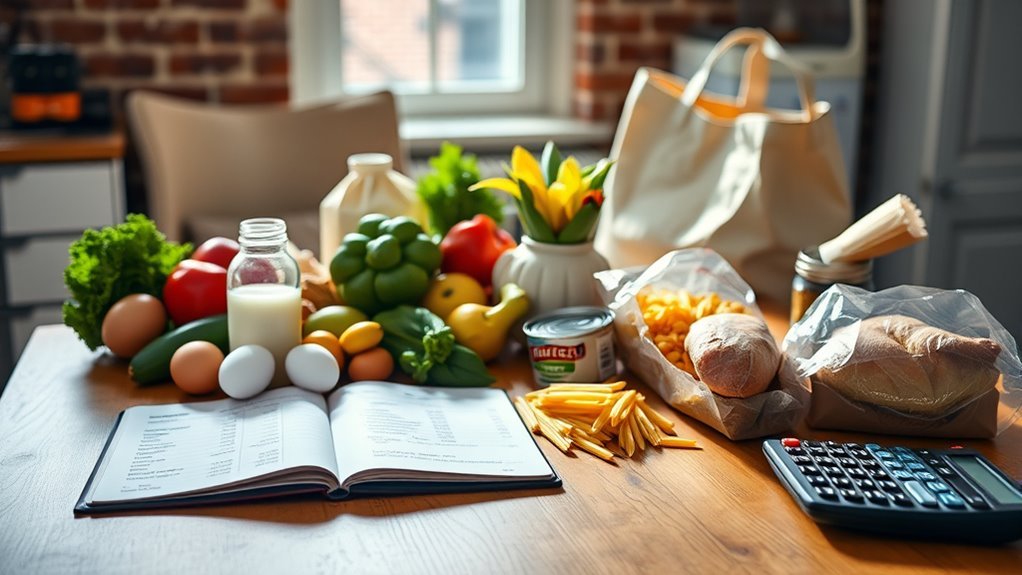
In Boston, you can expect groceries to cost more than the national average, so it helps to budget carefully. A single adult may spend about $392 to $465 a month, while a family of four often needs around $1,389. Staples like milk, bread, apples, and lettuce add up fast. You can cut costs by meal planning, buying in bulk, and choosing discount stores. Keep going, and you’ll see smarter ways to stretch every grocery dollar.
How Much Do Groceries Cost in Boston?
So, how much do groceries cost in Boston? You’ll likely spend more here than in many places, so plan your grocery shopping with intent. A single adult male averages about $465 a month, while a single female spends around $392.
Those numbers reflect Boston’s high prices and the squeeze of recent inflation, which pushed food costs up 3.3% in the past year.
You can protect your budget by using price comparison across stores before you buy. Check unit prices, compare brands, and look for sales that actually cut your total.
Meal planning helps you buy only what you’ll use, and bulk buying can lower your per-meal cost when you have storage space.
If you want more freedom from rising prices, track your receipts each month. That lets you spot waste, shift habits, and keep more money for the life you want.
Boston Grocery Costs by Household Size
Boston grocery costs rise with household size, and your monthly budget should reflect how many people you’re feeding. If you’re shopping for yourself, expect to spend about $465 a month, or around $392 if you’re a single adult female.
Boston grocery costs rise with household size, so your monthly budget should match who you’re feeding.
For two adults, a realistic Boston grocery budget climbs to roughly $785 monthly. A family of three usually spends about $974, while a family of four with two older children averages about $1,389.
These household size impacts matter because more people mean more meals, snacks, and flexibility needs.
Use grocery budgeting strategies that match your life: plan weekly meals, set a firm spending cap, and track what you actually use.
If you live with others, bulk purchasing can lower per-person costs and help you keep more money in your pocket.
When you budget by household size, you make room for stability, choice, and a little breathing space in an expensive city.
Boston Grocery Prices for Staples and Produce
When you’re budgeting for groceries in Boston, staples and produce can take a bigger bite than you might expect. For a single adult, groceries average about $465 a month; a family of four often spends around $1,389.
You’ll see that basic items already run high: milk averages about $4.00 a gallon, and bread about $3.50 a loaf. Fresh produce isn’t cheap either. Apples cost roughly $2.50 a pound, and a head of lettuce is about $2.00 in local markets.
If you buy organic produce, expect even higher prices, especially in neighborhoods where demand stays strong. Boston’s food costs reflect the city’s higher living expenses, so every cart can feel heavier than it should.
Still, you can plan with these numbers in mind and make choices that support your needs, your health, and your budget without giving up quality or dignity.
Ways to Cut Grocery Costs in Boston

You can cut grocery costs in Boston by buying in bulk when it makes sense, especially for items you use often.
Plan your meals before you shop so you only buy what you need and waste less.
You’ll also save by choosing discount stores, local markets, and seasonal produce whenever possible.
Bulk Buying Basics
Buying in bulk can be one of the easiest ways to trim grocery bills in Boston, where food costs run about 45% above the national average. You lower your per-unit price when you buy larger amounts of shelf-stable foods like rice, beans, pasta, and canned goods.
Start with bulk itemization so you know which staples you’ll use and can store safely. Then choose storage solutions that keep dry items fresh and organized, like sealed containers and labeled bins.
Membership stores and co-ops can access better prices, especially for non-perishables. If you live alone, this can shave costs from an average $465 monthly bill. If you’re feeding a family, bulk buys can ease a $1,389 grocery load and help you keep more money free.
Meal Planning Tips
Meal planning can help you cut Boston grocery costs fast by turning your weekly shop into a focused list instead of a series of impulse buys.
You decide what you’ll cook, buy only what you need, and use meal prep strategies to turn staple foods into several meals.
Build dinners around sales, coupons, and low-cost ingredients, then batch-cook portions so you’re not tempted to order out.
Cooking at home can save you thousands a year, and that freedom adds up.
Keep your grocery shopping tips simple: check your pantry first, write your list before you leave, and stick to it.
Plan for leftovers, because one smart batch can feed you twice and shrink your monthly Boston food bill.
Smart Store Choices
Check local markets, discount stores, and neighborhoods with lower prices, since Boston food costs run about 45% above the national average. For a single adult, that difference can push monthly spending near $465 for men and $392 for women, so every smart choice matters.
Buy bulk shelf-stable items when you can use them, because volume often cuts unit prices. Pair those budget strategies with coupons and sales promotions to keep more cash in your pocket.
Also, shop with your meal plan and list so you avoid impulse buys and waste. That’s how you reclaim control.
Cooking at Home vs. Eating Out Costs
Cooking at home is usually far cheaper than eating out in Boston, especially if you’re trying to keep monthly food costs under control. Your home cooked benefits show up fast: you spend less, eat on your terms, and keep more of your paycheck.
In a dining cost comparison, restaurant meals often top $15 per person, while homemade food costs much less.
- A single adult may spend $465 to $750 a month on groceries.
- A family of four may budget about $1,389 monthly.
- Meal planning cuts waste and helps you buy only what you need.
- Bulk purchases can lower your per-meal price even more.
If you’re tired of letting takeout drain your freedom, cooking at home gives you control. You decide portions, ingredients, and timing, so your money works for you instead of for convenience fees and tips.
Best Budget Grocery Stores in Boston
When you’re shopping on a budget in Boston, the right store can make a real difference. You can stretch your money at Trader Joe’s, where Trader Joe’s variety gives you affordable organic basics and unusual finds without premium pricing.
Aldi helps you lock in Aldi savings, with many items priced far below traditional supermarkets. At Market Basket, Market Basket promotions can cut your bill on everyday staples, and the wide selection keeps your cart practical.
Stop & Shop offers Stop & Shop loyalty rewards, plus weekly sales that help you plan ahead and stay in control. If you want predictability, Shaw’s price stability through its Price Lock program can reduce surprises at checkout.
Boston Grocery Costs for Students and Young Professionals
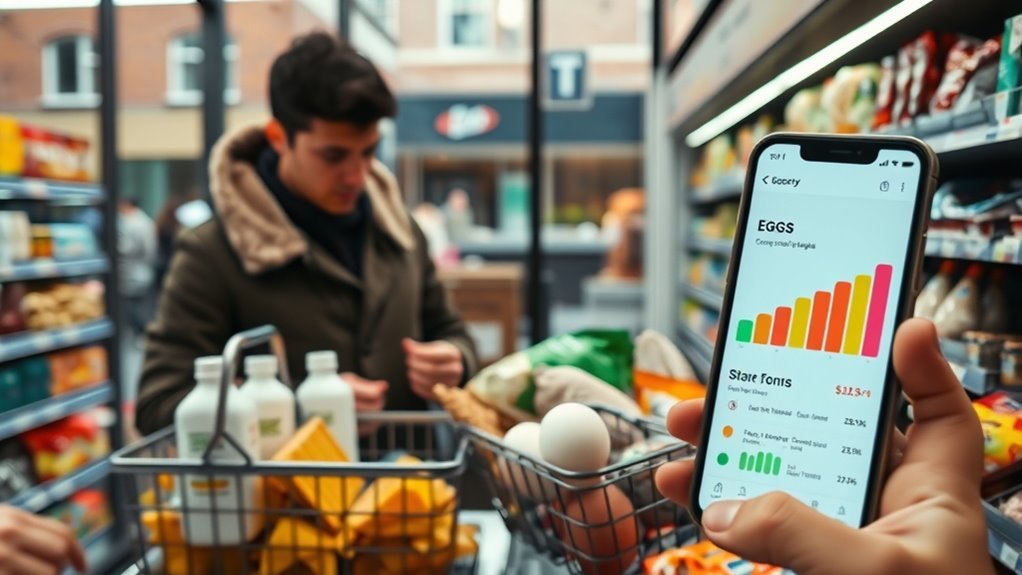
For students and young professionals, grocery costs in Boston can add up quickly, with a single adult typically spending about $392 to $465 a month. Students often budget $550 to $750 when they mix home cooking with some dining out.
You can keep more money in your pocket by planning meals, buying in bulk, and choosing local markets or discount stores when prices climb. Boston’s living costs run about 45% above the national average, so every smart move matters.
- Use student discounts whenever you can.
- Check grocery apps for deals before you shop.
- Cook at home more often to stretch your budget.
- Share bulk buys with roommates to cut waste.
You don’t need to accept overpriced food as your reality. When you shop with intention, you free up cash for rent, transit, and the life you actually want.
Boston Grocery Budget Tips for Families
Families feel Boston’s grocery prices even more, with a household of four typically spending about $1,389 a month on food.
Boston families feel grocery costs most, with a typical household of four spending about $1,389 a month on food.
You can protect your budget with grocery budgeting strategies that put you in control. Start with family meal planning each week so you buy only what you’ll use. Build meals around sales, staples, and leftovers, then make a tight list and stick to it.
Buy in bulk for items your family uses often, but skip oversized packs that’ll go bad. Shop local markets or discount stores when prices beat big chains. Watch coupons and sales promotions, and stack them when you can.
If someone in your home needs specialty foods, plan for those costs early so they don’t derail your month. When you choose intentionally, you keep more money free for the life you want.
Boston Grocery Costs vs. National Costs
Boston grocery costs run higher than the national average, and you’ll feel that gap whether you’re shopping for one person or a full household. A single adult in Boston spends about $465 a month, while the U.S. average sits near $400.
For a family of four, you may pay roughly $1,389 monthly, far above similar households nationwide. These grocery price trends reflect inflation, which recently pushed food prices up 3.3%, plus the realities of urban living: higher demand and fewer retailers competing for your dollars.
To stay in control, focus on what you can shift.
- Compare weekly store prices.
- Buy staples in bulk.
- Plan meals before you shop.
- Cut waste by using leftovers.
When you use these habits, you can soften Boston’s edge and protect more of your money for freedom, not food bills.
Frequently Asked Questions
How Much Do People Spend on Groceries a Month in Boston?
You’ll usually spend about $392 to $465 a month on groceries in Boston alone, or around $785 for two. Watch grocery price trends, use meal planning tips, and buy in bulk to cut costs.
Can You Live on $200 a Month for Food?
No, you probably can’t live on $200 a month for food safely; USDA’s Thrifty Food Plan for four hits $1,003.40. You’d need strict meal planning, budget shopping, bulk buys, and accept limited variety.
What Is a Realistic Cheapest Budget for Monthly Groceries?
A realistic cheapest budget for monthly groceries is about $200–$300 for one person if you plan budget friendly meals, use grocery shopping tips, buy in bulk, and stick to simple, filling foods.
Is $400 a Month Enough for Groceries?
No, $400 a month usually isn’t enough for groceries. You’ll need tight meal planning, budget recipes, and smart bulk buys to stretch it, especially if you’re feeding more than yourself or needing special foods.
Conclusion
Boston grocery prices can feel like a packed Red Line at rush hour—tight, crowded, and a little stressful. But with a smart monthly plan, you can keep your budget on track. For example, if you trim just $25 a week from takeout and buy staples at lower-cost stores, you’ll save about $100 a month. Small swaps add up fast, so shop with purpose, cook more at home, and stretch every dollar further.
