
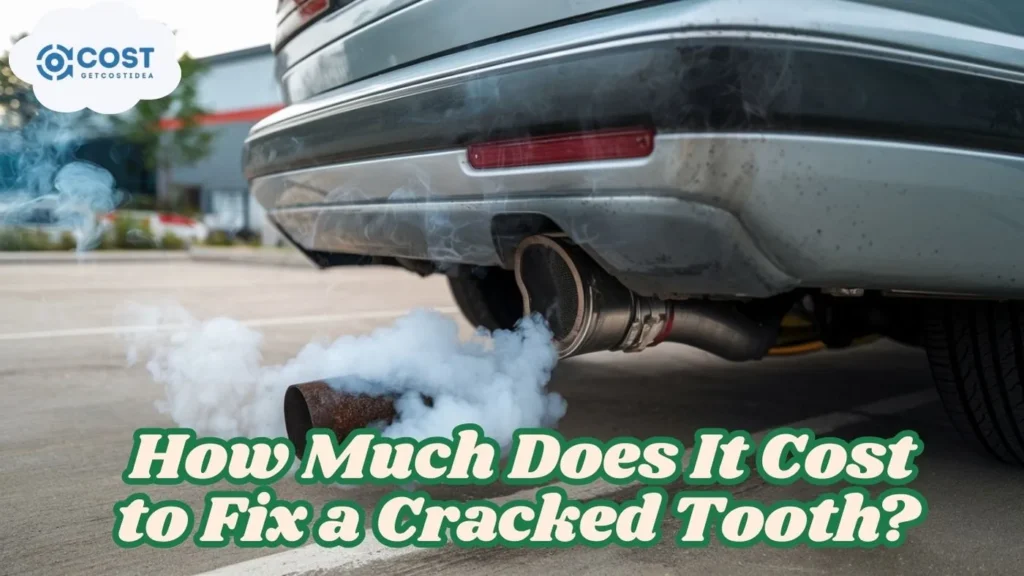
An exhaust leak can cause various problems for your vehicle. It can affect performance and fuel efficiency.
Knowing how much an exhaust leak repair costs helps you budget and plan ahead. The cost depends on the extent of the damage, the type of vehicle, and labor rates in your area. This guide covers the key factors that influence repair costs so you can make informed decisions and keep your vehicle running well.
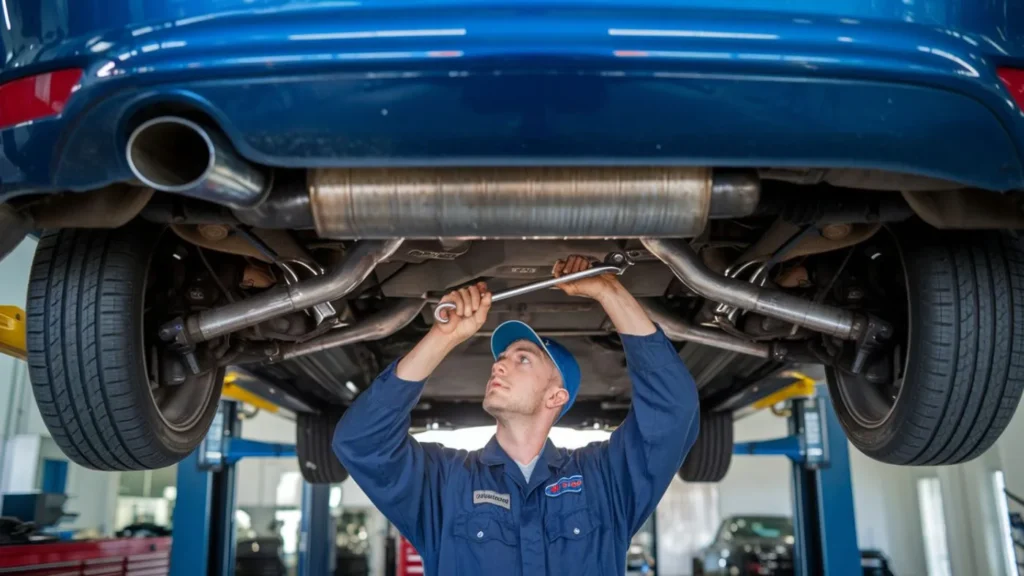
“Take care of your car in the garage, and the car will take care of you on the road.” – Amit Kalantri
Quick Answer
- DIY minor fix: $10–$50 in materials (patch, clamp, or gasket).
- Professional shop repair: $100–$300 for most simple leaks.
- Major component replacement (muffler, catalytic converter): $300 to over $1,000, sometimes much more.
- Sedans and coupes: $125–$300 total. SUVs and trucks: $150–$400 total.
- Don’t delay. Exhaust leaks can let toxic carbon monoxide into the cabin, and the longer you wait, the more expensive the repair.
Introduction To Exhaust Leak Repair
Minor DIY materials for a small exhaust leak may cost about $10 to $50, while professional shop repairs typically start around $100 to $300. Major issues can exceed $1,000 when sections of the system — such as the muffler or catalytic converter — need replacement.
An exhaust leak can hurt your car’s performance and pose real safety risks. Repairing it promptly matters. Understanding what you’ll pay makes the process less stressful.
Common Symptoms
A loud hissing or tapping sound from the exhaust is one of the most common signs. You might also notice a drop in fuel efficiency, a strong smell of exhaust fumes inside the car, or engine misfires. Any of these symptoms warrants a prompt inspection.
Potential Risks
Exhaust leaks can be dangerous. Toxic fumes, including carbon monoxide, can enter the cabin. Health agencies warn that CO exposure can cause sudden illness or death. Beyond health risks, an exhaust leak can damage nearby car components and lead to more expensive repairs down the road. Your car may also fail an emissions test if the leak goes unaddressed.
Factors Influencing Repair Cost
Several variables drive the final price of an exhaust leak repair. Knowing them helps you budget more accurately.
Location Of The Leak
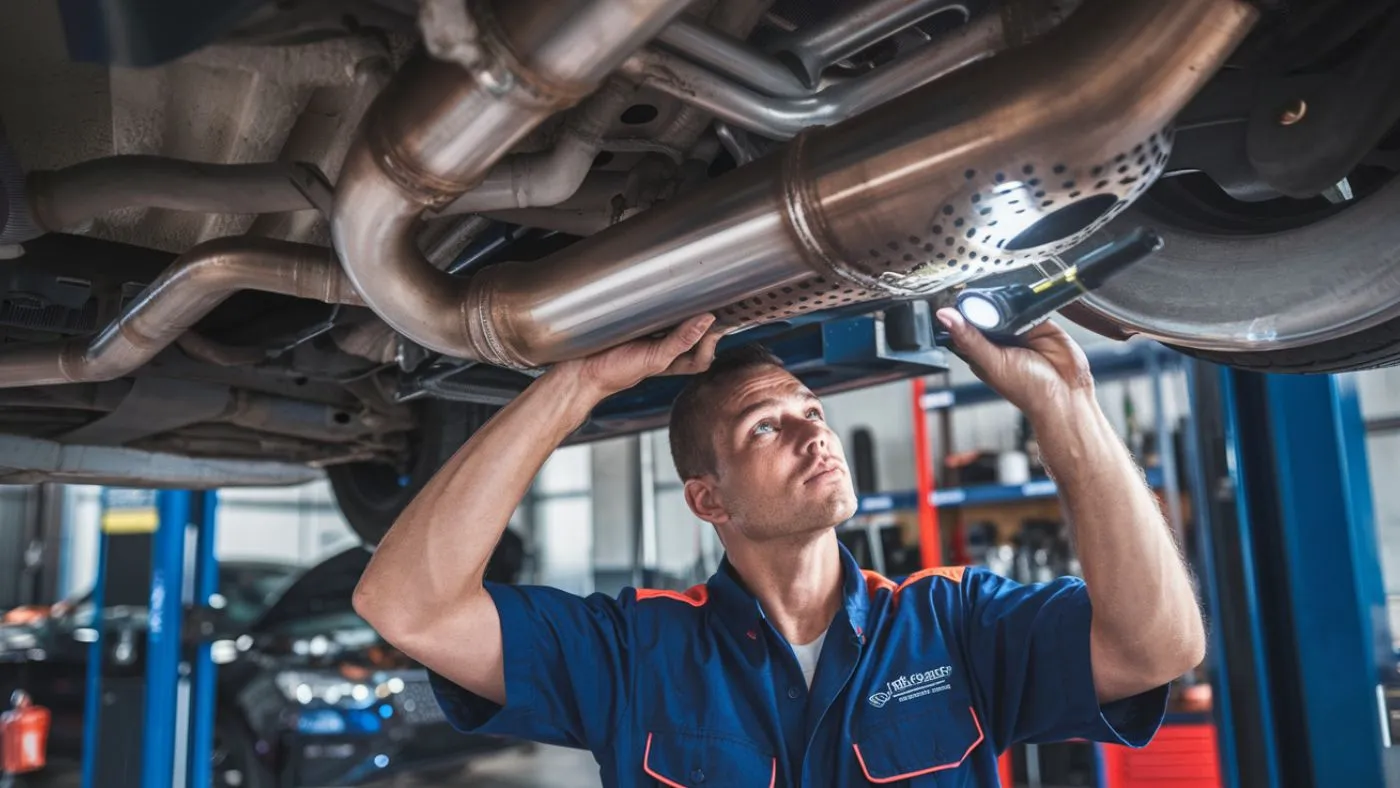
A leak near the engine usually costs more to fix. Mechanics often have to remove other parts just to access the damaged area, which adds labor time. A leak closer to the muffler is generally easier to reach and tends to cost less.
Severity Of The Leak
A small leak might only need a quick patch or a new seal. That’s usually inexpensive. A larger leak can mean replacing entire sections of the exhaust system, which requires more parts and more labor. In severe cases, a full exhaust system replacement may be necessary — the most costly outcome.
“A car is like a human body. It needs regular care to perform at its best.” – Anonymous
Cost Breakdown By Vehicle Type
Understanding the cost of an exhaust leak repair is crucial. Different vehicle types have varying repair costs. Here’s how expenses break down by vehicle type.
Products Worth Considering

▲ 𝐅𝐈𝐓𝐌𝐄𝐍𝐓- Driver's Side Rearmost Bolt, Passenger Side Frontmost Bolt;For 1999 & Newer GM Trucks & SUV's With a 4.8, 5.3, 6.0 or 6.2 L.engine size.(Fits these GM Vehicles:Silverado, Sierra, Yukon, Denali, Escalade, Hummer )
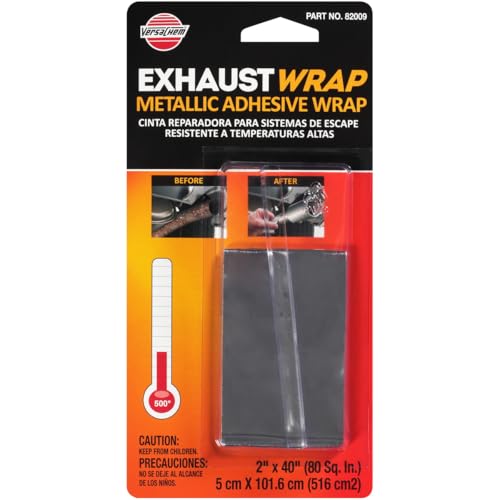
High strength aluminum foil, coated with high temperature acrylic adhesive

🚗For 1999 & Newer GM Trucks & SUV's With a 4.8, 5.3, 6.0 or 6.2 L.engine size.
Sedans And Coupes
Sedans and coupes are the most common vehicles, and their repair costs are generally lower than larger vehicles. The average cost for an exhaust leak repair on sedans and coupes ranges from $125 to $300.
Here’s a breakdown:
- Labor Costs: $50 – $150
- Parts Costs: $75 – $150
Labor costs depend on the complexity of the repair. Parts costs vary based on the brand and quality of the exhaust components.
Suvs And Trucks
SUVs and trucks typically cost more to repair. The average for these vehicles ranges from $150 to $400.
Here’s a detailed breakdown:
- Labor Costs: $75 – $200
- Parts Costs: $75 – $200
Labor costs are higher for SUVs and trucks due to their size and complexity. Parts tend to be more expensive as well, since they’re built to handle heavier loads.
| Vehicle Type | Labor Cost | Parts Cost | Total Cost |
|---|---|---|---|
| Sedans and Coupes | $50 – $150 | $75 – $150 | $125 – $300 |
| SUVs and Trucks | $75 – $200 | $75 – $200 | $150 – $400 |
Labor Costs Vs. Parts Costs
When fixing an exhaust leak, total cost comes down to two things: labor and parts. Understanding both helps you spot a fair quote.
Products Worth Considering

【Compatibility】Compatible with GM Trucks & SUV's 1999 & newer models 4.8 Liter 5.3 Liter 6.2 L 1999-2013, 6.0 L 1999-2021. Compatible with Chevrolet, Silverado, GMC Sierra, Yukon, Escalade, Denali, Hummer

PLJOFRSHI Metal glue is a two-component heavy duty high temperature resistant epoxy resin glue with capacity of 1.76oz for each,including a set of pusher, scraper and mixed ratio 1:1 syringe,can be used for boats, cars, Oil tanks, water pipes, heaters, vases, fences welding car bumpers, motorcycle crack repair,It is a good nontoxic and nonirritating odor cold welding glue.
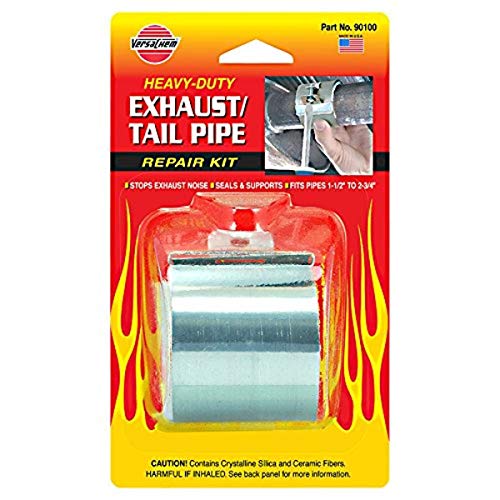
All-steel clamp with a high temperature gasket
Labor Rates
Labor rates vary by location and mechanic expertise. On average in the U.S., labor costs range from about $100 to $170+ per hour, with some markets higher. A simple fix might take about an hour. A complex repair can take significantly longer, pushing up the total bill.
Cost Of Replacement Parts
Parts costs vary widely. Basic items like gaskets or clamps typically run $5 to $20. More significant components are a different story. A muffler or catalytic converter can range from several hundred dollars to over $2,000 installed, depending on the vehicle. Luxury and high-performance vehicles tend to sit at the higher end of that range.
“The bitterness of poor quality remains long after the sweetness of low price is forgotten.” – Benjamin Franklin
Diy Vs. Professional Repair
Choosing between DIY and professional repair depends on cost, time, and your comfort with car work. Both have real advantages.
Products Worth Considering

Heat Resistant up to 2012℉: Withstanding extreme temperatures up to 2012℉ (1100℃), our exhaust leak repair is perfect for high-temperature environments and ensuring the long-term stability of your exhaust system

J-B Weld Muffler Seal: MufflerSeal is an iron reinforced paste designed to seal mufflers, pipe joints and exhaust systems. MufflerSeal can resists up to 700 F.

FIBERWELD AUTOMOTIVE REPAIR CAST: A high-strength fiberglass wrap, impregnated with a specially-formulated resin for automotive repairs. When activated by water, the product forms a strong, permanent bond that hardens like steel in 15 minutes. Once cured, FiberWeld is temperature resistant up to 400°F and holds water pressure up to 100 PSI.
Pros And Cons Of Diy
DIY repair saves on labor, which can be a significant portion of the bill. You also gain hands-on experience and the satisfaction of doing it yourself.
The downsides are real, though. You need the right tools and parts. Mistakes can be costly to fix later, and some repairs are simply too complex for a first-timer to tackle safely.
Benefits Of Professional Repair
A professional mechanic brings the right tools, accurate diagnosis, and experience. The job gets done faster, and most shops back their work with a warranty. If anything goes wrong after the repair, you can bring it back.
Average Cost Estimates
Repair costs vary based on the severity of the leak and your vehicle. Here’s a realistic range to plan around.
Products Worth Considering

Jb Weld Extreme Heat: Is Formulated For Repairs To Iron, Steel And Metal In High Temperature Environments 1000°F / 537°C. Non-Flammable, It Contains No Solvents Or Volatile Organic Compounds (Vocs).

Quick Repair: Fiberglass repair tape is a high-strength, one-time use fiberglass wrap that is impregnated with a special resin formula, allowing it to adhere to various surfaces. Permanent repair castings can quickly repair damaged car exhausts and form a hard protective layer the repaired surface.(Applicable to exhaust low-temperature tail section)

These Are Complete Line Of Heavy-Duty Shop Products
Low-end Estimates
On the lower end, exhaust repairs can be quite affordable. Patching a small hole or replacing a gasket might cost just $10 to $50 in DIY materials, or around $100 to $250 at a shop when you factor in minimum labor. Catching the problem early keeps costs low.
High-end Estimates
More severe leaks cost significantly more. Replacing sections of the exhaust or major components can run from $300 to well over $1,000. Average muffler or exhaust-pipe replacements can exceed $1,000, and catalytic converters often cost $2,100 to $2,450 or more when installed. Luxury or high-performance vehicles typically cost even more. Labor adds to the total, especially for complex repairs.
Repair vs. Replace: How to Decide
Sometimes the right call isn’t a repair — it’s a full replacement. If your exhaust system is old, heavily corroded, or has multiple leaks, patching one spot may only delay the next problem.
A general rule: if repair costs approach 50% of the component’s replacement cost, replacement often makes more financial sense. Your mechanic can inspect the full system and give you an honest read on its condition.
For newer vehicles with isolated damage, repair is usually the right move. For older vehicles with widespread rust or wear, a full system replacement may be cheaper in the long run than a series of smaller fixes.
Ways To Save On Repair Costs
There are practical ways to reduce your repair bill without cutting corners on quality.
Products Worth Considering

COMPATIBILITY – Fits 1997-1997 Acura CL; 1998-1998 Acura CL; 1999-1999 Acura CL; 1994-1994 Honda Accord; 1995-1995 Honda Accord; 1996-1996 Honda Accord; 1997-1997 Honda Accord

【Fitment】for 2 stroke 48cc 49cc 50cc 60cc 66cc 80cc Engines Motorized Bicycle Motor Bikes

COMPATIBILITY – Fits 1999-1999 Acura EL; 2000-2000 Acura EL; 1999-1999 Honda Civic; 2000-2000 Honda Civic
Using Aftermarket Parts
Aftermarket parts are made by third-party manufacturers, not the original automaker. They’re often significantly cheaper while still being reliable for everyday use.
Prices vary by brand, so you have options at different budget levels. Buy from a reputable source, and check reviews before ordering.
Here is a quick table to compare prices:
| Part | OEM Price | Aftermarket Price |
|---|---|---|
| Exhaust Pipe | $200 | $120 |
| Muffler | $150 | $80 |
Looking For Deals And Discounts
Many auto shops run promotions, especially at certain times of year. A little research beforehand can save a meaningful amount.
A few ways to find discounts:
- Sign up for newsletters from local auto shops.
- Check websites like Groupon for auto repair deals.
- Ask the shop directly if they have any current promotions.
Combining a discount with aftermarket parts can stretch your budget further.
Preventing Future Exhaust Leaks
Exhaust leaks can cause serious damage if ignored. They affect performance and create health risks. A little preventive attention goes a long way toward avoiding costly repairs.
Regular Maintenance Tips
Keep your exhaust system in good shape with these habits:
- Inspect the Exhaust System: Check the exhaust system for any signs of wear or damage. Look for rust, cracks, or loose connections.
- Keep it Clean: Clean the exhaust system regularly to remove dirt and debris. This helps prevent rust and corrosion.
- Use Quality Parts: Always use high-quality parts for repairs. Cheap parts can wear out quickly and cause leaks.
- Check the Mounts: Ensure the exhaust mounts are secure. Loose mounts can cause the exhaust system to move and develop leaks.
Identifying Early Signs
Catching an exhaust leak early keeps repair costs manageable. Watch for these warning signs:
- Loud Noises: If your car makes a loud rumbling noise, it could indicate an exhaust leak.
- Decreased Fuel Efficiency: A sudden drop in fuel efficiency might signal a leak in the exhaust system.
- Unusual Smells: Smelling strong fumes inside the car can indicate an exhaust leak.
- Vibrations: Feel for unusual vibrations, especially when idling. This can be a sign of a loose or damaged exhaust component.
Staying proactive with inspections and addressing small problems early can prevent much larger repair bills later.
Frequently Asked Questions
What Is The Cost To Fix An Exhaust Leak?
The cost to fix an exhaust leak typically ranges from $100 to $400. This depends on the location and severity of the leak. Labor costs and parts required also influence the total expense.
How Long Does Exhaust Leak Repair Take?
Exhaust leak repairs usually take between 1 to 2 hours. The exact time can vary based on the complexity and location of the leak. Some repairs may take longer if extensive damage is found.
Can I Drive With An Exhaust Leak?
Driving with an exhaust leak is not recommended. It can lead to harmful gases entering the cabin and cause engine performance issues. Fixing the leak promptly ensures safety and optimal vehicle performance (CO exposure risk per CDC).
What Causes An Exhaust Leak?
Exhaust leaks can be caused by rust, corrosion, or physical damage. Road debris and extreme temperatures can also lead to exhaust system issues. Regular maintenance helps prevent leaks and prolongs the system’s lifespan.
Conclusion
Repairing an exhaust leak doesn’t have to be overwhelming. Costs vary based on factors like the car model and the extent of the damage. A trusted mechanic can give you an accurate estimate and walk you through your options. Regular maintenance can prevent future leaks, so it’s worth staying on top of inspections.
Address exhaust issues as soon as you notice them. Your safety, your car’s performance, and your wallet will all be better for it.
