

You’ll need a short-term California fishing license for a week, but there’s no true 7-day permit. Nonresidents can buy a two-day license for $31.58 or a ten-day nonresident license for $62.90 (cheaper per day). Residents can get one-day licenses at $20.52 or two-day options to string together. Certain species require report cards and some validations; pier fishing and under‑16s are exempt. Scroll on to see validations, discounts, and purchase options.
Who Needs a Week-Long Fishing Permit in California
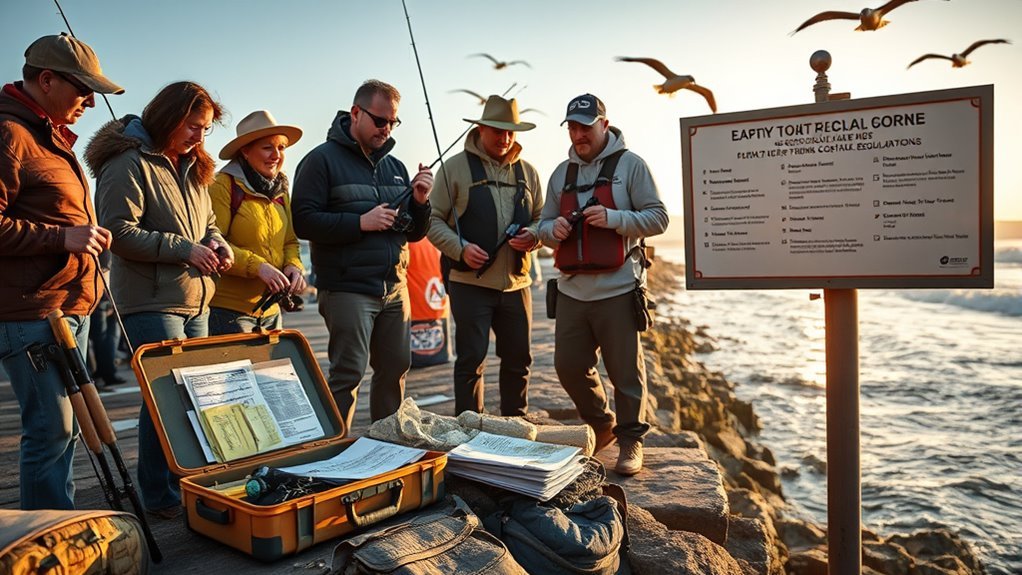
Who needs a week-long fishing permit in California? You do if you’re 16 or older and plan to take fish, shellfish, reptiles, or amphibians and you want short-term coverage: a two-day nonresident option costs $31.58 and a ten-day nonresident option is $62.90, providing week long benefits for trips that straddle those periods.
You don’t need a license if you’re under 16 or fishing from ocean public piers, and free fishing days let you fish license-free on designated dates.
Even with a week-long permit, you must follow fishing regulations: bag limits, season restrictions, and any species-specific report card requirements remain binding.
A week-long permit doesn’t exempt you from bag limits, seasonal closures, or mandatory species report cards.
From a policy perspective, the short-duration permits balance access and compliance—lower upfront cost encourages participation while preserving enforcement of conservation measures.
Before you fish, verify permit type and duration against your itinerary, confirm applicable report cards, and plan catches within legal limits to avoid penalties.
Products Worth Considering

Short-Term License Options and Durations
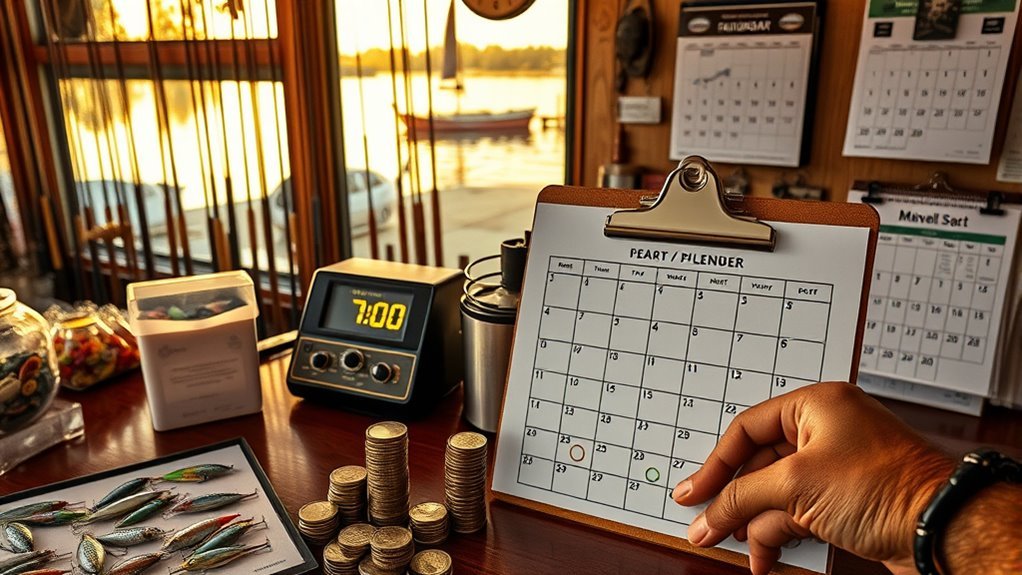
Although California doesn’t offer a true 7-day license, you can cover a week-long trip with short-term options: nonresidents can buy a 10-day sport fishing license for $62.90 (which spans seven days), or two consecutive two-day licenses at $31.58 each to cover up to four days, while residents can purchase one-day licenses at $20.52 and combine multiple days as needed.
You’ll choose short term licenses based on trip length, residency and cost trade-offs. Policy-wise, one-day and two-day permits are valid only for their specified fishing durations and don’t require ocean enhancement validation.
All short-term licenses are available to residents and nonresidents, so you can obtain temporary coverage without long-term commitment. Operationally, use the 10-day nonresident option if your goal is a contiguous week; use consecutive two-day or multiple one-day licenses for partial-week flexibility or staggered trips.
Check issuance dates carefully to guarantee continuous coverage for your planned fishing durations.
Products Worth Considering

CUSTOMIZE NOW – Select te finish, choose the size and add your personalized text. NOT embossed
CALIFORNIA STATE FLAG DESIGN: Features a textured, raised California flag design for an authentic, high-end look and feel.

【MATERIAL】: oFloral License plate frame is made from premium quality aluminum, which can provide long-lasting protection from corroding, rusting and aging, durability for long lasting usage.Personalized Car Frame Can Perfect to Put on Your Front of Car or for Decorative Purposes Around the House Like in Your Bedroom, Garage, Basement, Ect.
Cost Breakdown for One-, Two-, Ten-Day and Weekly Equivalents

To move from choosing short-term options to their costs, let’s compare one-, two- and ten-day permits and how they stack up for a week of fishing.
You’ll use license comparison analysis to evaluate per-day costs and weekly fishing strategies when no explicit seven-day permit exists.
Data: one-day = $20.52; two-day = $31.58; ten-day (non-residents only) = $62.90.
Consider combinations to cover seven days.
- One-day units: seven separate one-day purchases = 7 × $20.52 = $143.64.
- Mixed short-term: one-day + two-day + four-day equivalent (e.g., two two-day licenses) = $20.52 + $31.58 + (2 × $31.58) = $115.26.
- Ten-day option (non-residents): single $62.90 license covers a week with excess days.
Policy-focused takeaway: residents lack the ten-day alternative, so ideal weekly fishing strategies for residents favor mixed short-term purchases; non-residents achieve lower per-day cost via the ten-day license.
Products Worth Considering

Premium Quality: Our rugged license holder is made from durable water-resistant synthetic leather, ready for harsh hunting and fishing conditions. Soft to the touch and more comfortable to wear than the typical hard plastic feel of cheaper options. This license holder is made to last

Enough to Use: you will receive 6 pieces of fishing license holders, and 6 pieces of safety pins, abundant in quantity, enough for you to choose and replace, can meet your different needs; You can also share them with your friends

How-to where-to guide for catching fly fishing's toughest fish!
Validations and Report Cards Required for Short-Term Licenses
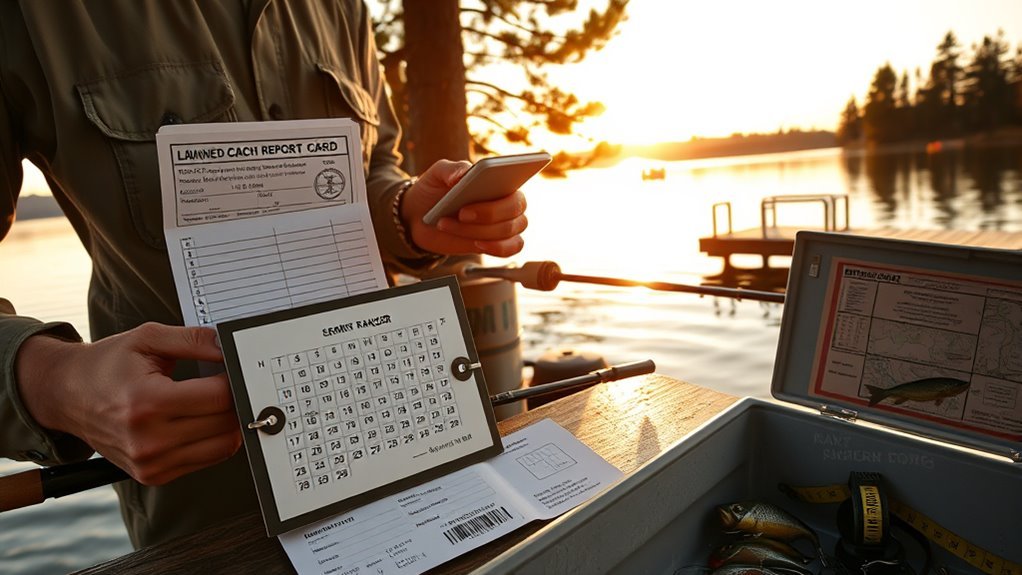
When planning short-term fishing trips, check validations and species report-card requirements up front so you don’t encounter surprises at the water; one- and two-day licenses ($20.52 and $31.58) require no extra validations for freshwater or (in the two-day case) the Ocean Enhancement Validation, while the ten-day nonresident license ($62.90) likewise needs no additional validations.
You should still confirm report card requirements: targeting sturgeon or salmon triggers mandatory report cards regardless of license duration. Agencies enforce fishing species regulations through species-specific reporting and variable submission deadlines; failure to comply can result in fines or permit suspension.
Before you fish, verify which report cards apply, obtain them online or at licensed vendors, and note reporting deadlines by species. Use official agency resources to confirm the Ocean Enhancement boundary (south of Point Arguello) and current species rules.
This data-driven, policy-focused approach minimizes compliance risks and keeps your short-term trip within regulatory requirements.
Discounts, Free Licenses, and Reduced-Fee Options
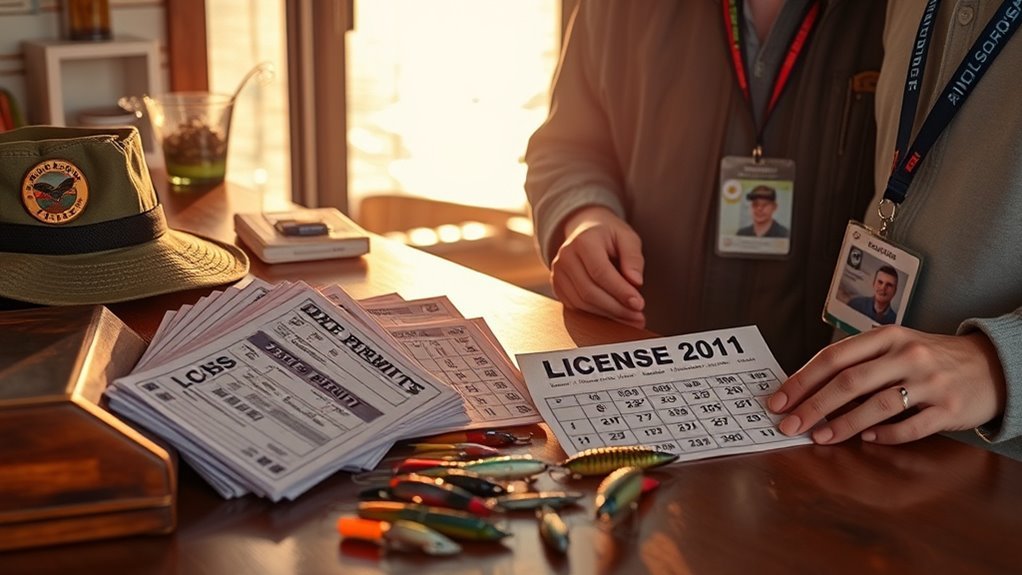
You’ll find several targeted fee reductions and exemptions tied to status and need: veterans and active service members often qualify for discounted or waived fees, while disabled anglers (including those with blindness or severe mobility impairments) can receive free licenses with appropriate certification.
Low-income seniors and certain tribal members are eligible for reduced-fee licenses typically around $10.29 or specific waivers, and designated free fishing days let anyone fish without a license though species-specific report cards may still be required.
Products Worth Considering
![[Officially Licensed US Marine Corps Product] - USMC Veteran - Domed Custom-Made Personalized Narrow (Thin) Top 4 Hole Metal Car License Plate Frame with Free caps - Black Frame (Qty: 1)](https://m.media-amazon.com/images/I/41sq7Mcl6YL._SL500_.jpg)
OFFICIALLY LICENSED USMC PRODUCT - officially licensed by the United States Marine Corps and is proudly made in the United States. These stylish and patriotic frames are the best way to show your support for our troops.

FISHING LICENSE HOLDER W/ZIP CLOSURE
High-Quality Material: Made from durable aluminum, this front license plate cover is strong, waterproof, anti-rust, and weather-resistant, ensuring long-lasting performance. With exquisite workmanship and smooth, delicate edges, it won’t damage your car or your hands
Veterans and Service Members
Although eligibility rules vary, veterans and active service members can often get reduced-fee or free sport fishing licenses based on disability, income, or recovery status, and you’ll need documented proof to apply.
You should note veteran eligibility criteria: a 50%+ disability rating qualifies for a disabled veteran license valid in California; disabled veterans and recovering service members can buy a reduced-fee license for $10.29 with a VA letter or commanding officer/doctor verification.
Free licenses exist for low-income Native Americans and people with specified disabilities. The application requires appropriate forms and evidence.
- Picture a VA letter or medical note confirming status.
- Imagine a $10.29 reduced-fee printed on your receipt.
- Visualize forms stamped and approved for a free license.
Disability and Mobility Exemptions
Because state agencies aim to guarantee access, disabled veterans, mobility-impaired individuals, low-income Native Americans, and people with specified disabilities can qualify for reduced-fee or free sport fishing licenses with documented proof, typically a VA letter, medical certification, or income verification. You’ll find policy-driven rates: reduced-fee licenses for disabled veterans/recovering service members cost $10.29; mobility-impaired reduced fees run about $9.79; free licenses are available for certified low-income Native Americans and those with qualifying disabilities (e.g., blindness). Applications require submission and can take up to 15 business days for processing. You must supply disability benefits documentation or verification of mobility aids use where applicable to establish eligibility.
| Applicant Type | Fee | Required Proof |
|---|---|---|
| Disabled Veteran | $10.29 | VA letter |
| Mobility Impaired | $9.79 | Medical verification |
| Specific Disabilities | Free | Certification |
Low-Income and Tribal Waivers
When you meet the specific income and tribal criteria set by the California Department of Fish and Wildlife, you can qualify for reduced-fee or free sport-fishing licenses—honorably discharged veterans pay about $10.29, low-income seniors may get a $9.79 reduced-fee license, and low-income Native Americans or those with qualifying disabilities can receive a free license; applications require documented verification and can take up to 15 business days for processing.
You should apply using CDFW forms that document income, veteran status, tribal enrollment, or disability. The policy prioritizes accuracy and verification; expect administrative review.
Typical scenarios include:
- Veteran reduced-fee license: proof of honorable discharge.
- Low income assistance for seniors: income documentation for $9.79 fee.
- Tribal eligibility or disability: enrollment or medical verification for free license.
Where and How to Purchase a Week-Long or Short-Term License
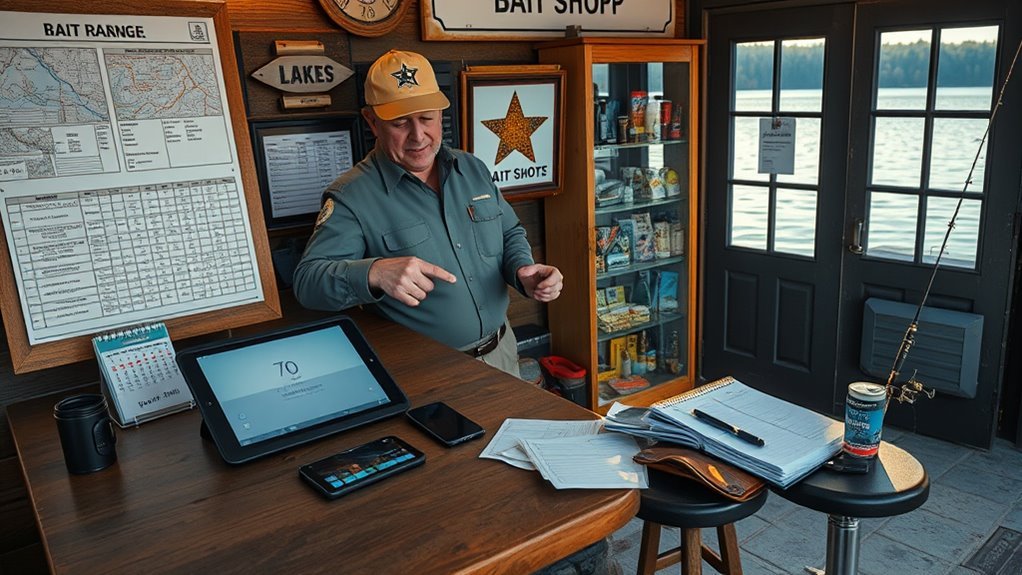
You can buy week-long or short-term licenses through the CDFW online portal, at authorized retail license agents, or at CDFW license sales offices; one-day, two-day ($31.58 for two-day), and ten-day nonresident ($62.90) options are listed and selectable.
Payments at CDFW locations accept debit/credit cards, checks, or money orders—cash isn’t accepted—and you can also purchase by phone at (800) 565-1458.
Use the online system for fastest processing and agent locations for in-person needs.
Products Worth Considering

USA, License, plate, Vintage, tag, lot, set, plates, number, wall, decor, art, bar, restaurant, design, gift, cool, nice, american, america, hawaii, alaska, california, texas

Durable Material, Built to Last: Crafted from high-purity aluminum with a UV-protective film, it resists sun exposure, rain, fading, and rust. The tough material stays rigid and undamaged through daily use, maintaining a sleek appearance for years.

EASY & FUN TO CUSTOMIZE: Click "Customize Now" to add your personalization to your mini Calfironia state plate!
Online License Portal
Anyone needing a short-term California fishing permit can buy it online through the California Department of Fish and Wildlife (CDFW) portal, which lets you create an account to purchase, renew, and manage licenses and report cards.
You’ll use the portal for online account management and to follow the license renewal process; it supports selection of a 10-day nonresident sport fishing license ($62.90) or a 2-day license ($31.58).
The interface is transaction-focused, accepts debit/credit, checks, and money orders, and records purchases for compliance.
- Visualize selecting permit type and duration.
- Picture payment confirmation and digital receipt.
- Imagine instant access to report cards and renewal reminders.
Use the portal for efficient, documented permit acquisition and compliance tracking.
Retail License Agents
For short-term fishing needs, buy licenses from authorized retail agents—such as Walmart, Big 5 Sporting Goods, and other licensed vendors—or directly through CDFW license sales offices and the department’s website; the ten-day nonresident license ($62.90), two-day ($31.58), and one-day ($20.52) options are all available through these channels. You’ll verify license availability and agent locations before travel. In-person CDFW offices sell licenses and duplicates but note cash isn’t accepted at those offices. Retail agents provide immediate issuance and duplicate services for a small fee. Use the CDFW site to confirm authorized sellers and monitor regional stock. Below is a concise reference of common agent types and service notes.
| Agent Type | Notes |
|---|---|
| Big-box retailers | Instant issue |
| Sporting goods | Regional coverage |
| CDFW offices | Duplicates, no cash |
| Online portal | Verify agents |
| Licensed vendors | Local availability |
Payment Methods Accepted
How will you pay for a week-long or short-term fishing license? You can buy a two-day license ($31.58) or a ten-day non‑resident ($62.90) online via CDFW or at authorized agents. Policy requires you carry the license while fishing; duplicates are available for a small fee.
- Online purchase: use CDFW website; accepted currencies: USD; payment methods include Visa/Mastercard, debit, checks, money orders.
- CDFW offices: same payment methods, but cash isn’t accepted; expect electronic processing.
- Retail agents: accept card or cash depending on the agent—confirm accepted currencies and payment methods before purchase.
Follow regulations and reporting requirements; retain proof of purchase and be prepared to present it on demand.
Rules for Fishing From Public Piers and Free Fishing Days
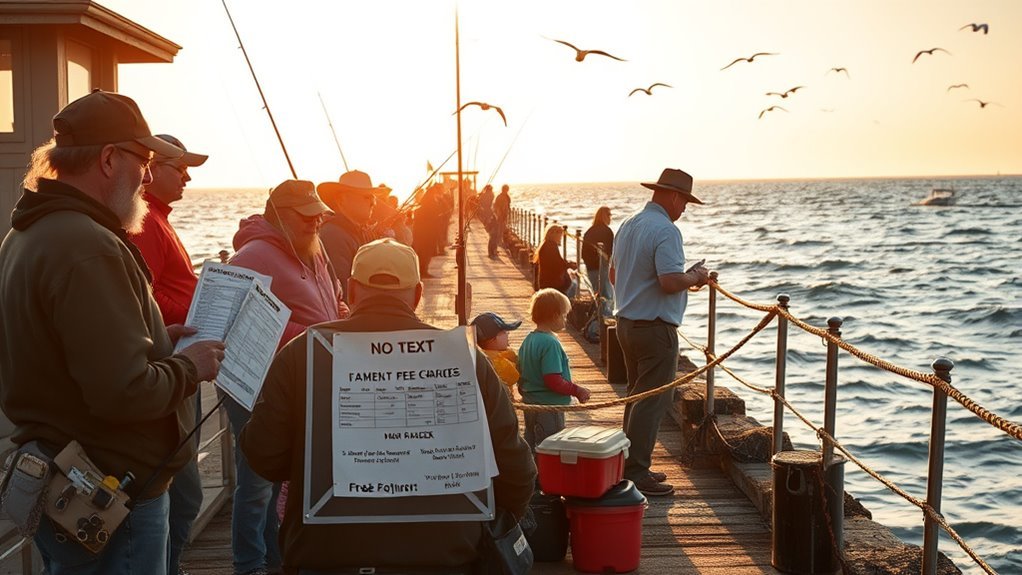
Although you don’t need a fishing license when angling from public piers, jetties, or breakwaters in ocean waters that have unrestricted access and are designated for fishing, you must still comply with all regulations such as bag limits and size restrictions.
You should follow pier fishing regulations precisely: bag limits, minimum and maximum size rules, gear restrictions, and seasonal closures remain enforceable regardless of licensing exemption. Publicly owned jetties and breakwaters are treated the same as piers for these exemptions.
California designates two free fishing days annually; on those dates you can fish without a license statewide, but all species-specific regulations continue to apply.
If you’re under 16, you don’t need a license year-round, though you must obtain and carry required report cards for certain species and adhere to reporting deadlines.
Enforcement focuses on compliance with conservation limits, so carrying documentation of age or report cards and knowing current bag and size limits reduces your risk of citation.
Frequently Asked Questions
Can I Transfer My Week-Long Permit to Someone Else?
No, you generally can’t transfer a week-long permit; license transfer rules and permit ownership policies typically prohibit reassignment. Check the issuing agency’s policy for exceptions, documentation requirements, and potential refund or replacement options.
Does the Permit Cover Shellfish and Crabbing?
Yes — it can, but you must follow shellfish regulations and crabbing guidelines: bag limits, seasons, size limits, and gear restrictions apply; check regional rules and report harvests as required to remain compliant with state fisheries policy.
Are Refunds Available for Unused Days?
Yes — you won’t get a windfall, but refund policies rarely offer pro rata credits for unused days; you’ll need to check the specific agency’s policy, provide proof, and follow strict refund procedures and deadlines.
Is a Fishing License Required on Private Lakes?
You usually do need a license on private lakes unless specific fishing license exemptions apply; check state private lake regulations for owner/guest exemptions, residency rules, and documented permissions to confirm whether you qualify for an exemption.
Do Electronic Licenses Work Without Cell Service?
A hiker’s rangers checked a downloaded digital permit offline; yes, your electronic licenses can work without cell service if you’ve downloaded them or have screenshots. Policy-wise, carry backups to prevent connectivity issues and enforcement disputes.
Conclusion
If you fish in California occasionally, a short-term license can save money—weekly equivalents exist as one-, two- and ten-day options. Note: 62% of casual anglers buy short-term permits rather than annual ones, showing strong demand for flexible pricing. You should check required validation/report cards and pier rules before you go. Buy licenses online, at sporting stores or wildlife offices, and ask about reduced-fee or free-license programs to match your needs.
