In the U.S., installing a trailer hitch on a Subaru typically costs between $350 and $750 for an aftermarket receiver hitch (parts and labor combined). Factory OEM hitch installations at a Subaru dealership range higher, from $600 to $1,100+, due to specialized labor and integrated bumper fascia replacement.
Subaru vehicles—including the Outback, Forester, Crosstrek, and Ascent—are among the most popular vehicles for outdoor adventuring and light towing. Whether mounting a heavy-duty platform bike rack, a cargo box, or pulling a teardrop camper, selecting the correct hitch class and installation method ensures vehicle safety and preserves ground clearance.
| Installation Option | Parts Cost | Labor Cost | Total Estimated Cost |
|---|---|---|---|
| DIY Installation | $180 – $350 | $0 (Self) | $180 – $350 |
| Local Auto Shop / U-Haul | $200 – $400 | $150 – $250 | $350 – $650 |
| Subaru Dealership (OEM) | $350 – $600 | $250 – $500 | $600 – $1,100+ |
| Add-On: Trailer Wiring Harness | $50 – $120 | $75 – $150 | +$125 – $270 |
Quick Answer: How Much Does a Subaru Hitch Installation Cost?
- Average Total Cost: $350–$750 for aftermarket setups; $600–$1,100+ for factory OEM options.
- Parts Alone: $180–$400 for Class 2 or Class 3 receiver hitches.
- Labor Rates: $150–$250 at independent shops (1–2 hours); up to $500 at dealerships (requires bumper removal/trimming).
- Trailer Wiring (4-Pin or 7-Pin): Adds $50–$200 depending on whether your Subaru is pre-wired from the factory.
- Key Variables: Vehicle model year, bumper fascia trimming requirements, and hitch receiver size (1.25-inch vs. 2-inch).
Why Install a Hitch on Your Subaru?
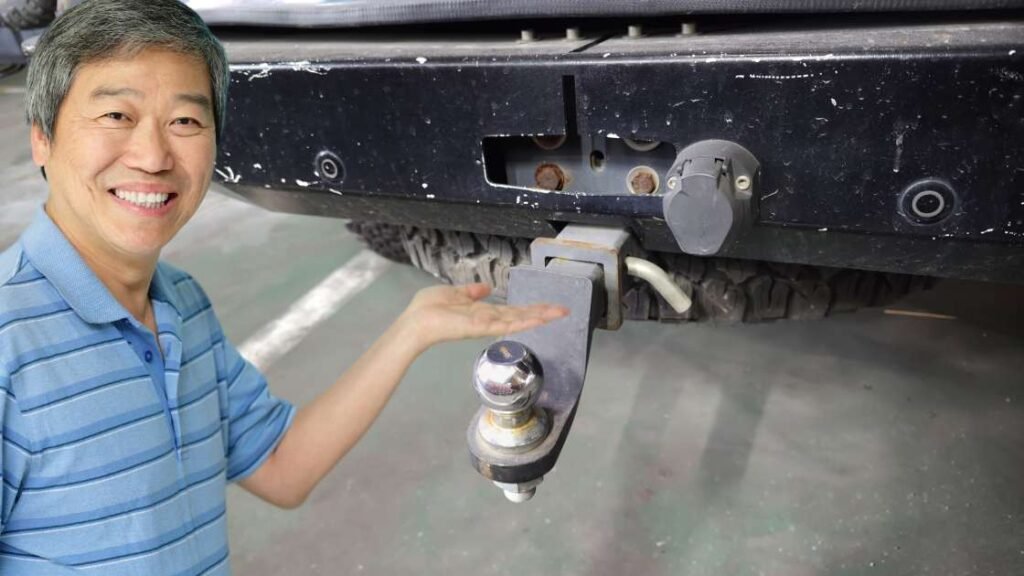
Installing a trailer hitch significantly boosts your Subaru’s versatility. While roof racks are popular, hitch-mounted accessories reduce aerodynamic drag, improve fuel economy, and eliminate the need to lift heavy equipment onto the roof.
- Hitch Bike Racks: Securely carry up to 4 e-bikes or mountain bikes without roof clearance worries.
- Cargo Trays: Add 300–500 lbs of exterior luggage capacity for long road trips.
- Towing Trailers & Boats: Pull utility trailers, teardrop campers, or personal watercraft within your vehicle’s rated capacity.
- Recovery Points: Provides a sturdy rear anchor point for mild off-road recovery scenarios.
Hitch Classes Explained: Which Fits Your Subaru?
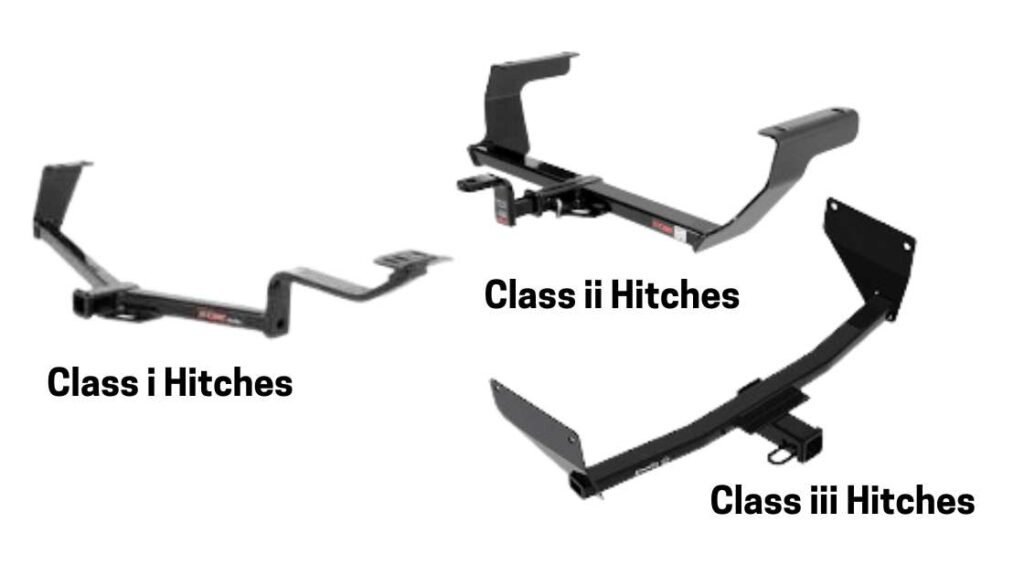
Choosing the correct hitch class depends on what you plan to haul. Receiver opening size (1.25-inch vs. 2-inch) is critical, as most modern heavy-duty bike racks require a 2-inch receiver (Class 3).
Class I Hitches (1.25-Inch Receiver)
- Gross Trailer Weight (GTW): Up to 2,000 lbs
- Max Tongue Weight (TW): Up to 200 lbs
- Best Used For: Light 2-bike racks, lightweight cargo trays on smaller sedans or older Impreza models.
Class II Hitches (1.25-Inch Receiver)
- Gross Trailer Weight (GTW): Up to 3,500 lbs
- Max Tongue Weight (TW): Up to 350 lbs
- Best Used For: Small utility trailers, single-axle light boats, and 2-to-3 bike racks on older Forester or Crosstrek models.
Class III Hitches (2-Inch Receiver) — Most Recommended
Class 3 hitches are the standard choice for Subaru Outback, Forester, Crosstrek, and Ascent owners. The 2-inch receiver frame allows maximum accessory compatibility and handles heavy tongue weights from platform e-bike racks.
- Weight Carrying Capacity: Up to 3,500–5,000 lbs GTW / 350–500 lbs TW (limited by vehicle rating).
- Weight Distributing Capacity: Up to 6,000–10,000 lbs GTW (Ascent models configured for weight distribution).
- Best Used For: Heavy 4-bike platform racks, teardrop campers, horse trailers, and mid-sized boats.
Subaru Towing Capacities by Model and Engine
Never exceed your vehicle’s official towing limit, regardless of the hitch class installed. Exceeding factory specs can damage the Lineartronic CVT (Continuously Variable Transmission) and void vehicle warranties. Always reference your owner’s manual or official Subaru towing guidelines.
- Subaru Ascent (2.4L Turbo): Up to 5,000 lbs (Class III required; includes trailer stability assist)
- Subaru Outback (2.4L Turbo / Wilderness): Up to 3,500 lbs
- Subaru Outback (2.5L Base/Premium/Limited): Up to 2,700 lbs
- Subaru Forester Wilderness: Up to 3,000 lbs
- Subaru Forester (Standard 2.5L): Up to 1,500 lbs
- Subaru Crosstrek Wilderness: Up to 3,500 lbs
- Subaru Crosstrek (Standard 2.0L / 2.5L): Up to 1,500 lbs
- Subaru Solterra (EV): Up to 1,500 lbs
Key Cost Factors: What Drives Up the Price?
1. Vehicle Model & Rear Bumper Trimming
Modern Subaru models (especially 2020+ Outback, Forester, and Crosstrek) feature underbody paneling and rear bumper lower fascia trims. Installing a concealed hitch (like OEM or EcoHitch) requires partial removal and trimming of the plastic rear bumper fascia, adding 1 to 1.5 hours of precision shop labor ($100–$200 extra).
2. Aftermarket vs. Factory OEM Hitch
An aftermarket hitch (CURT, Draw-Tite) mounts underneath the main frame rails. It is cheaper ($180–$250) but sits slightly lower, reducing rear ground clearance and exit angles. A factory OEM hitch mounts directly into the rear bumper structure, keeping ground clearance intact, but costs significantly more ($350–$550 for parts alone).
3. Trailer Wiring Harness & Brake Controllers
If you plan to haul a trailer with lights, a wiring harness is required by law:
- 4-Pin Flat Harness: $40 – $80 (Parts) + $75 (Labor). Powers brake lights and turn signals. Most modern Subarus feature a plug-and-play factory connector in the rear cargo area.
- 7-Way Blade Harness & Brake Controller: $150 – $300 (Parts + Labor). Required for trailers equipped with electric brakes (mandatory in many states for trailers over 1,500 lbs).
DIY Installation vs. Professional Installation
| Factor | DIY Installation | Professional Installation |
|---|---|---|
| Total Cost | $180 – $350 (Parts only) | $350 – $1,100+ (Parts + Labor) |
| Time Required | 2 – 4 Hours | 1 – 2 Hours |
| Tools Needed | Torque wrench, socket set, exhaust pliers, safety glasses, rotary tool/shears (if trimming) | Fully equipped auto bay with vehicle lift and precision cutting tools |
| Risk Level | Moderate (Exhaust lowering, torque specs, potential bumper scratches) | Low (Work backed by labor warranty and professional guarantee) |
What DIY Installation Involves on a Subaru
Installing an aftermarket hitch at home usually requires:
- Lowering the rear exhaust mufflers off their rubber hangers (exhaust pliers recommended).
- Unbolting heat shields and enlarging existing frame rail holes to fish carriage bolts through.
- Torquing heavy hitch frame bolts to exact manufacturer foot-pound specifications.
- Re-attaching heat shields and exhaust systems safely.
If you lack heavy-duty jack stands, torque wrenches, or feel uncomfortable lowering exhaust components, hiring a professional shop or retail installer (such as U-Haul or a local rack specialist) is strongly recommended.
Where to Get Your Subaru Hitch Installed
1. Subaru Dealerships
Cost Range: $600 – $1,100+
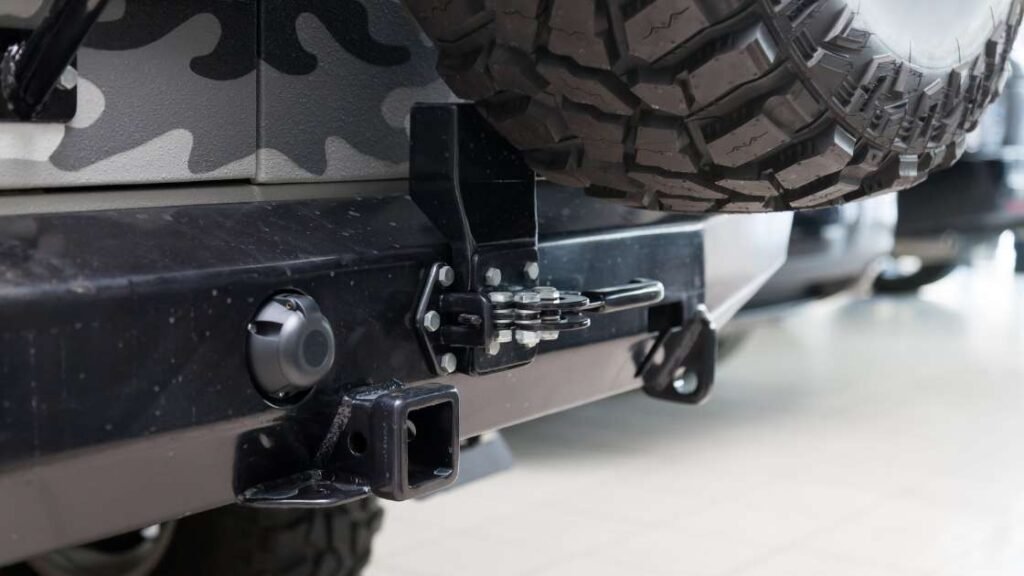
Dealerships install factory OEM hitches. They replace or cut the bumper fascia seamlessly and preserve ground clearance. While expensive, OEM installations carry factory warranty protection and preserve original bumper styling.
2. Retail Chain Installers (e.g., U-Haul, Rack Attack)
Cost Range: $350 – $550
National hitch and rack installers offer high volume and lower labor pricing. They typically install major aftermarket brands like CURT or Draw-Tite. They also offer inexpensive supplemental warranties ($10–$25) covering hitch damage.
3. Independent Mechanics & 4×4 Specialty Shops
Cost Range: $300 – $500
Independent mechanics offer competitive hourly labor rates ($90–$140/hr). They are a great middle-ground option if you purchase your own aftermarket hitch online (e.g., eTrailer) and need professional bolt-on labor.
Money-Saving Tips for Subaru Hitch Installation
- Buy Parts Online During Sales: Online retailers like eTrailer or RealTruck frequently discount CURT and Draw-Tite Class 3 hitches by 15–25% during major holiday sales.
- Pre-Plug Your Wiring Harness: Most modern Subarus have factory wiring access tucked under the rear cargo trim panel. Installing a plug-and-play 4-pin harness takes 15 minutes at home, saving $75–$100 in shop labor.
- Avoid Dealership Overcharge for Accessories: If you only need a hitch for a bike rack or cargo carrier, an aftermarket Class 3 hitch from a local shop provides identical utility as an OEM dealer hitch for half the price.
Frequently Asked Questions
Does installing a trailer hitch void my Subaru warranty?
No. Under the U.S. Magnuson-Moss Warranty Act, installing an aftermarket hitch does not automatically void your vehicle warranty. However, if an unapproved hitch or improper towing causes direct mechanical damage (e.g., overheating the CVT transmission beyond rated limits), Subaru may deny warranty coverage for that specific repair.
What is the best hitch for a Subaru Outback or Forester?
A 2-inch Class III receiver hitch (such as the CURT 13410 or EcoHitch Hidden Receiver) is widely considered best. The 2-inch receiver provides maximum compatibility with platform bike racks and heavy-duty cargo trays while maintaining high tongue weight limits.
Do I need wiring if I am only using the hitch for a bike rack?
No. Wiring is only required if you are pulling a trailer with signal lights or electric brakes. For bike racks, ski carriers, or cargo boxes, you only need the receiver hitch assembly.
How long does a professional hitch installation take?
A basic aftermarket bolt-on installation takes 1 to 1.5 hours. Installations requiring rear bumper removal, fascia trimming, or 7-way brake controller wiring typically take 2 to 3.5 hours.
Conclusion
Installing a receiver hitch is one of the most practical upgrades you can make to your Subaru. For standard bike rack and cargo tray use, an aftermarket Class 3 hitch installed at an independent shop or retail center offers the best performance for $350–$550. If you prioritize factory appearance, maximum ground clearance, and seamless integration, budget $600–$1,100 for an OEM dealer installation.