As an Amazon Associate we earn from qualifying purchases. This article may contain affiliate links at no extra cost to you.
You want paint that looks and feels factory smooth, and removing embedded contaminants is one of the most useful preparation steps before polishing, waxing or applying a coating. Automotive clay products lift bonded contamination such as overspray, rail dust, tree sap mist and environmental fallout that normal washing can leave behind.
Using the right car clay product can restore a smooth, clean surface and give your polish, wax, sealant or coating a better foundation. The important part is matching the clay grade or tool type to the contamination instead of automatically choosing the most aggressive option.
Quick Verdict
Choose Mothers California Gold if you want a convenient traditional-clay kit with lubricant and a microfiber towel. Chemical Guys Medium is a straightforward medium-duty bar for buyers who already have clay lubricant. Griot’s Paint Clay gives you a large 8 oz bar for multiple vehicles, while Meguiar’s Mirror Glaze C2100 is the specialized pick for severe bonded contamination. Choose Mothers Speed Clay 2.0 if you prefer a washable synthetic surface-prep tool for faster routine work.
Top Picks
|
Category |
Product |
Why It Stands Out |
|---|---|---|
|
🏆 Best All In One |
Clay, lubricant and microfiber in one kit |
|
|
💰 Best Straightforward Pick |
Medium-duty traditional clay for routine-to-moderate contamination |
|
|
💼 Best For Multiple Vehicles |
Large 8 oz bar designed for several detailing jobs |
|
|
⭐ Best For Heavy Contaminants |
Aggressive professional clay for severe bonded contamination |
|
|
🚀 Fastest Option |
Reusable rubber-polymer tool for faster surface preparation |
Selection Criteria
You need a clay product that balances contaminant removal, paint safety and ease of use. The most important comparison is aggressiveness: a routine-maintenance vehicle usually does not need the same clay grade as paint covered in stubborn overspray or industrial fallout.
We also compared traditional clay versus synthetic surface-prep tools, the amount of material supplied, lubrication requirements, supported surfaces and whether the product makes sense for one vehicle or repeated detailing jobs. Convenience matters, but it should not come at the expense of proper lubrication and clean working technique.
Before You Buy
- Match the grade to the contamination: use less aggressive clay for normal bonded grime and reserve aggressive clay for severe contamination.
- Plan for lubricant: traditional clay should never be dragged over a dry panel.
- Discard dropped clay: dirt or grit picked up from the ground can mark the paint.
- Inspect the paint afterward: claying cleans the surface but does not replace polishing when correction is needed.
- Reapply protection: after decontamination, apply the appropriate wax, sealant or coating for your detailing process.
Mothers California Gold

This is the most convenient option here if you want the main pieces for traditional claying in one package. The 07241 kit is sold with a 100 g clay bar, 16 fl oz of California Gold Instant Detailer for lubrication and a microfiber towel, so a first-time user does not have to assemble the basic setup separately.
Use it after washing when the paint still feels rough or before polishing, waxing or coating. Its biggest advantage is convenience rather than maximum aggressiveness, making it a better fit for normal detailing and general bonded contamination than for the most severely neglected paint.
Best For
First-time clay users, routine paint decontamination and buyers who want clay, lubricant and a towel together.
What People Say
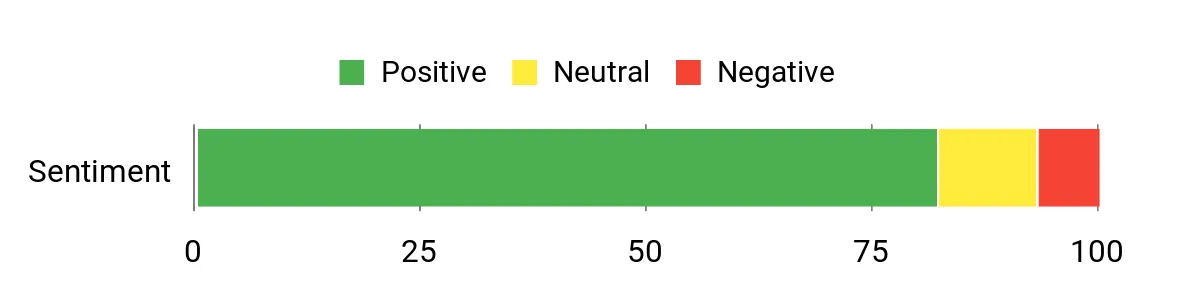
Common feedback themes in the article’s existing review analysis include appreciation for the complete kit, straightforward lubrication and the smooth feel left after decontamination. Some feedback also notes that stubborn or aged contamination may require additional passes or a more aggressive process.
Overall Feedback Theme: Positive
How To Use
Wash the vehicle and work on a cool surface. Spray the working area generously with lubricant, flatten a manageable piece of clay and glide it back and forth using light pressure. Fold and knead the clay frequently so a clean face stays against the paint. Wipe the panel clean and inspect the surface before moving on.
Durability
The usable life of traditional clay depends on how quickly it becomes contaminated. Keep folding it to expose a clean working face, but discard it if it falls on the ground or becomes too dirty to expose a safe clean section. The clay itself does not provide lasting paint protection, so follow decontamination with the protection step appropriate for your detailing routine.
Key Benefits
- 100 g traditional clay bar
- Includes 16 fl oz Instant Detailer for lubrication
- Includes a microfiber towel
- Convenient setup for first-time and routine detailing
- Prepares contaminated paint before polishing, waxing or coating
Who Should Avoid This
If your vehicle has severe overspray or heavily bonded industrial contamination, a more aggressive professional clay may reduce the amount of repeat work required.
Check Product Details on Amazon
Chemical Guys Medium

Chemical Guys CLY_402 is a medium-duty traditional clay bar made for bonded contamination that is more stubborn than what a light-duty clay is intended to handle. It is a practical choice when your daily driver has accumulated road film, fallout or overspray that washing alone does not remove.
The manufacturer lists it for paintwork, glass, stainless steel, metal and aluminum. Unlike the Mothers all-in-one choice above, this product should be treated as a clay-bar purchase rather than assuming every listing includes lubricant or extra accessories. Check the Amazon listing contents before ordering and make sure you have a suitable clay lubricant.
Best For
Drivers who already have clay lubricant and want a medium-duty traditional bar for routine-to-moderate contamination.
What People Say
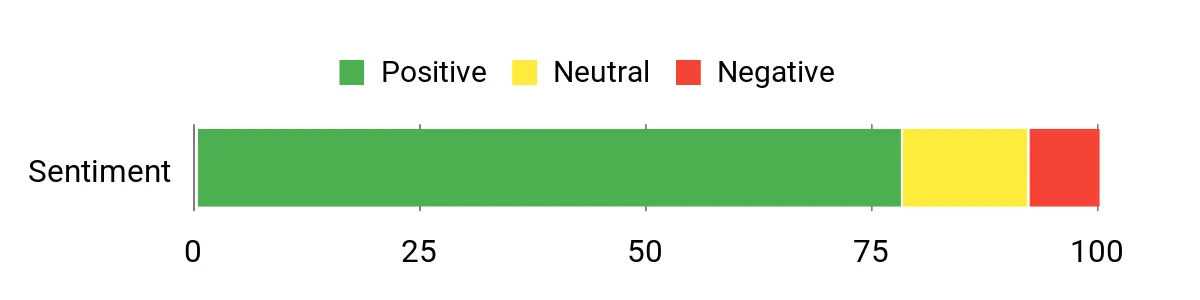
The article’s existing feedback analysis commonly mentions improved surface smoothness and effective removal of stubborn bonded grime. It also indicates that generous lubrication and additional passes may be needed on neglected finishes.
Overall Feedback Theme: Positive
How To Use
Wash the vehicle thoroughly to remove loose grit. Work on a cool panel, lubricate a small section generously, break off a manageable portion of clay and form it into a flat patty. Glide it gently back and forth until resistance decreases. Inspect the clay after each section and fold it to expose clean material before continuing.
Durability
How long the bar lasts depends on contamination levels and how much clean clay remains after folding. Do not reuse a piece that has been dropped on the ground or has become too contaminated to expose a clean working face.
Key Benefits
- Medium-duty clay for tougher bonded contamination
- Suitable for paint, glass and several metal surfaces
- Traditional clay format lets you portion the bar as needed
- Useful preparation before polishing, waxing or sealing
Who Should Avoid This
If you specifically want an all-in-one kit, remember that this Amazon listing may not include everything needed for the claying process. Confirm the package contents and have lubricant ready before starting.
Check Product Details on Amazon
Griot’s Paint Clay
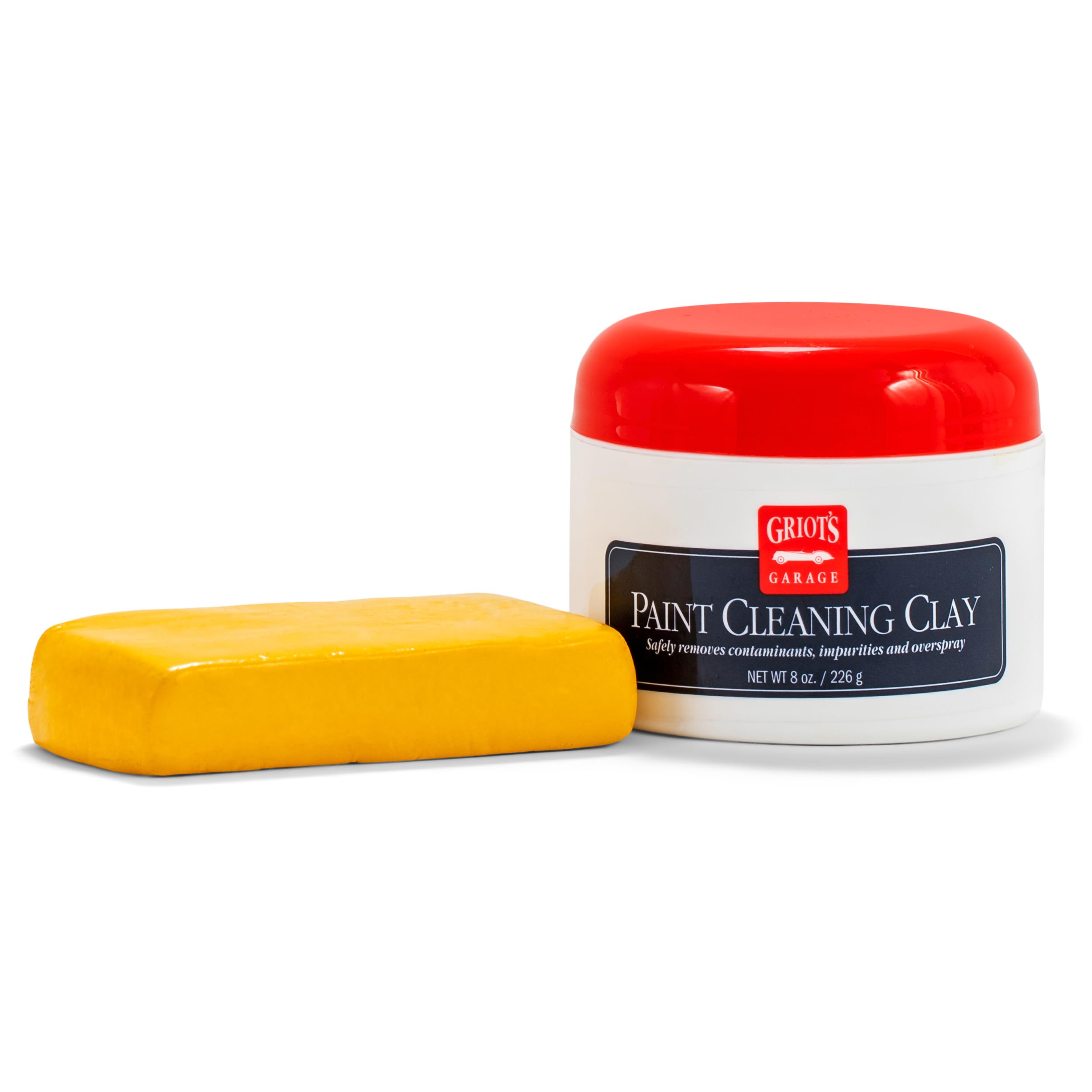
Griot’s Paint Cleaning Clay makes the most sense when you want more traditional clay on hand for repeated detailing jobs. Item 11153 supplies one large 8 oz (226 g) bar, and Griot’s says that amount can clean up to seven vehicles.
That makes it particularly useful for a household with several cars or a detailer who prefers portionable traditional clay instead of buying a small bar for each job. It is intended to lift embedded contamination and leave the paint ready for the next correction or protection step.
Best For
Multiple vehicles, frequent detailing and buyers who want a larger supply of traditional paint-cleaning clay.
What People Say
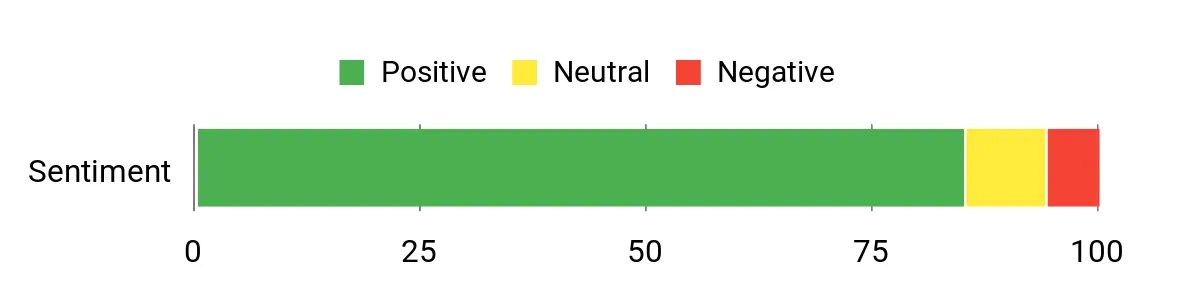
The article’s existing feedback analysis emphasizes the clay’s ability to remove the persistent gritty feel left after washing and its usefulness as preparation before waxing or polishing. Heavily neglected finishes may still require repeated treatment or additional correction steps.
Overall Feedback Theme: Positive
How To Use
Wash the vehicle, work on a cool surface and use plenty of suitable clay lubricant. Separate a manageable portion of clay, flatten it and glide it lightly over a lubricated section. Fold the clay frequently to expose clean material, then wipe the panel and inspect it by feel before continuing.
Durability
The 8 oz bar gives you considerably more clay to portion across repeated jobs than a small single bar. Griot’s states that the full bar can clean up to seven vehicles, although actual consumption will depend on vehicle size and contamination.
Key Benefits
- Large 8 oz (226 g) traditional clay bar
- Manufacturer states one bar can clean up to seven vehicles
- Useful for repeated paint-decontamination jobs
- Removes stubborn embedded contaminants
- Prepares paint for polishing and protection
Who Should Avoid This
If you only detail one vehicle occasionally, a smaller kit that already includes lubricant may be more convenient and leave less unused clay to store.
Check Product Details on Amazon
Meguiar’s Mirror Glaze
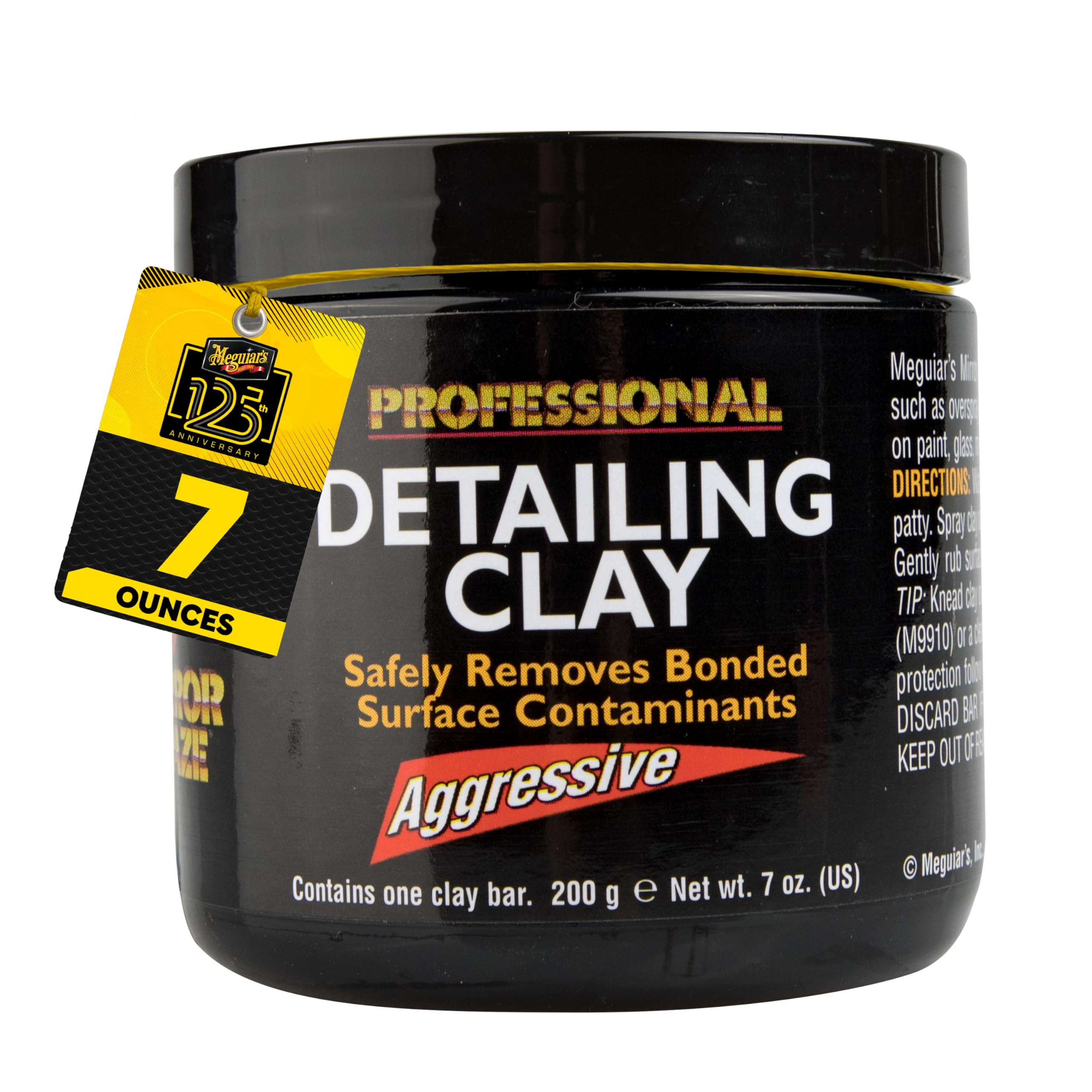
Meguiar’s C2100 is the specialized choice when lighter clay is not removing severe bonded contamination efficiently. This professional aggressive detailing clay comes as a 200 g bar and is intended for contaminants such as overspray, industrial fallout, rail dust, road tar, tree sap mist and other stubborn bonded material.
Meguiar’s describes the clay as safe for clear coat and single-stage paint and suitable for paint, glass, metal and plastic. Because this is the aggressive option in the group, choose it because the contamination requires it rather than assuming stronger is automatically better for every vehicle.
Best For
Severe bonded contamination, overspray removal and paint-correction preparation where a normal clay bar is not efficient enough.
What People Say
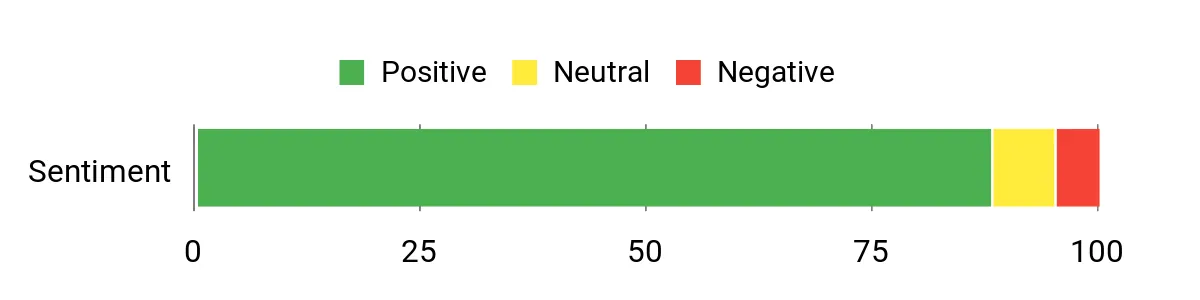
The article’s existing feedback analysis highlights its ability to tackle difficult contamination and prepare paint for more involved correction work. It also emphasizes using proper lubrication and controlled pressure rather than forcing the clay across the surface.
Overall Feedback Theme: Positive
How To Use
Work on a cool, freshly washed surface. Meguiar’s recommends M34 Mirror Glaze Final Inspection or D155 Last Touch Spray Detailer diluted 1:1 as lubricant with C2100. Lubricate the area thoroughly, flatten a manageable clay portion and glide it gently across the surface. Fold the clay frequently to keep contaminated material away from the paint.
Wipe the panel, inspect it by sight and touch, and polish afterward if the finish requires correction before applying protection.
Durability
The package contains 200 g of clay that can be divided into working portions. Actual usable life varies with contamination severity. Keep unused clay clean and sealed, and discard any portion that falls onto a dirty surface.
Key Benefits
- 200 g professional aggressive detailing clay
- Designed for severe bonded surface contamination
- Suitable for paint, glass, metal and plastic
- Safe for clear coat and single-stage paint when used as directed
- Useful preparation before professional-style paint correction
Who Should Avoid This
If your vehicle only has light routine contamination, start with a less aggressive clay or synthetic maintenance tool rather than choosing the strongest option unnecessarily.
Check Product Details on Amazon
Mothers Speed Clay

Mothers Speed Clay 2.0 takes a different approach from traditional kneadable clay. It uses a molded rubber-polymer working surface designed to shear away bonded contaminants while giving you a larger, reusable tool to move across the vehicle.
It is intended for paint, chrome, glass and smooth plastics and can remove contaminants including overspray, water spots, fresh tree sap, rail dust, bird-dropping residue, light oxidation and brake dust. Its main advantage in this comparison is repeatable, faster coverage without continually kneading a traditional clay patty.
Best For
Routine decontamination, larger surface areas and buyers who prefer a reusable synthetic clay tool over traditional detailing clay.
What People Say
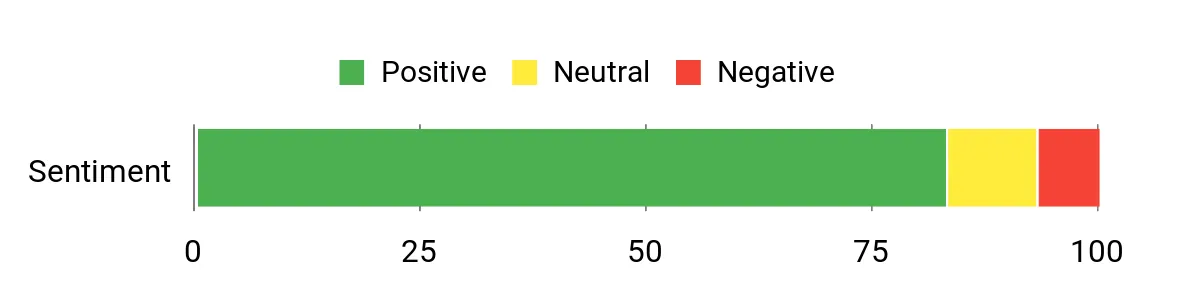
The article’s existing feedback analysis commonly emphasizes faster coverage and easier handling compared with conventional clay bars. It also notes that the working surface should be cleaned frequently and that an aggressive traditional clay may still be preferable for severely bonded contamination.
Overall Feedback Theme: Positive
How To Use
Wash the vehicle and work on a cool surface. Keep the panel properly lubricated according to the product directions, then move the Speed Clay over the surface using light, controlled passes. Rinse or clean the rubber-polymer working surface frequently as contamination builds up.
Unlike traditional clay, this tool is not kneaded or folded. Inspect the panel by feel when finished, clean the tool as directed and follow with polishing or paint protection as required.
Durability
The rubber-polymer format is designed for repeated use and does not get consumed in the same way as traditional kneadable clay. Longevity still depends on keeping the working surface clean and avoiding damage during use or storage.
Key Benefits
- Reusable rubber-polymer surface-prep tool
- Faster coverage than continually kneading traditional clay
- Works on paint, chrome, glass and smooth plastics
- Suitable for routine contaminant removal and paint preparation
- Ergonomic molded format simplifies larger jobs
Who Should Avoid This
If you are dealing with severe, deeply bonded contamination and specifically need an aggressive clay grade, the Meguiar’s C2100 is the more specialized option in this group.
Check Product Details on Amazon
FAQ
How Often Should I Clay My Car?
Do not clay simply because a fixed number of months has passed. Check the paint after washing. If the surface still feels rough or gritty from bonded contamination, decontamination may be useful before polishing or applying fresh protection.
Vehicles parked outside, driven near industrial areas or rail lines, or regularly exposed to tree contamination may need attention more often than garage-kept vehicles. Clay only when the surface condition calls for it rather than making aggressive decontamination an unnecessary routine.
Will Clay Bars Scratch My Paint?
Proper lubrication, clean clay and light pressure reduce the risk of marring. The bigger danger is dragging contaminated clay or trapped grit across the surface. Fold traditional clay often, discard it if it falls on the ground, and keep synthetic tools clean while working.
If stubborn contamination does not release with reasonable passes, switch to a product better suited to that contamination or use an appropriate professional decontamination process rather than increasing pressure.
Which Clay Bar Should I Choose?
Choose according to contamination level and working style. A normal traditional clay or medium-duty bar is appropriate for many routine jobs. Aggressive clay is intended for severe bonded contamination such as difficult overspray or industrial fallout. A synthetic clay tool makes sense when you prioritize faster coverage and reusability.
How Do I Use A Traditional Clay Bar?
Wash the vehicle first, work on a cool panel and apply generous clay lubricant. Flatten a small piece of clay and glide it lightly over the surface. When the clay becomes dirty, fold it so a clean section faces the paint. Wipe and inspect each completed area before moving to the next panel.
Does Claying Remove Wax Or Paint Protection?
Claying is a decontamination step rather than a protection step. Because it physically cleans bonded material from the surface and may affect existing protection, plan to inspect the finish afterward and reapply the wax, sealant or coating appropriate for your detailing process.
Traditional Clay Vs Synthetic Clay: Which Is Better?
Neither format is automatically better. Traditional clay is easy to portion and can be selected in different grades, while synthetic rubber-polymer tools are washable, reusable and often faster over larger surfaces. Choose traditional clay when grade control or aggressive decontamination is the priority, and choose a synthetic tool when speed and reusability matter more.
Customer Preferences
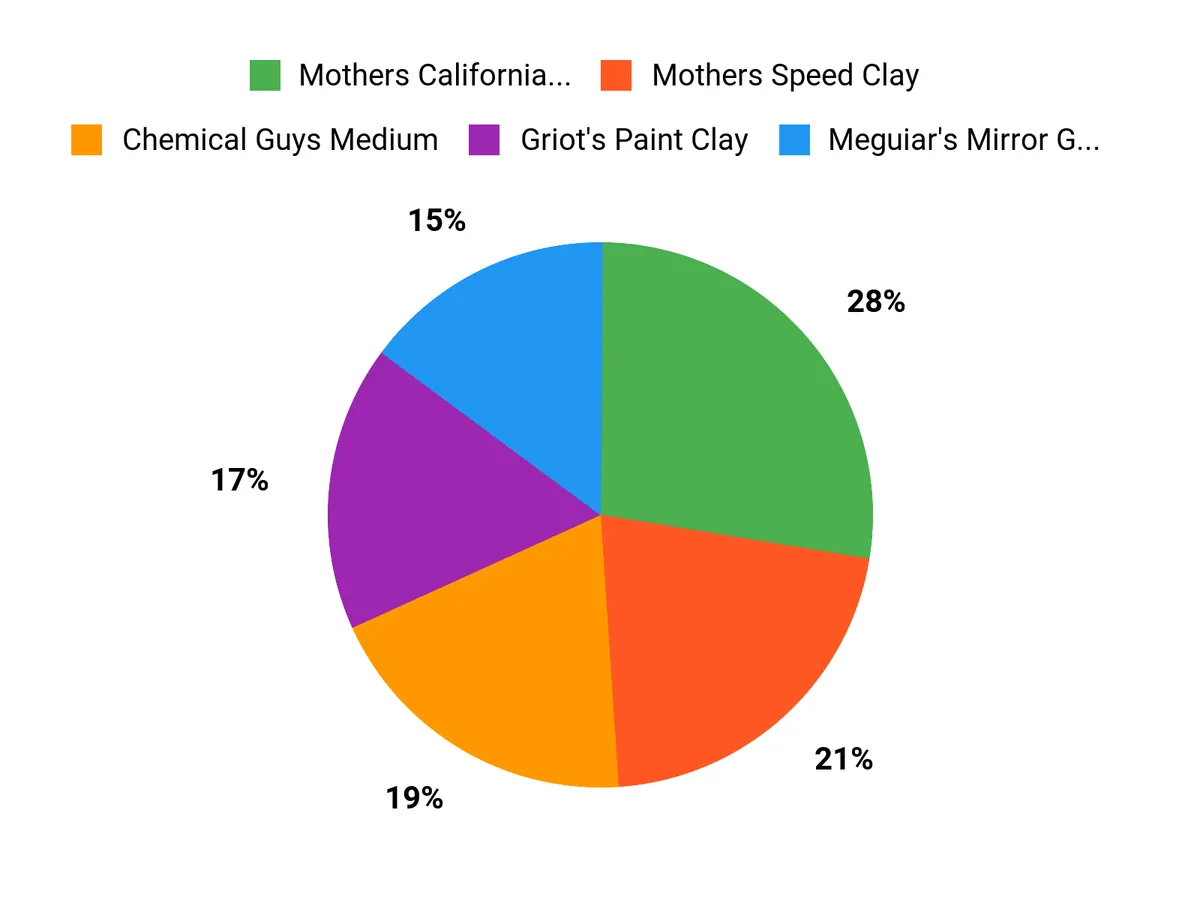
Your best choice depends mostly on contamination severity, how many vehicles you detail and whether you prefer traditional or synthetic clay. Choose Mothers California Gold for an all-in-one setup, Chemical Guys Medium for a straightforward medium-duty bar, and Griot’s Paint Clay when you want a larger 8 oz supply for repeated jobs. Move to Meguiar’s C2100 when severe bonded contamination justifies an aggressive professional clay, or choose Mothers Speed Clay 2.0 when faster reusable synthetic-clay work is the priority.
Wrapping Up
If you want the easiest starting point, Mothers California Gold combines traditional clay with lubricant and a microfiber towel. If you already own detailing supplies and want a medium-duty bar, Chemical Guys Medium keeps the setup simple.
For multiple vehicles, Griot’s Paint Clay stands out because its 8 oz bar gives you significantly more traditional clay to portion across jobs. When the paint has severe overspray or stubborn bonded contamination, Meguiar’s Mirror Glaze C2100 is the specialized aggressive option.
If speed and reusability matter more than the feel of traditional clay, Mothers Speed Clay 2.0 offers a rubber-polymer alternative for routine surface preparation. Whichever option you choose, use proper lubrication, keep the working surface clean and follow decontamination with the correction or protection step your paint actually needs.
| Product Name | Image | Grade / Format | Amount | Best Use | Amazon |
|---|---|---|---|---|---|
| Mothers California Gold Clay Kit |
|
Traditional clay kit | 100 g clay bar + 16 fl oz Instant Detailer + microfiber towel |
|
Check Details |
| Chemical Guys Medium Duty Clay Bar |
|
Medium-duty traditional clay | 100 g / 3.5 oz clay bar |
|
Check Details |
| Griot’s Garage Paint Cleaning Clay |
|
Traditional paint-cleaning clay | 8 oz / 226 g |
|
Check Details |
| Meguiar’s C2100 Mirror Glaze Detailing Clay |
|
Aggressive professional detailing clay | 200 g |
|
Check Details |
| Mothers Speed Clay 2.0 |
|
Rubber-polymer synthetic surface-prep tool | Reusable tool |
|
Check Details |
This roundup is reader-supported. When you click through qualifying affiliate links, we may earn a referral commission at no extra cost to you.