
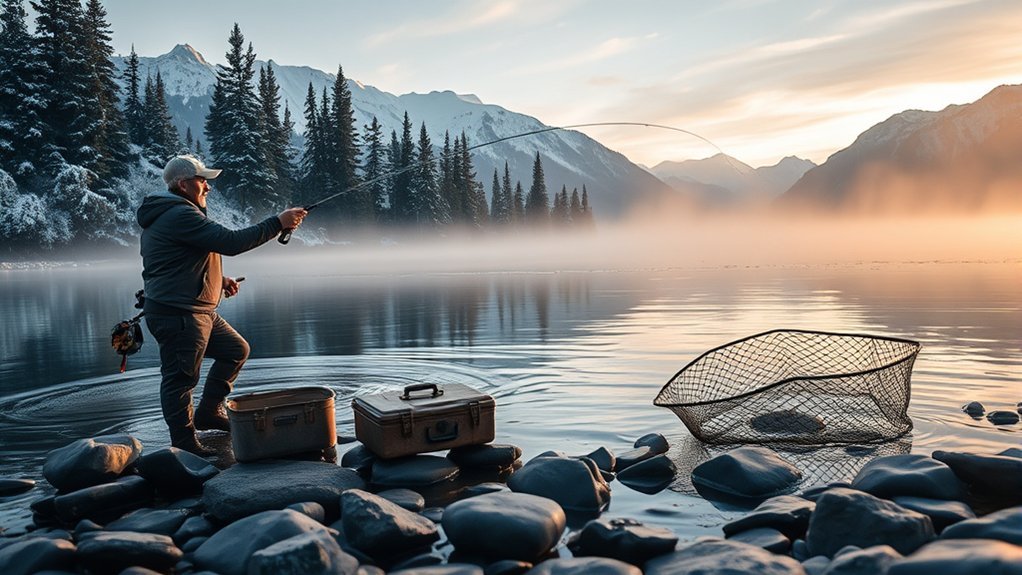
Planning a trip to the Last Frontier? Understanding Alaska fishing license costs is your first step. As of 2026, residents enjoy low-cost access, while non-residents have flexible options ranging from daily passes to annual permits.
An Alaska fishing license is a mandatory permit for anglers in fresh and salt waters. Residents pay $20 annually, while non-residents pay $100 for an annual license or between $15 and $75 for short-term trips (1 to 14 days). Additional stamps are required for King Salmon.
Key Takeaways
- Resident Fee: $20 annually; free for seniors (60+) with a permanent ID.
- Non-Resident Fees: Range from $15 (1-day) to $100 (annual).
- King Salmon: Requires a separate stamp ($10 resident / $15–$100 non-resident).
- Where to Buy: Online via ADF&G or at local retailers like Walmart or Sportsman’s Warehouse.
If you’re an Alaska resident, you’ll pay $20 for an annual sport fishing license. It funds fishery management, habitat work, and access programs. Non-residents pay $100 for an annual license. Shorter options for 1, 3, 7, or 14 days are available at lower rates. Special reduced fees exist for low-income residents and people with disabilities. You also need a King Salmon stamp to target that species.
Who Needs an Alaska Fishing License
If you plan to fish in Alaska, you generally need a valid license. Residents 18 and older must have one. Non-residents 16 and older need one too. It covers all fresh and saltwater fishing.
Resident children under 18 are exempt. Non-resident children under 16 are also exempt.
You must follow fishing regulations based on age and residency status. Check which category applies before you cast. Residents aged 18 and up need licenses. Non-residents aged 16 and up do too. Exemptions for youth encourage participation.
Specific exceptions exist for qualifying residents with disabilities or low income. These groups may get free or reduced-cost licenses. This aligns equity goals with conservation funding.
If you target King Salmon, you need a King Salmon Stamp along with your base license. Following these rules keeps you compliant. It helps fund stock assessments. It maintains sustainable fisheries.
Products Worth Considering

All Real & Authentic used expired license plates, no replica, no reproduction, no customization, no souvenir and no fake license plate.
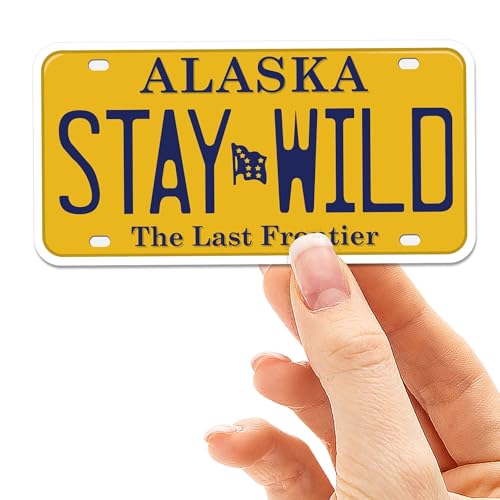
Whether you're salmon fishing the Kenai River, hiking at Denali National Park, or climbing glaciers in the Juneau Icefield, Alaska has something for everyone. Celebrate the Last Frontier State with a cute sticker featuring the blue and yellow AK license plate.

Personalize with any name or text. Item is custom printed for you. Simple to order, just click on the customize now button and enter the name or text that you want printed on your custom keychain.
Resident License Types and Costs
Alaska balances access and conservation through tiered resident licensing. The annual sport fishing license costs $20. It covers all species in fresh and salt waters. Reduced-fee options target seniors, low-income residents, and people with disabilities.
You will find these options:
- Seniors (60+): Receive an ADF&G Permanent Senior ID Card for free (exempt from licensing).
- Low-income residents: Pay $5 for a special license.
- Visually impaired residents: Pay $0.50, maximizing accessibility while sustaining revenue.
You must also purchase a $10 King Salmon Stamp if you plan to fish for that species. These fee differences support equity, targeted revenue, and species protection. They provide benefits like legal compliance and funding for habitat management.
Products Worth Considering

Personalized Alaska 50 State Plate Replica Keychain

Add a touch of humor and flair to your car with this funny "Weekend Hooker" front license plate. Perfect for the bass fishing enthusiast, this custom car tag is a great gift for men, especially for dads, husbands, or any fishing fanatic. Whether you're an outdoorsman or just enjoy a good laugh, this novelty license plate is sure to bring a smile to your face and enhance your fishing-themed car decor. Let your personality shine on the road with this fun and unique accessory.

Showcase your passion for fishing with intricately etched designs
Military and Disabled Veteran Discounts
Active duty military members stationed in Alaska for less than 12 months can buy a non-resident annual sport fishing license for $20. Their dependents qualify too. The King Salmon stamp for them costs $30 annually.
Resident disabled veterans with a 50% or greater service-related disability get a free ADF&G Disabled Veteran ID Card. It exempts them from licensing fees for fishing.
These options support military personnel and veterans while keeping conservation funding intact.
Products Worth Considering

FISHING LICENSE HOLDER W/ZIP CLOSURE

【Material】Our License Plate Frame Is Made Of Stainless Steel, Strong And Durable.

【MATERIAL】: oFloral License plate frame is made from premium quality aluminum, which can provide long-lasting protection from corroding, rusting and aging, durability for long lasting usage.Personalized Car Frame Can Perfect to Put on Your Front of Car or for Decorative Purposes Around the House Like in Your Bedroom, Garage, Basement, Ect.
Non‑Resident License Options and Pricing
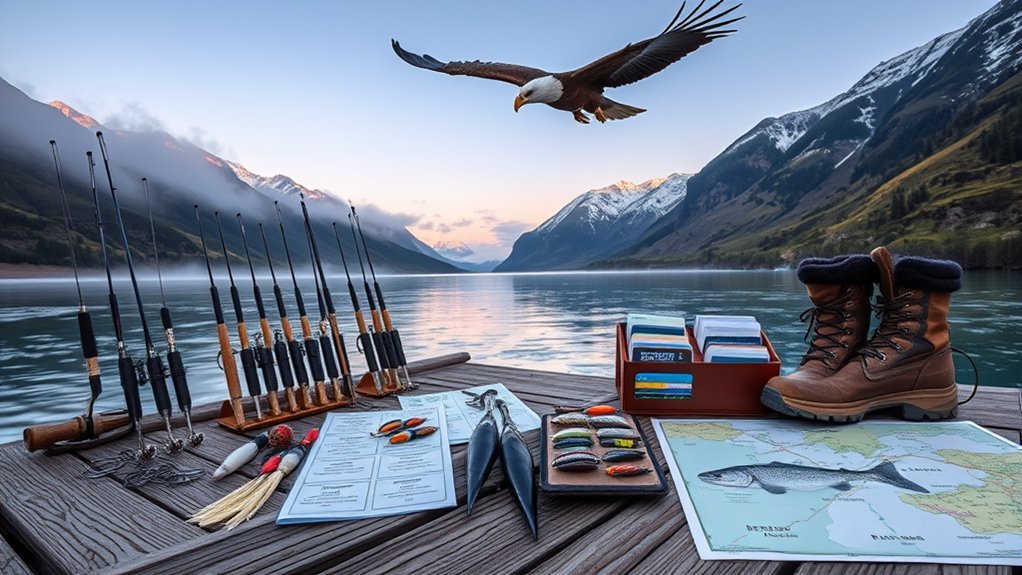
Non-resident anglers have flexible, duration-based license options. They balance accessibility with conservation funding. Prices for 2026 are as follows (see official ADF&G license prices for details):
- 1-day license: $15
- 3-day license: $30
- 7-day license: $45
- 14-day license: $75
- Annual license: $100
Choose your fishing duration based on trip length. Short-term choices lower the upfront cost. The annual license supports sustained conservation funding. Yukon Territory residents can buy non-resident licenses at resident prices. This reduces barriers and encourages cross-border compliance.
Non-residents cannot access low-income or blind license types. Select an appropriate duration. Some species require additional permissions. Plan to budget for stamps and species endorsements.
Products Worth Considering

Material: Metal

【MATERIAL】: oFloral License plate frame is made from premium quality aluminum, which can provide long-lasting protection from corroding, rusting and aging, durability for long lasting usage.Personalized Car Frame Can Perfect to Put on Your Front of Car or for Decorative Purposes Around the House Like in Your Bedroom, Garage, Basement, Ect.

Material :High-Quality Metal Aluminum With High Gloss Stamped Metal License Plate.Lightweight, Waterproof,Anti-Rust And Very Durable.
King Salmon Stamps and Harvest Card Rules
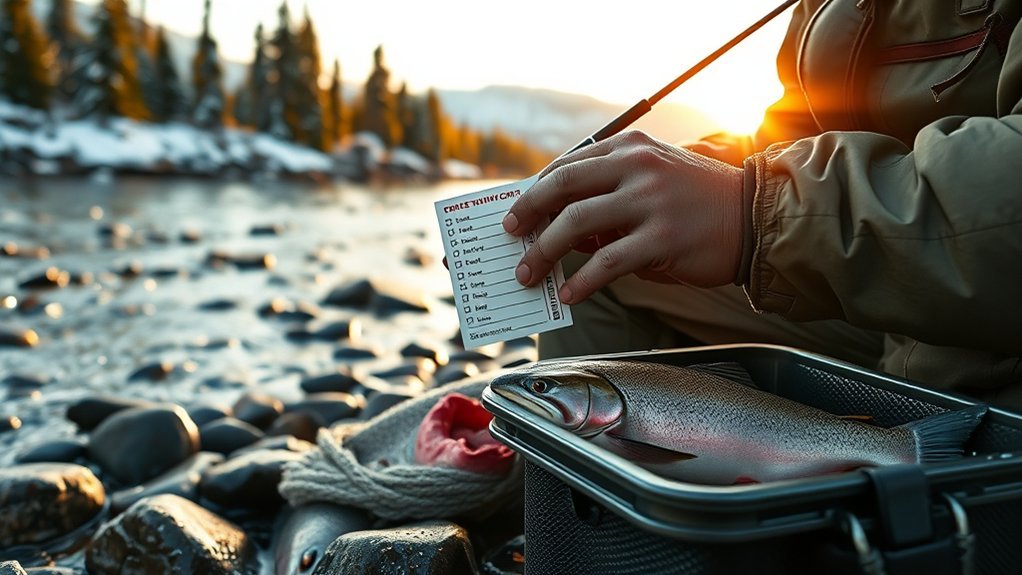
After choosing a license duration, account for species-specific permissions. Anglers who fish for or retain King (Chinook) Salmon must buy a King Salmon Stamp. Non-resident one-day stamps cost $15. Resident annual stamps cost $10.
You need the stamp whenever you target King Salmon. Non-residents must buy it no matter the license length. You also need a free Harvest Card to document fish taken under annual limits. Get the Sport Fishing Harvest Record Card online or at vendors.
Even if you are exempt from a license due to age, you still need a harvest card for species with quotas. This includes residents under 18 and non-residents under 16. Harvest Cards are issued by guides or printable online. Record each take accurately to support quota monitoring.
Age-exempt anglers still need a harvest card for quota species like King Salmon and must accurately record each take.
Where and How to Buy Your License
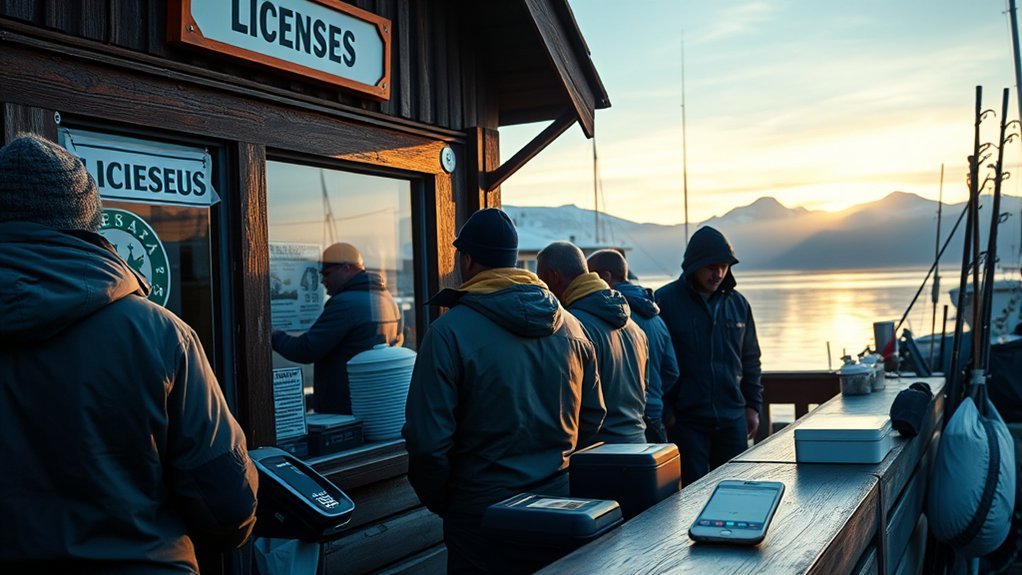
You can buy Alaska fishing licenses online through the official ADF&G Online Store. It’s the fastest option. Or pick them up in person at local retailers like Sportsman’s Warehouse and Walmart in the Soldotna/Kenai area.
Online purchasing gives immediate electronic licenses. You can use them on mobile devices. No need for paper copies. Residents and non-residents can pick term-specific options easily.
If you lose your license, get a duplicate for $5.00. Use local stores for in-person help, receipts, or gear. Rely on the department site for up-to-date regulatory notices.
Products Worth Considering

12"x6" metal embossed plate made from aluminum MADE IN U.S.A.

DURABLE IDENTIFICATION: Made from water-resistant Silicone, these luggage tags withstand baggage handling with your contact details clearly displayed.

Printed imaged
Frequently Asked Questions
Do I Need a License for Fishing From a Charter Boat?
Yes, you still need a license when fishing from a charter boat unless specific age or residency exceptions apply. Always verify compliance with your charter operator.
Are There Discounts for Seniors or Military?
Yes. Residents aged 60+ receive a free Permanent ID card. Disabled veterans and active military may also qualify for reduced rates; check ADF&G policy tables for verification details.
How Long Is an Annual License Valid?
An annual license is valid for the calendar year it is issued (January 1 to December 31), not for 12 months from the date of purchase.
Can I Fish on Federal Lands Without an Alaska License?
Generally, no. State regulations apply to most federal lands. However, specific federal subsistence fishing permits may have different rules for eligible rural residents.
Are There Penalties for Lending My Fishing License?
Yes. Lending a license is prohibited and punishable by fines. Licenses are non-transferable documents intended solely for the person named on them.
Conclusion
Now that you know who needs a license, the specific prices for residents and non-residents, and the rules for King Salmon stamps, you can plan your trip responsibly. Will you buy the right permit and follow harvest limits to protect stocks? Choosing the correct license supports management and conservation funding. Check current fees before you fish, purchase through official channels, and report harvests accurately to guarantee sustainable fisheries for the future.
