Small welding job cost is usually a minimum charge plus labor and materials. Many shops land at roughly $75 to $250 for a quick repair, but the range is wide: your price depends on the metal, the welding method, how long the job takes, and whether the welder travels to you. Treat the figures below as typical planning ranges, not set prices, and get a written quote for your job.
Quick Answer
- Small welding job cost often falls between about $75 and $250 for simple repairs.
- Hourly rates are commonly quoted from about $65 to $125, and specialized work can run higher.
- Many shops set a minimum charge, often covering one to two hours of work.
- MIG is usually the cheaper, faster choice for basic fixes, while TIG costs more for precise or thin-metal work.
- Labor is normally the largest part of the bill, and consumables add a smaller share.
Welder Hourly Rates and Minimum Charges
For a small job, the minimum charge often matters more than the hourly rate. A shop may bill a flat minimum for the first hour or two to cover travel, setup and handling, even if the weld itself takes ten minutes. Mobile welders typically add a call-out or travel fee. For rates in more detail, see our guides to how much welding should cost and mobile welding costs.
| Welding method | Commonly quoted hourly range | Best for |
|---|---|---|
| Stick (SMAW) | $50 to $75 | Rough repairs, thicker steel, outdoor work |
| MIG (GMAW) | $65 to $90 | Fast, general repairs on steel and aluminum |
| Flux-cored (FCAW) | $55 to $90 | Outdoor and windy jobs, thicker material |
| TIG (GTAW) | $75 to $125 | Thin metal, stainless, aluminum and visible welds |
These ranges are rough, commonly quoted figures and vary by region, shop and job. Always ask what the quote includes.
What Affects Small Welding Job Cost
- Job complexity: Awkward positions, tight access and heavy prep take longer and cost more.
- Metal type: Mild steel is the easiest and cheapest to weld. Aluminum and stainless steel usually cost more because they need more skill, cleaner prep and often TIG.
- Welding method: TIG takes longer per inch than MIG, which raises labor cost.
- Prep and finishing: Cutting out damage, cleaning rust, grinding and painting add time.
- Materials and consumables: Filler wire, rods, shielding gas, grinding discs and any new steel are charged on top or built into the rate.
- Location: On-site and mobile jobs cost more than bringing the part to the shop. Our welding cost per inch guide shows how some shops price by length.
Typical Small Welding Jobs and Price Ranges
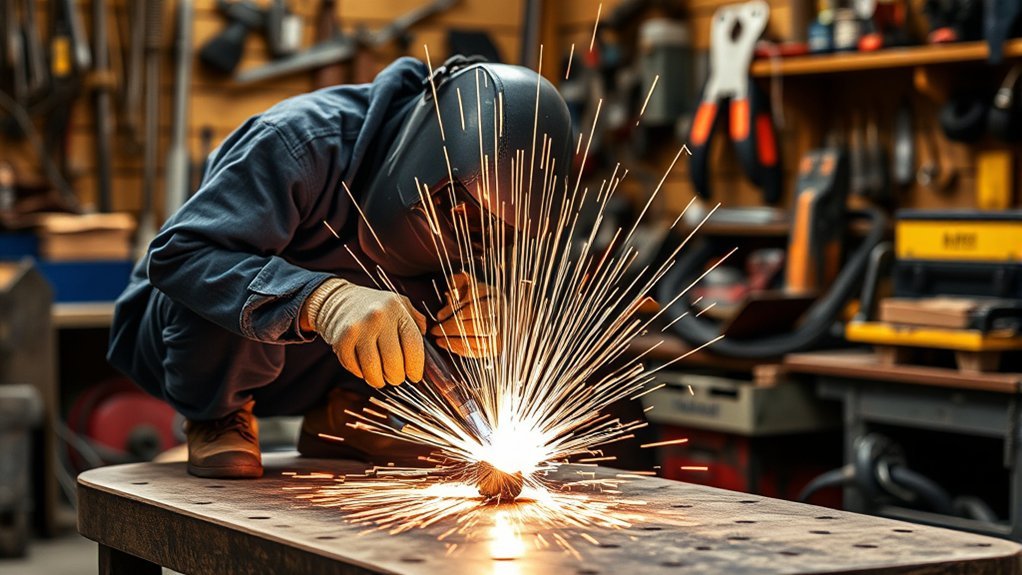
The ranges below are rough estimates for small, simple jobs. Safety-critical work such as trailer hitches, vehicle frames or load-bearing structures can cost more and may need a certified welder.
| Project type | Common method | Rough cost range |
|---|---|---|
| Furniture repairs | MIG | $75 to $150 |
| Automotive parts | MIG or TIG | $100 to $200 |
| Small metal structures | MIG | $75 to $150 |
| Art and decorative pieces | TIG | $100 to $300 |
| Custom fabrication | MIG or TIG | $125 to $500 |
How Welders Calculate a Small Job
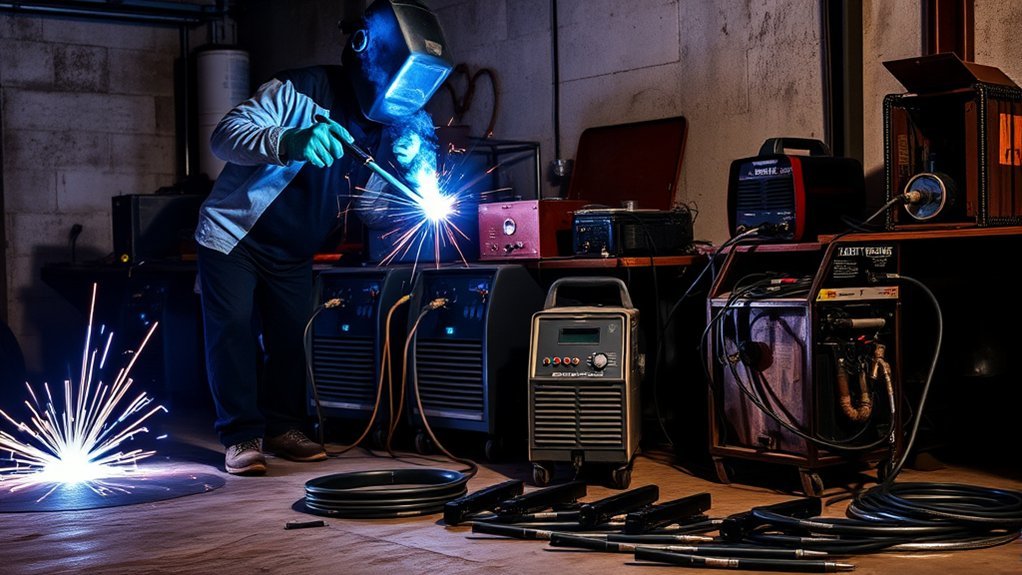
Most quotes follow the same pattern:
- Labor: hourly rate times the time needed, or the shop minimum if it is higher.
- Materials: steel, filler metal, gas and abrasives.
- Extras: travel, rush fees, painting or coating, and disposal.
For a longer walk-through of pricing, see our welding job cost guide.
How to Keep Small Welding Job Cost Down
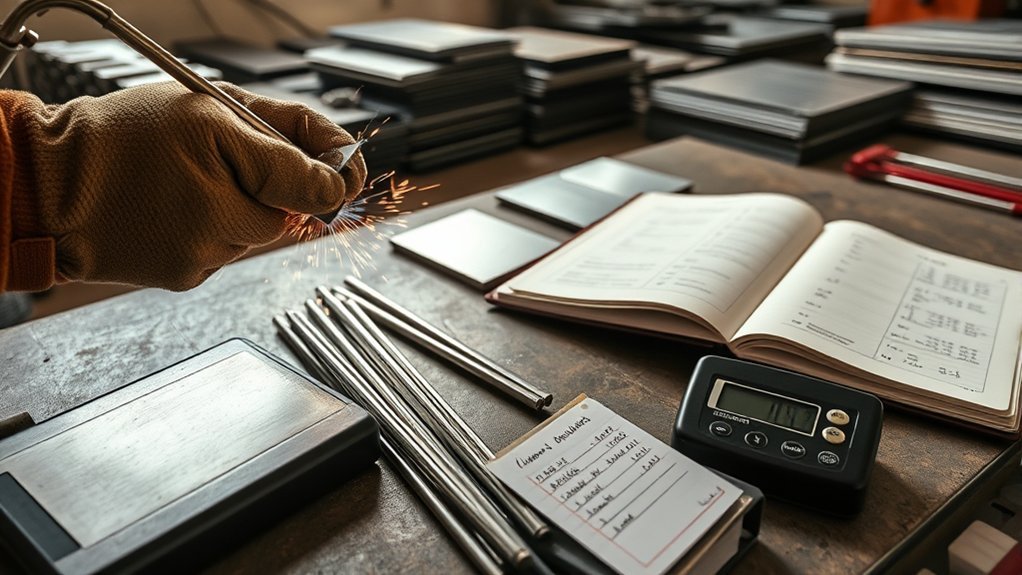
- Group several small repairs into one visit so you pay one minimum charge.
- Bring the part to the shop instead of paying for a mobile call-out.
- Remove paint, rust and loose parts yourself if the welder agrees.
- Supply the material when the shop allows it, and ask about its policy first.
- Ask whether a mechanical fix such as a bolt-on bracket would do the same job.
Tips for Hiring a Welder
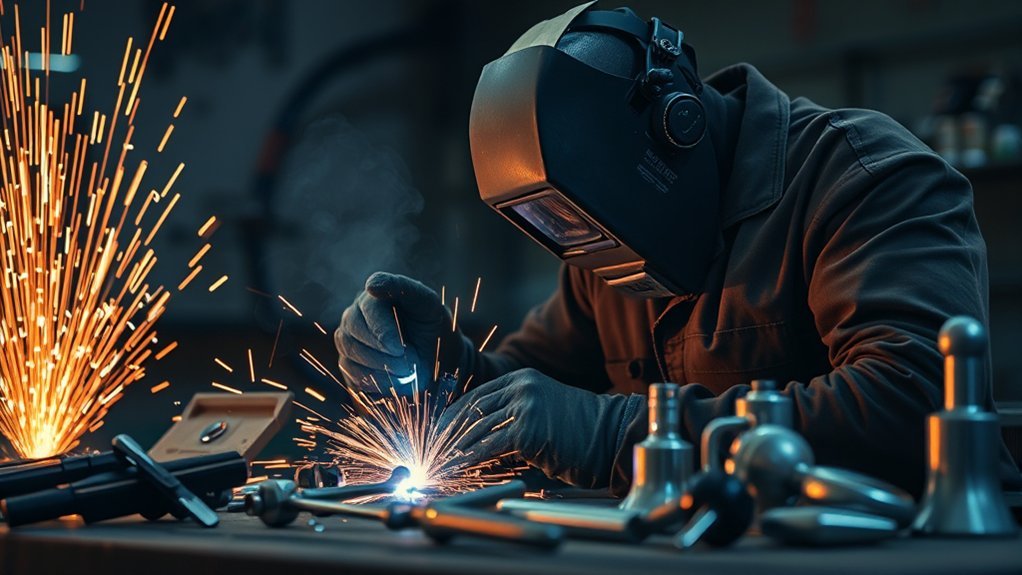
Send clear photos and measurements and ask for a written estimate before work starts. Check that the welder has experience with your metal and type of repair, and ask for certifications when the weld carries load or safety risk. Read recent reviews, and get two or three quotes so you can compare what each one includes.
Estimating Your Project Before You Call
Write down the metal type, thickness, rough length of weld, whether the part can be brought in, and any finish you need. A shop can usually give a firmer number when it knows these details. Expect a minimum charge for basic MIG work and a higher one for TIG or specialty metals.
Frequently Asked Questions
How much does a small welding job cost?
Many small repairs cost about $75 to $250, but shop minimums, metal type, method and travel can move the price. Ask for a written quote.
Why do welders have a minimum charge?
The minimum covers setup, travel, prep and handling time, which take about the same time whether the weld is short or long. It often covers an hour or two of work.
Is TIG welding more expensive than MIG for a small job?
Usually yes. TIG is slower and needs more skill, so quoted hourly rates are higher, but it gives cleaner results on thin metal, stainless steel and aluminum.
Do I need a deposit for a welding job?
Some welders ask for a deposit on custom or material-heavy jobs, while many small repairs are paid on completion. Ask about payment and deposit terms before work begins.
How long does a small welding job take?
Simple repairs often take one to three hours including setup and prep. Rust removal, awkward access or fabrication can take longer.
Conclusion
Small welding job cost mostly comes down to the shop minimum, the metal, the method and the prep needed. Send photos, ask what the quote includes, and compare two or three quotes to find a fair price.