
Bath is one of England’s most expensive cities outside London — and knowing your real monthly spend before you arrive makes a genuine difference. For a single person, core living costs excluding rent average around £1,050 a month. Add rent and the realistic total ranges from roughly £1,200 in shared student housing to £2,450 or more for a central one-bedroom flat. This guide breaks down every major cost category for 2025–26, with specific figures, money-saving strategies, and a full student budget framework.
Note: All figures are 2025–26 estimates drawn from Numbeo market data and published tariffs. Actual costs vary by lifestyle, housing choice, and energy usage. Rents, utility tariffs, and visa fees change — always verify current figures from official sources before finalising your budget. Last updated: March 2026.
Quick Answer
Living in Bath costs around £1,050 a month in essentials before rent. A central one-bedroom averages £1,288/month; a shared student room runs £650–£900. Full-time students are completely exempt from council tax, saving up to £200/month. Budget £1,200–£1,500 in shared housing or £1,950–£2,450 for a city-centre one-bed.
Key Takeaways
- Living costs (no rent): roughly £1,050/month for a single person
- Rent: £650–£900 for a shared room; ~£1,288 for a central 1-bed; ~£1,040 outside the centre
- Utilities + broadband + mobile: approximately £306/month
- Monthly bus pass: £82.80 (student) or £92 (adult)
- Full-time students pay zero council tax — apply to Bath & North East Somerset Council as soon as you move in
- Realistic student total (shared housing): £1,200–£1,500/month
- Realistic total (central 1-bed): £1,950–£2,450/month
Cost of Living Snapshot for 2025/26

Bath’s cost-of-living index of 63.3 puts it above most UK cities outside London, according to Numbeo. For a single person, average monthly expenses excluding rent sit around £1,050. Rent is the biggest variable: a one-bedroom in the city centre averages about £1,288 a month, while options outside the centre start around £1,040, and shared rooms typically run £650–£900.
Budget around £262 a month for utilities on a standard 85m² flat, plus £31 for broadband and £13 for a basic mobile plan. Groceries typically cost students £120–£180 a month when cooking most meals. Add transport and modest leisure spending and your monthly totals are:
- Essentials (no rent): ~£1,050/month
- Student total with shared room: £1,200–£1,500/month
- Realistic total for central 1-bed: £1,950–£2,450/month
These figures exclude council tax, which full-time students do not pay (see the dedicated section below), and one-off costs like tenancy deposits and course materials.
Switching from a central one-bed (£1,288/month) to a room in shared student housing (£700–£800/month) saves between £5,000 and £7,000 a year before any other lifestyle change — rent is where you win or lose the Bath budget battle.
Student Budgets and Typical Monthly Expenses
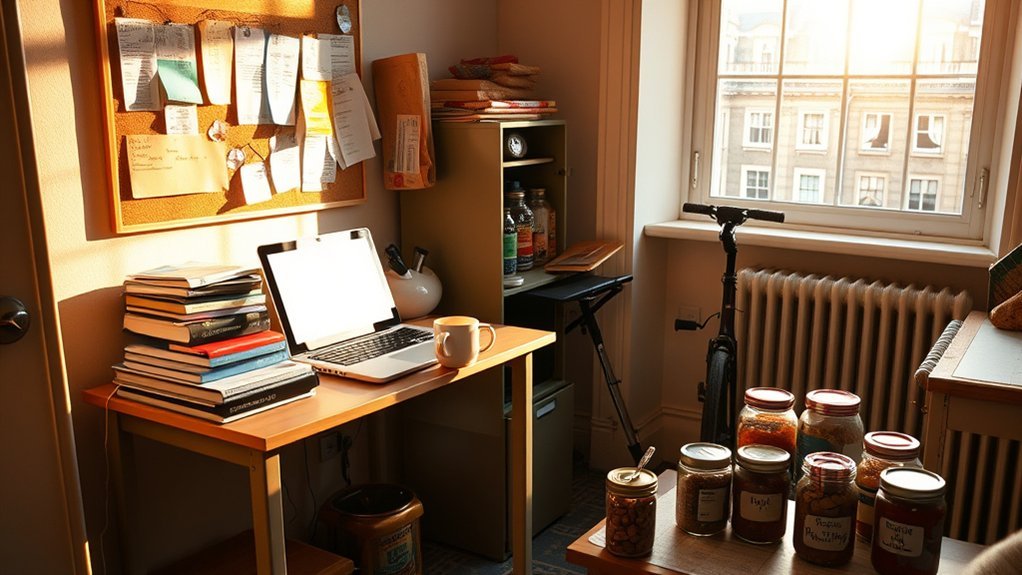
A realistic student budget in Bath lands at £1,200–£1,500 a month including rent, and it is achievable with shared housing and consistent spending habits. Here is how a typical month breaks down:
| Category | Typical Student Cost |
|---|---|
| Shared room rent | £650–£900 |
| Utilities (split, if not included) | £60–£85 |
| Groceries (home cooking) | £120–£180 |
| Transport (student bus pass) | £82.80 |
| Mobile phone | £13 |
| Broadband (split, if not included) | £10–£20 |
| Leisure and social | £50–£100 |
| Council tax | £0 (full-time students exempt) |
| Total (approximate) | £986–£1,381/month |
Pro Tip: Track spending weekly using a free app such as Monzo, Starling, or YNAB. Students who track consistently typically identify 15–20% of monthly spend that can be redirected — usually food delivery and casual café stops that accumulate invisibly.
University halls charge by the week — typically £90–£289 per week for undergraduate contracts (38–40 weeks) or approximately 51 weeks for postgraduates. Some halls include utilities and broadband in the weekly rate, which simplifies budgeting considerably. Always confirm what is included before comparing halls against private rentals on a like-for-like basis.
Rent and Accommodation Options

Rent is Bath’s biggest cost driver. A one-bedroom in the city centre averages about £1,288 a month per Numbeo, while moving outside the centre brings costs down to roughly £1,040. Shared rooms in HMOs — the go-to option for students — typically range from £650 to £900 a month, depending on the property and location.
Private lets usually require 12-month contracts, spreading rent evenly year-round. University halls charge weekly during term time, which can look cheaper upfront but adds up over a full academic year; always compare the total annual cost, not just the weekly rate. Some halls bundle utilities and broadband into the weekly price, which can make them more cost-effective than a private let once bills are factored in.
Key questions to answer before signing anything:
- Is rent quoted weekly or monthly?
- Are utilities, broadband, and contents insurance included?
- What is the tenancy deposit? (Capped at 5 weeks’ rent for annual rents under £50,000 under the Tenant Fees Act.)
- Is the property in your name for council tax purposes, and have the student exemptions been notified to the council?
- What is the notice period and break clause, if any?
Warning: Bath’s rental market moves quickly in August and September ahead of the academic year. Begin your search at least 3–4 months early. Legitimate landlords never request a holding deposit before you have viewed the property and signed a tenancy agreement — any request for payment upfront by email or message is a scam.
Compare accommodation options carefully. View multiple properties in different areas, verify deposit and fee terms, and confirm exactly what is included in the rent before committing. Lock in early during peak demand periods.
Cheapest Areas to Live Near Bath
Living a mile or two outside the city centre can cut your rent by £100–£200 a month while keeping you within comfortable commuting distance. These areas consistently offer lower prices than the centre:
- Oldfield Park: The traditional student area, popular with University of Bath and Bath Spa University students alike. Rooms typically run £650–£800/month. Well-served by buses and roughly 1.5 miles from the city centre — walkable for many.
- Twerton: Further west, with some of Bath’s lowest rents for shared rooms (£550–£700/month). Regular buses connect it to the centre. The best option if keeping rent as low as possible is the priority.
- Odd Down: Suburban and quiet, south of the centre. Rents are 10–15% lower than equivalent city-centre properties, and the area is served by the number 21 bus route.
- Larkhall: North of the centre with a village-like feel. Rents sit slightly below the centre; the area is walkable to town and particularly popular with postgraduate students.
- Weston: North-west of centre with mixed HMOs and family homes. Rooms from around £700–£850/month and good bus frequency.
Pro Tip: Calculate total cost — rent plus transport — not rent alone. A student bus pass costs £82.80/month. Even if cheaper housing adds a £30–£40/month bus journey, you will typically still save £80–£170/month compared with a central room of equivalent quality.
Utilities and Internet Costs
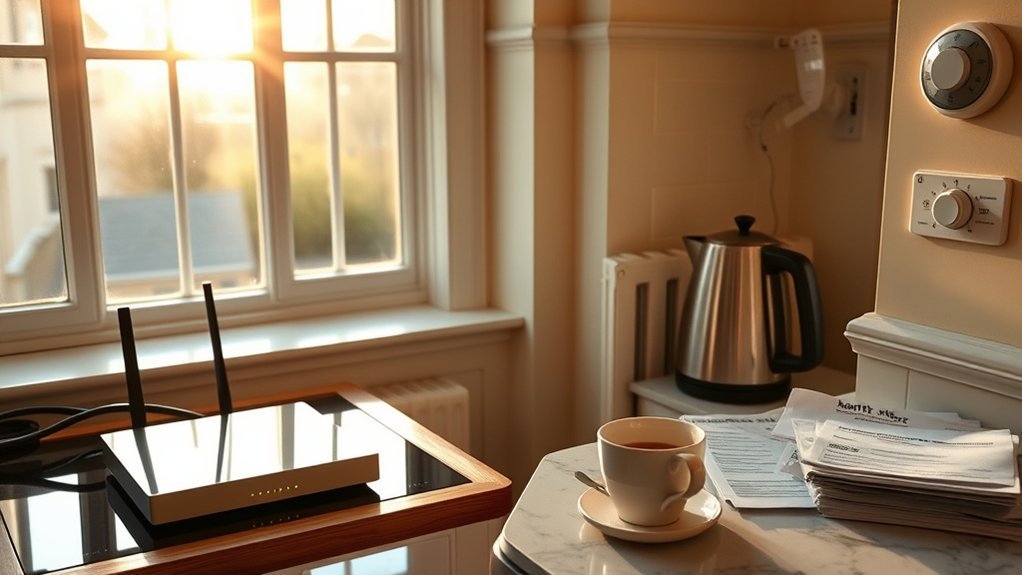
For a standard 85m² (915 sq ft) flat in Bath, budget around £262 a month for core utilities — electricity, gas, water, and refuse — plus roughly £31 for broadband (60Mbps+ unlimited) and about £13 for a basic mobile plan: approximately £306 combined.
In shared student housing, each person’s share of utility bills usually falls to £60–£85/month, depending on the number of housemates and usage. Some student accommodations include bills in the rent; if yours does, monthly per-person costs for utilities and internet typically average around £85 built into the headline figure.
Average Monthly Utilities
Core utility costs for a Bath flat break down approximately as follows:
- Electricity: £80–£100/month (higher October–March)
- Gas (heating): £60–£90/month (strongly seasonal)
- Water and sewerage: £35–£45/month (billed by Wessex Water in Bath)
- Total utilities: ~£262/month for a single-occupancy 85m² flat
These costs represent roughly 20–25% of a typical city-centre rent — a meaningful share of monthly outgoings. In shared housing, the proportion per person is substantially lower once the total is split.
Internet Plan Options
Expect to pay £20–£50 a month for broadband depending on speed and provider. A 60–100Mbps unlimited plan typically costs around £31 a month on a standard 12–18 month contract. Compare BT, Sky, Virgin Media, and smaller providers; introductory rates frequently expire after 12 months, so check the full-term price before signing. If your student accommodation includes bills, broadband is usually bundled in at no extra charge — confirm this explicitly with your landlord or halls provider.
Tips to Reduce Bills
Energy bills are the most controllable part of utility spend in Bath:
- Lower the thermostat by 1°C — typically reduces heating bills by around 10%
- Fit draught excluders on doors and windows (available from £5 at most hardware stores)
- Run washing machines and dishwashers during off-peak hours (before 8am or after 9pm)
- Switch all bulbs to LED — saves £50–£60 a year across a typical flat
- In shared housing, split bills equally using an app like Splitwise to avoid disputes
- Negotiate a bundle combining broadband and mobile with a single provider for a combined discount
- Compare energy suppliers at least once a year using Ofgem-approved comparison tools
Council Tax and Other Hidden Costs
Council tax and incidental costs are the expenses that most cost-of-living guides skip — and the ones that most reliably catch people out when the first bill arrives.
Council Tax — Full-Time Students Pay Nothing
Full-time students at any UK higher education institution are completely exempt from council tax. In Bath, a Band C or D property — typical for student rentals — attracts a council tax charge of roughly £1,700–£2,200 a year for non-students. That is up to £180 a month saved per property, split between housemates.
To claim the exemption, obtain a council tax exemption certificate from your university (usually available via the student portal or registry office) and submit it to Bath & North East Somerset Council. Do this as soon as you move in — you remain liable until the certificate is submitted and accepted.
Warning: If you live in a shared house where even one occupant is not a full-time student, the property is not automatically exempt. The non-student housemate will receive a bill, potentially for the full amount minus any single-person discount. Clarify council tax status with all housemates and your landlord before signing a shared tenancy.
Other Hidden Costs to Budget For
- TV Licence: £174.50/year (~£14.50/month) if you watch live television or use BBC iPlayer. Not required if you use only on-demand streaming services such as Netflix, Disney+, or Amazon Prime.
- Contents insurance: £5–£15/month for a basic policy covering your belongings. Most landlords’ buildings insurance does not cover tenants’ possessions — check before assuming you are covered.
- Textbooks and course materials: £50–£300/year depending on your subject. Always check university library availability, inter-library loan options, and second-hand platforms (AbeBooks, Vinted, the students’ union marketplace) before buying new.
- Tenancy deposit: Typically 5 weeks’ rent, paid upfront before you move in. On an £800/month room, that is approximately £1,000 to have ready before arrival.
- Laundry: If you are in halls without in-room laundry, coin machines typically cost £2.50–£4 per wash cycle — budget £10–£20 a month.
- NHS dental: A Band 1 check-up costs £26.80. Students under 19, or aged 19 and in full-time education, receive free NHS dental treatment — confirm eligibility when you register with a dentist.
Groceries and Everyday Shopping

Groceries in Bath sit slightly above the UK average, but cooking at home remains far cheaper than eating out. Most students spend £120–£180 a month on food when cooking the majority of meals. Typical staple prices:
| Item | Typical Price |
|---|---|
| Milk (1L) | £1.29 |
| Bread (1 loaf) | £2.20–£2.50 |
| Eggs (12) | ~£3.39 |
| Rice (1 kg) | £1.48 |
| Cheese (1 kg) | £10.36 |
| Apples (1 kg) | £2.53 |
Pro Tip: Bath has an Aldi on Lower Bristol Road and a Lidl near Westmoreland Station. Doing a weekly main shop there instead of Sainsbury’s or Waitrose typically cuts grocery spend by 25–35%. Save the higher-end supermarkets for specific items or occasional treats.
To keep grocery spending on the lower end of the £120–£180 range: plan a weekly menu before shopping, buy rice, pasta, oats, and tinned goods in bulk, and use the Too Good To Go or Olio apps to collect free or heavily discounted surplus food from local cafés and supermarkets. Track a weekly basket total and multiply by four to set a reliable monthly budget.
Eating Out and Nightlife Prices

Bath’s dining and nightlife scene is genuinely enjoyable but costs more than the UK average. An inexpensive restaurant meal averages around £15; a mid-range three-course meal for two runs about £60. A pub pint typically costs £6, though venues in the tourist-heavy area near the Roman Baths often charge more. A fast-food combo meal is £6–£7; a cappuccino averages £3.
Entertainment costs are modest by city standards: a cinema ticket is about £11 per person; club entry commonly ranges from £5 to £10.
- Look for weekday deals and early-bird menus — several Bath restaurants offer two-for-one mains before 7pm
- Happy-hour pints of £4–£5 appear at pubs away from the tourist centre; compare before you settle on a local
- Set a per-night cap of £30–£45 to balance food, drinks, and entry fees predictably
- Use TOTUM, UNiDAYS, or Taste Card for 10–20% off at participating Bath restaurants
- Bundle plans: cheap eats plus a £10–£11 cinema keeps total nights out within a manageable range
Transport and Commuting in Bath

Bath is a compact city, and many students who live in Oldfield Park or Twerton walk or cycle to campus. When public transport is needed, the main operator is First Bus South West:
- Monthly adult bus pass: ~£92
- Monthly student / 16–21 bus pass: ~£82.80
- Single local fare: up to £3 (most routes less)
For regional travel, book rail in advance: Bath to London from approximately £16–£30 (Advance single); Bath to Bristol from £8–£10; Bath to Birmingham from £22+. A 16–25 Railcard (£30/year) saves around a third on eligible National Rail fares — it pays for itself in under two return trips to London. Taxis start at around £4 before distance; avoid for regular journeys.
Pro Tip: A second-hand bicycle from £80–£150 effectively eliminates transport costs for city journeys if you live within 3 miles of campus. Bath has a growing cycling infrastructure and the canal towpath offers a flat, direct route to the city centre from several student areas.
Leisure, Fitness, and Entertainment

Budget around £50–£100 a month for leisure, fitness, and casual entertainment. Bath is a compact city and some of its best attractions — the parks, Georgian architecture, canal walks, and Parade Gardens — cost nothing.
Gym Memberships and Classes
A standard gym membership in Bath averages £37 a month. Student-specific options are often considerably cheaper:
- University of Bath Sports Training Village: Discounted rates for current university students — check current pricing via the Students’ Union, as rates change annually
- PureGym Bath: Typically £25–£30/month with no annual contract; off-peak rates lower still
- Bath Recreation Ground (The Rec): Various memberships including swimming pool access
Paid fitness classes — spin, yoga, strength — add £6–£12 per session. Track attendance honestly: anyone attending fewer than twice a week typically gets better value from drop-in sessions than a monthly membership.
- Target £37/month for a standard membership, or less with a student rate
- Add £10–£30/month if you book 2–3 paid classes regularly
- Look for off-peak or student rates to cut 10–20% from standard prices
Cinema, Pubs, and Events
A realistic leisure month of £84 might look like: gym membership (£37) + one cinema visit (£11) + two modest pub evenings (£36). Bath’s Little Theatre Cinema often offers cheaper matinée tickets and a more relaxed atmosphere than the Odeon. The city also hosts free events throughout the year — the Bath Christmas Market, free outdoor summer concerts, and university events open to the wider student community. Entertainment in Bath is modest compared with larger cities; that is one of the genuine upsides of studying here.
How Bath Compares to Other UK Cities
Bath is significantly more expensive than most comparable UK university cities. The table below gives approximate monthly cost comparisons for 2025, based on available market data:
| City | 1-bed centre rent | Essentials (no rent) | Realistic total (1-bed) |
|---|---|---|---|
| Bath | ~£1,288 | ~£1,050 | ~£2,100–£2,450 |
| Bristol | ~£1,100 | ~£950 | ~£1,850–£2,200 |
| Manchester | ~£1,000 | ~£880 | ~£1,700–£2,050 |
| Leeds | ~£900 | ~£830 | ~£1,550–£1,900 |
Note: These comparisons are approximate estimates based on 2025 Numbeo and published market data. Costs vary significantly within each city by neighbourhood and housing type. Bath’s premium reflects its UNESCO World Heritage status, high employment levels, and constrained housing supply — factors that drive persistent rental demand.
Bristol, just 12 miles away and connected to Bath by frequent trains (£8–£10 single), offers materially lower rents. Some University of Bath students live in Bristol and commute — a strategy that can save £200–£400/month in rent if commuting costs are factored in and timetables permit.
Student Discounts and Money-Saving Schemes
Activating available student discounts from day one reduces monthly costs consistently — the cumulative saving over an academic year is typically several hundred pounds. Key schemes to use:
- TOTUM card (formerly NUS Extra, ~£12–£14/year): 10–20% off at hundreds of retailers, restaurants, and online stores; pays for itself within the first month for most students
- 16–25 Railcard (£30/year): approximately one third off eligible National Rail fares; worthwhile after even one return trip to London
- UNiDAYS / Student Beans: Free to register; instant discounts at ASOS, Apple, Samsung, Deliveroo, and many food outlets
- Student bank account: Santander, HSBC, and Nationwide offer accounts with interest-free overdrafts of £500–£3,000 — a useful financial buffer, though best treated as emergency cover rather than additional income
- Amazon Prime Student: 6 months free, then half-price; useful if you order online regularly and value the delivery speed
- University of Bath Students’ Union foodbank: Available to any student facing financial difficulty; no means-testing required — use it without hesitation if you need it
- Taste Card / Dine app: 2-for-1 meals at participating Bath restaurants; good value if you eat out more than once a month
- Too Good To Go and Olio: Free apps that let you claim surplus food from local supermarkets and cafés at heavily reduced or zero cost
Tuition, Funding, and Visa-Related Costs

Tuition and visa costs are the largest single expenses for international students and must be planned separately from monthly living costs — most are paid upfront before you arrive.
International tuition fees at the University of Bath (2025–26 estimates; always confirm on the University of Bath fees and funding page, as figures change annually):
- MBA: ~£37,500/year
- MSc Data Science: ~£31,600/year
- MSc Business Analytics: ~£29,000/year
UK Student Visa costs:
- Student Visa application fee: approximately £524 — verify the exact current fee before applying at gov.uk/student-visa, as this figure is subject to change
- Immigration Health Surcharge (IHS): £776 per year of study (rate as of the January 2024 increase); £388 for courses of 6 months or less. This is paid upfront for the full course duration. Use the official IHS calculator on gov.uk to calculate your exact total before applying
Funding options to explore early:
- University of Bath Bath Bursary: Up to £2,750 in Year 1 and £2,000 in later years for eligible home students based on household income; check current eligibility criteria and deadlines on the university’s funding page
- Bath Spa University Success & Progression Award: Up to approximately £1,050/year for eligible students — note that Bath Spa University is a separate institution from the University of Bath, located in the same city; ensure you are applying to the correct institution’s scheme
- Home student loans: Tuition fee loan and maintenance loan via Student Finance England; apply as early as possible, as processing takes 6–8 weeks
- International scholarships: Both universities offer merit-based and country-specific scholarships; deadlines typically fall December–April for September entry
Pro Tip: Apply for bursaries and scholarships before accepting your offer, not after you arrive. Most funding deadlines fall between December and April for September entry. Missing them means waiting a full academic year for the next round.
Build a cash-flow plan covering termly fee instalments alongside your monthly living costs. Factor visa fees and the full IHS payment into your pre-arrival budget — these are paid before you board the plane, not gradually over the year.
Frequently Asked Questions
How much are bills in Bath?
Bills in Bath typically total about £306 a month for a single person: around £262 for core utilities (electricity, gas, water, refuse), £31 for broadband, and £13 for a basic mobile plan. In shared student housing, each person’s share of bills usually falls to £60–£85/month depending on how many housemates split the costs. Some student accommodations include bills within the rent — always confirm this before comparing properties. Budget an additional £14.50/month if you also need a TV Licence.
What is the average rent in Bath, UK?
Average rent in Bath is around £1,288 a month for a one-bedroom city-centre flat, or roughly £1,040 for a comparable flat outside the centre, per Numbeo 2025 data. Shared rooms in HMOs — the most common student option — typically cost £650–£900 a month. University halls charge £90–£289 per week depending on room type and contract length. Bath rent sits well above the UK national average, making shared housing the most effective way to keep costs manageable.
Is Bath an affordable place to live?
Bath is relatively expensive by UK standards — its cost-of-living index of 63.3 places it above most cities outside London. Central rents rival parts of London Zones 3–4. However, the costs are manageable with the right choices: shared housing from £650/month, full council tax exemption for full-time students (saving up to £180/month), a student bus pass at £82.80/month, and consistent home cooking. A realistic student budget of £1,200–£1,500 a month including rent is achievable, though it requires active spending discipline.
How much are living expenses per year in Bath?
Annual living expenses in Bath, excluding rent, typically come to £12,600–£15,900. Adding rent for a standard one-bedroom (£11,600–£13,800/year) and utilities and broadband (approximately £3,100/year) brings the total to roughly £27,300–£32,800. Students in shared housing — paying zero council tax and splitting bills — typically budget £14,400–£18,000 a year including rent. Add course materials (£50–£300/year), a tenancy deposit (5 weeks’ rent), and travel home when calculating your full annual total.
Conclusion
Bath’s costs are real: rent rivals London suburbs, utility bills stack up quickly, and a night out adds up faster than in most UK cities. But the picture is not bleak if you plan correctly. The biggest decisions that shape your budget are where you live (Oldfield Park versus city centre makes a £300–£400/month difference), whether your rent includes bills, and how often you eat out versus cooking at home.
Get those three right, claim your council tax exemption from the moment you move in, activate student discounts on day one, and apply for every bursary and scholarship you qualify for before deadlines pass. With a realistic plan, the right housemates, and a 10% contingency buffer for unexpected costs, Bath becomes not just manageable — but a genuinely rewarding place to study and live.
Sources
- Numbeo — Cost of Living in Bath — rent, utilities, grocery, and leisure pricing data used throughout this guide
- UK Government — Student Visa — Student Visa application fee and eligibility requirements
- UK Government — Immigration Health Surcharge Calculator — current IHS rates and payment process
- First Bus South West — Passes and Fares — monthly bus pass pricing for Bath
- Bath & North East Somerset Council — Council Tax — student exemption application process
- University of Bath — Fees and Funding — current international tuition fees and bursary information