
The cost of living in Warsaw is moderate for a European capital. A single person should budget roughly 5,500 to 8,000 PLN a month after tax, depending on rent and lifestyle. A one-bedroom in the center averages about 4,400 PLN, while outer districts such as Ursynów or Białołęka run closer to 3,350 PLN. Figures below are Numbeo and listing-site style estimates, so confirm current rents and fares before you budget.
Quick Summary: Warsaw Monthly Budget
| Expense | Budget single | Comfortable single |
|---|---|---|
| One-bedroom rent (outside center vs center) | About 3,350 PLN | About 4,400 PLN |
| Utilities and internet | About 750 PLN | Up to about 1,270 PLN |
| Groceries and household essentials | About 700 PLN | About 1,000 PLN |
| Public transport pass | About 110 to 120 PLN | About 110 to 120 PLN |
| Private health plan and gym | About 150 PLN | About 350 PLN |
| Dining out and leisure | About 400 PLN | About 900 PLN |
| Estimated monthly total | About 5,500 PLN | About 8,000 PLN |
These are planning estimates, not quotes.
Housing and Rent Costs in Warsaw

Rent varies with district and distance to the metro lines (M1 and M2). A one-bedroom in the center (Śródmieście, Wola or Mokotów) averages about 4,400 PLN a month, and about 3,350 PLN outside the center (such as Targówek, Bemowo or Białołęka), based on Numbeo. Larger three-bedroom apartments cost considerably more.
Polish listings usually state the base rent (najem) separately from the building’s administrative fee (czynsz administracyjny), which often covers maintenance, trash and advance payments for heating and water. Confirm in writing whether the quoted price includes czynsz, utilities and any deposit.
Comparing cities? See our guides to the cost of living in Kraków, Prague and Warsaw rents.
Utilities, Internet and Monthly Expenses
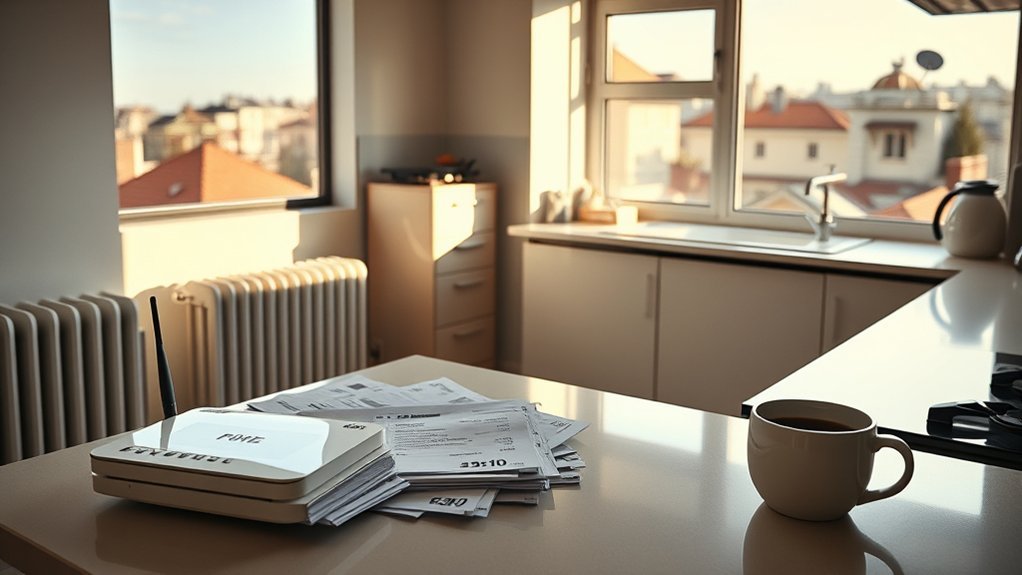
Utility bills depend on building efficiency and seasonal heating. A one-bedroom of 40 to 50 m² typically runs roughly 600 to 800 PLN a month for electricity, heating, water and garbage, while a larger 85 m² apartment can reach 1,200 PLN or more in winter.
Fiber internet from providers such as Play, Orange or Vectra costs roughly 70 PLN a month, and mobile plans with generous data cost about 30 to 40 PLN. Private healthcare subscriptions from providers such as LuxMed or Medicover are often partly subsidized by employers and cost a few hundred PLN a month if you pay yourself. Gym memberships add roughly 120 to 180 PLN.
Groceries and Food Costs in Warsaw

Discount chains such as Biedronka and Lidl offer the lowest prices on staples, while convenience stores such as Żabka charge more for daily items. A single person cooking mostly at home can budget roughly 700 to 900 PLN a month for food, and 1,200 to 1,600 PLN if you add daily café visits and regular meals out. Shelf prices change often, so compare unit prices and track your receipts.
Dining Out and Entertainment Costs

Warsaw has a broad food scene, from subsidized traditional milk bars (bar mleczny) to modern restaurants in Powiśle or Hala Koszyki. Milk bars serve full Polish meals at low prices, mid-range restaurants cost more, and a specialty coffee costs a few PLN more than in a standard café. Cinema tickets and museum entry are inexpensive compared with Western Europe, and many public museums offer free entry on set days.
Transportation and Commuting Costs
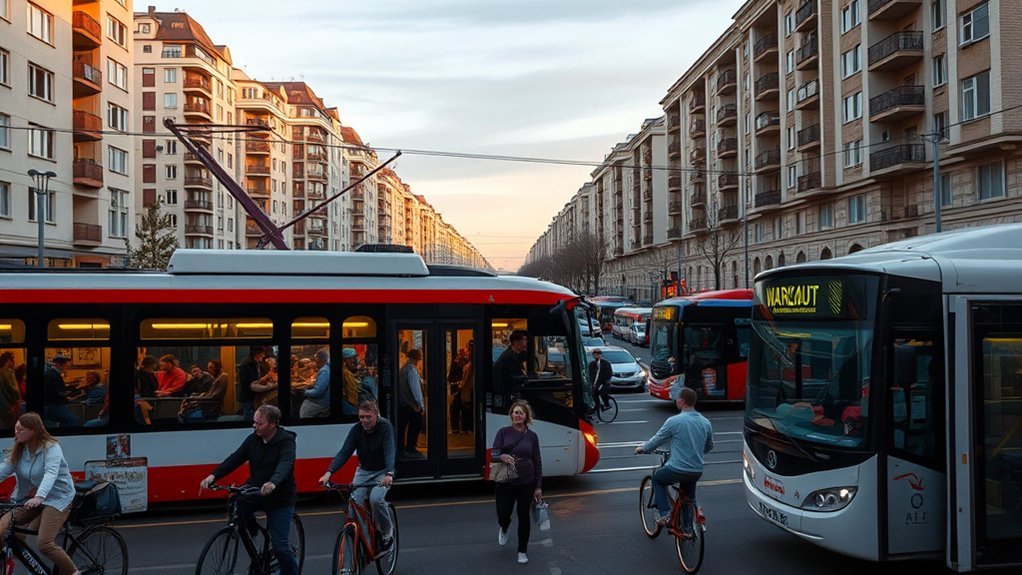
Warsaw’s public transport network of buses, trams, two metro lines and urban rail is efficient, and most residents do not need a car. A 30-day city pass costs roughly 110 to 120 PLN, with longer passes and single or time-limited tickets also available. Ride-hailing apps such as Bolt, Uber and FreeNow are a cheap option for occasional late-night trips. Check the ZTM Warsaw website for current fares.
Salaries, Taxes and Net Income in Warsaw

Poland uses a progressive income tax (12% up to 120,000 PLN a year and 32% above that threshold) plus mandatory ZUS social security and health contributions. An Antal salary calculator can estimate net pay for your contract type. As an illustration, a gross salary of 16,000 PLN a month under a standard employment contract (umowa o pracę) yields roughly 11,000 to 11,600 PLN net. B2B contractors may keep more depending on their tax model.
Disposable Income After Housing
With roughly 11,200 PLN net, a central apartment at 4,400 PLN and about 800 PLN in utilities, a professional keeps around 6,000 PLN a month for food, leisure, savings and travel.
Frequently Asked Questions
How much is monthly rent in Warsaw?
A one-bedroom apartment averages about 3,350 PLN a month outside the city center and about 4,400 PLN in central districts such as Śródmieście or Wola. Larger apartments cost more.
What is the average cost of living in Warsaw?
A single person should plan on roughly 5,500 to 8,000 PLN a month after tax for rent, utilities, food, a transport pass, private health cover and dining out, depending on lifestyle and district.
How much is rent in Poland in US dollars?
At recent exchange rates, a modern one-bedroom in Warsaw costs roughly $850 to $1,200 a month excluding utilities. The exact amount moves with the PLN to USD exchange rate.
Is it cheaper to live in Poland or the USA?
Poland is generally much cheaper than major US cities, especially for dining out, public transport and healthcare, though Warsaw rents have risen. Compare your own salary and rent before you decide.
Conclusion
Warsaw offers modern infrastructure, safety and manageable living costs. Housing is the largest expense, while public transport, groceries and dining out keep the rest of the budget reasonable. Check current rents, utilities and fares, and aim for a net income that comfortably covers your chosen district and lifestyle.
Sources
- Numbeo: Cost of Living in Warsaw (crowd-sourced estimates)
- Antal salary calculator