

St. Petersburg is not a low-cost Florida city in 2026. A one-bedroom apartment in larger citywide rental properties averages about $1,862 per month, while a Downtown one-bedroom averages about $2,654. For one adult, a realistic monthly budget is often $3,200–$4,000 before savings and debt payments, with a car, downtown housing, unsubsidized health coverage, or frequent dining pushing the total higher. A key tax advantage for relocators: Florida levies 0% state personal income tax, though Pinellas County assesses a 7% combined sales tax (6% state plus 1% local surtax). Data in this guide was checked on July 28, 2026.
Quick Answer: Cost of Living in St. Petersburg, FL (2026)
In 2026, one adult renting a typical one-bedroom in St. Petersburg should plan on roughly $3,200–$4,000 per month for rent, utilities, food, transportation, healthcare, and basic personal spending. A downtown apartment, car payment, debt, childcare, or full-price Marketplace health plan can raise the total well above $4,000. To live comfortably while keeping housing at 30% of gross income, a single adult needs an annual income of approximately $74,480 for a citywide one-bedroom or $106,160 for a Downtown unit.
Key Takeaways
- The July 2026 average rent is about $1,862 for a one-bedroom and $2,058 across all apartment sizes.
- Downtown carries a large premium: about $2,654 for a one-bedroom and $3,190 across unit sizes.
- The 2026 MIT basic-needs estimate is $50,611 before tax for one adult in the Tampa–St. Petersburg–Clearwater metro, but the 30% rent rule points to about $74,480 for the average citywide one-bedroom.
- Florida residents pay 0% state income tax, though home buyers and renters must factor in high property insurance and flood coverage costs.
- Transit is inexpensive at a $2.25 single fare with an $85 monthly fare cap; regular car use costs much more once fuel, insurance, maintenance, financing, and parking are included.
- Flood exposure, renters or homeowners insurance, move-in deposits, HOA fees, and storm preparation can materially change the budget.
2026 St. Petersburg Cost of Living at a Glance
| Expense | Typical Planning Amount | Basis |
| Citywide one-bedroom rent | $1,862/month | RentCafe, July 2, 2026 |
| Downtown one-bedroom rent | $2,654/month | RentCafe, July 2, 2026 |
| Utilities and home internet | $200–$350/month | Planning range when the tenant pays most services; actual bills depend on usage and lease terms |
| Food for one adult | About $380/month before restaurant spending | MIT Living Wage Calculator 2026 estimate |
| Public transit | Up to $85/month | PSTA Flamingo Fares monthly cap |
| Transportation, broad metro estimate | About $673/month | MIT estimate that reflects the broader cost of transportation, not a transit-only budget |
| Single-adult basic-needs spending | About $3,591/month after tax | MIT metro baseline; a current St. Petersburg apartment may raise the housing portion |
Note: These figures are planning estimates, not guaranteed quotes or personalized financial advice. Rent databases cover different property types, and insurance, utilities, medical premiums, and parking must be priced for your specific address. For comparison with nearby markets, see our guide on Tampa Cost of Living.

This hardcover book celebrates the art of gathering with inspiring table settings, thoughtful traditions, and practical ideas for hosting memorable meals. Written by Shea McGee, it offers beautiful design inspiration alongside approachable guidance for creating warm, welcoming spaces for family and friends. It's a charming resource for anyone who loves entertaining, home styling, and making everyday moments feel special.

This hardcover cookbook offers fast, approachable recipes designed for busy days and low-energy nights. Caroline Chambers focuses on simple, flavorful meals that help you get dinner on the table without overthinking it. It's a practical pick for home cooks who want quick weeknight inspiration and minimal-fuss cooking.

This daily devotional helps parents pray purposefully for their children through a full year of Scripture readings, reflections, and guided prayer prompts. Written to encourage faithful family discipleship, it offers practical, biblically grounded support for parents who want to shape their prayers around God's Word. A foreword by Sinclair B. Ferguson adds trusted theological insight and encouragement.
Housing Costs and Neighborhood Breakdown
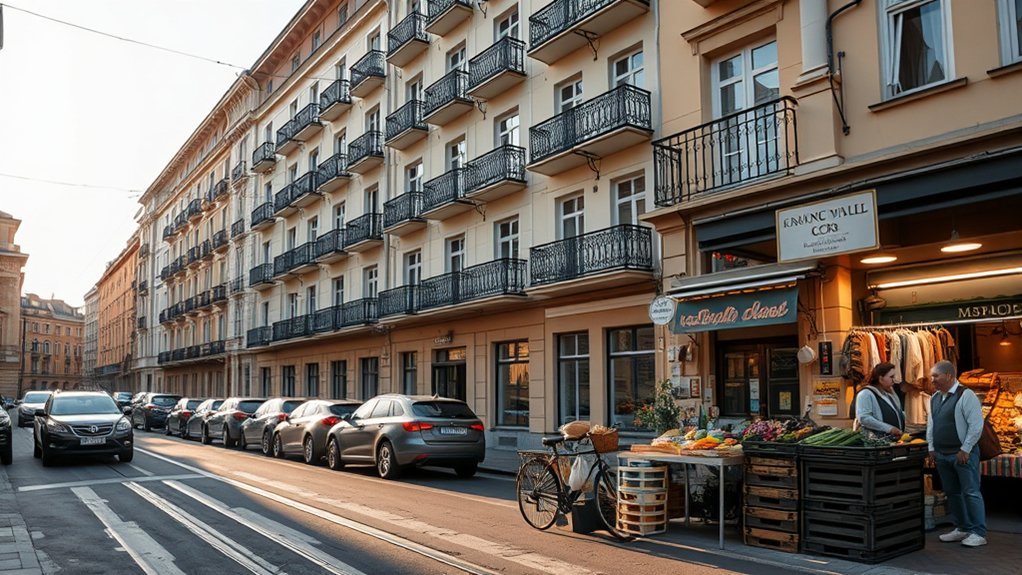
Housing is the largest expense for most St. Petersburg residents. RentCafe reported an average apartment rent of $2,058 across unit sizes on July 2, 2026. Its one-bedroom average was $1,862, while two-bedroom apartments averaged $2,259. The data mainly reflects professionally managed apartment properties with 50 or more units, so duplexes, condos, private landlords, and small buildings may price differently.
A Downtown one-bedroom averages about $792 more per month than the citywide one-bedroom average—roughly $9,504 more over a year.
Neighborhood Rent Differences
Downtown and amenity-rich waterfront locations generally command the highest rents. Inland neighborhoods can cost less, but every property should be compared on total monthly cost, flood exposure, parking, and included utilities.
| Neighborhood | Average Rent Across Apartment Sizes |
| Downtown St. Petersburg | $3,190 |
| Tropicana Field area | $2,376 |
| Central Oak Park | $1,590 |
| Greater Pinellas Point | $1,450 |
| Disston Heights | $1,407 |
Use neighborhood averages as a screening tool, not a quote. Compare the same bedroom count, square footage, age, amenities, parking arrangement, pet fees, move-in charges, and lease length before deciding which area is cheaper.
Home Prices, Property Taxes, and Ownership Costs
For buyers, Redfin reported a median St. Petersburg sale price of $477,714 in May 2026. The purchase price is only the starting point. A complete ownership budget should include mortgage principal and interest, property taxes, homeowners or condo insurance, flood coverage when appropriate, HOA dues, maintenance, and possible condo assessments.
A single “effective property-tax rate” can be misleading. Pinellas County explains that bills depend on taxable assessed value, exemptions, and millage from several taxing authorities; the county millage is only one part of the total bill. Primary residents should note that Florida offers a Homestead Exemption of up to $50,000 on primary residences and caps annual assessment increases at 3% under the “Save Our Homes” provision. Review the property’s latest tax bill and proposed tax notice instead of multiplying the sale price by one generic percentage.
Warning: Standard homeowners and renters policies generally do not cover flood damage. Florida’s insurance regulator says flood coverage is usually separate, and many new flood policies have a 30-day waiting period. Under FEMA’s Risk Rating 2.0, flood insurance premiums reflect exact structure elevation and proximity to water. Property owners should also prepare for mandatory hurricane deductibles (typically 2%–5% of insured value). Check the exact flood zone, prior flooding, policy terms, deductibles, and personal property coverage before signing a lease or contract.
Pro Tip: Ask for the full move-in sheet before applying. Include application fees, security deposit, first and last month’s rent, pet charges, parking, utility deposits, mandatory service packages, and renters insurance. Florida’s flood-disclosure rules require residential landlords to provide specified flood history disclosures before or when a lease is signed.
Monthly Utilities, Internet, and Climate Impacts
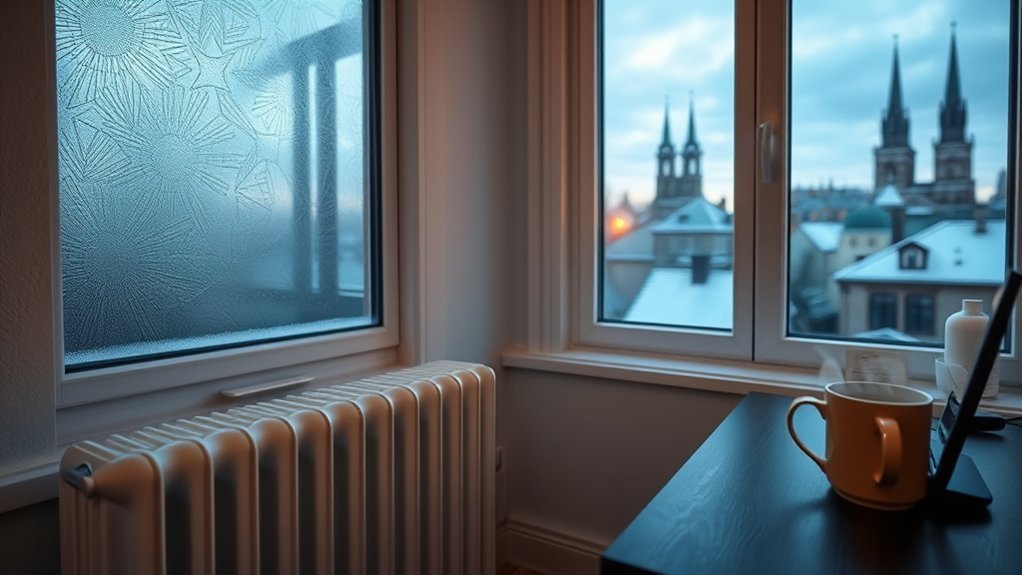
Air-conditioning use is the main seasonal variable in St. Petersburg. Duke Energy Florida said that a typical residential customer using 1,000 kWh per month saw cumulative bill reductions of about $50 from January to June 2026, with the June adjustment scheduled through September. That does not make every bill identical: apartment size, thermostat setting, insulation, appliance efficiency, occupancy, and billing period still matter.
City water and wastewater charges combine monthly base charges with usage charges. Under the city water rates and wastewater rates effective October 1, 2025, the base charge for a common 5/8- or 3/4-inch water meter is $11, while the wastewater base charge is $28.54, before volume charges. Apartment tenants may pay these directly, through a ratio utility billing system, as a flat fee, or through rent.
For a one-bedroom where the tenant pays most household services, $200–$350 per month is a practical planning range for electricity, water or sewer, trash, and home internet. A lease that includes water or trash may fall below that range. A larger home, poor insulation, or heavy summer A/C use may exceed it.
- Before signing: Ask which utilities are included and whether billing is metered, allocated, or flat-rate.
- For electricity: Request the unit’s recent usage history when available; do not rely only on a building-wide estimate.
- For internet: Check the exact address for provider availability, equipment fees, data limits, and the price after any promotional period.
Groceries, Restaurants, and Food Budgets

The MIT Living Wage Calculator estimates $4,565 per year, or about $380 per month, for one adult’s food in the Tampa–St. Petersburg–Clearwater metro. This is a basic-needs benchmark, not a generous restaurant budget.
Grocery Price Examples and Shopping Strategy
Individual shelf prices for bread, milk, eggs, meat, and produce change too quickly to serve as durable local benchmarks. Build your grocery budget from a normal weekly basket instead. Compare unit prices at Publix, ALDI, Walmart, Sprouts, warehouse clubs, and local markets; then account for loyalty discounts, delivery fees, and food waste.
- Plan meals around the food already at home before buying more.
- Use store brands for staples where the ingredient list is comparable.
- Compare price per ounce or pound, not package price alone.
- Keep convenience meals and delivery in a separate category so they do not hide inside the grocery total.
Eating Out Costs
Restaurant prices vary sharply between counter-service meals, downtown dining, waterfront venues, alcohol, delivery, and tips. Instead of relying on one “average meal” price, set a frequency-based allowance. A modest dining budget may be $75–$150 per month; weekly restaurant meals, drinks, or delivery can easily push it to $250 or more.
Monthly Food Budget
A workable starting point for one adult is:
- Groceries: about $380 per month based on the MIT 2026 metro estimate.
- Occasional dining and coffee: $75–$150 per month.
- Frequent dining or delivery: add $250 or more, depending on habits.
That produces a realistic food range of roughly $455–$630 per month for someone who cooks most meals but still eats out occasionally.
Transportation, Parking, and Commuting Expenses

Transportation can be one of the cheapest or most expensive parts of the budget. A transit-focused resident may spend no more than the PSTA fare cap, while a driver must cover fuel, insurance, maintenance, registration, financing or depreciation, tolls, and parking.
Public Transit Costs
PSTA’s current regular fare is $2.25 for a single ride, with Flamingo Fares caps of $5 per day and $85 per calendar month. Eligible riders may qualify for reduced or free fares. Check the current route and fare page before relying on a trolley or special service, because service areas and promotions can change.
- Use the monthly cap if you ride frequently rather than assuming you need a separate pass.
- Test the commute during the hours you will actually travel.
- Include occasional rideshare costs for late-night trips, bad weather, or destinations outside convenient routes.
Driving and Parking Fees
The U.S. Energy Information Administration reported a Florida regular-gas average of $3.891 per gallon for the week of July 20, 2026. Fuel is only one part of vehicle cost. Insurance quotes vary by age, ZIP code, driving record, vehicle, coverage limits, deductible, credit-related factors where permitted, and insurer. A single statewide annual figure is not reliable for an individual driver.
Downtown parking may be included, separately leased, metered, or charged through a garage. Before choosing a cheaper apartment farther away, compare the added vehicle cost against the rent savings. The MIT 2026 estimate assigns $8,076 per year, or about $673 per month, to transportation for one adult in the metro, which is far above the $85 transit cap because it reflects the broader cost of getting around.
Healthcare, Insurance, and Child Care Costs

Healthcare and childcare can change a household budget more than groceries or entertainment. Do not use one generic premium for every resident. Marketplace prices depend on ZIP code, age, household size, income, tobacco use where applicable, plan level, and available tax credits.
HealthCare.gov provides 2026 plan estimates by ZIP code. It also notes that the enhanced pandemic-era Marketplace savings ended on December 31, 2025, so some people may pay more in 2026 even if their circumstances did not change. The MIT metro model budgets $2,995 per year, or about $250 per month, for one adult’s medical costs, but an individual Marketplace premium and out-of-pocket exposure can be much higher or lower.
Childcare Costs
MIT’s 2026 Tampa–St. Petersburg–Clearwater estimate assigns $10,791 per year, or about $899 per month, for one child in a working household and $20,769 per year, or about $1,731 per month, for two children. Actual daycare, preschool, after-school care, summer care, and nanny costs depend on the child’s age, schedule, provider, and subsidies.
- Ask whether registration, meals, supplies, late pickup, and holiday closures are included.
- Model healthcare premiums and childcare as fixed monthly costs before choosing a rent ceiling.
- Keep an emergency fund for deductibles, prescriptions, urgent care, and backup care.
Entertainment, Recreation, and Nightlife Spending

St. Petersburg offers beaches, parks, community events, museums, professional sports within the broader Tampa Bay area, restaurants, bars, and live music. The cost depends more on frequency than on any one ticket price.
A practical monthly allowance is $75–$200 for occasional dining, movies, museums, fitness, or local events. Nightlife, premium fitness studios, major concerts, frequent rideshares, and waterfront dining can raise this quickly. Keep restaurant spending in either the food category or entertainment category, but not both.

The Vornado 630 uses signature Vortex air circulation to move air throughout the room for more effective cooling and improved comfort. With three-speed manual controls and an adjustable tilt head, it lets you direct airflow and fine-tune performance for bedrooms, living rooms, or home offices. Built for whole-room circulation with efficient, high-velocity airflow, it also includes support backed by a multi-year replacement promise.

First Saturday Lime is a natural outdoor pest deterrent designed to help protect gardens, yards, homes, and animal areas from unwanted insects. It can be applied around plants, building bases, lawns, and coops to help discourage pests while also reducing odors and moisture in barn and chicken coop environments.

The ANCEL AD310 is a compact OBD II scanner designed to quickly diagnose check engine light issues by reading and clearing emission-related trouble codes. It also provides live data, freeze frame, I/M readiness, and vehicle information, making it a practical tool for drivers and home mechanics. With broad compatibility across many 1996 and newer OBD2 vehicles, it is a simple, fast, and portable way to check engine problems.
Hidden and One-Time Costs to Add
Monthly averages often miss the costs that make a move feel expensive. Include these before comparing St. Petersburg with another city:
- Move-in cash: application fees, deposits, first month, possible last month, pet charges, movers, and utility activation.
- Insurance: renters or homeowners coverage, flood coverage (FEMA Risk Rating 2.0), hurricane deductibles (2%–5%), and vehicle insurance.
- Housing add-ons: parking, pest control, valet trash, amenity fees, storage, HOA dues, condo assessments, and maintenance.
- Storm preparation: supplies, evacuation travel, backup power, food replacement, and temporary lodging.
- Taxes: Florida has 0% state income tax, but imposes a 7% total sales tax in Pinellas County (6% state + 1% local surtax). Property owners face bills based on assessed value and local millage rates. Read our Florida Tax and Relocation Guide for a full breakdown.
- Savings and debt: emergency savings, retirement contributions, student loans, credit cards, and car payments are not fully represented in basic-needs calculators.
Sample Monthly Budgets
These examples use current rent and 2026 metro benchmarks. They are illustrations, not promises, and exclude childcare, major debt payments, and long-term savings.
| Budget Type | Housing | Other Basics | Illustrative Total |
| Transit-focused single adult | $1,862 rent | $250 utilities/internet, $380 food, $85 transit, $250 medical, $340 personal/other | About $3,167/month |
| Car-based single adult | $1,862 rent | $300 utilities/internet, $500 food/dining, $673 transportation, $250 medical, $340 personal/other | About $3,925/month |
| Downtown one-bedroom with a car | $2,654 rent | $300 utilities/internet, $500 food/dining, $673 transportation, $250 medical, $340 personal/other | About $4,717/month |
How Much Salary You Need to Live Comfortably
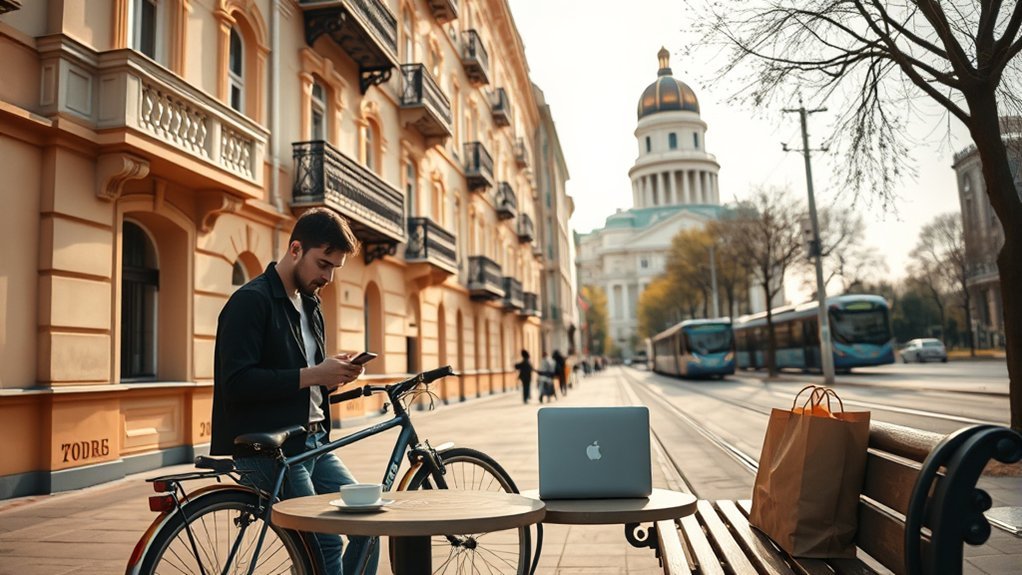
There is no single correct salary because “living wage” and “comfortable income” measure different things. MIT estimates the income required to cover basic needs. The 30% housing rule instead asks how much gross income is needed to keep rent at or below 30%.
| Household or Rent Target | 2026 Gross Income Target | What It Means |
| One adult, no children | $50,611/year | MIT basic-needs estimate for the metro, not a luxury or high-savings budget |
| Average citywide one-bedroom at 30% of gross income | $74,480/year | Based on $1,862 monthly rent |
| Downtown one-bedroom at 30% of gross income | $106,160/year | Based on $2,654 monthly rent |
| One adult with one child | $82,675/year | MIT basic-needs estimate |
| Two working adults with one child | $93,642 combined/year | MIT estimate, with both adults earning |
| Two working adults with two children | $111,255 combined/year | MIT estimate, with both adults earning |
For a single adult who wants a market-rate one-bedroom, a car, regular savings, and room for irregular costs, $75,000–$90,000 is a more practical comfort target than the metro’s minimum basic-needs figure. Downtown living can require more than $100,000 if you want to keep rent near 30% of gross income.
Frequently Asked Questions
How much does one person need per month in St. Petersburg?
A single adult renting the average one-bedroom should plan on roughly $3,200–$4,000 per month before long-term savings and major debt payments. A downtown apartment, car payment, unsubsidized health plan, or frequent dining can push the total above $4,500.
Is rent expensive in St. Petersburg?
Yes. The July 2026 average is about $1,862 for a one-bedroom and $2,058 across apartment sizes. Downtown is substantially higher, averaging about $2,654 for a one-bedroom and $3,190 across unit sizes.
What salary is comfortable for a single adult?
MIT’s 2026 basic-needs estimate is $50,611 before tax, but the average one-bedroom requires about $74,480 in gross income under the 30% rent rule. A practical comfort target is often $75,000–$90,000 when you also want a car, savings, and room for irregular expenses.
Is Downtown St. Petersburg much more expensive?
Yes. A Downtown one-bedroom averages about $2,654, which is roughly $792 more per month than the citywide one-bedroom average. Across all unit sizes, Downtown averages about $3,190.
What hidden costs should renters budget for?
Include application and move-in fees, deposits, parking, pet charges, utility activation, renters insurance, possible flood coverage, storm supplies, and any required amenity or service packages. Ask for a full fee sheet before applying.
Why is rent high in St. Petersburg?
Rents reflect strong demand for coastal access, downtown amenities, and limited high-demand locations. Newer professionally managed buildings also carry amenity and construction-cost premiums. The exact price still varies by neighborhood, building age, lease term, and included services.
Conclusion
St. Petersburg’s cost of living is driven mainly by housing and transportation. In July 2026, a citywide one-bedroom averages about $1,862, while a Downtown one-bedroom averages about $2,654. A single adult should generally plan on $3,200–$4,000 per month for core expenses, with downtown housing, car ownership, full-price health coverage, debt, or childcare raising the total. Compare the full monthly cost—not rent alone—and price insurance, utilities, parking, flood exposure, and move-in fees before committing.
Sources
- RentCafe St. Petersburg Rental Market Trends — July 2026 citywide, bedroom, and neighborhood rent data.
- Redfin St. Petersburg Housing Market — May 2026 median home-sale data.
- MIT Living Wage Calculator for Tampa–St. Petersburg–Clearwater — 2026 income and household-expense benchmarks.
- Pinellas Suncoast Transit Authority Fare Information — regular fare and daily and monthly caps.
- U.S. Energy Information Administration Florida Fuel Prices — current statewide gasoline data.
- Florida Department of Financial Services Flood Insurance Guide — flood coverage, separate-policy guidance, and consumer protections.

The Veepeak OBDCheck BLE is a Bluetooth OBD-II scanner designed for iOS and Android users who want an easy way to read and clear check engine light codes. It supports generic diagnostics such as freeze frame data, I/M readiness, and live sensor readings through compatible third-party apps. Built for most 1996+ vehicles in the US, it connects over Bluetooth LE and works with popular apps for everyday vehicle troubleshooting and monitoring.

This Command Variety Pack provides a versatile, damage-free way to organize and decorate homes, dorms, apartments, and offices without tools. It includes a mix of picture hanging strips and hooks designed for smooth surfaces, helping you hang decor, accessories, and everyday essentials with a clean white finish that blends into light-colored spaces. With reusable hardware and replacement strip compatibility, it offers convenient, tidy storage and display solutions.

Come Eat offers 100 approachable recipes designed to make everyday cooking more enjoyable, nourishing, and sustainable. With a focus on flavorful meals and practical preparation, this hardcover cookbook is ideal for home cooks looking for inspiration for salads, sides, and main dishes. Author Melissa Ben-Ishay shares recipes that encourage consistent, feel-good eating without sacrificing taste.
