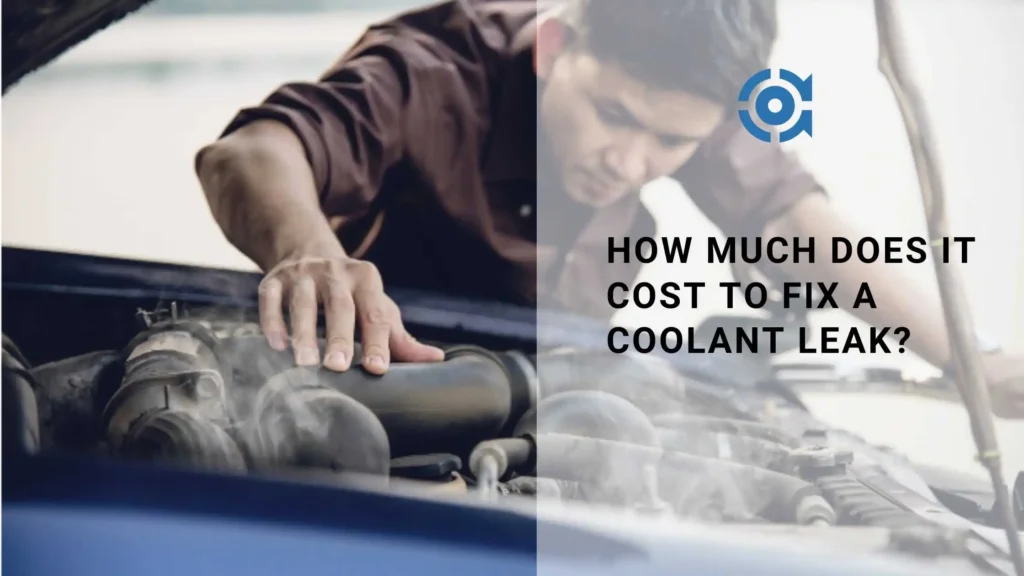
The cost to fix a coolant leak varies sharply by where the leak starts. Current average estimates from RepairPal put coolant-leak diagnosis at $60–$88, radiator-hose replacement at $498–$558, water-pump replacement at $891–$1,135, radiator replacement at $1,368–$1,550, heater-core replacement at $1,375–$1,912, and head-gasket replacement at $2,572–$3,386. A loose clamp or another simple external problem can cost much less, while major internal engine damage can push the bill above these averages.
Last updated: October 24, 2026. Cost estimates were checked against current RepairPal estimates; its coolant-leak diagnosis page was last updated September 3, 2026.
| Coolant Leak Service or Repair | RepairPal Average Estimate |
|---|---|
| Coolant leak diagnosis | $60 – $88 |
| Radiator hose replacement | $498-$558 |
| Coolant reservoir replacement | $500-$567 |
| Thermostat replacement | $616-$716 |
| Water pump replacement | $891-$1,135 |
| Radiator replacement | $1,368-$1,550 |
| Heater core replacement | $1,375-$1,912 |
| Head gasket replacement | $2,572-$3,386 |
These are average estimates, not guaranteed quotes. Taxes, shop fees, vehicle design, local labor rates, OEM versus aftermarket parts, and related damage can change your total.
Do not keep driving if the temperature gauge rises into the hot zone, an overheating warning appears, or steam comes from under the hood. Pull over safely and shut the engine off. Never remove a radiator cap or open a pressurized cooling system while it is hot; pressurized coolant can cause severe burns. AAA also recommends prompt inspection when a coolant leak is suspected.
How Much Does It Cost to Fix a Coolant Leak?
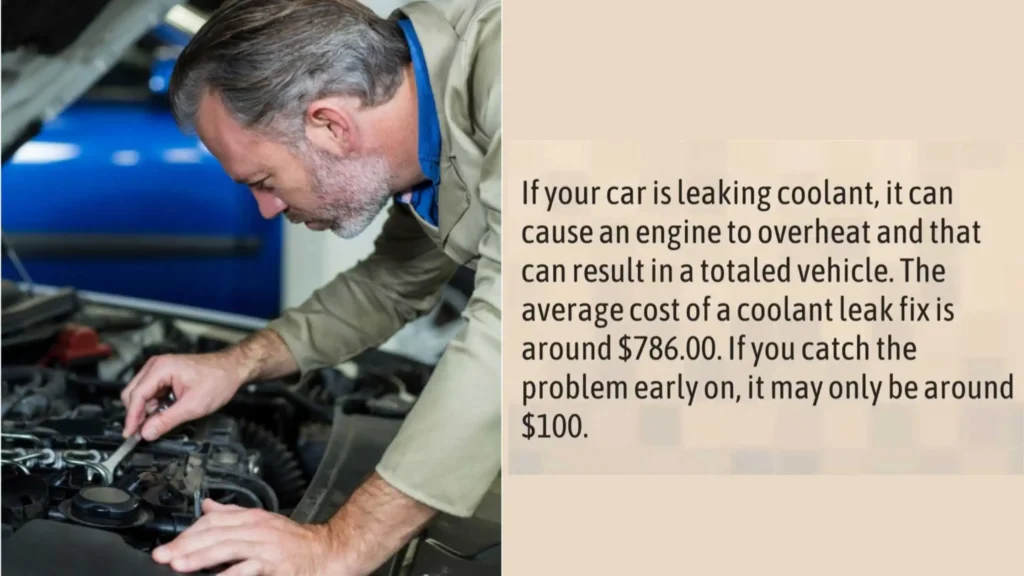
There is no single coolant leak repair price because the leak itself is only a symptom. An accessible hose or clamp can be relatively straightforward, while a water pump may require substantial disassembly. A heater core can be expensive because it is commonly located behind the dashboard, and an internal leak involving the head gasket requires major engine work.
What Coolant Does in Your Vehicle
Coolant, also called antifreeze, circulates through the engine and radiator to control operating temperature. The correct coolant mixture also helps protect cooling-system components against freezing and corrosion.
- Transfers heat away from the engine
- Helps prevent freezing in cold conditions
- Raises protection against boiling when the cooling system operates correctly
- Contains additives designed to protect cooling-system metals and seals
What Are the Signs of a Coolant Leak?
A coolant leak may be visible, but some leaks appear only when the system is hot and pressurized. Watch for these warning signs:
- Colored fluid under the vehicle: Coolant may be green, orange, pink, blue, yellow, or another manufacturer-specific color.
- Falling coolant level: The reservoir repeatedly needs topping up even though no large puddle is visible.
- Overheating: The temperature gauge climbs unusually high or an overheating warning appears.
- Steam under the hood: Coolant may be escaping onto hot components or boiling because the system cannot maintain temperature.
- Sweet smell: A noticeable sweet odor after driving can be a sign of escaping coolant.
- Wet passenger-side carpet or persistent sweet smell inside: This can point toward a heater-core leak.
How Do You Find the Source of a Coolant Leak?
Finding the source before replacing parts is one of the best ways to avoid unnecessary expense. A coolant puddle does not automatically mean the radiator has failed because fluid can run along hoses, shields, and engine parts before reaching the ground.
Common Coolant Leak Locations
- Radiator: Look for wet seams, damaged tanks, corrosion, or dried coolant residue.
- Radiator and heater hoses: Check for cracks, swelling, hardened rubber, loose connections, or coolant residue near clamps.
- Coolant reservoir or expansion tank: Plastic tanks can crack or leak around hose fittings.
- Water pump: A worn seal can leak around the pump or its weep area.
- Thermostat housing: A damaged gasket, seal, or housing can allow coolant to escape.
- Head gasket or another internal engine leak: Persistent coolant loss with overheating, coolant contamination, or abnormal exhaust vapor needs professional diagnosis.
- Heater core: A sweet cabin smell, fogging, or wet carpet can point toward a leak inside the HVAC case.
Safe DIY Inspection Tips
Let the engine cool completely first. Never remove a radiator cap from a hot or pressurized cooling system.
Check the reservoir level: With the vehicle parked on level ground and the engine cold, compare the coolant level with the reservoir markings.
Look for fresh and dried coolant: Inspect the ground, hose joints, reservoir, radiator edges, and accessible engine areas for wet spots or dried residue.
Inspect hoses: Cracks, bulges, very soft sections, hardened rubber, or wet fittings can point toward a hose problem.
Use pressure-testing equipment only if you understand the vehicle-specific procedure: The correct adapter and pressure limit matter. A professional pressure test is often the better choice when the leak is not obvious.
Do not guess by replacing parts: If coolant is disappearing without an obvious external leak, the engine repeatedly overheats, or coolant appears contaminated, get a professional diagnosis.
What Changes the Cost of Coolant Leak Repair?
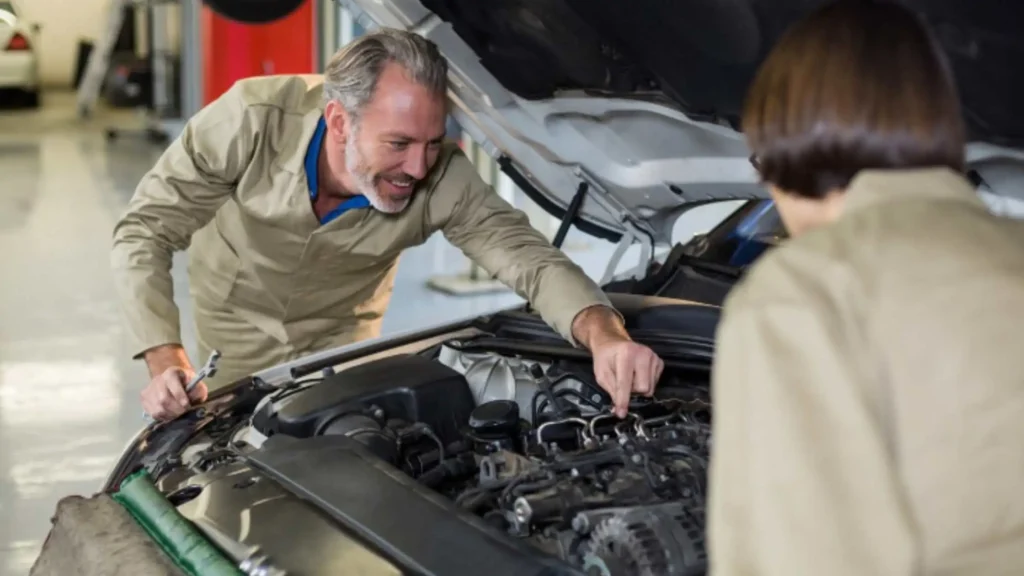
The final bill depends primarily on which component failed and how difficult it is to reach. Vehicle design, parts choice, local labor rates, and damage caused by overheating can then move the quote higher or lower.
Leak Source and Labor Access
An accessible hose connection can be relatively simple. A water pump may require belt, pulley, timing-component, or front-engine disassembly on some vehicles. Heater-core replacement is often labor-intensive because dashboard components may need to come out. Head-gasket work requires substantial engine disassembly.
Vehicle Make, Model, and Engine Layout
Two vehicles needing the same named component can have very different labor totals. Access may be open on one engine but require removal of several surrounding components on another. Some vehicles also use electric water pumps, integrated thermostat assemblies, specialized coolant, or more expensive OEM parts.
| Cost Driver | Why It Changes the Quote |
|---|---|
| Leak source | A hose, radiator, heater core, water pump, and head gasket require very different amounts of work. |
| Component access | Parts buried behind timing components, the dashboard, or other assemblies add labor. |
| Vehicle design | Engine layout and cooling-system complexity affect disassembly and refill procedures. |
| OEM vs. aftermarket parts | Part price, warranty, and availability can change the total. |
| Local labor and shop fees | Labor rates, taxes, diagnostic policies, and fees vary by market and shop. |
| Overheating damage | A leak that caused severe overheating may require work beyond the original leaking component. |
Replacement Parts and Related Work
Ask whether the quote uses OEM, aftermarket, or remanufactured parts and whether related items are included. For example, a water-pump repair may overlap with belt or timing-component labor on some engines. You can see more repair-specific detail in our water pump replacement cost guide and head gasket replacement cost guide.
Can You Fix a Coolant Leak Yourself?
Some obvious, accessible hose or clamp problems can be reasonable DIY repairs for an owner with the correct vehicle procedure. An unidentified leak, repeated overheating, water-pump failure, heater-core leak, or suspected internal engine leak is a different job and may require professional tools and significant disassembly.
Basic Tools and Materials for Inspection or a Simple Repair
- The exact coolant specified for your vehicle
- Drain pan or suitable coolant container
- Basic hand tools appropriate for the vehicle
- Flashlight
- Rags for cleanup
- Protective gloves and safety glasses
- Vehicle-specific service instructions for the component being repaired
A Safer DIY Process
- Let the engine cool completely. Work on a level surface and do not open a hot pressurized cooling system.
- Identify the leak before buying parts. Look for wet areas, dried coolant residue, damaged hoses, loose fittings, or a cracked reservoir.
- Confirm the procedure for your exact vehicle. Cooling-system draining, filling, and air-bleeding requirements vary.
- Repair only what you can positively identify and safely access. An obvious hose or clamp is very different from an internal leak or buried water pump.
- Use the correct coolant. Do not mix products simply because their colors look similar; use the specification required by the vehicle manufacturer.
- Refill and bleed the system using the correct procedure. Air trapped in some cooling systems can cause overheating.
- Recheck for leakage. Keep the cooling-system cap installed during warm-up and shut the engine off immediately if the temperature rises abnormally or coolant escapes rapidly.
Avoid treating stop-leak or sealant as the normal repair. RepairPal advises against coolant-system leak-stopper products because they can clog or contaminate the radiator, heater core, and cooling passages. A mechanical diagnosis and repair addresses the failed component rather than masking the symptom.
What Happens During Professional Coolant-Leak Diagnosis?
A professional diagnosis should identify where the coolant is going before expensive parts are replaced. RepairPal’s current average for coolant-leak diagnosis is $60–$88, although your local price can differ.
Choosing a Repair Shop
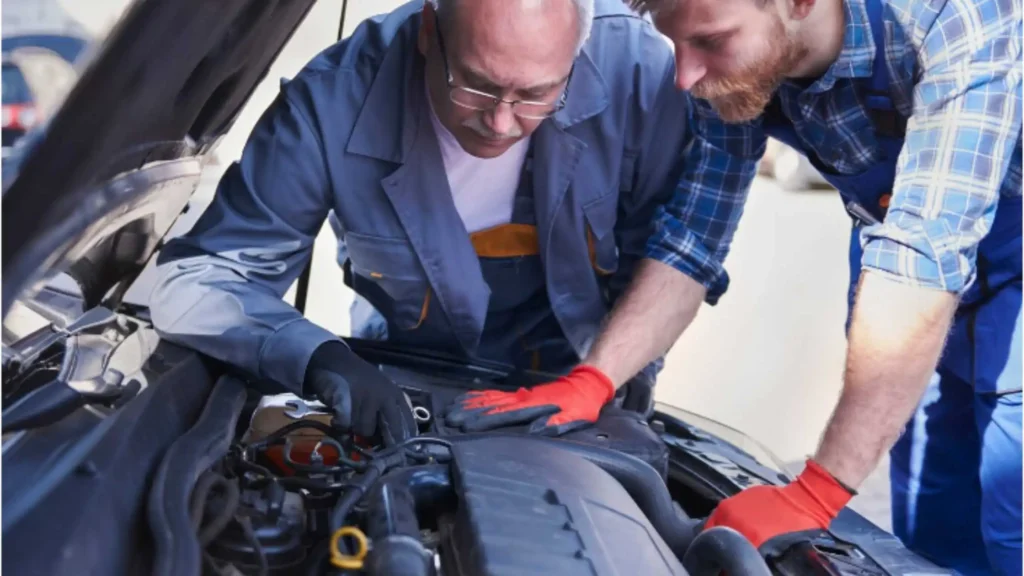
Look for a shop with cooling-system diagnostic experience, clear written estimates, and a stated warranty on parts and labor. Ask the shop to identify the failed component rather than authorizing several replacement parts based only on symptoms.
What the Technician May Check
- Radiator cap and obvious leak points: The cap, reservoir, radiator, hoses, pump area, and fittings can be inspected first.
- Cooling-system pressure: A pressure test can expose a leak that is difficult to see during a basic visual inspection.
- UV dye: Dye and a UV light can help trace small external leaks.
- Signs of internal leakage: Coolant contamination or evidence of combustion gases may lead to additional engine testing.
- Related cooling components: The technician may also inspect the thermostat, cooling fans, belts, and other components if the vehicle has overheated.
| Stage | What You Should Receive |
|---|---|
| Diagnosis | An identified or narrowed-down source of coolant loss before major parts are authorized |
| Estimate | A breakdown of parts, labor, coolant or related supplies, fees, and recommended related work |
| Repair | Replacement or repair of the failed component using the agreed parts and procedure |
| Refill and bleeding | Correct coolant restored and air removed according to the vehicle procedure |
| Verification | A final check that the repaired cooling system holds coolant and operates at normal temperature |
Coolant Leak Repair Cost Breakdown
The most useful number is the installed repair total for the diagnosed component. An inexpensive part can still produce a large bill when several hours of disassembly are required to reach it.
Current Average Repair Costs (RepairPal)
| Repair | Average Installed Cost | Why It Can Be Expensive |
|---|---|---|
| Radiator hose replacement | $498-$558 | Vehicle-specific molded hoses, coolant refill, and access can add cost. |
| Coolant reservoir replacement | $500-$567 | Tank design, sensors, hoses, and vehicle-specific parts affect price. |
| Thermostat replacement | $616-$716 | Some thermostats are integrated into larger housings or difficult to reach. |
| Water pump replacement | $891-$1,135 | Pump access can require removal of belts, pulleys, timing components, or other engine parts. |
| Radiator replacement | $1,368-$1,550 | Radiator cost plus front-end disassembly, coolant, and labor can raise the total. |
| Heater core replacement | $1,375-$1,912 | Dashboard disassembly is commonly the major labor expense. |
| Head gasket replacement | $2,572-$3,386 | Major engine disassembly, inspection, fluids, gaskets, and related parts drive the cost. |
The figures above are current RepairPal average estimates and exclude taxes, fees, location differences, and unrelated repairs. A vehicle-specific estimate can be lower or substantially higher.
Labor Costs
Repair shops commonly estimate work using standard labor time for the vehicle and procedure rather than simply multiplying the time you see a technician working by an hourly rate. This is why comparing the complete installed price is usually more useful than focusing on the hourly rate alone.
Parts, Coolant, and Related Services
A coolant leak repair may require replacement coolant, seals, clamps, gaskets, or other related items in addition to the main failed component. Ask whether these are already included in the estimate.
RepairPal’s current average for a coolant change is $440–$512. Do not automatically add that amount to every leak repair, however. A shop may only need to replace the coolant drained during the repair, while a separate full cooling-system service may be recommended for another reason.
How to Read a Coolant Leak Repair Quote
- Failed component: Ask what was confirmed to be leaking.
- Parts: Check whether the estimate uses OEM, aftermarket, or another part type.
- Labor: Confirm the labor amount and whether related disassembly is included.
- Coolant and supplies: Ask whether refill, bleeding, seals, clamps, and disposal are included.
- Related repairs: Ask which recommendations are necessary now and which are preventive.
- Warranty: Confirm the shop’s parts-and-labor warranty before approving the repair.
How Can You Prevent Future Coolant Leaks?
You cannot prevent every component failure, but regular inspection and correct coolant maintenance can reduce the chance that a small problem becomes an overheating event.
Regular Maintenance Tips
Follow the factory maintenance schedule. Coolant specifications and replacement intervals vary by manufacturer, model, engine, and coolant chemistry.
- Check coolant level with the engine cold and investigate repeated loss instead of repeatedly topping it off.
- Inspect hoses and connections for cracks, swelling, residue, or dampness.
- Use the manufacturer-specified coolant rather than choosing by color alone.
- Replace coolant at the interval in the owner’s manual and follow any special filling or bleeding procedure.
- Investigate overheating promptly even if the temperature later returns to normal.
Early Detection Strategies
A small change in coolant level, smell, or engine temperature is easier to investigate before the vehicle overheats.
- Watch the temperature gauge or warning display. An abnormal rise needs attention.
- Look for fresh puddles or dried residue. Check beneath the engine bay and around accessible cooling-system connections.
- Pay attention to a sweet smell. It can indicate coolant escaping externally or into the cabin.
- Notice changes in cabin heat. Poor heat combined with low coolant can point toward a cooling-system problem.
- Do not ignore recurring low coolant. A cooling system should not need frequent topping up under normal operation.
Early diagnosis is usually less expensive than repairing damage caused by severe overheating.
Other fluid and repair costs you may run into: transmission leak repair costs, plugging a punctured tire.
Frequently Asked Questions of How Much Does It Cost to Fix a Coolant Leak?
Is A Coolant Leak Expensive To Fix?
It can be. A simple loose connection can be inexpensive, while current RepairPal average estimates run from $498–$558 for radiator-hose replacement to $2,572–$3,386 for head-gasket replacement. The leak source and labor required to reach it determine most of the cost.
Can You Drive A Car With A Coolant Leak?
Do not keep driving if the temperature gauge rises, an overheating warning appears, or steam comes from under the hood. Pull over safely and shut the engine off. Even when the engine is not yet overheating, a known coolant leak should be diagnosed promptly because the coolant level can fall further.
How Long Does A Coolant Leak Take To Fix?
An accessible hose or clamp can be a same-day repair, while radiator and water-pump jobs vary with vehicle design and access. A major repair such as head-gasket replacement can take several days because substantial engine disassembly, inspection, and reassembly are required.
Is A Coolant Leak Easy To Fix?
Some obvious external leaks, such as an accessible damaged hose or loose connection, can be straightforward. A hidden leak, water-pump failure, heater-core leak, repeated overheating, or suspected internal engine leak requires more diagnosis and may be better handled by a professional.
How Much Does Coolant Leak Diagnosis Cost?
RepairPal’s current average for coolant-leak diagnosis is $60–$88 before taxes, fees, location differences, or any repair that is found to be necessary.
Should You Use Stop-Leak for a Coolant Leak?
Stop-leak should not be treated as the normal permanent repair. RepairPal advises against coolant-system leak-stopper products because they can clog or contaminate the radiator, heater core, and cooling passages. Diagnosing and repairing the failed component is the safer long-term approach.
Conclusion
A coolant leak can be anything from a simple external connection problem to a major internal-engine repair. Current average estimates show why finding the source first matters: diagnosis averages $60–$88, while common component replacements range from several hundred dollars to more than $3,000.
If the vehicle is overheating, stop driving and let the engine cool completely. If it is not overheating, check the coolant level only when cold and arrange a diagnosis rather than repeatedly topping off a system that continues to lose coolant.