
You work on cars because the finish matters. Choosing the right HVLP spray gun affects how much paint you waste, how quickly you get a smooth, even coat, and how professional the final result looks.
This guide focuses on tools that balance spray performance, repeatability and cleanup so you spend less time troubleshooting equipment and more time delivering consistent, high-quality finishes.
Top Picks
|
Category |
Product |
Score |
|---|---|---|
|
🏆 Best for Efficiency |
92/100 |
|
|
🚀 Best Pro Turbine |
96/100 |
|
|
🎯 Best DIY Kit |
88/100 |
|
|
💰 Best Value |
82/100 |
|
|
🔰 Best For Detail Work |
74/100 |
Selection Criteria
You need tools that deliver predictable results in real workshop conditions. I evaluated each gun for spray performance and atomization across common automotive coatings, the range and convenience of nozzle options, and how the tool handles clearcoat work.
Ergonomics and weight matter when you work long panels, so ease of use and trigger feel were considered. Practical factors like cleanup, compatibility with PPS or turbine systems, included accessories, warranty and long-term durability rounded out the process so you can find a tool that suits your workflow and budget.
3M Performance

You get a spray gun built around workflow, not just raw bling. The 3M Performance kit pairs a very light composite pistol with the PPS 2.0 cup system and a set of replaceable nozzles so you can swap tip sizes in seconds and avoid paint passing through the gun body. That design makes cleaning faster, reduces cross-contamination between colors and cuts down how much paint you mix for each run.
Use it for routine panel work, spot repairs or multi-coat finishes where turnaround and consistent pattern control matter, and you’ll notice less downtime between color changes.
What People Say
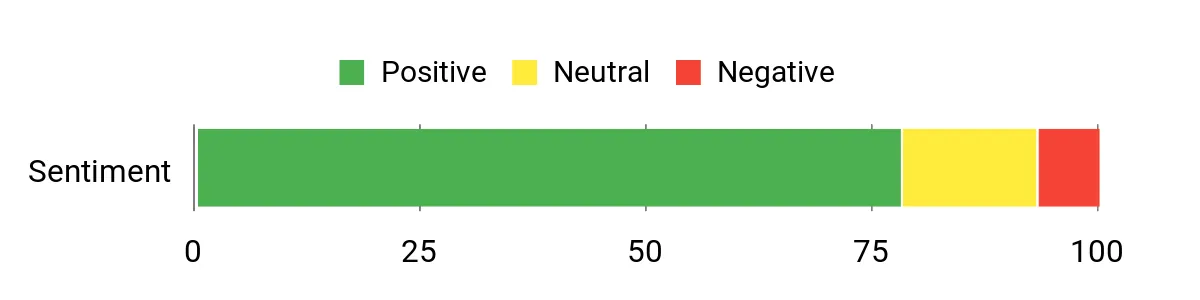
Customers repeatedly praise the speed of color changes and the easy cleanup that comes from the PPS cups and replaceable nozzles. Many note the gun feels surprisingly light for a pro-level tool and that the pattern can be dialed in cleanly. A few users expect different results on delicate clearcoat work, but most appreciate the time-saving workflow advantages.
Overall Sentiment: Positive
Situational Benefits
|
Situation |
How It Helps |
|---|---|
|
Daily production panels |
You can run consistent patterns and swap nozzles quickly so cycle times stay short and finishes stay repeatable. |
|
Color changes and multi-job bays |
The PPS system and disposable liners prevent cross-contamination and make color changes nearly effortless. |
|
Touch-ups and small repairs |
The lightweight pistol and small fan settings let you hold steady for tight, controlled passes on small areas. |
|
Workshops that avoid frequent disassembly |
Since paint never travels through the gun body, you skip lengthy teardowns and solvent soaks between jobs. |
Problem Solving Ability
Addresses common shop headaches by isolating paint in the PPS cups, speeding nozzle swaps and reducing cleanup time so you spend more time painting and less time maintaining tools.
Key Benefits
- Fast nozzle changes with replaceable atomizing heads
- Integrated PPS cup system keeps paint out of the gun body
- Very lightweight for reduced arm fatigue
- Adjustable fan and airflow for a wide range of coatings
Rating: 4.7 (total: 458+)
Campbell Hausfeld

You get a straightforward, work-ready gun that does the basics reliably. The 600 mL gravity canister keeps cleanup simple and limits leftover material, while the fluid, air and pattern controls let you tune the spray for primers, enamels and topcoats.
It’s not a studio pro tool, but if you do regular hobby or light shop work and want a dependable, easy-to-use gun, this one covers most jobs without fuss.
What People Say
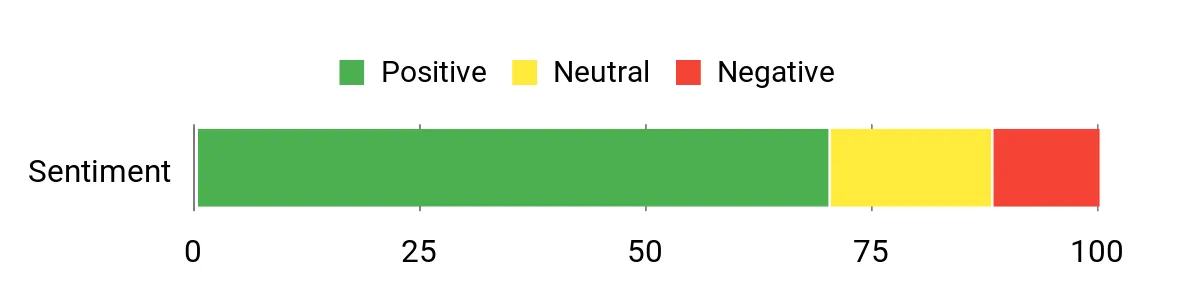
You’ll notice reviewers repeatedly highlight how easy the gun is to use and clean, and how it performs well for typical DIY and light shop jobs. People appreciate the large gravity cup and the straightforward controls, while some mention it isn’t as refined as high-end pro guns for critical clearcoat work.
Overall Sentiment: Positive
Situational Benefits
|
Situation |
How It Helps |
|---|---|
|
Weekend restorations |
You can spray larger panels without constant refills and clean up quickly between color passes. |
|
Beginner projects |
The simple controls let you learn spray technique without getting overwhelmed by advanced features. |
|
Fence and furniture work |
You can manage thin to medium coatings effectively when you thin appropriately, saving time on hand brushing. |
|
Occasional auto touch-ups |
You get a reliable, no-nonsense tool that produces even coverage for spot repairs and small panels. |
Problem Solving Ability
Solves common shop pain points by offering a large gravity reservoir to cut refill frequency, easy-to-adjust controls to dial in consistent patterns, and a design that’s simple to clean so you avoid frequent maintenance downtime.
Key Benefits
- Adjustable fluid, air and pattern controls
- 600 mL gravity canister for easier cleanup and less waste
- Durable polished aluminum body that’s easy to maintain
- Versatile for primers, lacquers and urethane topcoats
Rating: 4.4 (total: 1872+)
DeVilbiss StartingLine

You get a two-gun setup that covers the common tasks a DIYer or small shop runs into. One gun is tuned for finish coats and clears while the other handles primers and heavier materials, so you aren’t constantly swapping tips mid-job. The included regulator, cleaning tools and case make it a practical kit to store and maintain, and the metal cups stand up better than the disposable options you find in cheaper kits.
Use it for weekend restorations, primer build and smaller vehicle panels where you want professional-looking results without complex turbine systems. If you need a straightforward, versatile starter system that covers both priming and finishing, this kit is a solid pick.
What People Say
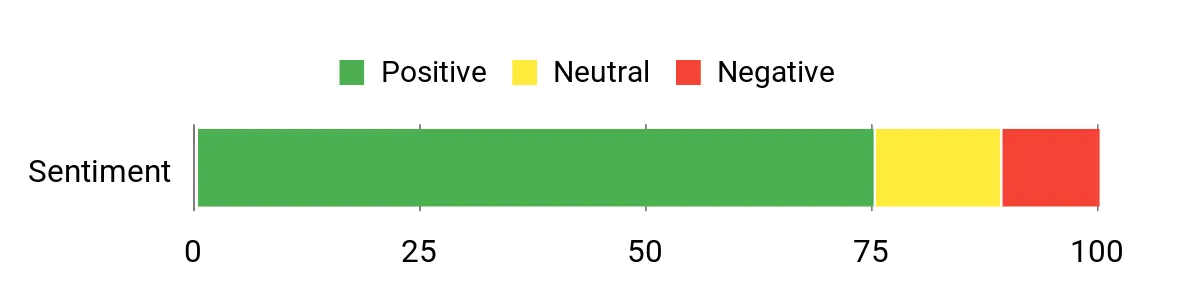
Users commonly note the kit delivers surprisingly professional results for home projects and classic car work, with the two-gun approach praised for convenience. Reviewers appreciate the metal cups and included accessories that make setup and maintenance easier, while a minority call out occasional pattern inconsistency and advise careful handling of the cups.
Overall Sentiment: Positive
Situational Benefits
|
Situation |
How It Helps |
|---|---|
|
Full vehicle small projects |
You can use the finish gun for basecoat/clear layers and the primer gun to build up surface prep without swapping fluid tips constantly. |
|
DIY restorations |
The kit gives you the common toolset needed to handle primer, sealer and finish coats in one package so projects stay straightforward. |
|
Learning spray technique |
Having two guns with different tips helps you practice atomization and pattern control across multiple viscosities without specialty gear. |
|
Mobile or small shops |
The blow-molded case and included accessories let you transport and protect the guns while keeping maintenance tools on hand. |
Problem Solving Ability
Helps you avoid tool gaps by supplying both a priming and a finishing gun plus the supporting accessories, reducing interruptions for tip changes and minimizing the need for separate specialty equipment.
Key Benefits
- Two dedicated guns for finish and priming tasks
- 600cc metal cups reduce refill frequency and handle heavier mixes
- Includes regulator, cleaning kit and carrying case for easy upkeep
- Good balance of performance and simplicity for DIY automotive work
Rating: 4.6 (total: 839+)
Fuji Semi-Pro 2

You get turbine power in a shop-friendly package that skips the compromises of low-watt HVLP units. The Semi-PRO 2 supplies steady pressure for a wide range of coatings, and the M-model gun gives you a true pro-style fan control and non-bleed operation. It’s useful for cabinet runs, full-panel automotive work and repeated finish passes where consistency matters.
Expect a short learning curve on technique and thinning for very high-viscosity paints, but once you dial it in it rewards you with uniform atomization and fewer clog issues than budget turbines.
What People Say
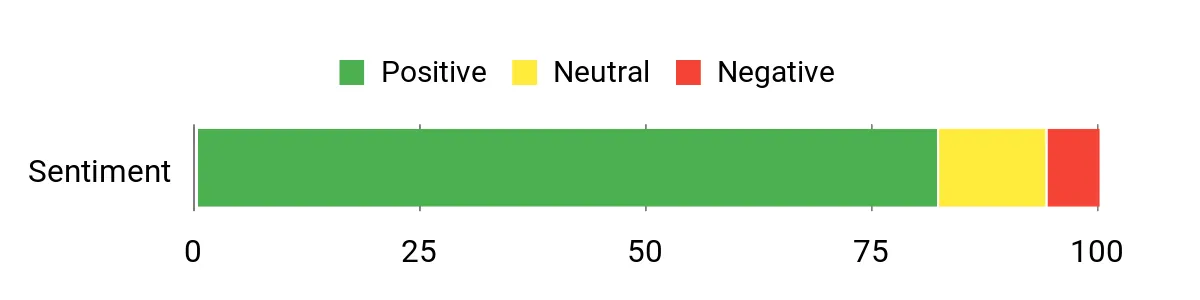
Reviewers commonly highlight the system’s power and reliability compared with lower-end turbines, noting the clear instructions and useful tip charts that speed setup. Many say it delivers professional-looking results once you learn the technique, while a few mention more thinning is needed for latex and there’s an initial learning curve.
Overall Sentiment: Positive
Situational Benefits
|
Situation |
How It Helps |
|---|---|
|
Cabinetry and furniture |
You can lay down smooth topcoats with minimal orange peel thanks to the steady turbine output and adjustable fan control. |
|
Full-vehicle panels |
Consistent pressure keeps large passes even, reducing visible overlap and improving finish uniformity across doors and fenders. |
|
Daily shop use |
Robust construction and the long hose make it convenient to move around a small shop without sacrificing performance. |
|
Skill development |
The included guidance on tips and settings helps you learn atomization and pattern control for different coatings faster. |
Problem Solving Ability
Addresses common shortcomings of budget HVLP setups by delivering stronger, steadier airflow, a pro-style gun that avoids drips, and clear guidance on tip selection so you spend less time troubleshooting and more time spraying.
Key Benefits
- Powerful 1400W two-stage turbine for consistent flow
- M-model gun with fan control and non-bleed features
- Long hose and sturdy metal turbine case for shop convenience
- Good documentation and tip guidance for different coatings
Rating: 4.7 (total: 1884+)
NEIKO Mini

You’ll appreciate how this little gun fits into tight spaces and handles detail work without fuss. It’s designed for small panels, badges, pistons and trim where a full-size gun is overkill, and the 1.0 mm tip gives good control for thin coatings and touch-ups.
Setup and cleaning are straightforward, so you can stay focused on the job instead of fighting gear. If you need a portable, no-frills sprayer for precision tasks and occasional parts work, this is a practical, easy-to-use option.
What People Say
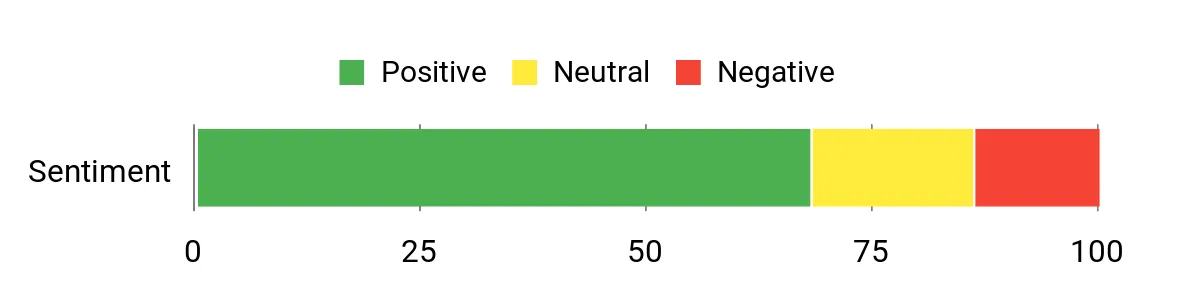
Buyers consistently highlight how well the gun handles small tasks and how comfortable it feels in the hand. Many point out that it produces even coats for badges, pistons and trim, and that it’s easy to clean. A few users note it can be less effective in cold conditions or for very high-viscosity coatings, but most see it as a dependable detail tool.
Overall Sentiment: Positive
Situational Benefits
|
Situation |
How It Helps |
|---|---|
|
Precision parts |
You can apply controlled passes to small components without overspray or heavy buildup. |
|
Touch-ups and badges |
The small fan and 1.0 mm tip let you feather edges and match surrounding panels more easily. |
|
Workshop prototyping |
Quick setup and easy cleanup keep short runs efficient so you can iterate faster. |
|
Beginner detail work |
Simple controls reduce the learning curve while still teaching you basic spray technique. |
Problem Solving Ability
Solves the need for a precise, low-maintenance sprayer for small jobs by offering tight control, easy cleaning and portability so you avoid overworking a full-size gun on tiny tasks.
Key Benefits
- Compact and lightweight for tight or detailed work
- 1.0 mm nozzle delivers precise atomization for small parts
- Simple to clean and maintain
- Good pick for hobbyists and one-off touch-ups
Rating: 4.3 (total: 744+)
FAQ
Which Spray Gun Is Right For Me
Pick the gun that matches the work you do most. If you run full panels and want turbine consistency, a two‑stage turbine system gives steady flow for repeatable finishes; if you value fast color changes and minimal teardown, a gun that uses PPS cups and replaceable nozzles will cut cleanup and cross‑contamination. For detail and touch‑ups choose a mini gravity gun, and for general DIY or occasional auto work a simple gravity‑feed pistol with straightforward controls covers most needs.
How Should I Maintain And Clean It
Make cleaning part of your routine so the gun stays reliable: flush the cup and passages immediately after each color, swap or dispose of PPS liners when used, and use the manufacturer’s cleaning tools for needles and air caps. Avoid long solvent soaks where possible, keep threads and seals lightly lubricated, replace worn needles or tips promptly, and store the gun in its case or a dry place to protect seals and the finish.
What Air Supply And Settings Do I Need
Match your supply to the system type: turbine units deliver built‑in, consistent airflow while air‑powered HVLP guns need a compressor that can sustain the required volume at the gun. Aim for about 10 PSI at the air cap for proper HVLP atomization and confirm the gun’s CFM recommendation before you buy; undersized compressors force over‑thinning and inconsistent patterns, while proper CFM lets you use the right tip size and get cleaner atomization.
Customer Preferences
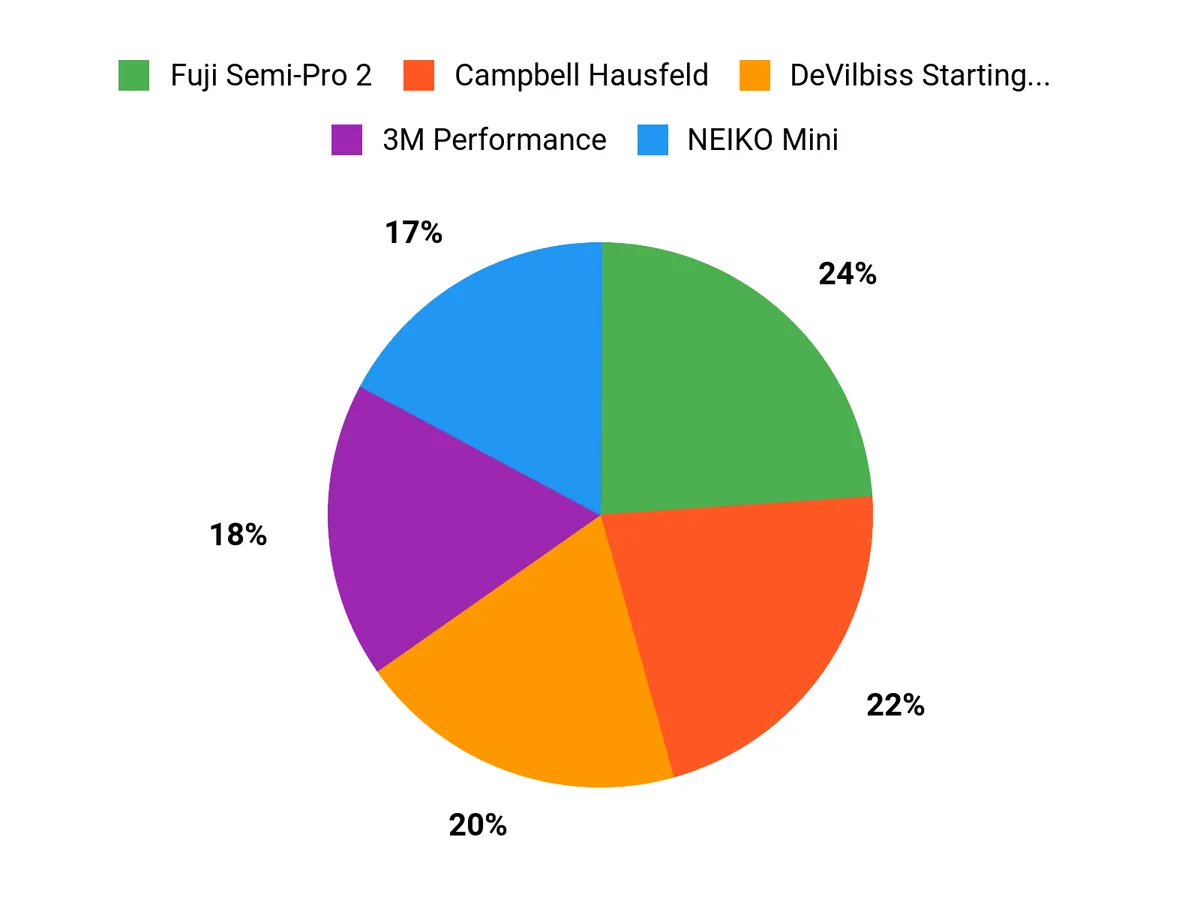
When choosing between these options you typically prioritize workflow and outcomes: you lean toward the 3M for fast color changes and minimal cleanup with its PPS cups and quick‑change nozzles, pick the DeVilbiss StartingLine when you want a dedicated priming and finishing gun set, and choose the Campbell Hausfeld for a simple, dependable gravity gun that handles routine DIY and light shop work. Ultimately you balance convenience, durability and the coatings you use to match the tool to the tasks that matter most.
Wrapping Up
If you prioritize a modern workflow with fast nozzle swaps, integrated PPS cups and a very light pistol that cuts cleanup time, the 3M Performance gun gives you efficiency without sacrificing coverage. If you want a turbine-based, pro-grade system that can run heavy schedules and deliver the smoothest, most consistent finishes for cabinetry and full-vehicle work, the Fuji Semi‑PRO 2 is the top choice. For budget-minded and occasional automotive work you get solid results from the DeVilbiss StartingLine two‑gun kit, which covers both primer and finish tasks. The Campbell Hausfeld gun is a reliable entry-level option that offers good performance for hobbyists and homeowners at a low price.
Choose the NEIKO mini when you need a compact, precise sprayer for touch-ups, small parts and detail work. Match the tool to the coatings you use and the scale of your projects and you will see faster cycles, less waste and a more professional finish.
| Product Name | Image | Rating | Tank Volume | Recommended Uses | Weight |
|---|---|---|---|---|---|
| 3M Performance Spray Gun Starter Kit |
|
4.7/5 (458 reviews) | 650 Milliliters |
|
3 Pounds |
| Campbell Hausfeld HVLP Gravity Feed Pneumatic Spray Gun |
|
4.4/5 (1,872 reviews) | 600 Milliliters |
|
8 Ounces |
| DeVilbiss StartingLine HVLP Complete Auto Painting and Priming Kit |
|
4.6/5 (839 reviews) | 600 Milliliters |
|
7 Pounds |
| Fuji Spray 2203G Semi-PRO 2 |
|
4.7/5 (1,884 reviews) | 400 Milliliters |
|
11.43 Kilograms |
| NEIKO 31207A HVLP Mini Gravity Feed Air Spray Paint Gun |
|
4.3/5 (744 reviews) | 125 Milliliters |
|
0.01 Ounces |
This Roundup is reader-supported. When you click through links we may earn a referral commission on qualifying purchases.
