This article contains affiliate links. If you buy through one of these links, we may earn a commission at no extra cost to you.
You want a driveway that stays stable, drains properly, and needs less corrective maintenance. The right geotextile can create a separation, filtration, or stabilization layer between aggregate and the subgrade, helping reduce aggregate migration and keeping the base structure more consistent.
This guide compares woven driveway fabrics, landscape-style woven underlayments, and a nonwoven drainage option so you can match fabric type, strength, roll size, and intended use to your project.
Quick Verdict
ArmorLay Driveway is the strongest fit in this roundup if your main goal is dedicated driveway stabilization and soil separation. Happybuy Driveway is convenient when you want a wide roll for full-width gravel runs, while Mutual Geotextile is useful when you need much more total coverage. Choose Super Geotextile when filtration and drainage are more important than using a woven stabilization fabric.
Top Picks
|
Category |
Product |
Best For |
|---|---|---|
|
🏆 Best Multipurpose |
Long runs and broad coverage |
|
|
💰 Best Value Coverage |
Under-gravel and landscaping projects |
|
|
🎯 Best Heavier Weed Barrier |
Gravel areas needing a heavier woven barrier |
|
|
🔰 Best Driveway-Sized Roll |
Wide driveway runs with fewer seams |
|
|
🚀 Best Dedicated Stabilization |
Driveways and construction entrances |
|
|
⭐ Best For Drainage |
Filtration, drains, and wet areas |
Selection Criteria
Driveway fabric should be chosen for its intended engineering function rather than simply by thickness or weed-blocking ability. For gravel surfaces, important factors include soil separation, survivability during installation, permeability, roll dimensions, and resistance to tearing or puncture.
Woven geotextiles are commonly useful when separation and tensile strength are priorities. Nonwoven geotextiles can be especially useful where filtration and water movement matter. The correct choice also depends on your subgrade, aggregate, drainage conditions, traffic, and the specifications supplied for the fabric.
Roll dimensions matter because fewer seams can simplify installation. We also considered whether each product is primarily designed as a stabilization fabric, a landscape-style woven barrier, or a filtration fabric so you can compare products serving different driveway-related needs without treating them as interchangeable.
Before You Buy
- Identify whether your main problem is soft soil, aggregate migration, poor drainage, weeds, or a combination of these.
- Measure the driveway width and length before choosing a roll size.
- Check the manufacturer’s intended application and published strength specifications.
- Consider your subgrade condition and the size of aggregate that will cover the fabric.
- Follow the manufacturer or project specification for seam overlap, cover depth, and installation.
Mutual Geotextile
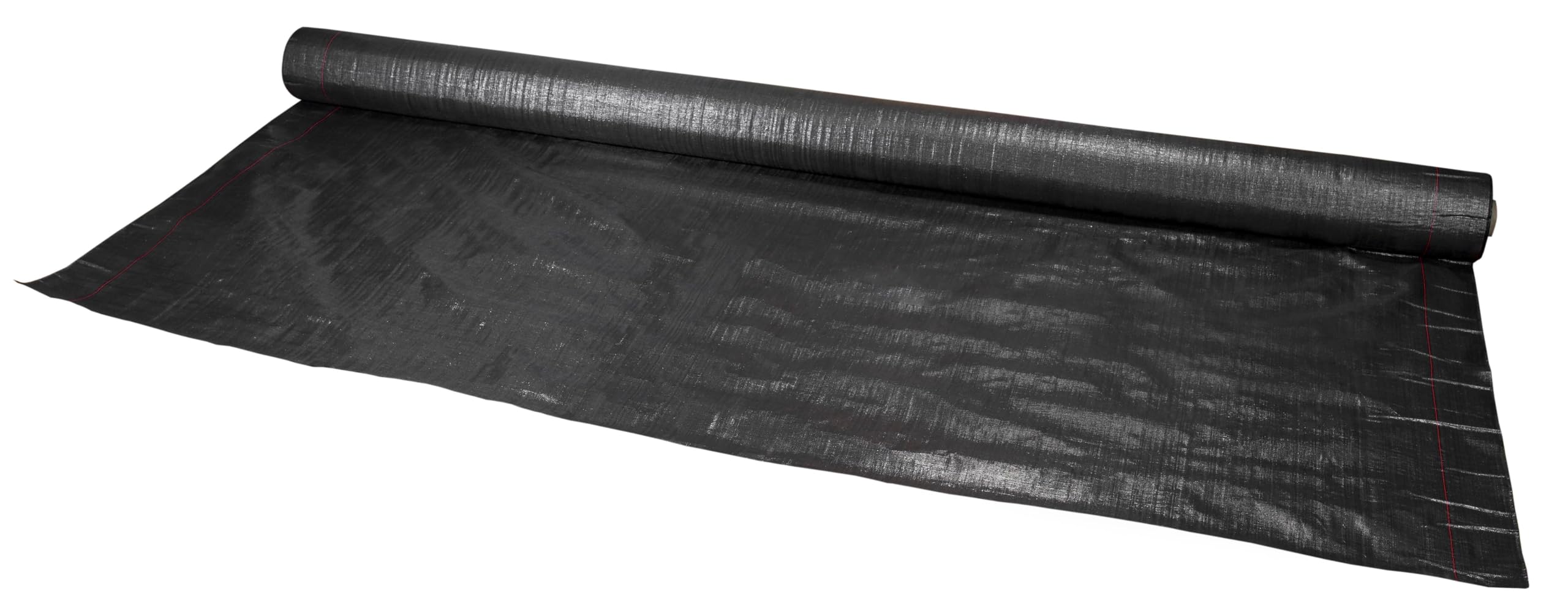
Best For: Large projects where long roll coverage and a woven separation layer are priorities.
This 6′ x 300′ woven geotextile gives you substantial coverage for gravel areas, access routes, landscaping, and soil-separation projects. Its role beneath aggregate is to help keep stone and underlying soil from mixing, which can make it useful where maintaining a more consistent gravel base is important.
The long roll is especially practical when you want to minimize the number of joints across a larger project. It can be cut to fit around edges and obstacles, but installation should still match the subgrade, aggregate, and project requirements.
What People Say
Common buyer-feedback themes include appreciation for the large amount of coverage and the material’s durability during installation. Some users also report using it successfully under gravel and in landscaping projects. As with any marketplace feedback, review themes can change over time and should not replace the current product specifications.
Durability
The woven polyethylene construction is intended to provide useful tensile, tear, and puncture resistance during installation and while covered. For the best service life, avoid leaving geotextile unnecessarily exposed and protect it from sharp objects during placement.
Use Cases
This fabric is intended for outdoor soil separation and stabilization applications. Potential uses include beneath gravel, road or pavement-related groundwork, landscaping, erosion-control projects, and other applications where a woven geotextile separation layer is appropriate.
Key Benefits
- Large 6′ x 300′ coverage can reduce the number of seams
- Woven construction supports soil and aggregate separation
- Useful where long continuous runs are needed
- Suitable for multiple outdoor ground-stabilization applications
- Can be cut to fit around project boundaries and obstacles
Happybuy Woven

Best For: Broad under-gravel coverage when weed suppression and basic soil separation are more important than choosing a dedicated high-load stabilization fabric.
This 6′ x 300′ woven landscape fabric offers broad coverage for gravel, garden, and landscaping projects. It can help separate surface material from soil while also reducing the amount of light reaching weeds below the covered area.
Its large roll size makes it convenient for projects where minimizing seams is useful. For demanding driveways, however, compare its published strength and intended use with the requirements of your subgrade and traffic before treating it as a substitute for dedicated roadway geotextile.
What People Say
Common feedback themes include the large amount of coverage, straightforward cutting, and usefulness under gravel or landscaping material. Some buyers also mention handling issues associated with large folded or rolled fabric. Treat feedback as a directional reference and check current listing details before purchase.
Durability
The woven construction is intended to resist ordinary tearing and abrasion during landscape and under-gravel installation. Avoid concentrated sharp loads and cover the material according to the product instructions for better long-term protection.
Use Cases
This fabric is useful for outdoor weed suppression, under-gravel separation, landscaping, pathways, garden beds, and similar ground-cover projects. For heavily trafficked or weak-subgrade driveways, compare it carefully with geotextiles specifically engineered for stabilization.
Key Benefits
- Generous 6′ x 300′ coverage reduces the number of joints
- Woven construction combines ground coverage with permeability
- Useful beneath gravel and in landscaping projects
- Cuts easily for fitting around boundaries and fixtures
- A practical option when broad coverage is a major priority
FLARMOR 5oz

Best For: Buyers who want a heavier woven landscape barrier beneath gravel, paths, or similar covered surfaces.
This 6′ x 250′ 5 oz woven fabric is aimed at projects where you want a heavier underlayment than many lighter landscape rolls. It can be used beneath stone, landscaping material, pathways, and similar areas where drainage and weed suppression matter.
The heavier construction can be useful during installation, but it should still be selected according to the demands of your particular driveway rather than assuming fabric weight alone determines structural performance.
What People Say
Buyer-feedback themes commonly emphasize the material’s substantial feel, weed suppression, and use under stone or mulch. Some reports also reinforce the importance of securing and covering landscape fabric instead of leaving it exposed. Review experiences vary, so use the current specifications as the main buying reference.
Durability
The 5 oz woven construction provides a relatively substantial barrier for covered landscaping and under-gravel applications. Prompt covering and careful installation help reduce damage from wind, sunlight, sharp aggregate, and exposed cut edges.
Use Cases
This product is intended for outdoor landscape and ground-cover applications such as gravel areas, pathways, garden beds, and weed-control projects. It may also suit driveway-related installations where its specifications match the project requirements.
Key Benefits
- 5 oz woven construction provides a substantial ground-cover layer
- 6′ x 250′ roll offers useful coverage for larger projects
- Useful beneath gravel and other covered landscaping surfaces
- Combines weed suppression with water permeability
Happybuy Driveway

Best For: Driveway projects where a wide roll can cover much of the lane in a single run.
This 13′ x 60′ woven driveway fabric is designed around the dimensions of driveway and ground-stabilization projects. The 13-foot width can reduce longitudinal seams compared with narrower landscape rolls, which can make installation simpler on appropriately sized areas.
Used beneath gravel or similar aggregate, its purpose is to help separate the stone from the underlying soil while allowing water movement through the fabric. The final driveway performance still depends on subgrade preparation, aggregate selection, drainage, and proper installation.
What People Say
Common buyer-feedback themes include appreciation for the wide roll, substantial woven construction, and convenience beneath gravel. Large rolls can be less convenient to move or unfold, so planning the layout before installation is worthwhile.
Durability
The 5 oz woven polypropylene construction is intended for demanding outdoor ground-cover and driveway applications. Keep the fabric protected by the specified aggregate cover and avoid dragging sharp stone or equipment directly across exposed material unnecessarily.
Use Cases
This fabric is intended for outdoor projects including gravel driveways, pathways, landscaping, and ground stabilization where a wide permeable woven underlayment is appropriate.
Key Benefits
- 13′ width can cover many driveway runs with fewer seams
- 5 oz woven polypropylene construction
- Designed for driveway and ground-stabilization applications
- Helps separate aggregate from underlying soil
- Permeable construction supports water movement through the layer
ArmorLay Driveway

Best For: Buyers who specifically want a woven stabilization fabric designed for driveways, construction entrances, and soil separation.
This 12.5′ x 60′ ArmorLay roll is purpose-built as a woven stabilization fabric. Installed beneath crushed stone or similar aggregate, it is intended to separate soil from the aggregate layer and improve ground stability.
The wide format makes it practical for drive lanes, temporary entrances, patios, and related ground-stabilization projects. It is the most directly driveway-focused stabilization product in this roundup, making it a strong starting point when that is your primary buying intent.
What People Say
Buyer feedback commonly focuses on its substantial construction and usefulness beneath aggregate on demanding ground projects. As with other oversized geotextile rolls, handling and positioning may be easier with more than one person.
Durability
ArmorLay is designed as a heavy-duty woven stabilization textile for covered ground applications. Its effectiveness depends on correct subgrade preparation, aggregate placement, drainage, and protecting the fabric against installation damage.
Use Cases
Use it for outdoor ground stabilization and separation beneath driveways, temporary construction entrances, pathways, stone pavers, rock, and related applications where its specifications suit the project.
Key Benefits
- Designed specifically as woven ground-stabilization fabric
- 12.5′ width suits many driveway and access-lane projects
- Helps maintain separation between aggregate and soil
- Suitable for driveways, construction entrances, and related groundwork
- Permeable construction supports drainage through the fabric layer
Super Geotextile

Best For: Filtration, French drains, drainage trenches, and driveway projects where controlling soil fines and water movement is the main concern.
If filtration and drainage are your priority, this 8 oz nonwoven geotextile serves a different role from the woven stabilization fabrics above. Its needle-punched, felt-like construction is intended to allow water to pass while helping retain soil particles.
The material conforms around trenches, pipes, basins, and irregular surfaces, which makes it particularly useful for French drains and drainage features near a driveway. Do not choose it solely because it is thicker; select it when its filtration characteristics suit your soil and drainage design.
What People Say
Common feedback themes include appreciation for the fabric’s thickness, filtration role, and ability to conform around trenches, pipes, and irregular surfaces. Larger or heavier rolls can be more cumbersome to move, so installation planning is useful.
Durability
The 8 oz nonwoven construction is intended for buried filtration and underlayment applications. Correct soil compatibility, sufficient overlap, protection from installation damage, and proper covering are important for long-term performance.
Use Cases
Use it for French drains, drainage basins, retaining-wall drainage, erosion-control work, landscaping, and other filtration or underlayment applications. For driveway stabilization alone, compare it with a woven product specifically intended for soil separation and load-distribution applications.
Key Benefits
- Nonwoven construction is well suited to filtration applications
- 8 oz material conforms around trenches and irregular shapes
- Useful for French drains and drainage features
- Helps separate soil fines from drainage aggregate
- Available for multiple landscaping and construction applications
FAQ
Woven Vs Nonwoven
Woven and nonwoven geotextiles can both be useful in driveway-related projects, but they typically emphasize different properties. Woven fabric is often chosen when tensile strength, soil separation, and stabilization are priorities. Nonwoven fabric is commonly useful where filtration and drainage are particularly important.
The correct choice depends on the subgrade soil, aggregate, drainage requirements, traffic, and the engineering specifications of the fabric. Do not assume that every woven landscape fabric is automatically suitable for a heavily trafficked driveway or that nonwoven fabric is only useful for drains.
Installation
Remove vegetation, roots, sharp debris, and unsuitable loose material before laying the fabric. Grade and prepare the subgrade according to the needs of the driveway, then roll out the geotextile without unnecessary wrinkles or damage.
Overlap adjoining sections according to the fabric manufacturer or project specification rather than relying on one universal overlap measurement. Secure the material as needed for installation and place the specified aggregate cover carefully so equipment and sharp stone do not unnecessarily damage exposed fabric.
Pro Tip
Geotextile cannot compensate for every drainage or subgrade problem. If the driveway has persistent standing water, very soft soil, major rutting, or unusually heavy loads, the full base and drainage design may need attention rather than simply adding fabric.
Weed Control & Longevity
Fabric beneath gravel may reduce some weed growth by separating the soil and limiting direct access to the underlying ground, but weed suppression should be treated as a secondary benefit on a driveway. Windblown seeds can still germinate in sediment that collects above the fabric.
For better longevity, install the fabric on a properly prepared surface, avoid unnecessary punctures, cover it as directed, and repair damaged areas before completing the aggregate layer.
Is Thicker Fabric Always Better?
No. Fabric weight alone does not tell you whether a product is right for your driveway. Tensile properties, puncture resistance, permeability, apparent opening size, subgrade compatibility, and the product’s intended application can all matter. A heavier filtration fabric and a woven stabilization fabric may be designed to solve different problems.
Should Driveway Fabric Replace Proper Base Preparation?
No. A geotextile is one component of the driveway system. Proper grading, drainage, aggregate selection, compaction, and suitable base depth still matter. Fabric works best when it is selected and installed as part of the overall driveway structure.
Customer Preferences
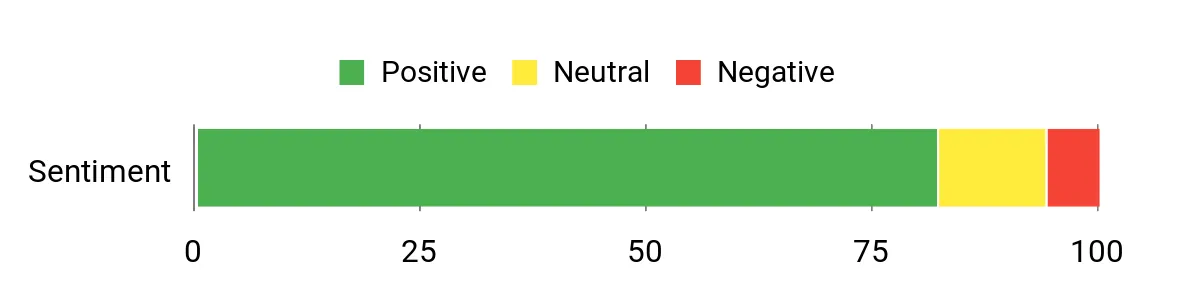
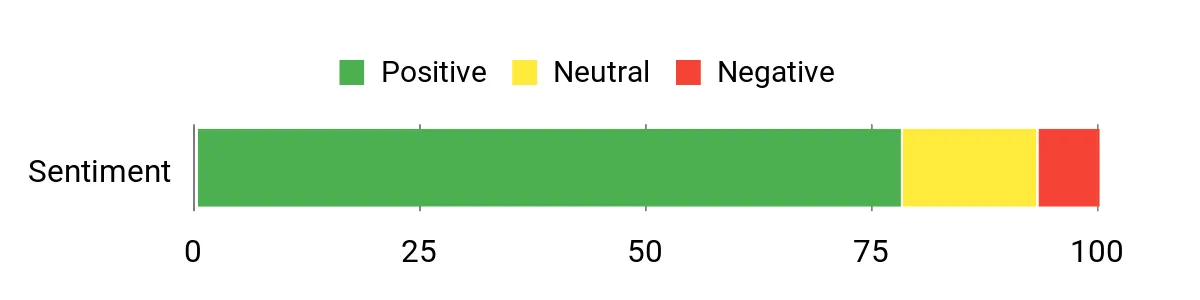
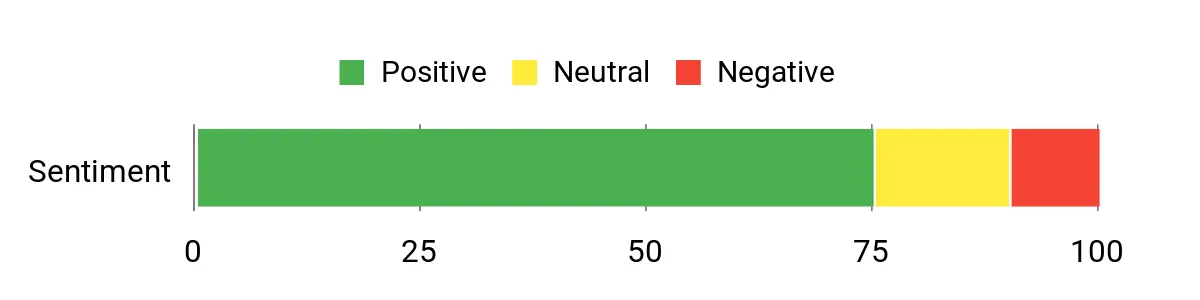
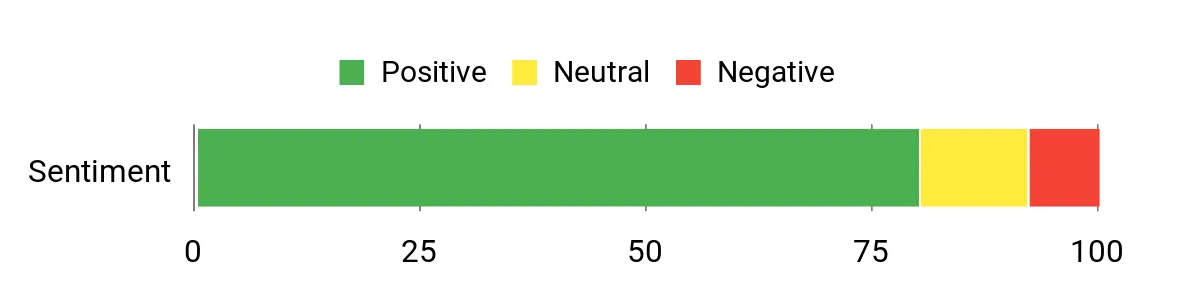
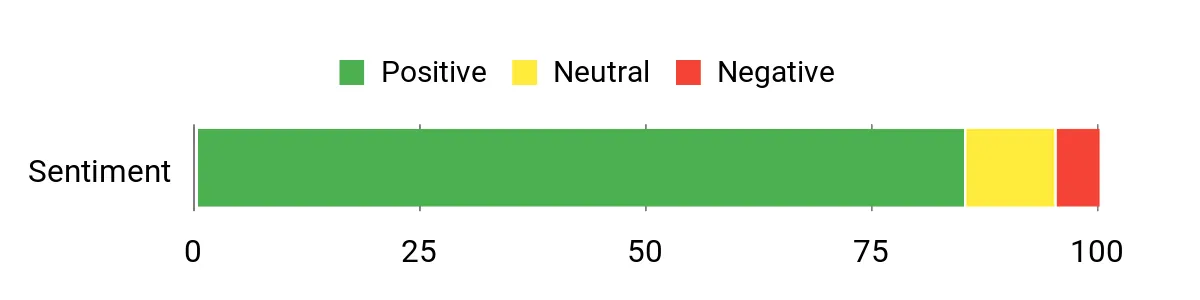
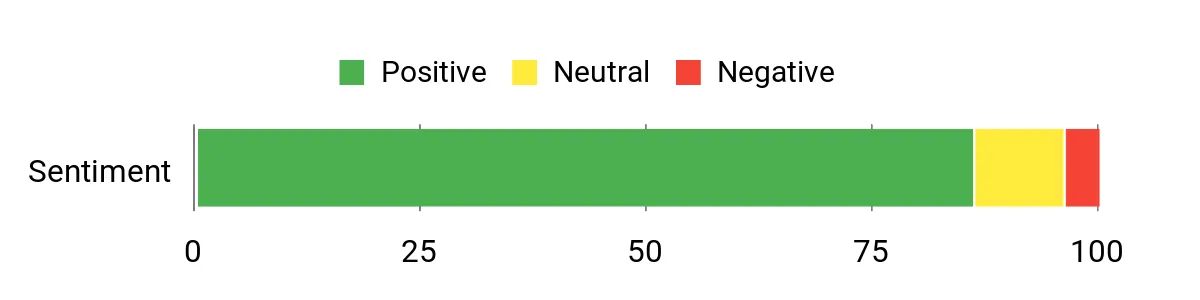
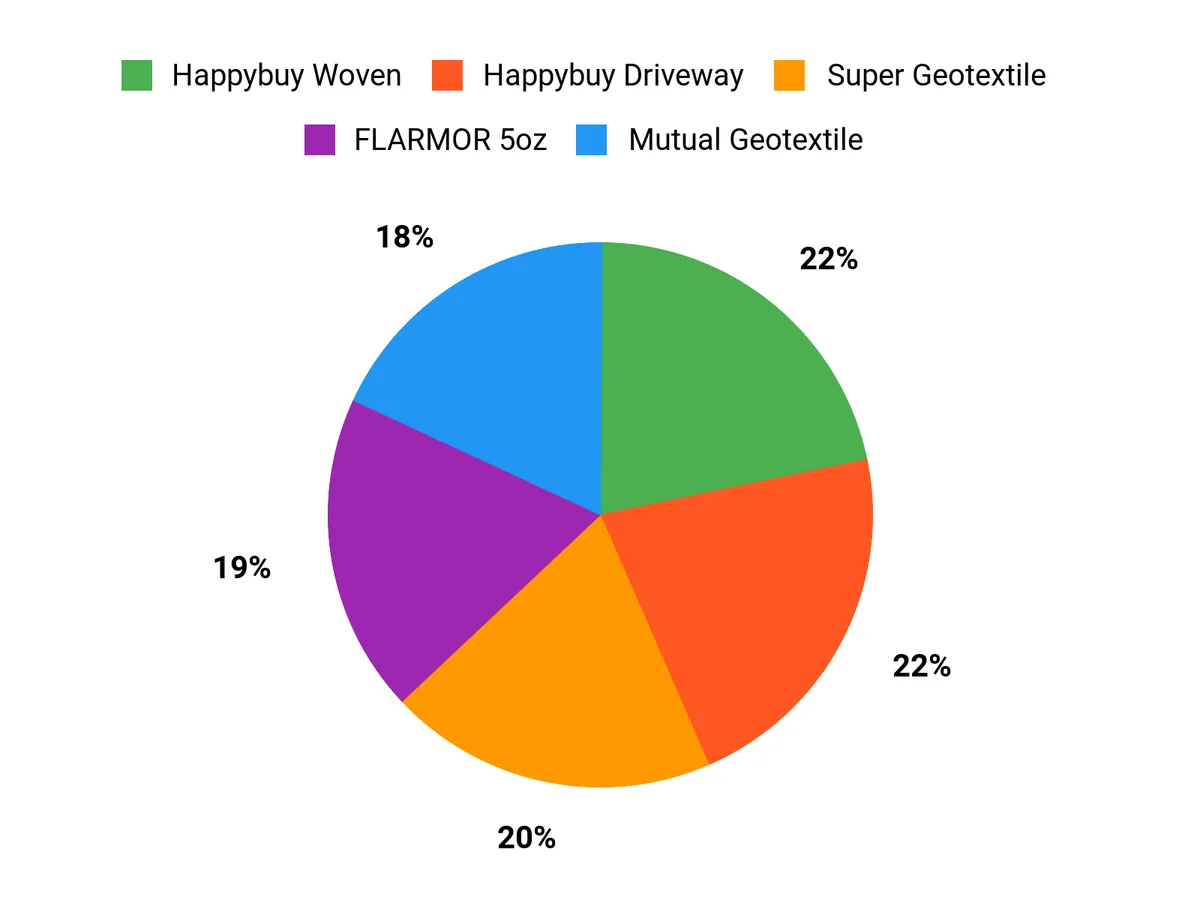
If you want a large woven roll for long runs, Mutual Geotextile gives you broad coverage. Happybuy Woven and FLARMOR are more landscape-oriented options that can make sense beneath gravel when their specifications fit the project. Happybuy Driveway is attractive when you want a wide 13-foot roll, while ArmorLay is the most directly stabilization-focused choice in this group. Choose Super Geotextile when filtration and drainage are the primary reasons for adding geotextile.
The chart below reflects a buyer-preference analysis and should be treated as a directional comparison rather than current marketplace data.
Wrapping Up
Select driveway fabric by the problem you need to solve rather than simply buying the thickest or cheapest roll. If your priority is a purpose-built woven stabilization layer for a gravel driveway or access route, ArmorLay Driveway is the strongest overall match in this roundup.
If you want a wide roll that can reduce seams across a typical driveway run, Happybuy Driveway is a practical alternative. Mutual Geotextile stands out when you need substantially more total coverage, while Happybuy Woven and FLARMOR can suit under-gravel or landscaping-oriented projects where their specifications meet the demands of the site.
Choose Super Geotextile when filtration and drainage are the priority. Whatever fabric you select, correct subgrade preparation, drainage, aggregate placement, and installation are essential parts of a durable gravel driveway.
| Product Name | Image | Best For | Dimensions | Fabric Type | Main Role |
|---|---|---|---|---|---|
| Mutual WF 200 Woven Geotextile Fabric 6’x300′ |
|
Large projects and long runs | 6′ x 300′ | Woven polyethylene | Separation and stabilization |
| Happybuy 6FTx300FT Premium Weed Barrier Landscape Fabric |
|
Broad under-gravel coverage | 6′ x 300′ | Woven fabric | Ground cover and separation |
| FLARMOR Woven Landscape Fabric – 6Ft x 250Ft |
|
Heavier landscape underlayment | 6′ x 250′ | 5 oz woven fabric | Weed control and under-gravel separation |
| Happybuy Driveway Fabric, 13x60ft |
|
Wide driveway runs | 13′ x 60′ | 5 oz woven polypropylene | Driveway separation and stabilization |
| ArmorLay Commercial Grade Driveway Fabric (12.5′ x 60′) |
|
Dedicated driveway stabilization | 12.5′ x 60′ | Woven stabilization textile | Separation and ground stabilization |
| Super Geotextile 4, 6, 8 oz Non Woven Fabric – 8 oz (4X50) |
|
Drainage and filtration | 4′ x 50′ | 8 oz nonwoven fabric | Filtration and soil retention |
This roundup is reader-supported. When you click through affiliate links, we may earn a referral commission on qualifying purchases at no extra cost to you.