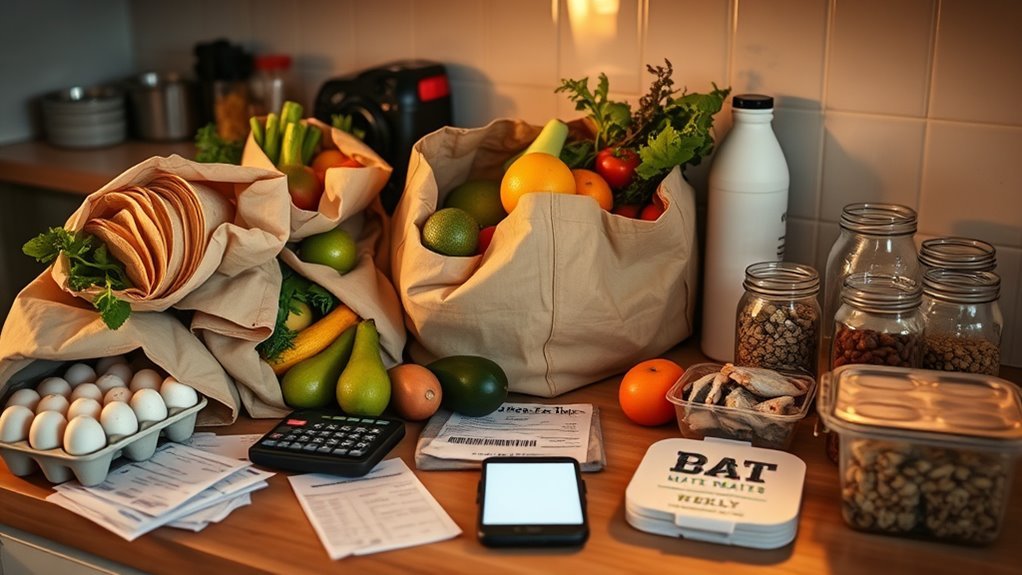
Grocery costs in San Diego depend on your household size, ages, diet, shopping habits, and how many meals you prepare at home. A useful budget starts with a current benchmark, then adjusts for your real receipts. For 2026, one adult can use about $375 a month as a local starting point, while a two-adult, two-child household may need roughly $1,095 a month.
Quick Answer
A realistic San Diego grocery budget is about $375 per month for one adult and about $1,095 for two adults with two children, based on MIT’s 2026 local estimates. Your total may be lower or higher depending on age, dietary needs, waste, store choice, and how often you eat away from home.
Key Takeaways
- Use about $374 per month for one adult as a San Diego County baseline, then compare it with your last four weeks of receipts.
- A reference family of four needs about $1,018 per month on the USDA Thrifty Food Plan, while MIT’s San Diego estimate is about $1,094.
- Convert monthly costs to weekly targets by dividing by 4.33, not four.
- Meal planning, unit-price comparisons, planned leftovers, and careful bulk buying reduce waste without requiring an extreme diet.
- Keep groceries separate from restaurant meals, alcohol, supplements, toiletries, pet food, and household supplies so your budget remains useful.
At a Glance
| Time Required | 30–45 minutes to set up; 10 minutes weekly |
| Difficulty | Easy |
| Tools Needed | Recent receipts, calculator or budgeting app, meal calendar, grocery list |
| Cost | About $374 monthly for one adult or $1,094 for two adults with two children as local starting points |
What Groceries Cost in San Diego
The strongest local benchmark is the MIT Living Wage Calculator for San Diego County. Its February 2026 estimate assigns $4,487 a year to food for one adult with no children, which equals about $374 per month. For two adults and two children, it assigns $13,131 a year, or about $1,094 per month.
The USDA monthly food plans provide a second benchmark. In May 2026, the USDA Thrifty Food Plan placed a reference family of four at $235 per week or $1,018.20 per month. These plans assume that meals and snacks are prepared at home, so restaurant spending is not included.
Current evidence supports a family-of-four grocery target near $1,000 per month, not the article’s former $600 to $820 estimate.
San Diego grocery prices continue to change. The Bureau of Labor Statistics reported that food-at-home prices in the San Diego area rose 1.6% during the 12 months ending in May 2026. That figure measures price change over time; it does not prove that local groceries are a fixed percentage above the national average.
Monthly Grocery Budget by Household
Use the following MIT estimates as local starting points. They are basic-needs estimates, not a guarantee of what every household will spend.
| Household | Monthly Starting Point | Weekly Target |
|---|---|---|
| One adult | About $374 | About $86 |
| One adult and one child | About $549 | About $127 |
| One adult and two children | About $822 | About $190 |
| Two adults | About $685 | About $158 |
| Two adults and one child | About $851 | About $197 |
| Two adults and two children | About $1,094 | About $253 |
Note: Grocery budgets should exclude takeout, restaurant meals, alcohol, vitamins, protein powders, toiletries, cleaning supplies, paper products, and pet food. Track those in separate categories.
Set Your Monthly Grocery Budget
Start with a local or USDA benchmark, but do not stop there. Your best budget reflects what your household actually eats, what stores you can reach, and how much food you already have.
Weekly Spending Limit
Divide your monthly target by 4.33 to create a realistic weekly limit. A month averages more than four weeks, so simply multiplying a weekly cap by four understates annual spending.
- $374 per month becomes about $86 per week.
- $685 per month becomes about $158 per week.
- $1,094 per month becomes about $253 per week.
Track your total over a full month rather than treating each week as an isolated test. A pantry restock may make one week expensive, while the next week should be lighter.
Family Size and Needs
Family size matters, but age, appetite, pregnancy, allergies, medical diets, athletic training, school meals, and work schedules also change the total. USDA food-plan amounts are listed by age and sex and include household-size adjustments because smaller households usually spend more per person.
Review your last four weeks of grocery receipts. Remove nonfood items, calculate your true food total, and compare it with the benchmark. If your spending is higher, identify the cause before cutting the budget. Higher spending may reflect reasonable needs rather than waste.
Build a Category Budget
Instead of assigning every dollar to one weekly number, divide the budget into flexible categories. A balanced starting allocation might look like this:
- 30% proteins: meat, fish, eggs, tofu, beans, and lentils
- 25% produce: fresh, frozen, and canned fruits and vegetables
- 20% grains and starches: rice, oats, bread, pasta, tortillas, and potatoes
- 15% dairy or alternatives: milk, yogurt, cheese, and fortified substitutes
- 10% pantry items and extras: oils, spices, sauces, snacks, and baking supplies
These percentages are not official nutrition rules. Adjust them to your diet and current prices, but keep enough flexibility to buy sale items without losing control of the total.
Pro Tip: Keep a small rollover fund for olive oil, spices, rice, frozen protein, or other items that last longer than one week. This is more accurate than forcing every trip under the same cap.
Plan a Week of San Diego Meals
A weekly meal map gives every purchase a job. Start with food already in your refrigerator, freezer, and pantry, then add only what you need for meals you will actually prepare.
Weekly Meal Map
Plan five to seven dinners and leave one flexible night for leftovers, a freezer meal, or a schedule change. Put delicate produce, fresh fish, and opened dairy early in the week. Use frozen vegetables, canned beans, pasta, rice, and other shelf-stable foods later.
The USDA MyPlate meal-planning guidance recommends checking what you already have, writing down meals, planning leftovers, and mixing fresh, frozen, and shelf-stable foods.
Shop Your Staples
Before you make a list, inventory your pantry, refrigerator, and freezer. Group what you find into three lists:
- Use first: produce, dairy, cooked leftovers, and opened packages nearing their quality date
- Build around: proteins, grains, canned goods, sauces, and frozen foods that can anchor meals
- Restock later: low-priority items that are not needed for this week’s plan
This prevents duplicate purchases and turns forgotten food into planned meals.
Budget-Friendly Dinner Ideas
Choose meals that share ingredients so a package is fully used. A practical seven-night plan could include:
- Bean and vegetable tacos with cabbage slaw
- Chicken and rice bowls with frozen vegetables
- Lentil pasta sauce with salad or roasted vegetables
- Sheet-pan chicken or tofu with potatoes and carrots
- Egg fried rice using leftover rice and vegetables
- Black bean soup with tortillas or toast
- Leftover night or a planned freezer meal
Use ingredient swaps when prices change. Replace chicken with beans or tofu, fresh berries with frozen fruit, and out-of-season vegetables with lower-cost seasonal or frozen options.
Sample One-Week Shopping List
This basic list supports several of the meals above and can be adjusted to household size:
- Rice, oats, pasta, tortillas, and bread
- Dry or canned beans and lentils
- Eggs plus chicken, tofu, or another preferred protein
- Potatoes, onions, carrots, cabbage, and seasonal fruit
- Frozen mixed vegetables and frozen fruit
- Milk or a fortified alternative, yogurt, and cheese if used
- Canned tomatoes, broth, oil, salsa, and basic seasonings
Price the list in your preferred stores before shopping. Remove items already on hand and postpone nonessential extras if the total exceeds the weekly target.
Shop Smarter at San Diego Stores
Store choice matters, but no single store wins on every item. Compare unit prices, not package prices, and use weekly ads or store apps before leaving home. Shopping with a list and a meal plan gives you more control than chasing every promotion.
| Store Choice | Best Use | Main Risk |
|---|---|---|
| Local or ethnic market | Produce, herbs, spices, rice, beans, and specialty ingredients | Prices vary by item and week |
| Supermarket | Weekly sale items, loyalty discounts, and broad selection | Regular prices may be higher than sale prices elsewhere |
| Warehouse club | Frequently used shelf-stable or freezable staples | Large packages, membership cost, and waste |
| Discount grocer | Store brands and basic pantry items | Limited or changing selection |
Check the shelf label for price per ounce, pound, or count. A larger package is not automatically cheaper, and a lower unit price does not save money if part of the food is discarded.
Save More With Coupons and Bulk Buys
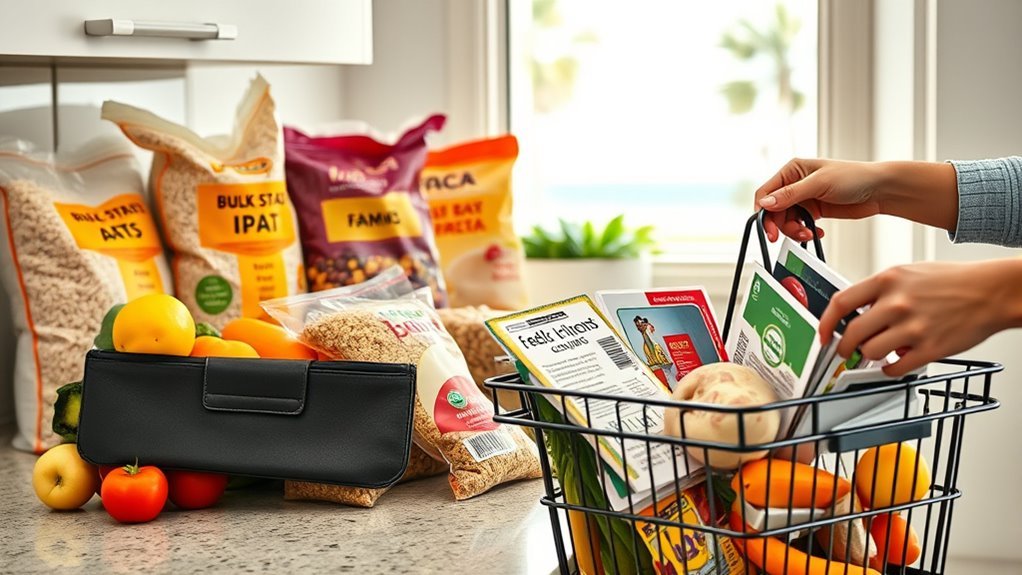
Coupons work best when they reduce the price of something already on your list. A discount on an unplanned product is still extra spending. Check store loyalty offers, manufacturer coupons, and weekly promotions, but compare the final unit price with a store brand or competing product.
Bulk-Buy Checklist
Before buying a large package, ask four questions:
- Is the unit price actually lower?
- Will the household use all of it before quality drops?
- Do you have pantry, refrigerator, or freezer space?
- Will the purchase force you over the monthly budget?
The U.S. Environmental Protection Agency notes that large-quantity deals save money only when the food is used before it spoils.
Warning: Do not use “buy one, get one free,” warehouse sizes, or coupons as proof of savings. Calculate the unit price and expected amount used first.
Avoid Food Waste and Overspending
Checking your pantry and refrigerator before shopping is one of the fastest ways to prevent duplicate purchases. Make a short “use first” list and build meals around food that is already open, ripe, thawed, or nearing its quality date.
Plan meals around food that needs to be used first; this protects both the food and the budget.
Keep shelf-stable backups such as beans, tomatoes, tuna, rice, pasta, and frozen vegetables for nights when plans change. Store leftovers in clear containers, label them with the date, and schedule a leftover meal before they are forgotten.
Track waste for two weeks. Write down what you throw away and why. Common causes include buying too much produce, cooking oversized portions, forgetting leftovers, and purchasing an ingredient for only one recipe. Use that list to change quantities on the next shopping trip.
What to Do When You Go Over Budget
One expensive week does not mean the plan failed. Check whether the overage came from a pantry restock, celebration, guests, price increase, or impulse buying. Then use the right fix:
- Pantry restock: spread future restocks across several weeks.
- Too much waste: buy smaller quantities and schedule leftovers.
- Impulse purchases: shop from a list, avoid shopping hungry, and use pickup if it helps.
- Dietary needs: raise the budget instead of cutting essential foods.
- Prices changed: update the target using recent receipts rather than an old number.
When the Budget Is Not Enough
If cutting waste and changing stores still do not provide enough food, seek support rather than relying on an unsafe budget. San Diego County residents can review CalFresh application options, including online, phone, mail, fax, and in-person routes. You can also call 2-1-1 for local food-assistance referrals.
Frequently Asked Questions
What is the 5-4-3-2-1 grocery rule?
It is an informal shopping-list method, not an official USDA standard. One common version suggests choosing five vegetables, four fruits, three proteins, two sauces or spreads, and one grain, but versions differ. Use it only as a planning shortcut and adjust the categories for nutrition, household size, and foods already at home.
How much should one person spend on groceries in San Diego?
About $374 per month is a useful 2026 local baseline for one adult, based on MIT’s San Diego County estimate. Your amount may be higher with special diets, more convenience foods, or frequent hosting, and lower when you receive meals elsewhere or use food assistance.
What is the 3-3-3 rule for groceries?
The phrase has no single official grocery-budget definition. Some people use it to choose three proteins, three starches, and three vegetables, while others use different categories. Treat it as an optional list-building framework, not a nutrition rule or a reliable way to calculate a monthly budget.
Can one person live on $200 a month for food?
Some people may manage temporarily with extensive cooking, low-cost staples, outside meals, or assistance, but $200 is below current mainstream benchmarks for one adult. It may be unrealistic or nutritionally restrictive for many San Diego residents. Start with your needs and receipts rather than forcing an arbitrary limit.
Does a grocery budget include eating out?
No. Keep restaurant meals, delivery, coffee shops, and takeout in a separate dining-out category. USDA food plans assume meals and snacks are prepared at home, so mixing the two categories makes comparisons inaccurate.
How often should I update my grocery budget?
Review it monthly for the first three months, then at least every three to six months. Update it sooner after a household change, new dietary need, major price shift, or repeated overspending.
Conclusion
A workable San Diego grocery budget begins with a credible number and improves through tracking. Start near $374 per month for one adult or $1,094 for two adults with two children, then adjust for your household’s actual needs. Plan meals, compare unit prices, use perishables first, and buy bulk only when the food will be used. Small habits matter, but the budget must still provide enough food.
Sources
- MIT Living Wage Calculator: San Diego County — local 2026 annual food-cost estimates by household type
- USDA Food Plans: Monthly Cost of Food Reports — thrifty, low-cost, moderate-cost, and liberal food benchmarks
- U.S. Bureau of Labor Statistics: San Diego Consumer Price Index — current local food-at-home inflation
- USDA MyPlate: Make a Plan — meal planning, shopping lists, leftovers, and pantry checks
- U.S. EPA: Preventing Wasted Food at Home — food-waste prevention and bulk-buy guidance
- County of San Diego: How to Apply for CalFresh — local food-assistance application options