
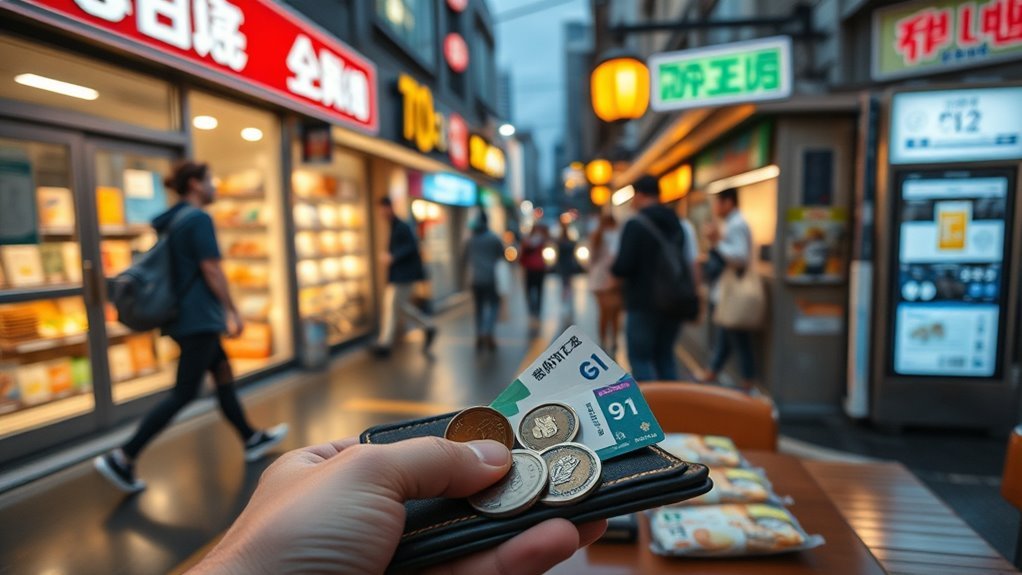
Osaka can be manageable on a moderate budget in 2026, but your total depends mostly on rent, household size, and how often you eat out. A single adult can plan around ¥120,000 to ¥295,000 per month, while a couple may need roughly ¥240,000 to ¥415,000. These are planning ranges rather than official Osaka averages.
Quick Answer
A single adult may spend about ¥120,000 to ¥295,000 per month living in Osaka in 2026, including rent. A couple may need ¥240,000 to ¥415,000. Lower-cost apartments, home-cooked meals, and careful transit use keep costs down, while central rent, frequent dining, taxes, and family expenses raise the total.
Key Takeaways
- A compact Osaka rental may cost about ¥53,000 to ¥78,000, while larger or centrally located 1LDK units can exceed ¥100,000.
- Japan’s official 2025 average of ¥314,001 applies to households with two or more people nationwide, not specifically to Osaka or two-person households.
- Osaka Metro adult fares currently run from ¥190 to ¥390, and one-month commuter passes generally start above ¥12,000.
- Moving fees, insurance, taxes, pension contributions, healthcare, childcare, and tuition may sit outside a basic household budget.
Osaka Cost of Living in 2026
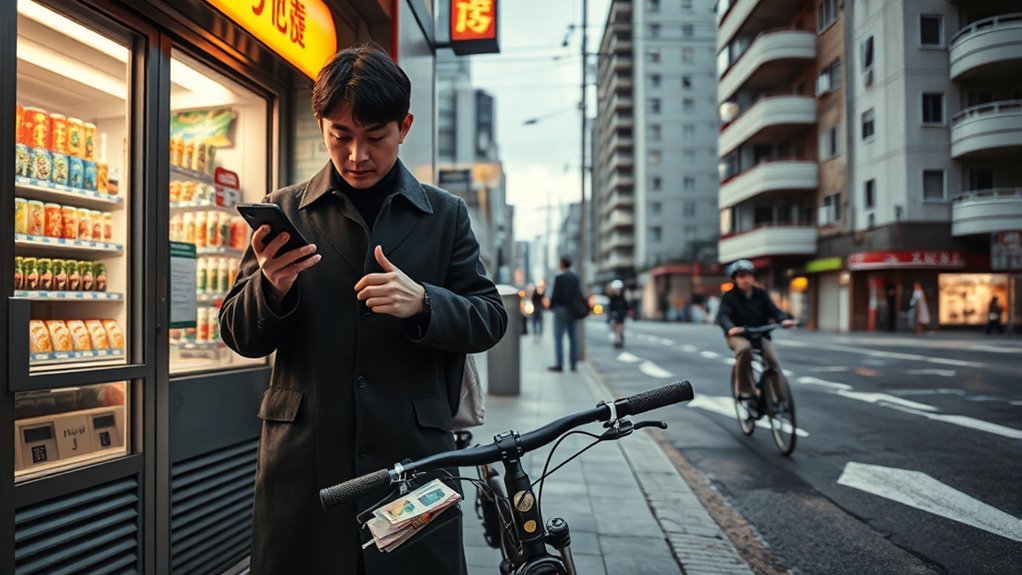
Osaka’s cost of living depends more on your housing and lifestyle than on a single citywide average. A person renting a compact apartment outside the most expensive central areas may keep costs relatively low. A larger apartment near Umeda, Namba, Honmachi, or another major station can push the budget much higher.
The Statistics Bureau of Japan reported that households with two or more people spent an average of ¥314,001 per month in 2025. That is a nationwide household benchmark released in February 2026. It is not an Osaka-specific figure and does not represent rent-paying couples alone.
Note: The following Osaka budgets are practical planning ranges based on current rental listings, official transport prices, national household data, and common living expenses. Your actual spending may fall outside these ranges.
Sample Monthly Osaka Budgets
| Expense | Lean Single Adult | Comfortable Single Adult | Couple |
|---|---|---|---|
| Rent | ¥55,000–¥75,000 | ¥80,000–¥120,000 | ¥95,000–¥160,000 |
| Electricity, gas, and water | ¥10,000–¥18,000 | ¥12,000–¥22,000 | ¥18,000–¥30,000 |
| Internet and mobile service | ¥5,000–¥10,000 | ¥7,000–¥12,000 | ¥10,000–¥18,000 |
| Food | ¥30,000–¥45,000 | ¥45,000–¥70,000 | ¥65,000–¥100,000 |
| Transport | ¥5,000–¥10,000 | ¥8,000–¥16,000 | ¥12,000–¥28,000 |
| Household items, healthcare, and leisure | ¥15,000–¥30,000 | ¥30,000–¥55,000 | ¥40,000–¥80,000 |
| Estimated total | ¥120,000–¥190,000 | ¥180,000–¥295,000 | ¥240,000–¥415,000 |
Rent is usually the largest adjustable expense in Osaka. Moving one or two stations away from a major commercial district can make a larger difference than trimming a few small daily purchases.
Osaka Rent and Housing Costs
Housing is usually the biggest part of your monthly Osaka budget. Japanese listings commonly use labels such as 1K, which means one room with a separate kitchen area; 1DK, which adds a dining-kitchen space; and 1LDK, which includes a separate living, dining, and kitchen area.
Current SUUMO Osaka rental data shows that prices vary substantially by ward and layout. Compact 1K or 1DK apartments may fall around ¥53,000 to ¥78,000 in the referenced areas. A 1LDK may range from roughly ¥67,000 in lower-cost districts to about ¥138,000 in Osaka City’s Chuo Ward.
| Housing Type | Planning Range | Best Fit |
|---|---|---|
| Room in shared housing or older compact unit | ¥40,000–¥65,000 | Students and lean single-person budgets |
| 1K or 1DK apartment | ¥53,000–¥78,000 | One adult who needs a private apartment |
| 1LDK apartment | ¥67,000–¥138,000 | One adult wanting more space or a couple |
| 2LDK or larger home | ¥90,000–¥215,000+ | Couples, families, and home workers |
Station distance, construction age, floor area, building type, furnished status, and neighborhood can all change the price. Areas near Umeda, Honmachi, Namba, and major interchange stations commonly cost more than residential districts farther from the commercial center.
International comparisons also need care. Osaka rent may appear much lower than rent in New York or other global cities, but any fixed percentage changes with exchange rates, apartment definitions, and the data source. Compare actual apartments rather than relying on one citywide percentage.
Expo 2025-related development may influence demand near certain transport corridors and redevelopment areas. However, there is not enough evidence to apply one post-Expo rent increase to every Osaka neighborhood.
Products Worth Considering

Unique Design: We use the latest 3D printing technology to create truly exquisite designs for our soccer comforter set. A soccer ball carrying lightning smashes into the ground on a thunderous night. Bring a lively and adventurous look to your child's bedroom.

Exceptionally Soft & Cozy: Experience luxurious comfort with premium bedding Comforter set. Made from superior-quality microfiber and filled with polyester, it promises not just softness, but year-round coziness for undisturbed sleep.

Soft Material: Our Nttopship bedding set is made of high-quality polyester fiber, providing unparalleled softness and comfort. The ultra-fine fiber filling material is soft and fluffy, and the 7-piece set of comforter meets all your needs.
Upfront Costs When Renting
Your move-in payment can be much higher than one month’s rent. Depending on the property, the initial bill may include:
- A security deposit
- Key money paid to the landlord
- The first month of rent and management fees
- An estate-agent fee
- A guarantor-company fee
- Fire or household insurance
- Lock replacement or cleaning charges
Warning: Do not budget only for the advertised monthly rent. Some Japanese rental contracts require several separate payments before you receive the keys. Review every charge and refund condition before signing.
The Ministry of Land, Infrastructure, Transport and Tourism provides a multilingual apartment-search guide covering rental applications, contracts, guarantors, and move-in procedures.
Utilities, Internet, and Mobile Costs
A single adult can plan roughly ¥10,000 to ¥18,000 per month for electricity, gas, and water. A couple may spend around ¥18,000 to ¥30,000. Summer air conditioning and winter heating can push electricity or gas bills above the normal range.
Home internet and one mobile plan may add about ¥5,000 to ¥12,000 per month. A couple with two higher-data mobile plans may spend ¥10,000 to ¥18,000. Installation fees, handset payments, contract campaigns, and bundled discounts can change the first-year total.
Note: Check whether water, internet, furniture, or electricity is included before comparing dormitories, share houses, serviced apartments, and standard leases.
Products Worth Considering
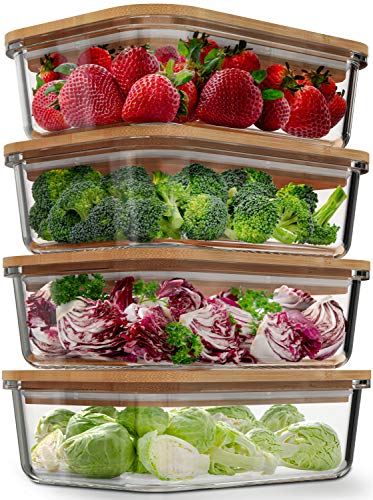
✅ MEETS YOUR STORAGE NEEDS - Made of borosilicate, the strongest glass available, our kitchen ware can withstand temperatures of up to 520°F. They are freezer, microwave, oven, and dishwasher-safe (Not the lids).
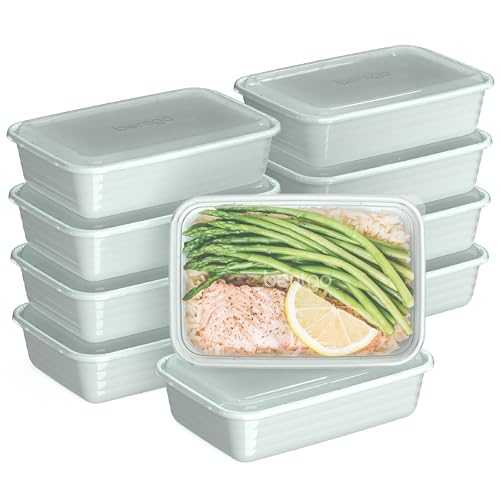
#1 Brand Pick for Meal Prep Containers: Bentgo is the top pick for meal prep containers!* This lightweight, portable 20-piece set includes tennmnnmake portioning easy to support balanced, healthy meal plans. Clear, stackable lids help keep food fresh and organized in your fridge or pantry.

5-PACK MEAL PREP CONTAINERS: Ello Plastic 10pc Meal Prep Food Storage Containers includes (5) 3.7 cup BPA free plastic food containers and five plastic locking lids to keep food fresh for longer.
Food and Grocery Prices in Osaka
Food in Osaka can remain economical when you cook regularly and use simple local restaurants. A convenience-store meal or prepared supermarket meal may cost about ¥400 to ¥800. A basic restaurant lunch commonly requires around ¥700 to ¥1,200 per person, while a casual dinner may run from approximately ¥1,200 to ¥3,000 per person.
A mid-range dinner for two generally costs several thousand yen, not ¥1,000. Street-food spending also depends on how many items you buy. A single snack may be inexpensive, while trying several foods in Dotonbori or another visitor area can quickly reach ¥2,000 to ¥4,000 per person.
| Item | Planning Range |
|---|---|
| Milk, 1 liter | ¥220–¥300 |
| Rice, 1 kilogram | ¥700–¥1,100 |
| Eggs, 10 to 12 | ¥300–¥500 |
| Chicken, 1 kilogram | ¥900–¥1,400 |
| Apples, 1 kilogram | ¥500–¥900 |
These are broad shopping ranges rather than official fixed prices. Brand, package size, season, store type, and food inflation can move individual prices above or below them.
Pro Tip: Supermarkets often mark down prepared meals as closing time approaches, but the time and discount are not guaranteed. Check the sticker price instead of assuming every store offers a 20% to 50% reduction after 7:00 PM.
Products Worth Considering

Osaka Transportation Costs and Passes
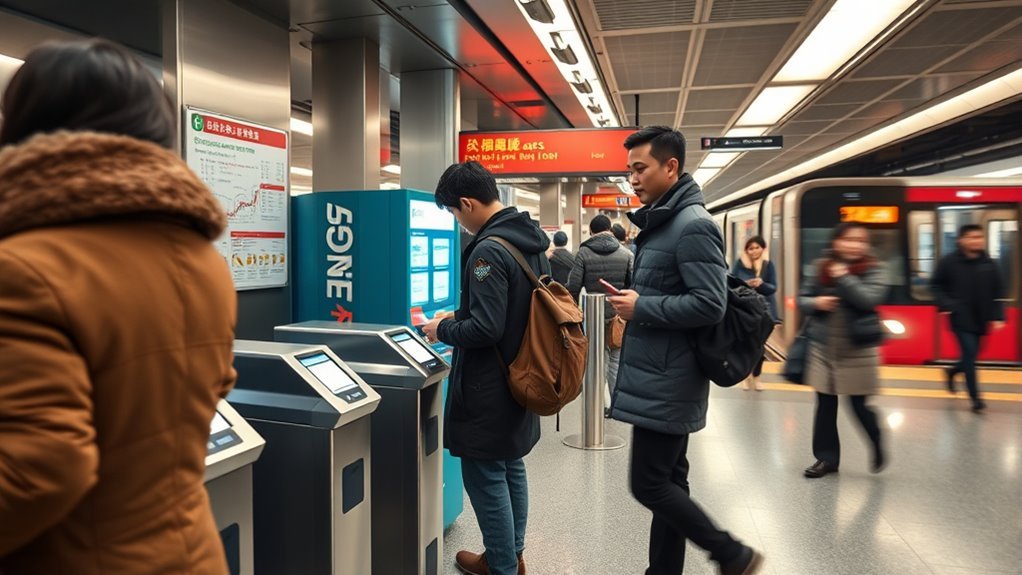
Osaka has an extensive rail, subway, and bus network, so many residents do not need a car. Your monthly cost depends on commuting distance, transfers, employer reimbursement, and how often you travel outside your normal route.
According to the current Osaka Metro fare table, adult subway and New Tram fares range from ¥190 to ¥390. One-month adult commuter passes start at approximately ¥12,030 and can exceed ¥16,000 depending on distance and coverage.
| Ticket or Pass | Adult Price | Best Use |
|---|---|---|
| Single Osaka Metro ride | ¥190–¥390 | Occasional or short trips |
| One-month commuter pass | From about ¥12,030 | Regular travel on the same route |
| Enjoy Eco Card, weekday | ¥820 | Several Metro and city-bus rides in one weekday |
| Enjoy Eco Card, weekend or holiday | ¥620 | Several rides on Saturdays, Sundays, or holidays |
| Osaka Amazing Pass, one day | ¥3,500 | Transit plus multiple included attractions |
| Osaka Amazing Pass, two days | ¥5,000 | Two consecutive sightseeing days |
The Enjoy Eco Card is designed mainly for unlimited Metro and eligible city-bus travel. The Osaka Amazing Pass costs more because it combines transportation with admission to participating attractions.
Pro Tip: Add the individual fares and attraction tickets for your planned route before buying a pass. The Osaka Amazing Pass may save money on a busy sightseeing day, but it can cost more than separate fares when you visit only free attractions.
Walking can also reduce transport costs in areas such as Namba, Shinsaibashi, Dotonbori, and parts of Umeda. However, Osaka is too large to treat every destination as walkable, so plan each day by neighborhood.
Health Insurance, Taxes, and Other Resident Costs
A long-term resident’s full budget may include costs that are not visible in a simple rent-and-food table. Depending on your employment, income, age, and residence status, these may include:
- Employee or national health-insurance contributions
- Employee pension or national pension contributions
- Income tax
- Resident tax, which may be based on prior-year income
- Medical copayments and medication
- Work-related commuting expenses not reimbursed by an employer
The Immigration Services Agency’s Foreign Residents Support Portal provides multilingual information about health insurance, pensions, taxes, employment, housing, and daily life in Japan.
Childcare, international-school tuition, university fees, and private lessons can also add substantial costs. Families and students should calculate these separately rather than assuming they fit within a standard single-person budget.
Cheap and Free Things to Do in Osaka
Osaka offers many ways to explore without paying a large admission fee. Osaka Castle Park is free to enter and remains open throughout the year, although the museum, gardens, events, and other facilities inside the park may charge separate fees.
Dotonbori is free to walk through and offers neon signs, canal views, street activity, and people-watching. You do not need to buy a full meal to experience the area, although food purchases can raise the cost quickly.
Sumiyoshi Taisha offers another low-cost cultural stop. The shrine is open throughout the year, but operating hours and access may vary by season or event.
You can also walk through Shinsekai, Kuromon Market, Nakanoshima, Tennoji Park, and local shopping streets. Kuromon Market is free to enter, but it can become expensive when you sample several seafood or specialty-food items.
Osaka hosts seasonal festivals and neighborhood events, many of which are free to watch. Dates, reserved seating, food, and activity fees vary, so check the current event page before traveling.
Short-Stay and Travel Budgets
A budget traveler may spend approximately ¥6,000 to ¥12,000 per day before accommodation. That can cover simple meals, local transport, and a limited number of paid attractions. A traveler eating at mid-range restaurants and visiting several ticketed attractions may spend more.
Hostel beds, dormitories, business hotels, and mid-range hotels can vary sharply by weekday, season, event calendar, and booking date. Budget dormitories may sometimes appear near ¥3,000, while private hotel rooms may cost ¥12,000 to ¥20,000 or much more during busy periods. Check live rates rather than treating those amounts as guaranteed prices.
International airfare should remain separate from the daily Osaka budget. Exchange-rate movements can also change how expensive a yen-denominated trip feels to someone earning or saving in another currency.
Ways to Lower Your Osaka Living Costs
- Compare apartments by total move-in cost, not only monthly rent.
- Search one or two stations beyond major commercial districts.
- Choose a 1K or 1DK when you do not need a separate living room.
- Cook several meals each week and use restaurant lunches instead of frequent dinners.
- Compare a commuter pass with individual fares for your exact route.
- Use the Enjoy Eco Card only on days with enough eligible trips.
- Group sightseeing by neighborhood to reduce backtracking.
- Check whether utilities, furniture, internet, or management fees are included.
- Keep a reserve for seasonal electricity bills and annual or prior-income-based charges.
Frequently Asked Questions
How Much Money Do You Need to Live Comfortably in Osaka?
A single adult can plan around ¥180,000 to ¥295,000 per month for a comfortable lifestyle that includes a private apartment, utilities, communication, food, transport, and moderate leisure. A lean budget may start near ¥120,000, while central rent, frequent dining, or larger housing can push the total above ¥300,000.
How Much Will It Cost to Live in Japan in 2026?
There is no single Japan-wide amount that fits every resident. A single adult may need roughly ¥120,000 to ¥300,000 or more per month depending on the city, rent, household type, and lifestyle. Tokyo and other high-demand areas may cost more, while smaller cities can be cheaper. Taxes, insurance, pension, and moving costs may sit outside basic spending estimates.
Is $5,000 Enough for Two Weeks in Japan?
$5,000 is generally a strong budget for two weeks in Japan when international airfare is excluded. It can cover comfortable accommodation, meals, local and intercity transport, and attractions for many travelers. When airfare is included, the answer depends on your departure city, exchange rate, travel dates, hotel choices, and use of high-speed trains.
Is $40,000 USD a Good Salary in Japan?
A $40,000 gross annual salary may support one adult in Osaka with moderate rent and controlled spending, but it is not automatically high or low. Check the current exchange rate, expected yen salary, taxes, insurance, pension deductions, bonuses, housing support, commuting reimbursement, and the number of dependents before judging the offer.
Is Osaka Cheaper Than Tokyo?
Osaka often offers lower rent than comparable central Tokyo neighborhoods, but there is no fixed percentage that applies to every apartment. Compare the same layout, floor area, age, station distance, and move-in fees in both cities before deciding which option costs less.
How Much Money Do You Need Upfront to Rent in Osaka?
The upfront total may equal several months of rent after you include advance rent, deposit, key money, agency charges, guarantor fees, insurance, management fees, and other contract costs. Some properties waive individual charges, so request a complete written move-in estimate before applying.
Sources
- Statistics Bureau of Japan: 2025 Family Income and Expenditure Survey — national household expenditure benchmark.
- SUUMO Osaka Rental Market Data — current rental ranges by ward and apartment layout.
- Ministry of Land, Infrastructure, Transport and Tourism Apartment Search Guide and Foreign Residents Support Portal — rental procedures, insurance, pension, taxes, and resident guidance.
- Osaka Metro Fare Table — current single fares and commuter-pass prices.
- Osaka Metro Enjoy Eco Card and 2026–27 Osaka Amazing Pass — official day-pass prices and coverage.
- Osaka Castle Park and Sumiyoshi Taisha from OSAKA-INFO — official attraction access, hours, and admission details.
Conclusion
A realistic Osaka budget in 2026 starts with housing. A lean single adult may manage on about ¥120,000 to ¥190,000 per month, while a more comfortable single-person budget may reach ¥180,000 to ¥295,000. Couples may need roughly ¥240,000 to ¥415,000, depending on apartment size and lifestyle.
Before moving, add rental setup charges and confirm whether taxes, health insurance, pension, utilities, internet, and commuting costs are included in your calculation. Current listings and official fare pages will give you a more reliable answer than a single citywide average.
