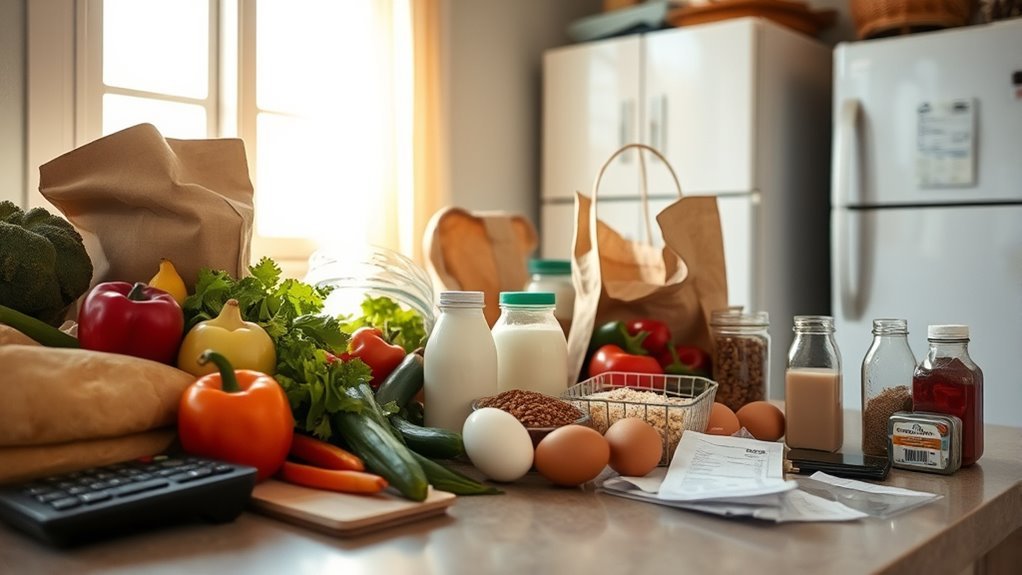
Grocery costs in San Antonio can vary widely depending on household size, where you shop, how often you cook, and how much meat or prepared food you buy. In 2026, a single adult can reasonably plan on spending around $250 to $400 per month on groceries, while a family of four may need roughly $750 to $1,000 or more per month. A useful local benchmark comes from MIT’s Living Wage Calculator, which estimates basic annual food expenses of $3,552 for one adult and $10,395 for a two-adult, two-child household in Bexar County. That works out to about $296 and $866 per month, respectively.
Quick Answer: How Much Are Groceries in San Antonio in 2026?
For most San Antonio households, a practical 2026 grocery budget falls somewhere between $300 and $1,000 per month, depending mainly on family size. A single person who cooks most meals at home may stay near $250–$350, while two adults may spend around $500–$650. A family of four should generally prepare for approximately $800–$1,000 per month.
| Household | Estimated Monthly Grocery Budget |
|---|---|
| 1 adult | $250–$400 |
| 2 adults | $500–$650 |
| 1 adult + 1 child | $400–$550 |
| 2 adults + 1 child | $650–$800 |
| 2 adults + 2 children | $800–$1,000 |
| 2 adults + 3 children | $1,000–$1,200+ |
Important: These are planning ranges rather than fixed prices. Your actual bill can be considerably lower if you use store brands, buy sale items, and cook from scratch. Organic foods, premium meats, delivery services, prepared meals, and frequent impulse purchases can push the total much higher.
Key Takeaways
- MIT estimates basic food expenses for one adult in Bexar County at $3,552 per year, or about $296 per month.
- Two adults have an estimated basic food cost of about $543 per month.
- A household with two adults and two children has an estimated basic food cost of about $866 per month.
- San Antonio grocery prices vary significantly by store, brand, package size, and neighborhood.
- Meat—especially beef—can have a major effect on the monthly budget. U.S. beef and veal prices were 11.8% higher year over year in June 2026.
- Cooking at home, using store brands, planning meals around weekly specials, and reducing food waste are among the easiest ways to keep grocery spending under control.
Average Monthly Grocery Cost in San Antonio
There is no single grocery bill that represents every San Antonio resident. However, Bexar County data gives us a useful starting point.
MIT’s 2026 Living Wage Calculator estimates the following annual basic food expenses for households in Bexar County:
| Household Size | Annual Food Cost | Monthly Equivalent |
|---|---|---|
| 1 adult | $3,552 | $296 |
| 1 adult + 1 child | $5,210 | About $434 |
| 1 adult + 2 children | $7,807 | About $651 |
| 1 adult + 3 children | $10,390 | About $866 |
| 2 adults | $6,512 | About $543 |
| 2 adults + 1 child | $8,082 | About $674 |
| 2 adults + 2 children | $10,395 | About $866 |
| 2 adults + 3 children | $12,683 | About $1,057 |
These figures represent food as part of a basic-needs budget rather than luxury grocery spending. They are therefore better treated as a baseline than as a spending limit.
Typical Grocery Prices in San Antonio
Local price reports from San Antonio in 2026 show how quickly a basic basket can add up. Reported prices have been around $4.49 for a dozen large eggs, roughly $3.16 for a 500-gram loaf of white bread, around $5.20 per pound for chicken fillets, and approximately $7.90 per pound for beef round. Prices fluctuate by retailer and week, so these should be treated as reference points rather than guaranteed shelf prices.
| Grocery Item | 2026 San Antonio Reference Price |
|---|---|
| Milk | About $1.15 per liter |
| White bread | About $3.16 per 500 g loaf |
| White rice | About $1.95 per lb |
| Large eggs | About $4.49 per dozen |
| Chicken fillets | About $5.20 per lb |
| Beef round | About $7.90 per lb |
| Apples | About $2.05 per lb |
| Bananas | About $0.75 per lb |
| Tomatoes | About $1.60 per lb |
| Potatoes | About $1.06 per lb |
| Onions | About $1.31 per lb |
| Lettuce | About $1.92 per head |
Local price data is crowd-sourced and individual stores may be cheaper or more expensive. Sale prices and private-label products can also be substantially below these averages.
Grocery Budget for One Person in San Antonio
A single adult should consider a grocery budget of roughly $250 to $400 per month.
The MIT Bexar County estimate is about $296 per month, making $300 a reasonable starting target for someone preparing nearly all meals at home.
A $300 monthly budget equals approximately:
- $69 per week
- $9.85 per day
- About $3.30 per meal if nearly all food is prepared at home
Staying near this level will generally require some planning. Rice, pasta, beans, oats, potatoes, eggs, frozen vegetables, chicken, seasonal produce, and store-brand pantry products can stretch a food budget much farther than ready-to-eat meals.
Grocery Budget for Two Adults
Two adults living together can use approximately $500 to $650 per month as a realistic starting range.
MIT estimates annual Bexar County food expenses of $6,512 for a two-adult household, equal to roughly $543 per month.
Couples may have a small advantage because larger packages can be used before they spoil, and cooking a meal for two usually costs less per serving than preparing completely separate meals.
A couple spending $550 monthly has around $127 per week available for groceries.
Grocery Budget for a Family of Four
A San Antonio family consisting of two adults and two children should consider starting with a grocery budget of approximately $800 to $1,000 per month.
MIT’s basic-needs estimate for this household is $10,395 annually, or roughly $866 per month.
At $866 per month, the household has roughly $200 per week for food.
The ages of the children matter. Two young children usually consume less than two teenagers. Families buying school snacks, drinks, individual packages, sports foods, or specialty dietary products may also need considerably more.
Why Grocery Bills Still Feel High in 2026
Food inflation has slowed compared with some earlier periods, but grocery prices have not simply returned to old levels. In June 2026, the Bureau of Labor Statistics reported that U.S. food-at-home prices were 2.7% higher than a year earlier.
Price changes have also been uneven across the grocery aisle. Beef and veal were up 11.8% year over year, while chicken prices were down 2.3%. Egg prices were down sharply from the prior year’s elevated levels, while milk remained higher.
This means changing what you put in your cart can sometimes have a bigger impact than simply buying fewer items.
Three Grocery Budget Levels
Low-Cost Budget
A low-cost grocery plan focuses on store brands, simple ingredients, sales, bulk staples, and minimal food waste.
| Household | Low-Cost Target |
|---|---|
| 1 adult | $250–$300/month |
| 2 adults | $450–$550/month |
| Family of 4 | $700–$850/month |
Typical Budget
This level allows more variety, regular meat purchases, snacks, branded products, and some convenience foods.
| Household | Typical Target |
|---|---|
| 1 adult | $300–$400/month |
| 2 adults | $550–$700/month |
| Family of 4 | $850–$1,050/month |
Higher-Spend Budget
Households buying premium meat, seafood, organic produce, specialty foods, drinks, prepared meals, and name-brand items can easily move beyond these amounts.
| Household | Higher-Spend Budget |
|---|---|
| 1 adult | $450+/month |
| 2 adults | $750+/month |
| Family of 4 | $1,100+/month |
Where San Antonio Residents Can Shop for Groceries
San Antonio has several options ranging from large supermarkets and warehouse clubs to discount grocers and neighborhood markets. H-E-B has a particularly strong presence in the area, while shoppers may also compare prices at Walmart, Costco, Sam’s Club, Aldi, Target, and local markets.
Warehouse clubs can work well for households that regularly use large quantities of meat, rice, dairy products, frozen foods, snacks, and household supplies. Smaller households should be more careful because buying more is not a saving if part of the food eventually goes to waste.
How to Spend Less on Groceries in San Antonio
1. Set a Weekly Limit
Divide your monthly grocery budget by about 4.33 rather than four. If your monthly target is $600, your weekly target is roughly $139. This prevents a five-week shopping cycle from breaking the budget.
2. Check Weekly Specials Before Planning Meals
Build meals around whichever proteins, vegetables, fruits, and pantry staples are discounted that week rather than writing a menu first and buying everything at full price.
3. Compare Price Per Unit
A larger package is not automatically cheaper. Check the price per ounce, pound, count, or serving before choosing between sizes.
4. Use Store Brands
Private-label products can reduce the cost of basics such as flour, sugar, rice, pasta, canned vegetables, milk, bread, spices, cereal, and cleaning supplies without requiring major changes to your meals.
5. Watch Your Meat Budget
Beef has been one of the faster-rising grocery categories in 2026. Consider rotating beef with chicken, pork, beans, lentils, eggs, or other lower-cost proteins when prices are unfavorable.
6. Reduce Food Waste
Throwing away $15 of unused produce and leftovers every week equals about $780 per year. Freeze extra meat, bread, fruit, and cooked meals before they spoil.
7. Avoid Shopping Hungry
Keep a list and shop after eating when possible. Unplanned snacks, drinks, bakery items, and prepared foods can quickly add $10–$30 to a grocery trip.
8. Separate Groceries From Household Supplies
Paper towels, shampoo, laundry detergent, diapers, pet food, and cleaning supplies often appear on the same receipt as food. Track these separately if you want an accurate picture of what your household actually spends on groceries.
Sample $800 Monthly Grocery Budget
Here is one way a household could divide an $800 monthly food budget:
| Category | Monthly Amount |
|---|---|
| Meat, poultry and fish | $200 |
| Fruit and vegetables | $160 |
| Dairy and eggs | $100 |
| Rice, bread, pasta and grains | $90 |
| Pantry foods | $80 |
| Breakfast and snacks | $80 |
| Drinks and miscellaneous food | $50 |
| Price-change buffer | $40 |
| Total | $800 |
The buffer is useful because food prices change from week to week. If you do not use it, roll the money into the following month’s grocery budget.
Groceries vs. Eating Out
One important budgeting mistake is comparing a grocery bill with total food spending. Groceries cover food brought home, while restaurant meals, takeout, coffee shops, and delivery apps belong in a separate dining-out category.
A household may appear to have a very low $500 grocery bill but still spend hundreds of dollars each month on restaurant meals. For a realistic food budget, track both categories.
Simple Grocery Budget Formula
If you are new to San Antonio or do not know how much to budget, start with this approach:
Number of adults × $300 + number of children × $150 to $225 per month
Then adjust the result according to your eating habits.
For example, two adults and two children could start around:
($300 × 2) + ($175 × 2) = $950 per month
After tracking spending for two or three months, you can replace the estimate with your household’s actual average.
Are Groceries Expensive in San Antonio?
San Antonio grocery costs are manageable compared with many household expenses, but food still represents a meaningful monthly bill. MIT’s Bexar County calculations show food expenses of about $3,552 annually for a single adult compared with housing expenses of $12,821 and transportation expenses of $8,418.
The bigger challenge is that groceries are purchased frequently. A $10 increase here and a $15 impulse purchase there can quietly add another $100 or more to the monthly total.
Frequently Asked Questions
How much does one person spend on groceries in San Antonio?
A good 2026 starting budget is approximately $250 to $400 per month. MIT’s Bexar County basic-needs estimate works out to about $296 per month for one adult.
How much should two people budget for groceries in San Antonio?
Two adults can start with approximately $500 to $650 per month. MIT estimates a basic food requirement of roughly $543 per month for a two-adult Bexar County household.
How much should a family of four spend on groceries?
A reasonable San Antonio target is approximately $800 to $1,000 per month. The 2026 MIT basic-needs estimate for two adults and two children in Bexar County is about $866 per month.
How much are groceries per week in San Antonio?
A single adult may spend roughly $60 to $90 per week, while two adults may spend around $115 to $150. A family of four may need approximately $185 to $230 per week, depending on its monthly budget and shopping habits.
What grocery items are expensive in 2026?
Beef has been a notable source of grocery inflation. BLS data for June 2026 showed beef and veal prices 11.8% higher than one year earlier, while overall food-at-home prices were up 2.7%.
Can one person live on a $200 monthly grocery budget in San Antonio?
It may be possible with careful meal planning, inexpensive staples, limited meat, store brands, and very little food waste. However, $200 is below the roughly $296 monthly basic food expense estimated for a single Bexar County adult, so it would be a fairly restrictive budget.
Is $1,000 a month enough for groceries for a family of four?
For many San Antonio families, yes. A $1,000 monthly grocery budget is above the roughly $866 basic-needs food estimate for two adults and two children in Bexar County. Families buying organic products, specialty foods, premium meat, or many convenience foods may spend more.
Final Thoughts
For 2026, a practical San Antonio grocery budget starts at around $250–$400 per month for one adult, $500–$650 for two adults, and $800–$1,000 for a typical family of four. Local Bexar County data supports roughly $296 per month for one adult and $866 for a two-adult, two-child household as basic food-cost benchmarks.
Your household does not have to match an average exactly. The best grocery budget is one based on the foods you actually eat, the stores you use, and several months of real spending. Start with a reasonable target, track every grocery purchase, review the total at the end of the month, and adjust until the number fits both your diet and your finances.