
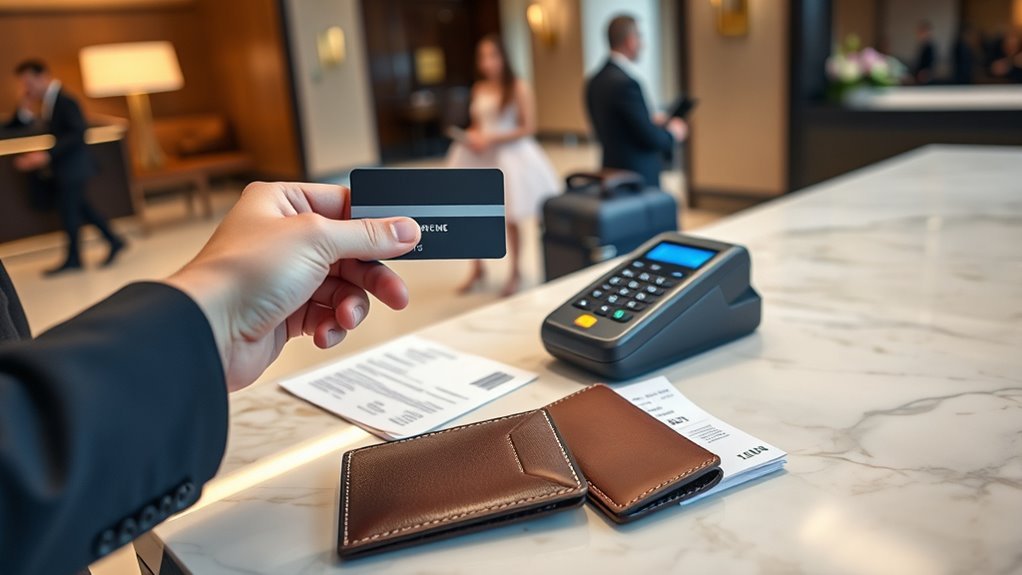
A hotel incidental hold is a temporary pre-authorization placed on your credit or debit card at check-in to cover potential extra expenses—including parking, room service, minibar items, resort amenities, or incidental property damage. Typical holds range from $50 to $250 per night above the room rate. While credit card holds usually drop off within 24 to 72 hours after checkout, debit card holds can tie up actual bank funds for 5 to 14 business days. Understanding how these authorizations work helps you protect your cash flow and avoid unexpected bank fees during your travel budget planning.
Quick Facts: Hotel Incidental Holds
- Typical Cost: $50–$100/night (budget/midscale), $100–$250/night (luxury/resorts), or a $100–$300 flat stay deposit.
- Release Timing: 24–72 hours for credit cards; 5–14 business days for debit cards.
- Prepaid Bookings: Even if your room is 100% prepaid via Expedia or Booking.com, you must still present a card for incidentals at check-in.
- Card Impact: Credit cards reduce available credit limit; debit cards freeze actual cash in your checking account.
Key Takeaways
- Incidental holds are temporary authorizations (pre-auths), not settled charges, unless extra services are billed.
- Using a debit card creates risk of overdraft fees because the bank locks real cash in your checking account.
- Hotels do not immediately “refund” holds; they release the authorization, after which your issuing bank updates your available balance.
- Requesting a zero-balance folio at checkout and checking your banking app prevents surprise post-checkout disputes.
What Are Hotel Incidental Holds and How Do They Work?
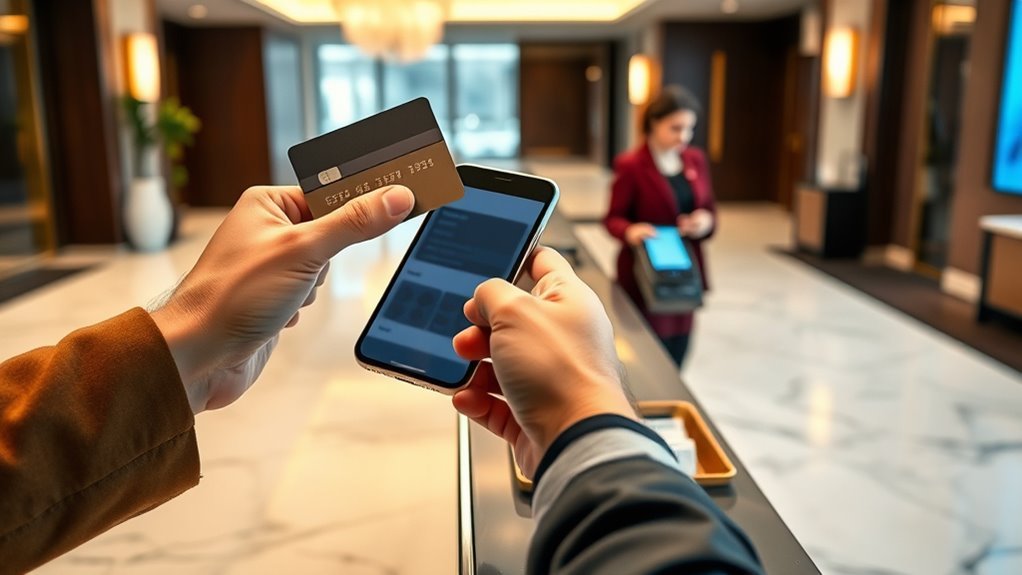
When you register at the front desk, the hotel swipes or dips your payment card into their Property Management System (PMS) to run an authorization hold. This transaction verifies that your account is active and rings up an electronic ring-fence around a specific dollar amount to guarantee payment for unpaid amenities or damages.
This process does not immediately transfer funds to the hotel’s merchant account. Instead, it places a temporary claim against your spending limit. If you incur zero incidental expenses during your stay, the hotel releases the authorization upon checkout. If you charge room service or valet parking to your room, the hotel finalizes the exact amount owed during night audit settlement and releases the remaining unspent portion of the hold.
For travelers, the critical distinction is between a pending authorization and a posted charge. A pending hold temporarily lowers your spending power, but it will not appear on your official monthly billing statement as an accrued balance unless finalized by the property.
How Much Do Hotels Typically Charge for Incidentals?
Hotel incidental hold amounts depend on the property tier, geographic market, room type, and length of stay. Full-service urban properties and luxury resorts charge significantly higher hold amounts due to on-site dining, spas, and minibar amenities.
| Hotel Category | Typical Nightly Hold | Alternative Flat Hold | Primary Included Services |
|---|---|---|---|
| Budget / Economy (e.g., Motel 6, Super 8) | $25 – $50 / night | $50 – $100 / stay | Key deposits, smoking fines, basic property damage |
| Midscale / Select-Service (e.g., Hampton Inn, Courtyard) | $50 – $100 / night | $100 – $200 / stay | Market pantry snacks, parking, pet fees |
| Upscale / Full-Service (e.g., Marriott, Hilton, Hyatt Regency) | $100 – $150 / night | Varies by nights | Room service, restaurant dining, valet, premium Wi-Fi |
| Luxury & Resorts (e.g., Ritz-Carlton, Four Seasons) | $150 – $300+ / night | $500+ / stay | Spa services, cabana rentals, minibars, resort activities |
Extended-stay properties often charge a flat deposit per stay rather than compounding daily hold amounts, preventing multi-week guests from having thousands of dollars authorized simultaneously.
Common Hotel Incidental Charges You Should Expect
The total hold amount authorized at check-in is designed to cover specific chargeable amenities and potential violation fees:
- Parking fees: Overnight self-parking ($20–$50/day) and valet parking ($40–$80/day) in downtown metropolitan hotels.
- Room service and dining: Restaurant charges billed directly to your room folio, including delivery service fees and automatic gratuities.
- Minibar and automated snack trays: In-room snacks, bottled water, and beverages. Note that modern sensor-equipped minibars bill automatically if an item is lifted for more than 30–60 seconds.
- Mandatory resort charges and facility fees: Daily charges covering pool access, fitness facilities, and local calling credits.
- Pet fees and sanitation deposits: Non-refundable nightly pet surcharges ($25–$75/night) or deep-cleaning security deposits ($100–$250/stay).
- Unauthorized smoking and damage penalties: Mandatory deep-cleaning fees ($250–$500+) assessed if smoking or room damage is documented by housekeeping.
Products Worth Considering

【High Quality travel passport holder】This passport wallet and passport book holder is made of super strong and durable polyester fabric, waterproof and stain resistant, lightweight material for easy carrying, strong zinc alloy zipper makes it more durable; Rfid passport wallet looks very attractive design, can be a great passport holder wallet choice for men, women, friends and family.

HEAVY DUTY! - PERFECT WATER TIGHT CASES FOR VACATION FUN!!! More than Just Waterproof Card Holder - Carry Your Cash, Credit Cards, Drivers LIcense and Hotel Keycard - Great for Lounging at the Hotel Pool or Snorkeling or Scuba Diving. Ultimate Small Waterproof Case with Key Ring, Carabiner Clip and Quick Release Lanyard

This credit card holder is made of aluminum shells, ABS plastic frame and clasp closure, RFID-blocking will protect your card data from RFID scanners and readers.
Credit Card vs. Debit Card: Which Should You Use?
Using a credit card is significantly safer and more convenient than using a debit card for hotel incidental holds. The table below outlines how payment methods differ across critical banking factors.
| Feature | Credit Card | Debit Card | Cash / Prepaid Cards |
|---|---|---|---|
| Fund Impact | Reduces available credit line | Freezes real cash in checking account | Requires immediate physical cash handoff |
| Typical Release Time | 24 to 72 hours | 5 to 14 business days | Returned at checkout after room inspection |
| Overdraft Risk | None (unless credit limit is breached) | High (recurring bills may bounce) | None |
| Hotel Acceptance | Universally accepted | Widely accepted (often requires higher hold) | Widely declined at check-in |
Warning for Debit Card Users: If you have $600 in your checking account and a 4-night stay authorizes $400 in incidentals alongside room and tax, your accessible cash drops immediately to $200. Any automated bill payments hitting your bank during your trip could trigger non-sufficient funds (NSF) or overdraft fees.
How Long Do Hotel Holds Take to Clear?
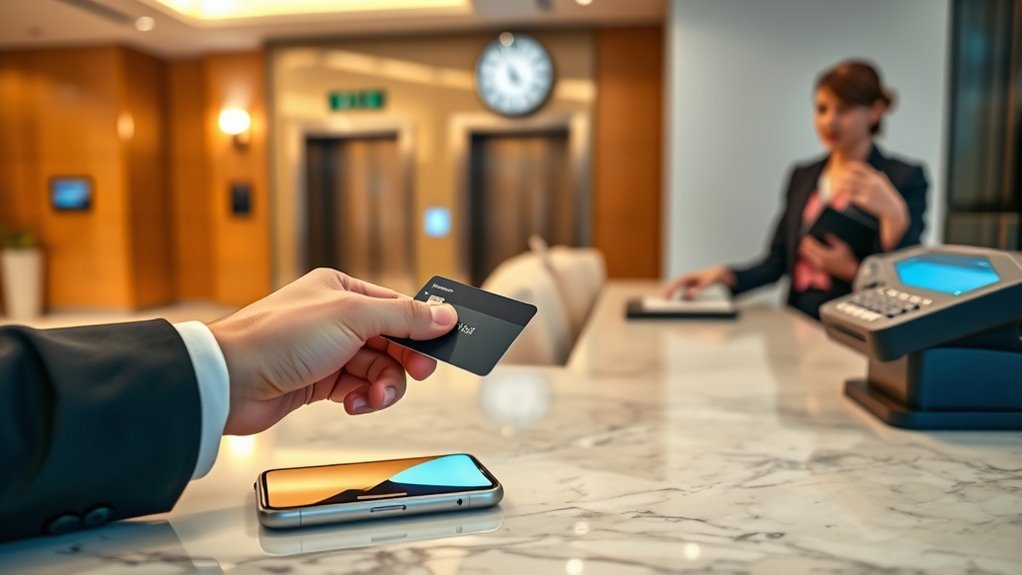
A credit card incidental hold typically disappears within 24 to 72 hours following checkout. However, the exact clearing speed depends on a two-step communication process between the hotel’s merchant acquirer and your card-issuing bank.
Upon checkout, the hotel’s billing software sends a settlement batch file that finalizes your balance and transmits an electronic reversal command for the unused authorization hold. Once your bank receives this batch instruction, it releases the reserve on your credit line or checking account.
If your bank does not receive an automated release signal, the hold remains active until the issuing bank’s internal pre-authorization timer expires automatically:
- Major Credit Cards (Visa, Mastercard, Amex): Typically drop in 1–3 business days.
- Debit Cards (Major Banks): Typically drop in 3–7 business days.
- Credit Unions and Regional Banks: May hold funds for 7–14 business days.
- International Bank Cards: May take 10–21 business days due to cross-border currency clearing windows.
The “Double Charge” Illusion Explained
One of the most frequent traveler complaints is seeing two separate line items on their banking app after checkout: one for the final room bill and another for the initial pre-authorization. This is not a duplicate charge.
When you check out, the hotel processes your final bill as a fresh, completed transaction. Meanwhile, the original pre-authorization hold placed on day one does not vanish instantaneously—it sits in pending status for 24 to 48 hours until your bank processes the settlement file. During this temporary overlap window, your available credit or cash balance reflects both amounts. Once the batch settles, the pending hold disappears completely, leaving only the settled charge.
Products Worth Considering

💳Stylish, Small & Slim: Measuring just 4.5” × 3.15” × 0.15”, our front pocket slim wallet is super thin, it is only 0.4 inches thick after filling with 8 cards. The ultra-slim wallet that fits perfectly in your pocket, purse or travel pack.

Ultra Slim and RFID Blocking Wallet: This thin card wallet is equipped with advanced RFID blocking technology. It protects your valuable information like ID and credit cards from unauthorized scans. It also allows you to bring it along in your handbag, backpack, front pocket, or purse

Special Design: Multi-color optional and wear-proof classic business card holder looking.
How Third-Party Bookings (Expedia, Booking.com) Affect Holds
Many travelers assume that prepaying for a hotel room through an Online Travel Agency (OTA) like Expedia, Hotels.com, or Booking.com eliminates front-desk charges. This is a costly misconception.
While your third-party booking covers room rate and mandatory occupancy taxes, it never covers incidentals or on-site security deposits. At check-in, the front desk still requires a valid credit or debit card in the primary guest’s name to authorize the property’s standard nightly deposit. Always budget for incidental hold requirements even when your room voucher is marked “Paid in Full.”
Actionable Tips to Manage and Minimize Hotel Holds
Following a few strategic steps before and during your stay will keep hotel holds from impacting your vacation spending power:
- Separate your check-in card from your spending card: Place the incidental hold on a high-limit travel credit card at check-in, but settle your final folio charges with a debit card or cash at checkout if preferred.
- Request a “Zero-Balance Folio” at the front desk: Always get a physical printout or PDF receipt showing a $0.00 outstanding balance before departing the property.
- Ask the front desk to enter an explicit Auth Release: When checking out early or without room charges, ask the front desk agent to release the pre-authorization manually in their PMS rather than waiting for automated batch settlement.
- Decline minibar and in-room phone access: If traveling on a tight budget, ask the front desk at check-in to disable room charging privileges and lock minibar access. Some properties will lower your nightly hold requirement from $100 to $25 if room charging is disabled.
- Watch for foreign transaction rate locks: When traveling internationally, dynamic currency conversion can cause authorization holds to fluctuate based on daily exchange rates. Always authorize holds in the hotel’s local currency.
How to Resolve a Hold That Won’t Drop
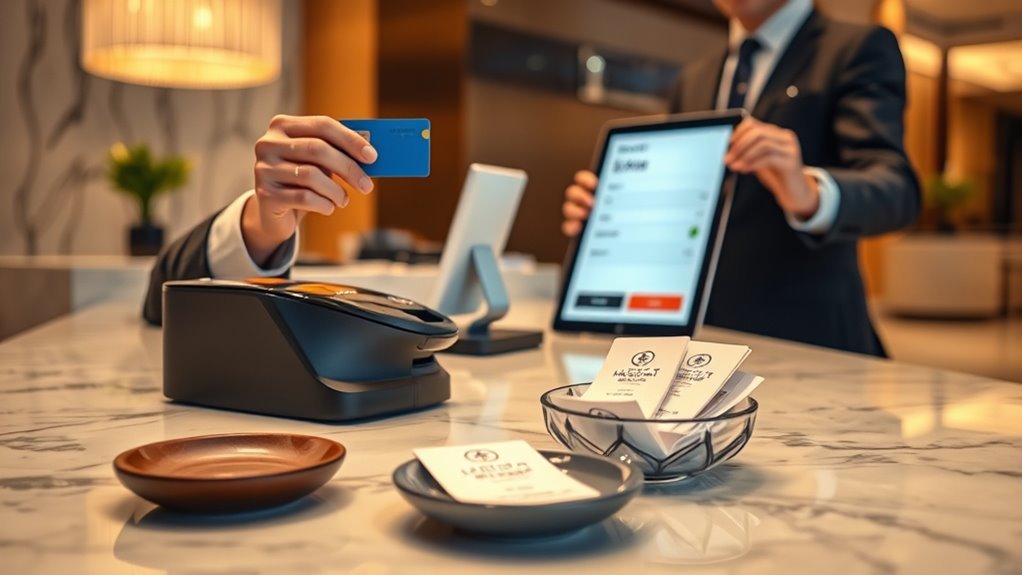
If an incidental hold remains pending on your card account for more than 7 business days after checkout, execute the following resolution protocol:
- Step 1: Contact the Hotel Accounting Department: Call the property directly (not the central 1-800 reservations line) and ask for the on-site accounting or front office manager. Provide your folio number and request their Authorization Approval Code and reversal confirmation.
- Step 2: Request an Authorization Release Form: If the hotel claims the hold was released on their end, ask them to fax or email an official Bank Authorization Release Letter on hotel letterhead containing the transaction date, amount, card last 4 digits, and approval code.
- Step 3: Call Your Bank’s Dispute Department: Contact the customer service number on the back of your card. Inform the representative that you have a lingering authorization hold past the merchant’s 72-hour release window. Provide the hotel’s approval code or submit the release letter to have the bank manually drop the pending hold.
Frequently Asked Questions
Does the Hotel Incidental Hold Come Back?
Yes, the incidental hold is released if you do not incur extra charges during your stay. Because a hold is a pending authorization rather than a settled charge, you will not see a separate refund deposit; instead, your original available credit or checking balance is simply restored.
Can a Hotel Charge More Than the Incidental Hold?
Yes. If your total incidental expenses, room damages, or cleaning fees exceed the original hold amount, the hotel will run a secondary charge for the remaining balance. If that secondary authorization is declined, the hotel may pursue collection or bill the card on file under the signed check-in terms.
Why Did the Hotel Charge Me Twice?
This common issue occurs because the final settled folio charge and the initial pre-authorization hold temporarily overlap on your banking app for 24 to 48 hours after checkout. The pending hold drops off automatically as soon as your bank processes the hotel’s final settlement batch.
Can You Pay Hotel Incidentals with Cash?
Most modern hotel chains require a valid credit or debit card at check-in and do not accept cash deposits due to liability and smoking violation risks. Select budget properties may accept a $100–$300 cash deposit, but this requires an in-person room inspection by housekeeping before cash is refunded at checkout.
How Can You Check the Hotel Incidental Hold Before Arrival?
Call the specific hotel property directly and ask the front desk for their exact nightly incidental authorization policy and accepted payment types. Check your email booking confirmation under the “Important Information” or “Property Policies” section, where mandatory deposit amounts are legally disclosed.
Final Thoughts on Hotel Budgeting
Hotel incidental holds are a standard industry safeguard, but they do not have to disrupt your travel finances. Always verify the nightly deposit policy before arrival, use a dedicated credit card rather than a debit card at the front desk, and retain a copy of your zero-balance folio upon checkout. By budgeting an extra $50 to $150 per night for temporary authorizations, you can prevent card declines and enjoy a seamless stay.
